
REVIEW · BAUHAUS AND BRUTALIST ARCHITECTURE TOURS
Dessau: Radtour Bauhaus – Junkers – Gartenreich
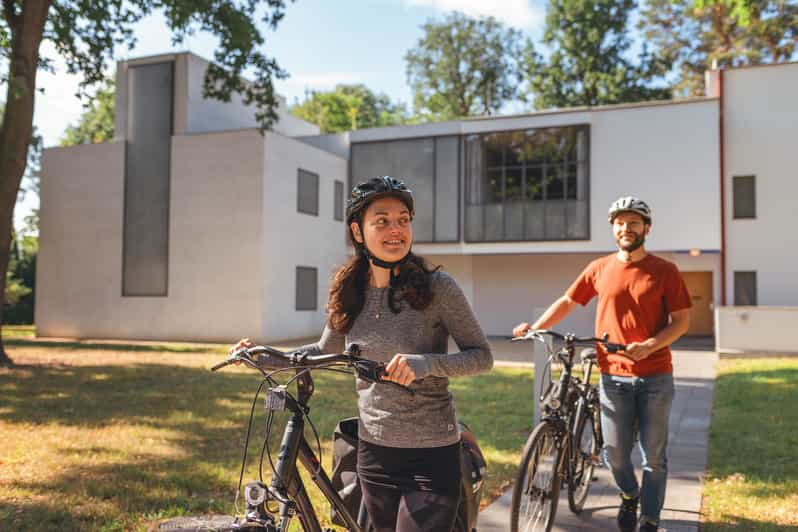
Three visions shaped Dessau. This bike tour connects the Garden Kingdom of Prince Franz, Hugo Junkers’s industrial work, and Walter Gropius’s Bauhaus in one lively route. I like the way it links art, technology, nature, and city planning instead of treating each sight as a separate stop. I also like the broader reach that a bicycle gives you, letting the tour move beyond a short walking circuit.
The main limitation is language: the live tour is offered in German only. You also need to budget an extra €10 per bicycle per day if you need a rental bike. Still, at $23 per person for 2.5 hours, the experience offers strong value for anyone who can follow German and wants more than a quick look at Bauhaus buildings.
Key Points to Know Before You Book
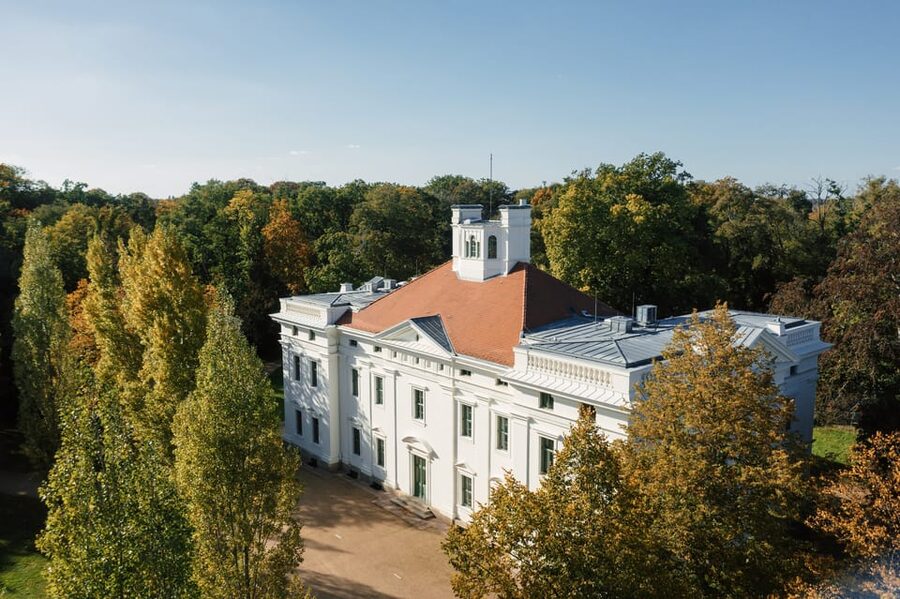
- Three forces shape the route: Prince Franz’s Garden Kingdom, Hugo Junkers’s industrial work, and Walter Gropius’s Bauhaus.
- The bicycle expands the tour: You cover more of Dessau than you could comfortably see on foot in the same time.
- Stories are central: The guide adds anecdotes and local context to the buildings, parks, and people.
- The starting point is practical: Meet in front of the Tourist Information, where you can also pick up a rental bike.
- The tour ends at a historic workplace: The route finishes at the Historic Employment Office, giving the outing a clear endpoint.
- German is the only listed tour language: This matters more here because much of the value comes through spoken explanation.
Why Dessau Makes Such a Good Bike Tour
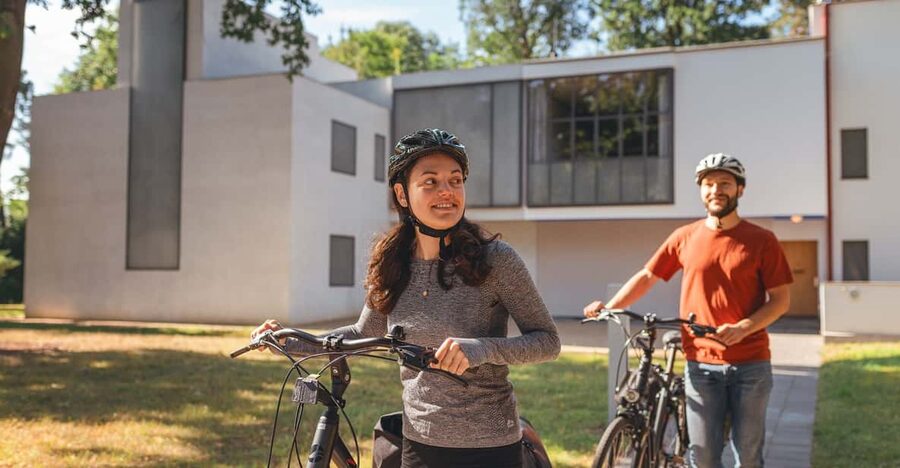
Dessau is not simply a Bauhaus stop. Its story begins earlier, with Prince Franz of Anhalt-Dessau and the Garden Kingdom of Dessau-Wörlitz. His planting, park, and reform program helped set conditions for the city’s later industrial growth.
That connection is the clever part of this tour. You are not just moving from one famous building to another. You are following a chain of ideas: improve the land, improve society, encourage industry, and bring art and technology together.
I find that approach far more useful than a standard city ride built around isolated monuments. It gives you a reason to care about the spaces between the headline attractions. The tour presents Dessau as a place shaped by people who believed progress could be designed.
The route also suits the city itself. A bicycle lets the guide connect gardens, urban sites, and architectural landmarks without spending much of the two and a half hours walking from place to place. You get a wider picture of Dessau-Roßlau and a better sense of how its different periods relate.
More Bauhaus and brutalist tours in Germany:
- Brutalist Tbilisi: Urban exploration and untold stories
★ 5.0 · 82 reviews - London: Brutalist Architecture & History Walking Tour
★ 4.8 · 42 reviews - Le Corbusier’s Chandigarh : A Complete Architecture Tour
★ 4.7 · 25 reviews
Starting at Tourist Information
Your guide meets you in front of the Tourist Information. This is a sensible starting point, especially if you are new to Dessau. It gives you a known address and a natural place to collect a rental bicycle if you need one.
Bike rental is not included in the tour price. The stated cost is €10 per bicycle per day, so factor that into your budget before booking. If you already have a suitable bicycle, the $23 tour price covers the guided experience itself.
The meeting point also keeps the beginning simple. You do not need to search for a remote landmark or find your way to an outlying suburb. After meeting the guide, the group sets off into Dessau’s connected story of parks, industry, and modern design.
The available information does not specify bicycle type, group size, or the exact riding distance. I would ask about those details if you have concerns about cycling comfort or equipment. The ride is described as a bicycle tour, but no level of physical difficulty is given.
Prince Franz and the Garden Kingdom
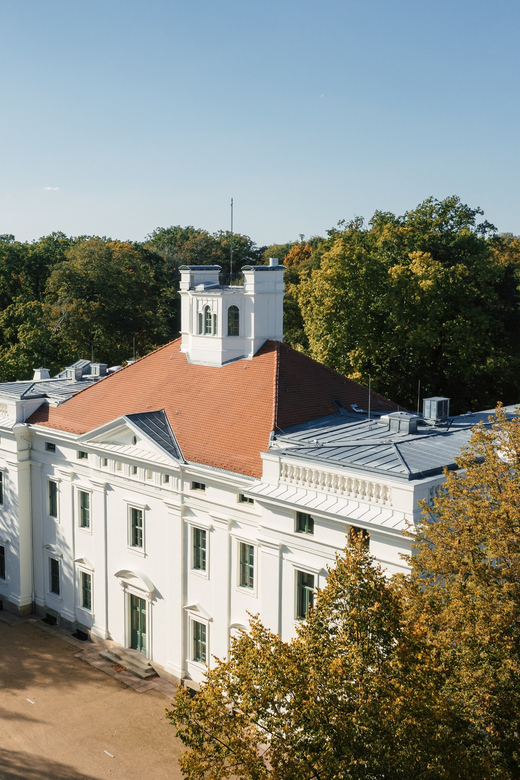
The first major idea behind the route is the work of Prince Franz of Anhalt-Dessau. His Garden Kingdom of Dessau-Wörlitz was not presented as decoration alone. It formed part of a wider reform program that affected the development of Dessau.
That point gives the garden setting real importance. You are looking at nature as part of a social and economic vision, not just as a pretty backdrop for photographs. The tour shows how planned gardens and open spaces helped shape the city’s future.
The route includes the enchanting nature of the Garden Kingdom, as one guest described it. That description is useful because it signals a pleasant change of pace from Bauhaus’s simpler lines and industrial subjects. You get greenery and open views alongside discussions of technology and architecture.
The Garden Kingdom portion should appeal to you if you want a tour with more variety than a strict architecture outing. It also helps explain why Dessau’s identity cannot be reduced to white walls, flat roofs, and modernist furniture.
At the same time, keep your expectations measured. This is a 2.5-hour guided bike tour, not a full exploration of every garden or palace in the Dessau-Wörlitz area. The focus is on the connection between the gardens and the city’s later development.
Hugo Junkers and Dessau’s Industrial Turn
The next thread follows Hugo Junkers and the early industrial development of Dessau. The tour explains how the reform work associated with Prince Franz helped create conditions that attracted industrial pioneers.
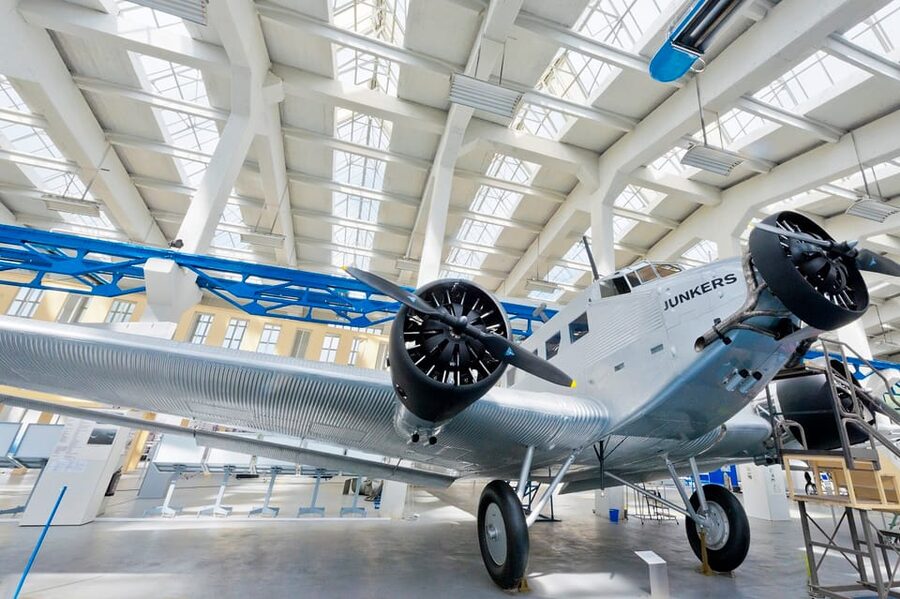
Junkers represents the practical, technical side of Dessau’s story. His presence on the route shows that the city was not only a center for artistic experiments. It was also a place where engineering, manufacturing, and new ideas had room to grow.
This is where the tour’s theme becomes especially clear. Prince Franz, Hugo Junkers, and Walter Gropius worked in different fields, yet all three were connected by a belief in progress. The tour uses that shared outlook to explain why Dessau became such an interesting meeting point for nature planning, industry, and design.
I appreciate that this approach gives Junkers more weight than a name on a plaque. You hear about the people who worked in Dessau and the ideas that shaped the city around them. The guide’s anecdotes are an important part of that experience, since a bicycle route alone cannot explain why these connections matter.
The exact Junkers sites included are not specified, so you should not expect a fixed list of buildings from the information available. The route is designed around places connected with these pioneers, with the guide adapting the ride as needed.
Same city, a different building to stand in front of:
- Munich 3-Hour Segway Tour: Nazi Munich & Royal Architecture
★ 4.9 · 194 reviews - Düsseldorf: Guided City Architecture Walking Tour
★ 4.6 · 61 reviews - Hidden Architectural Gems of Munich (Max. 16 guests)
★ 4.9 · 52 reviews - Potsdam: Guided Walking Tour of UNESCO Site and Architecture
★ 4.7 · 49 reviews
Walter Gropius and the Bauhaus Connection
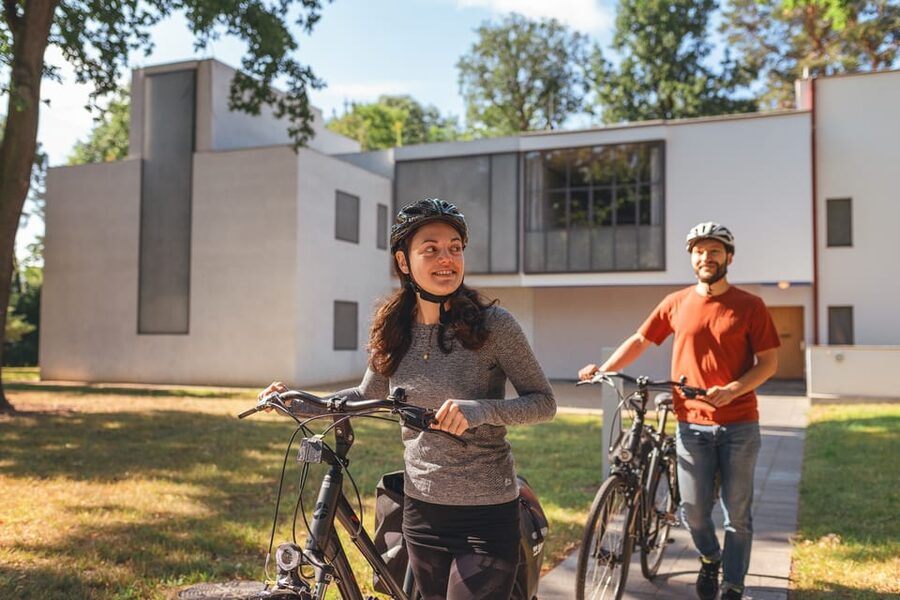
Walter Gropius brings the story into the modern age. Bauhaus is often treated as a separate subject, but this tour places it within Dessau’s longer effort to unite practical progress with creative work.
The central idea is that art and technology should work together. That sounds familiar today, but the tour presents it as part of Dessau’s particular development rather than as an abstract slogan.
You can expect the Bauhaus portion to focus on the city’s straightforward modern architecture. One recent guest praised the contrast between the simple architecture of the Bauhaus and the natural setting of the Garden Kingdom. That contrast is one of the tour’s strongest features.
It also helps you see Bauhaus with fresh eyes. Instead of stopping only for a photograph, you can ask why this architecture appeared in Dessau and how it relates to the industrial ambitions represented by Junkers. The buildings become part of a larger local argument about usefulness, design, and modern life.
The tour does not promise a full interior visit or a dedicated museum program. Its strength is the connection between sites, told while moving through the city. If your main goal is detailed indoor study of Bauhaus objects or exhibitions, you may need a separate visit.
The Value of the Guide’s Stories
The guide is not just there to lead the bicycles. The experience includes anecdotes and stories about Dessau’s changing fortunes, and those details give the route its personality.
One verified rating praised the explanations, the individually shaped route, and the friendly, capable guest service. That combination suggests a tour that is not locked into a rigid script. The route can respond to the group while still following the main themes of Garden Kingdom, Junkers, and Bauhaus.
This matters because a city with several important periods can easily feel scattered. A good explanation turns separate locations into a story you can remember. It also gives you context for later sightseeing. After the ride, you will have a clearer idea of which buildings, parks, or museums deserve more of your time.
The guide language deserves serious attention. German is the only listed language, so I recommend booking only if you can understand spoken German well enough to follow historical explanations and anecdotes. The cycling itself may be easy to observe, but the interpretation is the heart of the experience.
Ending at the Historic Employment Office
The route ends at the Historic Employment Office. This is more than a practical finish point. It gives the ride a final stop tied to the working life and social development of the city.
The endpoint also reinforces the tour’s wider theme. Dessau’s story is about people shaping their surroundings through reform, industry, design, and public institutions. Finishing at a workplace helps bring the discussion back to ordinary civic life after the grand ideas of princes, engineers, and architects.
Because the tour begins at Tourist Information and ends elsewhere, you should be prepared for a point-to-point outing rather than a loop. The available information does not state how far the endpoint is from the starting point or what transport connections are nearby. I would check your return route before setting off, especially if you have a train or another timed booking.
Price, Timing, and Practical Value
At $23 per person, the guided tour is fairly priced for a 2.5-hour experience. You are paying for a trained guide, a route that covers several parts of Dessau, and interpretation that ties together subjects you might otherwise visit separately.
The bicycle rental adds €10 per bike per day. That extra cost is reasonable if you need equipment, but it means the final price is not simply the advertised tour amount. If you are traveling with several people, include the rental charge for each bicycle when comparing this with a walking tour or self-guided visit.
The duration is another advantage. Two and a half hours is long enough to build a real narrative, yet short enough to fit around other sightseeing. You can use it as an introduction early in your stay, then return to the Bauhaus or Garden Kingdom sites that caught your attention.
The tour currently has two verified five-star ratings, both praising the explanations and the way the bicycle made a larger route possible. That is encouraging, though the sample is small. I would treat the strong rating as a positive signal rather than proof that every group will have the same experience.
Free cancellation is available up to 24 hours before the start for a full refund, and you can reserve now and pay later. Those terms are useful if your schedule in Dessau is still shifting.
Who Should Book This Ride?
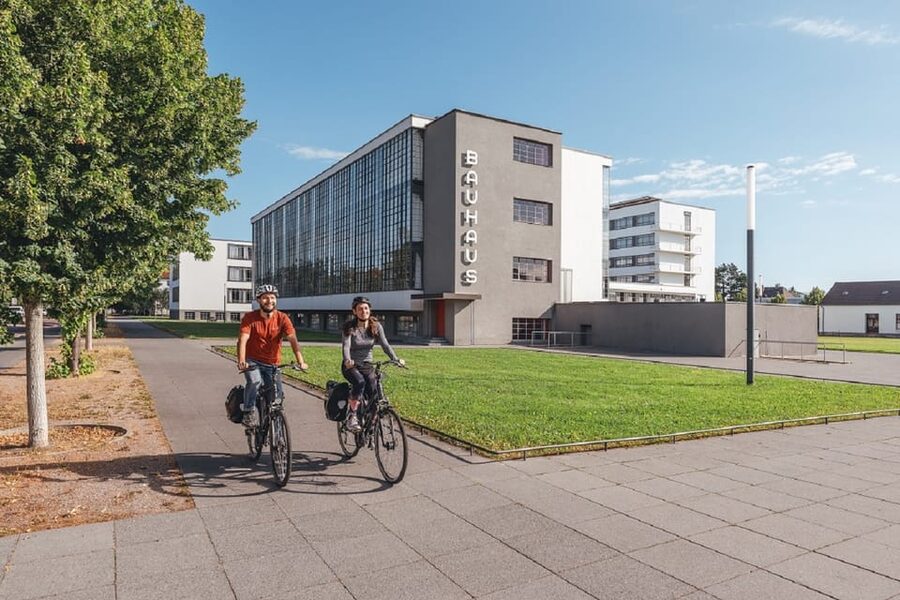
I would recommend this tour to you if you enjoy history presented through places rather than lectures. It is particularly good for visitors who want to connect Bauhaus with the wider development of Dessau instead of viewing it as an isolated design movement.
It also fits anyone who likes gentle variety. You move between nature, industry, modern architecture, and civic history in one outing. The bicycle expands the area covered and gives the experience more movement than a standard walking tour.
German speakers will get the most from it. Since the live guide uses German only, the tour is not a good choice if you need English explanation or visual interpretation to understand the story.
You may want to skip it if you are looking for a full Bauhaus museum visit, a detailed Junkers aviation tour, or an in-depth exploration of every Garden Kingdom site. This ride connects those subjects, but it does not replace specialized visits.
Should You Book the Dessau Bike Tour?
Book it if you want a smart introduction to Dessau’s three defining ideas: planned nature, industrial progress, and Bauhaus design. The best reason to go is the connection between them, supported by a bicycle route and a guide who can add local anecdotes.
Before booking, confirm that German works for you, add the €10 bicycle rental if needed, and check the journey back from the Historic Employment Office. If those points fit your plans, $23 buys a useful, active, and unusually well-linked look at Dessau.
FAQ
Where does the bicycle tour begin?
The guide meets you in front of the Tourist Information in Dessau.
Where does the tour end?
The tour ends at the Historic Employment Office.
How long does the experience last?
The guided bicycle tour lasts 2.5 hours.
What language is the tour conducted in?
The live tour guide speaks German. German is the only listed tour language.
Is bicycle rental included?
No. Bicycle rental is separate and costs €10 per bicycle per day.
Can I bring my own bicycle?
The information does not state any restriction against using your own bicycle. The included service is the guided bicycle tour, while rental is an optional extra.
What places and subjects does the tour cover?
The route connects the Dessau-Wörlitz Garden Kingdom, the industrial development associated with Hugo Junkers, and the Bauhaus work associated with Walter Gropius.
Who leads the tour?
A trained guide leads the bicycle tour. No guide name is provided.
Can I cancel for a full refund?
Yes. You can cancel up to 24 hours in advance for a full refund.
Do I have to pay when I reserve?
No. The reserve now and pay later option lets you hold a place without paying at the time of booking.
Just added in Germany
- Hidden Architectural Gems of Munich (Max. 16 guests)★ 5.0 · 2 reviews
- Munich Your Way: Private Tour with Architect & Guide★ 5.0 · 2 reviews
- Architectural Frankfurt: Private Tour with a Local Expert★ 5.0 · 2 reviews
- Architectural Berlin: Private Tour with a Local Expert★ 4.0 · 3 reviews
- Private Taxi Tour of City East History and Architecture 2-3h★ 5.0 · 2 reviews
- Berlin Architecture/River Spree Full Day Photography Tour★ 5.0 · 2 reviews
- Lübeck: Private Historical and Architectural Walking Tour★ 4.5 · 6 reviews
- Lübeck: Architecture and Local Craft Private Guided Tour★ 4.0 · 6 reviews
Bauhaus and Brutalist Architecture Tours, compared.
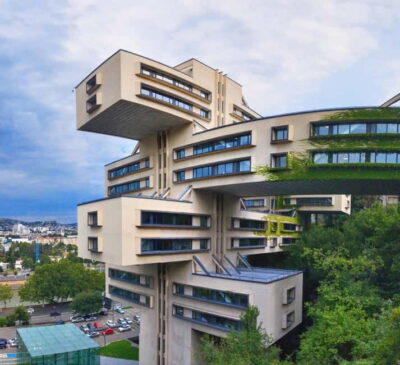
Brutalist Tbilisi: Urban exploration and untold stories
Read our review →
Le Corbusier’s Chandigarh : A Complete Architecture Tour
Read our review →
Architecture of New Belgrade – Brutalism Decoded
Read our review →
Secret Split: Socialist Architecture & brutalism – Urban Utopia
Read our review →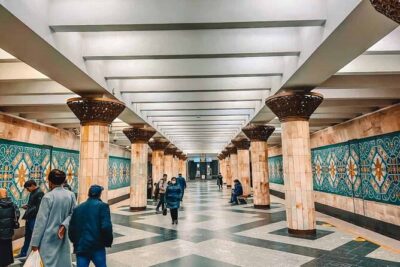
Tashkent Soviet Architecture (Modernism) and Subway station tour.
Read our review →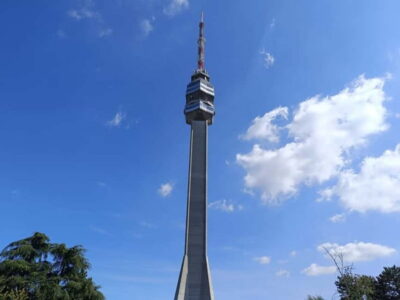
Belgrade: Space architecture tour – brutalist architecture
Read our review →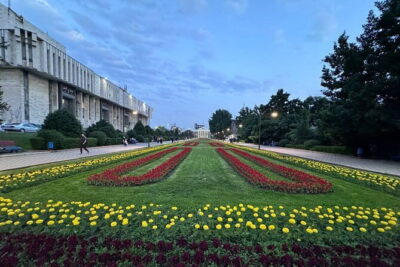
Bishkek : USSR History, Soviet Architects ,Statues & Mosaics
Read our review →Browse the lists this tour appears in