
REVIEW · BAUHAUS AND BRUTALIST ARCHITECTURE TOURS
Tashkent Soviet Architecture (Modernism) and Subway station tour.
Look beneath Tashkent’s broad avenues. This private walking tour makes the city’s Soviet-era buildings and ornate metro stations easier to understand, with a personal guide connecting architecture, politics, earthquakes, and daily life. I especially like the chance to see several subway stations in one outing and the flexible format for groups of one to 20 people. The main drawback is that the route covers a lot in about two hours and 15 minutes, so this is an introduction rather than a slow architectural study.
The tour begins and ends at the Uzbekistan Hotel, a useful central meeting point. Guides including Aziza, Waheed, and Mirvoxid have received especially strong praise for clear explanations, friendly company, and adjusting the walk to match a group’s interests. You should confirm the exact meeting details and whether Chorsu Bazaar is included, since the general description mentions it while the detailed route focuses on central squares, Soviet buildings, and the metro.
Five things worth knowing before you book
- The metro is the star feature: You visit roughly three or four notable stations, with some tours seeing five or six, depending on timing and the guide’s plan.
- The route links architecture to events: Amir Temur Square, Independence Square, the Monument of Courage, and Friendship of Nations Square each show a different layer of Tashkent.
- Your guide can shape the walk: Private groups can request a stronger focus on Soviet modernism, subway design, or the city’s past and present.
- The Uzbekistan Hotel is both start and subject: You meet outside this Soviet-era building and hear about its architecture and role in the city.
- The price is reasonable for a private outing: At $50 per person, the value improves sharply for a small group, though transport fees and some taxes are not included.
- Allow for route and timing questions: The experience is described as both two hours and 15 minutes and two and a half hours, so confirm the expected length when booking.
Why Tashkent’s Soviet buildings are worth your time
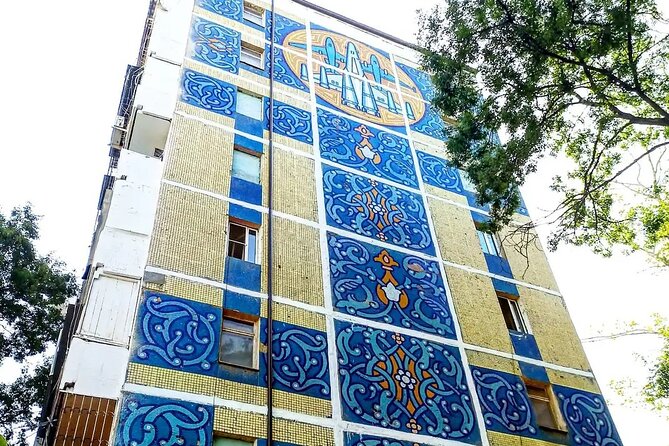
Tashkent is not a city you understand from one famous monument. Its character comes from contrasts: older Uzbek traditions beside Soviet planning, wide public squares beside neighborhood markets, and severe concrete forms beside colorful tile and decorative detail.
That mix is what makes this walk useful. Instead of simply passing a large government building, you get an explanation of what it was built for, how the city changed, and how Soviet design was adapted to local conditions. The focus is not only on pretty façades. You are looking at power, public space, transport, and the way Tashkent rebuilt itself.
I like this approach for a first visit because it gives you a working map of central Tashkent. Afterward, you can return to the buildings or metro stations that caught your eye, or ask your guide for ideas about places not covered by the route.
The private format also matters. A group of six can move at a more comfortable pace than a large sightseeing party, and the guide can spend more time on questions. Several people specifically appreciated having the tour adjusted around their interest in Soviet architecture. If modernism is your main reason for booking, say so clearly before the walk.
More Bauhaus and brutalist tours in the world:
- London: Brutalist Architecture & History Walking Tour
★ 4.8 · 42 reviews - Le Corbusier’s Chandigarh : A Complete Architecture Tour
★ 4.7 · 25 reviews - Architecture of New Belgrade – Brutalism Decoded
★ 4.5 · 24 reviews
Starting at the Uzbekistan Hotel and Amir Temur Square
The meeting point is the Uzbekistan Hotel on Mirzamakhmud Musakhanov Street. The tour normally finishes there as well, which keeps the logistics simple and avoids leaving you at an unfamiliar part of the city.
The first stop, Amir Temur Square, lasts about 35 minutes. Here the guide discusses the square, the Uzbekistan Hotel, and the architectural story around them. This is a good opening because you get context before entering the metro.
The square also helps explain how central Tashkent is organized. Large open spaces and official buildings are not accidental. They reflect the city’s Soviet planning and the importance placed on ceremonies, public gatherings, and state institutions.
Expect the guide to point out design details that are easy to miss when you are walking alone. The Uzbekistan Hotel is more than a convenient meeting place. It is part of the architectural subject, so you begin the tour by looking at the building with fresh eyes rather than treating it as a backdrop.
This stop is strongest for first-time visitors who want a broad introduction. If you already know Tashkent well, you may prefer to ask for more time on specific buildings or request additional Soviet-era details during the walk.
Independence Square and the older imperial layer
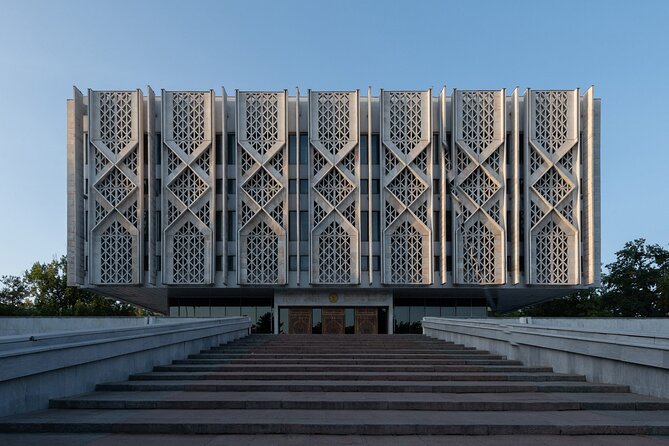
The next section takes about 15 minutes at Independence Square, also called Mustakillik Square. The route includes the Palace of Duke Romanov and the Museum of History of Uzbekistan.
This short stop shows that Tashkent’s story did not begin with Soviet modernism. The palace points to the Russian imperial period, while the museum offers a wider frame for Uzbekistan’s past. The value here is the connection between different eras. You are not looking at Soviet architecture in isolation, but as one part of a city shaped by several governments and cultures.
Because only about 15 minutes are allocated here, do not expect a full museum visit. The museum is included as a point of context, not as a long indoor tour. If you want to spend serious time inside, ask whether that can be arranged as a separate visit.
The square can also be a useful place to ask questions about terminology and national identity. Tashkent’s public spaces have changed meaning over time, and a local guide can explain those changes more clearly than a guidebook caption.
Riding the Tashkent Metro

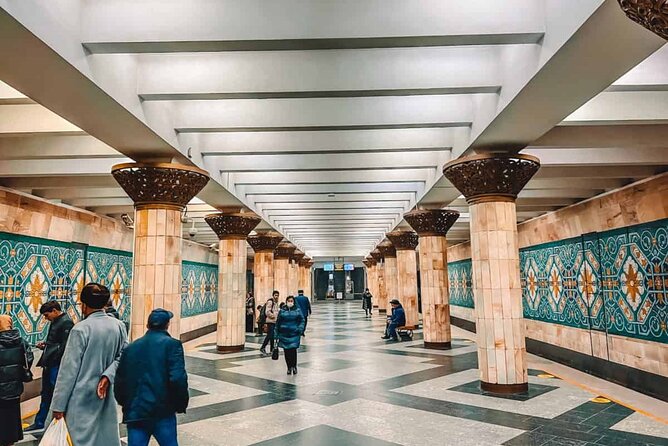
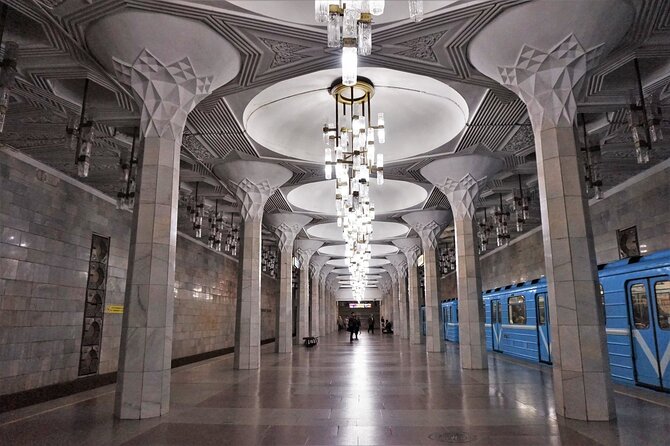
The metro section lasts about 30 minutes and is the part most likely to remain in your memory. The system is known for stations with distinct decorative themes, and the tour focuses on three or four of the most attractive examples. Depending on the route and timing, some groups have seen five or six stations.
The best-known stop mentioned by name is Cosmonaut station. Its space-themed design makes it a favorite for people interested in Soviet imagery, science, and public art. Other stations may be selected by the guide based on the day’s timing and the route.
You are not simply being taken underground for transport. The guide explains the subway system and its architecture, helping you notice the differences between stations. That turns a quick train ride into a lesson in design and civic life.
The metro is also practical. You see how local people move around the capital, rather than viewing the city only from the pavement or from a private vehicle. For a short tour, this adds a useful everyday element.
There are two points to keep in mind. First, the metro portion is time-limited, so you will not see every station. Second, the listed information includes the metro admission but also says that transport fees and all fees and taxes are not included. Ask exactly what you will pay locally before starting. That small clarification avoids confusion.
If photography is important to you, ask the guide about current rules and the best places to pause. The route is designed to keep moving, and a private guide can often help you balance pictures with the schedule.
A few more architecture tours in the world worth a look
- Chicago Architecture River Cruise
★ 5.0 · 15,756 reviews - Chicago River 90-Minute Architecture Tour
★ 4.5 · 9,629 reviews - Chicago River: 1.5-Hour Guided Architecture Cruise
★ 4.8 · 8,046 reviews - Chicago Architecture Center River Cruise aboard First Lady
★ 5.0 · 5,536 reviews
The Monument of Courage and Tashkent’s earthquake story
The route also includes the Monument of Courage and Soviet architecture connected with the earthquake. This is an important stop because it shifts the focus from style to survival and rebuilding.
The monument recalls the major earthquake that struck Tashkent and the city’s reconstruction afterward. That event helps explain why so much of central Tashkent feels planned, open, and modern. Buildings and public spaces were reshaped during a period when Soviet architectural ideas had a strong influence.
This section gives meaning to the concrete forms and broad avenues you see elsewhere. Instead of treating post-earthquake architecture as a collection of unusual blocks, you begin to see it as part of a rebuilding effort.
The stop is especially worthwhile if you want more than photographs. A guide can connect the monument to the city’s physical changes and explain why Soviet modernism became so visible in Tashkent. It is one of the tour’s more serious moments, and it keeps the outing from becoming a simple design walk.
Friendship of Nations Square and Palace
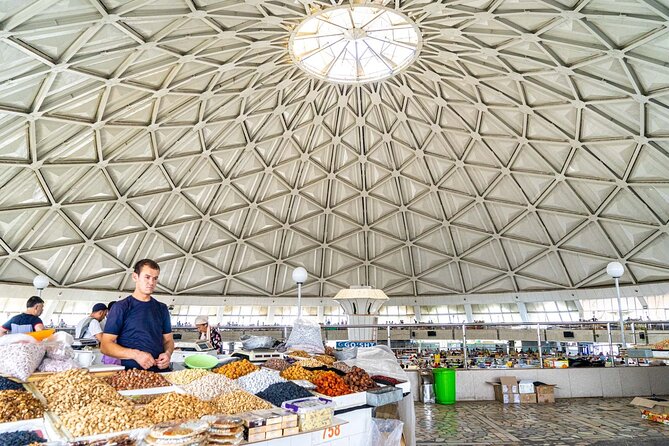
The final listed stop is Friendship of Nations Palace and Friendship of Nations Square, with about 20 minutes allocated. The name itself reflects Soviet ideas about the relationship among the republics of the Union, while the architecture and public setting show how those ideas were presented to the public.
This is a useful closing stop because it brings several themes together: state messaging, grand public buildings, and the mixture of local and Soviet design. The guide can help you separate the official symbolism from the way the place functions in present-day Tashkent.
The square also gives the walk a clear sense of place. You have moved from an important hotel and central square, through older imperial references and the metro, to a building associated with public events and shared identity.
The itinerary assigns 20 minutes here, so expect an explanation and exterior viewing rather than an extended interior visit. If you have a special interest in the palace, confirm what access is possible before booking.
Chorsu Bazaar and the route question
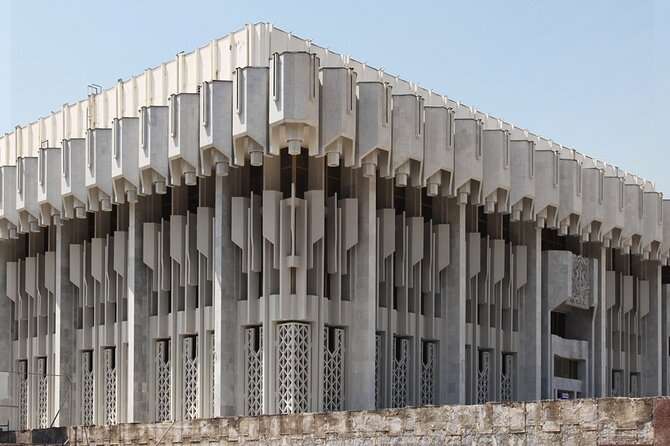
The wider tour description also refers to Chorsu Bazaar and its food stalls. Chorsu is a different kind of experience from the formal squares and subway stations, offering a closer look at shopping and daily life.
However, the detailed stop-by-stop route supplied for this experience does not list the bazaar as one of the timed stops. That matters because two hours and 15 minutes is not much time for both a central architecture walk and a substantial market visit.
If Chorsu is a priority, ask the guide to confirm whether it is included on your date or whether it belongs to a different version of the city tour. The private format should make that conversation easier, but you should not assume the market is guaranteed.
This is also where the tour’s flexibility can help. One group requested a stronger Soviet architecture focus and received an adjusted route. Another guide added suggestions for places to visit later in Tashkent. Tell the guide what matters most to you before the walk begins.
Guides, pace, and private group value
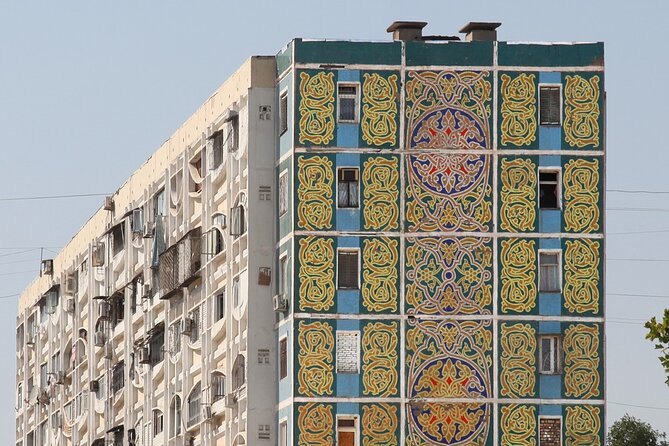
The strongest part of the experience is the guide. Aziza is repeatedly praised for being warm, organized, informative, and generous with her time. She has also been credited with explaining both Tashkent’s past and its current life, not just reciting dates.
Waheed is praised for the subway route and for including Cosmonaut station. Mirvoxid is described as especially helpful and strong on history. The different guide names suggest that the experience may be led by more than one member of the Tashkent Free Walking Tour team, so you may not know the guide in advance.
The pace is intended to be comfortable. One person specifically appreciated the relaxed walking speed, while another noted that the tour ended late after confusion about the meeting point. Most of that problem appears avoidable: confirm the exact meeting location, arrive a little early, and keep the guide’s contact details available.
A private tour for one to 20 people is a broad range. One person or a couple gets the most personal attention. A larger group gains value from splitting the $50 per-person cost across several people, but the walk may feel less intimate. For a group of six, the format has been used successfully, especially when the group had a clear architectural theme.
Is $50 per person good value?
At $50 per person, this is not the cheapest way to walk around Tashkent. You are paying for a private guide, route planning, architectural interpretation, and a metro visit rather than simply joining a free group walk.
The value is strongest if you are new to the city or have a real interest in Soviet modernism. The buildings can be hard to read on your own, and the guide gives them meaning. The metro section alone is easy to do independently, but the explanations help you understand why the stations matter.
For a larger private group, the price becomes easier to justify because you receive a dedicated guide without sharing the outing with strangers. For one person, the cost is higher per head, so decide how much you value personal attention and flexibility.
Remember that transport fees are not included, and the information about included costs is not perfectly clear. The metro admission is listed as included, but all fees and taxes are listed as excluded. Confirm those details before paying.
Who should book this walking tour?
I would choose this tour if you are visiting Tashkent for the first time and want a quick orientation with substance. It suits people who enjoy buildings, urban design, recent history, and seeing a city through public transport.
It is also a good choice for small groups with a shared interest in Soviet architecture. Tell the guide if you want more time on modernist structures, more metro stations, or a balance between official buildings and everyday city life.
I would be less likely to book it if you want a slow museum visit, a long food tour, or a full-day architectural survey. The schedule is compact, and the timed stops mean you will see selected highlights rather than every important building.
The experience is generally suitable for most people, and service animals are allowed. It operates outdoors and requires good weather. If poor weather causes cancellation, you can receive another date or a full refund. Free cancellation is available up to 24 hours before the start time.
Should you book the Tashkent Soviet Architecture and Subway Tour?
Book it if you want a well-organized introduction to Tashkent’s Soviet-era city center, with the metro as the main attraction and a guide who can adapt the route. The strongest reasons are the private format, the chance to see several distinctive stations, and the clear focus on architecture and the earthquake-era rebuilding of the city.
Before booking, confirm three things: the exact duration, whether Chorsu Bazaar is part of your route, and which fees are extra. If those details suit your plans, $50 buys a useful first look at a side of Tashkent that is easy to miss when you explore alone.
FAQ
How long does the tour last?
The experience is described as approximately two hours and 15 minutes, while the general description calls it a two-and-a-half-hour tour. Confirm the expected duration when booking.
Where does the tour start and finish?
It starts at the Uzbekistan Hotel on Mirzamakhmud Musakhanov Street 45 in Tashkent and usually ends at the same hotel.
Is the Tashkent Metro included?
The metro admission is listed as included. However, transport fees and all fees and taxes are also listed as excluded, so ask the provider to clarify any local charges.
How many people can join a private tour?
The private activity can accommodate groups ranging from one to 20 people. Only your group participates.
Can the tour focus more heavily on Soviet architecture?
Yes. The private format allows the route to be adjusted, and groups have requested a stronger focus on Soviet architecture.
What is the cancellation policy?
You can cancel at least 24 hours before the start time for a full refund. Changes or cancellations made less than 24 hours in advance are not accepted for a refund.
Just added in the world
- Wilmington History and Architecture Tour★ 4.8 · 18 reviews
- New Orleans : Garden District Architecture Walking tour★ 4.8 · 5 reviews
- Washington DC: Dupont Circle & Embassy Row Architecture Tour★ 5.0 · 6 reviews
- Washington, DC: Georgetown Architecture Walking Tour★ 5.0 · 8 reviews
- Vicenza: Palladian Architecture Private Walking Tour★ 3.3 · 3 reviews
- Walk & Discover KL’s Architectural and Heritage Gems★ 5.0 · 7 reviews
- Private Colonial Williamsburg Architectural Tour★ 5.0 · 5 reviews
- Unveiling Brno: History, Culture & Architectural Delights★ 5.0 · 2 reviews
Bauhaus and Brutalist Architecture Tours, compared.
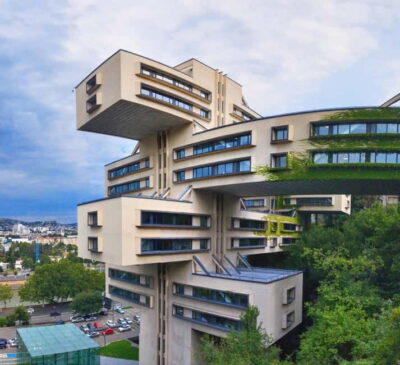
Brutalist Tbilisi: Urban exploration and untold stories
Read our review →
Le Corbusier’s Chandigarh : A Complete Architecture Tour
Read our review →
Architecture of New Belgrade – Brutalism Decoded
Read our review →
Secret Split: Socialist Architecture & brutalism – Urban Utopia
Read our review →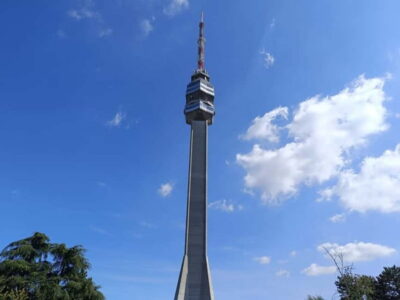
Belgrade: Space architecture tour – brutalist architecture
Read our review →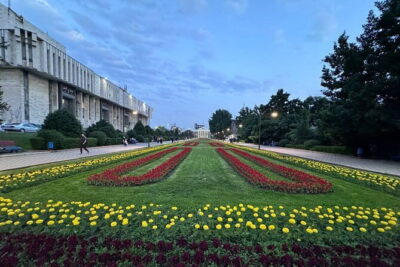
Bishkek : USSR History, Soviet Architects ,Statues & Mosaics
Read our review →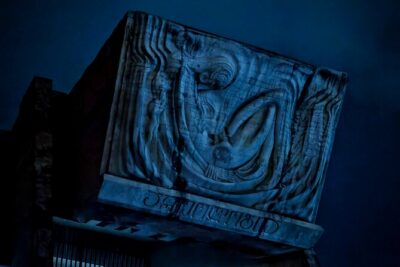
Brutal Tbilisi — Night Edition: Dark Side of Soviet Architecture
Read our review →Browse the lists this tour appears in