
REVIEW · BAUHAUS AND BRUTALIST ARCHITECTURE TOURS
Bishkek : USSR History, Soviet Architects ,Statues & Mosaics
Soviet Bishkek is written in concrete and color. This 4.5-hour walk gives you a clear way to read the Kyrgyz capital, from its former name, Frunze, to its grand avenues, Lenin-era monuments, Socialist Modernist buildings, and public mosaics from the 1960s through the 1980s. I like the focus on Soviet architecture and public art, and I like that the tour connects those sights to the wider story of Kyrgyzstan under Russian imperial and Soviet rule.
The tour also earns praise for its guides. Anna is described as an excellent introduction to the city, while Alex, Sophia, and Axel are noted for their friendly manner, useful explanations, and willingness to answer questions. The main consideration is simple: this is a long walking tour, not a quick orientation by vehicle, so comfortable shoes and reasonable stamina matter. At $45 per person, the value depends on how much historical context you want while seeing central Bishkek on foot.
Key points at a glance
- Frunze becomes Bishkek’s starting point: You learn why the capital carried the name of Bolshevik figure Mikhail Frunze for more than sixty years.
- Mosaics are part of the route: Public buildings and everyday city spaces reveal colorful Soviet-era art made mainly between the 1960s and 1980s.
- Lenin Square anchors the political story: The former square, Lenin statue, and associated museum and literary sites show how Soviet power shaped public space.
- Victory Square brings a solemn finish: An eternal flame and soldier statues give the tour a memorial focus rather than leaving Soviet history at slogans and architecture.
- The walk uses Bishkek itself as the classroom: Broad avenues, civic buildings, apartment blocks, parks, and monuments make the history visible at street level.
- Guiding is a major part of the value: Anna, Alex, Sophia, and Axel have each been praised for friendliness, clear explanations, and a relaxed approach.
Why Soviet Bishkek deserves a closer look
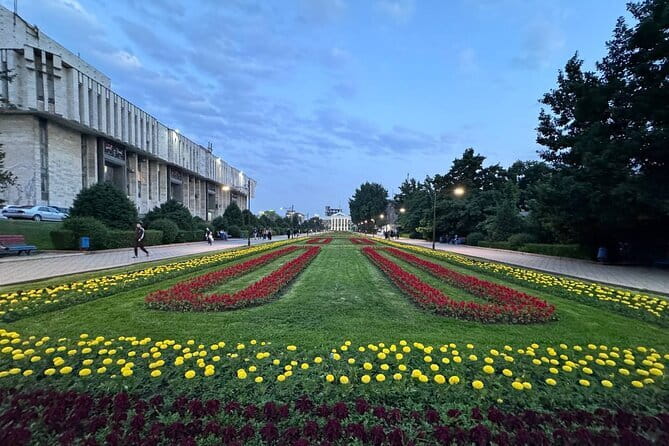
Many city tours in Central Asia rush toward bazaars, mountain views, or traditional culture. Those subjects matter, but Bishkek also makes sense through its twentieth-century planning. The city was physically reshaped under Soviet rule, with broad avenues, large squares, civic buildings, public housing, parks, statues, and art placed where ordinary people would see it every day.
That is what makes this experience useful. You are not only looking at old buildings. You are learning how governments use streets and architecture to express power, order, progress, and collective identity.
Bishkek was known as Frunze for more than six decades. The name honored Mikhail Frunze, a Bolshevik figure born in the city. That change in name was part of a wider transformation. The city became a major Soviet center, and its public spaces were designed to communicate the ideals of the Kirghiz Soviet Socialist Republic.
The guide helps connect those ideas to what you see. A large avenue, a formal square, or a stern statue becomes easier to understand when you know why it was placed there. You may also notice the contrast between official Soviet imagery and the more approachable public mosaics that decorated schools, apartment blocks, workplaces, and other buildings.
More Bauhaus and brutalist tours in the world:
- London: Brutalist Architecture & History Walking Tour
★ 4.8 · 42 reviews - Le Corbusier’s Chandigarh : A Complete Architecture Tour
★ 4.7 · 25 reviews - Architecture of New Belgrade – Brutalism Decoded
★ 4.5 · 24 reviews
Meeting beneath the Kyrgyz flag
The tour begins at the Paramount Kyrgyz Republic Flag, which is also the return point. WhatsApp is used to coordinate the exact meeting arrangements, a practical touch in a city where a quick message can help avoid confusion.
This central starting point gives the walk a clear shape. You do not need to arrange transport between scattered attractions, and you finish where you began. That keeps the focus on Bishkek’s streets rather than on taxis or transfers.
The published sightseeing portion lasts about 3.75 hours within the total 4.5-hour experience. Allow the full period, since a walking tour can take longer than the simple movement between points. You will want time to stop, listen, look up at facades, and ask questions about symbols that are easy to miss when walking alone.
The route is described as wheelchair accessible, though it remains a substantial city walk. If mobility is a concern, confirm the route and walking conditions when arranging the meeting. For everyone else, wear shoes you can comfortably use for several hours, and dress for outdoor conditions. Sunglasses may help, and binoculars or goggles are listed among the suggested items, though most people will likely find comfortable clothing and shoes more important.
Walking through Frunze and the Soviet city plan
The first major theme is the transformation of Bishkek into Soviet Frunze. You will pass along central avenues and through civic areas where the city’s design tells a political story.
Large squares were not accidental. Soviet planners used them for ceremonies, public gatherings, parades, and official displays. Wide streets and open spaces also created a strong visual sense of order. The result can feel spacious and formal, especially compared with older, more intimate urban districts.
The guide’s role is important here. Architecture from the Soviet period can look plain if you only see concrete, repeated windows, and broad facades. With explanation, those buildings become evidence of a particular period and a particular idea of public life.
You will look at civic buildings, residential structures, and avenues that are still in use under the Kyrgyz government. That continued use adds a useful layer to the tour. Soviet architecture is not presented as a dead museum piece. It remains part of daily Bishkek, even as the country has moved through major political and social changes.
One thing I appreciate is the chance to see different types of Soviet design together. Government buildings communicate authority. Apartment blocks show how housing was organized. Public art softens or reinforces the message. Parks and open areas give the city room to breathe. The walking route lets you compare these elements rather than viewing one building in isolation.
Soviet mosaics from the 1960s to the 1980s
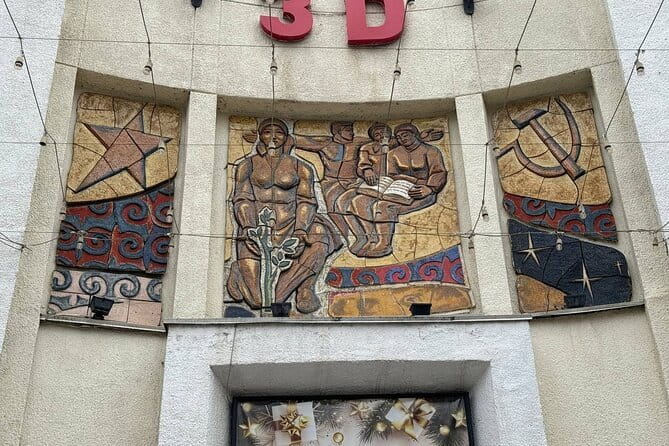
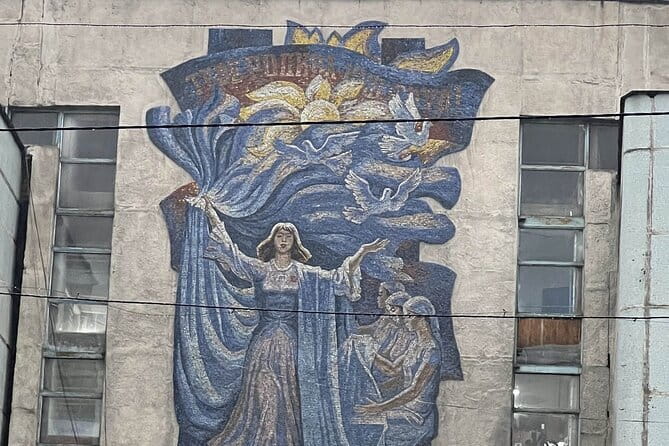
The mosaics are one of the most distinctive parts of the experience. They were applied to public buildings and other city spaces during the decades from the 1960s through the 1980s.
These works were not limited to political slogans. Some carried ideological messages, but they also aimed to make everyday surroundings more attractive and inspiring. That mix is worth paying attention to. A mosaic can promote work, science, education, industry, or collective life while still functioning as a piece of public art.
You will see different sections of the city’s mosaic work during the walk. The exact examples may depend on the route and current conditions, so do not expect a fixed museum-style display with every panel presented in perfect order. The pleasure is in noticing art on buildings where you might otherwise see only a wall.
Look carefully at the scale and placement. Mosaics made for public buildings were meant to be seen by people going to work, school, or government offices. Their location tells you something about the Soviet belief that art should belong in shared spaces, not only inside galleries.
This is also where the tour can appeal to visitors who are less interested in political history. You do not need to admire Soviet ideology to appreciate the craftsmanship, color, and ambition of these works. The guide can help you separate the artistic value from the political message.
More history tours in the world:
- Chicago in a Day: Food, History & Architecture Walking Tour
★ 5.0 · 1,153 reviews - Charleston’s Best Highlights: History, Culture & Architecture
★ 5.0 · 422 reviews - Palm Springs Modernism Architecture & History Bike Tour
★ 5.0 · 359 reviews - Charleston: History and Architecture Guided Walking Tour
★ 4.8 · 349 reviews
Lenin Square and the symbols of communism
Lenin Square provides the clearest encounter with Soviet political symbolism. The route includes the historical square, a Lenin statue, and the associated Lenin museum and literary sites.
This is a good place to think about how public memory is arranged. Lenin was not simply placed in a park as a decorative figure. His statue occupied a central civic setting, surrounded by institutions and spaces that helped present the official Soviet story.
The tour also refers to Karl Marx and Friedrich Engels, whose ideas shaped communist theory and political movements across much of the world. Seeing these figures in relation to Lenin helps you understand the intellectual framework that Soviet authorities wanted citizens to recognize.
You should expect interpretation rather than a long museum visit focused only on objects. The main value is the combination of square, statue, building, and explanation. Together, they show how the Soviet state used monumental spaces to make political ideas visible.
This part may feel formal or repetitive if your main interest is food, markets, or contemporary Bishkek. I would not choose this tour expecting a broad survey of every period in Kyrgyz history. Its center of gravity is the Soviet era, with some attention to the Russian imperial period and the city’s development.
Victory Square and the eternal flame
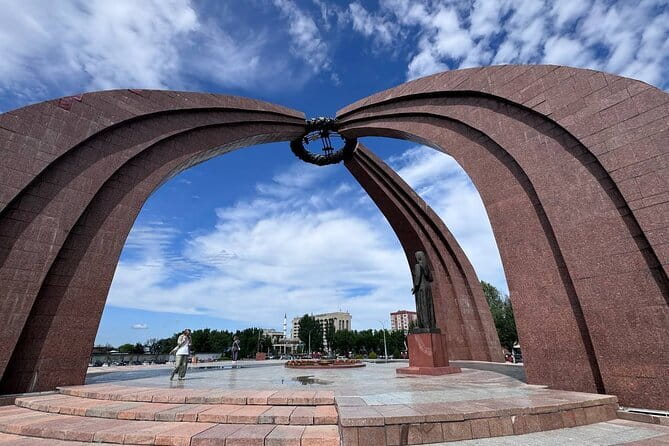
Victory Square gives the route a more solemn mood. The square includes an eternal flame and statues of soldiers, creating a memorial to wartime sacrifice.
Here, the emphasis shifts from revolutionary politics to remembrance. Soviet cities often used war memorials to build a shared public story around loss, duty, and victory. In Bishkek, the square remains a place where those ideas are made visible through sculpture and ceremony.
The eternal flame is a simple but powerful feature. It gives the stop a quiet focus after the larger political spaces associated with Lenin and Marxist thought. You can compare the different kinds of memory presented along the route: political leadership, social progress, military sacrifice, and everyday life.
For me, this is an important reason to take the tour with a guide rather than simply photograph the square and move on. The meaning of the statues is not always obvious from their appearance. A short explanation can turn a monument into part of the city’s story.
What the guides add to the experience
The strongest element of the tour is the human guidance. Anna has been singled out for making the experience insightful and for giving visitors a strong first introduction to Bishkek. That matters if you have just arrived, especially if you want help deciding what to explore during the rest of your stay.
Alex has been praised for being relaxed, engaging, and well informed. Sophia is noted for her friendly manner and clear answers to questions. Axel is also described as highly informed, interesting, and easygoing. The names may vary depending on availability, but the consistent strength is the guide’s role in explaining rather than simply pointing.
I would use the question time well. Ask about the former name Frunze, the purpose of a particular mosaic, the continued use of a Soviet building, or how Kyrgyzstan’s capital changed after the Soviet period. The tour includes recommendations for other special places in Kyrgyzstan and local food suggestions, so keep a small list ready.
One especially useful option is to take the walk early in your stay. Benjamin joined a morning tour after arriving in Bishkek at 5 a.m. and found it a helpful first introduction. That early start may not suit everyone, but the larger lesson is sound: a city orientation can help you understand what you are seeing for the next few days.
Is $45 a fair price?
At $45 per person, this is not the cheapest way to walk around central Bishkek. You can see many public squares and monuments without paying for an organized tour.
The value comes from the interpretation. You are paying for 4.5 hours of an English-speaking guide, a planned route, explanations of Soviet architecture and mosaics, and practical recommendations for the rest of your time in Kyrgyzstan. If you would otherwise pass the buildings without understanding them, the guide can make the difference between a pleasant walk and a useful historical experience.
The price also makes more sense for first-time visitors. You do not have to research which avenues, statues, and public art matter, and you do not need to arrange transport between stops. The tour brings related sights into one story.
It is less compelling if you already know Bishkek well or have little interest in Soviet history. The walking time is substantial, and food and drinks are not included. You are also responsible for insurance, so consider your own coverage before booking.
Who should book this walk?
I would recommend it to first-time visitors, architecture enthusiasts, public-art fans, and anyone trying to understand how Soviet rule shaped Central Asia. It also suits people who prefer a steady city walk to a bus-based sightseeing loop.
The tour works particularly well at the start of a Bishkek stay. You receive a basic map of the central city, historical context for the monuments, and suggestions for local food and other places to visit. Afterward, ordinary streets should feel easier to read.
It may not suit you if you dislike long walks, want a detailed tour of pre-Soviet Kyrgyz history, or prefer a museum-heavy experience. People with altitude sickness are listed as unsuitable, and people over 95 are also excluded. That second restriction is unusually specific, so check the conditions carefully if it applies to someone in your group.
The tour is listed as wheelchair accessible, but the practical reality is still a walking route. Confirm the meeting details and route needs in advance rather than assuming every pavement, crossing, or stop will be equally easy.
Booking flexibility and practical details
You can cancel up to 24 hours in advance for a full refund, and you can reserve now and pay later. That is useful if your Bishkek schedule depends on flights or changing plans.
The listed guide languages are English, Hindi, Pashto, Pushto, Urdu, Punjabi, and Russian. English is the main choice for many international visitors, but the wider language range may help mixed-language groups.
Pets are not allowed, though assistance dogs are permitted. Food and drinks are not included, so bring what you need for several hours outside. Comfortable shoes are the one item I would treat as essential.
The tour has a 4.9 rating from 14 published ratings. The most consistent praise is directed at the guides’ friendliness, explanations, and ability to make the city’s history easy to understand. That matches the type of experience this is: not a flashy attraction, but a thoughtful walk through the ideas built into Bishkek’s streets.
Should you book the Bishkek Soviet history tour?
Book it if you want to understand Bishkek through its Soviet-era buildings, mosaics, statues, squares, and memorials. The route gives you a useful first framework for the city, and the guides add the context that architecture alone cannot provide.
I especially recommend taking it early in your visit, wearing proper walking shoes, and asking questions as you go. If you want markets, food, or mountain scenery instead, choose another activity. If you want to see how a Central Asian capital was reshaped by the Soviet system, this is a practical and fairly priced introduction.
FAQ
Where does the tour begin and end?
The tour begins at the Paramount Kyrgyz Republic Flag and returns to the same location.
How long does the experience last?
The full experience lasts 4.5 hours. The guided sightseeing walk is listed as approximately 3.75 hours.
What does the tour cost?
The price is $45 per person.
Which languages are available?
Guides are listed as speaking English, Hindi, Pashto, Pushto, Urdu, Punjabi, and Russian.
Is the tour wheelchair accessible?
The activity is listed as wheelchair accessible. It is still a walking tour, so you should confirm any specific route or mobility needs when arranging the meeting.
What should I bring?
Bring comfortable shoes, sunglasses, and outdoor clothing. Binoculars and goggles are also listed among the suggested items.
Can I cancel or pay later?
You can cancel up to 24 hours before the tour for a full refund. You can also reserve your place and pay later.
Just added in the world
- Wilmington History and Architecture Tour★ 4.8 · 18 reviews
- New Orleans : Garden District Architecture Walking tour★ 4.8 · 5 reviews
- Washington DC: Dupont Circle & Embassy Row Architecture Tour★ 5.0 · 6 reviews
- Washington, DC: Georgetown Architecture Walking Tour★ 5.0 · 8 reviews
- Vicenza: Palladian Architecture Private Walking Tour★ 3.3 · 3 reviews
- Walk & Discover KL’s Architectural and Heritage Gems★ 5.0 · 7 reviews
- Unveiling Brno: History, Culture & Architectural Delights★ 5.0 · 2 reviews
- Private Colonial Williamsburg Architectural Tour★ 5.0 · 5 reviews
Bauhaus and Brutalist Architecture Tours, compared.
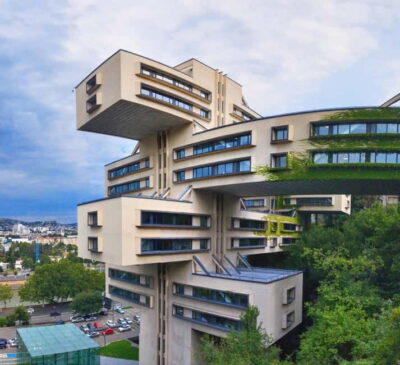
Brutalist Tbilisi: Urban exploration and untold stories
Read our review →
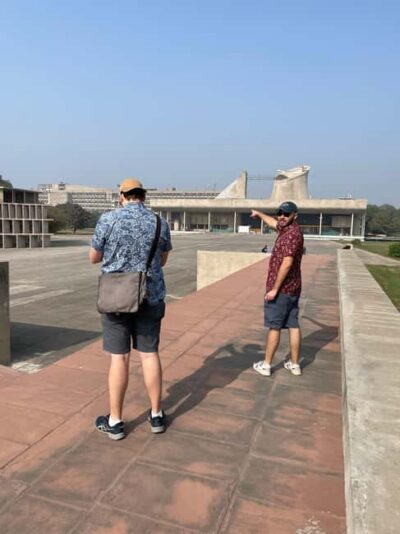
Le Corbusier’s Chandigarh : A Complete Architecture Tour
Read our review →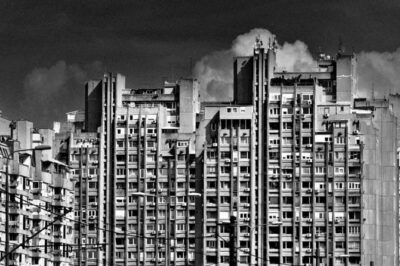
Architecture of New Belgrade – Brutalism Decoded
Read our review →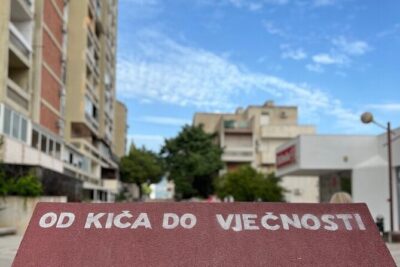
Secret Split: Socialist Architecture & brutalism – Urban Utopia
Read our review →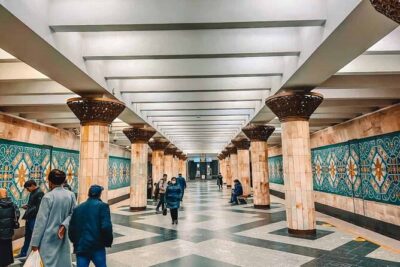
Tashkent Soviet Architecture (Modernism) and Subway station tour.
Read our review →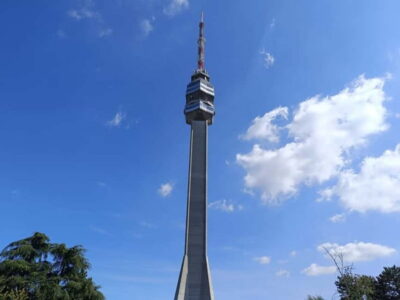
Belgrade: Space architecture tour – brutalist architecture
Read our review →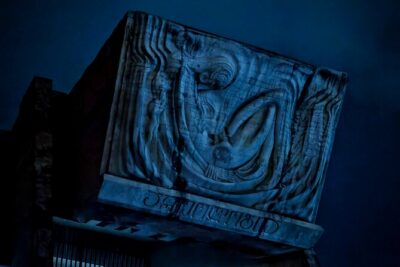
Brutal Tbilisi — Night Edition: Dark Side of Soviet Architecture
Read our review →Browse the lists this tour appears in