
REVIEW · BAUHAUS AND BRUTALIST ARCHITECTURE TOURS
Secret Split: Socialist Architecture & brutalism – Urban Utopia
Split has a second city hiding in plain sight. This private walking tour leaves the Roman core behind for Split 3, a postwar neighborhood built around concrete, pedestrian paths, shared space, and a bold idea of community. I like that it shows you a part of Split most sightseeing walks skip, and that it explains why brutalism was about social planning, not just raw concrete.
I also like the mix of architecture, urban history, and local culture. You meet a licensed guide and certified heritage interpreter, with local artists and activists included in the experience. Mirjana receives particular praise for her personal approach and strong knowledge of the city. The main consideration is price: at $113.90 per person, this is a serious cost for a walk lasting roughly one to three hours, especially if you are traveling alone.
Key points about the Split 3 experience
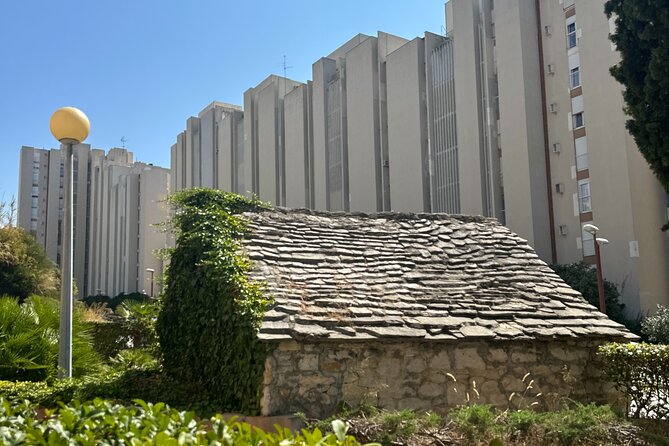
- Split 3 was an urban experiment from the 1970s, designed to respond to fast population growth.
- The neighborhood was planned as a city within a city, with pedestrian areas, open space, and facilities for daily community life.
- Its architecture appeared in MoMA’s 2018 Toward a Concrete Utopia exhibition, giving the district international importance.
- The tour includes local artists and activists, adding a living cultural angle to the architecture.
- It is a private activity, so only your own group takes part.
- The walk begins and ends at Ul. Šime Ljubića 3, with free cancellation up to 24 hours before the start time.
Why this walk matters beyond Split’s Roman center
Split is famous for Diocletian’s Palace, narrow stone lanes, and Roman foundations. Those sights deserve their place, but they tell only one part of the city’s story. This tour shifts your attention to the decades after World War II, when architects and planners were trying to build a new kind of society.
That shift is the real value here. You are not simply looking at apartment blocks and deciding if you like the color of the concrete. You are learning how housing, streets, playgrounds, public space, and movement through a neighborhood were tied to political and social ideas.
Split 3 was planned during a period of rapid growth. The city needed more housing, and the answer was not meant to be a random collection of buildings at the edge of town. The plan aimed to create a functioning urban district, one where daily life could happen close to home and where pedestrians were given more space.
The project was never fully completed. That unfinished quality is part of what makes it worth seeing. You can compare the original ambition with the district that exists now, and you can consider what survives when a grand plan meets ordinary life.
I find this kind of tour useful because it gives you a better understanding of modern Split. Afterward, the city is no longer just an old center surrounded by newer housing. You begin to see how different periods of planning sit beside one another.
More Bauhaus and brutalist tours in the world:
- London: Brutalist Architecture & History Walking Tour
★ 4.8 · 42 reviews - Le Corbusier’s Chandigarh : A Complete Architecture Tour
★ 4.7 · 25 reviews - Architecture of New Belgrade – Brutalism Decoded
★ 4.5 · 24 reviews
Stop 1: Papandopulova ulica and the architecture of Split 3
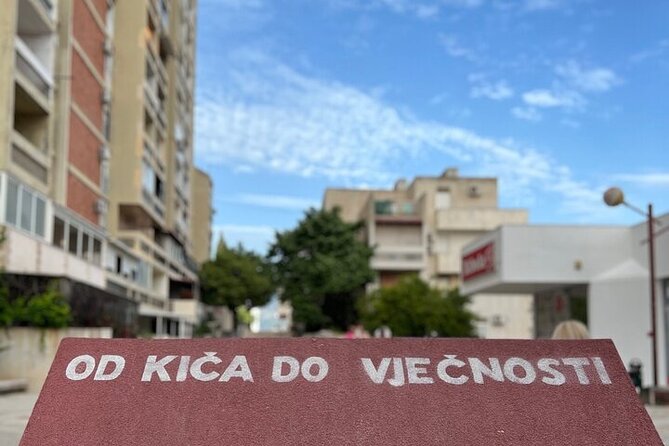
The walk starts at Papandopulova ulica, one of the key places for understanding the Split 3 project. This section focuses on the neighborhood’s architecture and its connection to the 2018 Museum of Modern Art exhibition Toward a Concrete Utopia.
That international recognition is not a minor footnote. It tells you that Split 3 was not simply a local housing project. Its design attracted attention because it represented a major attempt to use architecture and planning to shape everyday life.
You can expect the guide to point out the district’s strong geometry, exposed concrete, open areas, and relationship between buildings and pedestrian movement. The buildings are not presented as isolated objects. They are part of a wider plan, and the arrangement matters as much as the individual structures.
The free admission at this stop is worth noting, but the important thing you are paying for is interpretation. Without context, brutalist buildings can look severe or unfinished. With a good guide, the same forms can reveal careful thought about shade, access, movement, shared space, and community.
This is also where your own taste comes into play. If you enjoy modern architecture, planning, or photography, you may find plenty to study. If you prefer ornate façades, polished old towns, and decorative details, the concrete forms may feel stark.
The tour does not ask you to admire every building. That is a strength. It gives you a chance to consider the success and limits of the idea behind the district.
Stop 2: The larger Split 3 plan and its unfinished promise
The second part looks at Split 3 as a major urban project. It was created in response to population growth and became one of the important architectural and planning efforts of its time, both in Croatia and beyond.
The plan was never completely realized, which gives the discussion a useful edge. You can ask what happens when a utopian plan is only partly built. Which ideas remain visible? Which elements become ordinary? And how much control can architects really have over the way people use a neighborhood?
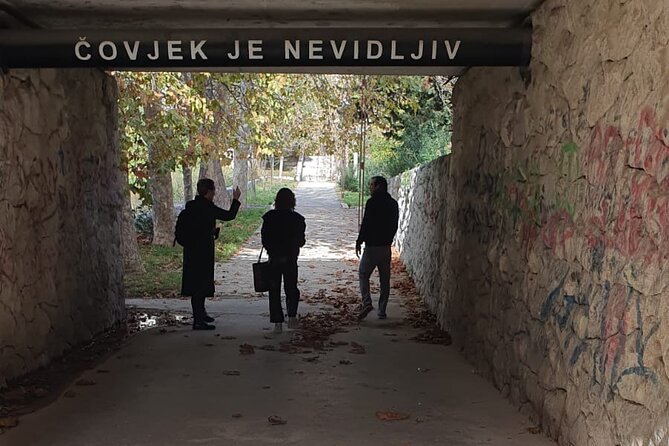
The phrase city within a city captures the goal. Split 3 was meant to support daily life rather than function only as a place to sleep. A fully pedestrian zone, open areas, and spaces intended for children were part of that vision.
For you, this makes the stop more practical than a standard architecture lecture. You are looking at how people move through a place, not just learning names and dates. You can think about the difference between a street designed for cars and one designed around walking and meeting others.
The tour also helps separate brutalism from the simple idea of concrete construction. Brutalism is often treated as a style of large, rough buildings. Here, the focus is broader. The material is only one part of the story. The social purpose behind the plan matters just as much.
That said, the experience cannot turn Split 3 into something it was not. The project was incomplete, and the tour will not erase the practical problems that can come with large housing schemes. You should come ready for an honest look at both the ambition and the compromises.
Stop 3: Art activism and the neighborhood today
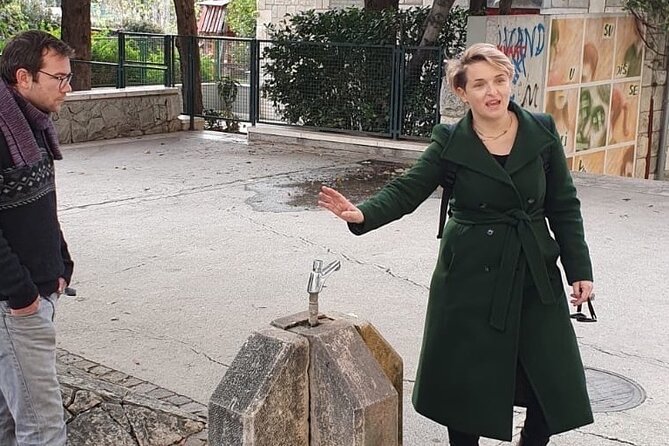
The final stop turns toward art activism in Split. This adds a useful present-day element to a tour that could otherwise remain focused on architectural history.
You meet local artists and activists as part of the experience. Their involvement helps connect the original planning ideas with the way people communicate, respond, and organize in the city today. The information provided does not promise a particular performance or project, so you should think of this as a chance to hear a local perspective rather than a fixed show.
This stop matters because public space is never finished when the architects leave. People continue to use it, argue about it, decorate it, challenge it, and give it new meaning. Art and activism can reveal those tensions in ways that building dates and architectural terms cannot.
I especially like this part for visitors who want more than a design lesson. You get a closer look at how local culture interacts with the built environment. It also keeps the tour from becoming nostalgic. The experience is presented as a real examination of Split 3, not as a sentimental return to a supposedly perfect socialist past.
The focus on critical communication is another reason to pay attention. Art can make public issues easier to see, and activism can show where official plans have succeeded or failed. You may not agree with every viewpoint, but that is a useful result for a tour about society and urban space.
More hidden-gem architecture tours in the world:
- Chicago’s Secret Interiors Architectural Walking Tour
★ 5.0 · 635 reviews - Chicago: Secret Interiors Architecture Walking Tour
★ 4.9 · 498 reviews - Detroit: Architectural Beauty and Hidden Gems Walking Tour
★ 4.9 · 33 reviews - Private Secret La Jolla Art, Viewpoints and Architecture Tour
★ 5.0 · 2 reviews
What you get for $113.90 per person
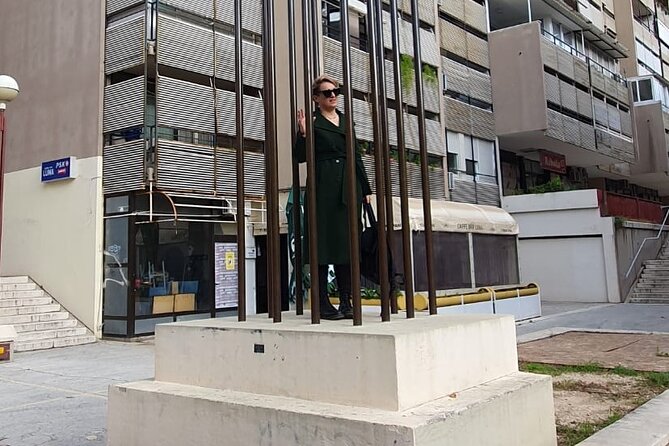
The cost deserves a careful look. At $113.90 per person, this is not a budget walking tour. The price makes more sense for a private group that wants a focused subject and a specialist-led experience.
You are paying for a private activity, which means only your group participates. That can be valuable if you want to ask questions, move at a comfortable pace, or discuss architecture without being part of a large crowd. It also means the per-person price may feel more reasonable when shared by several people, especially since group discounts are available.
The tour includes a licensed tourist guide and certified heritage interpreter. It also includes the residential area of Split and the meeting with local artists and activists. There are no entrance fees listed for the three main stops, so the cost is mainly for the guide’s time, interpretation, planning, and local connections.
I would book it for a group that has a clear interest in architecture, socialist history, city planning, or contemporary culture. I would think twice if you are looking for a general introduction to Split or a low-cost stroll through attractive streets.
The strong rating and full recommendation record suggest that the experience has connected well with its audience, but the small number of published ratings means I would not treat that as a guarantee for every type of visitor. The subject is specific. That is its appeal, and also its limit.
Timing, meeting point, and walking expectations
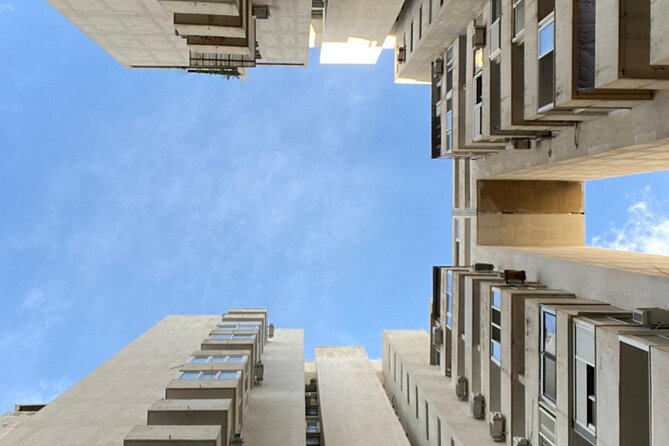
The advertised duration is roughly one to three hours. The three listed sections total about 98 minutes of scheduled attention, so the core experience appears suited to a compact morning or afternoon outing, with the overall timing depending on the pace and discussion.
The meeting point is Ul. Šime Ljubića 3, 21000 Split, Croatia. The activity returns to that same meeting point, which makes planning easier than a walk that finishes across town.
Opening hours are listed from Monday through Thursday, 8:00 a.m. to 7:00 p.m., for the operating period shown in the tour details. Check your selected date carefully, since the published hours do not indicate daily availability across the whole week.
You receive confirmation at booking, and a mobile ticket is available. The tour is near public transportation, and service animals are allowed. Most people can participate, but the supplied information does not describe the exact walking surface, number of stairs, or total distance, so ask ahead if you need detailed mobility information.
Because this is a residential area rather than a classic sightseeing zone, wear sensible walking shoes and bring water in warm weather. That is simple advice, but concrete neighborhoods can feel exposed in the sun, and you may spend time looking closely at buildings and open spaces rather than moving quickly from sight to sight.
Who will enjoy this private architecture walk
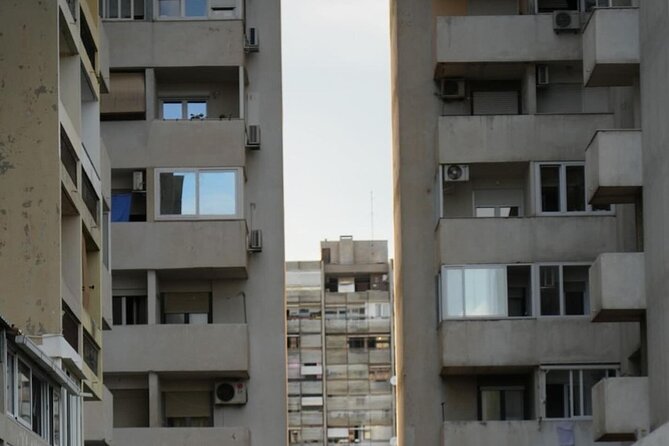
I would recommend Secret Split to you if you enjoy:
- Modern architecture and brutalist design
- Socialist-era history and urban planning
- The relationship between public space and community life
- Local art and activism
- Small private tours with room for questions
- Seeing a side of Split beyond the Roman center
It is especially well suited to repeat visitors who have already explored Diocletian’s Palace and want a different view of the city. It also works for architecture students, photographers, urban planners, and anyone curious about how political ideas become streets and buildings.
Families may find the focus on children’s spaces and pedestrian planning interesting, although the subject is more analytical than a standard family sightseeing walk. If your main goal is food, ancient monuments, coastal views, or a broad first look at Split, choose a more general tour instead.
Mirjana’s role is worth noting if she is your guide. The available feedback describes her as passionate, personal, and well informed about her city. Those qualities matter on a tour like this because the success of the experience depends heavily on how well the guide connects abstract planning ideas to the place in front of you.
What makes it different from a standard Split tour
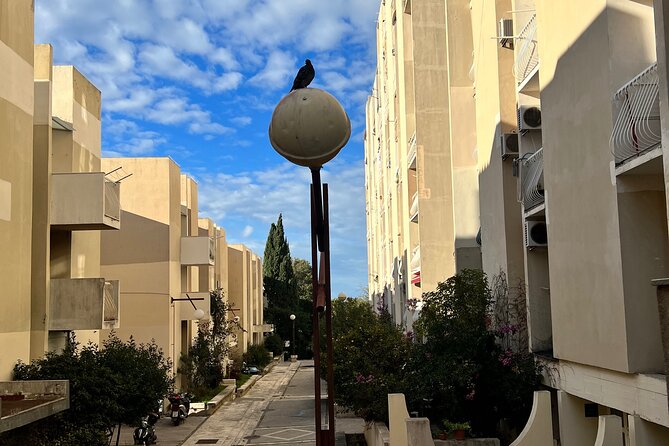
Most first-time visitors spend their time around the old center. That is understandable. Split’s Roman remains are dramatic, easy to reach, and central to the city’s identity.
This experience asks you to change the question. Instead of asking how old a building is, you ask who it was designed for. Instead of looking only at decoration, you consider movement, access, shared space, and daily routines.
That change can make familiar travel feel more meaningful. You begin to notice that cities are not only collections of monuments. They are systems shaped by housing needs, political ideals, economic pressure, and the habits of the people who live there.
The tour also gives you a more balanced view of socialist architecture. It does not treat the period as either a failed past or a perfect social experiment. It looks at the hope behind the plan, the limits of construction, and the way residents and artists continue to shape the district.
For me, that is the strongest reason to consider booking. You are not just collecting another set of photographs. You are learning how modern Split was imagined and how that vision continues to affect life in the city.
Should you book Secret Split?
Book this tour if you want a focused, private look at Split 3 and have a genuine interest in brutalism, planning, socialist history, or local activism. The guide, artist connections, and private format give the experience more depth than a casual walk past apartment blocks.
Skip it if you want the lowest-cost activity, a traditional old-town tour, or a broad overview of Split’s major sights. At $113.90 per person, it needs to match your interests to feel worthwhile.
For the right audience, this is a thoughtful way to see modern Split. You may not fall in love with every concrete building, but you will leave with a better idea of how architecture can express a society’s hopes, limits, and changing daily life.
FAQ
How long does the Secret Split tour last?
The experience lasts approximately one to three hours. The three planned sections account for about 98 minutes of scheduled content.
Where does the tour begin and end?
The tour begins at Ul. Šime Ljubića 3, 21000 Split, Croatia, and ends back at the same meeting point.
Is this a private tour?
Yes. Only your own group participates in the activity.
What does the price include?
The price includes a tour with a licensed tourist guide and certified heritage interpreter, a visit to Split’s residential area, and a meeting with local artists and activists. Tips are not included.
Is the tour available every day?
The listed opening hours are Monday through Thursday, from 8:00 a.m. to 7:00 p.m., during the operating period shown in the tour information.
Can I cancel for a full refund?
Yes. You can cancel for a full refund up to 24 hours before the experience begins. Cancellations or changes made within 24 hours are not refunded or accepted.
Just added in the world
- Wilmington History and Architecture Tour★ 4.8 · 18 reviews
- New Orleans : Garden District Architecture Walking tour★ 4.8 · 5 reviews
- Washington DC: Dupont Circle & Embassy Row Architecture Tour★ 5.0 · 6 reviews
- Washington, DC: Georgetown Architecture Walking Tour★ 5.0 · 8 reviews
- Vicenza: Palladian Architecture Private Walking Tour★ 3.3 · 3 reviews
- Walk & Discover KL’s Architectural and Heritage Gems★ 5.0 · 7 reviews
- Unveiling Brno: History, Culture & Architectural Delights★ 5.0 · 2 reviews
- Private Colonial Williamsburg Architectural Tour★ 5.0 · 5 reviews
Bauhaus and Brutalist Architecture Tours, compared.
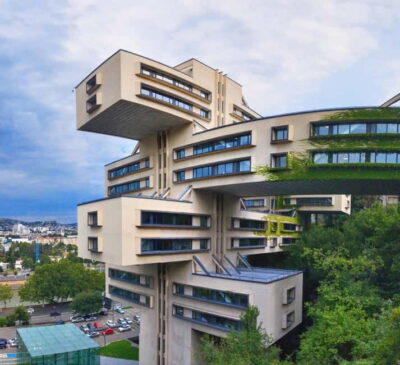
Brutalist Tbilisi: Urban exploration and untold stories
Read our review →
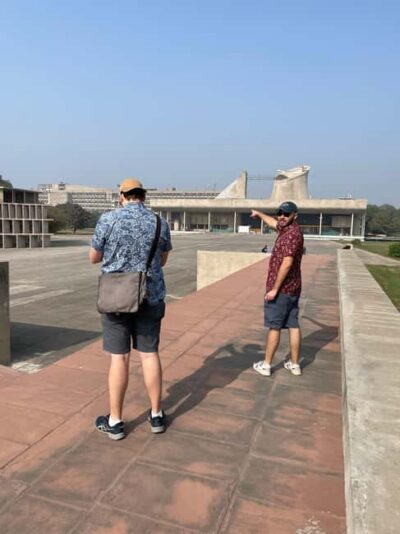
Le Corbusier’s Chandigarh : A Complete Architecture Tour
Read our review →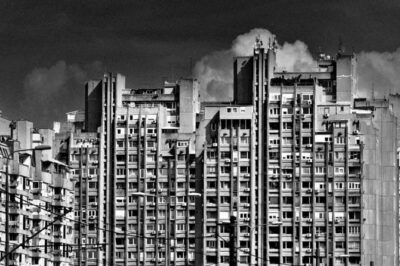
Architecture of New Belgrade – Brutalism Decoded
Read our review →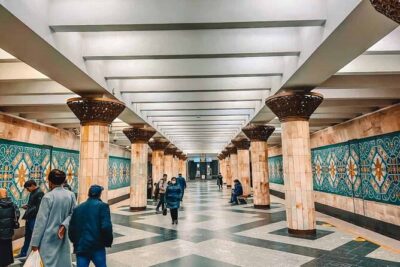
Tashkent Soviet Architecture (Modernism) and Subway station tour.
Read our review →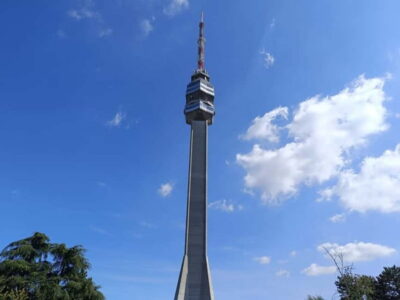
Belgrade: Space architecture tour – brutalist architecture
Read our review →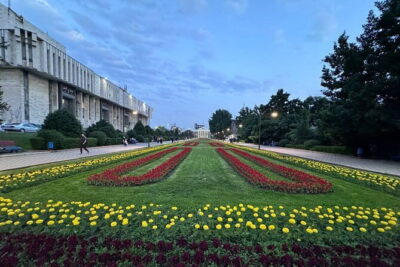
Bishkek : USSR History, Soviet Architects ,Statues & Mosaics
Read our review →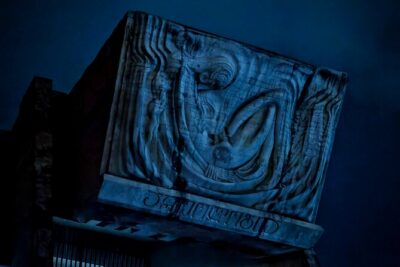
Brutal Tbilisi — Night Edition: Dark Side of Soviet Architecture
Read our review →Browse the lists this tour appears in