
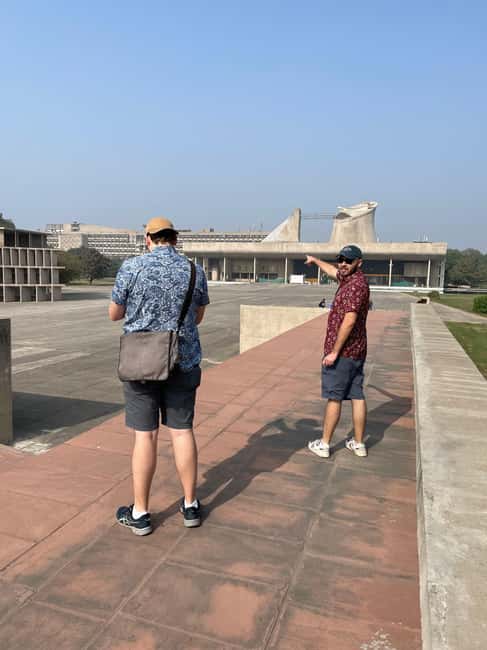
REVIEW · BAUHAUS AND BRUTALIST ARCHITECTURE TOURS
Le Corbusier’s Chandigarh : A Complete Architecture Tour
Chandigarh rewards curious eyes. This 5.5-hour tour brings Le Corbusier’s city plan to life while taking you inside places that are difficult to arrange alone, including Punjab University, Maison Jeanneret, the Capitol Complex, and the former architect’s office. Guide Rusty adds local context as a third-generation Chandigarh resident and former journalist.
I especially like the rare building access and the honest, lively storytelling. Rusty also adapts well to individual needs, from arranging an airport pickup to using a translation app for Japanese-speaking visitors. The main consideration is that access can change with political conditions, national holidays, or official closures, so the route is not completely fixed.
The $75 price is fair for a private-feeling small-group experience with a car, fuel, parking, tickets, permissions, bottled water, and pickup included. Still, you should confirm the day’s route after booking, and check the mobility details carefully because the activity is described as wheelchair accessible in one place but not suitable for wheelchair users elsewhere.
Key Points At A Glance
- Inside access matters: Visit interiors and working institutions that are difficult to understand from the street alone.
- Rusty brings local perspective: His background in journalism and lifelong connection to Chandigarh shape the tour’s direct, funny storytelling.
- The Capitol Complex is the centerpiece: See the Assembly, Secretariat, High Court, Open Hand Monument, Tower of Shadows, Geometric Hill, and Martyrs Monument, subject to local conditions.
- Pierre Jeanneret gets proper attention: Maison Jeanneret and social housing reveal the human side of Chandigarh’s modernist plan.
- Transport saves time: A car connects widely separated sites, with pickup and drop-off from a reasonable distance in Chandigarh.
- Food advice is optional: You pay for your own meal or snacks, but Rusty can suggest local, hygienic choices to suit your diet and spice tolerance.
Why Chandigarh Needs A Guided Architecture Tour
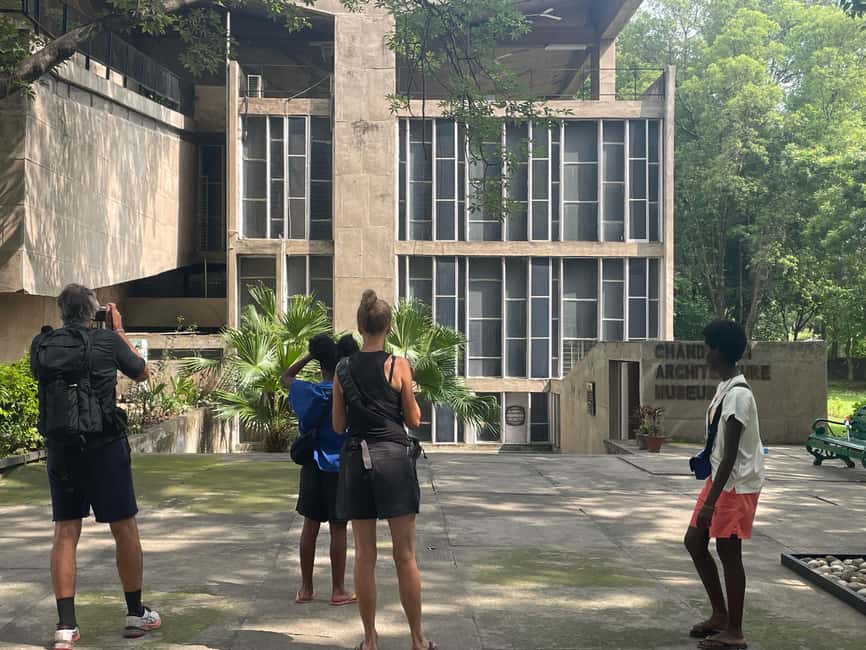
Chandigarh is not a city where every important idea announces itself from the roadside. Its plan, buildings, housing, open spaces, and civic symbols work together. Without context, you may see a lot of concrete and wonder what the fuss is about.
This tour gives you the connecting thread. Le Corbusier’s vision included a grid of self-sufficient sectors, planned movement, civic order, and a balance between built form and open space. The tour also places that 1960s ideal beside the city as it exists now, which is more useful than treating Chandigarh like a frozen museum.
I like that the experience does not focus only on Le Corbusier. Pierre Jeanneret, Maxwell Fry, and Jane Drew are part of the story too. That wider view matters because Chandigarh was not the work of one famous architect working alone. The city’s housing, institutions, offices, and public buildings reflect a larger team and a particular moment in India’s development.
The storytelling is designed to be informal rather than ceremonial. Rusty’s journalism background helps here. You get facts, but also a local reading of how the city has changed and how its original ideals fit, or fail to fit, modern life.
More Bauhaus and brutalist tours in India:
- Brutalist Tbilisi: Urban exploration and untold stories
★ 5.0 · 82 reviews - London: Brutalist Architecture & History Walking Tour
★ 4.8 · 42 reviews - Architecture of New Belgrade – Brutalism Decoded
★ 4.5 · 24 reviews
Punjab University: Modernism With Daily Life Around It
The tour begins its architectural argument at Punjab University, where the buildings are not simply monuments. They remain part of an active campus, with students, departments, lecture halls, and library users moving through spaces originally designed around modernist principles.
Planned access can include Gandhi Bhawan, the AC Joshi Library, several departments, and lecture halls. The library visit depends on local conditions, so you should treat it as a possible highlight rather than a guaranteed stop.
The campus walk is valuable because it lets you see how the design works at human scale. A plan can look orderly on paper, but a guided walk helps you notice how buildings relate to paths, courtyards, shade, and open ground. You can ask questions as you go instead of trying to decode a floor plan after the fact.
Gandhi Bhawan is one of the more unusual stops. It gives the tour a chance to discuss how a building can carry symbolic meaning while still functioning as a place for people. The lecture halls and departments add a practical layer. This is architecture in use, not just architecture for photographs.
The limitation is obvious: a university is a working institution. Access to specific rooms may depend on the day, permissions, and local rules. That uncertainty is part of the price of seeing real buildings rather than a fixed museum route.
Maison Jeanneret And The Human Side Of The Plan
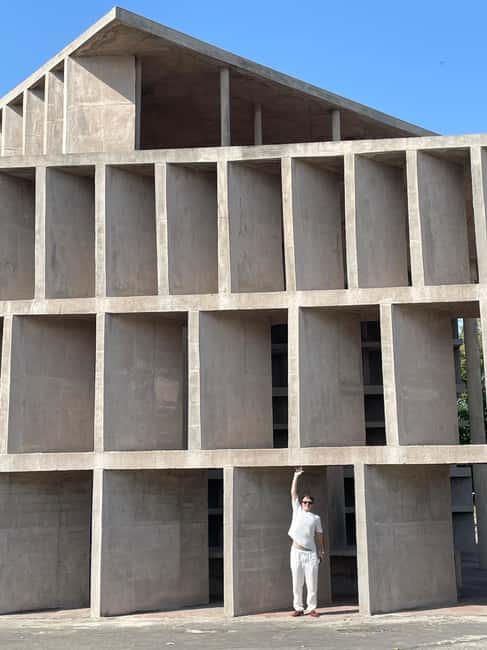
Maison Jeanneret is one of the strongest stops for anyone interested in the people behind Chandigarh. It was the first house made in Chandigarh by Pierre Jeanneret, and Le Corbusier also stayed there. Today it functions as a museum.
This visit shifts the mood away from grand civic buildings. A house lets you think about how modernist ideas worked in ordinary daily life. Jeanneret’s role becomes easier to understand when you move from the monumental scale of the Capitol Complex to a domestic setting.
I would pay close attention to the relationship between function and form here. The house helps explain how the team approached living spaces, not just government buildings. It also gives the tour a personal connection to the early years of Chandigarh’s creation.
The broader discussion includes socialistic housing designed by Jeanneret. That is an important inclusion. Chandigarh’s architectural story is not only about famous landmarks for officials and ceremonies. Housing reveals how the city’s planners thought about everyday residents, work, community, and access to modern services.
For architecture students and professionals, this may be one of the most useful parts of the day. For general visitors, it keeps the tour from becoming a parade of oversized concrete structures.
The Capitol Complex: Chandigarh’s Most Powerful Sequence
The Capitol Complex is the tour’s grandest section and the place where Le Corbusier’s civic ambitions become most visible. The route can include the Palace of Assembly, Secretariat Building, High Court, also called the Palace of Justice, Open Hand Monument, Geometric Hill, Tower of Shadows, and Martyrs Monument.
Access to the complex depends on local political conditions. That is not a minor footnote. Government buildings can have changing security rules, and some areas may close without much warning. Rusty’s local arrangements are valuable here, but no guide can guarantee access when official restrictions are in force.
The Palace of Assembly shows Le Corbusier working at a monumental scale. You can examine how structure, shadow, geometry, and movement combine to give a government building a ceremonial presence. The Secretariat presents a different problem, with its long institutional form and repeated elements.
The High Court adds another civic voice. Together, the three major buildings create a conversation about government, justice, and public life. A guide helps you read that relationship instead of viewing each building as an isolated object.
The Open Hand Monument is Chandigarh’s best-known symbol. Its message of giving and receiving connects to the city’s wider ideals, and Rusty can place that symbol within Chandigarh’s changing identity. The monument is also a reminder that Le Corbusier’s work here was not only about concrete and engineering. It included visual signs meant to express civic values.
The Tower of Shadows and Geometric Hill reward patience. They may not be as immediately familiar as the main buildings, but they show the architect’s interest in sun, shadow, proportion, and controlled movement. The Martyrs Monument adds another layer of meaning and gives the complex a more human emotional register.
You should expect a lot of walking and exposure to the sun. Comfortable shoes, a hat, and sunscreen are sensible. Bring your passport or another ID card, since official access may require identification.
A few more architecture tours in India worth a look
- British Architecture Walk, an immersive walking tour in Chennai
★ 5.0 · 60 reviews - The Hipster Chandigarh Architecture History Tour
★ 5.0 · 54 reviews - Mumbai heritage walk- Story of Gothic and Art Deco buildings
★ 5.0 · 33 reviews - Jaipur City Heritage and Architecture Tour
★ 5.0 · 32 reviews
The Former Architect’s Office And Chandigarh’s Working Memory
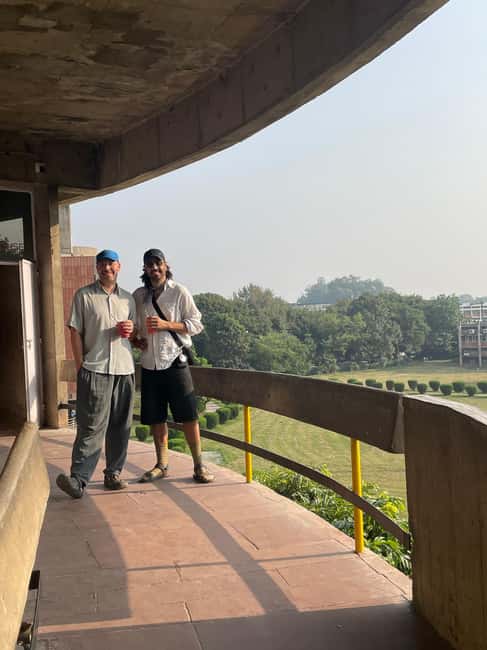
The old architect’s office is now the Le Corbusier Centre. This is where the story moves from finished buildings to the process behind them.
The centre helps explain how Chandigarh’s planning began and how ideas were developed, discussed, and recorded. It also connects the city to early thinking about sustainability and green architecture in India, a subject that can get lost when the focus stays on sculptural concrete.
I value this stop because it makes the whole day more legible. After seeing buildings in their finished state, you get a place tied to the practical work of making the city. It gives the grand vision a desk, an office, and a working routine.
The centre is also useful for readers who want to understand Chandigarh as an evolving project. The city was not simply delivered complete and left untouched. Its buildings and planning ideas have been interpreted, maintained, adapted, and sometimes challenged over time.
The Architecture Museum: Drawings, Letters, And Evidence
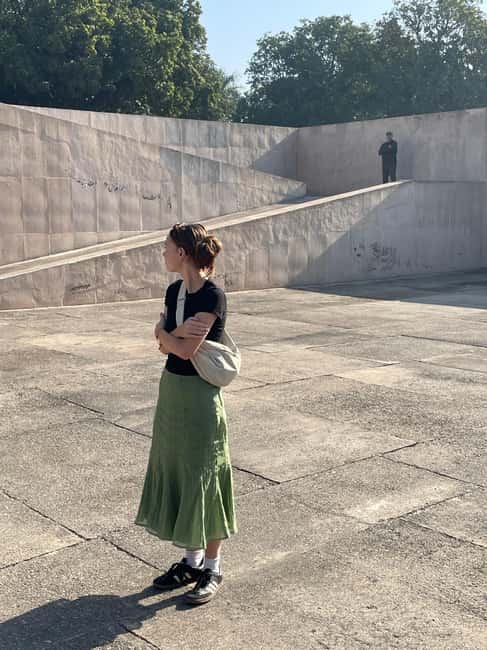
The architecture museum is the clearest place to slow down and study original material. It includes letters, floor plans, sketches, and rare drawings connected with Le Corbusier and Chandigarh’s creation.
This stop can be especially rewarding if you want more than impressive photographs. Plans reveal how the city was organized, while sketches show how ideas changed before construction. Letters can add the personal and administrative side of a project often presented as a neat finished vision.
I would save some attention for small details here. A rough drawing or early plan may explain a later building better than another wide view of a façade. The museum also gives you a chance to compare ambition with reality and to see how a city’s founding story is assembled through documents.
The amount of time available may vary because the tour covers several sites in a half day. If a particular drawing or plan interests you, tell Rusty. His style is conversational, and the experience is built around questions rather than a fixed speech delivered at every stop.
What Rusty Adds To The Experience
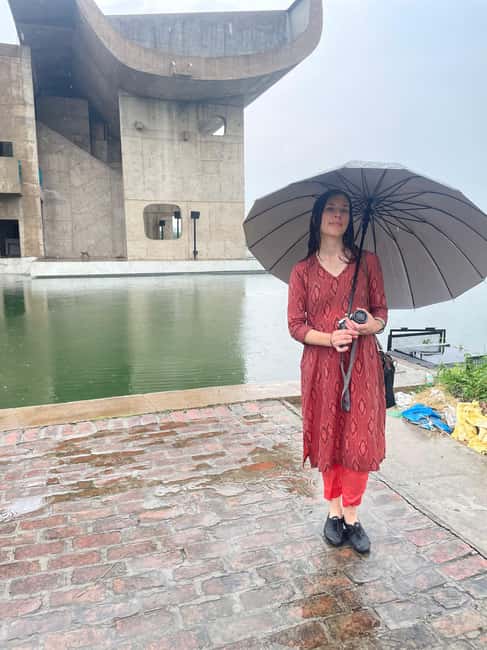
Rusty is central to the tour’s appeal. He is a third-generation Chandigarh resident with more than 11 years of journalism experience, and that combination gives him two useful tools: local familiarity and a habit of asking how a story fits together.
His approach is described as funny, factual, and free of forced patriotic speeches. That balance matters in Chandigarh, where the official story can become polished and predictable. You get room to admire the city while also thinking about what has changed since the original plan.
Language should not stop you from considering the tour. The live guide language is English, but Rusty has used a phone translation app to help Japanese visitors follow the explanation. One Japanese visitor specifically appreciated his clear English, measured pace, and willingness to give people time to look and think.
That last point is worth noting. Some guides fill every pause. Rusty appears to leave space for observation, then answers questions directly. If you prefer a quiet guide who sticks to a script, his conversational style may feel more active. If you enjoy asking why a building looks or functions a certain way, it should suit you well.
Food, Pickup, And The Value Of $75
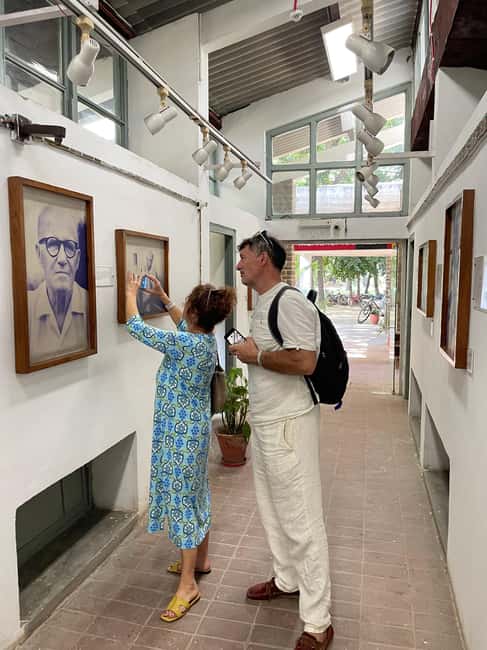
At $75 per person, this is not a cheap sightseeing ride. It is also not just a walking tour with a guide and a few exterior views.
The price includes pickup and drop-off from a reasonable distance in Chandigarh, car transport between sites, entry tickets, permissions, parking, fuel, and bottled water. Those inclusions matter because the sights are spread across the city, and arranging access to official buildings can be harder than simply finding them on a map.
The value is strongest for a first visit, a short stay, or anyone with a serious interest in architecture. You cover a large amount of ground in 5.5 hours without having to organize separate transport or work out which buildings permit entry.
Food and drinks are extra, including Rusty’s own meal if you choose to eat together. He can suggest options ranging from vegan food and snacks to local dishes, meats, kebabs, and sweets. He also considers practical concerns such as cleanliness, spice levels, and dietary preferences. You are given choices, not pushed toward one restaurant.
Pickup can be arranged from a hotel, railway station, bus stand, Airbnb, or airport within a reasonable distance. One useful feature is flexibility when traffic or timing creates a problem. Rusty has helped save time by handling entry arrangements in advance, though you should not treat every extra adjustment as guaranteed.
Who Should Book This Tour?
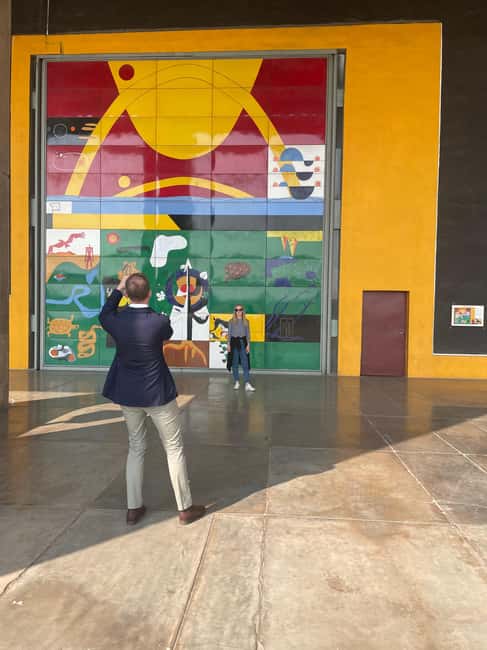
I would recommend it most strongly to architects, architecture students, design professionals, photographers, urban planners, and curious visitors who want to understand how Chandigarh works as a city.
It also suits you if you have only two days in Chandigarh and want a strong first orientation. The combination of Punjab University, Jeanneret’s house, the Capitol Complex, the Le Corbusier Centre, and the architecture museum gives you a clear route through the city’s ideas, people, and present-day legacy.
You may want a different activity if you dislike walking, sun exposure, official security procedures, or changes to a planned schedule. It is also less suitable if you only want quick exterior photo stops. The best parts depend on explanations, interior access, and time spent looking closely.
The mobility information needs special care. The activity page says wheelchair accessible, but it also says the experience is not suitable for people with mobility impairments or wheelchair users. Contact the provider before booking and ask exactly which buildings, vehicles, and walking sections can accommodate your needs.
FAQ
How long does the Chandigarh architecture tour last?
The experience lasts 5.5 hours.
What language is the tour conducted in?
The live tour guide speaks English.
Does the tour include hotel pickup?
Yes. Pickup and drop-off are included from a reasonable distance anywhere in Chandigarh, including hotels, the railway station, bus stand, Airbnb accommodation, or the airport.
What is included in the $75 price?
The price includes transport between sites, entry tickets, permissions, parking, fuel, bottled water, and pickup and drop-off.
Is food included?
No. Food and drinks are paid for separately. Rusty can recommend places and dishes based on your preferences, including spice level, diet, and hygiene concerns.
Which places are visited?
The route can include Punjab University, Gandhi Bhawan, AC Joshi Library, university departments and lecture halls, Maison Jeanneret, the Capitol Complex, Le Corbusier Centre, and the architecture museum.
Is access to every building guaranteed?
No. Access can change because of local political conditions, national holidays, security rules, or building closures. Alternative heritage buildings may be included when necessary.
What should I bring?
Bring a passport or ID card, comfortable shoes, a hat, and sunscreen.
Is the tour suitable for wheelchair users?
The supplied information is inconsistent. One section describes the activity as wheelchair accessible, while another says it is not suitable for wheelchair users or people with mobility impairments. Confirm the exact arrangements with the provider before booking.
Can I cancel the booking?
You can cancel up to 24 hours in advance for a full refund. A reserve-now, pay-later option is also available.
Should You Book It?
Book this tour if you want Chandigarh explained as a living city rather than a checklist of famous concrete buildings. The strongest reasons are the access to interiors, the attention given to Jeanneret and the wider design team, and Rusty’s personal, questioning approach.
I would book early in your Chandigarh stay, then confirm the meeting point, building access, and mobility arrangements by WhatsApp after receiving the voucher. If the Capitol Complex is partly closed, ask what replacement sites are planned. With those checks made, the tour offers a smart use of half a day and a useful way to see why Chandigarh still matters.
Just added in India
- Victorian Gothic Heritage Quarter and Art Deco Walking Tour★ 4.9 · 14 reviews
- New Delhi: Mughal’s architecture tour with transfers★ 4.0 · 7 reviews
- Victorian Gothic Heritage Quarter and Art Deco Walking Tour★ 4.5 · 13 reviews
- 2 day tour from Mumbai to architectural wonder of Mandu★ 5.0 · 2 reviews
- Goa Walking tour: History, Culture, Art and architecture★ 4.5 · 2 reviews
- British Architecture Walk in Chennai by Wonder tours★ 5.0 · 10 reviews
- South India Tour- Temple Architecture and Backwaters★ 5.0 · 7 reviews
- Day trip from Bangalore to Lepakshi for Temple architecture & paintings★ 5.0 · 15 reviews
Bauhaus and Brutalist Architecture Tours, compared.
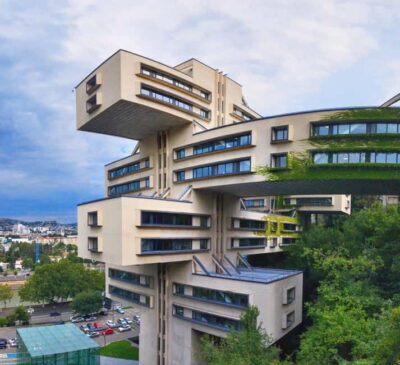
Brutalist Tbilisi: Urban exploration and untold stories
Read our review →
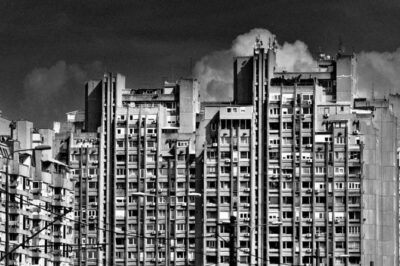
Architecture of New Belgrade – Brutalism Decoded
Read our review →
Secret Split: Socialist Architecture & brutalism – Urban Utopia
Read our review →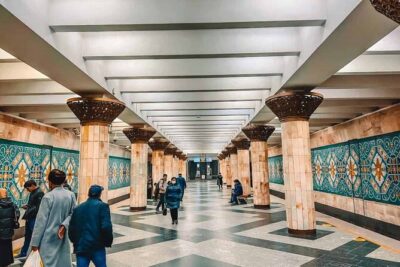
Tashkent Soviet Architecture (Modernism) and Subway station tour.
Read our review →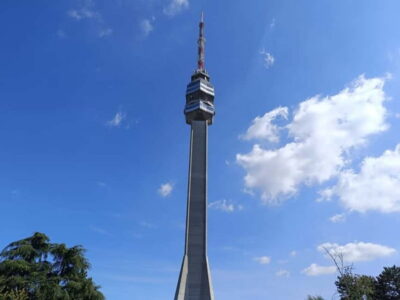
Belgrade: Space architecture tour – brutalist architecture
Read our review →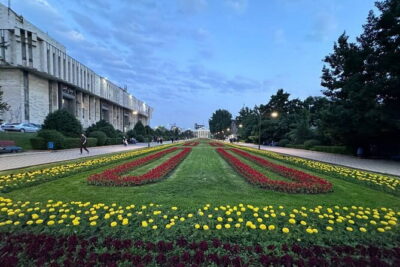
Bishkek : USSR History, Soviet Architects ,Statues & Mosaics
Read our review →
Brutal Tbilisi — Night Edition: Dark Side of Soviet Architecture
Read our review →Browse the lists this tour appears in