
REVIEW · ARCHITECTURE TOURS
Discover Coppedè in Rome: Liberty architecture, symbols, and jewels
Rome has a neighborhood that feels dreamed up. This two-hour walk through Coppedè links Liberty architecture with the symbolic animals found in jewelry, making it far more than a standard architecture stroll. I like the unusual connection between buildings and brands such as Chanel, Cartier, and Bulgari, and I love that guide Laura Galloppo keeps the subject lively and personal. The main consideration is that Coppedè is a niche subject, so visitors seeking Rome’s famous ancient monuments may find the focus too specialized.
The walk costs $35 per person and is limited to eight participants, a fair price for a guided look at one of Rome’s most distinctive districts. You’ll walk on flat ground and need no museum ticket, but you should come ready to spend two hours outdoors and to look closely at details that are easy to miss without explanation.
Key points to know before booking
- A rare art-to-jewelry connection: Coppedè’s frogs, bees, and spider lead into stories about the lion of Chanel, the panther of Cartier, and the snake of Bulgari.
- A small, lively group: With no more than eight people, the tour can stay interactive rather than turning into a large-scale lecture.
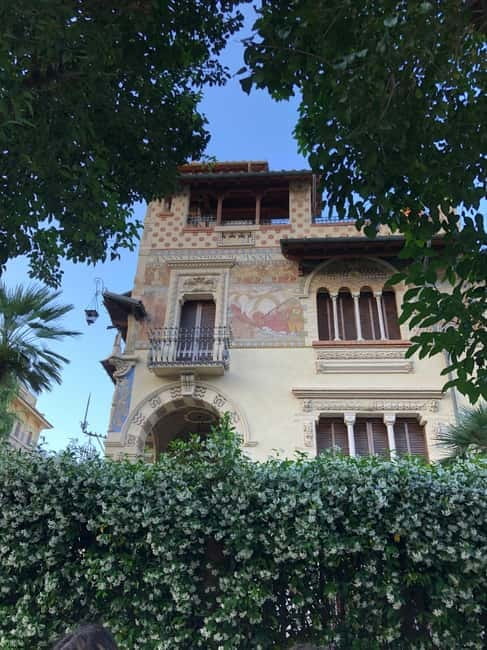
- A dreamlike Roman district: Gino Coppedè’s buildings mix Liberty design, fantasy, symbols, and architectural surprises.
- A flat two-hour walk: The route is suitable for everyone and does not require strenuous walking or previous art knowledge.
- A personal guide named Laura Galloppo: Her enthusiasm and clear explanations are central to the appeal of the experience.
- Useful extras included: You receive tour materials, creative content to consult, and a free souvenir postcard.
Why Coppedè feels unlike the rest of Rome
Rome is packed with ancient ruins, Baroque churches, and grand Renaissance squares. Coppedè offers something different: a compact district where architecture feels theatrical, symbolic, and slightly strange.
The neighborhood is associated with Florentine architect Gino Coppedè, who rejected simple period labels and experimented with a personal style. His work draws from Liberty, Italy’s version of Art Nouveau, while also borrowing from medieval forms, classical references, fantasy creatures, and decorative sculpture.
That mix explains the first surprise of the walk. You are not simply looking at attractive façades. You are trying to work out how an architect could place frogs, bees, spiders, villas, arches, and ornate details into one coherent world.
I find this kind of visit especially useful after you have already seen Rome’s headline sights. It gives you a fresh way to read a city. Instead of asking only when a building was constructed, you begin asking why a symbol appears there and what feeling it was meant to create.
Coppedè is also a good choice if you have already visited Rome more than once. It is not a replacement for the Colosseum or the Pantheon, but it offers a change of pace from the city center and a more focused subject.
A few more architecture tours in Italy worth a look
- Lecce: Baroque Architecture and Underground Walking Tour
★ 4.6 · 1,248 reviews - Experience Florence’s Art and Architecture on a Walking Tour
★ 5.0 · 318 reviews - Palermo: Art and Architecture Walking Tour
★ 4.7 · 136 reviews
Meeting beneath Coppedè’s monumental arch
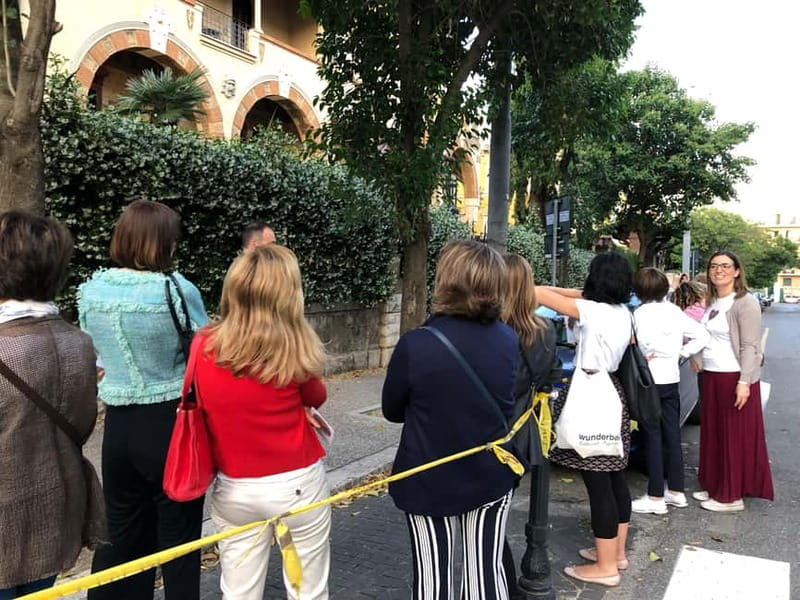
The tour begins at the corner of Via Tagliamento and Via Dora, beneath the monumental arch marking the entrance to the district. This is an important part of the experience because the arch immediately sets the tone.
You do not begin with a long transfer or a museum queue. You arrive at a public urban space, meet Laura, and start reading the architecture around you. The meeting point also makes practical sense: the arch acts as a clear visual marker in a district that can otherwise feel unfamiliar.
Try to arrive with enough time to locate the corner without rushing. The information provided does not name a nearby transport stop, so you should check your route before setting out. Once you are under the arch, the starting point is specific and easy to identify.
This first stop is not merely a place to gather. It introduces the central idea of the walk: Coppedè is designed to surprise you before you have even begun examining individual buildings.
Thirty minutes of façades, villas, and close looking
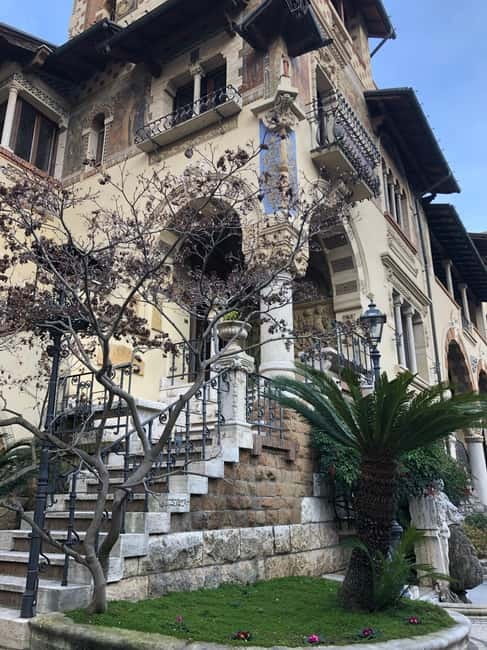
The opening portion includes a visit, guided walk, and photo stop lasting about 30 minutes. You will stroll through the district’s palaces and villas while Laura explains how Coppedè developed its unusual architectural language.
The word Liberty matters here. In Italy, Liberty architecture refers to the country’s Art Nouveau movement, known for flowing decoration, organic forms, and careful attention to detail. Coppedè takes those ideas and pushes them into a more dramatic direction.
Look for the way decorative elements become part of the architecture rather than simple add-ons. The district’s symbols are not treated like museum objects behind glass. They appear in stone, above entrances, around fountains, and across façades.
The route is built around observation. You will have opportunities to take photographs, but the most useful part is learning where to aim your camera. Without a guide, you might admire the broad shapes of the buildings and miss the smaller creatures carved into them.
The flat terrain is a practical advantage. You can concentrate on façades and stories instead of worrying about steep streets or a demanding pace. The walk is suitable for people without art or architectural training, and no previous experience is required.
One limitation is that the supplied itinerary gives only one named stop, described as a hidden spot within the district, rather than a long list of separate monuments. That suggests the value lies in the explanation and connections, not in checking off many formal attractions.
Frogs, bees, and the spider with a job to do
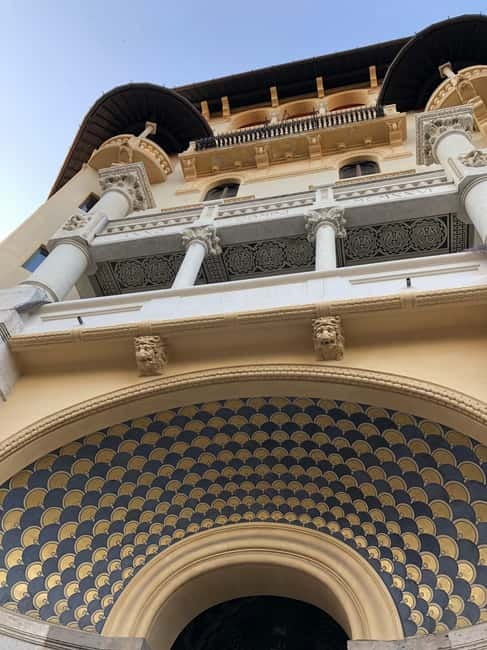
The symbolic animals give the tour its strongest thread. You will encounter the frogs that top the fountain in Piazza Mincio, bees carved into rock, and the protective spider associated with the building that bears Coppedè’s name.
These details make the architecture easier to remember. A long explanation about decorative motifs can blur together, but a frog fountain or a spider acting as a guardian gives you a clear image to carry away.
The animals also turn the walk into a conversation about meaning. They are not presented simply as amusing decorations. They carry symbolic associations, and those associations help explain why particular creatures have such staying power in visual design.
This is where Laura’s approach appears most useful. The tour blends fact and legend, so you are likely to hear both the documented story of the district and the imaginative ideas that have grown around it. That combination fits Coppedè well. The neighborhood already looks like a place where architectural fact and urban fantasy overlap.
You should not expect an exhaustive academic account of every building. The format is a two-hour walk for a small group, not a specialist seminar. Its strength is selecting memorable details and arranging them into a story that remains easy to follow.
Same city, a different building to stand in front of:
- Caprarola: Villa Farnese, masterpiece of Renaissance architecture
★ 4.5 · 28 reviews - Best of Bologna in one day : Food, architecture, art and history
★ 5.0 · 27 reviews - Private Tour: Venice Art and Architecture Walking Tour
★ 4.0 · 22 reviews - City Walk with Architect: Private walking tour of Rome
★ 5.0 · 22 reviews
From Coppedè’s animals to famous jewelry houses
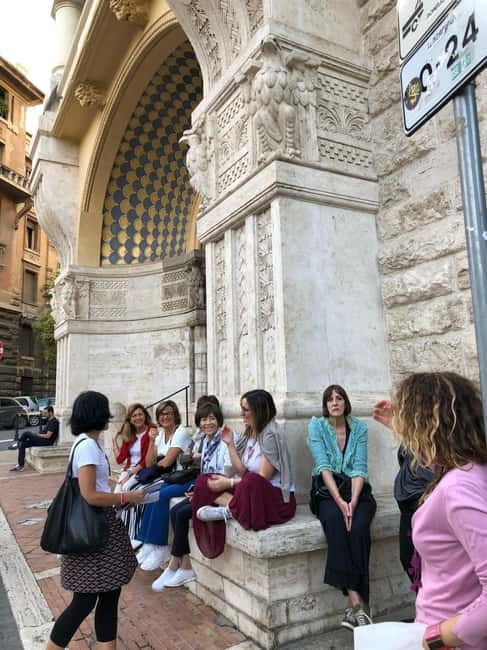
The most distinctive feature is the move from architecture to jewelry. After looking at Coppedè’s frogs, bees, and spider, the tour asks why animals appear so often in precious design.
You will hear about symbolic animals linked with major jewelry brands, including Chanel’s lion, Cartier’s panther, and Bulgari’s snake. The point is not simply to list famous logos. The guide connects these creatures with the emotional power of jewelry and with the reasons people form lasting attachments to particular pieces.
That connection gives the walk a second subject without abandoning the first. You begin with carved stone and public architecture, then consider how similar symbols appear in objects worn close to the body.
I like this structure because it gives you a way to compare two types of design. Coppedè’s animals are fixed into buildings and public spaces. Jewelry animals become personal signs, tied to memory, status, taste, or affection. The same creature can feel protective, powerful, elegant, or mysterious depending on where you encounter it.
The historical origin of precious stones is also part of the discussion. The available information does not promise a detailed gemology lesson, so I would treat this as context rather than technical instruction. You will gain a broader understanding of why precious materials and animal imagery have remained powerful in design.
This art-to-jewelry link is the tour’s most unusual feature. If you enjoy fashion, decorative arts, branding, or symbolism, it adds real value. If you only want architectural facts, the jewelry section may feel like a detour, although it is the detour that makes this walk different from a standard Coppedè tour.
Laura Galloppo’s role in the experience
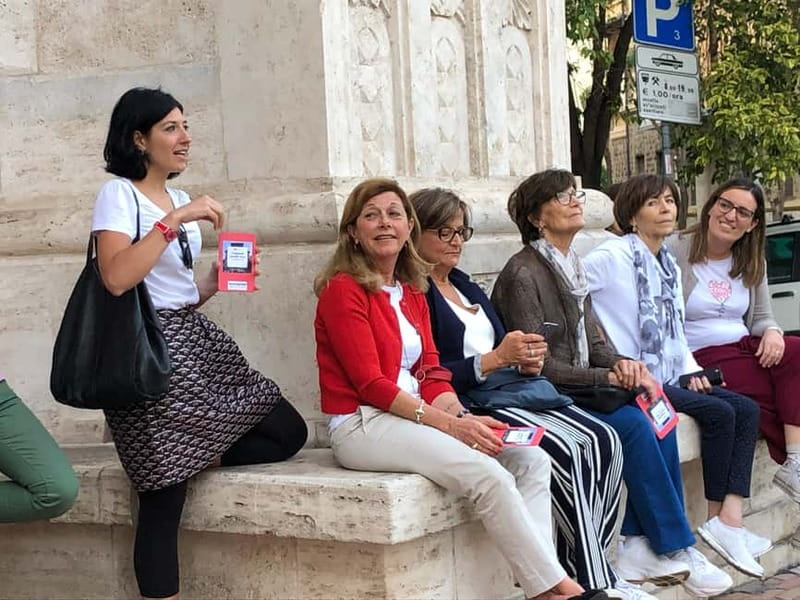
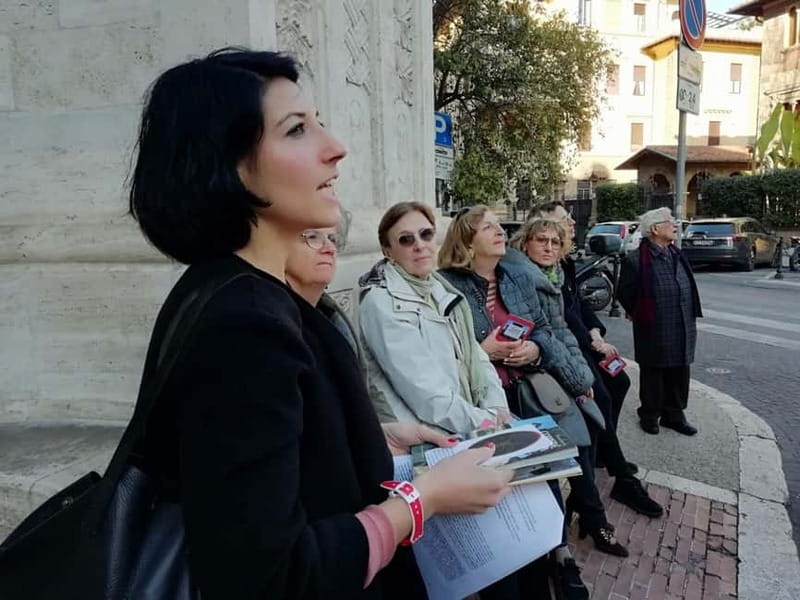
A subject this specialized needs a guide who can explain it without making the walk feel like a classroom. Laura Galloppo appears to be the key to that balance.
Her style is described as passionate, informative, and fun. A French visitor particularly valued the way she made a niche subject easy to understand, while a visitor from the United Kingdom found her enthusiasm infectious and enjoyed the neighborhood through her eyes.
That matters because Coppedè is not self-explanatory. You can walk through the district alone, but you may not know which details matter, how they relate to one another, or where fact ends and legend begins.
The group size helps. With a maximum of eight participants, you should have a better chance to hear the guide clearly and ask questions than you would on a large city tour. The experience is offered in Italian and English, though some content is shown in its original language. If you are not comfortable with either main tour language, that could affect how much you gain from the symbolism and storytelling.
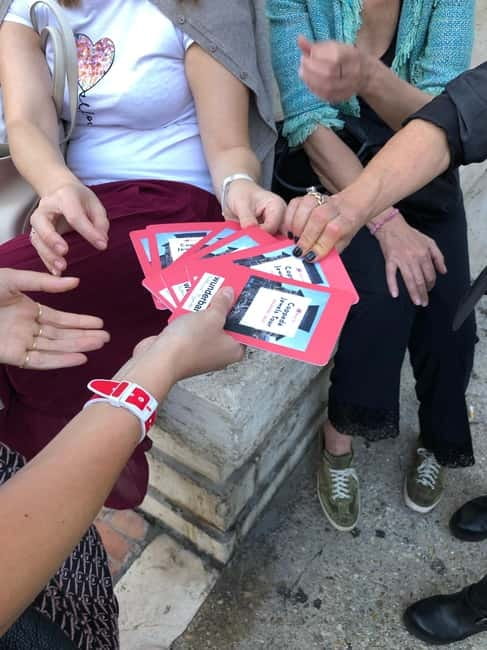
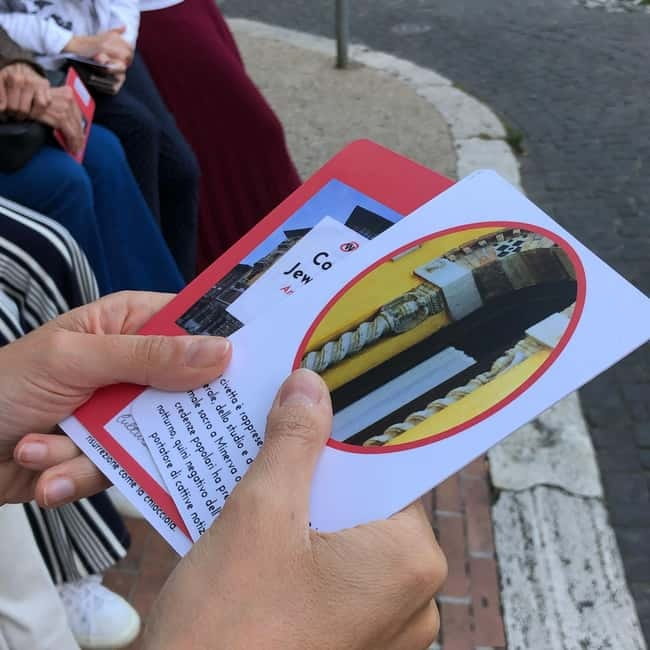
The tour also includes materials to consult, creative content, and a free postcard. These are modest extras, but they support the main idea: you are not only taking photographs, you are collecting visual references and stories to revisit later.
What $35 buys you in practical terms
At $35 per person, the cost is reasonable if you value interpretation rather than admission tickets. There is no entrance fee because the walk takes place in a public area, so your payment goes toward the guide’s time, the small-group format, the prepared materials, and the original subject.
You are not paying for access to a famous interior or a major monument. You are paying for a way of seeing a neighborhood that might otherwise take only a few minutes of casual attention.
That distinction is important. If you want a long list of included attractions, meals, or museum entry, this will not feel like a bargain. Food is not included, and the experience is entirely a walking tour.
For someone interested in architecture, design, jewelry, or unusual corners of Rome, the price feels justified. The small group and the unusual content give it more value than a basic orientation walk. For a first-time visitor with only a day or two in Rome, I would place the major sights first and consider this only if your schedule allows.
The free postcard is a pleasant souvenir, but it should not influence your booking decision. The real value is Laura’s explanation and the way the subjects connect.
Who should book this Coppedè walk
I would recommend it to you if you enjoy:
- Architecture that breaks standard rules
- Art Nouveau and Italian Liberty design
- Symbols, myths, and visual storytelling
- Jewelry houses and luxury branding
- Small groups with room for interaction
- Lesser-known parts of Rome
- A flat walk without strenuous activity
It is also a good fit for repeat visitors who want a new side of Rome. The neighborhood’s fantasy details provide a welcome contrast to the city’s ancient and Baroque core.
Families and mixed-age groups may find the animals an easy way into the subject, though the supplied information does not specify a children’s format. The walk is accessible by wheelchair and takes place on flat terrain, which makes it practical for many participants.
I would think twice if your interest is limited to ancient Roman history, or if you prefer tours with a fixed list of major monuments. Coppedè asks you to slow down, notice decoration, and follow an interpretive theme.
Timing, comfort, and booking flexibility
The experience lasts two hours, and starting times vary, so check availability when choosing your date. Since it is a walk, comfortable shoes are sensible, even though the ground is flat.
The tour can be canceled up to 24 hours in advance for a full refund. You can also reserve now and pay later, which helps if your Rome plans are still changing.
The guide speaks Italian and English. Some material may appear in its original language, so ask about clarification during the walk if a particular item is not immediately clear.
No entrance ticket is needed, and food is not part of the experience. Plan it as a self-contained outdoor activity rather than as a meal stop or museum visit.
Should you book Discover Coppedè?
Book it if you want a focused, imaginative walk that explains why Coppedè looks the way it does. The combination of frogs, bees, the protective spider, and jewelry animals gives the experience a clear identity, while Laura Galloppo’s energetic style helps keep a narrow subject moving.
Skip it if your Rome plans are already packed with major sights or if decorative architecture and jewelry symbolism do not interest you. For the right audience, though, $35 buys something difficult to find elsewhere: a small-group look at a strange and memorable district, with a creative bridge from stone façades to personal adornment.
FAQ
Where does the Coppedè tour meet?
The meeting point is beneath the monumental arch of the Coppedè district, at Via Tagliamento on the corner of Via Dora.
How long does the tour last?
The walking tour lasts two hours.
What is the price?
The price is $35 per person.
Is the tour offered in English?
Yes. The tour is available in Italian and English. Some content is shown in its original language.
Is the tour wheelchair accessible?
Yes. The experience is wheelchair accessible.
Is the route difficult?
The walk takes place on flat terrain and is suitable for everyone. No previous experience is required.
Is an entrance ticket needed?
No. The area is public, and no entrance ticket is required.
What is included?
The experience includes a guided walking tour, tour materials to consult, creative content, and a free souvenir postcard.
Can I cancel or pay later?
You can cancel up to 24 hours in advance for a full refund. You can also reserve your place and pay later.
Just added in Italy
- Vicenza: Palladian Architecture Private Walking Tour★ 3.3 · 3 reviews
- Private Personalized Architecture Tour of Rome with an Architect★ 5.0 · 5 reviews
- Architectural Milan: Private Tour with a Local Expert★ 4.5 · 2 reviews
- The Architect’s Water★ 4.5 · 11 reviews
- Architectural Florence: Private Tour with a Local Expert★ 5.0 · 3 reviews
- Rione Sanità: tour among street art, architecture, folklore★ 4.5 · 2 reviews
- Palermo Tour: Magnificent Mixture Of Architectural Styles★ 4.2 · 6 reviews
- Borgo Parrini Gaudí-style: a walking tour in a colorful art village★ 4.8 · 9 reviews
Architecture Tours, compared.


Chicago River: 1.5-Hour Guided Architecture Cruise
Read our review →
Chicago Architecture Center River Cruise aboard First Lady
Read our review →
Architecture River Cruise Skip-the-Ticket Line
Read our review →
Chicago River 45-Minute Architecture Tour from Magnificent Mile
Read our review →
Browse the lists this tour appears in