
REVIEW · ARCHITECTURE TOURS
Rione Sanità: tour among street art, architecture, folklore
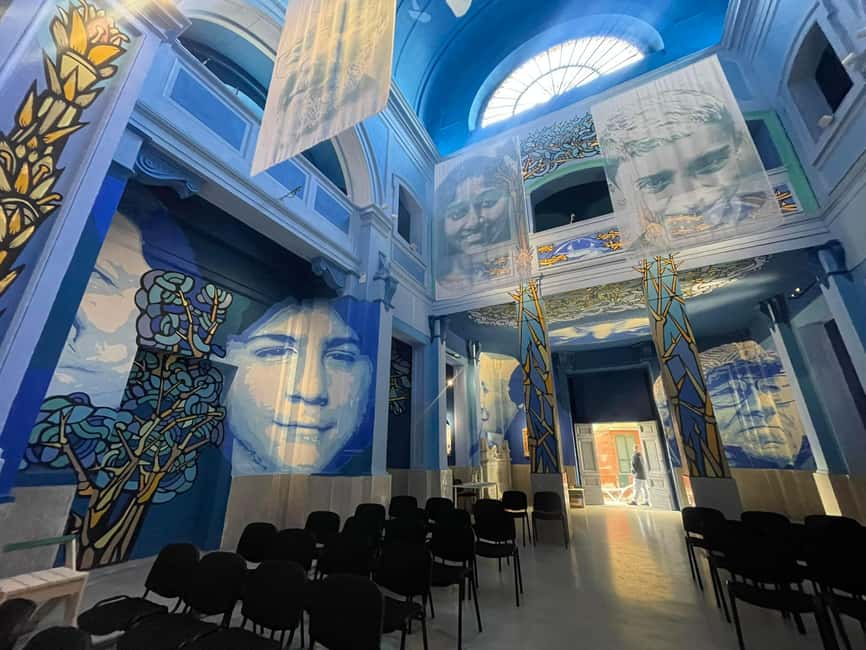
Naples keeps its best stories off the main road. This two-hour walk through Rione Sanità brings you into a district where grand palaces, church art, local folklore, and new street art share the same narrow lanes. I like the mix of major sights and ordinary neighborhood life, and I especially like that the route includes both Palazzo dello Spagnolo and the reopened Chiesa dei Cristallini. The main drawback is the short running time: two hours gives you a useful introduction, but not a slow, detailed look at every stop.
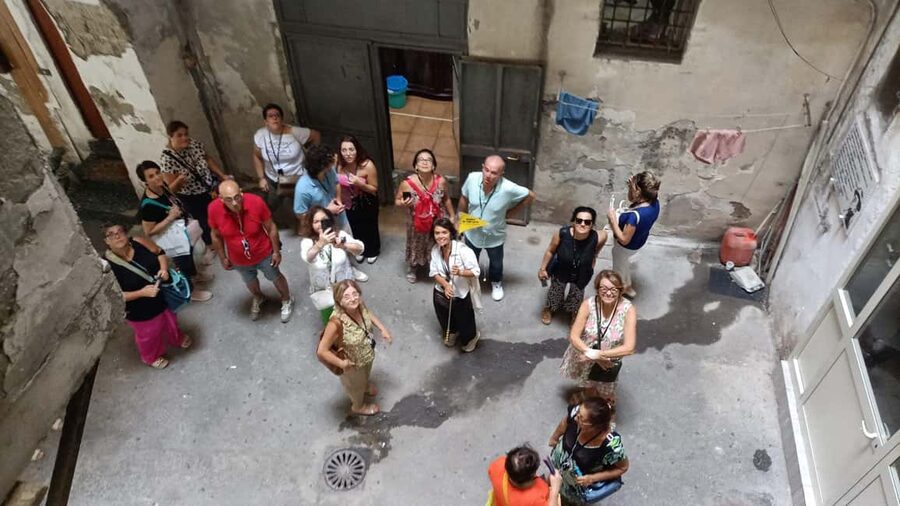
I also like the focus on a local Italian-speaking guide, since Sanità makes more sense when someone explains its contrasts instead of simply pointing at façades. The tour is wheelchair accessible and can be arranged for a private group, but the meeting point changes with the option you book, so check that detail before setting out.
Key points at a glance
- Palazzo dello Spagnolo and Palazzo Sanfelice: See two of Sanità’s best-known architectural sights in one compact walk.
- Totò’s Naples: The route includes the location of Casa di Totó, linking the neighborhood with one of the city’s most beloved comic performers.
- Reopened Chiesa dei Cristallini: The church adds an important ecclesiastical stop to a tour otherwise rooted in streets and façades.
- Street art among old buildings: Modern murals and color appear beside historic architecture, giving Sanità a changing visual character.
- Italian-speaking local guide: The guide provides the context that turns a walk through alleys into a readable story about the district.
- Two-hour format: A practical choice if you want an introduction to Sanità without committing half a day.
Why Rione Sanità feels different from central Naples
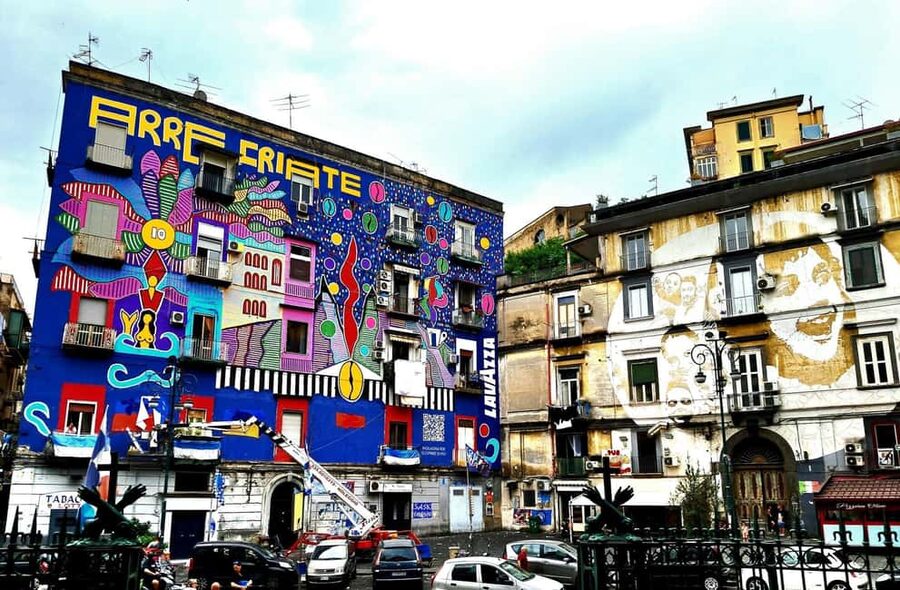
Rione Sanità is one of the places where Naples refuses to fit into a tidy postcard. The district brings together old buildings, religious sites, narrow streets, local legends, and a strong modern art scene. You may see a grand stairway or decorated church façade, then turn a corner and find a wall covered with contemporary work.
That contrast is the main reason to take this walk. You are not being shown one polished version of Naples. Instead, the route presents a neighborhood with difficult sides and real potential, where older buildings and public art now share attention.
I find this kind of walking tour more useful than a list of isolated monuments. Sanità’s sights are connected by the streets between them. The guide can explain how the buildings, local characters, folklore, and religious landmarks belong to the same neighborhood story.
The route is also a good reminder that Naples is not only a city of famous museums and grand central squares. Sanità gives you a more local setting. The tour does not promise a full historical study, and at two hours it cannot provide one, but it offers a clear first look at a district many visitors would otherwise pass by.
More street art tours in Italy:
- Walking Tour of Houston: History, Architecture, Street Art
★ 5.0 · 59 reviews - Tirana: Street Art & Modern Architecture Walking Tour
★ 4.9 · 31 reviews - Tirana: Street Art & Modern Architecture Tour
★ 5.0 · 18 reviews
Palazzo dello Spagnolo and the drama of the staircase
Palazzo dello Spagnolo is one of the tour’s strongest architectural stops. The building is known for its theatrical interior staircase, with broad curves and stacked levels that make a simple climb feel like a piece of Baroque stage design.
You will want to look up as well as ahead. The staircase, balconies, and decorative details show how architecture in Naples often turns everyday movement into visual display. It is not just a palace façade to photograph from the street. The internal arrangement is the point.
This stop works well early in a walking tour because it gives you a visual key for Sanità. The district may look rough around the edges, but it also contains ambitious architecture with a strong sense of spectacle. I like that the tour places this kind of building beside street-level scenes rather than treating it as a separate museum object.
The practical limitation is that a short guided route cannot guarantee a long visit inside every building. Your experience at each stop can depend on access and the option booked. Go expecting an architectural explanation and a look at the site, not an extended private viewing.
Palazzo Sanfelice and Naples’ theatrical architecture
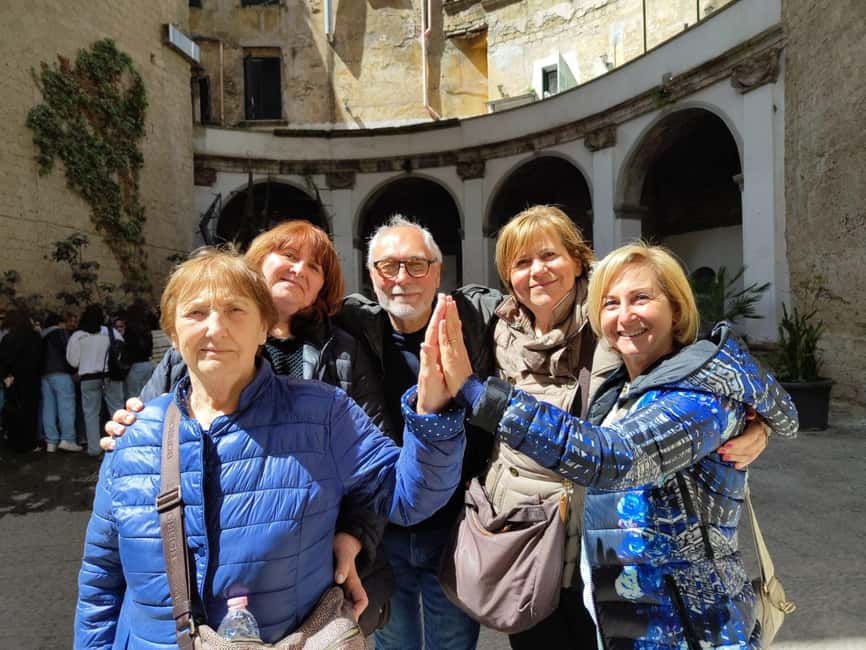
Palazzo Sanfelice provides a second chance to study the architectural style that gives this part of Naples its personality. Like Palazzo dello Spagnolo, it is associated with dramatic forms and unusual stairways, but the two buildings should not be treated as identical.
The value here comes from comparison. One palace helps you notice what makes the other special. Rather than seeing one impressive staircase and moving on, you get a small architectural thread running through the tour.
I appreciate this pairing because it keeps the experience from becoming only a street-art walk. Sanità’s modern murals attract attention, but the older buildings explain the neighborhood’s visual foundation. The palaces show how much character can be found behind ordinary-looking street fronts.
You should also keep your expectations sensible. The tour is not advertised as a technical architecture course. If you want detailed information about every architect, construction date, or decorative feature, you may need a longer specialist visit. For a two-hour introduction, though, these palaces provide memorable landmarks.
Casa di Totò and the neighborhood’s human side
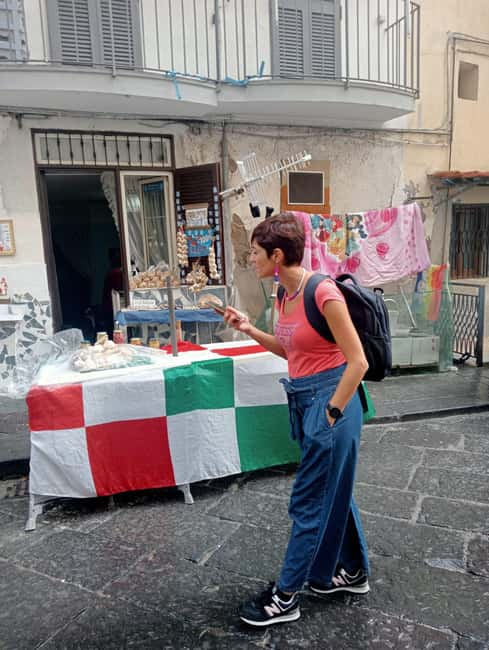
The route also points out Casa di Totó, connected with Totò, the famous Neapolitan comic actor and performer. The stop gives the tour a more personal angle. Instead of seeing Sanità only through churches and palaces, you connect it with a figure from popular culture and everyday city life.
This is the kind of detail I value on a neighborhood walk. A famous person’s home can help explain how a district becomes part of a city’s identity. The point is not simply to collect another address. It is to see how Sanità’s streets are tied to local memory and affection.
Do not expect this stop to function like a full museum visit. The information provided identifies where the house is located, but it does not promise interior access or a dedicated Totò exhibition. Think of it as a location woven into the walk, with the guide supplying the importance.
If you already know Totò’s work, the stop may carry extra meaning. If you do not, it still adds a human story to a route that could otherwise lean heavily toward buildings and religious art.
A few more architecture tours in Italy worth a look
- Lecce: Baroque Architecture and Underground Walking Tour
★ 4.6 · 1,248 reviews - Experience Florence’s Art and Architecture on a Walking Tour
★ 5.0 · 318 reviews - Palermo: Art and Architecture Walking Tour
★ 4.7 · 136 reviews - Caprarola: Villa Farnese, masterpiece of Renaissance architecture
★ 4.5 · 28 reviews
Street art in the alleys
Street art is one of the clearest features of this experience. The route moves through Sanità’s alleys, where contemporary works add color to walls and public spaces. These pieces are not presented in a separate gallery. They appear within the neighborhood, beside older structures and daily life.
That setting matters. You can compare modern public art with the faded surfaces, balconies, stonework, and church buildings around it. The result is a visual conversation between old Naples and the district’s present-day creative energy.
I like this part of the tour because it gives you something to watch for between the major stops. A good guide can explain what a particular work means, why it is located there, or how it fits the area’s changing identity. Without that context, street art can become a quick photo stop. With it, the walls become part of the neighborhood story.
The tour description does not name specific artists or promise a fixed list of murals. That is worth knowing. Street art can change, and the exact works you see may depend on the route and current conditions. You should enjoy this as a guided look at Sanità’s public art, not as a guaranteed catalog of particular pieces.
Chiesa dei Cristallini and the religious side of Sanità
The reopened Chiesa dei Cristallini adds a different mood to the walk. After the outdoor streets and colorful walls, a church visit gives you a quieter look at the district’s religious architecture.
This stop is especially useful because it broadens the tour beyond visual contrast. Sanità is not only a place of old palaces and new murals. Churches and other religious sites help explain the customs, beliefs, and artistic traditions that shaped the area.
The fact that the church has reopened makes it a timely inclusion. Still, the information provided does not specify the full interior route, opening conditions, or how long the group remains inside. Access can affect the pace, so treat this as a planned stop rather than a promise of an extended church study.
I would pay close attention to how the guide links the church to the surrounding neighborhood. The best part of a stop like this is not only the building itself. It is understanding why an ecclesiastical site belongs in a walk that also includes folklore, popular culture, and street art.
Folklore and the everyday streets
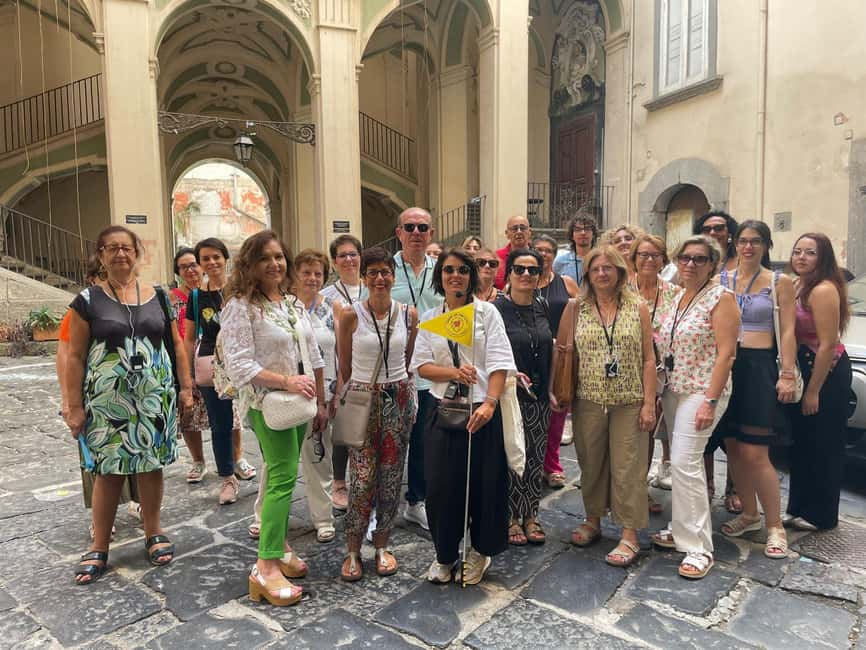
The title of the experience includes folklore, and that is important. Sanità is not presented as a collection of monuments detached from local life. The alleys, stories, and neighborhood character are part of what you are paying to understand.
Folklore can mean many things, so the exact content depends on the guide. The available details do not list particular legends or customs. You should expect local stories and cultural context rather than a staged performance or formal show.
This is also where the Italian-only format matters. The live tour guide speaks Italian, and some content is shown in its original language. If you are comfortable in Italian, that may make the experience feel more natural and detailed. If you need English or another language, this tour is not the right choice based on the information provided.
A guide is especially useful here because the neighborhood’s meaning may not be obvious from the buildings alone. You can see a painted wall or an old façade without knowing why it matters. The guide supplies the thread that connects visible details with local identity.
How the two-hour timing works for you
Two hours is enough for a focused introduction, but it is not enough for a relaxed, all-day exploration of Sanità. That is both the attraction and the limit.
I like the timing for a first visit to Naples. You can fit the tour into a day that also includes other sights, and the route gives you several strong reference points: Palazzo dello Spagnolo, Palazzo Sanfelice, Casa di Totò, street art, and Chiesa dei Cristallini.
The pace may feel brisk if you want to stop for long photographs or ask many questions at every location. A neighborhood walk has natural pauses, but the group still needs to cover the planned area within two hours.
Plan your day around that reality. If you are staying in Naples and want to return later for a slower look, this tour can serve as your orientation. Afterward, you will know which buildings and streets deserve another visit.
The meeting point can vary according to the option you book. The listed coordinates are 40.8551025390625, 14.256691932678223, but do not rely on coordinates alone if your confirmation gives a different starting place. Check the exact meeting instructions before you leave.
Value, dates, and booking flexibility
No price is provided here, so I cannot judge the cost against a specific amount. The value depends on what you want from a short Naples experience. If you would otherwise walk through Sanità without understanding its buildings or street art, a local guide can make the two hours worthwhile.
The strongest value comes from the range of subjects packed into the route. You get urban architecture, ecclesiastical architecture, local culture, a Totò connection, and street art in one neighborhood. Booking a private group may also make sense if you want the walk shaped around your own party, though the private option may carry a different rate.
December 8 is specifically offered with a special rate for group tours. If your plans match that date and you are booking as a group, check the current price carefully. A special group rate can improve the value, but only the booking page can confirm the exact amount and conditions.
The booking terms are practical. You can cancel up to 24 hours in advance for a full refund, and you can reserve now while paying later. That flexibility helps if your Naples schedule is still shifting.
Who should take this Sanità walk?
I would choose this tour if you want a short, guided introduction to a neighborhood that combines old buildings with current street art. It suits first-time visitors who prefer context to simply taking photographs, and it also suits repeat visitors who want to look beyond Naples’ most famous central sights.
It is a good fit for architecture fans, people interested in local culture, and anyone curious about Totò’s connection with the city. The wheelchair-accessible format may also be important for some visitors, although you should confirm the precise route and meeting arrangements for your chosen option.
I would be more cautious if you need an English-speaking guide, since the listed live language is Italian. I would also choose another experience if your main goal is underground archaeology, a food-focused walk, the Fontanelle Cemetery, or a long visit to the catacombs. This tour touches Sanità’s character through streets and buildings rather than promising those separate experiences.
Should you book the Rione Sanità tour?
Book it if you want a compact, local-guided look at Sanità’s contrasts. The combination of Palazzo dello Spagnolo, Palazzo Sanfelice, Casa di Totò, street art, and the reopened Chiesa dei Cristallini gives you more variety than a simple architecture walk.
Skip it if you need a non-Italian tour, a long museum-style visit, or a detailed exploration of the underground sites. For everyone else, the two-hour format is a sensible way to get your bearings in a district that rewards explanation. On December 8, group visitors should also check the special rate before booking.
FAQ
How long does the Rione Sanità tour last?
The tour lasts two hours.
What language is the live tour guide?
The live tour guide speaks Italian. Some content is shown in its original language.
Is the tour wheelchair accessible?
Yes, the activity is listed as wheelchair accessible.
Can I book a private group?
Yes, a private group option is available.
Which sights are included?
The tour includes Palazzo dello Spagnolo, Palazzo Sanfelice, the location of Casa di Totó, street art in the neighborhood, and the reopened Chiesa dei Cristallini, along with other stops.
Where does the tour meet?
The meeting point can vary depending on the option booked. The listed coordinates are 40.8551025390625, 14.256691932678223, so check your booking details for the exact location.
Can I cancel for a full refund?
Yes. You can cancel up to 24 hours in advance for a full refund.
Just added in Italy
- Vicenza: Palladian Architecture Private Walking Tour★ 3.3 · 3 reviews
- Private Personalized Architecture Tour of Rome with an Architect★ 5.0 · 5 reviews
- Architectural Milan: Private Tour with a Local Expert★ 4.5 · 2 reviews
- The Architect’s Water★ 4.5 · 11 reviews
- Architectural Florence: Private Tour with a Local Expert★ 5.0 · 3 reviews
- Palermo Tour: Magnificent Mixture Of Architectural Styles★ 4.2 · 6 reviews
- Discover Coppedè in Rome: Liberty architecture, symbols, and jewels★ 5.0 · 2 reviews
- Borgo Parrini Gaudí-style: a walking tour in a colorful art village★ 4.8 · 9 reviews
Architecture Tours, compared.
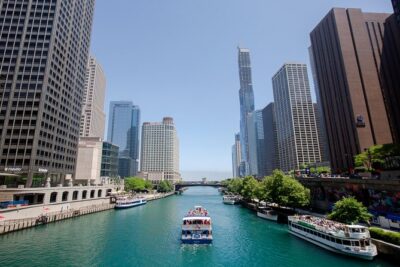
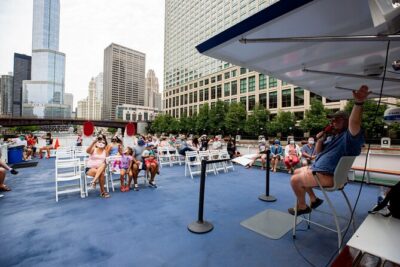

Chicago River: 1.5-Hour Guided Architecture Cruise
Read our review →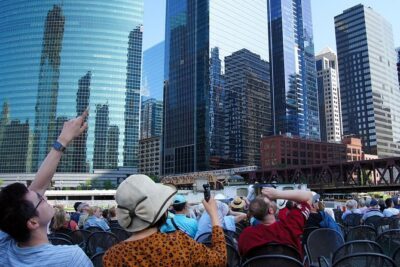
Chicago Architecture Center River Cruise aboard First Lady
Read our review →
Architecture River Cruise Skip-the-Ticket Line
Read our review →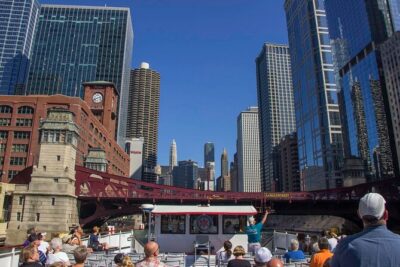
Chicago River 45-Minute Architecture Tour from Magnificent Mile
Read our review →
Browse the lists this tour appears in