
REVIEW · COPENHAGEN ARCHITECTURE TOURS
Copenhagen: Harbor Architecture Private Walking Tour
Copenhagen’s harbor tells two stories. This private walking tour links old waterfront streets with bold new buildings, making the city’s architectural change easy to understand. I like the clear route from Nyhavn to the Danish Architecture Centre, and I like having a private guide who can adjust the conversation to your interests.
The tour also earns points for its human touch. Guide Dalit brought strong enthusiasm to the experience, helping Copenhagen shine brighter, while the route offers excellent photo stops at the Opera House, Circle Bridge, and Royal Library. The main drawback is price: at $394 for up to two people, it is a serious outlay for two hours, and the walk is not suitable for wheelchair users or people with mobility impairments.
Key things to know before you book
- Old and new Copenhagen meet: See 17th-century Nyhavn alongside the newer harbor districts and contemporary buildings.
- A private group of up to two: You get direct access to an English- or Spanish-speaking guide rather than joining a large crowd.
- The route follows the water: Expect canals, bridges, waterfront plazas, and several strong photo opportunities.
- The tour runs in rain or shine: Bring water and wear comfortable clothing suited to a two-hour walk.
- The price rewards personal attention: At $394 per group, the value improves if two people share the cost and care deeply about architecture.
- It ends away from the start: The walk begins near Ofelia Plads and finishes at Islands Brygge, so plan your next stop accordingly.
Why Copenhagen’s harbor is the right place for an architecture tour
Copenhagen makes its architectural story unusually easy to read. Along the harbor, colorful historic buildings sit close to large cultural projects, pedestrian bridges, old industrial sites, and newer public spaces. You do not need a technical background to follow the story. The contrast is right in front of you.
This is also the setting that helped Copenhagen earn the title World Capital of Architecture in 2023. The honor makes more sense as you walk. Architecture here is not limited to grand monuments. It includes how a bridge changes movement, how a public square meets the water, and how an old working site is given a new purpose.
The tour lasts two hours, which is long enough to cover several important points without turning into an exhausting full-day outing. You receive a guide and a walking tour, but not food, drinks, or hotel pickup. That simple setup works best if you are already in central Copenhagen and want a focused introduction to the harbor.
The private format matters. With only your own group, you can ask why a building looks the way it does, pause for photographs, or spend more time on the parts that interest you most. It also means you are paying for attention, not just for access to a route.
More walking tours in the world:
- Lecce: Baroque Architecture and Underground Walking Tour
★ 4.6 · 1,248 reviews - Chicago in a Day: Food, History & Architecture Walking Tour
★ 5.0 · 1,153 reviews - Ramblas, Old Town, Gothic and Gaudi Architecture Walking Tour
★ 5.0 · 723 reviews
Starting at Ofelia Plads beside Nyhavn
The meeting point is in front of the Scandic Hotel at Sankt Annæ Plads, right by Ofelia Plads. This is a practical start because you are already close to Nyhavn, one of Copenhagen’s most recognizable waterfront areas.
Ofelia Plads gives the tour an early look at the city’s newer public spaces. From here, the guide leads you toward the harbor and sets up the main theme: Copenhagen is not replacing its past, but adding new layers beside it.
The first guided portion lasts about 15 minutes. That may sound brief, but it helps establish the pace. You are not being rushed through a museum with a long list of dates. Instead, you begin with the relationship between the city, the water, and the buildings around it.
Bring water. Wear comfortable clothes and shoes. This is a walking experience, not a sightseeing ride, and the tour goes ahead in wet weather as well as dry weather. A rain jacket can make the difference between enjoying the architecture and spending the whole walk thinking about the forecast.
Nyhavn: colorful houses with a working past
Nyhavn is often reduced to its bright facades and restaurant terraces. The tour gives you a chance to look past the postcard view. This 17th-century waterfront district began as a busy port, and its canals once served practical commercial purposes rather than simply providing a pretty backdrop.
The guide also shares stories connected with the artists and writers who lived in the area. That adds a human layer to the architecture. The buildings are not just painted fronts for photographs. They are part of a neighborhood shaped by work, travel, trade, and creative life.
You spend about 15 minutes here with the guide. That is enough for an introduction, but not enough for an exhaustive study of every building. If Nyhavn is a major reason for your visit, you may want to return later on your own for a slower look.
I like this early stop because it gives you a reference point. After seeing Nyhavn, the newer parts of the harbor become easier to judge. You can compare historic scale, materials, and street life with the cleaner lines of later projects.
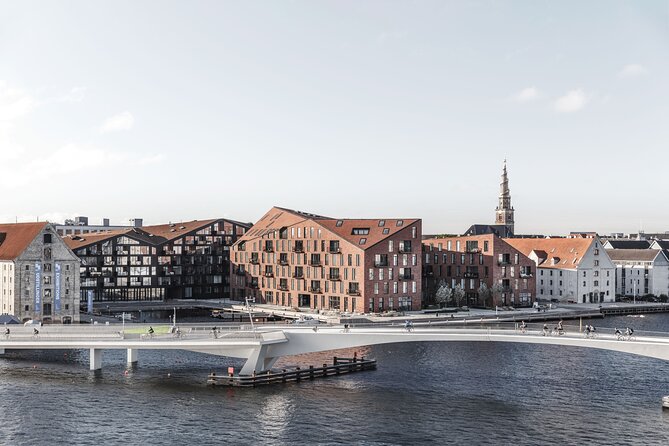
Krøyers Plads and Copenhagen’s changing waterfront
The route continues to Krøyers Plads, another useful place to see how Copenhagen handles new construction near historic surroundings. The guided portion here lasts about 15 minutes.
The point is not simply to admire a modern building. It is to consider how newer architecture fits into an established harbor district. Copenhagen’s waterfront development works best when it keeps contact with the water and respects the scale and character of the older city.
A private guide can make this kind of stop more useful than a quick photo pause. You can ask about the choices behind the development and how the area has changed. Since the experience is specifically focused on new Copenhagen architecture, this is one of the stops where the tour’s subject comes into sharper focus.
The harbor is also constantly changing, so expect the visual story to include both finished projects and signs of recent development. That can be a strength if you want to understand the city as a living place rather than a preserved exhibit.
More private tours in the world:
- Best of Chicago: Architecture & Highlights City Private Tour
★ 5.0 · 94 reviews - Private Harajuku Omotesando Architecture Walking Tour
★ 5.0 · 67 reviews - Private Santa Barbara History and Architecture Walking Tour
★ 5.0 · 56 reviews - Private Barcelona Modernism and Gaudí Walking Tour
★ 4.7 · 54 reviews
Circle Bridge turns movement into design
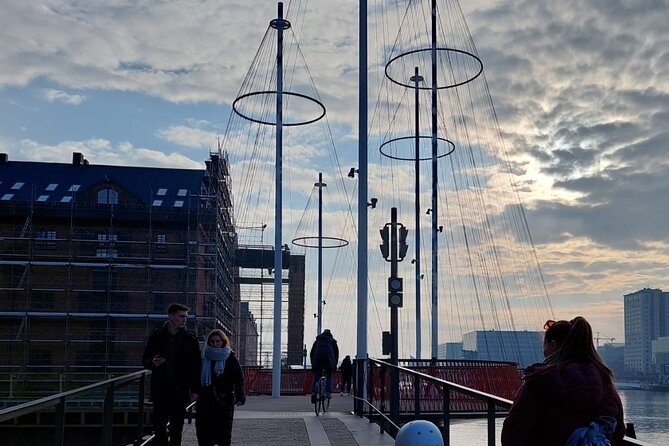
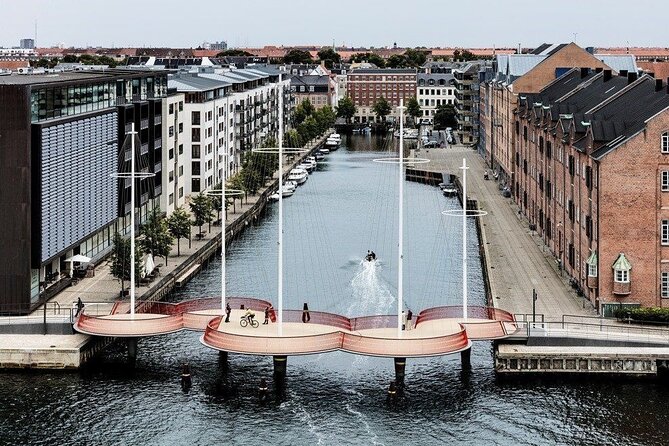
Circle Bridge is one of the tour’s most memorable pieces of infrastructure. This pedestrian bridge uses circular forms inspired by the circles of life, creating a crossing that is also an architectural experience.
The bridge connects the two sides of the harbor, but its interest lies in more than simple function. As you walk across, the shape changes the way you experience the crossing. A bridge becomes a place to pause, look around, and think about how design affects ordinary movement through a city.
You receive about 15 minutes of guided attention here. That is enough to understand the idea behind the design and take photographs. The open setting also gives you a broad view of the water and nearby buildings.
This stop is a good reminder that architecture does not have to be a museum or concert hall. It can be the structure you use to get from one side of the harbor to the other. I especially like that the tour includes a public bridge, since it shows how Copenhagen puts design into daily urban life.
The Royal Library offers a strong photo stop
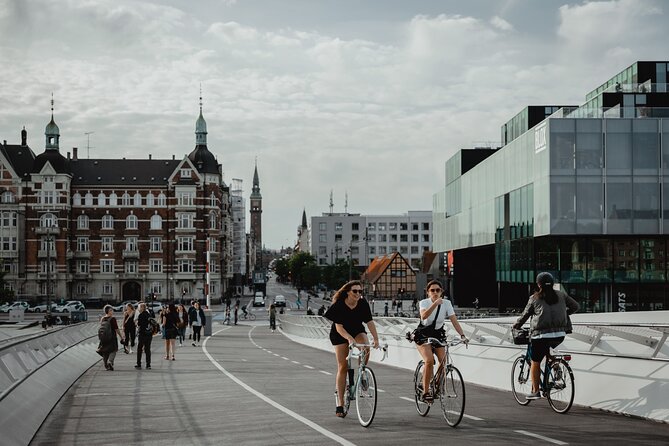
The Royal Library of Denmark is listed as a photo stop for about 15 minutes. This portion is less about a long explanation and more about giving you time to take in the building and its waterfront setting.
A photo stop can be useful after several guided sections. You get a short break from listening, while still seeing one of the harbor’s major architectural sights. Keep your camera ready, but do not expect an interior visit or a lengthy guided tour of the library. The stated format is a photo stop.
The Royal Library also helps connect cultural architecture with the harbor itself. The building is not treated as an isolated object. Its position near the water forms part of the wider story about Copenhagen’s public institutions and waterfront design.
If you care about photography, this stop may be one of the tour’s practical highlights. The water, large building forms, and changing views along the harbor give you a different frame from the narrower streets of Nyhavn.
Danish Architecture Centre and the final stretch
The tour includes a guided stop at the Danish Architecture Centre, or DAC, for about 15 minutes. This is a fitting part of the route because it gives the subject a clear home. By this point, you have already seen historic streets, modern public spaces, a cultural building, and a bridge. DAC helps tie those examples together.
The exact balance between exterior discussion and what you see at the centre should be confirmed when booking, since the experience is described as a walking tour and the stop is guided. The supplied details do not promise an interior admission or a ticket to an exhibition, so you should not assume that entry is included.
The walk finishes at Islands Brygge 4. This is important for planning. You do not return to the starting point, and hotel transfers are not included. If you have a timed reservation after the tour, allow extra time to reach it from the finish.
Ending at Islands Brygge also keeps the focus on the harbor as a connected public area. The tour begins near the historic center and concludes farther along the waterfront, giving you a sense of Copenhagen’s broader development rather than a loop around one small district.
Operaen and Papiroen add the modern city story
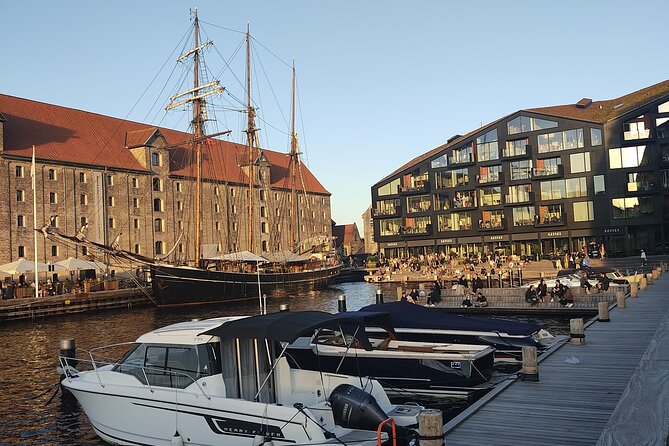
The experience description also highlights Operaen and Papiroen as key parts of Copenhagen’s newer harbor architecture. They help explain why the city’s waterfront feels like more than a collection of old canals and colorful houses.
Operaen, completed in 2005, is a modern waterfront building with a distinctive design. The guide explains how its form relates to the harbor and to Denmark’s cultural traditions. Even if you are not attending a performance, seeing the building from the water gives you another way to understand Copenhagen’s cultural investment in the harbor.
Papiroen has a different story. The area began as a paper mill and later became a public destination with market buildings and harbor views. Its importance comes from the effort to retain a sense of industrial heritage while giving the site a new urban purpose.
These places are especially useful for anyone interested in adaptive reuse and public waterfront planning. You see how a former working area can become a place for food, culture, and social life without erasing its earlier identity. The exact order and amount of time at these sights may depend on the walking route, so treat them as central themes of the experience rather than guaranteed long stops.
What the private format is really worth
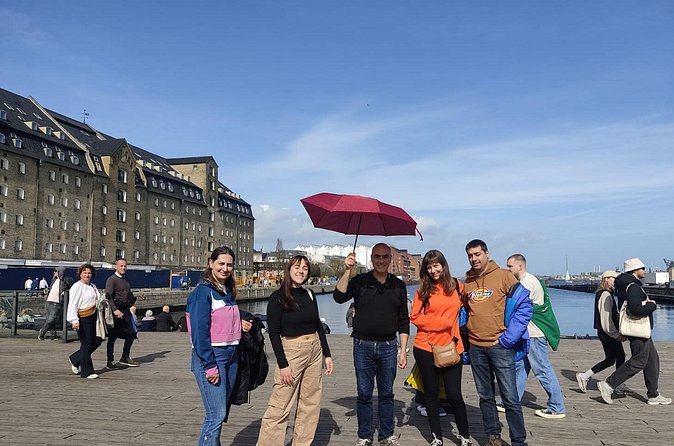
The price is $394 per group of up to two people. That works out to $197 per person if two people share the booking. For a two-hour walk, this is expensive compared with a standard group sightseeing tour.
The price makes more sense if you place a high value on a private guide, architecture-focused conversation, and a route built around your interests. You are not paying for food, transportation, or entry tickets. You are paying for the guide’s time and the chance to ask questions without a large group competing for attention.
I would recommend the format most strongly to an architecture student, design-minded visitor, photographer, or couple who wants a focused introduction rather than a general city tour. It is less attractive if you mainly want a broad overview of Copenhagen, because you can see many of these waterfront areas without booking a private experience.
The guide can also shape the value. Dalit received particular praise for enthusiasm, and another booking described the guide as exceptionally well informed. That matters on an architecture tour. A flat delivery could make even striking buildings feel dry, while an energetic guide can help you notice how the city works.
Who will enjoy this walk most
This tour suits you if you like to understand the reason behind a building, not just photograph it. It is also a good fit if you have already seen Copenhagen’s main sights and want a more focused look at the harbor.
You should be comfortable walking for two hours and managing outdoor conditions. The tour is not suitable for people with mobility impairments or wheelchair users, so check the route against your own needs before booking.
Families with older children may enjoy the bridges, canals, and bold buildings, though the tour is clearly aimed at people with a serious interest in architecture and urban development. The English and Spanish language options make it accessible to a wider range of visitors.
The tour does not include refreshments, and there is no hotel pickup or drop-off. Plan a drink before you start, carry water, and arrange your own way onward from Islands Brygge.
Should you book the Copenhagen harbor architecture walk?
Book it if you want a private, concentrated look at Copenhagen’s waterfront design and are happy to pay for personal guidance. The route links Nyhavn’s old port character with Operaen, Papiroen, Circle Bridge, the Royal Library, and DAC, giving you a useful picture of how the city has changed.
Skip it if you want a low-cost introduction, a fully accessible route, or a tour with included food and transportation. For the right audience, the strongest payoff is not simply seeing famous buildings. It is learning how Copenhagen uses bridges, cultural buildings, old industrial sites, and public spaces to keep the harbor part of everyday city life.
FAQ
How long does the Copenhagen harbor architecture tour last?
The tour lasts two hours.
Where does the tour begin?
It begins in front of the Scandic Hotel at Ofelia Plads, near Sankt Annæ Plads and Nyhavn.
Where does the tour finish?
The walk finishes at Islands Brygge 4, 2300 København, Denmark.
What languages are available?
The live guide is available in English or Spanish.
Is this a private tour?
Yes. It is a private group experience for up to two people.
What is included in the price?
A guide and the walking tour are included. Hotel pickup and drop-off, food, and drinks are not included.
What should I bring?
Bring water and wear comfortable clothes. The tour operates in rain or shine.
Just added in the world
- Wilmington History and Architecture Tour★ 4.8 · 18 reviews
- Washington, DC: Georgetown Architecture Walking Tour★ 5.0 · 8 reviews
- New Orleans : Garden District Architecture Walking tour★ 4.8 · 5 reviews
- Washington DC: Dupont Circle & Embassy Row Architecture Tour★ 5.0 · 6 reviews
- Vicenza: Palladian Architecture Private Walking Tour★ 3.3 · 3 reviews
- Walk & Discover KL’s Architectural and Heritage Gems★ 5.0 · 7 reviews
- Private Colonial Williamsburg Architectural Tour★ 5.0 · 5 reviews
- Unveiling Brno: History, Culture & Architectural Delights★ 5.0 · 2 reviews
Copenhagen Architecture Tours, compared.

Copenhagen Architecture and Sustainability Tour with local Guide
Read our review →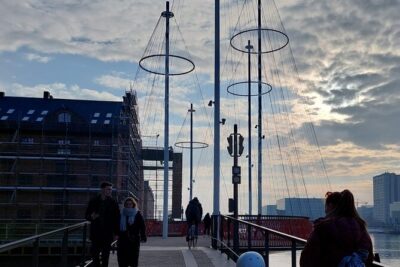
Copenhagen City, Old Town, Nyhavn, Architecture Walking Tour
Read our review →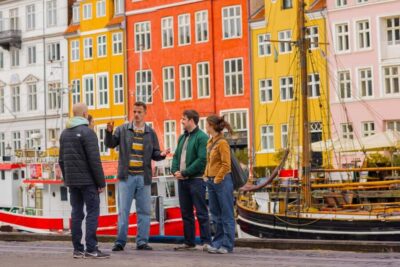
Copenhagen City, Old Town, Nyhavn, Architecture Walking Tour
Read our review →Browse the lists this tour appears in