
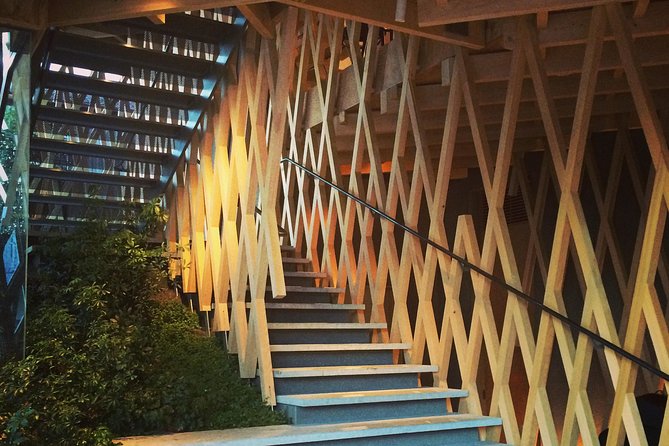
REVIEW · TOKYO ARCHITECTURE TOURS
Private Harajuku Omotesando Architecture Walking Tour
Tokyo reveals its best ideas at street level. This private walk makes modern architecture the main event, linking Meiji Jingu, Yoyogi Gymnasium, designer boutiques, and quiet backstreets. I especially like the flexible route and the chance to see buildings by major architects rather than simply pass them on a shopping trip. The main drawback is simple: three to three and a half hours on foot can feel demanding, especially in hot weather.
I also like the guide support. Several guides, including Yoshi, Yoko, Aki, Taka, Mari, Eriko, Junko, and Yuki, have been praised for careful preparation and strong English. Some bring photos, floor plans, and pictures of architects to make the buildings easier to understand. Still, English ability may vary by guide, so you may want to share your interests clearly when booking.
Key points at a glance
- See five Pritzker Prize-linked architects in one compact area: The route can include work by Kenzo Tange, Jacques Herzog and Pierre de Meuron, Tadao Ando, Akihisa Hirata, and other major names.
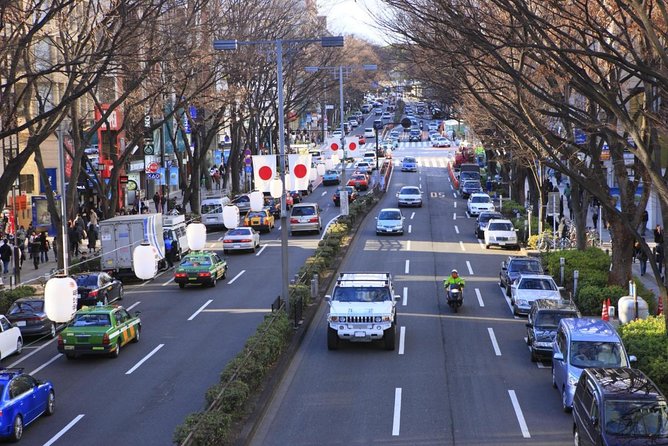
- Begin beside Meiji Jingu and finish at Aoyama-dori: The walk follows a useful route from Harajuku Station toward Omotesando and Aoyama.
- Compare fashion architecture up close: Prada, Dior, Louis Vuitton, Tod’s, The Iceberg, and SunnyHills each use very different ideas to attract shoppers.
- Step away from the main avenue: Side streets show a quieter, more residential side of Harajuku and Omotesando.
- Use the private format to shape the day: You can ask for more design detail, more local history, more interiors, or extra shelter in hot weather.
- Expect a serious walk, not a photo stop: You need moderate fitness, comfortable shoes, and enough energy for several hours outdoors.
Starting beside Meiji Jingu and Yoyogi Gymnasium
The meeting point is outside Meiji Jingu near Harajuku Station, at 1 Yoyogikamizonocho in Shibuya. This is a practical starting place because it puts you beside one of Tokyo’s best-known shrines and within reach of the Olympic-era architecture that gives the walk its first strong design lesson.
The tour begins with Meiji Jingu, though the central focus is not a long shrine visit. You then view Yoyogi Gymnasium, designed by Kenzo Tange, from a distance. Its sweeping structure and suspension design make it one of the most recognizable buildings in the area. The Olympic connection adds useful context: Harajuku is not only a shopping district, but also a place where postwar Tokyo presented a new, confident public face.
I like this opening because it gives you a clear contrast. Meiji Jingu represents a carefully composed traditional setting, while Yoyogi Gymnasium points toward bold modern engineering. You do not need a design degree to appreciate the difference, but if you have an interest in architecture, this early comparison gives the rest of the walk a useful frame.
The guide may also connect the area’s development to the period from the 1960s onward. One particularly strong version of the tour focuses on how Harajuku changed over time and how new designers, retailers, and architects reshaped the streets. Ask about this if you want more urban history rather than a simple parade of famous buildings.
More walking tours in Japan:
- Tokyo: Shibuya Highlights Walking Tour & Secret View Spot
★ 5.0 · 287 reviews - Private Ginza Architecture Walking Tour
★ 5.0 · 50 reviews - Tokyo Architecture and Contemporary Art Walking Tour with a local guide
★ 5.0 · 15 reviews
Omotesando turns shopping into architecture
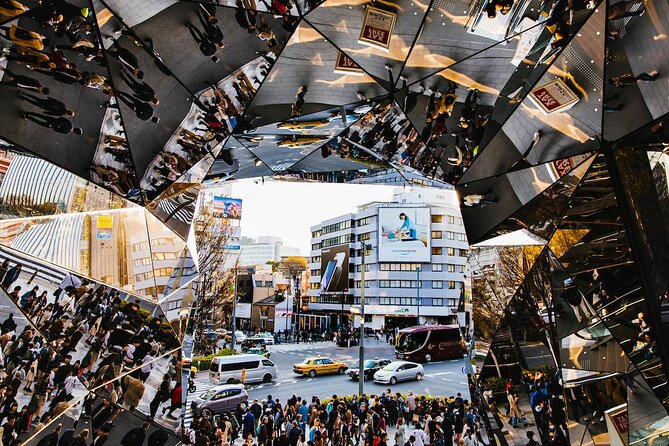
From the shrine area, the route moves toward Omotesando, often compared with the Champs-Élysées or Tokyo’s Rodeo Drive. The comparison makes sense in terms of designer stores and polished storefronts, but the real reason to walk here is the architecture. The shops are not just containers for fashion. Many are deliberate public statements.
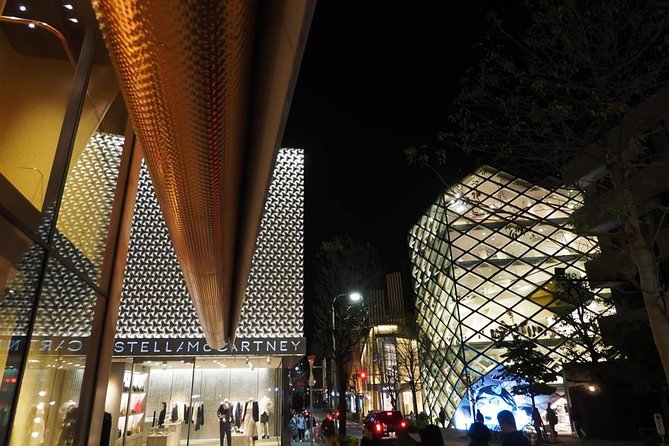
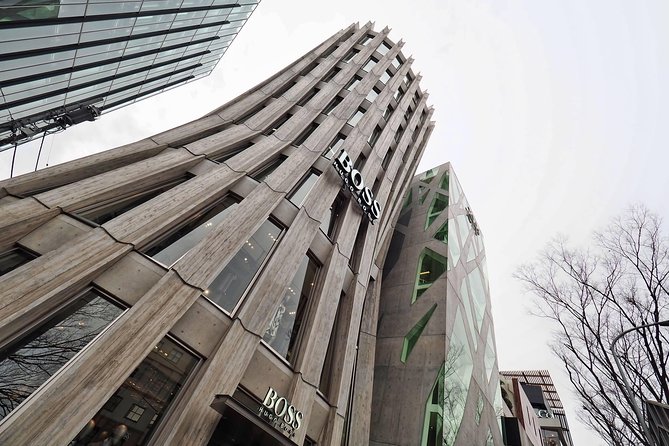
The tour may point out The Iceberg, Dior, Louis Vuitton, Tod’s, SunnyHills, and Prada. Each gives you a different lesson in glass, concrete, geometry, texture, or branding. Some buildings are dramatic from across the street. Others reward a closer look at how the facade controls light, frames the entrance, or shapes the experience inside.
Prada is one of the most useful stops. Designed by Jacques Herzog and Pierre de Meuron, the building uses convex and concave glass panels that make the facade appear to shift as you walk past. The guide can help you notice how the surface changes your view of the interior and the street. Without explanation, you might simply see an unusual glass box. With the design story, the building becomes much more interesting.
Tod’s offers another contrast, with a facade that uses a branching pattern associated with the trees along Omotesando. Louis Vuitton, Dior, and The Iceberg give the guide more chances to compare how luxury brands use architecture to create identity. The point is not to shop. You can enjoy the buildings even if your budget is closer to a convenience-store snack than a designer handbag.
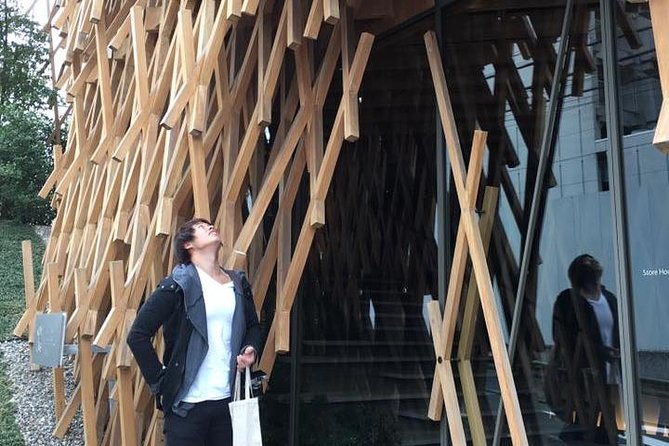
SunnyHills is another memorable stop. Its architecture is distinctive enough to catch your eye even if you know nothing about the brand. The guide can explain why the building looks so different from the surrounding retail spaces and how the design supports the company’s image.
The walk may also include Tokyo Plaza Harakado, associated with Akihisa Hirata. Its planted rooftop and vertical garden add a softer, more layered approach to a dense commercial setting. This is a useful comparison with Prada’s glass facade and Tange’s large-scale stadium design. You see how contemporary architecture can respond to plants, pedestrians, and small urban spaces rather than only making a dramatic visual statement.
Collezione and the value of looking beyond the main street
A strong route may include Tadao Ando’s Collezione, where part of the building is set below ground. This is the kind of detail that rewards a guide. From the street, you may not understand the full structure or realize how much of it is concealed. The building’s restrained appearance also contrasts with the louder retail facades along Omotesando.
That contrast is one of the tour’s best features. You are not shown only the famous buildings that photograph well. You are encouraged to notice buildings that may look modest, partly hidden, or easy to miss. The guide can point out where to stand for a better view and show photographs, plans, and related projects on a tablet or in a notebook.
Taka, a retired architect, has been praised for carrying photos of architects, background material, floor plans, and advice on the best photo angles. That level of preparation matters because architecture can be difficult to read from the pavement. A facade is easier to understand when someone explains the architect’s aim and shows you how the structure looked in drawings or other projects.
If architecture is your main reason for booking, ask for the most design-heavy version of the route. The private format makes it easier to spend extra time at a building that interests you and less time on a style or brand that does not.
The backstreets show another Harajuku
The main avenue gives you Tokyo’s polished commercial face. The side streets offer a needed change of pace. The route can turn into a backstreet neighborhood where the scale is smaller and the mood is less formal. You might see homes, small businesses, unusual storefronts, and buildings that do not appear in standard sightseeing plans.
This section keeps the walk from becoming a row of luxury brands. It also helps explain why Harajuku feels so varied. A few minutes from Omotesando’s major labels, the setting can become quieter and more local. The contrast is valuable because it shows that the district is not one single shopping zone.
I would pay close attention here. The backstreets are where a private guide earns the fee, especially if you enjoy urban details that are easy to overlook. Ask why a certain building matters, how the neighborhood changed, or how the smaller streets relate to the grand avenue.
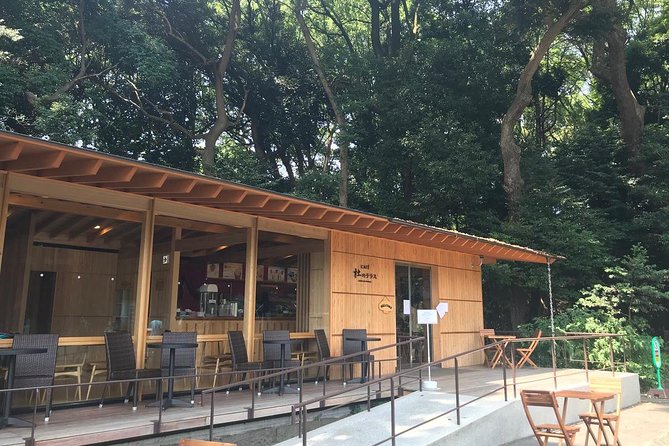
The tour includes a short pause with drinks at a cafe or similar stop along the way. This is not presented as a full meal break. Think of it as a chance to sit, cool down, and talk with your guide. That pause becomes especially important during warm weather, when several hours of walking and stopping in the sun can wear you down.
One guide adjusted the balance of the walk by increasing indoor time during a very hot day. That is a good example of how the private format can help. Still, you should not assume the route will be mostly indoors. The experience remains a walking tour, so check the forecast and dress for the conditions.
More private tours in Japan:
- Private Harajuku Omotesando Architecture Tour
★ 4.9 · 18 reviews - Private Edo-Tokyo Open Air Architectural Museum Tour
★ 4.8 · 15 reviews - Private Ueno Park Architecture Walking Tour
★ 5.0 · 8 reviews - Private Ueno Park Architecture Tour
★ 5.0 · 5 reviews
What the private format really adds
The advertised price is $132.14 per person. That is not a bargain if you are looking only for a general introduction to Harajuku. You are paying for a private guide, a route shaped around your group, and detailed interpretation of buildings that you could technically view for free.
The value improves when two or more people share the experience and want different things from the district. One person can ask about architects and materials. Another can focus on fashion, local development, or Olympic history. Because the tour is private, the guide can adjust the explanation instead of giving the same speech to a large group.
The experience also suits families and mixed-interest groups better than a specialist lecture. One family found that the guide, Mari, made the architecture approachable and adjusted the material to their interests. Another group used the walk as an early introduction to Japan and appreciated help with the subway afterward. That kind of orientation can save time later in your trip.
Group discounts are available, although the exact savings are not specified. Ask for the current price for your party before booking. The tour includes a licensed local guide and drinks during the pause. Hotel pickup and drop-off are not included, so you need to reach Meiji Jingu on your own and arrange your onward travel after the walk.
Guide quality can shape the whole experience
The strongest part of this experience is the guide’s preparation. Yoshi has been praised for bringing extensive photos and explaining construction and design details. Yoko is described as strong in design and able to explain how architectural styles developed. Aki has received praise for patience, humor, and the ability to adjust the route to personal interests.
Taka’s background as a retired architect may appeal to serious design fans. Eriko has been praised for energy and clear explanations. Mari and Junko are noted for polished English and a friendly approach, while Yuki has been praised for background information and lesser-known stops.
You should keep one limitation in mind. One person found it difficult to understand Yoshi at times, despite his strong command of the subject. This does not mean the issue will affect your tour, but it is sensible to communicate your needs at the start. Tell the guide whether you want technical terms, simple explanations, historical context, or plenty of time for photographs.
The guide’s role is not just to identify buildings. A good explanation tells you why the design matters, how it fits the street, and what to look at next. The private setting makes it easy to ask questions without holding up a large group.
Timing, effort, and practical planning
The experience lasts about three and a half hours, although the route description also refers to three hours. Plan on a substantial half-day commitment rather than a quick stroll. The exact pace may vary with questions, photo stops, indoor visits, and the amount of time spent at the cafe.
You need a moderate level of fitness. There is no admission charge for the main walking portion, but you will be on your feet for much of the tour. Wear shoes that can handle pavement and bring water beyond the drinks provided during the break.
The starting point near Harajuku Station is convenient by public transportation. The tour ends at the intersection of Omotesando and Aoyama-dori, in front of Mizuho Bank, at 5-chōme-1-27 Minamiaoyama. This is a useful endpoint for continuing into Aoyama, but there is no hotel return service.
I would book this early if your schedule is fixed. The experience is booked an average of 53 days ahead, which suggests that the private time slots can fill well before a Tokyo visit. Confirmation is provided when you book, and free cancellation is available up to 24 hours before the start time. After that point, the payment is not refunded.
Who should book this architecture walk?
You should consider it if you enjoy modern buildings, fashion districts, design, city planning, or guided walks with plenty of questions. It is especially useful for architects, designers, architecture students, photographers, and curious first-time visitors who want more than a quick look at Omotesando’s storefronts.
It also works well early in a Tokyo trip. The walk can help you get your bearings in Harajuku and Aoyama while giving you a clearer sense of how Tokyo combines traditional sites, commercial streets, Olympic-era landmarks, and small neighborhood lanes.
You may want to skip it if you dislike long walks, have little interest in buildings, or prefer a tour with major indoor attractions. The architecture is the point here, and much of the pleasure comes from listening, comparing, and looking closely at facades.
My verdict: a smart choice for design-minded visitors
I would book this tour if architecture is even a moderate interest. The route brings together Meiji Jingu, Yoyogi Gymnasium, major fashion buildings, lesser-known structures, and quiet backstreets in a compact part of Tokyo. The private guide and flexible format make the $132.14 price easier to justify, especially for a small group sharing the cost.
Choose your timing with care, wear good shoes, and tell the guide what you want before you start. Ask for photos, plans, indoor stops, Olympic context, or more neighborhood history. If you do that, this can turn a fashionable shopping district into a readable lesson in how Tokyo designs its public face.
FAQ
Where does the tour start?
It starts at Meiji Jingu near Harajuku Station, at 1 Yoyogikamizonocho, Shibuya, Tokyo 151-0052, Japan.
Where does the tour finish?
It ends at the Omotesando and Aoyama-dori intersection, in front of Mizuho Bank, at 5-chōme-1-27 Minamiaoyama, Minato City, Tokyo 107-0062.
How long does the experience last?
The tour is listed as approximately three and a half hours. The route description also refers to three hours, so allow at least three hours and plan for a half-day outing.
Is this a private tour?
Yes. Only your group participates in the activity.
What is included in the price?
The price includes a licensed local guide and a comfortable pause with drinks along the way.
Is hotel pickup included?
No. Hotel pickup and drop-off are not included. You need to reach the starting point and arrange onward transport from the endpoint.
What level of fitness is needed?
A moderate level of physical fitness is recommended because the experience involves several hours of walking.
Can I cancel for a full refund?
Yes, if you cancel at least 24 hours before the experience start time. Cancellations made less than 24 hours in advance are not refunded, and changes within that period are not accepted.
Just added in Japan
- Tokyo Architecture and Contemporary Art Walking Tour with a local guide★ 5.0 · 15 reviews
- Japanese Garden & Western Architecture: Akasaka exploration tour★ 5.0 · 9 reviews
- Small-Group Architecture Tour in Ginza, Tokyo★ 5.0 · 6 reviews
- Private Ueno Park Architecture Walking Tour★ 5.0 · 8 reviews
- [Aomori Prefecture] Tour the history and architecture in Towada City, the art city★ 5.0 · 6 reviews
- Private Ginza Architecture Tour★ 5.0 · 3 reviews
- Private Ueno Park Architecture Tour★ 5.0 · 5 reviews
- Kyoto: Nijo Castle & Gardens 2-Hour Guided Tour★ 4.5 · 2 reviews
Tokyo Architecture Tours, compared.
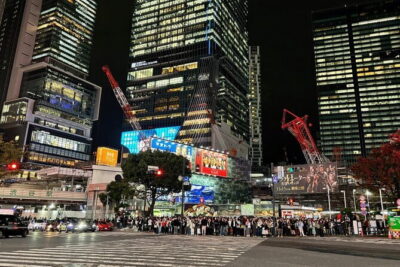
Shibuya Highlights Walking Tour & Secret View Spot
Read our review →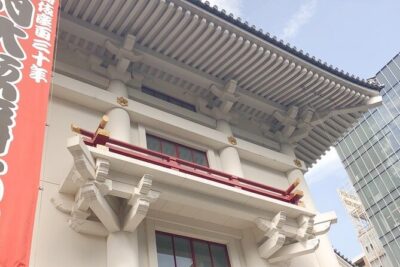
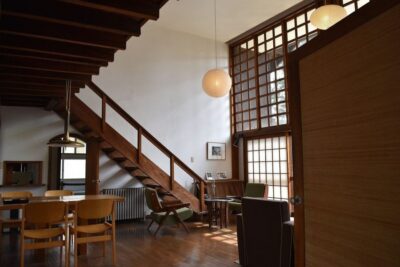
Private Edo-Tokyo Open Air Architectural Museum Tour
Read our review →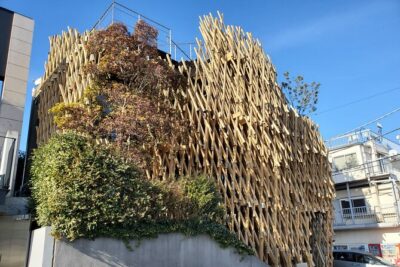
Tokyo Architecture and Contemporary Art Walking Tour with a local guide
Read our review →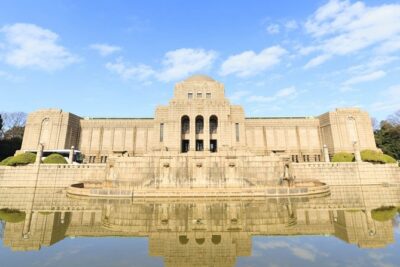
Japanese Garden & Western Architecture: Akasaka exploration tour
Read our review →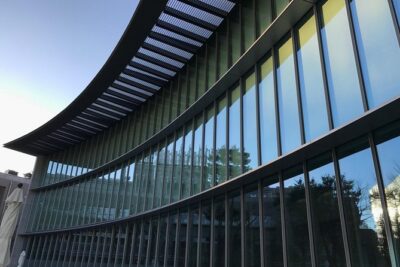
Browse the lists this tour appears in