
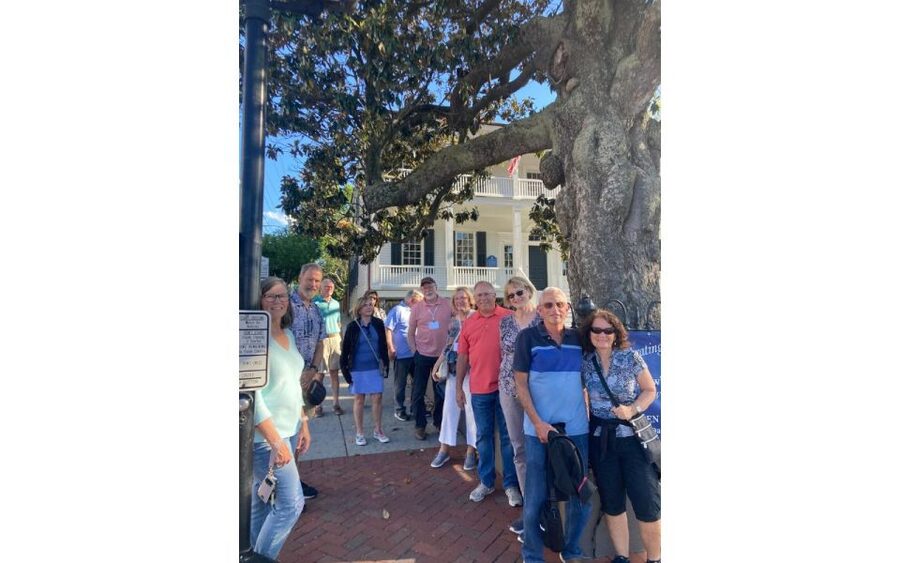
REVIEW · HISTORICAL TOURS
Wilmington History and Architecture Tour
Old Wilmington rewards a careful look. This 90-minute walking tour links the city’s only colonial-era block with Victorian homes, churches, port history, Civil War events, Reconstruction, and the city’s later life as Hollywood East. I like the way the route uses buildings to explain history, rather than treating architecture as a string of pretty facades.
I also like the price: $25 per person buys a guided town overview with a clear historical arc. The main drawback is practical: the tour is outdoors, can feel hot, and is not suitable for people with mobility impairments. Bring water, since none is provided.
Key points at a glance
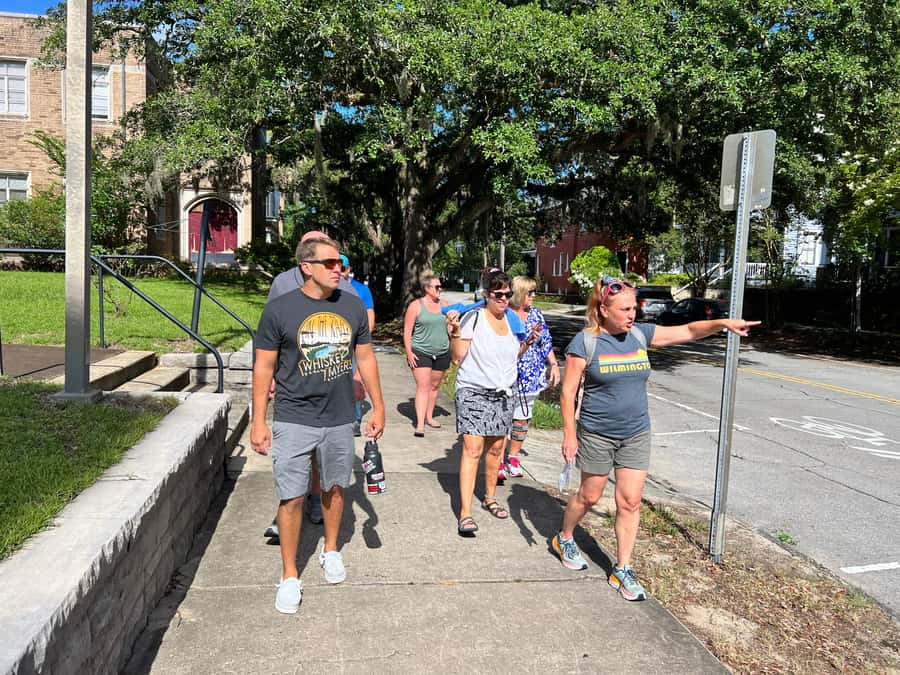
- A compact history lesson: The route moves from Wilmington’s colonial beginnings through the Victorian era and into the 20th century.
- Architecture with a purpose: Homes tied to mid-1800s captains of industry appear alongside notable houses of worship.
- Serious local history: The tour covers the Revolutionary and Civil Wars, Reconstruction, the 1898 racial events, and their aftermath.
- A small-group feel: A group of 12 was described as comfortable, with enough room for discussion.
- Smart hot-weather planning: The guide used shade for conversation, while sunscreen and bug spray were supplied.
- Easy meeting point: You meet outside the Front Street Inn, which has a coffee shop and restroom before the walk.
Starting at Front Street Inn
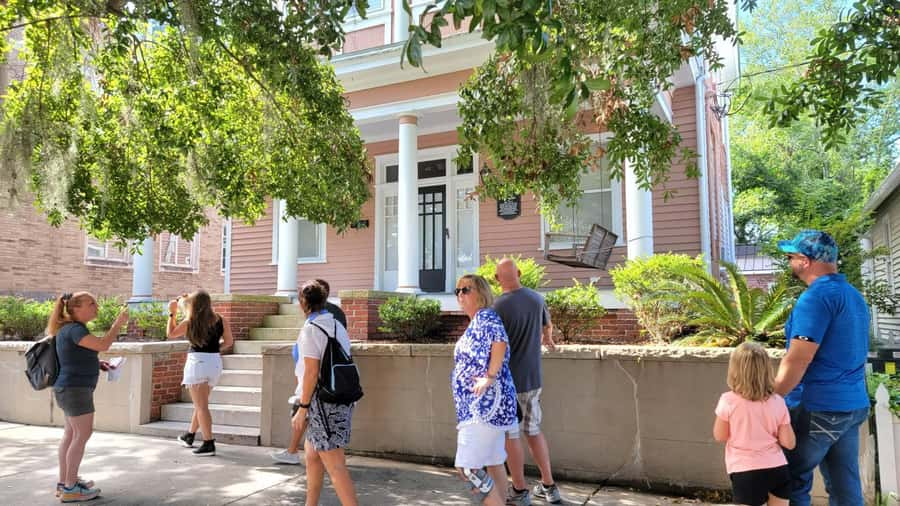
The tour begins on the sidewalk outside the Front Street Inn at 34.2321414, -77.9480662. This is a useful starting point because you can use the restroom and pick up coffee before setting off. Once the walk begins, there is no promise of another bathroom stop, so take care of that first.
Meter parking is the better choice here. The directions specifically warn against nearby surface lots because they are expensive. I would allow a few extra minutes to park, especially if you are visiting at a busy time.
The meeting point also gives you an easy way to settle into Wilmington before the history starts. You can arrive, get water, use the restroom, and meet the guide without rushing. Since the walk is outside, that small amount of preparation matters.
The published duration is 90 minutes, but the route information also describes a guided walk lasting about 105 minutes, with the included loop listed as 1 hour and 40 minutes. Plan for roughly an hour and a half to 1 hour and 40 minutes, rather than treating 90 minutes as an exact finish time.
More history tours in the USA:
- Chicago in a Day: Food, History & Architecture Walking Tour
★ 5.0 · 1,153 reviews - Charleston’s Best Highlights: History, Culture & Architecture
★ 5.0 · 422 reviews - Palm Springs Modernism Architecture & History Bike Tour
★ 5.0 · 359 reviews
Wilmington’s colonial block comes first
The tour begins with Wilmington’s earliest visible layer, the city’s only colonial-era block. This gives you a useful starting point because the rest of the walk becomes a story of change. You are not just looking at old buildings. You are watching a port town grow, adapt, and change its public face.
The colonial section is likely the most important place to listen closely to the guide’s timeline. The tour connects Wilmington’s early role to the Revolutionary period, then moves forward into the years when shipping, railroads, commerce, and industry shaped the town.
That approach helps prevent a common problem with walking tours: a collection of unrelated dates. Here, the colonial block serves as the first chapter. You begin with the town’s early identity, then follow the route toward the larger houses, churches, and commercial ambitions of the 19th century.
Victorian homes and Wilmington’s business class
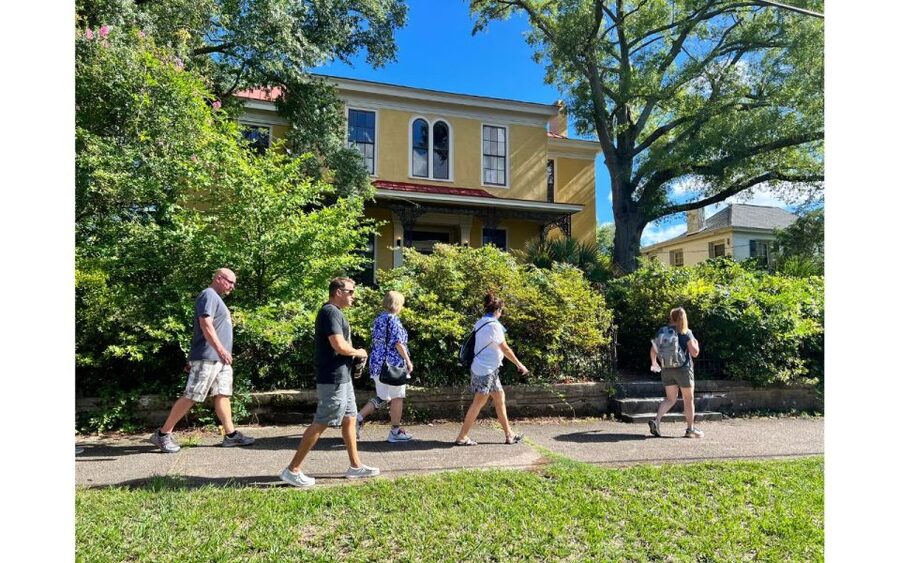
The architecture becomes more elaborate as the route moves into the Victorian era. You will see notable homes, including houses attributed to Wilmington’s mid-1800s captains of industry. These buildings help explain who had influence in the city and how that influence was displayed.
I like this part because architecture becomes social evidence. A large house can tell you about wealth, status, materials, and the role of commerce. The guide’s job is to connect those details to Wilmington’s development as a port and railroad town.
You should not expect a tour devoted only to architectural terms. The emphasis is on the connection between buildings and the people or events around them. One particularly praised part of the experience is the explanation of architectural types, which adds meaning to the homes instead of reducing them to photo stops.
The homes also offer a welcome change of pace from the heavier political subjects later in the route. You can look at decorative details, street plans, and the scale of the residences while still following the larger story of Wilmington’s growth.
Churches and houses of worship
The route includes some of Wilmington’s most notable houses of worship. These buildings add another point of view because churches and other religious structures often reveal how a town organized its communities and expressed its values.
The stops are not presented as isolated pieces of architecture. They fit into the wider story of a port town that grew through commerce, migration, industry, and changing social conditions. You will get more from these buildings if you listen for the connection between their design and Wilmington’s place in North Carolina history.
This part should suit anyone who likes architecture but wants more than a list of construction dates. The tour places religious buildings beside homes, streets, and commercial history, giving you a broader view of how the town developed.
A few more architecture tours in the USA worth a look
- Chicago Architecture River Cruise
★ 5.0 · 15,756 reviews - Chicago River 90-Minute Architecture Tour
★ 4.5 · 9,629 reviews - Chicago River: 1.5-Hour Guided Architecture Cruise
★ 4.8 · 8,046 reviews - Chicago Architecture Center River Cruise aboard First Lady
★ 5.0 · 5,536 reviews
Civil War, the Confederacy, and Reconstruction
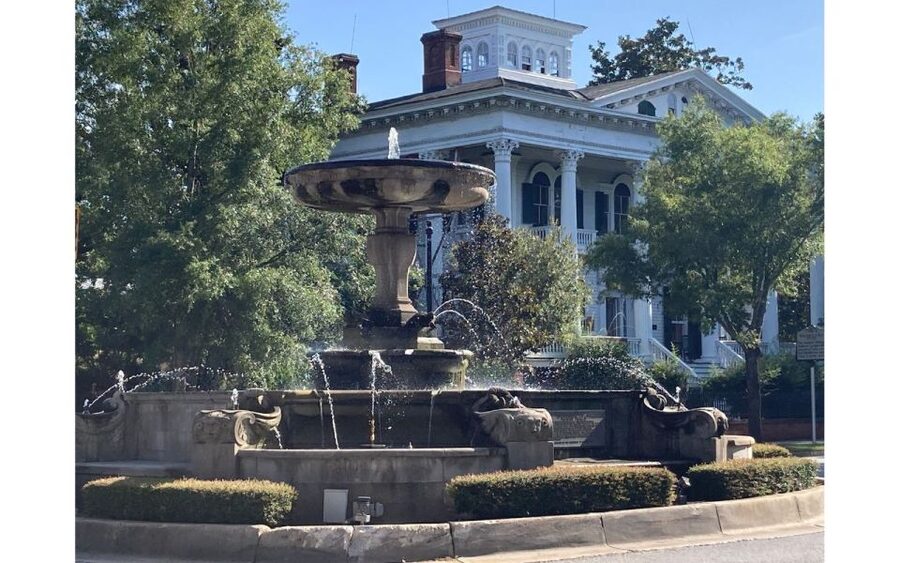
Wilmington’s Civil War story receives serious attention. The city is discussed as a lifeline of the Confederacy, which helps explain why its port and rail connections mattered far beyond the local area.
This is one of the tour’s strongest features. Instead of treating the Civil War as a distant national event, the route shows how Wilmington’s location and industries shaped its role. You can better understand why a port town mattered during wartime and how the city’s economy was tied to larger military and political events.
The story then moves into Reconstruction. That transition is important because the war did not end the town’s difficulties. The tour explains how Wilmington survived the conflict and how it worked to recover afterward.
I appreciate that the historical arc does not stop at the war. A short tour cannot cover every detail, but it can show you that Wilmington’s story includes survival, economic change, and serious conflict during the years that followed.
The 1898 racial events and their aftermath
The tour also addresses Wilmington’s racial events of 1898 and what followed. This is essential context for understanding the city, and it gives the walk a more honest shape than a tour focused only on handsome houses and pleasant streets.
You should expect this part to be direct and historical rather than light sightseeing. The subject may feel heavier than the architectural stops, but it belongs in any useful account of Wilmington’s past. The guide connects the events to the city’s wider development and helps place them within the period’s political and social setting.
This is also where the architecture takes on another layer of meaning. The same streets can reflect wealth, ambition, conflict, and exclusion. A good local history walk should help you see those connections without pretending that the past was simple.
From a World War boomtown to a changed economy
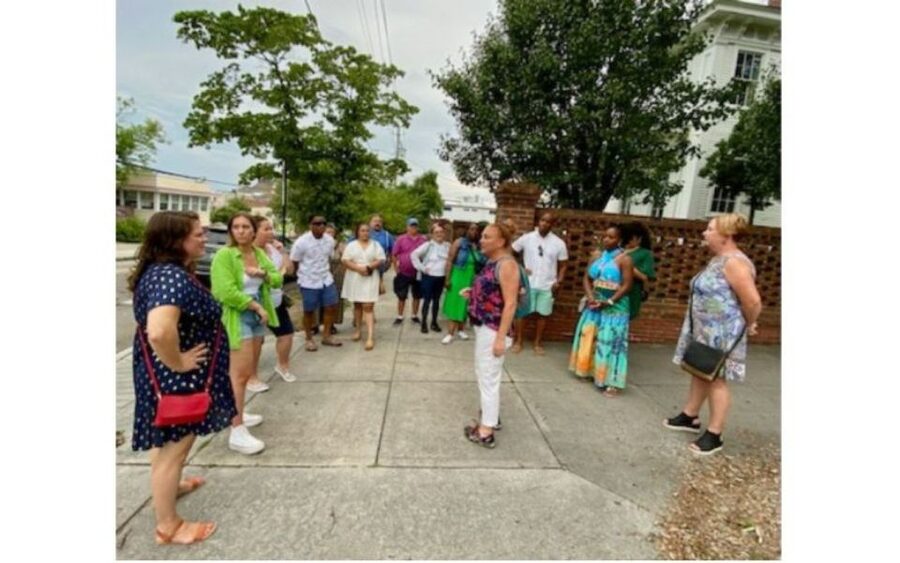
The route continues into the 20th century and Wilmington’s role as a commercial boomtown during a World War period. This section shows that the city’s fortunes did not remain fixed in the colonial or Victorian past.
You will hear about the town’s largest industry and what happened to it. That economic shift is a useful part of the tour because it explains why Wilmington had to reinvent itself. A town built around one major industry can face a hard adjustment when that industry weakens or disappears.
The story then leads toward Wilmington’s current identity as a tourism and film and television community. The nickname Hollywood East makes sense in this final chapter, but the tour does not present it as the whole story. Film is the latest phase in a much longer pattern of adaptation.
For you, this means the walk is not only about old buildings. It explains why Wilmington looks backward and forward at the same time, with colonial streets, Victorian residences, commercial history, and a modern film connection all sharing one town.
What the walking pace is really like
The tour is described as a walking loop, but it is not presented as an exhausting march. A recent group of 12 found the walking manageable, with much of the time spent listening and discussing rather than constantly covering ground.
That said, Wilmington’s heat can change the experience. The guide made a point of holding discussion in the shade, which is a practical touch during warm weather. You still need to bring water, since it is not included.
Sunscreen and bug spray are provided. Those supplies are helpful, but I would still wear comfortable walking shoes and light clothing suited to the forecast. The tour is outside, and comfort will affect how much attention you can give the history.
The experience is not suitable for people with mobility impairments. The supplied information does not give a precise route surface or step count, so anyone who needs specific accessibility details should confirm them before booking.
Group size and guide quality
The guide’s personality matters on a history walk, and the feedback here is especially positive. The guide was described as energetic and well informed, with a style that kept the discussion moving without making the group feel rushed.
A group of 12 is a good size for this kind of route. It is small enough to hear the guide and ask questions, but large enough that the tour does not feel like a private appointment. The guide also handled the heat sensibly by shifting conversation into shaded spots.
No guide name is provided, so I cannot tell you who will lead your particular departure. What you can expect is an English-language tour with live guiding and a strong focus on Wilmington’s architecture and history.
The best fit is someone who likes to ask questions and look closely. If you want a fast ride past landmarks, this is not that experience. If you want buildings tied to people, industry, war, race, and economic change, the format works well.
Is $25 a fair price?
At $25 per person, this is a good-value introduction to Wilmington. The walk covers several time periods, includes architectural interpretation, and tackles difficult local history that would be easy to miss on your own.
The value comes from the connections. You can see colonial Wilmington, Victorian homes, religious buildings, Civil War context, Reconstruction, 1898, the World War commercial boom, and the city’s film identity in one outing. That is a lot for a short tour, even if each subject receives only a portion of the total time.
The price is less attractive if you want a long, detailed architectural survey or a deep treatment of one historical period. Ninety minutes to 1 hour and 40 minutes requires the guide to keep the story moving. Think of this as History 101, not a specialist seminar.
For a first visit, I would consider it worthwhile. It can give you a framework for the rest of your time in town, helping you decide which buildings, museums, or neighborhoods deserve a closer look.
Who should book this Wilmington walk?
I would recommend it to first-time visitors, history-minded couples, architecture fans, and anyone who wants context before exploring Wilmington alone. It also suits visitors who prefer a small walking group to a large bus tour.
Families with older children may find the variety useful, especially if they enjoy stories about war, buildings, industry, and movies. The racial events of 1898 and their aftermath make this a more serious experience than a simple sightseeing stroll, so consider your group’s interests and attention span.
You may want to skip it if walking is difficult, if you dislike outdoor heat, or if you want a tour focused only on glamorous homes. You should also bring water and plan for the full time range, since the route may last longer than the basic 90-minute description.
Cancellation is flexible up to 24 hours before the start for a full refund, and you can reserve now and pay later. Starting times depend on availability.
My booking advice
Book this tour if you want Wilmington’s buildings to explain the city’s past. The strongest parts are the link between Victorian architecture and industry, the serious treatment of Civil War and 1898 history, and the final move into tourism and film.
Skip it if you need an accessible route or want a tightly timed 90-minute outing with no possibility of running longer. For everyone else, $25 is a sensible price for a clear, human-scale introduction to Wilmington, especially when you arrive early enough to use the restroom, park at a meter, and carry your own water.
FAQ
How long does the Wilmington History and Architecture Tour last?
The activity is advertised as 90 minutes. The route details also describe a guided walk of about 105 minutes and an included loop of 1 hour and 40 minutes, so plan for roughly 90 minutes to 1 hour and 40 minutes.
How much does the tour cost?
The price is $25 per person.
Where does the tour meet?
Meet on the sidewalk outside the Front Street Inn in Wilmington. The coordinates are 34.2321414, -77.9480662.
Is there a restroom at the meeting point?
Yes. The Front Street Inn has a restroom and a coffee shop on-site. There may not be another bathroom stop during the walk.
Should I bring water?
Yes. Water is not provided, and bringing your own is recommended.
Are sunscreen and bug spray included?
Yes. Sunscreen and bug spray are provided.
Is the tour suitable for people with mobility impairments?
No. The activity is listed as not suitable for people with mobility impairments.
What language is the tour offered in?
The live guided tour is offered in English.
Just added in the USA
- Washington DC: Dupont Circle & Embassy Row Architecture Tour★ 5.0 · 6 reviews
- Washington, DC: Georgetown Architecture Walking Tour★ 5.0 · 8 reviews
- New Orleans : Garden District Architecture Walking tour★ 4.8 · 5 reviews
- Private Colonial Williamsburg Architectural Tour★ 5.0 · 5 reviews
- Tulsa: Art Deco Walking Tour of Tulsa★ 5.0 · 8 reviews
- Monuments and Memorials Architectural Walking Tour★ 5.0 · 17 reviews
- Castle to Capitol: Museums of the National Mall Architecture Tour★ 4.5 · 9 reviews
- Saint Augustine Evening Architectural Photo Tour★ 5.0 · 15 reviews
Historical Tours, compared.
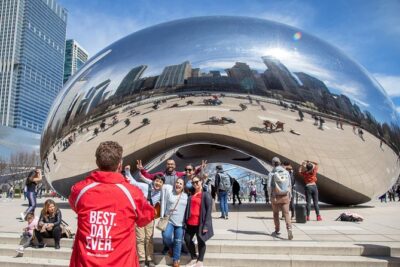
Chicago in a Day: Food, History & Architecture Walking Tour
Read our review →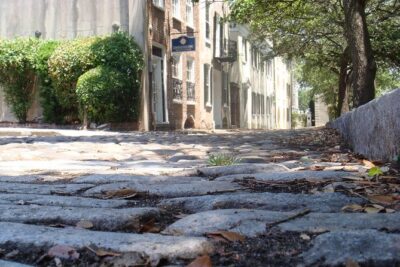
Charleston’s Best Highlights: History, Culture & Architecture
Read our review →
Palm Springs Modernism Architecture & History Bike Tour
Read our review →
Historic Georgetown: History, Gossip, & Architecture Walking Tour
Read our review →
Charleston History, Homes, and Architecture Guided Walking Tour
Read our review →
Historical and Architectural Chicago Fireboat River & Lake Cruise
Read our review →Browse the lists this tour appears in