
REVIEW · BAUHAUS AND BRUTALIST ARCHITECTURE TOURS
Astana: Old City Tour, Imperialistic and Soviet Architecture
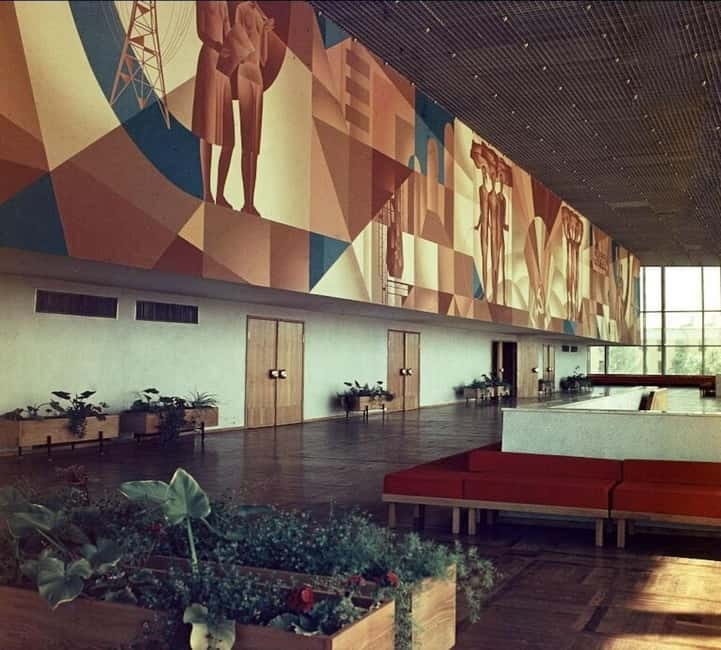
Astana keeps its old self out of sight. This four-hour tour moves beyond the polished new capital to Soviet-era neighborhoods, mosaics, murals, sculptures, and buildings that explain how the city changed. I like the focus on lesser-known places, and I like that the guide connects public art with everyday life under the Soviet system.
You get hotel pickup, a private car, drinks, Wi-Fi, air conditioning, and entrance fees for $50 per person. That is fair value if you want context rather than a quick drive-by. The main consideration is simple: this is a history and architecture tour, not a meal tour or a grand tour of Astana’s newest landmarks.
Key points to know before booking
- Old Astana, not just the shiny new capital: The route concentrates on historic neighborhoods and Soviet-era traces often missed on the modern left bank.
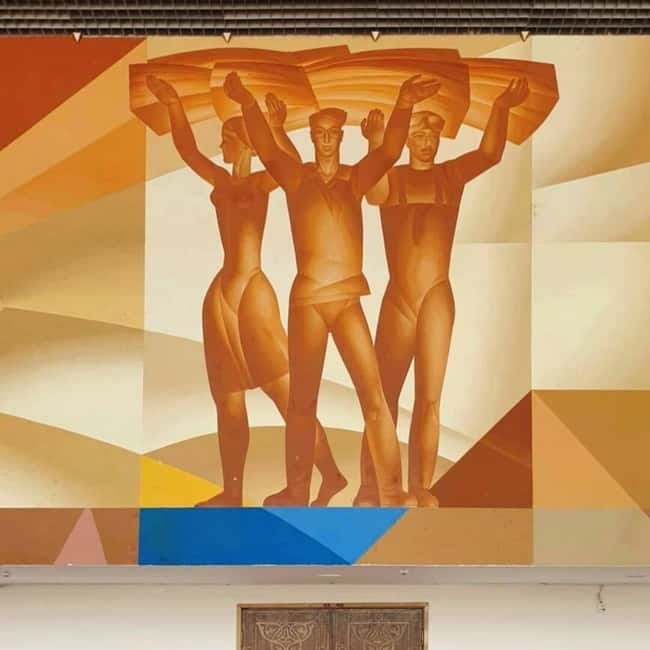
- Mosaics tell the story: Public art, murals, and sculptures are treated as historical evidence, not just photo backdrops.
- A private four-hour outing: Hotel pickup and drop-off, a comfortable car, and a private group make the pace more personal.
- Strong English and Russian guiding: The guide explains political symbols, daily life, and local culture in either language.
- Small surprises along the way: Guide Damir is praised for finding unusual places and continuing to research sites beyond the standard route.
- Plan for walking and weather: Comfortable shoes, a camera, and suitable clothing matter, especially in a city known for sharp weather changes.
Why old Astana deserves four hours
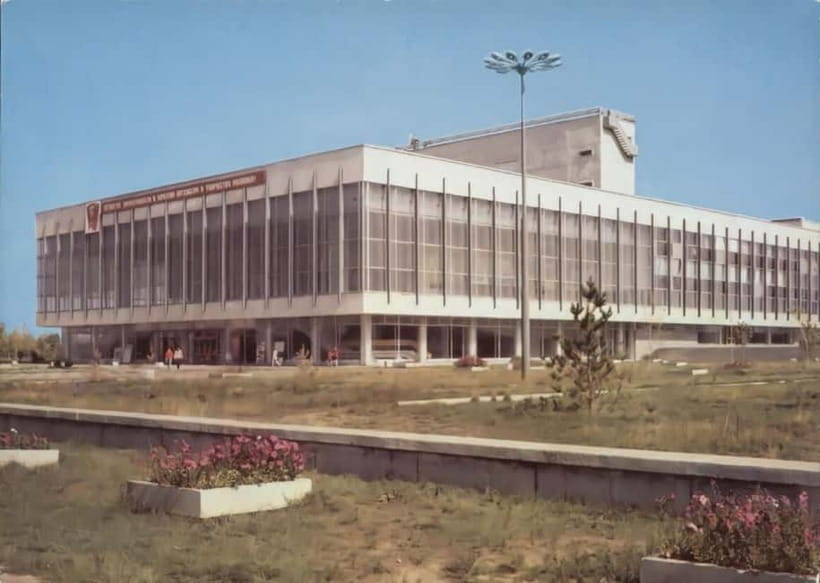
Modern Astana can make its earlier identity easy to miss. New government buildings, bold towers, and broad avenues draw most attention, while the older districts sit away from the postcard view. This tour corrects that imbalance.
You spend time looking at the parts of the city shaped by the Soviet period. The experience is less about ticking off famous monuments and more about reading a city through its buildings and public art. A mosaic may show work, science, youth, or collective achievement. A sculpture may express the values the state wanted people to admire. A neighborhood may reveal how daily life continued behind the official image.
That approach gives the tour real value. You are not simply told that Astana has a Soviet past. You are shown the physical remains and given a way to understand them.
The tour is also useful if you have already seen the modern center. The contrast becomes sharper when you know what came before the new capital. You begin to see Astana as a city with several layers, not just a purpose-built showpiece.
More Bauhaus and brutalist tours in the world:
- London: Brutalist Architecture & History Walking Tour
★ 4.8 · 42 reviews - Le Corbusier’s Chandigarh : A Complete Architecture Tour
★ 4.7 · 25 reviews - Architecture of New Belgrade – Brutalism Decoded
★ 4.5 · 24 reviews
The 30-minute opening: getting oriented in the old city
After pickup in Nur-Sultan, the tour begins with a 30-minute guided section. The supplied schedule does not name the exact first stop, so you should think of this as the orientation phase rather than a single headline attraction.
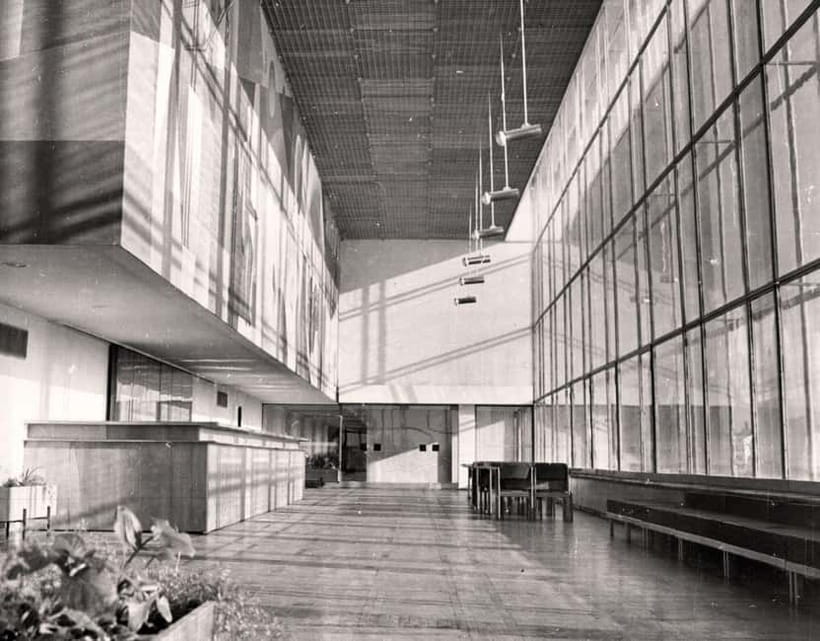
This opening matters because Soviet architecture can look plain when viewed without context. With a guide, the shapes, materials, and public spaces become easier to read. You can ask why a building or neighborhood matters, what changed after the Soviet period, and how the capital’s identity shifted.
I would use this first stretch to tell the guide what interests you most. You might care about art, architecture, politics, local culture, or ordinary family life. Since the group is private, you have a better chance of shaping the conversation than you would on a large coach tour.
Short photo stops with more than a quick snapshot
The next parts of the route include a 15-minute guided photo stop and a separate 15-minute photo stop. These brief pauses are useful for taking pictures without turning the entire tour into a photography session.
The best reason to stop at Soviet mosaics, murals, and sculptures is not simply that they photograph well. Their symbols can explain the period’s ideals. The artwork may present work, education, industry, culture, or communal life as central to society. Your guide’s explanation gives those images a human and political setting.
The short timing also keeps the tour moving. You will not spend half an hour at every wall or sculpture, which is welcome if you want a broad look at old Astana. On the other hand, anyone hoping to study every artwork closely may find the schedule brisk. Bring your camera, but keep listening. The explanation is likely more valuable than another nearly identical photograph.
The 20-minute neighborhood visit
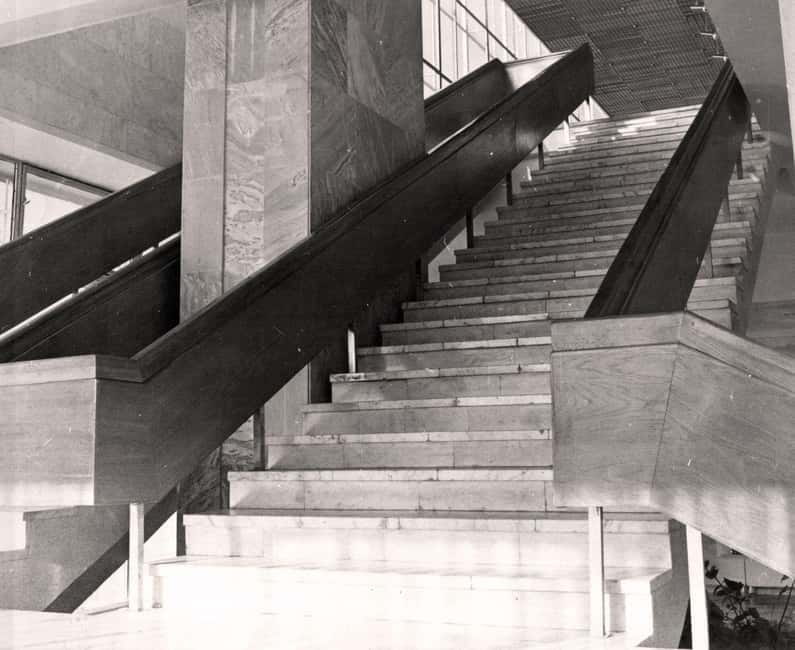
A 20-minute visit with guiding follows. This is where the tour’s focus on historic neighborhoods becomes especially useful.
The route is designed to show places you might not find alone. That is one of the strongest reasons to book a guide in Astana. The city’s older areas are not always arranged as a neat open-air museum, and their importance may not be obvious from a passing car window.
You can expect the guide to explain how the neighborhood fits into the city’s transformation. The emphasis is on what remains visible: architecture, public spaces, artistic details, and signs of an earlier civic life. The stop is long enough to look around and ask questions, but not long enough for a full architectural study.
I like this balance for a first visit. You get a sense of place without spending the whole morning on one block. If you are an architecture specialist, bring questions and ask for extra detail.
More old town architecture walks in the world:
- Barcelona: Sagrada Familia, Modernism, and Old Town Tour
★ 4.7 · 1,621 reviews - Ramblas, Old Town, Gothic and Gaudi Architecture Walking Tour
★ 5.0 · 723 reviews - Copenhagen City, Old Town, Nyhavn, Architecture Walking Tour
★ 5.0 · 3 reviews - Copenhagen City, Old Town, Nyhavn, Architecture Walking Tour
★ 5.0 · 2 reviews
The longer 30-minute stop: where context has room to breathe
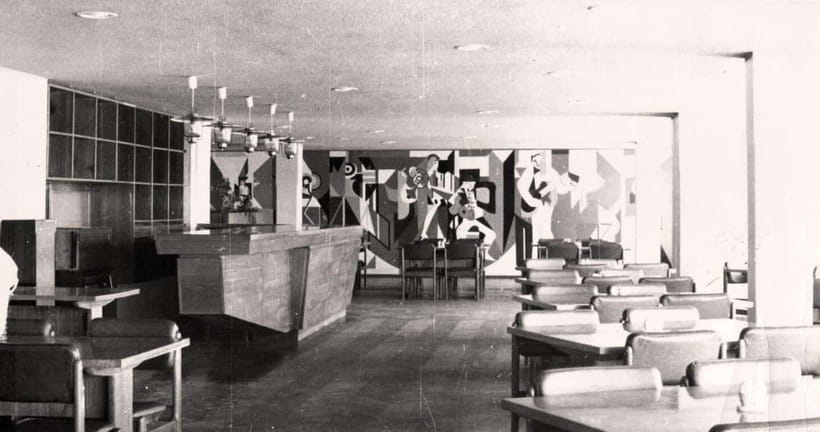
Another 30-minute guided photo stop gives the tour one of its more useful pauses. Longer stops are important here because the subject needs explanation. A Soviet mural or sculpture can be seen in seconds, but understanding its message takes longer.
This is the point where personal stories and details about life in the Soviet Union can turn a visual tour into a social history lesson. The guide is expected to explain not only what you are seeing, but why it mattered. That may include the role of public art, the values promoted by the state, and the gap between official ideals and everyday experience.
The strongest praise for the guiding centers on depth, personal anecdotes, and attention to detail. One guide named Damir is specifically praised for continuing to research places that other guides do not include. That suggests the experience may reward curiosity. Ask about the small details. They are likely the reason to choose this tour over a standard city drive.
The middle photo and visit sequence
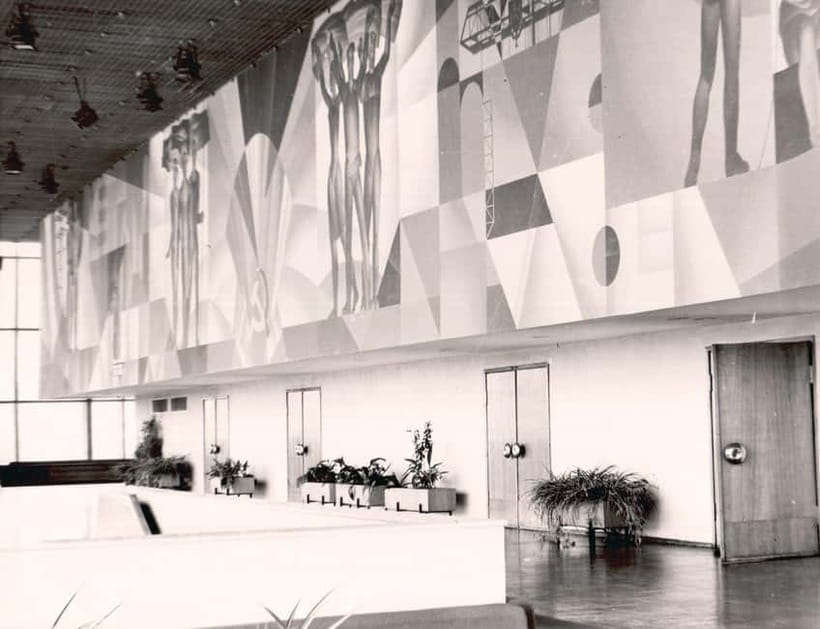
The itinerary then groups a 15-minute photo stop and visit, followed by a 20-minute photo stop, visit, and guided section. These shorter stages create variety.
You are not parked in one place for the entire four hours. Instead, you move between neighborhoods, artworks, and architectural traces. That makes sense in Astana, where the story is spread across the city rather than contained in one preserved quarter.
The 15-minute stop is best treated as a focused look. You may have time to photograph a particular building, public artwork, or street setting and hear why it belongs on the route. The 20-minute stop adds room for questions and more explanation.
Because the exact sites are not named in advance, the tour has a little mystery. You should not book it expecting a fixed list of famous buildings. Book it if you enjoy having a guide point out places that are easy to miss and explain why they matter.
The final 15-minute stop and last 30-minute section
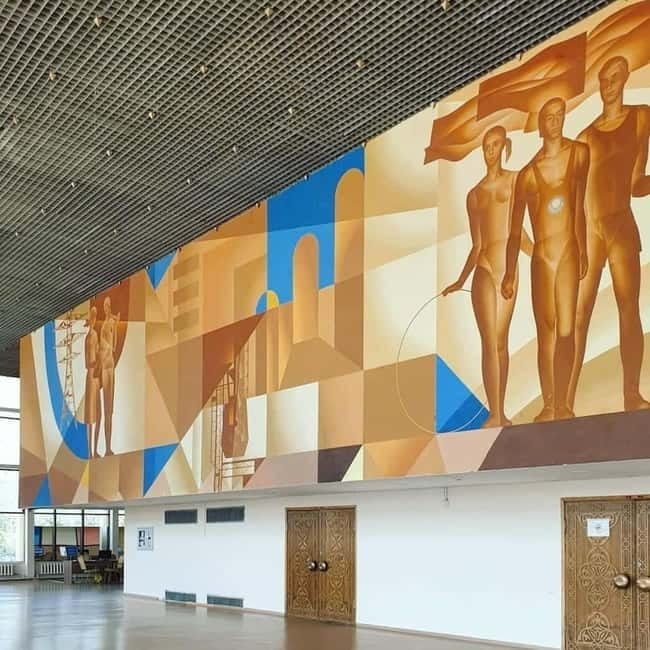
Near the end, another 15-minute photo stop is followed by a final 30-minute guided photo stop. The schedule gives the last section enough time for a final major theme or a fuller look at a site.
This ending can help tie the day together. After seeing neighborhoods, murals, sculptures, and Soviet-era architecture, you have enough reference points to understand Astana’s change from a Soviet city to a modern national capital.
I would use the final stretch to ask practical follow-up questions. You can ask the guide which areas deserve another look, which buildings are easiest to revisit independently, or how the old districts differ from the new center. Since the tour returns you to Nur-Sultan, the last conversation can also help you decide what to see next.
What the guide adds to the architecture
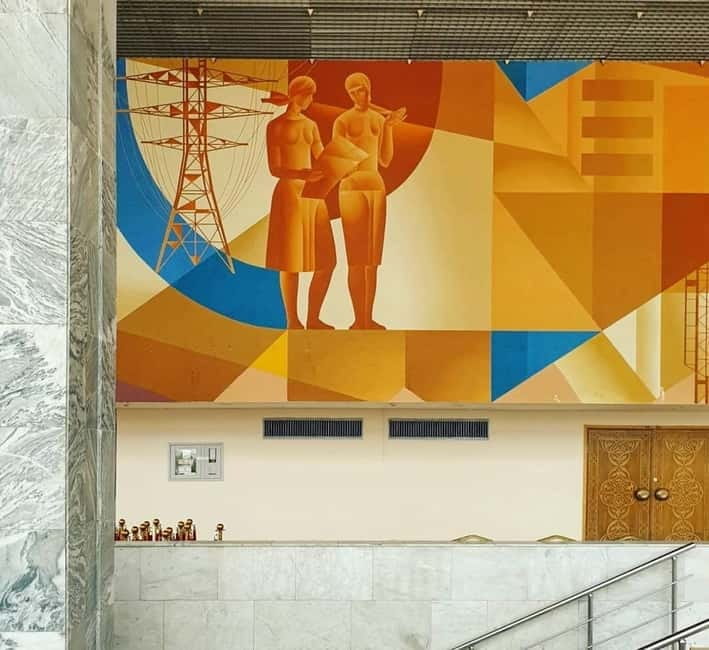
The guide is the heart of this experience. Without interpretation, Soviet public art can become a collection of colorful walls and stern statues. With explanation, it becomes a record of ideology, culture, and memory.
The guiding is available in English and Russian. English-speaking visitors receive especially strong support from the praise for clear, fluent English and friendly, capable explanations. The guide’s role is not just to name a building. It is to explain the story behind the design and how it connects to Kazakh culture.
That local perspective is important. A Soviet-era site in Kazakhstan should not be treated as a generic piece of Soviet architecture. The country’s own identity, traditions, and later transformation are part of the story. The tour promises that wider view, rather than presenting old buildings as frozen relics.
The best feedback also points to a guide with real enthusiasm for research. That matters because lesser-known sites do not always come with obvious signs or polished displays. A guide who keeps searching for new places can make the route feel personal and fresh.
What $50 per person gets you
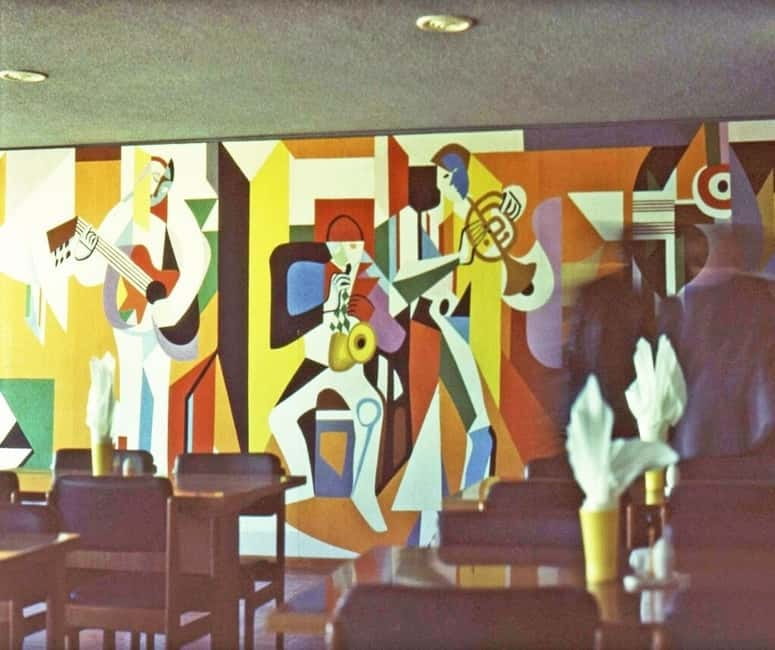
At $50 per person, the price is reasonable for a private four-hour tour with transport. You are paying for more than guiding. The package includes hotel pickup and drop-off, a comfortable air-conditioned car, Wi-Fi onboard, refreshing drinks, visits to historic neighborhoods, and entrance fees for museums or attractions included in the route.
The private format is the key value. If you are traveling with family or friends, the price buys a more personal outing without the feel of a large group. The exact value depends on how many people are in your private party, but the included transport and hotel service reduce the need to organize taxis between scattered stops.
A meal is not included. That is not a serious problem for a four-hour activity, but plan to eat before or after. The drinks help, though you should not treat them as a replacement for lunch.
The reserve-now-and-pay-later option and cancellation up to 24 hours before departure make planning easier. These are useful safeguards, especially if your Astana schedule depends on flights, rail connections, or changing weather.
Walking, weather, and accessibility
Wear comfortable shoes. The tour uses a car, but it also includes visits, photo stops, and historic neighborhoods. You will need to get out and walk around at several points.
Dress for the forecast. The advice to bring weather-appropriate clothing is important, since the experience combines outdoor stops with time in the car. A camera is worth packing because the murals, mosaics, sculptures, and older streets provide the visual material that makes the tour distinctive.
The experience is listed as wheelchair accessible. Since the route includes several outdoor stops and historic areas, I would still tell the guide about your needs when arranging pickup. That gives the guide a chance to make the day as comfortable as possible without changing the facts of the advertised route.
Who will enjoy this tour most
I would choose this tour if you want to understand Astana beyond its new monuments. It suits visitors who like architecture, public art, modern history, local culture, and personal stories.
It is also a good choice for a repeat visitor who has already spent time around the modern capital. The old neighborhoods offer a different view and can make the city feel less polished, more layered, and more human.
The tour may not suit you if you want only famous landmarks, a food experience, or a relaxed ride with very little walking. The route is built around historical interpretation and lesser-known places. You need to enjoy looking closely and asking questions.
The private format makes it a strong option for couples, families, or small groups with shared interests. It also works well for solo visitors who want direct access to a guide without joining a larger group.
The honest drawbacks
The biggest limitation is the lack of a published list of exact sites. You know the themes and the type of places you will see, but not every building or artwork in advance. That is part of the appeal, yet it makes the tour harder to compare with a fixed landmark itinerary.
The second consideration is pace. Four hours allows a broad route with many stops, but several are only 15 minutes long. You will get an introduction to many places rather than a long study of a few. If you want detailed architectural measurements, extensive museum time, or unhurried photography, this may feel quick.
Finally, the tour does not include a meal. Pack your food plans around the experience, especially if your pickup time falls near lunch.
Should you book the Astana Soviet architecture tour?
Book it if you want the city’s backstory, not just its newest skyline. The strongest reasons are the private car, access to lesser-known neighborhoods, clear English or Russian guiding, and the attention given to mosaics, murals, sculptures, and personal accounts.
I especially like the chance to see old Astana through a guide who keeps researching new sites. At $50 per person, the combination of transport, four hours of guiding, drinks, Wi-Fi, and included entrance fees makes sense for visitors who value interpretation.
Skip it if you want a food-focused outing or a simple checklist of major sights. For everyone else, pack comfortable shoes, dress for the weather, and leave room for a few surprises.
FAQ
How long does the Astana old city tour last?
The tour lasts four hours, including pickup, guided visits, photo stops, and the return to Nur-Sultan.
What languages does the guide speak?
The live guide is available in English and Russian.
Is hotel pickup included?
Yes. Pickup and drop-off are included, and the guide can collect you from a requested point.
Is this a private tour?
Yes. The experience is offered as a private group tour.
What is included in the $50 price?
The price includes an expert guide, comfortable car, historic neighborhood visits, refreshing drinks, onboard Wi-Fi, air conditioning, hotel pickup and drop-off, and entrance fees to included museums and attractions.
Is food included?
No. A meal is not included, so plan to eat before or after the four-hour tour.
What should I bring?
Bring comfortable walking shoes, a camera, and clothing suited to the weather.
Can I cancel the booking?
You can cancel up to 24 hours in advance for a full refund. The tour also offers reserve-now-and-pay-later booking.
Just added in the world
- Wilmington History and Architecture Tour★ 4.8 · 18 reviews
- New Orleans : Garden District Architecture Walking tour★ 4.8 · 5 reviews
- Washington DC: Dupont Circle & Embassy Row Architecture Tour★ 5.0 · 6 reviews
- Washington, DC: Georgetown Architecture Walking Tour★ 5.0 · 8 reviews
- Vicenza: Palladian Architecture Private Walking Tour★ 3.3 · 3 reviews
- Walk & Discover KL’s Architectural and Heritage Gems★ 5.0 · 7 reviews
- Private Colonial Williamsburg Architectural Tour★ 5.0 · 5 reviews
- Unveiling Brno: History, Culture & Architectural Delights★ 5.0 · 2 reviews
Bauhaus and Brutalist Architecture Tours, compared.
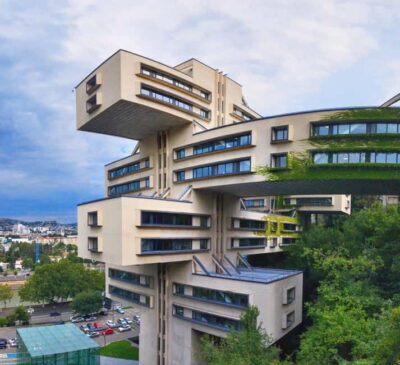
Brutalist Tbilisi: Urban exploration and untold stories
Read our review →
Le Corbusier’s Chandigarh : A Complete Architecture Tour
Read our review →
Architecture of New Belgrade – Brutalism Decoded
Read our review →
Secret Split: Socialist Architecture & brutalism – Urban Utopia
Read our review →
Tashkent Soviet Architecture (Modernism) and Subway station tour.
Read our review →
Belgrade: Space architecture tour – brutalist architecture
Read our review →
Bishkek : USSR History, Soviet Architects ,Statues & Mosaics
Read our review →Browse the lists this tour appears in