
REVIEW · BAUHAUS AND BRUTALIST ARCHITECTURE TOURS
London: Brutalist Architecture & History Walking Tour
Concrete can tell a story. This 2.5-hour London walking tour uses Brutalist buildings to explain post-war politics, social change, engineering, and the city’s uneasy relationship with concrete. I like the small groups, limited to six, and the way guide Evan connects buildings to the events that shaped them. I also like that the tour goes beyond the usual postcard London, with stops such as the National Theatre and Institute of Education.
The main drawback is that you stay outside, and the tour uses the buildings as visual examples rather than taking you indoors. You also walk once by Tube, so you need enough Zone 1 credit, and the pace is not suited to children under 16 or people with mobility impairments.
Key points at a glance
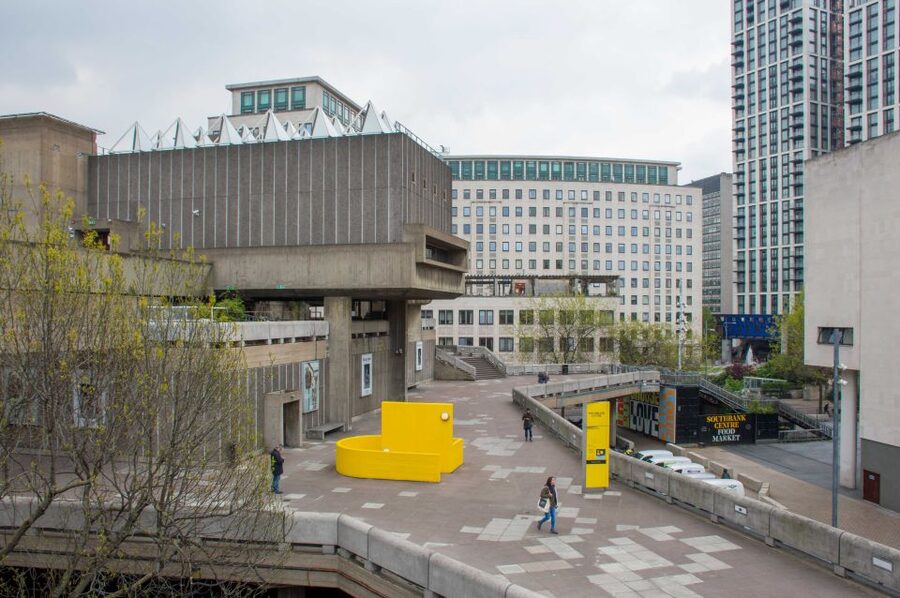
- The National Theatre is a major highlight: Its bold concrete form becomes a useful case study in public architecture, taste, and preservation.
- Evan is the heart of the experience: He brings strong subject knowledge, an informal manner, and a clear passion for Brutalism.
- The tour links buildings to world events: You learn why post-war Britain turned to concrete and monumental Modernist design.
- The group size is excellent: With no more than six people, you can ask questions and receive an explanation suited to your interests.
- Bring a Zone 1 travel ticket or contactless credit: The route includes one short Tube journey.
- Expect an outdoor architecture lesson: Interiors are not visited, and poor weather can lead to a postponement or cancellation.
Why Brutalism makes a good London walking tour
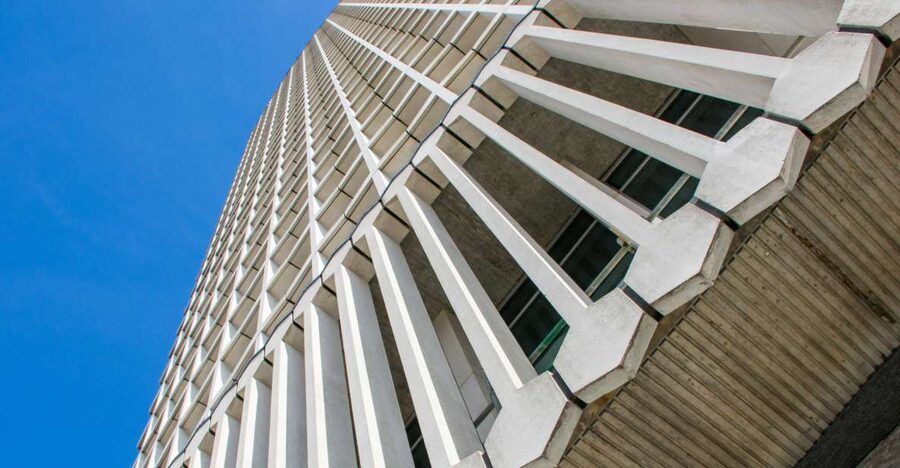
London is often sold through medieval churches, royal palaces, Georgian streets, and Victorian stations. Those sights deserve their place, but they do not explain every part of the modern city. This tour turns your attention to the rough concrete offices, institutions, theatres, and housing schemes that emerged after the Second World War.
Brutalism is often reduced to a simple question: do you like concrete buildings or not? The better question is what these buildings were trying to do. Many were designed as serious public statements, with exposed materials, powerful shapes, and a sense of permanence. They could look like urban fortresses, but they were also tied to ideas about public education, culture, housing, government, and access.
I appreciate that this tour treats the subject as more than a photo opportunity. You hear about the increased use of concrete, the engineering behind it, and the social and political setting that helped this style take hold. The buildings become evidence of a particular period, not just strange shapes in the city.
The tone is likely to suit curious visitors rather than strict architecture specialists. Evan has been praised for explaining complex subjects clearly, adapting his approach to different levels of knowledge, and keeping the walk friendly rather than stiff. That matters in a subject that can quickly become packed with names and theory.
More Bauhaus and brutalist tours in the world:
- Le Corbusier’s Chandigarh : A Complete Architecture Tour
★ 4.7 · 25 reviews - Architecture of New Belgrade – Brutalism Decoded
★ 4.5 · 24 reviews - Secret Split: Socialist Architecture & brutalism – Urban Utopia
★ 5.0 · 17 reviews
Starting at Russell Square and entering modern London
The meeting point is outside Russell Square Underground Station on the Piccadilly Line. This is a sensible place to begin because it is central and easy to reach, but you should arrive ready to walk and listen from the start.
The exact order of the buildings can vary with the route and timing, so I would not treat this as a fixed list of photo stops. Instead, think of the tour as a connected lesson across central London neighborhoods. The guide uses the city around you to show how different periods and ideas sit side by side.
The route includes one short Tube journey. Your ticket or contactless payment is not included in the price, so make sure you have enough credit for a Zone 1 trip. This is a small cost, but it is the sort of detail that can cause needless stress if you discover it at the station.
The group limit of six is one of the strongest practical features. A large architecture walk can turn into a lecture heard from the back of a crowd. Here, you should have a better chance to ask why a building was designed in a certain way, how it was received, or what may happen to it next.
Reading the Institute of Education
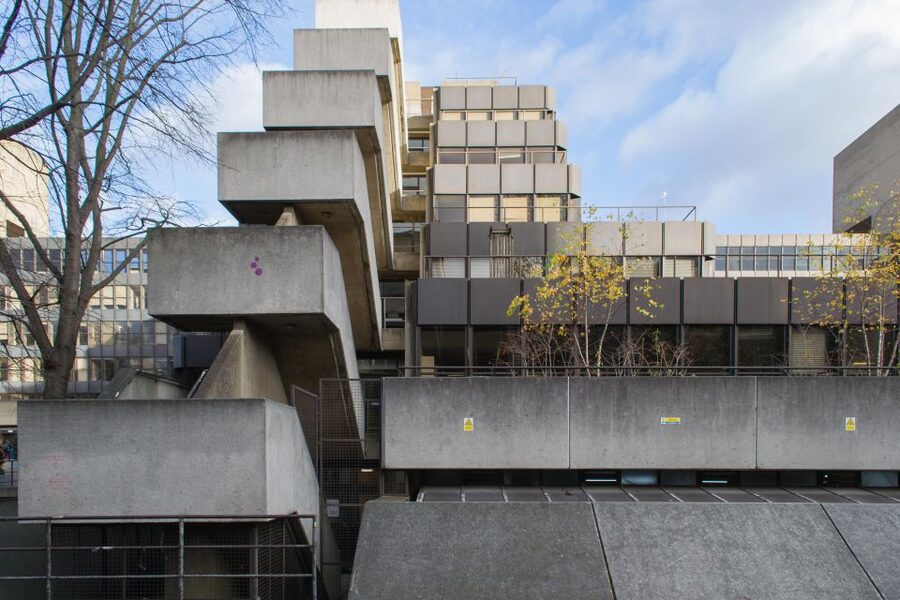
The Institute of Education is one of the notable Brutalist examples included in the walk. From the outside, it gives the guide a chance to discuss institutional architecture, Modernist monumentality, and the way public buildings were intended to project purpose.
This is not a tour of decorative façades. You will be looking at mass, structure, concrete surfaces, and the relationship between a building and the street. That way of seeing can change how you move through London. Instead of asking only if a place is attractive, you start asking what it communicates and who it was built for.
The tour also places British buildings within European Modernism. You hear about important figures and ideas that influenced architecture across national borders, then consider how those ideas were adapted in London. That wider setting helps prevent Brutalism from seeming like a purely British oddity.
I would pay attention to the details Evan points out rather than trying to photograph everything at once. One of the most useful comments about the tour praised his eye for detail at the Brunswick. That suggests the experience works best when you slow down and study construction choices, proportions, and small design features.
The National Theatre and the battle over taste
The National Theatre is the headline building for many people on this route. It is instantly recognizable, dramatically layered, and easy to photograph from several angles. It also gives the guide a strong example for explaining why some people admire Brutalism while others see it as cold, heavy, or hostile.
Here, the discussion moves beyond appearance. The theatre reflects arguments about public culture, state support, architecture, and the role of major buildings in central London. You learn how social, political, and economic conditions helped produce such a project, rather than treating it as an isolated work by an architect.
This is where the tour’s historical approach pays off. A concrete building can seem impersonal when viewed without context. Once you understand the public ambitions behind it, the forms may become easier to read, even if you still dislike the result.
Bring a camera, but also leave room for patience. Brutalist buildings often photograph well because of their strong angles, shadow, repetition, and scale. The best image may not be a full façade. It might be a close view of concrete texture, a framed opening, or the way the building meets the surrounding streets.
More walking tours in the world:
- Lecce: Baroque Architecture and Underground Walking Tour
★ 4.6 · 1,248 reviews - Chicago in a Day: Food, History & Architecture Walking Tour
★ 5.0 · 1,153 reviews - Ramblas, Old Town, Gothic and Gaudi Architecture Walking Tour
★ 5.0 · 723 reviews - Chicago’s Secret Interiors Architectural Walking Tour
★ 5.0 · 635 reviews
Concrete, engineering, and post-war ambition
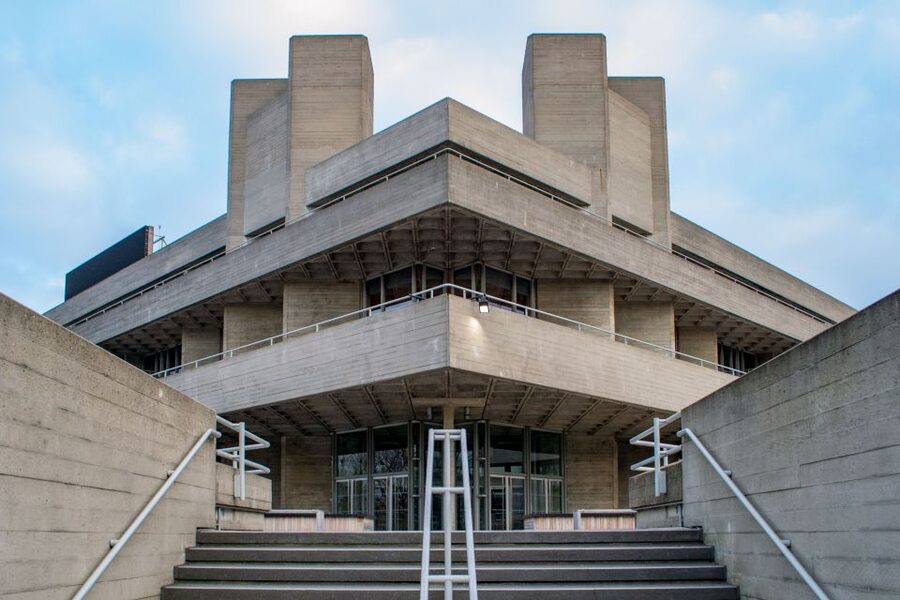
Concrete is not simply the visual signature of Brutalism. It was also an engineering material that allowed architects to attempt large, bold structures. The tour explains how concrete became more important in modern architecture and why it suited the ambitions of the post-war period.
You will hear about global events that influenced London’s rebuilding and development. The experience connects architecture to the aftermath of war, changing public needs, and new ideas about how cities should function. That context is essential because the buildings can otherwise look like arbitrary exercises in heaviness.
The strongest part of this approach is the link between material and politics. Concrete could suggest durability and public purpose, but it could also become expensive to repair and difficult to adapt. A building designed around a bold original vision may not easily fit later needs.
This is also where the tour appears to be more educational than purely celebratory. You are encouraged to admire or recoil. I like that balance. You do not have to become a Brutalism convert to enjoy the walk. You only need to be willing to look carefully and consider why these buildings provoke such strong reactions.
The Brunswick and the value of close observation
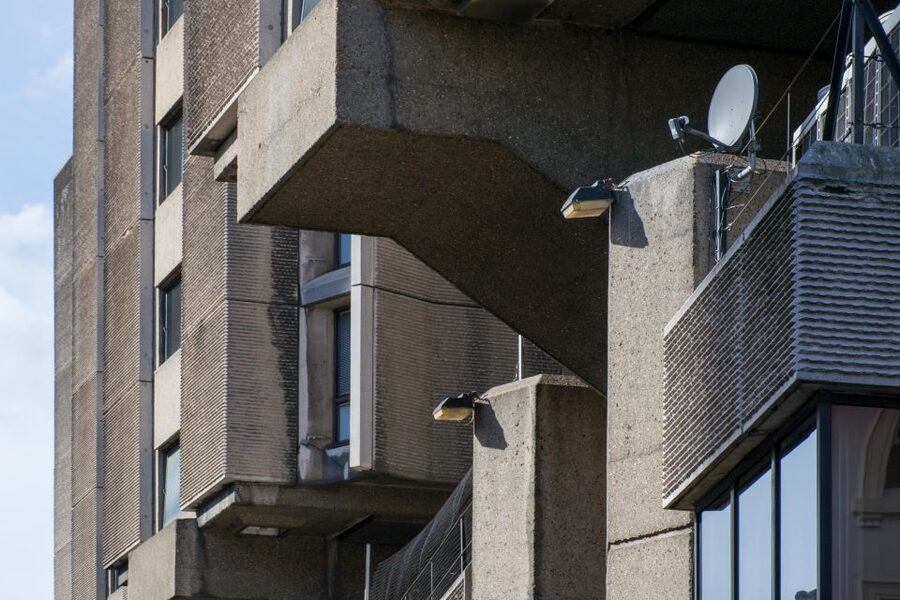
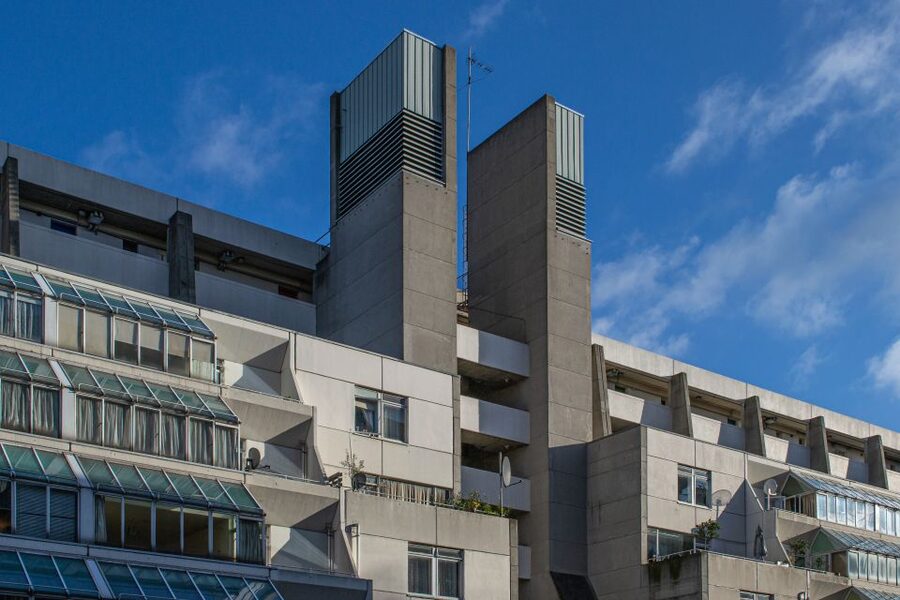
The Brunswick is singled out in the tour feedback as a particularly strong part of the experience. It offers Evan a chance to show how Brutalist and Modernist ideas can be read at close range, through practical choices and visual details rather than broad claims about the style.
I would expect this stop to reward questions. Ask about the material, the building’s compromises, and the way design decisions work in real life. One criticism of the tour was that some visitors wanted more discussion of construction methods, workarounds, and the buildings themselves, rather than a general account of Modernism. That is useful advice: if you want technical detail, say so early.
The guide’s ability to adjust the discussion is one reason the small group matters. A beginner may need a clear explanation of Brutalism’s basic ideas. Someone who already reads architectural history may want a more detailed conversation about structure, preservation, or materials. A group of six makes that adjustment more realistic.
What the tour explains about preservation
The future of Brutalist buildings is one of the most useful subjects on the route. Local authorities, preservation groups, and residents do not always agree on what should happen to these structures. Some buildings are protected as important works of architecture. Others are altered, repaired, criticized, or considered for replacement.
This debate gives the tour a practical edge. It is easy to praise an old building when you are looking at it for an hour. It is harder to answer questions about maintenance, energy use, changing public needs, and the cost of keeping concrete in good condition.
You will hear about the recognition of Brutalist buildings as works worthy of protection, but the discussion is not simply a victory story. Preservation can help retain London’s architectural variety, yet a building also needs to function for the people who use it. That tension is central to the subject.
I found this focus especially valuable because it links the past to decisions being made now. You are not only learning why a building was created. You are considering who gets to decide its future and how a city balances memory with practical needs.
Evan’s guiding style and the limits of the tour
Evan receives strong praise for his enthusiasm, friendliness, and command of the subject. The best descriptions of his approach point to a guide who shares a genuine interest in the built environment without making the walk formal or academic. Several people found the tour detailed, personable, and surprisingly good value.
That enthusiasm is important here. Brutalism can be a difficult subject if the guide merely lists architects, dates, and labels. Evan appears to make the buildings part of a wider story about London, society, and changing public taste.
Still, you should keep your expectations in check. This is a walking tour with exterior viewing, not a specialist construction course. One assessment found the history of Modernism and Brutalism a little general and wanted more direct discussion of building methods. Another noted a couple of factual errors in historical explanations.
That does not cancel out the strengths, but it is worth knowing if you have advanced architectural training or want precise academic detail. I would treat the tour as a lively introduction with room for questions, not as a definitive scholarly account.
Price, timing, and who gets good value
At $47 per person, this is not the cheapest London walk, but the small group changes the calculation. You are paying for a live guide, a focused subject, and a maximum of six participants over two and a half hours. For anyone interested in architecture, urban development, or post-war Britain, that is a fair price.
The value is strongest if you would otherwise walk past these buildings without understanding them. A guide can help you notice materials, scale, political purpose, and preservation issues that are easy to miss alone. The price is less attractive if you want indoor access, a general sightseeing tour, or a quick route between famous landmarks.
The experience is in English only. It is aimed at adults and older teenagers, with children under 16 not accepted. Because it is a walking tour with outdoor stops, comfortable shoes and weather-appropriate clothing are sensible, even though only a public transport ticket is specifically required.
Bad weather may cause the tour to be postponed or canceled. That is not unusual for a route built around exterior architecture, but keep your schedule flexible if the forecast is poor.
Who should book this Brutalist architecture walk?
I would book this tour if you enjoy modern buildings, city planning, photography, post-war history, or the arguments that surround preservation. It is also a smart choice if you have already seen London’s traditional highlights and want a different way to read the city.
You do not need prior knowledge. Evan’s ability to adapt explanations makes the walk suitable for beginners, while the small group gives more experienced participants a chance to ask sharper questions.
I would skip it if your main goal is to enter buildings, avoid walking, or see only the most conventionally beautiful parts of London. You may also find it less satisfying if you want a highly technical account of construction or a fully error-free academic lecture.
FAQ
Where does the tour meet?
The meeting point is outside Russell Square Underground Station on the Piccadilly Line.
How long does the tour last?
The walking tour lasts 2.5 hours.
Is public transportation included?
No. The tour uses the Tube once for a short journey, and you need enough credit for one trip within Zone 1.
Are the interiors of the buildings visited?
No. The tour views the buildings from outside.
Is the tour suitable for children?
No. Children under 16 are not accepted.
What happens if the weather is poor?
The tour may be postponed or canceled if weather conditions are unfavorable.
Should you book it?
Book it if you want London explained through concrete, politics, engineering, and public life rather than royal history alone. The combination of a six-person group, a passionate guide, and major sites such as the Institute of Education and National Theatre makes this a strong introduction to Brutalism.
My advice is to ask questions about construction, materials, and later alterations if those subjects matter to you. Go with an open mind, bring Zone 1 travel credit, and expect an outdoor lesson rather than a building tour. At $47, it offers good value for curious visitors who want to see an often-ignored side of central London.
More history tours in the world
- Charleston’s Best Highlights: History, Culture & Architecture
★ 5.0 · 422 reviews - Palm Springs Modernism Architecture & History Bike Tour
★ 5.0 · 359 reviews - Charleston: History and Architecture Guided Walking Tour
★ 4.8 · 349 reviews - Historic Georgetown: History, Gossip, & Architecture Walking Tour
★ 5.0 · 321 reviews
Just added in the world
- Wilmington History and Architecture Tour★ 4.8 · 18 reviews
- New Orleans : Garden District Architecture Walking tour★ 4.8 · 5 reviews
- Washington DC: Dupont Circle & Embassy Row Architecture Tour★ 5.0 · 6 reviews
- Washington, DC: Georgetown Architecture Walking Tour★ 5.0 · 8 reviews
- Vicenza: Palladian Architecture Private Walking Tour★ 3.3 · 3 reviews
- Walk & Discover KL’s Architectural and Heritage Gems★ 5.0 · 7 reviews
- Private Colonial Williamsburg Architectural Tour★ 5.0 · 5 reviews
- Unveiling Brno: History, Culture & Architectural Delights★ 5.0 · 2 reviews
Bauhaus and Brutalist Architecture Tours, compared.
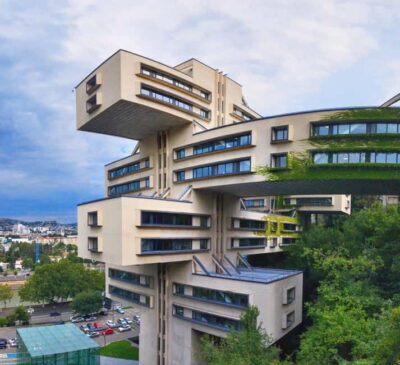
Brutalist Tbilisi: Urban exploration and untold stories
Read our review →
Le Corbusier’s Chandigarh : A Complete Architecture Tour
Read our review →
Architecture of New Belgrade – Brutalism Decoded
Read our review →
Secret Split: Socialist Architecture & brutalism – Urban Utopia
Read our review →
Tashkent Soviet Architecture (Modernism) and Subway station tour.
Read our review →
Belgrade: Space architecture tour – brutalist architecture
Read our review →
Bishkek : USSR History, Soviet Architects ,Statues & Mosaics
Read our review →
Brutal Tbilisi — Night Edition: Dark Side of Soviet Architecture
Read our review →Browse the lists this tour appears in