
REVIEW · WASHINGTON DC ARCHITECTURE TOURS
Historic Georgetown: History, Gossip, & Architecture Walking Tour
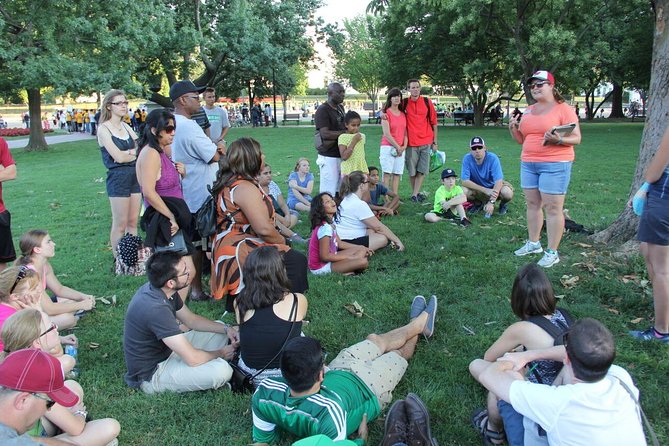
Georgetown rewards a slower look. This two-hour walk turns cobblestones, old brick houses, canal locks, university buildings, and famous addresses into a connected story about Washington, DC. I like the small-group limit of 15, which makes it easier to hear the guide and ask questions. I also like the mix of serious history and neighborhood gossip, from the Lincolns and Kennedys to taverns where political decisions were made.
The main drawback is the ground beneath your feet. Brick sidewalks, hills, and cobblestones can make this a tiring outing for anyone who has trouble walking. At $49 per person, the tour is not the cheapest way to stroll Georgetown, but the price is fair if you want context, stories, and a local guide rather than a pretty walk with no explanation.
Key Points Before You Book
- Georgetown’s C&O Canal comes first, with a look at a working lock and the neighborhood’s industrial past.
- The Old Stone House dates to 1766, and its garden offers a useful pause during the walk.
- Kennedy family connections add a layer of political and social history to the residential streets.
- The group is capped at 15, a useful size for hearing commentary and asking questions.
- The route ends near Georgetown University and the Exorcist Steps, leaving you well placed to continue exploring.
- Guide quality is a major strength, with Vicky, Becca, Wayne, Ingeborg, Eli, and Georgia all praised for clear stories, humor, and helpful local advice.
Why Georgetown Works Best on Foot
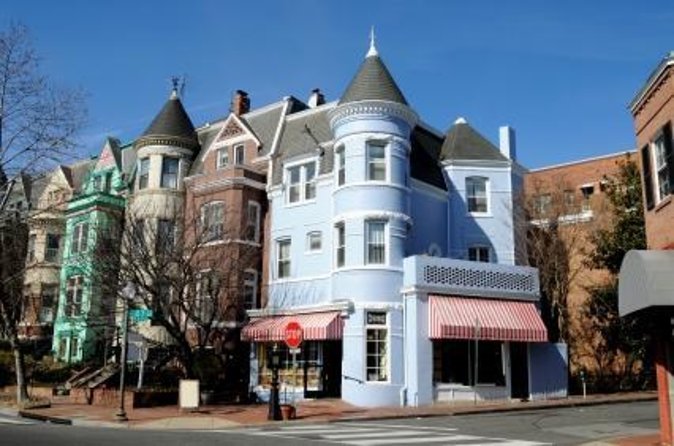
Georgetown is one of Washington’s most rewarding areas to explore without a rigid sightseeing checklist. The old port goes back centuries, and its streets still carry a different feel from the grand avenues around the National Mall. Here, you get historic homes, gardens, brick walls, shops, restaurants, and traces of the canal economy all within a compact area.
The tour uses that contrast well. One moment you are near the old canal, thinking about boats and freight. A few minutes later, you are looking at a carefully preserved house linked to a powerful American family. Then the route moves toward Georgetown University, where students and old stone buildings give the neighborhood a younger energy.
I like this approach because Georgetown can look deceptively simple. You see a handsome house, a narrow lane, or an old tavern, but without explanation it is easy to miss why it matters. The guide supplies the missing links.
This is not mainly a tour of grand interiors. You should expect to view buildings from the street and listen to stories about the people, decisions, and changes tied to them. That makes the guide especially important. A weak guide would leave you with a pleasant walk. A good one helps the neighborhood make sense.
More walking tours in the USA:
- The Official Art Deco Walking Tour by The Miami Design Preservation League
★ 5.0 · 1,580 reviews - Chicago in a Day: Food, History & Architecture Walking Tour
★ 5.0 · 1,153 reviews - Miami South Beach Art Deco Walking Tour
★ 5.0 · 1,039 reviews
Starting Beside the C&O Canal Lock 3
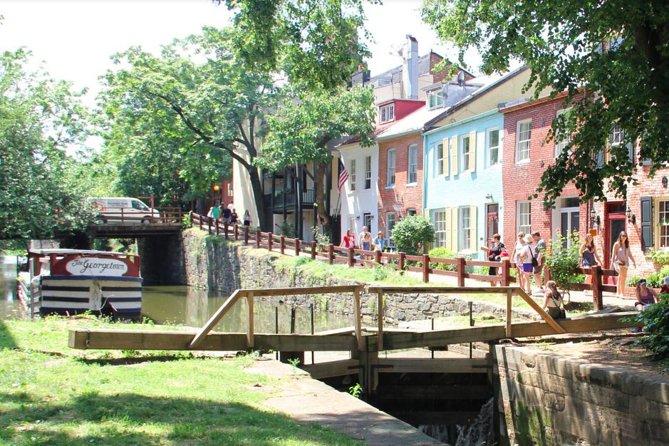
The meeting point is at C&O Canal Lock 3 in Chesapeake and Ohio Canal Historical Park. This is a fitting place to begin because Georgetown’s story is not just about presidents and wealthy families. It is also about work, trade, transportation, and the port that helped the community grow.
The canal section gives you a look at canal boats and a working lock, the gate system that helped boats move along the waterway. The stop itself is brief, but it sets up an important theme: Georgetown was once an industrial and commercial place, not simply a polished shopping district.
I find this kind of beginning useful. It gives the later architecture some economic context. The old homes were connected to a working town, and the neighborhood’s fashionable reputation came much later.
The start point is near public transportation, and the tour uses a mobile ticket. You should arrive ready to walk rather than expecting a vehicle between sights. The guide is a professional, licensed guide, and the commentary continues throughout the route.
The Old Streets and Georgetown’s Changing Identity
As the walk moves through Georgetown, the focus broadens to the old streets, historic houses, gardens, and public spaces. Georgetown is now known for shopping and dining, but its appeal comes from the older fabric underneath those modern uses.
The guide’s job here is to help you notice details that would otherwise blur together. Brick construction, house fronts, gardens, side streets, and old commercial buildings each tell part of the story. This is where the tour’s architecture angle becomes useful. You are not only hearing who lived in the neighborhood. You are learning how the area looked and functioned as it changed over time.
The route also includes stories about prominent families, including the Lincolns and Kennedys. The Kennedy connection is especially strong. The family lived in nearly a dozen different Georgetown homes, so the neighborhood becomes a backdrop for political ambition, family life, and Washington society.
Do not expect every famous house to be open for a tour. The attraction is seeing the locations and hearing what happened there. If you enjoy connecting an address to a person or event, this part should suit you. If you want museum interiors, artifacts, or a long stop inside each building, you may find the format limited.
Old Stone House, Built in 1766
Old Stone House is one of the most useful stops because it offers both history and a small place to rest. Built in 1766, it is among the oldest buildings in Washington, DC. The National Park Service now manages it, and the site includes a garden.
Its story also has a pleasing twist. By 1953, the building had become a car dealership before preservation efforts took over. That change says a lot about Georgetown. Historic places do not always receive careful treatment simply because they are old. Some survive because people eventually recognize what is worth saving.
The garden matters on a walking tour. A short pause can help, especially on a warm day or after the uneven streets. The stop is not long, but it breaks up the route and gives you a chance to take in the building at a slower pace.
The guide may connect Old Stone House to the nearby port, tobacco trade, and the tall tales that grew around Georgetown’s earlier years. That is where the tour’s gossip element works best. It adds color without turning the entire walk into a string of celebrity anecdotes.
More history tours in the USA:
- Charleston’s Best Highlights: History, Culture & Architecture
★ 5.0 · 422 reviews - Palm Springs Modernism Architecture & History Bike Tour
★ 5.0 · 359 reviews - Charleston: History and Architecture Guided Walking Tour
★ 4.8 · 349 reviews - Charleston History, Homes, and Architecture Guided Walking Tour
★ 5.0 · 267 reviews
Kennedy Addresses and Georgetown’s Political Side
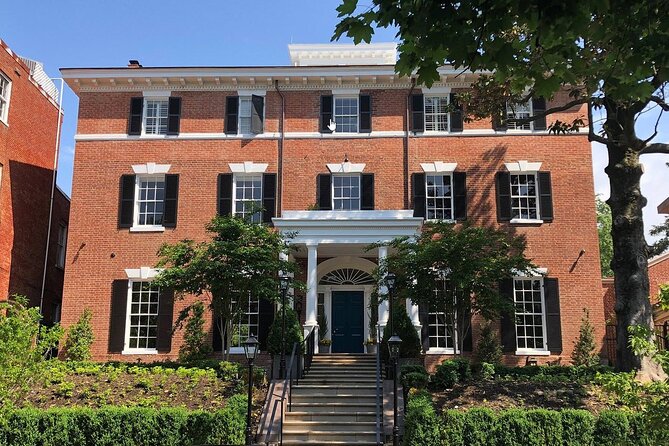
The Hedin House Apartments are included as one of the homes associated with the Kennedy family. This is a brief stop, but it fits neatly into the larger story of Georgetown as a place where political families lived, entertained, and built connections.
The value here is not the building alone. It is the accumulation of addresses. One Kennedy home might be mildly interesting. Nearly a dozen homes spread through the neighborhood create a stronger sense of how closely the family was tied to Georgetown.
The tour also points out taverns where American history was decided. That phrasing captures the neighborhood’s useful blend of formal politics and informal conversation. Important choices are often discussed over meals, drinks, and private gatherings, not only in official government buildings.
I would pay attention to the guide’s smaller details during this section. The strongest moments may not be the most famous names. They may be the explanations of who lived nearby, how the houses were used, or why a particular tavern mattered.
Georgetown University and the Final Stretch
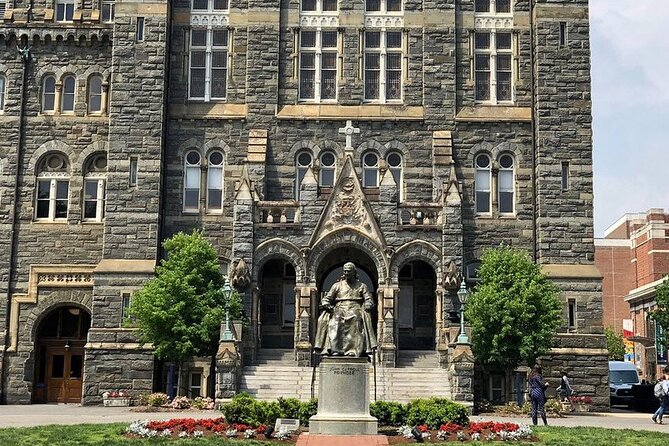
Founded in 1789, Georgetown University brings another period and mood into the walk. The route includes views of the Patrick Healy building’s tall spires and the statue of founder John Carroll.
The university adds architectural contrast. Instead of only looking at private homes and old commercial buildings, you get a large institutional setting with students, lawns, and a campus atmosphere. On a warm day, students may be outside reading, socializing, or throwing frisbees. That everyday activity keeps the stop from feeling like a frozen history lesson.
This section can be especially helpful if you are considering the university for yourself or for a family member. One guide, Vicky, reportedly spent extra time explaining university curiosities and facts for students interested in applying. That kind of flexibility is valuable, though the exact amount of extra discussion will depend on the group and guide.
The official end is near the Exorcist Steps, at the intersection of 37th and O Street NW, close to Georgetown University. The historic stairway became famous through the 1970s film The Exorcist. It is a memorable endpoint, though you should treat the steps as part of the walking route, not as a separate attraction with a long visit.
Martin’s Tavern and Georgetown’s Social History
Martin’s Tavern is included as a Georgetown institution. The restaurant has been locally owned since 1933, with dark wood paneling, black-and-white photographs, a bar, and traditional American food.
You do not pay an admission fee at this stop, and the tour does not turn it into a meal. Instead, it adds a sense of how Georgetown’s history continues in working restaurants and gathering places. A tavern can tell you something a formal monument cannot. It shows where people actually sit, eat, talk, and return over the years.
The restaurant has indoor and outdoor seating, so you can consider it for a meal after the tour. The guide may also offer food and coffee suggestions. Eli was praised for sharing restaurant tips, while Vicky sent recommendations for places to eat, shop, and get coffee after the walk. Those small pieces of local advice can make the $49 fee more useful, especially early in your visit.
The Guides Make or Break the Experience
The strongest part of this tour is the guiding. Names that appear repeatedly in the feedback include Vicky, Becca, Wayne, Ingeborg, Eli, and Georgia. Their styles differ, but the consistent strengths are clear: strong command of local history, an engaging pace, humor, and a willingness to answer questions.
Vicky is described as upbeat, friendly, and attentive. She kept a good pace, explained homes and buildings clearly, and offered practical food and coffee recommendations. One group in their seventies completed the full walk with her, though that does not remove the need to prepare for hills and uneven pavement.
Becca is praised for making the architecture and history easy to follow, even on a cold, damp morning. Wayne is known for facts, anecdotes, and visual material on an iPad. Ingeborg adds plenty of stories and gossip. Eli brings humor and handled detailed questions, including one about the type of stone used in an old building.
That range matters because a two-hour walking tour can become dull if the guide simply recites dates. Here, the best accounts suggest a conversational style. You can ask questions, request more detail about Georgetown University, or seek restaurant ideas for later.
The tour has received a 4.9 rating from 321 reviews, with 97 percent recommending it. Those numbers point to a very reliable experience, though they do not guarantee which guide you will get or how the group will respond. The small cap of 15 gives the format a personal feel, but the guide still has to balance different interests.
Is $49 a Fair Price?
At $49 per person, this is a mid-priced city walking tour. You are paying for about two hours, a licensed guide, a small group, and a route that covers several periods of Georgetown history.
The value is strongest if you are new to Georgetown or want to understand what you are seeing. Without a guide, you can walk the same streets for free, but you will miss many of the links between the canal, old port, historic houses, political families, university, and tavern culture.
The price is less convincing if you only want a quick orientation or if you prefer to explore independently. Georgetown is easy to browse on your own, and the tour does not include paid admissions or a meal. Still, the small group and depth of commentary make $49 reasonable for visitors who want stories rather than a simple map.
I would schedule it early in your Washington stay. The route ends close to shops, restaurants, Georgetown University, and the Exorcist Steps, so you can keep exploring afterward. The guide’s suggestions may also help you plan the rest of your time in the neighborhood.
Walking Conditions, Weather, and Practical Details
This is a true walking tour. Brick sidewalks, hills, and cobblestones are part of the route, and the uneven terrain is the main physical concern. Most people can take part, and service animals are allowed, but anyone with mobility concerns should think carefully about the surface and duration.
Wear shoes with good support. Bring water, and check the forecast before you go. The experience requires good weather. If poor weather cancels it, you are offered another date or a full refund.
The tour is offered in English and uses a mobile ticket. Confirmation arrives at booking. You can cancel for a full refund up to 24 hours before the start time. Cancellations or changes within 24 hours are not refunded or accepted.
Who Should Book This Georgetown Walk?
I would choose this tour for first-time visitors who want a clear introduction to Georgetown without spending half a day on a large group bus. It also suits couples, families with older children, solo visitors, and Washington residents who have walked the neighborhood but never learned its backstory.
History fans will appreciate the Lincolns, Kennedys, canal trade, old taverns, and university connections. Architecture fans will enjoy the historic homes, gardens, old stonework, and the contrast between private residences and campus buildings.
It may be less suitable if you dislike walking on hills or uneven pavement, want to enter many buildings, or prefer a self-guided outing. The tour also makes more sense for people who enjoy stories and conversation. If you only want photographs, you can explore Georgetown for less.
Should You Book It?
Book it if you want Georgetown to become more than a pretty collection of old houses. The tour connects the canal, port, homes, taverns, university, and film history in a compact two-hour route. Its best qualities are the small group, strong guides, and practical local advice.
Skip it if the $49 price feels high for a walk without admissions, or if cobblestones and hills will make two hours uncomfortable. For most visitors who want context, humor, and a useful introduction to Georgetown, this is a solid choice. Schedule it in good weather, wear comfortable shoes, and leave time afterward for a meal or independent wandering near the university.
FAQ
How long is the Historic Georgetown walking tour?
The tour lasts approximately two hours.
Where does the tour begin?
It begins at C&O Canal Lock 3 in Chesapeake and Ohio Canal Historical Park, Washington, DC 20007.
Where does the tour end?
The tour ends near Georgetown University at the intersection of 37th and O Street NW, close to the Exorcist Steps.
How large is the tour group?
The tour has a maximum of 15 travelers, keeping the experience relatively small and personal.
Is the tour offered in English?
Yes. The tour is offered in English and includes a mobile ticket.
What happens if the weather is poor?
The experience requires good weather. If it is canceled because of poor weather, you can choose another date or receive a full refund. You can also cancel up to 24 hours before the start time for a full refund.
Just added in the USA
- Wilmington History and Architecture Tour★ 4.8 · 18 reviews
- New Orleans : Garden District Architecture Walking tour★ 4.8 · 5 reviews
- Washington DC: Dupont Circle & Embassy Row Architecture Tour★ 5.0 · 6 reviews
- Washington, DC: Georgetown Architecture Walking Tour★ 5.0 · 8 reviews
- Private Colonial Williamsburg Architectural Tour★ 5.0 · 5 reviews
- Tulsa: Art Deco Walking Tour of Tulsa★ 5.0 · 8 reviews
- Monuments and Memorials Architectural Walking Tour★ 5.0 · 17 reviews
- Castle to Capitol: Museums of the National Mall Architecture Tour★ 4.5 · 9 reviews
Washington DC Architecture Tours, compared.
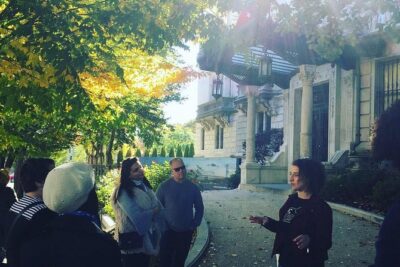
Dupont Circle and Embassy Row Architectural Walking Tour
Read our review →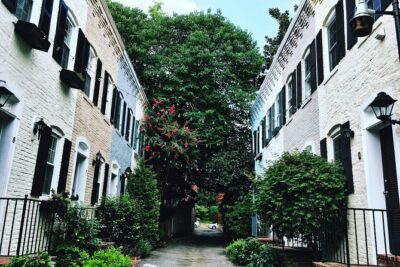
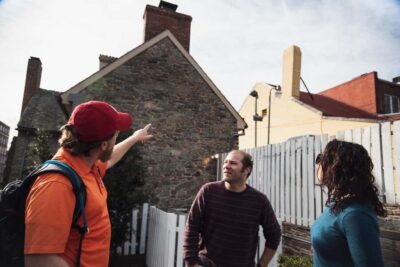
DC: Georgetown History & Architecture Tour with Local Guide
Read our review →
Embassy Row: Architecture, Mansions & International Intrigue
Read our review →

Monuments and Memorials Architectural Walking Tour
Read our review →
Castle to Capitol: Museums of the National Mall Architecture Tour
Read our review →Embassy Row: Architecture, Mansions & International Intrigue
Read our review →Browse the lists this tour appears in