
REVIEW · ARCHITECTURE TOURS
Kanchipuram: Temple Architecture & Silk Weaving from Chennai
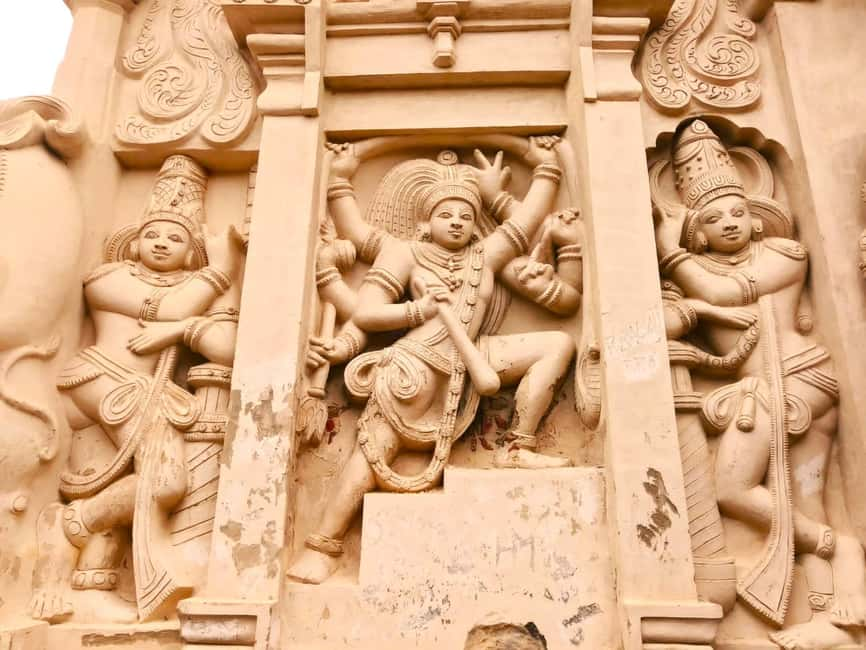
Ancient temples and living craft meet here. This private day trip from Chennai combines two of Kanchipuram’s strongest attractions: the stone temples linked with the Pallava dynasty and the handloom tradition behind the town’s famous silk sarees. You travel by air-conditioned car, visit a weaver, and eat a South Indian vegetarian lunch.
I like the private format, which gives you a quieter way to ask questions and set the pace. I also like the direct look at silk weaving, since it connects the town’s famous sarees with the families who make them. The main consideration is the eight-hour schedule: temple visits, a weaving stop, lunch, and the drive to and from Chennai make for a full day.
Key points to know before booking
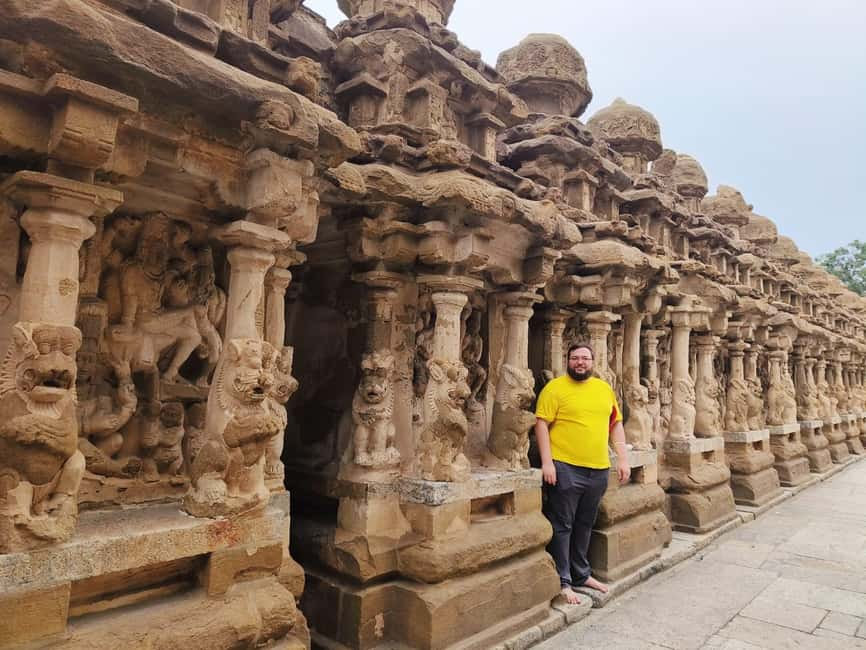
- Two major temples: Visit Ekambareswarar and Kailasanathar, both presented through the Pallava tradition of South Indian temple building.
- A working silk tradition: Meet a Kanchipuram weaver and learn how pure mulberry silk becomes a six to nine-yard saree.
- A private car and guide: Hotel pickup and drop-off, an air-conditioned car, an English-speaking guide, and entrance charges are included.
- A useful local connection: The operator trains and employs local guides and buys local wares to support temple-area livelihoods.
- Lunch is included: The tour provides a South Indian vegetarian meal, but extra food and drinks are not covered.
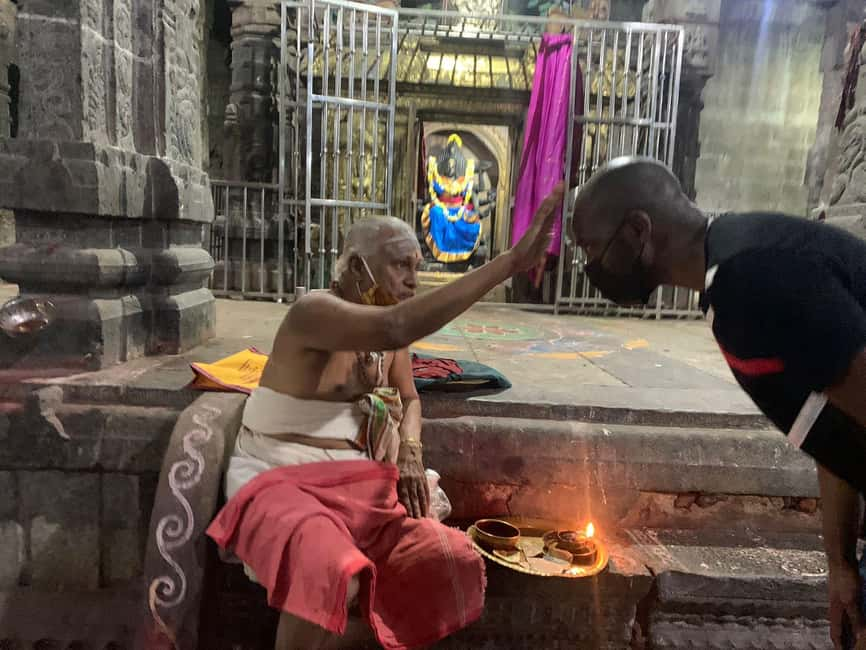
- Temple etiquette matters: You must remove your footwear and cover your shoulders and knees inside the temples. Flash photography is not allowed.
Why Kanchipuram makes a strong day trip from Chennai
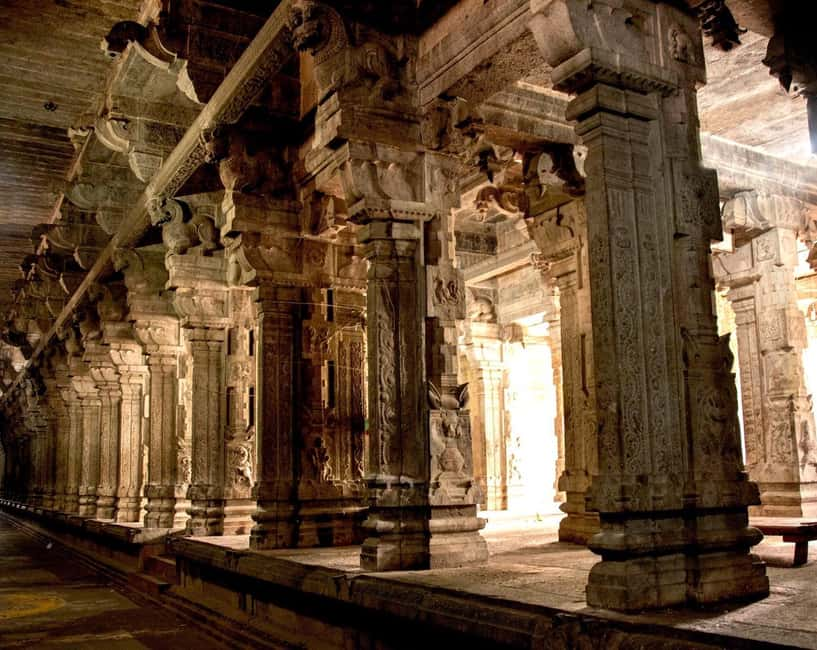
Kanchipuram was the medieval capital of the Pallavas, a South Indian kingdom that helped move temple building from rock-cut forms toward freestanding stone structures. That change is easier to understand when you see the temples in person rather than only reading about it.
The tour gives you about three hours for the guided visit in Kanchipuram. That is enough time to see the two principal temples and discuss their design, though it is not a full survey of every shrine in the town. Kanchipuram has a large religious and architectural story, so this works best as an introduction rather than a complete temple pilgrimage.
I like the way the experience joins architecture with ordinary work. The temples are not presented as isolated monuments. The local economy still includes small shops, prayer-goods stalls, guides, and silk weavers whose livelihoods are connected to visitors and worshippers.
The drive from Chennai is handled for you, which removes the need to arrange separate transport. Since no exact departure time is listed, you should check the available starting slots before booking and choose one that leaves enough room for a relaxed day.
A few more architecture tours in India worth a look
- British Architecture Walk, an immersive walking tour in Chennai
★ 5.0 · 60 reviews - The Hipster Chandigarh Architecture History Tour
★ 5.0 · 54 reviews - Mumbai heritage walk- Story of Gothic and Art Deco buildings
★ 5.0 · 33 reviews
Inside Ekambareswarar Temple
Ekambareswarar is one of the two main architectural stops. Your guide explains the temple’s place in the Pallava period and helps you look beyond the general impression of carved stone. The point of the visit is not simply to walk through a large sacred building. It is to notice how temple design reflects changes in South Indian construction.
Expect to remove your shoes before entering. This is a normal part of the visit, but it is worth planning for if you dislike walking barefoot or if the ground is hot. Wear footwear that you can remove and put back on easily.
The dress rule is clear: shoulders and knees must be covered. Choose modest clothing before leaving Chennai rather than relying on a last-minute purchase near the temple. A scarf can help with shoulder coverage, but the provided information specifically requires covered shoulders and knees, so dress accordingly.
Photography needs some care. Flash photography is not allowed. Bring your camera if you wish, but follow the guide’s instructions and any temple rules about where photography is permitted.
The guide is important here. A strong explanation can turn columns, carvings, and courtyards into a readable story about Pallava architecture. One verified booking singled out guide Kannan for making the temples much more understandable. If Kannan is not your assigned guide, the tour still includes an English-speaking guide, but guide assignment is not guaranteed.
Kailasanathar and the Pallava style
Kailasanathar provides the second major look at Pallava temple architecture. The tour describes these architectural works as dating to around 600 AD, giving you a clear historical frame for the visit.
I find this pairing useful because one temple alone can blur into a collection of stone details. Seeing two sites lets you compare their forms and ask better questions. Your guide can explain the Pallava contribution to the shift from rock-cut architecture to stone temples, which is one of the central ideas of the day.
Do not expect a museum-style visit with extensive displays or a long indoor lecture. This is a site-based experience. You learn by looking closely at the buildings, listening to the guide, and relating the structures to the wider history of Kanchipuram.
The three-hour guided portion covers both temple visits and the silk stop according to the stated schedule. That means the pace may feel efficient. If you want to linger over every carving, you may find the time limited. If you prefer a clear overview without spending an entire day at one monument, the arrangement makes sense.
Meeting a Kanchipuram silk weaver
The weaving visit gives the day its most personal touch. Kanchipuram silk sarees are a cultural symbol in South India, commonly worn for auspicious events such as weddings and birthdays. They usually measure six to nine yards and are made with pure mulberry silk thread.
You meet a weaver and learn about saree making rather than simply walking through a shop. That distinction matters. A finished saree can be beautiful, but understanding the labor behind it gives you a better sense of what you are seeing and buying.
More than 5,000 families in Kanchipuram are involved in silk weaving, and many still use handlooms. The craft is not treated as a decorative side note. It is one of the town’s main sources of work, alongside temple-related trade.
The tour operator says it supports the local community by training and employing local guides and procuring local wares. That does not guarantee a particular shopping experience, and you should not feel pressured to buy anything. Still, the weaving stop gives your spending and attention a clearer local context.
If you are interested in textiles, this may be the most memorable part of the day. You can ask how the silk is handled, how the saree is made, and why Kanchipuram silk has such cultural importance. The supplied details do not promise a particular demonstration length or a chance to operate a loom, so treat it as a guided meeting and explanation, not a hands-on workshop.
Same city, a different building to stand in front of:
- Delhi Hidden Gems: Mehrauli, Lodhi Art & Sunder Nursery
★ 5.0 · 108 reviews - Jaipur City Heritage and Architecture Tour
★ 5.0 · 32 reviews - Le Corbusier’s Chandigarh : A Complete Architecture Tour
★ 4.7 · 25 reviews - Day trip from Bangalore to Lepakshi for Temple architecture & paintings
★ 5.0 · 15 reviews
Lunch and the shape of the eight-hour day
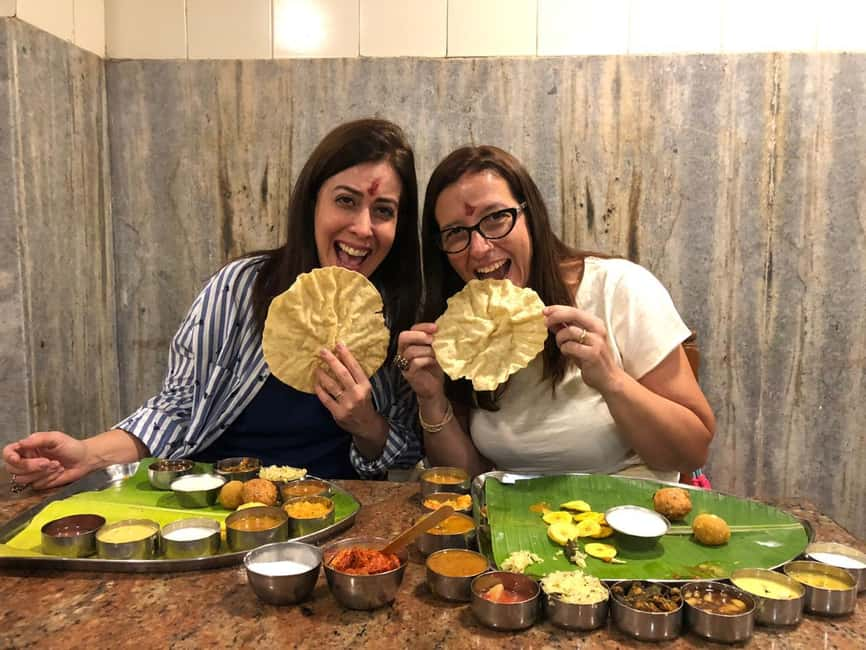
A South Indian vegetarian lunch is included. That is useful on a full-day outing because you do not need to search for a restaurant between temple visits and the weaving stop.
The meal is limited to what the tour provides. Any additional food you order is not included, so bring water and check with your guide if you want extra drinks or snacks. The tour information does not specify the restaurant, menu, or dietary alternatives, so you should raise special dietary needs before departure.
The schedule is simple:
- Pickup at your Chennai hotel
- Travel to Kanchipuram
- About three hours of guided sightseeing
- A one-hour lunch
- Return to Chennai
The full duration is listed as eight hours. Drive times can affect how much free time you have at each stop, and the exact departure time depends on availability. This is not a slow, open-ended day. It is a planned excursion that fits Kanchipuram’s main themes into one outing.
What the private car adds
Hotel pickup and drop-off are included, with pickup from the hotel lobby. You travel in an air-conditioned car with a private group, which is a real advantage in Tamil Nadu’s heat and gives you more room to ask questions than a large shared coach.
A private group also helps with small practical matters. You can clarify temple customs, ask for a slower explanation of the architecture, or discuss the weaving process without speaking over a crowd. The tour remains structured, but it is less impersonal than a large group excursion.
The drawback is that the experience is not suited to everyone physically. It is listed as unsuitable for people with back problems and wheelchair users. Temple visits also involve removing footwear and walking through religious sites, so consider your comfort carefully before booking.
Bring comfortable shoes even though you will remove them inside the temples. You will still need them for the approach and for moving between stops. Water and a camera are also recommended.
Is $109 a fair price?
The price is $109 per person. Value depends partly on group size, since this is a private tour, but the package includes several costs that can add up on a self-arranged day.
You receive hotel pickup and drop-off, an air-conditioned car, an English-speaking guide, temple entrance charges, the weaving visit, and a vegetarian lunch. You also avoid arranging transport from Chennai and figuring out how to combine two temples with a craft experience in one day.
For a solo visitor or couple, $109 may feel expensive compared with public transport. Yet the price becomes more reasonable if you value comfort, a private vehicle, an included guide, and a fixed plan. A larger private group can also make the per-person cost easier to accept, depending on the booking arrangement.
The strongest value is the combination of architecture and living craft. A simple temple transfer would show you the monuments but miss the people and work connected to Kanchipuram. A shopping trip would show you finished sarees but not give you the same temple context.
I would compare the cost with the price of arranging a car, guide, entrance tickets, and lunch separately. If you want maximum independence and the lowest possible transport cost, this may not be your best choice. If you want a straightforward day with most details handled, it is a practical package.
Who should book this Kanchipuram experience?
I would recommend it to you if you are staying in Chennai and want an efficient introduction to South Indian temple architecture. It also suits anyone interested in textiles, local livelihoods, and the story behind a famous regional craft.
The tour is especially useful for first-time visitors who want an English-speaking guide to explain what they are seeing. The positive feedback about Kannan points to the difference a good guide can make, since the carvings and building forms become much easier to understand with context.
It may not suit you if you want a slow shopping day, a hands-on weaving class, or a completely flexible itinerary. The tour has a set structure, and the three-hour guided portion must cover two temples plus the craft visit.
It is also not a good fit for wheelchair users or people with back problems, based on the stated restrictions. Anyone uncomfortable with barefoot temple visits should think carefully before booking.
Practical advice for a smoother visit
Dress for temple entry from the start. Cover your shoulders and knees, and wear shoes that come off easily. A small bag for footwear may be useful, though no bag service is specified, so follow the guide’s advice at each temple.
Bring water, comfortable shoes, and a camera without using flash. Since the tour lasts eight hours, avoid beginning the day without food if you are uncertain about your appetite, even though lunch is included.
Keep an open mind about the weaving visit. The purpose is to meet a local maker and understand the saree tradition, not simply to browse finished goods. If you are interested in purchasing, ask clear questions about the silk and the price, but remember that buying is not listed as a requirement.
The tour offers free cancellation up to 24 hours before departure for a full refund. You can also reserve now and pay later, which is useful if your Chennai plans are still shifting. Check the available starting times before finalizing your day.
Should you book it?
Book this experience if you want a private, well-organized day from Chennai that joins Pallava temple architecture with Kanchipuram’s handloom tradition. The included car, guide, entrance fees, and lunch make the $109 price easier to justify, especially when comfort and convenience matter.
Skip it if you need wheelchair access, have serious back problems, or want to spend most of the day shopping or moving at your own pace. For everyone else, this is a focused way to see two important temples, meet a weaver, and understand why Kanchipuram’s religious and textile economies remain closely linked.
FAQ
Where does the tour begin?
Pickup is included from your hotel lobby in Chennai.
How long does the experience last?
The tour lasts eight hours, including travel between Chennai and Kanchipuram.
Is the tour private?
Yes. It is offered as a private group experience.
What language does the guide speak?
The live tour guide speaks English.
Which temples are included?
The tour includes Ekambareswarar Temple and Kailasanathar Temple.
How much guided sightseeing time is scheduled in Kanchipuram?
The itinerary lists three hours of guided sightseeing in Kanchipuram.
Is lunch included?
Yes. A South Indian vegetarian lunch is included. Additional food ordered beyond the included meal is not covered.
What happens during the weaving visit?
You meet a Kanchipuram silk weaver and learn about making silk sarees from pure mulberry silk thread.
What should I wear to the temples?
Your shoulders and knees must be covered. You must also remove your footwear before entering the temples.
Can I cancel the booking?
You can cancel up to 24 hours in advance for a full refund. The tour also offers a reserve now and pay later option.
Just added in India
- Victorian Gothic Heritage Quarter and Art Deco Walking Tour★ 4.9 · 14 reviews
- New Delhi: Mughal’s architecture tour with transfers★ 4.0 · 7 reviews
- Victorian Gothic Heritage Quarter and Art Deco Walking Tour★ 4.5 · 13 reviews
- 2 day tour from Mumbai to architectural wonder of Mandu★ 5.0 · 2 reviews
- Goa Walking tour: History, Culture, Art and architecture★ 4.5 · 2 reviews
- British Architecture Walk in Chennai by Wonder tours★ 5.0 · 10 reviews
- South India Tour- Temple Architecture and Backwaters★ 5.0 · 7 reviews
- Day trip from Bangalore to Lepakshi for Temple architecture & paintings★ 5.0 · 15 reviews
Architecture Tours, compared.

Chicago River: 1.5-Hour Guided Architecture Cruise
Read our review →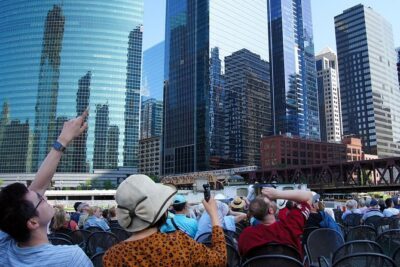
Chicago Architecture Center River Cruise aboard First Lady
Read our review →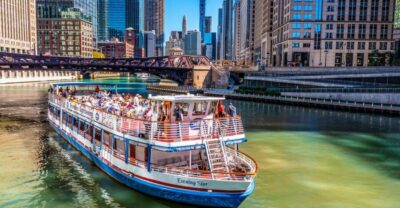
Architecture River Cruise Skip-the-Ticket Line
Read our review →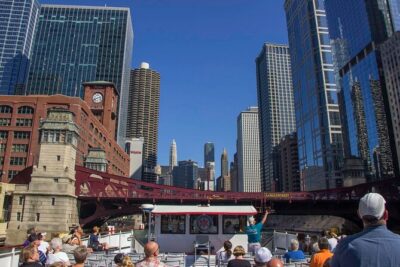
Chicago River 45-Minute Architecture Tour from Magnificent Mile
Read our review →
Browse the lists this tour appears in