
REVIEW · TOKYO ARCHITECTURE TOURS
Tokyo Architecture and Contemporary Art Walking Tour with a local guide
Tokyo rewards anyone who looks up. This private tour connects striking buildings, art districts, fashion streets, and local neighborhoods in one long day. I like the small private format, which lets your guide adjust the pace and respond to your interests. I also like the mix of famous places and less hectic areas such as Daikanyama and Nakameguro. The main drawback is the amount of travel between stops. You may spend plenty of time underground on trains, and the full day can reach 13,000 to 20,000 steps.
Your group pays $424.58 for up to nine people, so the value changes sharply with group size. With nine people, that works out to about $47 per person for six to eight hours of guiding and local transport support. With only two people, it becomes a costly private outing, though the personal attention may suit travelers who care strongly about architecture.
Key points before you book
- Seven very different Tokyo districts: The route moves from Ginza’s polished facades to Takeshita Street’s youth style, then on to quieter Daikanyama.
- Private guiding for up to nine people: Your group does not share the tour with strangers, and the guide can respond to requests.
- Architecture is the main subject: Expect commentary on famous buildings, modern design, galleries, stores, and public spaces.
- Public transport is part of the day: IC cards and local trains may be used, with substantial time spent moving between districts.
- A serious walking day: One full-day outing reached roughly 13,000 to 20,000 steps, so comfortable shoes matter.
- Guides with strong English skills: Tomoya, Richie, Riley, and Masa are named in the available feedback, with praise for clear communication and flexible planning.
Why this Tokyo tour works for architecture fans
Tokyo can feel like several cities stitched together. A single avenue may contain a traditional shop, a glass fashion store, a concrete apartment block, and a tower designed by an internationally known architect. That contrast is hard to understand from a standard sightseeing bus.
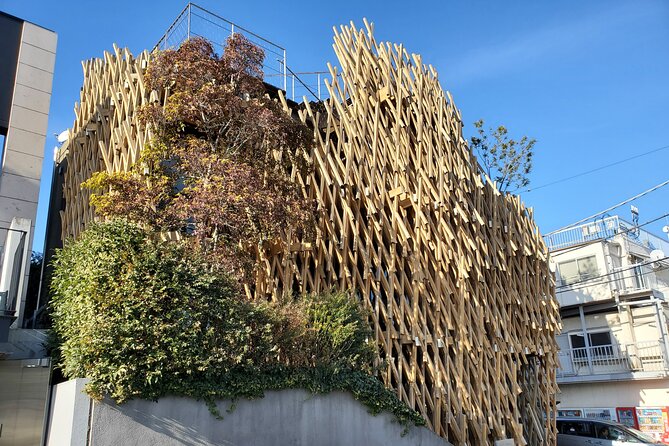
This tour gives you a way to read the city through its buildings. You are not simply checking off landmarks. You are moving through districts where design shapes the street experience, from Ginza’s luxury storefronts to the playful youth culture around Harajuku.
The day is private, which is important here. A large group would make stops at narrow streets, shops, and train stations slower and less pleasant. With only your own party, you can ask for more detail about a building, pause for photographs, or spend less time in a place that does not interest you.
The guides receive especially strong praise for planning and communication. Tomoya is described as highly informed and well organized. Richie handled a long, hot day while helping a group combine architecture with shopping and a ramen lunch. Riley is praised for strong English, responsiveness to suggestions, and clear explanations. Masa is described as friendly and willing to accommodate requests.
The schedule is not a rigid museum tour. It is a moving conversation about Tokyo’s built environment. That makes the guide a major part of the value.
More walking tours in Japan:
- Tokyo: Shibuya Highlights Walking Tour & Secret View Spot
★ 5.0 · 287 reviews - Private Harajuku Omotesando Architecture Walking Tour
★ 5.0 · 67 reviews - Private Ginza Architecture Walking Tour
★ 5.0 · 50 reviews
Ginza: polished streets and ambitious storefronts
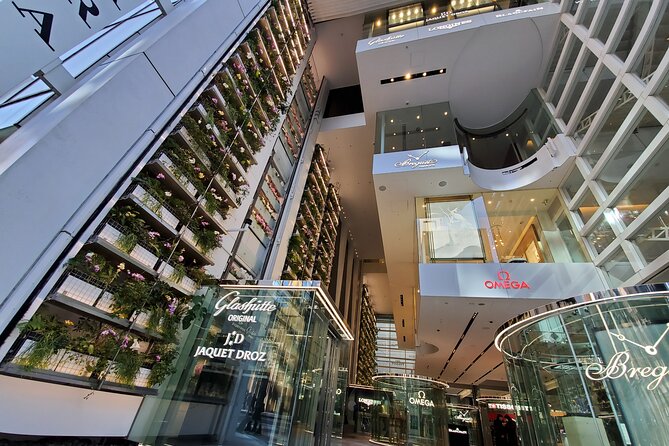
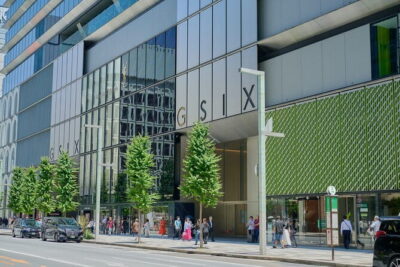
The day begins in Ginza, one of Tokyo’s best areas for seeing architecture tied to retail. The district is known for boutiques, small galleries, Japanese stores, and carefully designed buildings. Many leading architects have shaped its streets, so even shopping facades become part of the sightseeing.
You might find Ginza more useful as an outdoor design lesson than as a shopping stop. The key pleasure is comparing how different brands present themselves through glass, stone, metal, unusual angles, and dramatic entrances. Your guide can point out details that are easy to miss when you are focused on department stores or crossing traffic.
The listed time here is about one hour. That is enough for an introduction, but not enough to examine every building or visit several galleries. If you want to shop, tell your guide early, since browsing can quickly eat into the schedule.
Ginza also sets the tone for the rest of the day. Tokyo architecture is not kept in one museum district. It is woven into ordinary commercial streets.
Tokyo International Forum: a quick look at a major work
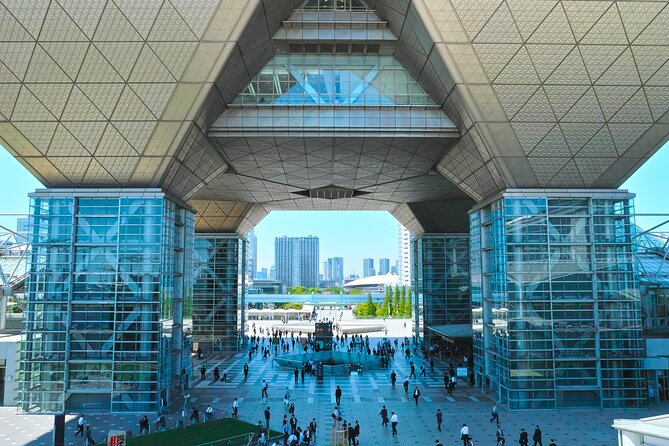
The Tokyo International Forum receives about 15 minutes, making it the shortest scheduled stop. The building was designed by Rafael Viñoly, an architect born in Uruguay and later based in the United States. It is a postmodern convention and art center with a distinctive large-scale form.
Fifteen minutes is enough for a look and an explanation, especially if the group is concentrating on the building rather than attending an event. It is not enough for a slow interior study or a long photography session. Think of this as a focused architectural pause between larger neighborhood visits.
That short timing may frustrate serious design students who want to linger. Still, the stop adds variety. After Ginza’s commercial facades, the Forum gives you a more civic and monumental example of Tokyo architecture.
Roppongi: three major art institutions in one district
Roppongi brings contemporary art into the route. The district contains the three institutions often grouped as the Art Triangle: the National Art Center, Mori Art Museum, and Suntory Museum of Art. It is also associated with the Fujifilm area and several galleries.
The tour does not promise admission to these museums, and the stop is listed as free. Your guide can help you understand the district’s connection to art and architecture, but you should not assume that a museum visit is built into the day. If a particular exhibition matters to you, ask about the plan before setting out.
Roppongi works well for people who want context rather than a single gallery appointment. The area links high-rise development, public art, museums, and commercial design. You get a sense of how contemporary culture has shaped one part of Tokyo.
The scheduled hour gives you time to walk and discuss the area. It may not give you enough time to tour all three museums. That is one of the practical limits of this outing: it introduces more places than you can fully explore.
A few more architecture tours in Japan worth a look
- Kyoto: Nijo Castle & Gardens 2-Hour Guided Tour
★ 4.5 · 2 reviews - Chicago River: 1.5-Hour Guided Architecture Cruise
★ 4.8 · 8,046 reviews - Park Güell: Guided Tour with Optional Gaudí Experience Entry
★ 4.1 · 832 reviews - Barcelona: Gaudi’s Casa Vicens Guided Tour
★ 4.8 · 401 reviews
Omotesando: where fashion becomes architecture
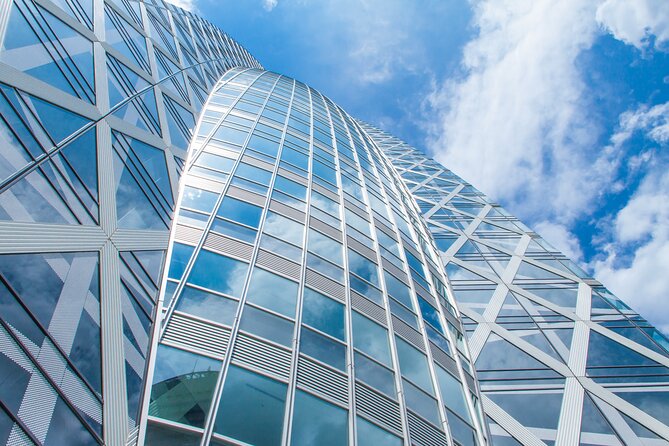
Omotesando is one of the strongest parts of the route for visitors interested in modern design. Its high-end fashion and jewelry stores often occupy buildings made to attract attention before you even enter.
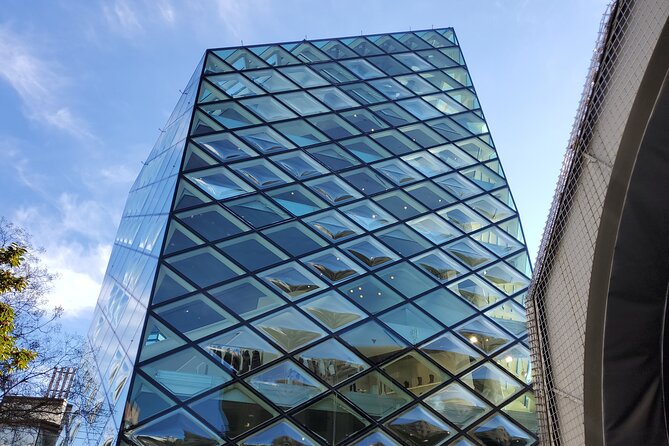
The route begins at the Prada flagship store, designed by Herzog & de Meuron, the Swiss architectural practice. The building is a clear example of how luxury retail turns into a public design statement. Even if you have no interest in buying anything, the exterior gives you plenty to discuss.
You will likely see how brands use shape, materials, windows, and street presence to create an identity. This is not a conventional historic walking tour. The focus is on how Tokyo uses new construction, retail, and visual ideas to change the feel of a neighborhood.
Allow roughly an hour here. Omotesando is also a pleasant place to wander, but the high-end setting may not appeal to everyone. If your interests lean toward temples, older wooden houses, or traditional craft, this portion may feel less rewarding than the later stop in Daikanyama.
Takeshita Street: Tokyo youth culture in close quarters
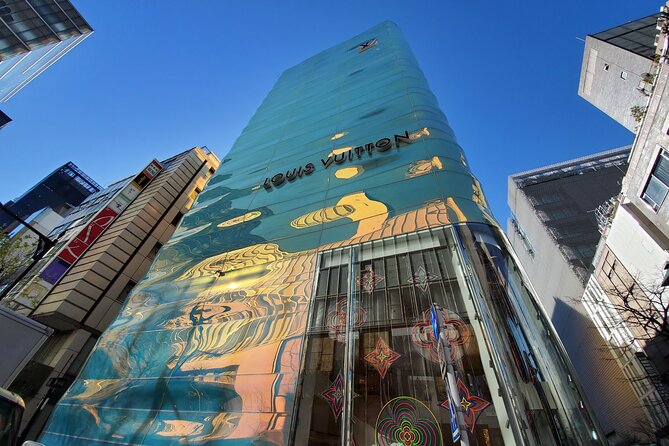
Takeshita Street gives the day a sharp change of mood. Harajuku is associated with youth fashion, unusual clothing, and eye-catching building design. The street offers a view of how young people and retailers use style to create a distinct identity.
The architecture here is less about one famous masterwork. It is about storefronts, color, signs, and the way fashion occupies a narrow urban setting. Your guide can help connect what you see to Japanese youth culture, which makes the stop more useful than simply walking through a crowded shopping street.
The listed time is one hour. That is enough to get a feel for the area, but the street can be intense. You may prefer to keep moving rather than stop often. This is also one of the places where a private group helps, since your guide can adjust the route if the pace becomes uncomfortable.
Takeshita Street makes a good contrast with Omotesando. One is associated with luxury design and global brands. The other gives you a more youthful, expressive side of Tokyo fashion.
Shibuya: famous crossing, brief visit
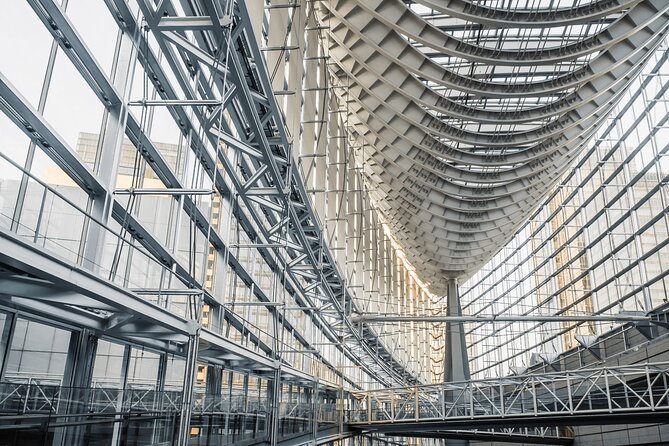
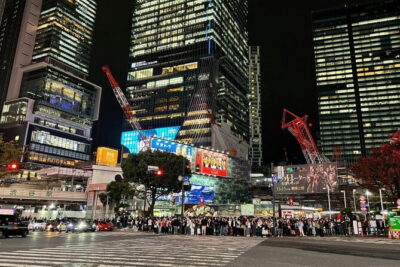
Shibuya Crossing needs little introduction. The tour allows about 30 minutes in Shibuya, giving you time to see the famous intersection and absorb the scale of the surrounding district.
The crossing is visually impressive because several streams of people move through the intersection at once. It is also a useful lesson in how Tokyo handles density and movement. The district around it is packed with commercial signs, tall buildings, and constant activity.
Do not expect half a day here. The short timing is sensible if Shibuya is one part of a wider architecture route. If you want extensive shopping or a long look from a particular viewpoint, you will need to discuss that with your guide and perhaps sacrifice another stop.
The tour’s description makes a broad comparison to Times Square, but the experience is distinctly Tokyo. The crossing is not valuable only because it is famous. It shows how public space, retail, transit, and crowds operate together.
Daikanyama and Nakameguro: the day slows down
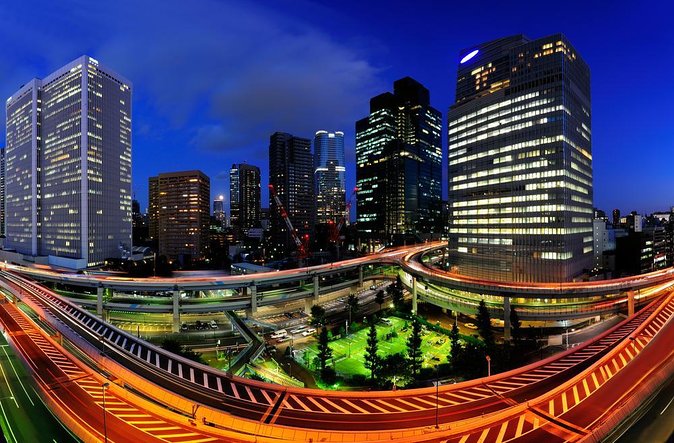
Daikanyama and Nakameguro provide the most relaxed finish. These neighborhoods have boutiques and cafes, but they feel less hectic than Ginza, Harajuku, and Shibuya. The contrast matters after a day of major commercial districts.
The area is also associated with the Tsutaya bookstore. The bookstore is a design point as well as a place to browse, and it fits the neighborhood’s blend of retail, reading, and modern urban style.
You get about an hour here. That gives you time to notice the smaller scale and different rhythm. This is the part of the route I would value most if you want a break from Tokyo’s famous pressure points.
It also gives your guide room to personalize the day. If your group likes independent shops, cafes, or quieter streets, Daikanyama and Nakameguro may hold your attention longer than the more famous stops. The route ends back at the meeting point, so confirm the exact return arrangement when you book.
Public transport, walking, and the real pace
This is sold as a walking tour, but it is also a public transport tour. You will use local trains and move through Tokyo’s subway system between districts. One group used IC cards, and another found that a large part of the day was spent underground traveling from one site to another.
That is not necessarily a flaw. Tokyo’s transit system is part of the city experience, and moving between districts shows how spread out the city’s design culture is. Still, you should know what you are buying. The walking is broken into separate neighborhood visits, not one continuous stroll.
A full outing can produce 13,000 to 20,000 steps. A hot day made the effort harder for one group, although the guide supplied bottled water. Wear good shoes and bring enough energy for a long day. If walking is a concern, ask if some journeys can use a bus or taxi. The guide has indicated that these options may be more enjoyable in some cases, but they are not presented as a fixed part of the tour.
The published duration is approximately six to eight hours. Since the route includes seven areas, weather, train connections, meals, shopping, and photo stops can affect the pace.
Price, group size, and who gets the best value
The cost is $424.58 per group of up to nine people. That is a reasonable structure for a family or group of friends who want a private day and would otherwise pay separate guiding fees. At the full group size, the per-person cost is low for a six to eight-hour experience.
For two people, the price feels much steeper. You are paying for the guide’s time, planning, local knowledge, and flexibility rather than admission tickets. Since the stops are listed as free, the main product is interpretation and route design.
I think the price makes the most sense for:
- A group of friends or family who can divide the cost.
- First-time Tokyo visitors who want an organized introduction to several districts.
- Architecture, design, fashion, or contemporary art fans.
- People who prefer a private pace over a fixed large-group schedule.
- Visitors comfortable with long walks and public transport.
It is less suitable if you want a slow museum day, minimal walking, or a tour focused on old Tokyo. It also may not suit shoppers who want long, uninterrupted time in stores, since the route covers many districts in one day.
Confirmation is sent within 48 hours, subject to availability. Pickup is offered, but the details describe meeting outside your hotel or at a central point, so confirm the exact location. Free cancellation is available up to 24 hours before the start time. Cancellations or changes inside that window are not refunded or accepted.
Should you book this private architecture tour?
Book it if you want to understand Tokyo through design and can handle a long, active day. The strongest features are the private format, the range of neighborhoods, and guides who can explain both famous buildings and less obvious details.
I would especially recommend it to a group of four or more, where the price becomes easier to justify. Ask in advance which guide is assigned, confirm the meeting point, and explain your priorities. If you care most about museums, tell the guide. If you want more time in Daikanyama or less time underground, say so early.
Skip it if your ideal day means visiting only one or two buildings at length. This route covers a lot of ground. Its reward is the chance to see how Tokyo’s architecture, fashion, art, and daily movement fit together across several districts.
FAQ
How long does the Tokyo architecture tour last?
The experience lasts approximately six to eight hours.
How much does the private tour cost?
The price is $424.58 per group, with up to nine people included.
Is this a private tour?
Yes. Only your group participates in the activity.
Does the tour include hotel pickup?
Pickup is offered, and the meeting details describe meeting outside your hotel or at a central point. Confirm the exact pickup location after booking.
Which Tokyo areas are included?
The route includes Ginza, Tokyo International Forum, Roppongi, Omotesando, Takeshita Street in Harajuku, Shibuya, and Daikanyama, with Nakameguro also included in the final neighborhood visit.
Is public transportation used?
Yes. The tour uses public transportation, including local trains and subway travel. IC cards may be used.
Are admission tickets included?
The listed stops show free admission. The experience does not state that paid museum admission is included.
How much walking is involved?
It is a substantial walking day. One reported outing reached about 13,000 to 20,000 steps.
Can I cancel for a full refund?
Yes, if you cancel at least 24 hours before the experience begins. Cancellations made less than 24 hours before the start time are not refunded.
Just added in Japan
- Japanese Garden & Western Architecture: Akasaka exploration tour★ 5.0 · 9 reviews
- Small-Group Architecture Tour in Ginza, Tokyo★ 5.0 · 6 reviews
- Private Ueno Park Architecture Walking Tour★ 5.0 · 8 reviews
- [Aomori Prefecture] Tour the history and architecture in Towada City, the art city★ 5.0 · 6 reviews
- Private Ginza Architecture Tour★ 5.0 · 3 reviews
- Private Ueno Park Architecture Tour★ 5.0 · 5 reviews
- Kyoto: Nijo Castle & Gardens 2-Hour Guided Tour★ 4.5 · 2 reviews
- Private Edo-Tokyo Open Air Architectural Museum Tour★ 4.8 · 15 reviews
Tokyo Architecture Tours, compared.
Shibuya Highlights Walking Tour & Secret View Spot
Read our review →
Private Harajuku Omotesando Architecture Walking Tour
Read our review →
Private Edo-Tokyo Open Air Architectural Museum Tour
Read our review →
Japanese Garden & Western Architecture: Akasaka exploration tour
Read our review →
Browse the lists this tour appears in