
REVIEW · TOKYO ARCHITECTURE TOURS
Private Harajuku Omotesando Architecture Tour
Tokyo’s best architecture walk hides in plain sight. This private Harajuku and Omotesando tour connects bold designer buildings, quiet side streets, and everyday Japanese life in one well-paced outing. I like the chance to see major works by famous architects without spending a full day on formal museums, and I like that the guide can shape the walk around your interests. The main drawback is simple: 210 minutes on foot can feel long if you want a relaxed shopping day or have trouble walking.
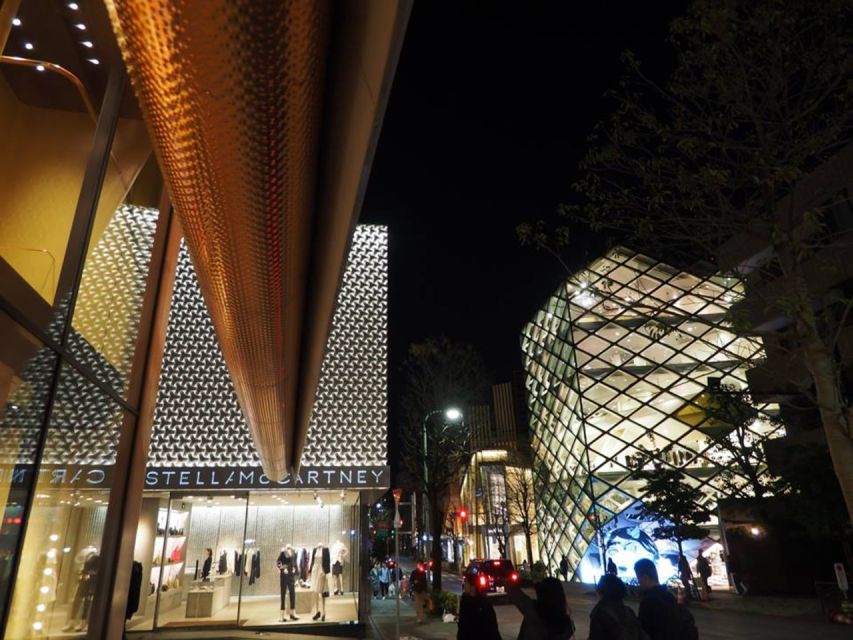
The meeting point is easy to reach from JR Harajuku Station, and a cafe stop with drinks gives you a useful pause. I also like the option of taking the tour at night, when store lighting changes the look of buildings such as Prada, Dior, and Louis Vuitton. Still, you should wear comfortable shoes and remember that meals and transportation to the area are not included.
Key points to know before booking
- A private route through major architecture: See The Iceberg, Dior, Louis Vuitton, Sunny Hills, Prada, and other notable works in one walk.
- More than designer shopping: The route turns into back streets where you can observe a quieter side of Harajuku and Omotesando.
- Strong guide-led interpretation: Guides such as Taka, a retired urban planner who studied at MIT, and architecture specialist Fuki have received especially warm praise for their explanations.
- Useful for architecture fans and curious first-time visitors: You learn why designers and architects are drawn to Omotesando, not just where to take photographs.
- Flexible private format: Your guide can adjust the route to your interests, including specific buildings you want to see.
- A night option changes the mood: Evening lighting gives the buildings a different character and may suit photographers.
Why Harajuku and Omotesando make such an unusual walking route
At first glance, Harajuku and Omotesando seem to offer two separate Tokyo experiences. Harajuku brings to mind youthful fashion, small shops, and the broad approach to Meiji Shrine. Omotesando feels more polished, with international fashion houses and high-end stores lining its grand avenue.
This walk shows you how closely the two areas connect. The appeal is not only shopping. It is the meeting of old shrine grounds, modern commercial design, residential lanes, Japanese architects, global fashion brands, and the steady movement of people through the district.
I find that contrast more interesting than a simple parade of famous shops. A facade may attract your attention, but the back streets give the area its character. You might pass from a sleek retail frontage into a neighborhood where daily life feels much less planned for visitors. That shift helps explain why Omotesando has a different feel from Ginza, even though both are associated with luxury shopping.
The guide provides the missing context. Instead of asking you to admire a building only because it looks unusual, the tour explains why architects and designer brands choose this part of Tokyo. The result is a walk that works for architecture enthusiasts, but also for anyone who wants to understand how the city mixes business, fashion, and residential life.
More private tours in Japan:
- Private Harajuku Omotesando Architecture Walking Tour
★ 5.0 · 67 reviews - Private Ginza Architecture Walking Tour
★ 5.0 · 50 reviews - Private Edo-Tokyo Open Air Architectural Museum Tour
★ 4.8 · 15 reviews
Starting beside Meiji Shrine at Jingubashi
The tour begins near the Jingubashi bridge, in front of the large wooden entrance gate to Meiji Shrine. Your exact meeting place is Café Mori no Terrace, located in the open area by the shrine entrance at 1 Yoyogikamizonocho, Shibuya City.
This meeting point matters because it can be confusing. From JR Harajuku Station, leave through the Omotesando exit and walk toward the forest. You do not go through a Shinto gate from the station to reach the cafe. There is also a cafe inside Meiji Shrine with a similar name, so check that you are heading to Café Mori no Terrace in the open space outside the shrine grounds.
Beginning here gives the tour a strong visual introduction. You are not dropped straight into a row of luxury shops. Instead, you start beside one of Tokyo’s best-known shrine approaches, with the forested Meiji Shrine area behind you and modern Harajuku ahead.
Your guide can help you get oriented before the walk becomes more architectural. That is particularly useful if this is your first time in the district, since the streets around Harajuku can feel busy and easy to mix up.
Yoyogi Gymnasium from a distance
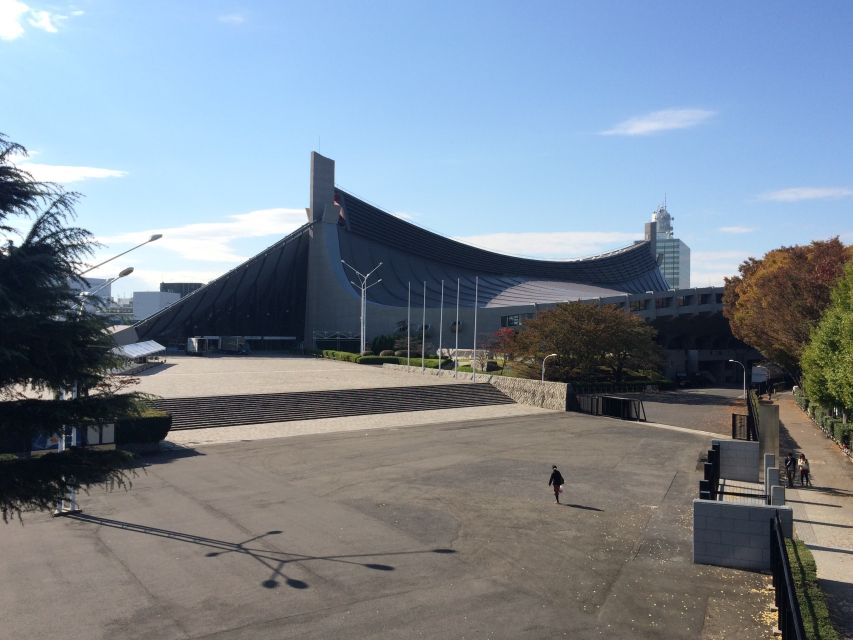
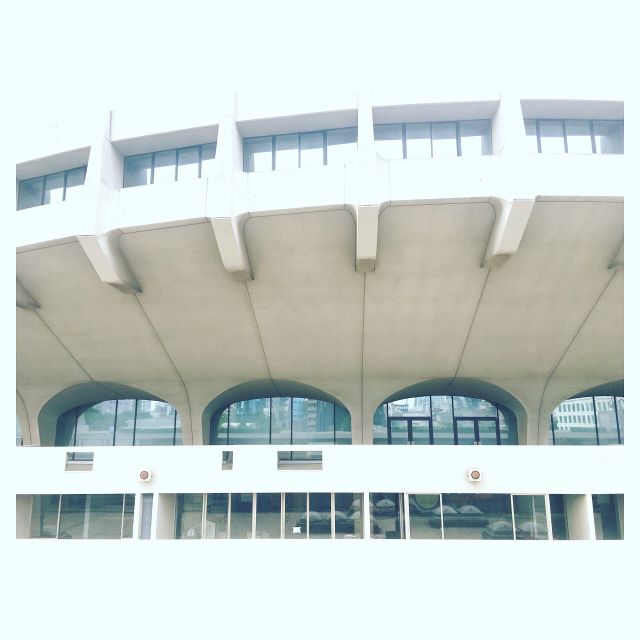
One of the first major sights is Yoyogi Gymnasium, viewed from a distance. The tour does not present it as an isolated museum visit. You see it as part of Tokyo’s wider architectural story, connected to the buildings and streets that follow.
The distant view is a practical compromise. You can appreciate the structure without turning the outing into a long detour. Your guide can place it within the route and explain why it matters, then keep the walk moving toward the contemporary works around Omotesando.
This is a good example of how the tour uses time. In roughly three and a half hours, you cover several important buildings rather than spending most of the afternoon at one site. If you want detailed interior access or formal architectural tours of every building, this experience will not provide that. Its value comes from seeing many works together and understanding how they relate to the district.
From The Iceberg to Prada
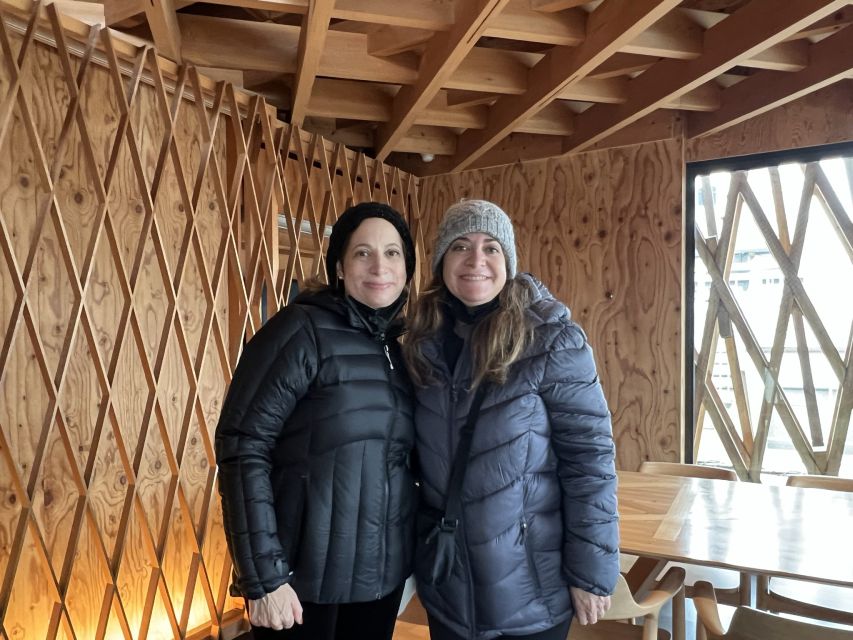
The central stretch introduces you to some of the area’s best-known contemporary architecture. The Iceberg, Dior, Louis Vuitton, Sunny Hills, and Prada are among the featured stops.
These buildings give you plenty to photograph, but the guide adds more than camera angles. You learn about the architects and the reasons major brands use architecture as part of their identity. The buildings are not simply containers for clothing. Their exterior shapes, materials, and storefront designs help define how each brand presents itself on Omotesando.
You do not need a technical background to enjoy this section. A good guide can point out features you might otherwise walk past, then explain them in plain language. That makes the walk accessible to a first-time visitor while still giving architecture fans something worth discussing.
Several guides have been praised for this balance. Taka, a retired urban planner who graduated from MIT, has explained the work of Japanese architects, including architects who received the Pritzker Prize. Fuki has a strong interest in architecture and is known for discussing both the famous buildings and less dramatic structures along the route. Those details suggest that the experience is not limited to memorized talking points.
You may also appreciate the chance to name buildings you want to see. The private format allows the guide to respond to your interests, and Fuki has been able to include every building requested by a group. That kind of flexibility is a real advantage over a fixed public walk.
A few more architecture tours in Japan worth a look
- Tokyo Architecture and Contemporary Art Walking Tour with a local guide
★ 5.0 · 15 reviews - Japanese Garden & Western Architecture: Akasaka exploration tour
★ 5.0 · 9 reviews - Private Ueno Park Architecture Walking Tour
★ 5.0 · 8 reviews - Small-Group Architecture Tour in Ginza, Tokyo
★ 5.0 · 6 reviews
Why the big brands choose Omotesando
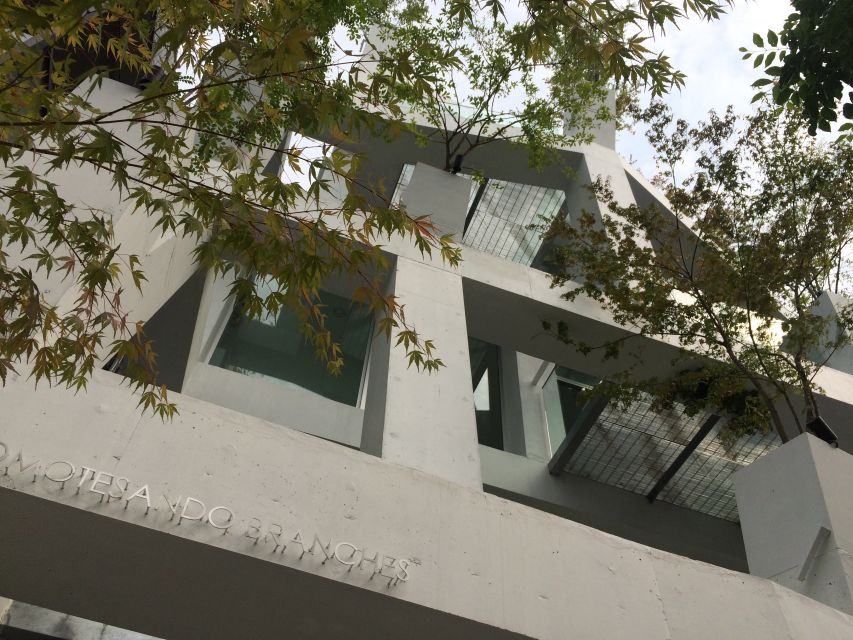
The tour’s central question is not simply which buildings you will see. It is why this area attracts so many major architects and designer stores.
Omotesando gives brands a prominent avenue, but it also offers nearby lanes with a different pace. The combination allows the district to feel fashionable without becoming only a shopping corridor. The walk helps you notice how the architecture, street layout, and nearby neighborhoods support one another.
The contrast with Ginza is useful. Ginza is widely known for its luxury boutiques, but Omotesando presents those brands within a setting that leads quickly toward Harajuku’s younger style and quieter residential streets. You can compare the two areas for yourself instead of treating them as interchangeable shopping stops.
I would not book this tour only to visit stores. The store interiors and shopping experience are not the main point. Book it if you want to understand why the buildings look the way they do and how the district has developed its particular mix of fashion, architecture, and local life.
A turn into Harajuku’s back streets
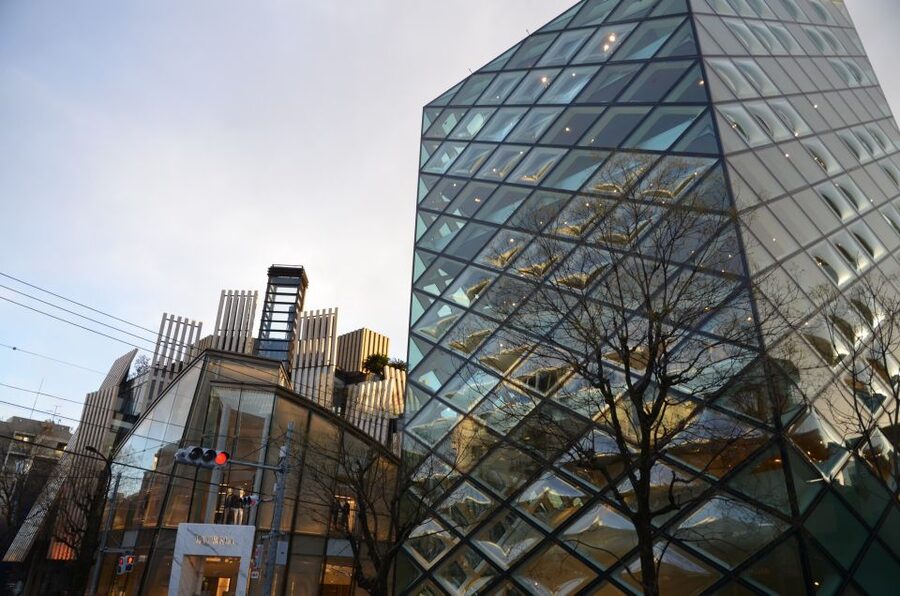
The backstreet portion is one of the most valuable parts of the route. After the polished avenue and high-profile buildings, you step into a neighborhood where the visual language changes.
The information available for the tour does not promise a fixed list of every lane or home you will see, and that is probably useful. Your guide can respond to the pace of the group and the interests of the people walking. You will observe a wider range of Japanese lifestyles than you would from the main shopping road alone.
This section also keeps the experience from becoming too commercial. You see that Harajuku is not only a place for young shoppers and international brands. The side streets add texture and give you a better sense of how the district functions beyond its most photographed addresses.
Cat Street may be part of the experience, and it gives the route another change of mood. It is described as lively and cozy, with enough appeal that a participant returned alone later. That makes it a useful place to note for your own Tokyo plans, even if your guide does not spend a long time there.
A cafe break and a manageable pace
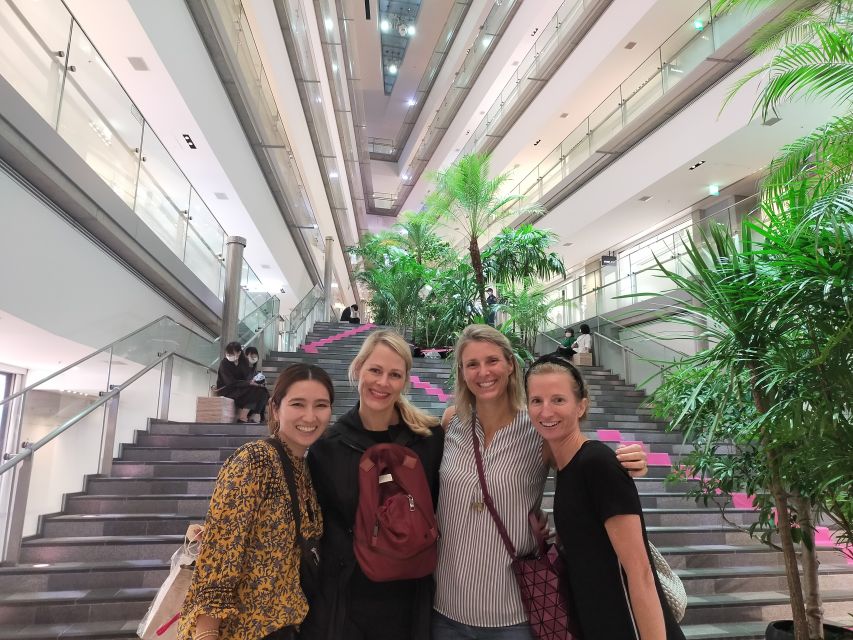
A short cafe stop with drinks is included. This is not a meal, so plan to eat before or after the tour if you need something substantial.
The break matters because the route lasts 210 minutes. You spend a long period on your feet, moving between major buildings and side streets. A pause lets you rest, ask follow-up questions, and watch people moving through Omotesando without rushing to the next stop.
The tour is private, so the pace can be more personal than on a large group walk. You can ask for more explanation at a building that interests you or move on from a stop that matters less. That flexibility is especially helpful for solo participants, couples, or families with different levels of interest in architecture.
You should still be realistic about the physical side. Comfortable shoes are specifically recommended, and the tour involves walking through an urban district for three and a half hours. The activity is wheelchair accessible, but you may want to confirm any route needs when booking, since the route includes streets, sidewalks, and a backstreet section.
Taking the tour during the day or at night
A daytime tour makes it easier to observe building details and compare the architecture with the surrounding streets. Natural light can also help if photography is your main goal.
An evening start offers a different experience. Store lighting can sharpen the lines of the facades and make the major fashion houses feel more theatrical. The tour specifically allows you to appreciate the architecture from this different perspective, so night is worth considering if you have already seen Omotesando during the day.
The best choice depends on your priorities. Choose daytime if you want to study materials and forms clearly. Choose night if you care most about atmosphere and photographs of illuminated storefronts. Starting times vary, so check availability before you settle your plans.
What the $129 price delivers
At $129 per person, this is not a bargain sightseeing walk. The price makes more sense if you are traveling as a private group and want an English-speaking guide who can adapt the route to your interests.
You are paying for three and a half hours of guided attention, not admission tickets or a meal. A private guide can answer questions, change the order of stops, and spend extra time on the buildings that matter to you. That is more useful for a serious architecture fan than a generic orientation walk.
The value is also stronger if you are traveling with several people who share the same interest. A solo visitor can still enjoy the experience, and one solo participant had a particularly positive time, but the per-person cost may feel high if you only want a quick look at Omotesando’s storefronts.
If you already plan to walk through Harajuku on your own, you can see many of the buildings from the street without paying for a guide. The tour earns its price through interpretation, route planning, and access to architectural context. Ask yourself if you want to understand the area or simply pass through it.
The guides make the difference
The guide is the most important variable in a tour like this. The route is interesting, but the buildings become memorable only when someone can explain their purpose, design, and place in Tokyo.
The guides connected with this experience have included people with strong professional or personal ties to architecture. Taka’s background as a retired urban planner and MIT graduate gives him a useful urban perspective. Other guides have been praised for fluent English, preparation, warmth, and a sincere interest in the neighborhood.
Mari Sakai, for example, has been described as highly motivated and well prepared, even bringing accessories to support her explanations. Yoshi has also received strong praise, as has Hal, who explained the story behind the buildings in a way that suited people passionate about architecture.
The experience is not limited to formal experts. It also depends on whether your guide listens to what you want. Before the walk, share any architects, buildings, or design questions that interest you. The private format gives the guide a chance to shape the route around those requests.
Who should book this experience
I would recommend this walk to you if:
- You enjoy architecture, urban design, or fashion branding.
- You want more than a shopping route through Harajuku.
- You prefer a private guide who can answer questions in English.
- You are happy to walk for 210 minutes.
- You want to compare Omotesando with areas such as Ginza.
- You would like to see both major commercial buildings and ordinary side streets.
- You are interested in photography, especially after dark.
I would think twice if you want a food tour, a shopping assistant, or a short sightseeing loop. Meals are not included, and the focus is on buildings and neighborhoods rather than buying anything.
The experience can suit families, couples, solo visitors, and small groups, but the strongest match is someone who wants to look closely at the city. You do not need to be an architect. Curiosity is enough.
Should you book the Harajuku Omotesando architecture tour?
Book it if you want to see Tokyo through its buildings rather than only its famous sights. The combination of Meiji Shrine, Yoyogi Gymnasium, major designer stores, Cat Street, and quieter side streets gives you a fuller picture of Harajuku and Omotesando.
The price is fair for a private, flexible English-language walk, especially when several people share the experience. It is less compelling if you only want photographs of storefronts, since you can view many of them independently.
Wear good shoes, arrive carefully at Café Mori no Terrace, and tell the guide what interests you before you start. If architecture is a real part of your Tokyo plans, this tour gives you a useful three-hour framework and plenty of ideas for exploring the district on your own afterward.
FAQ
How long is the Private Harajuku Omotesando Architecture Tour?
The tour lasts 210 minutes, or three and a half hours.
How much does the tour cost?
The listed price is $129 per person.
Is the tour private?
Yes. The activity is offered for a private group.
What language is the tour conducted in?
The tour is conducted in English with a live English-speaking guide.
Where does the tour meet?
The meeting point is in front of Café Mori no Terrace, in the large open area by the wooden entrance gate to Meiji Shrine. The address is 1 Yoyogikamizonocho, Shibuya City, Tokyo 151-0052.
How do I reach the meeting point from JR Harajuku Station?
Leave JR Harajuku Station through the Omotesando exit and walk toward the forest. Do not go through a Shinto gate from the station. Be careful not to confuse Café Mori no Terrace with the similarly named cafe inside Meiji Shrine.
Are drinks included?
Yes. The tour includes a break with drinks.
Are meals or transportation included?
No. Meals are not included, and transportation fees to and from the Harajuku Omotesando area are also not included.
Is the tour wheelchair accessible?
Yes, the activity is listed as wheelchair accessible. Comfortable shoes are recommended for the walking route.
Just added in Japan
- Tokyo Architecture and Contemporary Art Walking Tour with a local guide★ 5.0 · 15 reviews
- Japanese Garden & Western Architecture: Akasaka exploration tour★ 5.0 · 9 reviews
- Small-Group Architecture Tour in Ginza, Tokyo★ 5.0 · 6 reviews
- Private Ueno Park Architecture Walking Tour★ 5.0 · 8 reviews
- [Aomori Prefecture] Tour the history and architecture in Towada City, the art city★ 5.0 · 6 reviews
- Private Ginza Architecture Tour★ 5.0 · 3 reviews
- Private Ueno Park Architecture Tour★ 5.0 · 5 reviews
- Kyoto: Nijo Castle & Gardens 2-Hour Guided Tour★ 4.5 · 2 reviews
Tokyo Architecture Tours, compared.
Shibuya Highlights Walking Tour & Secret View Spot
Read our review →
Private Harajuku Omotesando Architecture Walking Tour
Read our review →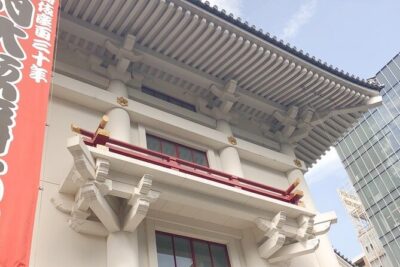
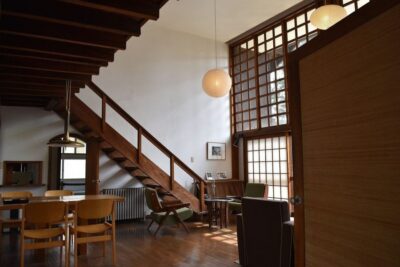
Private Edo-Tokyo Open Air Architectural Museum Tour
Read our review →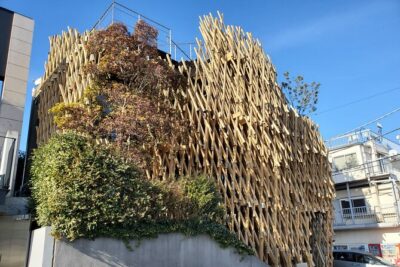
Tokyo Architecture and Contemporary Art Walking Tour with a local guide
Read our review →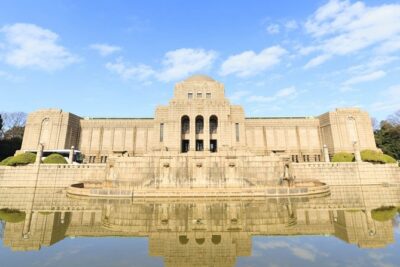
Japanese Garden & Western Architecture: Akasaka exploration tour
Read our review →
Browse the lists this tour appears in