
REVIEW · TOKYO ARCHITECTURE TOURS
Private Ginza Architecture Tour
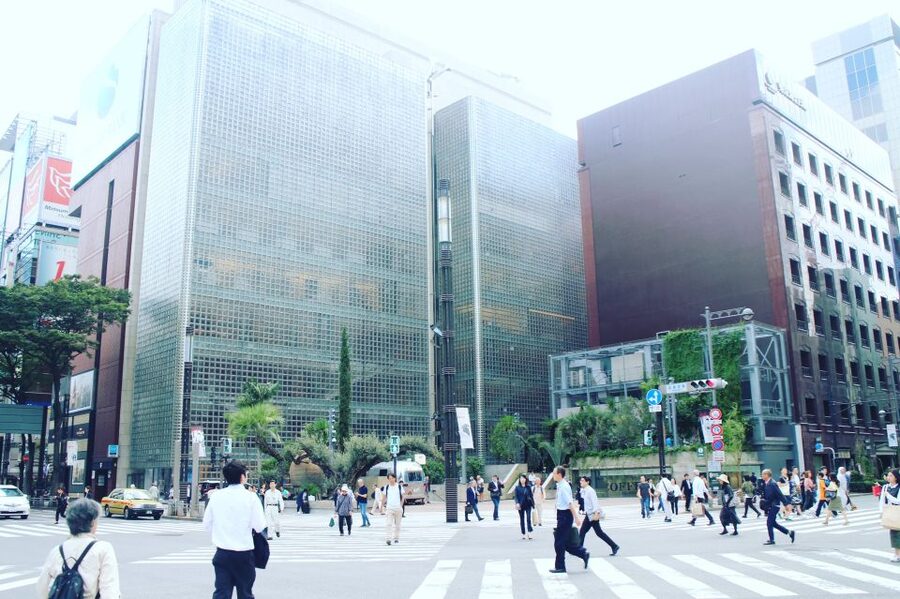
Look up in Ginza, and Tokyo changes shape. This private 210-minute walk links temples, theaters, luxury storefronts, Metabolism-era design, and quiet side streets into one thoughtful route through central Tokyo. You are not simply walking past famous buildings. You are learning how Ginza balances old forms with bold new ideas.
I especially like the carefully mixed itinerary, which begins at the unusual Tsukiji Hongwan-ji temple and ends at the familiar Wako clock tower. I also like the private format, since you can ask questions and spend more time on the buildings that catch your eye. The main consideration is the price: at $129 per person, this makes the most sense if architecture is a real interest rather than a casual side activity.
The English-speaking guide is a key part of the experience. Available five-star feedback praises the guide’s competence and pleasant manner, which matters on a tour built around details you could easily miss on your own. A short drink break also gives your feet and your attention a welcome pause.
Key points to know before booking
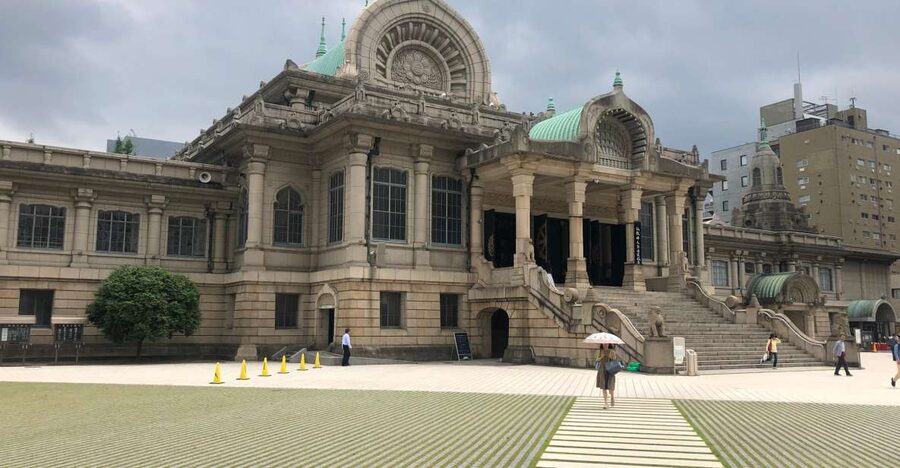
- Tsukiji Hongwan-ji is the unusual starting point: Its exterior draws on Indian design, while the inside feels closer to a European church.
- The route covers both famous and less obvious Ginza: You see major landmarks, luxury architecture, and a side-street neighborhood that reveals another side of the district.
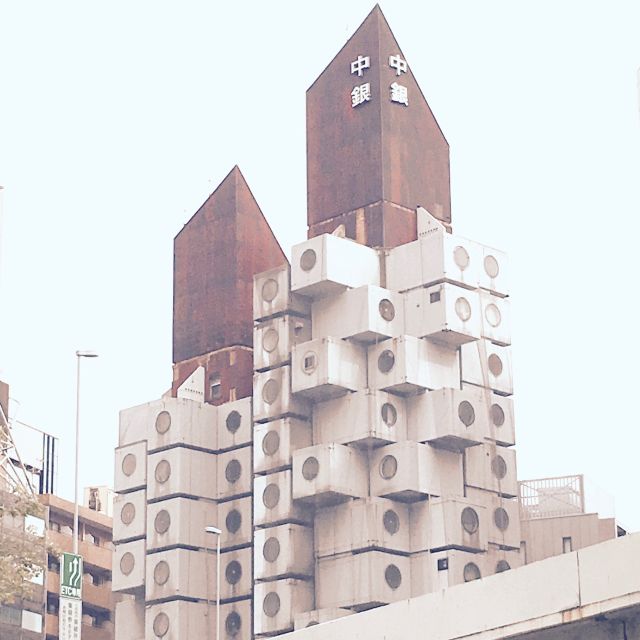
- Japanese Metabolism gets a place on the route: The tour includes architecture linked to the 1960s and 1970s movement that imagined new forms of urban living.
- Kabuki-za connects past and present: The current theater, completed in 2013, carries forward traditional Japanese design.
- The private format offers room for questions: You are not sharing the walk with a large group, and the guide can focus on your interests.
- The cost includes a guide, walking tour, and drinks: Meals and transport to and from the Ginza area are extra.
Why this Ginza walk is different from ordinary sightseeing
Ginza is often treated as a shopping district. That is fair, but incomplete. Its broad streets and polished storefronts also form one of Tokyo’s best collections of modern architecture, with design ideas changing from block to block.
This tour gives you a useful way to read the area. You begin with a religious building, move to a theater rooted in traditional style, then pass through some of Ginza’s most carefully designed commercial buildings. The route finishes at the Ginza 4-chome intersection, where the Wako building and its clock are among Tokyo’s most recognizable urban images.
The value is not just in seeing these places. It is in understanding the contrast between them. A traditional visual language appears beside glass, metal, geometric facades, and luxury retail spaces. The tour also adds a private side trip into a backstreet neighborhood, so Ginza does not remain a collection of grand main roads.
At 210 minutes, this is a serious walking tour rather than a quick orientation. You should expect to spend more than three hours looking upward, listening, stopping for explanations, and moving between sites. Wear comfortable shoes and avoid scheduling something that requires you to rush away immediately afterward.
More private tours in Japan:
- Private Harajuku Omotesando Architecture Walking Tour
★ 5.0 · 67 reviews - Private Ginza Architecture Walking Tour
★ 5.0 · 50 reviews - Private Harajuku Omotesando Architecture Tour
★ 4.9 · 18 reviews
Starting at Tsukiji Hongwan-ji temple
The meeting point is in front of the main gate of Tsukiji Hongwan-ji temple. From Exit 1 of Tsukiji Station on the Tokyo Metro Hibiya Line, turn left and walk straight for less than a minute. This is a simple meeting point, though you should check that you are using the Hibiya Line station rather than another nearby station with a similar name.
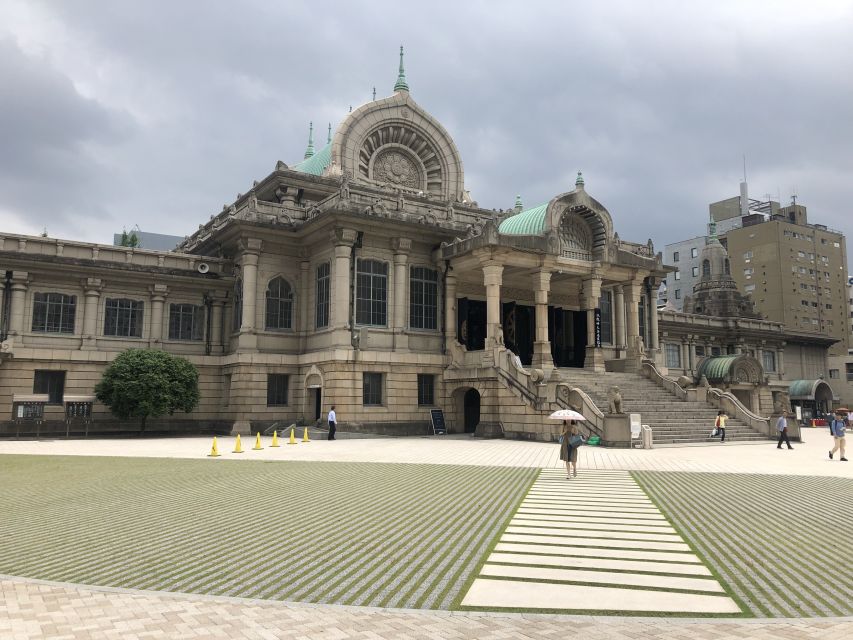
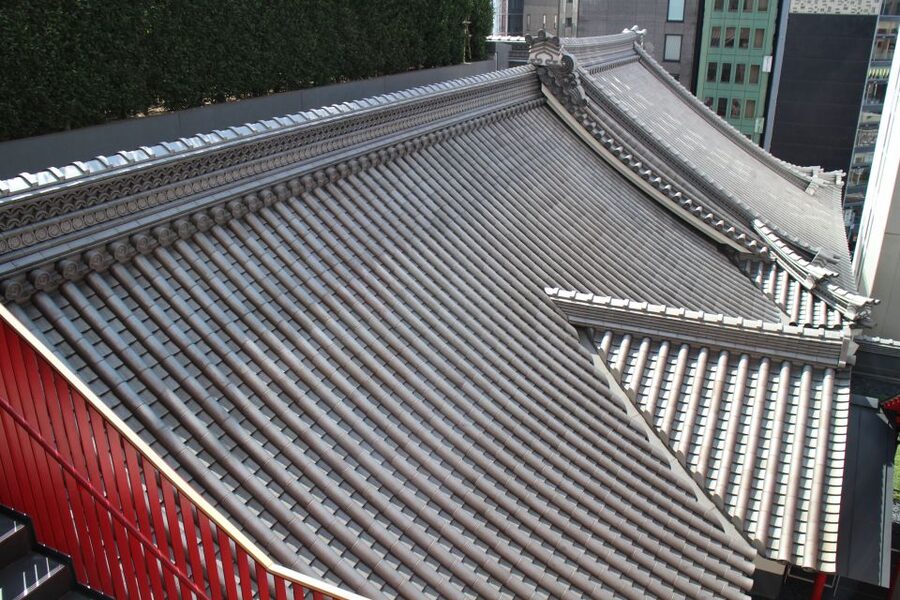
Tsukiji Hongwan-ji is a strong opening because it immediately challenges your expectations. The exterior has an Indian style, while the interior resembles a European church. That combination is unusual enough to make the first stop memorable, and it gives the guide a useful example of how Japanese architecture can borrow from several traditions at once.
The temple also widens your view of Tsukiji. Many people think first of the former fish market, but this building offers a different reason to visit the area. You begin with architecture that is not neatly contained in one national or religious style.
Give yourself enough time at this stop. The point is not only to take a picture of the facade. Look for the change in mood between the outside and inside, and listen for how the guide explains the building’s place in the wider Ginza and Tsukiji area.
Kabuki-za and the return of traditional style
From the temple, the tour continues to the Kabuki theater rebuilt in 2013. This is an important contrast to the first stop. Instead of a temple with an Indian-style exterior, you see a newer theater that carries traditional Japanese design into a contemporary building.
The value here is the idea of inheritance. The current Kabuki-za is not presented as a museum piece. It is a working theater built for the present while retaining a recognizable visual connection to earlier generations. That makes it useful for understanding how Tokyo handles tradition: not by freezing it in place, but by giving it a current role.
You will likely appreciate this stop most if you enjoy the relationship between old and new. The building helps explain why a modern city can still use familiar rooflines, proportions, and decorative language without pretending that time has stopped.
One practical point: the tour is focused on architecture, so do not expect a performance or a long theater visit unless specifically stated by the guide. You are seeing and discussing the building as part of a walking route.
The commercial architecture of Ginza
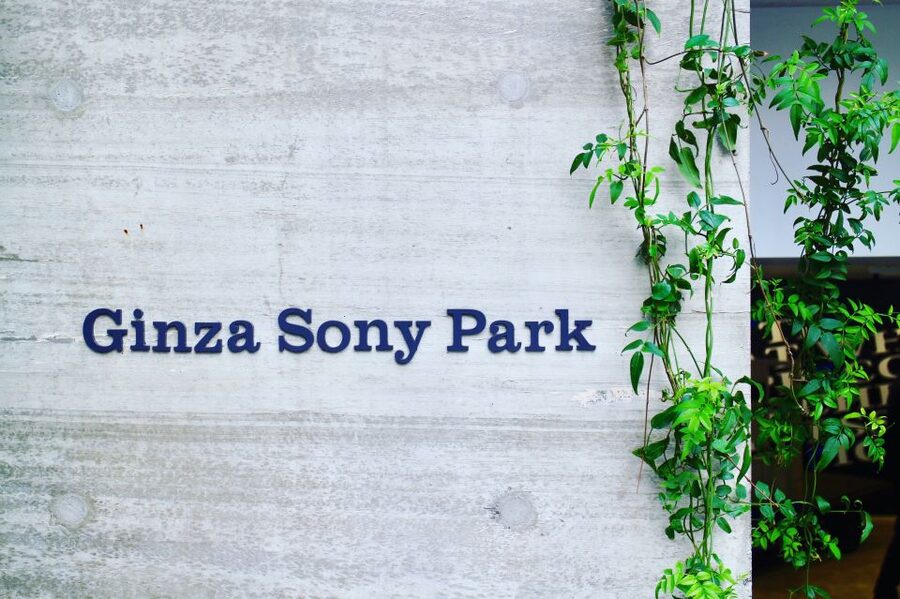
The middle section takes you through a series of major buildings: the Nicolas G. Hayek Center, Maison Hermes, Tokyu Plaza Ginza, and Mikimoto Ginza 2. Each building gives you a different version of commercial design.
The Nicolas G. Hayek Center is associated with a refined, brand-focused approach. Maison Hermes offers another polished expression, while Tokyu Plaza Ginza brings a more contemporary visual language. Mikimoto Ginza 2 adds another distinctive piece to the sequence. Seen together, these buildings show how luxury retail uses architecture to create identity before you even enter a store.
This is where a guide adds real value. On your own, you may notice that the buildings look different, but you may not know what to compare. A good explanation can direct your attention to materials, shape, scale, and the way each facade addresses the street.
The route also helps you avoid a common mistake. Ginza architecture is not one single style. It is a collection of individual statements placed close together. One storefront may feel restrained, another playful, and another almost abstract. Walking between them makes those differences easier to see than viewing isolated buildings in a photo guide.
There is a practical limitation. These are commercial buildings, not all-day museum visits. The experience focuses on their exterior design and their role in the district. If your main interest is shopping, you may wish for more time inside the stores. If your interest is urban design, the quick sequence is an advantage because you can compare several examples in one walk.
A few more architecture tours in Japan worth a look
- Tokyo Architecture and Contemporary Art Walking Tour with a local guide
★ 5.0 · 15 reviews - Private Edo-Tokyo Open Air Architectural Museum Tour
★ 4.8 · 15 reviews - Japanese Garden & Western Architecture: Akasaka exploration tour
★ 5.0 · 9 reviews - Private Ueno Park Architecture Walking Tour
★ 5.0 · 8 reviews
The Metabolism movement and new ideas for Tokyo
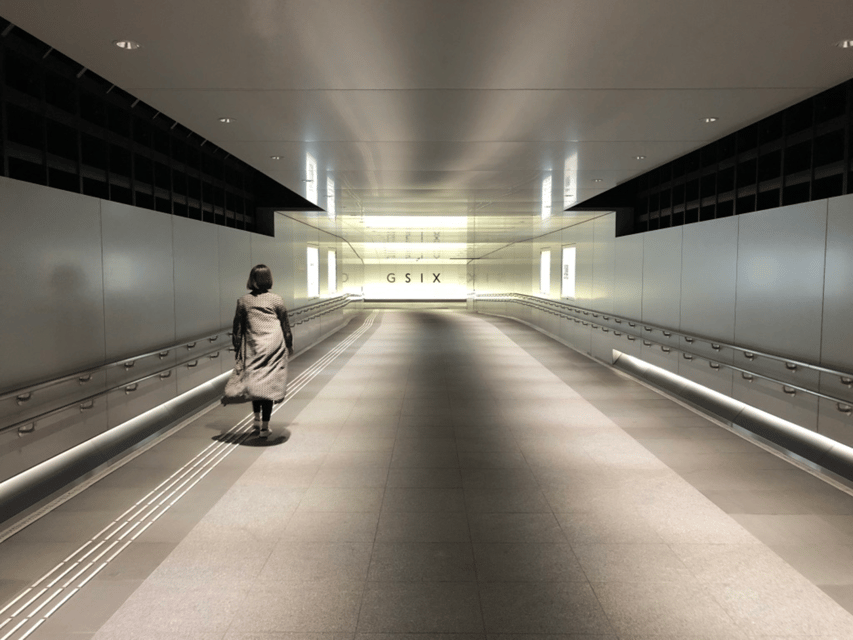
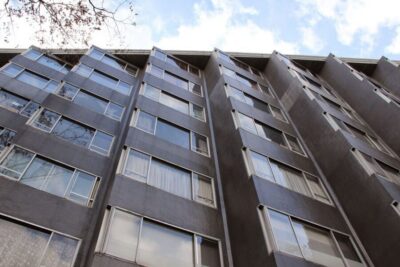
One of the most important themes is Japan’s Metabolism movement, an architectural and urban-planning movement linked to proposals for a new urbanism in the 1960s and 1970s. The tour includes a masterpiece connected with this movement, giving you a chance to see how Japanese architects imagined cities that could grow and change.
This context is valuable because Ginza is not only about finished facades. It is also about ideas for how a crowded city might organize itself. The Metabolism movement looked toward adaptable urban forms and large-scale change. You do not need a technical background to appreciate the discussion, but you should expect concepts that go beyond simple sightseeing.
The guide can help translate those ideas into visible details. Pay attention to how a building is organized, how repeated elements are used, and how the design suggests movement or expansion. The specific lesson is that architecture can be a proposal for city life, not just a decorated shell around shops and offices.
This portion may appeal most to people who enjoy design, planning, photography, or modern history. It may feel more demanding if you prefer only famous landmarks and quick facts. Still, the private format helps because you can ask for explanations in plain English rather than letting a technical subject pass you by.
Okuno Building and Ginza’s layered character
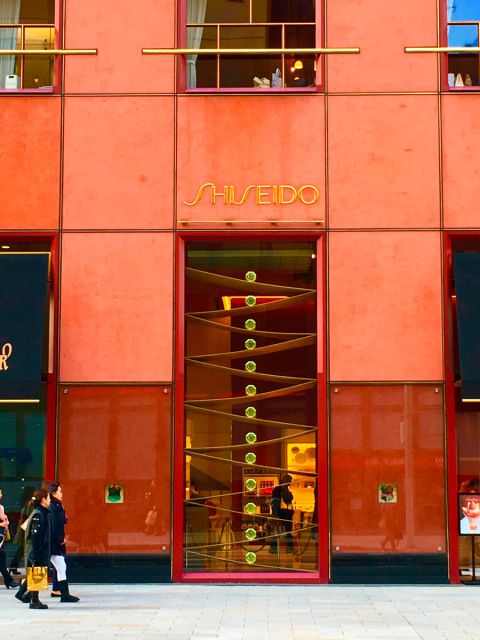
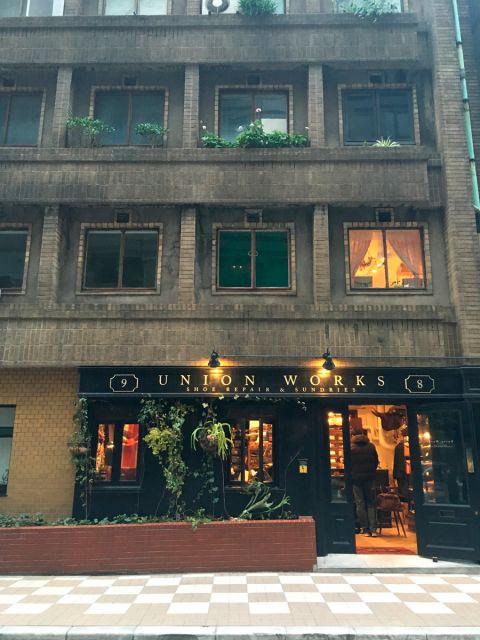
The Okuno Building adds another important note to the route. After the large commercial structures, this stop helps show that Ginza is not defined only by new luxury facades and big intersections.
The building belongs to the tour’s broader movement between traditional and modern work. It gives you another chance to compare scale, age, and architectural character. In a district known for major brands and prominent addresses, a building such as this helps create a more layered picture of Ginza.
This is also where the walking pace matters. You are not being driven from one isolated landmark to another. You are moving through the streets and seeing how different buildings meet at close range. That makes the area feel like a collection of decisions rather than a row of unrelated attractions.
The tour does not promise an interior visit at every stop, so keep your expectations focused on the architecture and the guide’s interpretation. The enjoyment comes from noticing relationships between buildings, not from checking off a list of indoor attractions.
The secret side trip into Ginza’s backstreets
The side trip into a backstreet neighborhood is one of the most useful parts of the route. Main-road Ginza can look polished and carefully presented. The smaller streets show a less formal side of the area.
This detour matters because it gives the tour some breathing room. You see that Ginza is not only department stores, luxury brands, and famous intersections. The backstreets offer a different sense of scale and help you understand how the district changes once you leave the main commercial corridors.
The exact details of this side trip are not specified, so you should treat it as a chance to observe rather than a guaranteed stop at a named shop or restaurant. That uncertainty is part of the appeal, but it also means you should not book the tour expecting a particular hidden venue.
For me, this is the kind of addition that makes a walking tour feel more grounded. Big buildings explain Ginza’s public face. The smaller streets show how the district works beyond its postcard views.
Finishing at Ginza 4-chome and the Wako building
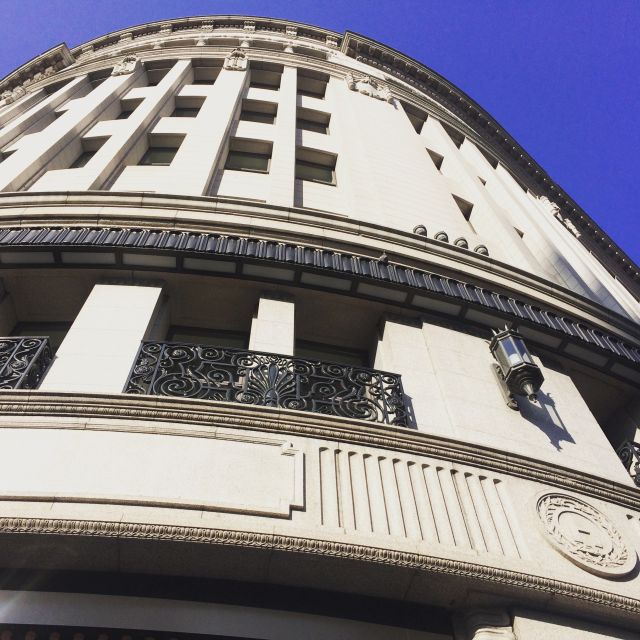
The tour ends at the Ginza 4-chome intersection, one of the district’s best-known meeting points. The Wako building, associated with the SEIKO watch brand, provides a clear finale and an easy place to continue exploring afterward.
Ending here makes practical sense. You finish near a major Ginza landmark rather than at an obscure street corner. You can use the area as a base for shopping, dining, further architecture walks, or onward transport, though your transport costs are not included in the tour price.
The Wako building also completes the route’s movement from unusual religious architecture to traditional theater design and then to modern commercial buildings. By the end, you have seen Ginza as a conversation between different periods and design approaches.
It is worth saving a little energy for this final stop. After several hours of looking at details, the broad view at the intersection gives you a chance to step back and see how the district’s architecture works at city scale.
What $129 per person buys you
At $129 per person, this is not a bargain sightseeing walk. You are paying for a private English-language guide, a long walking route, specialist attention, and a short drink break. The price is easier to justify if you would otherwise spend hours researching Ginza buildings or if you want to ask detailed questions as you go.
The private format is especially important here. Architecture tours work best when the guide can adjust the explanation to your interests. You may care most about the Metabolism movement, while someone else in a shared group might want more time on traditional design or luxury storefronts. A private group avoids that mismatch.
You should still weigh the cost against your plans. Meals are not included, and transportation to and from the Ginza area is also extra. The tour is not designed as a general food tour, shopping tour, or theater ticket. Its value comes from focused interpretation while walking.
A five-star rating from the available three reviews is encouraging, but it is a small sample. The clearest praise centers on the guide’s competence and pleasant manner. That is exactly the quality to look for in this experience, since the route depends on explanation rather than entertainment alone.
Free cancellation up to 24 hours before the start and the option to reserve now and pay later make planning less risky. Starting times vary, so check availability before building the rest of your day around the walk.
Who should book this private architecture walk
I would recommend this tour to you if you enjoy cities through their buildings, want a private English-speaking guide, or have already seen Tokyo’s main sights and want a more focused look at Ginza. It also suits photographers, design students, urban-planning fans, and visitors who prefer a slow, question-friendly route.
It is less suitable if you dislike walking for several hours, want extensive interior access, or mainly want shopping and food. The tour covers a lot of ground and includes a drink break, but it is not a meal experience.
Families and mixed-interest groups may also want to think about the pace. A private tour gives you flexibility, but the subject remains architecture. Younger children or anyone uninterested in buildings may find the explanations long.
Final recommendation: a good choice for design-minded visitors
Book this tour if you want Ginza explained rather than simply photographed. The combination of Tsukiji Hongwan-ji, Kabuki-za, the Metabolism movement, major commercial buildings, Okuno Building, and the backstreets creates a thoughtful route with real variety.
Skip it if $129 feels high for a walking tour or if you want food, shopping, or entertainment to lead the day. For the right audience, though, the private setting and praised guide make the price reasonable. You leave with more than a list of buildings. You gain a clearer sense of how Tokyo places tradition, commerce, and experimental design side by side.
FAQ
Where does the Private Ginza Architecture Tour begin?
It begins in front of the main gate of Tsukiji Hongwan-ji temple.
How do I reach the meeting point?
Exit Tsukiji Station Exit 1 on the Tokyo Metro Hibiya Line, turn left, and walk straight for less than a minute.
How long does the tour last?
The tour lasts 210 minutes, or three and a half hours.
What language is the tour offered in?
The live tour guide speaks English.
Is this a private tour?
Yes. It is offered as a private group experience.
What buildings are included?
The route includes Tsukiji Hongwan-ji, Kabuki-za, Nicolas G. Hayek Center, Maison Hermes, Tokyu Plaza Ginza, Mikimoto Ginza 2, Okuno Building, and the Wako building at Ginza 4-chome.
Does the tour include the Metabolism movement?
Yes. The route includes a noted work connected with Japan’s Metabolism movement and its ideas about new urbanism during the 1960s and 1970s.
Is there a break during the walk?
Yes. A break with drinks is included.
Are meals included?
No. Meals are not included.
Is transportation to Ginza included?
No. Transportation fees to and from the Ginza area are not included.
Can I cancel for a refund?
You can cancel up to 24 hours in advance for a full refund.
Do I have to pay when I reserve?
No. The reserve-now, pay-later option lets you hold a spot without paying immediately.
Just added in Japan
- Tokyo Architecture and Contemporary Art Walking Tour with a local guide★ 5.0 · 15 reviews
- Japanese Garden & Western Architecture: Akasaka exploration tour★ 5.0 · 9 reviews
- Small-Group Architecture Tour in Ginza, Tokyo★ 5.0 · 6 reviews
- Private Ueno Park Architecture Walking Tour★ 5.0 · 8 reviews
- [Aomori Prefecture] Tour the history and architecture in Towada City, the art city★ 5.0 · 6 reviews
- Private Ueno Park Architecture Tour★ 5.0 · 5 reviews
- Kyoto: Nijo Castle & Gardens 2-Hour Guided Tour★ 4.5 · 2 reviews
- Private Edo-Tokyo Open Air Architectural Museum Tour★ 4.8 · 15 reviews
Tokyo Architecture Tours, compared.
Shibuya Highlights Walking Tour & Secret View Spot
Read our review →
Private Harajuku Omotesando Architecture Walking Tour
Read our review →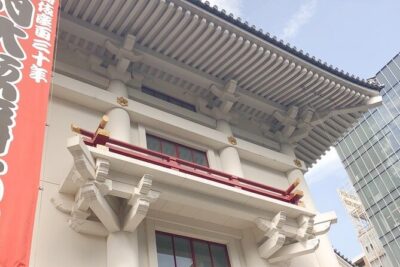
Private Edo-Tokyo Open Air Architectural Museum Tour
Read our review →
Tokyo Architecture and Contemporary Art Walking Tour with a local guide
Read our review →
Japanese Garden & Western Architecture: Akasaka exploration tour
Read our review →
Browse the lists this tour appears in