
REVIEW · TOKYO ARCHITECTURE TOURS
Japanese Garden & Western Architecture: Akasaka exploration tour
Tokyo has quiet corners worth seeking. This private Akasaka tour pairs the 400-year-old Hotel New Otani garden with Akasaka Palace, Meiji-era art, and a leafy ginkgo avenue. I like the calm pace and the way local guides explain Japan’s Edo and Meiji periods rather than simply pointing at buildings. I also like the private format, which gives your group room to ask questions.
The main catch is cost. At $82.42 per person, plus a listed ¥2,000 admission estimate, this is not Tokyo’s cheapest walking tour. You will also walk a lot, and the route ends at a different station from where it begins.
Key details before you book
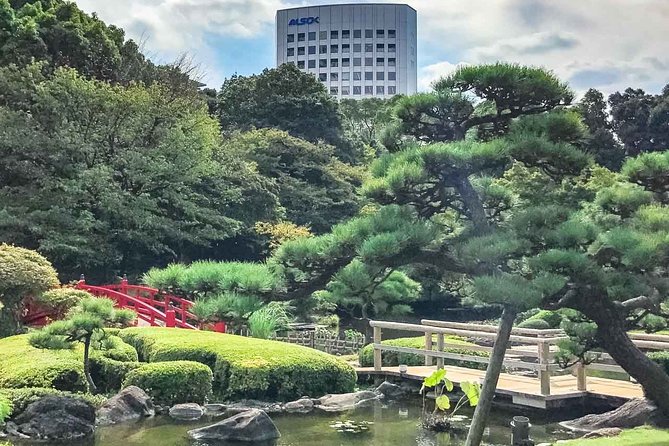
- A 400-year-old garden starts the walk: Waterfalls, ponds, and seasonal plants offer a quiet opening near Akasaka-Mitsuke Station.
- Akasaka Palace requires extra planning: The ornate State Guesthouse is the tour’s major architectural stop, with a listed entrance fee of ¥2,000 per person.
- The route ends at Gaiemmae Station: You finish near the Jingu Gaien ginkgo avenue, not back at the starting point.
- Private means flexible: Only your group takes part, and the guide’s expenses are included.
- The tour links two eras: The guide connects Tokugawa-period Akasaka with Meiji-era art and modern state ceremony.
- Bring comfortable shoes and cash: You will walk a lot, and some stops do not accept credit cards.
Why Akasaka makes a good half-day outing
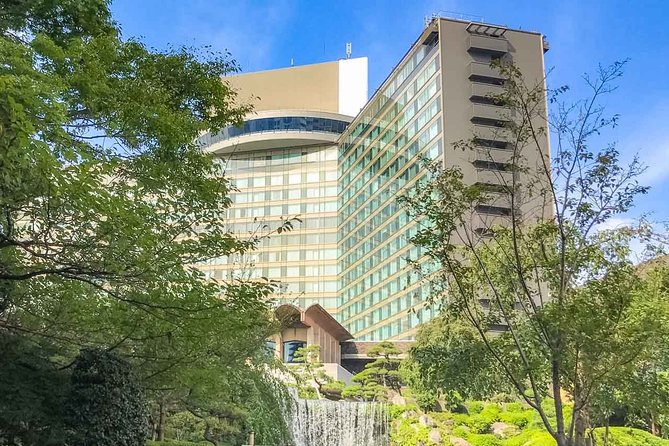
Akasaka gives you a useful change of pace from Tokyo’s tall buildings and crowded commercial streets. The district brings together formal government architecture, old garden design, Shinto tradition, public parks, and Meiji-era art within one three- to four-hour walk.
I especially like the historical range. The garden points back toward the Tokugawa shogunate, when elite estates and carefully planned grounds shaped this part of Tokyo. Akasaka Palace represents modern Japan’s ceremonial state, while the Meiji Memorial Picture Gallery turns your attention to the late nineteenth and early twentieth centuries.
That mix helps you see that Tokyo’s past is not kept in one isolated museum. It appears in ponds, shrines, avenues, palace gates, and public buildings. A good guide can connect those pieces, and this experience is built around that kind of explanation.
The advertised themes also include Inari Shrine and Shimizudani Park, along with a focus on gardens and shrines. The named route centers on the New Otani garden, Akasaka Palace, the Meiji Memorial Picture Gallery, and the ginkgo-lined street. Ask your guide at the start which stops are planned that day, since temporary closures, weather, or local conditions can change the route.
A few more architecture tours in Japan worth a look
- Private Harajuku Omotesando Architecture Walking Tour
★ 5.0 · 67 reviews - Private Ginza Architecture Walking Tour
★ 5.0 · 50 reviews - Private Harajuku Omotesando Architecture Tour
★ 4.9 · 18 reviews
Starting at Akasaka-Mitsuke Station
The meeting point is outside Akasaka-Mitsuke Station at 3-chome-1-6 Akasaka, in Minato City. This is a practical starting point because the tour begins in central Tokyo and quickly moves into quieter surroundings.
Your guide handles the necessary guide expenses, while the listed transportation cost is ¥0. That does not mean every possible cost is covered. Any transport you choose or need because of a route change, along with admission, food, and drinks, is your responsibility.
Since this is a private tour, your group does not have to share the guide with strangers. That matters in Tokyo, where a simple question about a shrine ritual, palace symbol, or garden feature can easily turn into the most memorable part of the walk. Several guides have led this experience, including Ayako, Sayaka, Mutsuko Takano, and Ume. Past comments describe Ume as professional and pleasant, Sayaka as enthusiastic, and Mutsuko as an excellent English speaker. Ayako was new when she first led the walk, but was described as calm and flexible.
Those details suggest a human, guide-led experience rather than a rigid audio tour. Still, guide experience and style can vary, so it is sensible to share your interests early. Tell the guide if you care most about architecture, gardens, religion, political history, or photography.
Hotel New Otani garden: a gentle start
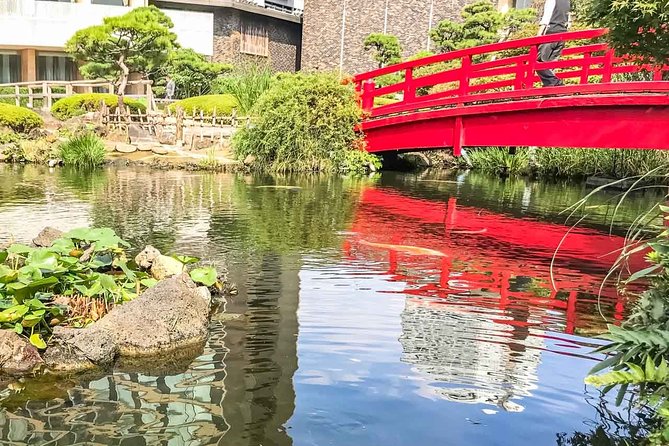
The first stop is the Japanese garden at Hotel New Otani, with about 40 minutes set aside. The garden has a 400-year history and includes waterfalls, ponds, and seasonal planting. You get a taste of traditional garden design without leaving the modern city behind.
This is likely the most relaxing part of the experience. Rather than rushing from one major sight to the next, you begin with water, greenery, and changing seasonal color. In spring, cherry blossoms may add a soft backdrop. Summer brings thick green growth, while autumn offers changing leaves and illumination.
The garden is also a useful place to learn how Japanese gardens guide your eye. Water, stone, planting, and carefully framed views work together. You may not notice every design choice on your own, but a local guide can point out why a waterfall, bridge, or pond matters.
The stop is free according to the tour details, though the garden is on hotel property. The schedule allows enough time for a proper look, but not an unhurried garden study. If your priority is photography or quiet contemplation, you may wish the visit lasted longer. The private format gives you a chance to ask for a little more time if the schedule allows, but the next stop still matters.
Akasaka Palace and Japan’s ceremonial face
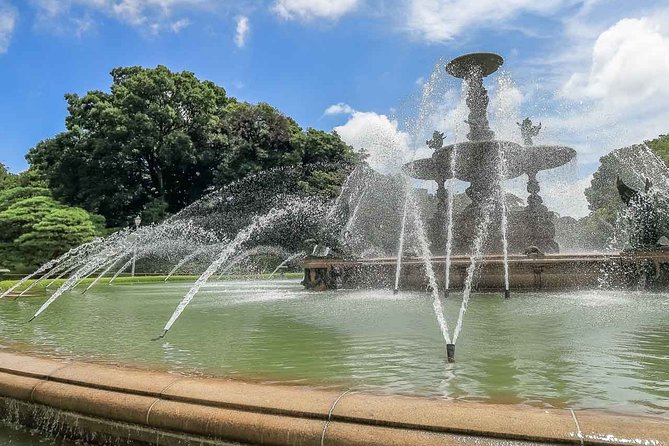
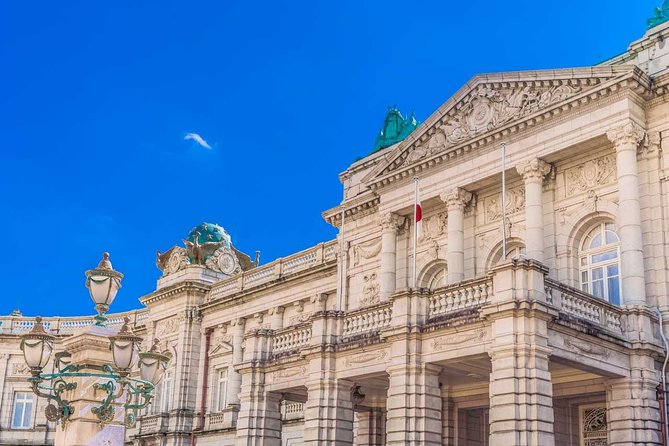
Akasaka Palace receives about 50 minutes and is the most formal stop on the route. The building serves as a state guesthouse for kings, presidents, and other visiting dignitaries. Its castle-like appearance is a sharp contrast to the garden’s softer mood.
The palace is valuable because it shows how Japan presents itself to the world. The setting is not simply an old royal residence or decorative building. It is a working reception facility tied to international diplomacy and official ceremony.
The tour description presents the palace as a place where you can feel like a VIP. That is a playful way to put it, but the useful point is the change in scale. After a traditional garden, you move into grand architecture designed to impress.
Admission is not included. The stated estimate is ¥2,000 per person, identified specifically as the Akasaka Palace entrance fee. Keep that extra amount in your budget, and bring cash because some places on the route may not accept credit cards. The details also identify admission at the Meiji Memorial Picture Gallery as not included, so confirm the day’s exact charges with your guide.
A practical warning: the palace can be affected by opening schedules or temporary closure. If access changes, the route may use another stop. That flexibility is helpful, but it also means you should not book this tour expecting every interior space to be guaranteed.
Same city, a different building to stand in front of:
- Tokyo: Shibuya Highlights Walking Tour & Secret View Spot
★ 5.0 · 287 reviews - Tokyo Architecture and Contemporary Art Walking Tour with a local guide
★ 5.0 · 15 reviews - Private Edo-Tokyo Open Air Architectural Museum Tour
★ 4.8 · 15 reviews - Private Ueno Park Architecture Walking Tour
★ 5.0 · 8 reviews
Meiji Memorial Picture Gallery and the end of an era
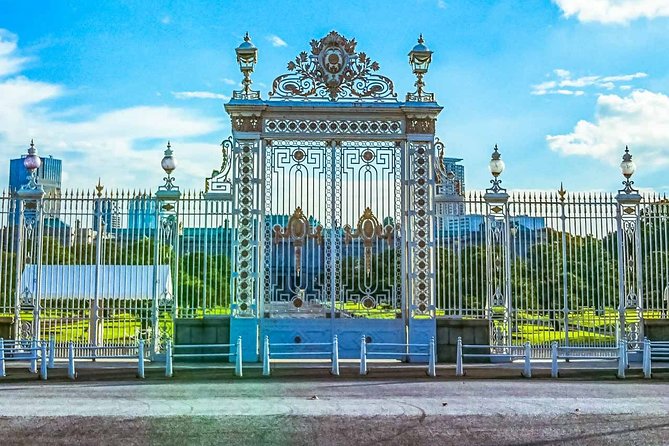
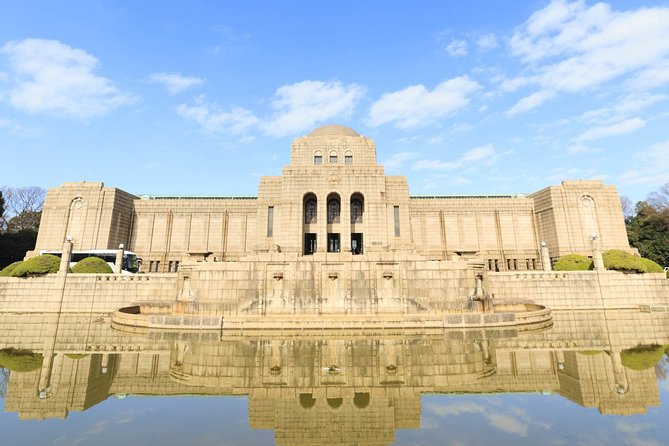
The Meiji Memorial Picture Gallery receives about 40 minutes. Its dome-shaped building focuses on the Meiji era, a period of sweeping political, social, and technological change in Japan.
Inside, the gallery displays paintings and murals connected with that period. Even if you are not an art specialist, the stop adds useful context after the palace. You are no longer looking only at a building used for official events. You are considering how Japan represented its transformation into a modern state.
I like this part of the route because it prevents the tour from becoming only a garden and palace stroll. The gallery adds images, public memory, and a visual record of national change. A guide can help explain what the paintings show and why the building was designed with such a prominent dome.
The drawback is time. Forty minutes is enough for an introduction, but not a slow examination of every painting or mural. Admission is not included, and the supplied cost information does not give a separate gallery price. If the museum matters greatly to you, ask about the fee and available time before you begin.
Jingu Gaien’s ginkgo avenue
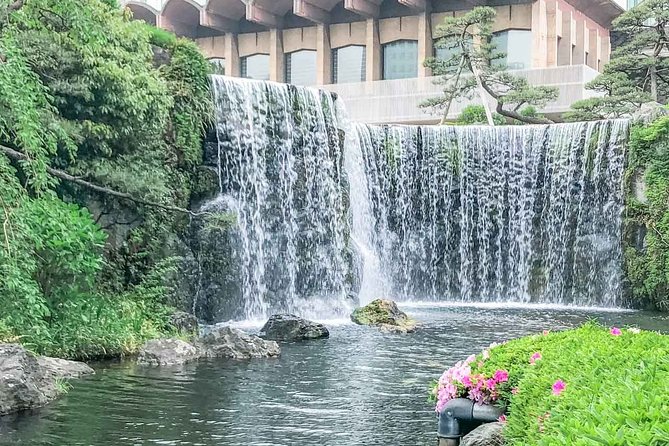
The final scheduled stop is the Jingu Gaien ginkgo tree-lined street, with about 20 minutes. The avenue is one of Tokyo’s most recognizable seasonal scenes, especially when the trees change color.
This is a strong finish because it brings the tour back outdoors. After the palace’s ceremony and the gallery’s interior displays, you end beneath a long row of trees and close to Gaiemmae Station. The avenue also gives you a clear sense of Tokyo’s public spaces: designed, accessible, and used as part of everyday city life.
Twenty minutes is brief, but probably enough for a walk, photographs, and a final explanation. The experience ends at Gaiemmae Station, at 2-chome-7-16 Kitaaoyama. If you need to return to Akasaka-Mitsuke, plan your onward route separately. You can ask the guide about changing the finishing point, but it is not automatically the same as the starting point.
What the private format is worth
Private tours cost more than group walks, so the value depends on how you travel. At $82.42 per person, the price is easier to justify for a couple, family, or small group that wants direct access to a guide. It is less compelling if you are comfortable reading signs, navigating Tokyo trains, and visiting the palace and garden on your own.
The strongest value is the interpretation. A garden can be beautiful without explanation, but you may leave without understanding its age or design. A palace can look grand, but a guide helps connect it to Japan’s diplomatic role. The tour also gives you a structured route between several places that are easy to treat as unrelated sights.
Transportation is listed at ¥0 in the estimated cost, and there is no meal included. The tour does not stop at a dining venue, so eat before or after the walk. You will need to pay for admission and any food or drink yourself.
The booking pattern suggests planning ahead may be wise, with the experience averaging 164 days booked in advance. That is not a guarantee of availability, but it is a good reason not to wait until the last day of a Tokyo visit.
Walking, weather, and practical preparation
The tour lasts about three to four hours and involves substantial walking. Wear comfortable shoes and clothing, especially if you are visiting in hot weather or during a rainy period.
Bad weather can change the transport method, destinations, or route. Temporary closures can also lead to alternative stops. That flexibility protects the day from being ruined by conditions, but it means the precise sequence is not fixed.
The experience is near public transportation, and most people can participate. Still, the walking requirement matters more than the basic participation note. If you tire easily, tell the guide at the beginning so the pace and stop lengths can be discussed.
Carry some Japanese yen. The tour notes that certain visited spots do not accept credit cards. A mobile ticket is available, and booking confirmation is provided at the time of booking, which makes the administrative side fairly simple.
Cancellation is free up to 24 hours before the local start time. Cancellations or changes made less than 24 hours before departure are not accepted for a refund.
Who will get the most from this Akasaka tour?
I would choose this experience if you want history explained in plain language and prefer a calm walk to a crowded sightseeing circuit. It suits first-time visitors who want help reading Tokyo’s layers, as well as repeat visitors who have already seen the major downtown districts.
It is particularly good for people interested in Japanese gardens, the Tokugawa shogunate, the Meiji era, official architecture, and local cultural customs. One guide even helped arrange a reservation at an authentic tea shop, though that should be treated as a helpful possibility rather than a standard tour inclusion.
Families and small private groups may appreciate the flexible setting. Couples who want gardens and architecture will find plenty to photograph. It is less suitable if you want nightlife, shopping, a food experience, or a long museum visit.
Should you book it?
Book this tour if you value a personal guide, want to connect Edo and Meiji history, and like the idea of moving through gardens, a palace, a museum, and a tree-lined avenue in one morning or afternoon.
Skip it if the $82.42 price feels high for a walking route, if you prefer to set your own pace, or if Akasaka Palace is the only stop you care about. Remember to add the listed ¥2,000 admission estimate, bring cash, wear good shoes, and confirm the day’s route.
For the right visitor, the appeal is simple: you get a quieter side of Tokyo, useful historical context, and a private guide who can turn four separate sights into one coherent walk.
FAQ
How long does the Akasaka exploration tour last?
The tour lasts approximately three to four hours.
What is the price per person?
The listed price is $82.42 per person.
Is the tour private?
Yes. Only your group participates in the private tour.
Where does the tour start?
It starts at Akasaka-Mitsuke Station, at 3-chōme-1-6 Akasaka, Minato City, Tokyo.
Where does the tour end?
It ends at Gaiemmae Station, at 2-chōme-7-16 Kitaaoyama, Minato City, Tokyo.
Is transportation included?
The estimated transportation cost is listed as ¥0. Any transportation costs incurred at visited spots or because of route changes are paid by the customer.
Is the Akasaka Palace entrance fee included?
No. The entrance fee is listed separately at ¥2,000 per person.
Is food included?
No. The tour does not include a dining stop, meals, or drinks.
Should I bring cash?
Yes. Some places visited during the tour may not accept credit cards.
What happens if the weather is bad?
The transportation method, destinations, or route may change in bad weather. Temporary closures may also result in alternative stops.
Just added in Japan
- Tokyo Architecture and Contemporary Art Walking Tour with a local guide★ 5.0 · 15 reviews
- Small-Group Architecture Tour in Ginza, Tokyo★ 5.0 · 6 reviews
- Private Ueno Park Architecture Walking Tour★ 5.0 · 8 reviews
- [Aomori Prefecture] Tour the history and architecture in Towada City, the art city★ 5.0 · 6 reviews
- Private Ginza Architecture Tour★ 5.0 · 3 reviews
- Private Ueno Park Architecture Tour★ 5.0 · 5 reviews
- Kyoto: Nijo Castle & Gardens 2-Hour Guided Tour★ 4.5 · 2 reviews
- Private Edo-Tokyo Open Air Architectural Museum Tour★ 4.8 · 15 reviews
Tokyo Architecture Tours, compared.
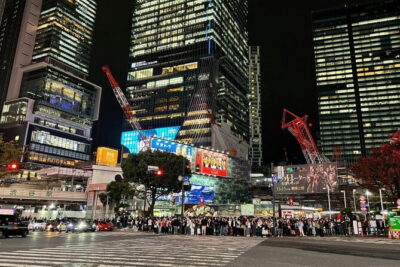
Shibuya Highlights Walking Tour & Secret View Spot
Read our review →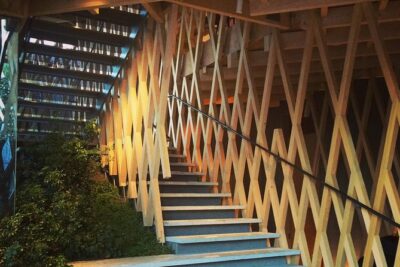
Private Harajuku Omotesando Architecture Walking Tour
Read our review →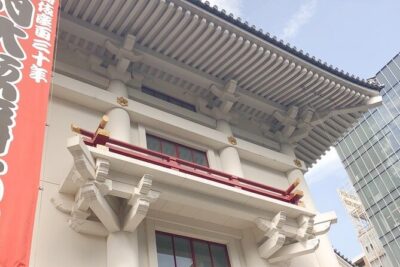
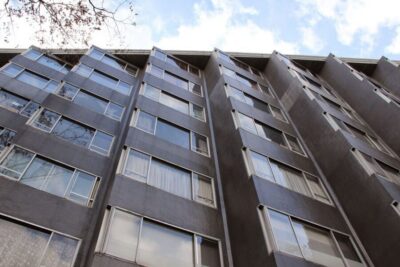
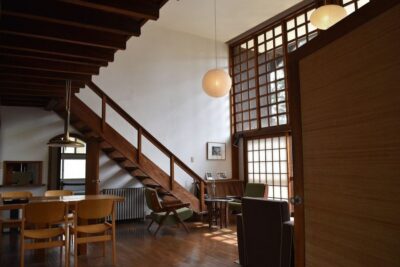
Private Edo-Tokyo Open Air Architectural Museum Tour
Read our review →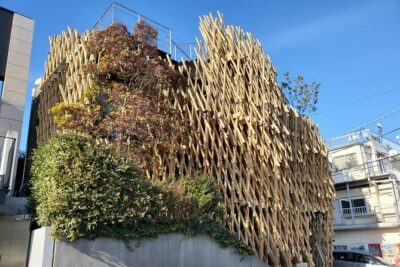
Tokyo Architecture and Contemporary Art Walking Tour with a local guide
Read our review →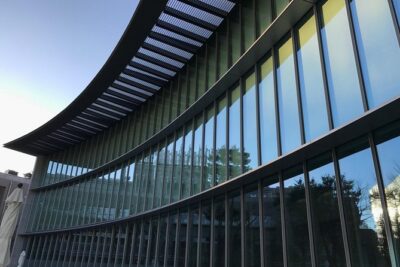
Browse the lists this tour appears in