
REVIEW · TOKYO ARCHITECTURE TOURS
Private Edo-Tokyo Open Air Architectural Museum Tour
Tokyo’s past is hiding in plain sight. This private five-hour outing takes you from the station to the Edo-Tokyo Open Air Architectural Museum, where relocated homes, shops, a bathhouse, and public buildings show how Japan changed from the samurai era through the Meiji and Showa periods. I like the personal guide format and the chance to see both Japanese and European design influences in one place.
I also like that the tour can follow your interests. If you care about tea rooms, gardens, modern architecture, or social history, tell your guide early. Guides such as Yuichi and Yuki have been praised for clear English and warm, attentive help. The main drawback is cost: at $193 per person, with transport to the museum added separately, this is a serious spend for five hours. You also need to remove your shoes in many buildings.
Key points at a glance
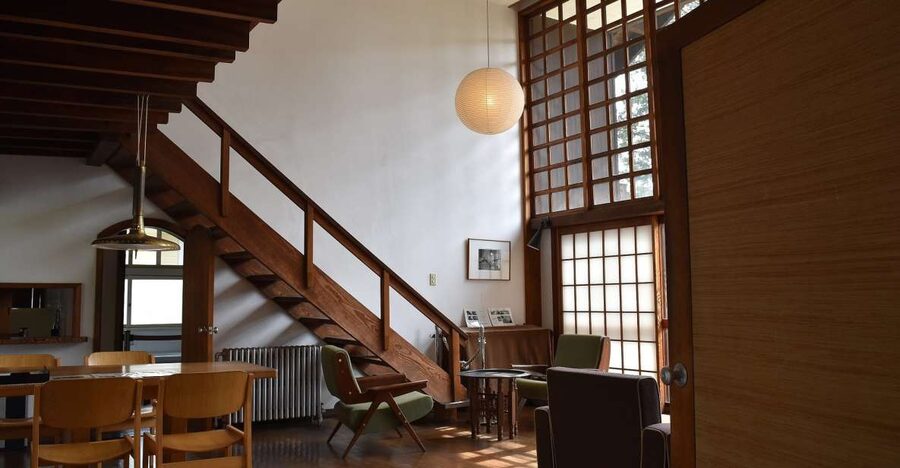
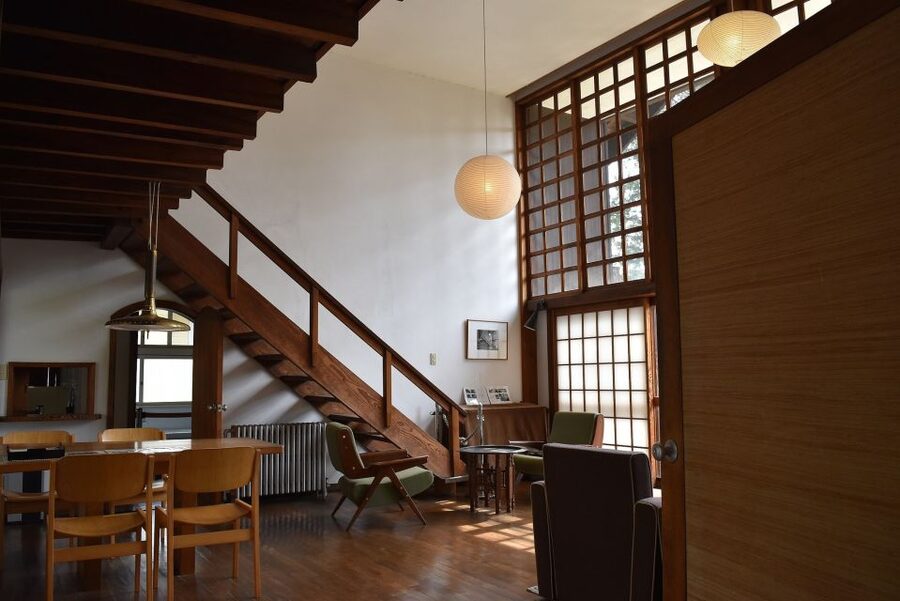
- Maekawa’s wartime modernism: See Kunio Maekawa’s sophisticated home, shaped by his work with Le Corbusier and Antonin Raymond.
- A Japanese take on European design: Sutemi Horiguchi’s 1925 house blends Dutch influence, Art Deco, De Stijl, and Japanese rooms.
- Mitsui family luxury: Enter a lavish residence linked to one of Japan’s wealthiest families.
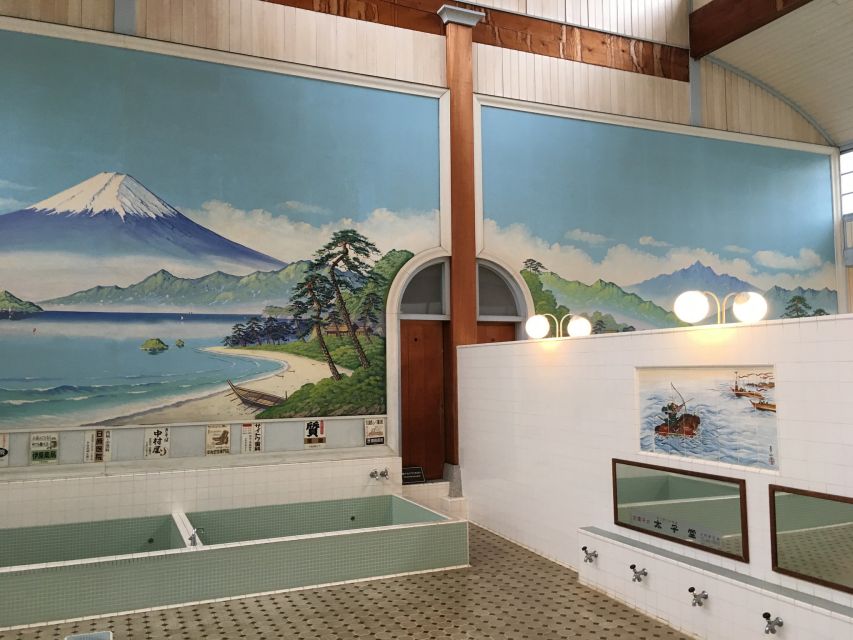
- A walk through old Shitamachi: The second half has the look of an animated Tokyo neighborhood, with a traditional bathhouse and an old train.
- Private attention for architecture fans: Your guide can adjust the pace and explain buildings in relation to Tokyo’s wider story.
- Plan for public transit: The tour begins at Tokyo Station or Shinjuku Station, and train and bus fares cost about 700 yen each way.
Why this museum makes a strong Tokyo side trip
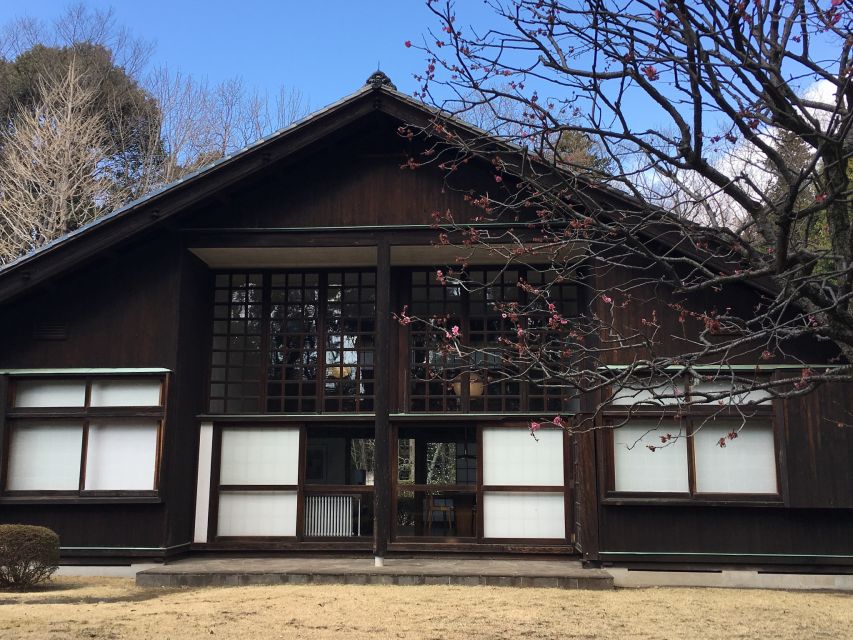
The Edo-Tokyo Open Air Architectural Museum is not a standard house museum. It gathers buildings from different parts of Tokyo and nearby areas, then places them in a spacious outdoor setting. You walk between them rather than moving from one sealed gallery to another.
That arrangement helps you see change over time. A traditional Japanese residence, a wealthy family home, a modern architect’s house, a public bathhouse, and an old railway carriage each tell a different part of Tokyo’s story. The buildings show how family life, status, technology, and foreign influence altered the city.
I find the private format especially useful here because the museum can otherwise feel like a collection of attractive old buildings without a clear thread. Your guide supplies that thread. You can ask why a room is arranged in a certain way, how Western design was adapted for Japanese living, or what happened to the original building before it was moved.
The five-hour duration gives you enough time for the journey, the museum, and a guided walk through the main areas. It is not a quick photo stop. You should choose it when you want to understand what you are seeing, not simply collect pictures of old houses.
More museum visits in Japan:
- Barcelona: Park Güell and Gaudí House Museum Entry Ticket
★ 4.5 · 6,326 reviews - Chelsea Galleries and High Line; Art, Architecture and History
★ 5.0 · 14 reviews - Castle to Capitol: Museums of the National Mall Architecture Tour
★ 4.5 · 9 reviews
Starting at Tokyo Station or Shinjuku Station
The stated meeting points are Tokyo Station Marunouchi Front Plaza or JR Shinjuku Station. At Tokyo Station, you should exit through the JR Marunouchi Central Gates and head toward the middle of the station building. The guide waits by the carriage porch used for VIP arrivals, with a Japanese flag on each side and a bag showing an illustration of the Nakagin Capsule Tower.
That last detail matters. Large stations can be confusing, especially when you are watching the clock and scanning faces for a guide. Look for the specific porch and bag rather than wandering around the whole station.
From the meeting point, you travel by train and bus to Tatemono-en, the museum’s Japanese name. Transport is not included in the tour price, and the expected fare is about 700 yen each way. This is a small extra compared with the tour cost, but you should carry enough Japanese yen or have a dependable way to pay for local transit.
The journey is part of the practical value. Tokyo’s rail and bus system is efficient, yet it can feel demanding on a first visit. A guide who walks you through the connections lets you spend less energy reading station signs and more energy thinking about the museum. One important clarification: the published meeting point is a station, not a private car pickup from your hotel. Do not book this expecting a chauffeured transfer.
Kunio Maekawa’s modern house and a wartime story
The tour begins with a house designed by Kunio Maekawa. Maekawa worked with Le Corbusier and Antonin Raymond, two major figures in modern architecture, before helping shape modern design in Japan.
The building was constructed during the Second World War. That fact gives the house extra weight. It was created in a difficult period, yet its design shows a high level of thought and sophistication. Your guide can help you see how Maekawa worked within Japan while responding to ideas from the wider architectural world.
This stop is valuable because it prevents the museum from being reduced to old wooden homes and nostalgia. You see Japan looking forward as well as back. The house connects local building traditions with modern architectural thinking, making it a strong opening for the day.
You should pay attention to how the building feels rather than expecting a textbook lecture. The appeal is in seeing how an architect influenced by European modernism made choices for Japanese life. A private guide can explain those choices in a way that a small museum label cannot.
Sutemi Horiguchi’s 1925 house and the European connection
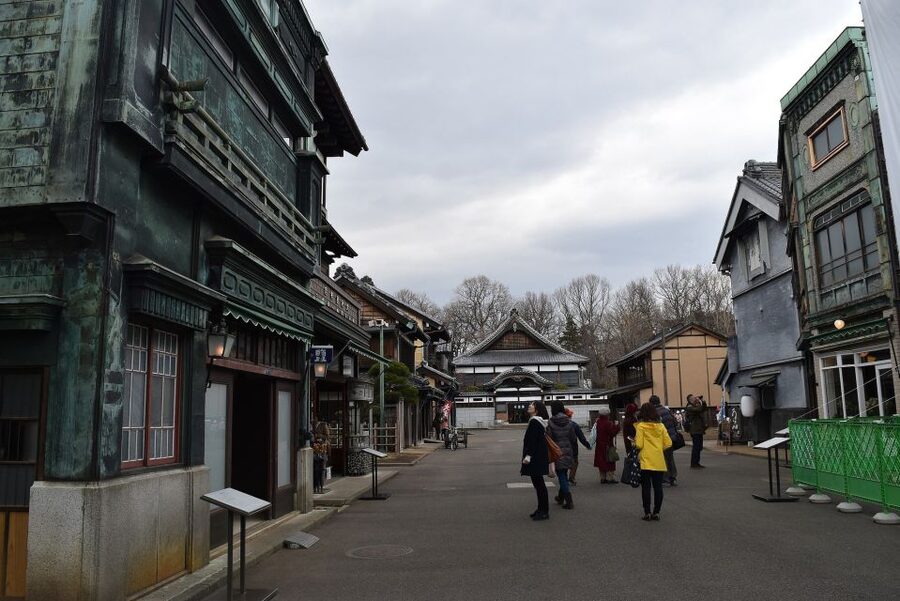
Next comes a house designed by Sutemi Horiguchi, an architect associated with the introduction of Dutch architectural ideas to Japan. He built the house in 1925, shortly after returning from Europe.
This is one of the clearest examples of cultural exchange on the tour. You can see Art Deco touches and compositions linked to De Stijl, also known as The Style. Yet these ideas appear alongside traditional Japanese rooms rather than replacing them.
That combination is the point. Japan did not simply copy Western architecture and discard its own methods. Designers adapted outside ideas to local habits, materials, and rooms. Horiguchi’s house lets you see that process in one building.
For me, this stop would be especially worthwhile if you enjoy the period when Japan was rapidly changing its public and private life. The house captures the tension between international design and familiar Japanese interiors. Ask your guide to compare the European elements with the traditional rooms. The contrast should make the design easier to understand.
More private tours in Japan:
- Private Harajuku Omotesando Architecture Walking Tour
★ 5.0 · 67 reviews - Private Ginza Architecture Walking Tour
★ 5.0 · 50 reviews - Private Harajuku Omotesando Architecture Tour
★ 4.9 · 18 reviews - Private Ueno Park Architecture Walking Tour
★ 5.0 · 8 reviews
The Mitsui residence and the language of wealth
The Mitsui family residence offers a different view of Japan. The Mitsui family was said to be among the richest in the country, and the house reflects that position through luxurious interior decoration.
This is not simply a large home to admire. It shows how wealth shaped domestic space. Details that might seem excessive in a smaller residence make sense when you consider the family’s status and the need to receive important visitors.
You can also compare the Mitsui residence with the more restrained or practical buildings elsewhere in the museum. That comparison is one of the best reasons to tour with a guide. A guide can point out what changes when architecture serves a powerful family rather than an ordinary household.
The residence helps turn the museum into a social story. You are not only looking at floors, walls, and gardens. You are seeing how different groups lived and how architecture expressed rank.
Shitamachi streets with a Studio Ghibli feeling
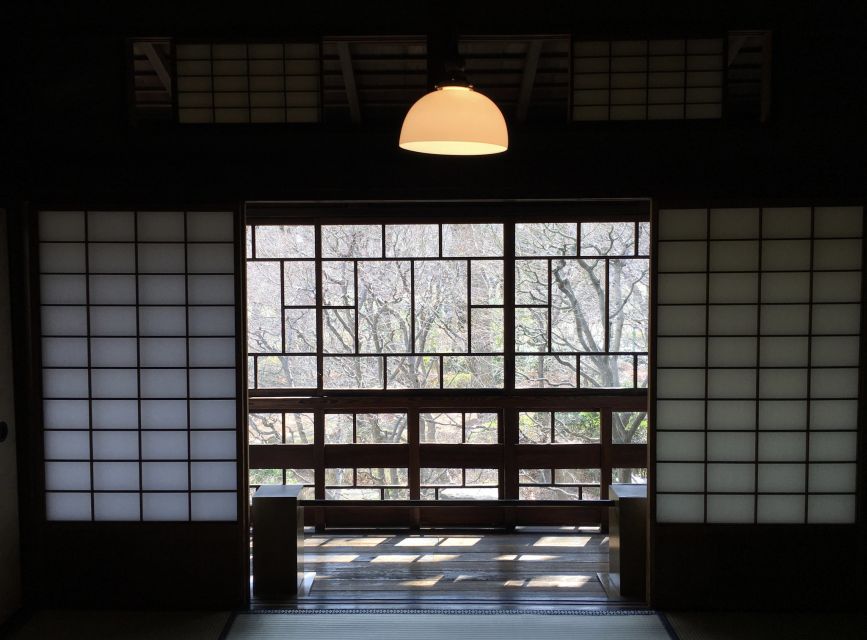
The latter part of the tour moves into the museum’s Shitamachi area. Shitamachi refers to the lower-lying eastern part of Tokyo, traditionally linked with working neighborhoods and everyday city life.
This section has a very different mood from the grand Mitsui residence. The buildings are more likely to remind you of the compact streets and old storefronts seen in Japanese animation. The resemblance can feel especially familiar if you enjoy Studio Ghibli films, but the tour does not visit the Ghibli Museum.
That distinction is important. This is an architectural visit with an animation-like atmosphere, not a film-themed attraction. You will not see Ghibli exhibits or enter the Ghibli Museum. Instead, the setting gives you a chance to notice the real-world buildings and streets that can inspire animated Tokyo.
The traditional bathhouse is one of the most appealing stops in this area. A bathhouse was more than a place to wash. It was part of neighborhood life, and its design tells you something about how people shared public space. The old train adds another everyday element, tying the district to Tokyo’s transport past.
I would save time here for slow looking. The smaller buildings may reward you with more atmosphere than the grand residences. You can picture the district as a living neighborhood rather than a row of isolated exhibits.
What the private guide adds
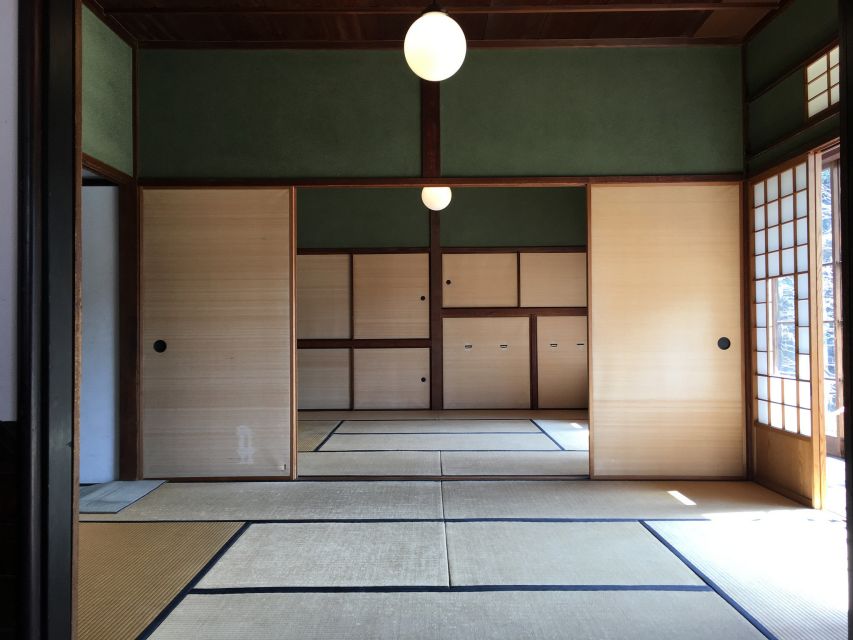
The strongest reason to pay for this tour instead of visiting alone is the guide. The buildings are interesting on their own, but the right explanation makes the connections clearer.
Guides Yuichi and Yuki have received particular praise for their English, reliability, kindness, and ability to make architectural subjects approachable. Yuichi has also been described as especially good at matching the discussion to a person’s interests, including traditional architecture, tea rooms, and gardens.
That sort of adjustment is a real benefit of a private group. You do not have to follow a fixed speech aimed at everyone. If you want more modern architecture, you can spend more time with Maekawa. If you prefer domestic life and gardens, you can ask for more detail on traditional homes and rooms.
Good guiding also matters during the public transit portion. Yuki has been praised for explaining the subway and buses along the way, turning what could be a confusing transfer into part of the day’s learning.
The human side of the guiding is worth noting too. Yuichi once helped a participant reach a hospital when illness cut the tour short. That does not change the itinerary, but it suggests the kind of attentive service you should expect from a private experience.
Price, timing, and practical value
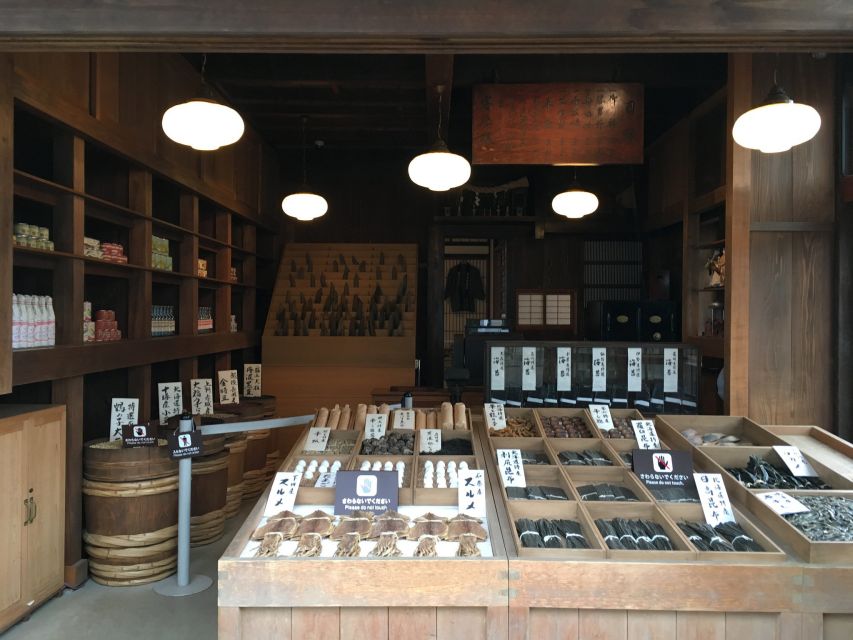
The price is $193 per person for five hours, including museum admission and an English-speaking licensed guide. Your train and bus fares are separate, at about 700 yen each way.
That is not a budget museum visit. If you are comfortable navigating Tokyo alone and mainly want to stroll through old buildings, you can probably spend less by going independently. The tour earns its price through private attention, interpretation, and help with the journey.
The value improves if you have a clear interest in architecture, design, or Tokyo’s social past. It is also useful for a first visit to Japan when public transit feels like work rather than fun. You are paying to make sense of the museum and to use your limited Tokyo time well.
The five-hour schedule should suit most people who want a focused half-day outing. Still, the museum includes many buildings, and a private tour cannot cover every detail at length. Tell your guide your priorities at the start so the time goes toward the parts you care about most.
Wear shoes that slip off easily. Many historic buildings require you to remove them before entering, and spending the day tying and untying laces would be a small but needless nuisance. Comfortable footwear is also wise for the train, bus, and outdoor walking.
Free cancellation is available up to 24 hours before the start time, and you can reserve now while paying later. Those terms are useful if your Tokyo schedule is still shifting, but they do not remove the need to plan the transit connection.
Who should book this experience?
I would choose this tour if you want architecture explained in plain English, enjoy seeing how Japan adopted outside design ideas, or prefer a private pace. It is a particularly good match for people interested in Maekawa, Horiguchi, Japanese homes, tea rooms, gardens, or the changing shape of Tokyo.
Families and couples may also appreciate the flexible format, provided everyone is happy with several hours of walking and repeated shoe removal. Animation fans should come for the old Shitamachi atmosphere, not for Ghibli characters or museum exhibits.
I would think twice if you only want a quick sightseeing stop, dislike public transport, or are focused on visiting the Ghibli Museum. This tour does not include that attraction, and its value depends on caring about buildings and the stories behind them.
Should you book the private Edo-Tokyo tour?
Book it if you want the museum to make sense rather than simply look pretty. The mix of Maekawa’s modern home, Horiguchi’s European-influenced design, the Mitsui residence, and the Shitamachi bathhouse creates a useful picture of Tokyo across several eras.
At $193 per person, it is best treated as a specialist guided outing, not a cheap museum admission. You will pay extra for transport, but the private guide can save you from transit confusion and adapt the conversation to your interests. For architecture fans and first-time visitors who want context, that is a fair trade. For everyone else, an independent museum visit may offer better value.
FAQ
How long does the tour last?
The tour lasts five hours, including the guided visit and travel by train and bus to Tatemono-en.
Where do I meet the guide?
You can meet at Tokyo Station Marunouchi Front Plaza or JR Shinjuku Station. At Tokyo Station, use the JR Marunouchi Central Gates and go to the carriage porch with Japanese flags on both sides. The guide carries a bag with an illustration of the Nakagin Capsule Tower.
Is transportation to the museum included?
No. You travel by train and bus, and the expected transportation cost is about 700 yen each way.
Does the tour visit the Ghibli Museum?
No. The tour visits the Edo-Tokyo Open Air Architectural Museum. It includes a Shitamachi area with an atmosphere that may remind you of animation, but it does not include the Ghibli Museum.
Do I need to remove my shoes?
Yes, many historic buildings require you to remove your shoes before entering. Wear comfortable shoes that are easy to slip on and off.
Can I cancel the tour for a refund?
You can cancel up to 24 hours in advance for a full refund. You can also reserve now and pay later.
Just added in Japan
- Tokyo Architecture and Contemporary Art Walking Tour with a local guide★ 5.0 · 15 reviews
- Japanese Garden & Western Architecture: Akasaka exploration tour★ 5.0 · 9 reviews
- Small-Group Architecture Tour in Ginza, Tokyo★ 5.0 · 6 reviews
- Private Ueno Park Architecture Walking Tour★ 5.0 · 8 reviews
- [Aomori Prefecture] Tour the history and architecture in Towada City, the art city★ 5.0 · 6 reviews
- Private Ginza Architecture Tour★ 5.0 · 3 reviews
- Private Ueno Park Architecture Tour★ 5.0 · 5 reviews
- Kyoto: Nijo Castle & Gardens 2-Hour Guided Tour★ 4.5 · 2 reviews
Tokyo Architecture Tours, compared.
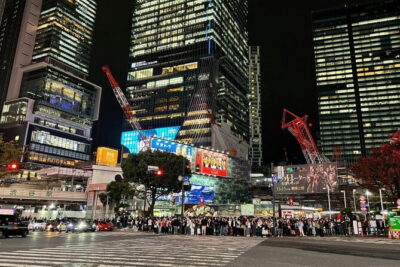
Shibuya Highlights Walking Tour & Secret View Spot
Read our review →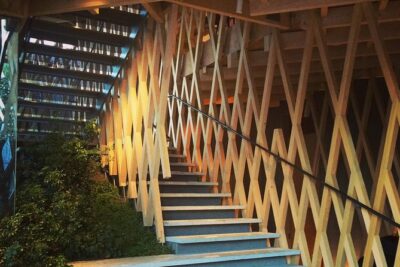
Private Harajuku Omotesando Architecture Walking Tour
Read our review →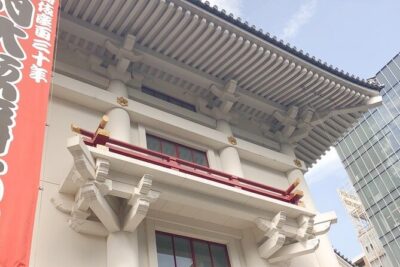
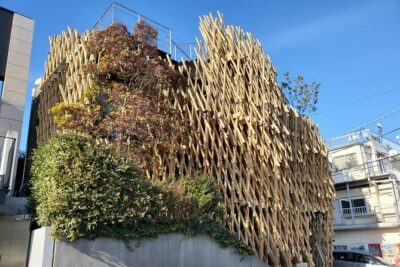
Tokyo Architecture and Contemporary Art Walking Tour with a local guide
Read our review →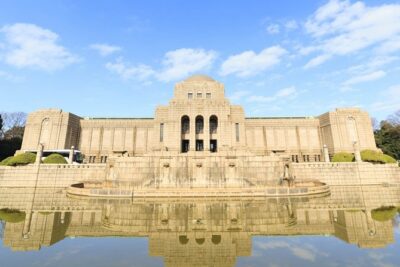
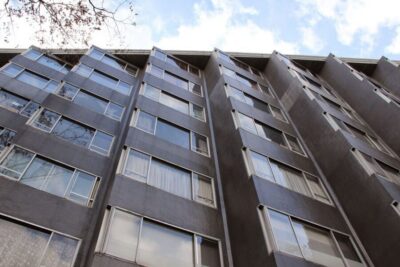
Japanese Garden & Western Architecture: Akasaka exploration tour
Read our review →
Browse the lists this tour appears in