
REVIEW · TOKYO ARCHITECTURE TOURS
Small-Group Architecture Tour in Ginza, Tokyo
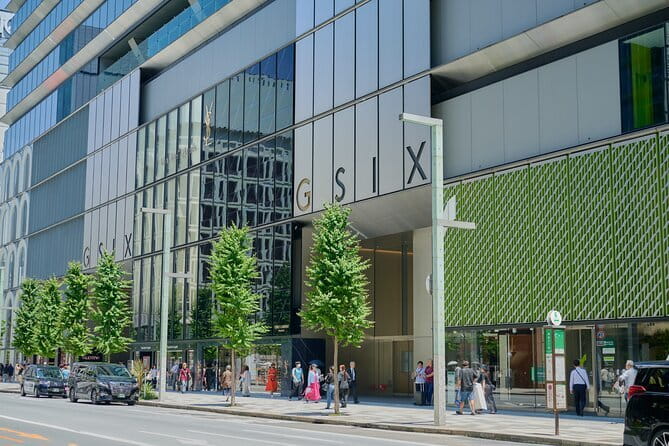
Look up in Ginza. This 3.5-hour walk reveals how Tokyo’s grand shopping streets, temples, theaters, and compact urban sites fit together. I like the small maximum of six people, which makes it easier to stop for photos and ask questions. I also like the chance to enter several buildings instead of simply admiring their façades from the pavement. The main consideration is pace: you need moderate fitness and enough interest in architecture to make a long walking tour worthwhile.
The route begins near Tsukiji and finishes at Ginza 4-chome, so this is more than a quick loop around the department stores. Guides explain how the Shogun era, earthquakes, fires, and other disasters shaped Tokyo’s buildings. That historical context gives the polished modern designs a useful sense of place.
Guides Hal and Taka receive especially warm praise for their energy and technical understanding. Taka’s background in urban planning and architecture is a major plus if you want more than a list of famous buildings. The tour costs $84.70 per person, a fair price if you value expert explanation and access inside buildings, though it is more than a simple self-guided walk.
Key points about the Ginza architecture walk
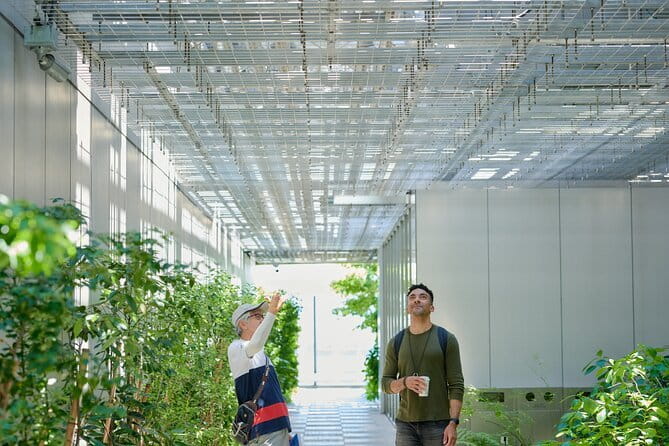
- Six-person maximum: A small group gives you room to ask about details and take photographs without holding up a crowd.
- Tsukiji to Ginza route: The tour connects the Tsukiji meeting point with Ginza’s major architectural sights on foot.
- Modern design with historical context: The guide links present-day buildings to the Shogun era and Tokyo’s natural disasters.
- Interior visits matter: The route includes time inside Tsukiji Hongwanji Temple, Kabukiza Theater, the Nicolas G. Hayek Center, Maison Hermès, and Okuno Building.
- Architectural stars and small surprises: You see major commercial buildings, but also Toyoiwa Inari Shrine and older urban details.
- A built-in drink pause: A short break with drinks helps divide the walking and gives you time to ask for further recommendations.
Why Ginza works so well as a walking classroom
Ginza can seem like a district made only for luxury shopping. Its broad streets and polished storefronts draw attention, but the details are more interesting when you slow down. A building’s glass skin, stone frame, unusual entrance, or carefully controlled light can tell you as much as its shop sign.
That is the strength of this tour. You are not rushed past the buildings in a vehicle. The group walks from site to site, with about 40 minutes of total walking between stops. The route gives you repeated chances to look up, compare façades, and ask why one project feels formal while another feels playful.
The guide also connects architecture to Tokyo’s past. You hear how the Shogun era shaped the city and how earthquakes, fires, and other disasters influenced construction. This is useful context because Ginza’s modern appearance can otherwise feel disconnected from older Japanese urban traditions.
I would not book this simply to collect postcard views. Book it if you want to understand why buildings look the way they do. The route rewards curiosity more than speed.
A few more architecture tours in Japan worth a look
- Private Harajuku Omotesando Architecture Walking Tour
★ 5.0 · 67 reviews - Private Ginza Architecture Walking Tour
★ 5.0 · 50 reviews - Private Harajuku Omotesando Architecture Tour
★ 4.9 · 18 reviews
Starting near Tsukiji at 10:00 in the morning
The meeting point is near Exit 1 of Tsukiji Station, at 3-chome 15 in Tsukiji. The exact area is close to public transportation, but you should allow time to find the guide and gather before the 10:00 a.m. start.
Beginning in Tsukiji is a smart choice. It places the tour near one of Tokyo’s best-known historic districts before moving toward Ginza’s high-end commercial streets. The contrast helps you notice the change in scale and style as the walk continues.
You do not receive hotel pickup or drop-off, so getting to the starting point is your responsibility. A mobile ticket is provided, which is convenient for a city day when you may already be carrying train directions and restaurant bookings on your phone.
The tour is listed at about 3 hours and 30 minutes. That is long enough for explanation and interior visits, but it also means you should wear comfortable shoes. A moderate level of fitness is required, and the experience depends on good weather.
Tsukiji Hongwanji Temple, a calm first interior stop
The first named stop is Tsukiji Hongwanji Temple. The group spends about 10 minutes inside, learning about the temple and seeing its features.
This short visit gives the tour an early change of mood. After meeting near a busy station, you move into a religious space where form, symbolism, and materials matter in a different way from a luxury boutique. The guide’s broader discussion of historical forces can help you place the temple within Tokyo’s changing urban story.
Ten minutes is not enough for a full temple visit, so keep your expectations sensible. You are getting a focused architectural introduction, not a long period for worship, quiet reflection, or detailed photography.
Kabukiza Theater and the performance of the building itself
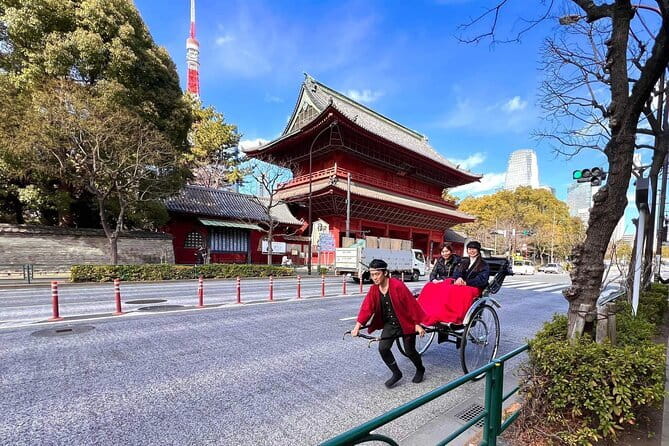
The walk continues to Kabukiza Theater, with about 20 minutes inside. This is one of the more useful stops for understanding how a building can serve both as a cultural venue and as a visual marker for an entire district.
The theater’s architectural features are the focus here. Your guide can draw attention to the way the building presents itself from the street and how its design relates to traditional Japanese theater. The stop is especially worthwhile if you have seen Kabuki on your itinerary or simply want to understand why this building is so important to Ginza’s identity.
Twenty minutes gives you time to look carefully without letting one stop consume the whole morning. Since the tour is designed around architecture, do not expect a full performance or an extended backstage visit. The value comes from seeing the building as part of Ginza’s public life.
Same city, a different building to stand in front of:
- Tokyo: Shibuya Highlights Walking Tour & Secret View Spot
★ 5.0 · 287 reviews - Tokyo Architecture and Contemporary Art Walking Tour with a local guide
★ 5.0 · 15 reviews - Private Edo-Tokyo Open Air Architectural Museum Tour
★ 4.8 · 15 reviews - Japanese Garden & Western Architecture: Akasaka exploration tour
★ 5.0 · 9 reviews
Nicolas G. Hayek Center and the appeal of entering
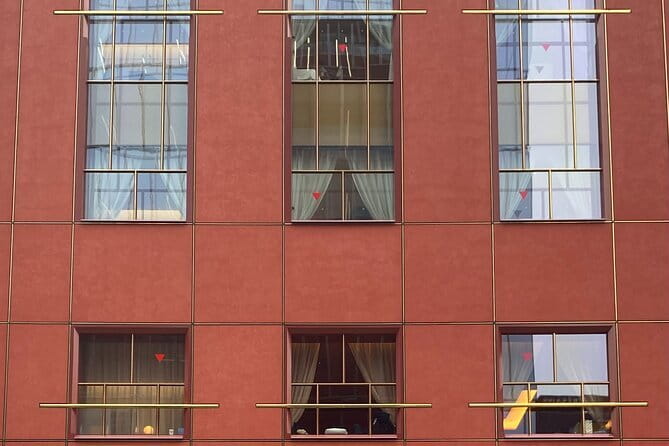
The Nicolas G. Hayek Center receives about 15 minutes, including time inside. This stop is a good example of the tour’s main advantage: you are not limited to exterior photographs.
Commercial buildings often reveal their best design choices at the entrance, in the lobby, or in the way they guide people through the interior. A guide with professional experience can point out details you might pass without noticing. Taka, described as a former urban planner and architect, is especially well suited to explain how such a project works as both retail space and city architecture.
The stop is brief, so listen for the central idea rather than trying to inspect every corner. If you enjoy modern commercial design, this is likely to be one of the morning’s strongest sections.
Toyoiwa Inari Shrine, a five-minute change of scale
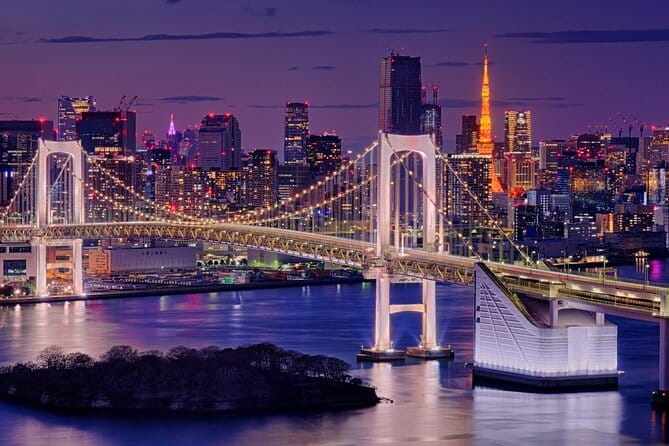
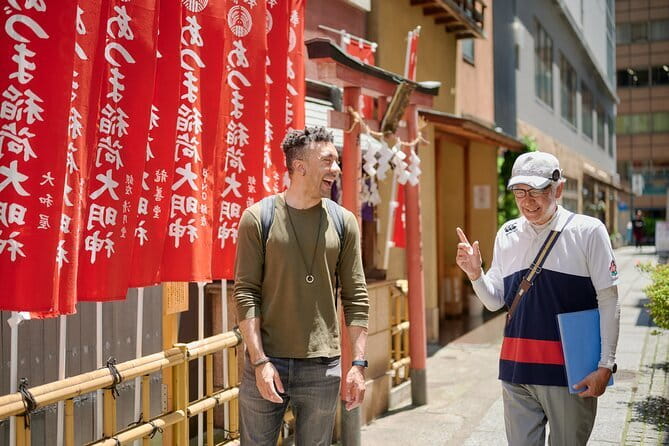
Toyoiwa Inari Shrine takes only about five minutes, but its short length is part of the appeal. The shrine offers a smaller, more intimate architectural moment amid Ginza’s large commercial projects.
This is where the route avoids becoming a parade of luxury brands. A compact shrine can show how older religious spaces remain part of a dense business district. You may find the contrast more memorable than another large façade.
Do not expect a long explanation or extended time here. Think of it as a sharp visual pause that helps reset your attention before the route returns to major retail buildings.
Maison Hermès and Ginza’s glass architecture
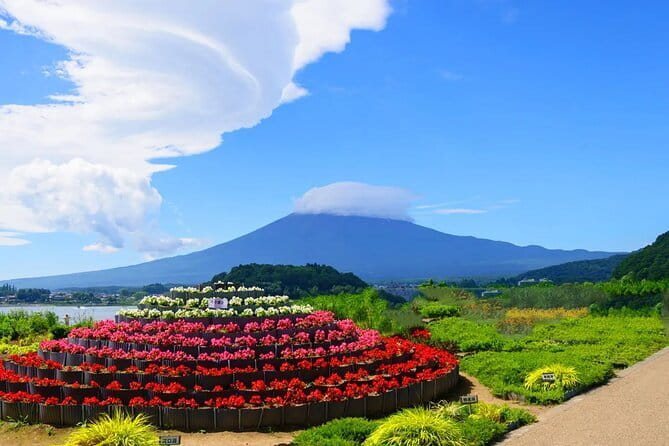
The tour then goes inside Ginza Maison Hermès Le Forum for around 15 minutes. This is one of the key modern architecture stops, and the interior access gives the guide more to discuss than a street-level view alone.
Maison Hermès is known for its striking presence on the Ginza streetscape. On this tour, the point is not shopping. You are there to examine how a luxury brand uses structure, light, materials, and a carefully controlled public face to express its identity.
This stop also shows why a small group helps. Six people can gather without taking over the space, and you can ask questions as the guide points out design choices. Be respectful inside commercial buildings and follow any instructions about where the group may stand or take photographs.
Mikimoto, Uniqlo, Wako, and Ginza’s commercial conversation
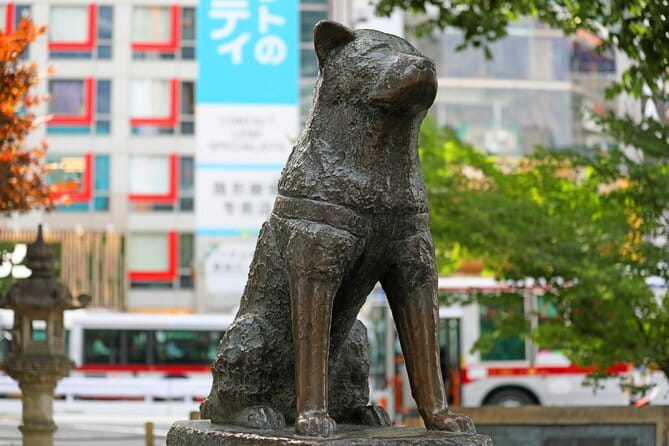
The route includes several exterior views that work best when compared with one another. Mikimoto Boutique Ginza 2chome receives about five minutes, and the group enters if time allows. That wording matters: interior access here is not guaranteed, so treat the outside view as the reliable part of the stop.
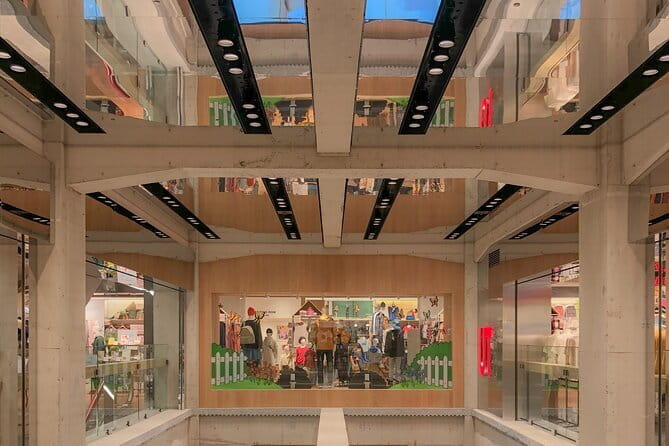
UNIQLO Tokyo receives about 10 minutes from the exterior. The Mikimoto Ginza 4chome main store and Wako Ginza receive about five minutes and 10 minutes respectively, also from outside. These stops let you compare different ways of making a retail building recognizable in a crowded district.
Wako is especially important as a visual reference point near the finish. The building helps anchor the Ginza 4-chome area, where several major streets and department stores meet. You will get more from these stops if you pay attention to proportion, signage, materials, and how each façade addresses the sidewalk.
This part of the route can feel less intimate than the temple or shrine because you are looking from public space. Still, it gives the tour breadth. You see that Ginza’s architecture is not one single style. It is a conversation between luxury, mass retail, tradition, and compact city planning.
Okuno Building and the value of an older interior
Okuno Building receives about 10 minutes inside. It is an important change from the glossy newer projects earlier in the route.
The building gives the guide a chance to discuss a different stage of Ginza’s development and the way older urban structures survive beside newly designed flagship stores. The interior visit is short, but it helps you see that architectural interest does not depend on size or expensive materials.
This is also the kind of stop that benefits from a guide’s technical eye. Hal is praised for explaining how individual projects became distinctive and iconic, while Taka brings a planning and architecture background. Either style can help you notice construction choices and urban relationships that a standard shopping walk would ignore.
A drink pause and time for better questions
A drink break is included during the route. The pause is described as cozy, which suggests a useful chance to rest rather than another formal sightseeing stop.
I like this feature because architecture tours can become mentally crowded. You are taking in dates, materials, styles, and historical explanations while also walking through a busy part of Tokyo. A drink gives you a natural moment to ask about another Ginza building or request suggestions for places not covered by the route.
Use that time well. Ask the guide which buildings deserve a second look, where to find more local architectural details, or how to compare Ginza with another Tokyo district. The tour specifically encourages recommendations for additional sites, and a small group makes that conversation easier.
What the $84.70 price really buys you
At $84.70 per person, this is not a budget sightseeing walk. You are paying for a local licensed guide, a three-and-a-half-hour route, a drink pause, a very small group, and entry into several buildings without separate admission charges.
The strongest value comes from the guides. Hal brings energy and technical insight, while Taka’s former work as an urban planner and architect gives him a strong basis for explaining modern buildings. If you already have a serious interest in architecture, the price is easier to justify because professional interpretation can change how you see the rest of your Tokyo visit.
The value is weaker if you only want quick exterior photographs. Several stops last five to 10 minutes, and some buildings are viewed from outside. You could walk around Ginza independently at no cost, but you would lose the structured route, historical connections, interior access, and chance to ask an expert direct questions.
The experience is usually booked about 31 days ahead, so planning early is sensible if your Tokyo dates are fixed. Free cancellation is available until 24 hours before the start time. Cancellations or changes inside that window are not refunded or accepted, and poor weather can lead to a new date or a full refund.
Who should book this Ginza tour
I would recommend it to anyone who enjoys buildings, city planning, design, or the way old and new Tokyo share the same streets. It also suits first-time visitors who want an organized introduction to Ginza without being pushed through the area in a vehicle.
The tour is a particularly good fit for:
- Architecture students and design professionals
- Visitors who want to understand Ginza beyond shopping
- People who prefer small groups and direct access to a guide
- Photographers who appreciate regular stops
- Repeat Tokyo visitors looking for a more focused morning
- Anyone interested in how disasters and history shape a city
It may not suit you if you dislike walking, need a fully seated experience, or want long visits at each sight. The route keeps moving, and the total time is substantial. You also need to accept that some interior visits depend on time or access.
Should you book the Ginza architecture walk?
Book this tour if you want Ginza explained rather than merely photographed. The small group, regular photo stops, interior visits, and guides such as Hal and Taka give it more substance than a standard district stroll.
Skip it if your main goal is shopping or a quick look at famous façades. At $84.70, the tour earns its price through expert commentary and access, not through a long list of ticketed attractions. For the right audience, it is a thoughtful way to see Tokyo’s commercial center as a living record of history, design, and rebuilding.
FAQ
Where does the tour begin?
It begins near Exit 1 of Tsukiji Station, at Tsukiji 3-chome 15 in Chuo City, Tokyo.
What time does the tour start?
The start time is 10:00 a.m.
Where does the tour finish?
The tour finishes at the Ginza 4-chome intersection, in front of Mitsukoshi department store.
How long does the tour last?
The experience lasts approximately 3 hours and 30 minutes.
How many people can join the tour?
The maximum group size is six people.
Is hotel pickup included?
No. Hotel pickup and drop-off are not included.
What happens if the weather is poor?
The experience requires good weather. If it is canceled because of poor weather, you can receive a different date or a full refund.
Just added in Japan
- Tokyo Architecture and Contemporary Art Walking Tour with a local guide★ 5.0 · 15 reviews
- Japanese Garden & Western Architecture: Akasaka exploration tour★ 5.0 · 9 reviews
- Private Ueno Park Architecture Walking Tour★ 5.0 · 8 reviews
- [Aomori Prefecture] Tour the history and architecture in Towada City, the art city★ 5.0 · 6 reviews
- Private Ginza Architecture Tour★ 5.0 · 3 reviews
- Private Ueno Park Architecture Tour★ 5.0 · 5 reviews
- Kyoto: Nijo Castle & Gardens 2-Hour Guided Tour★ 4.5 · 2 reviews
- Private Edo-Tokyo Open Air Architectural Museum Tour★ 4.8 · 15 reviews
Tokyo Architecture Tours, compared.
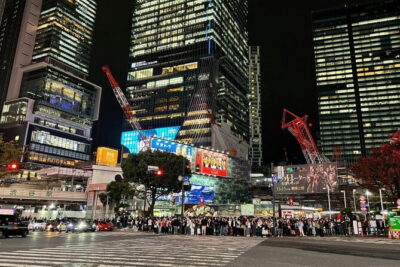
Shibuya Highlights Walking Tour & Secret View Spot
Read our review →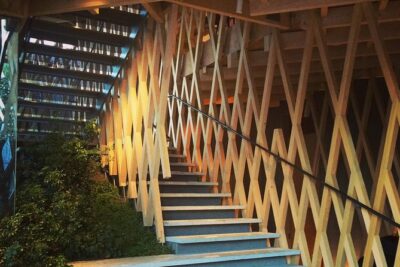
Private Harajuku Omotesando Architecture Walking Tour
Read our review →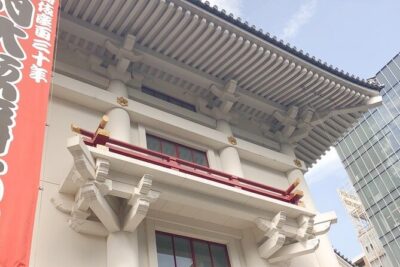
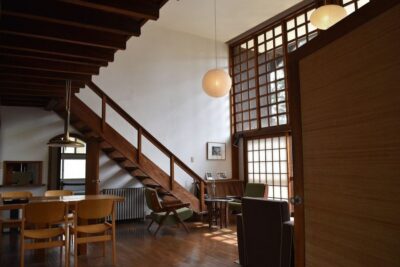
Private Edo-Tokyo Open Air Architectural Museum Tour
Read our review →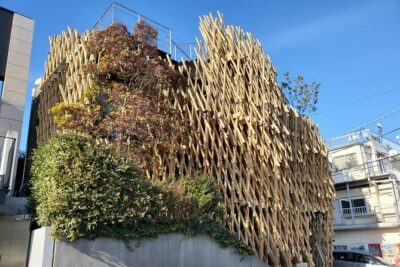
Tokyo Architecture and Contemporary Art Walking Tour with a local guide
Read our review →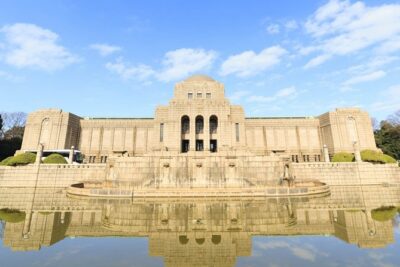
Japanese Garden & Western Architecture: Akasaka exploration tour
Read our review →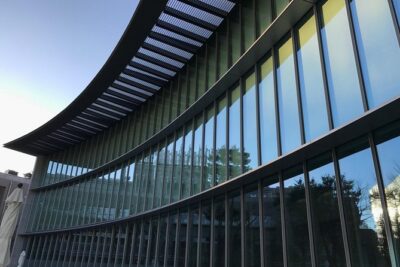
Browse the lists this tour appears in