
REVIEW · TOKYO ARCHITECTURE TOURS
Private Ginza Architecture Walking Tour
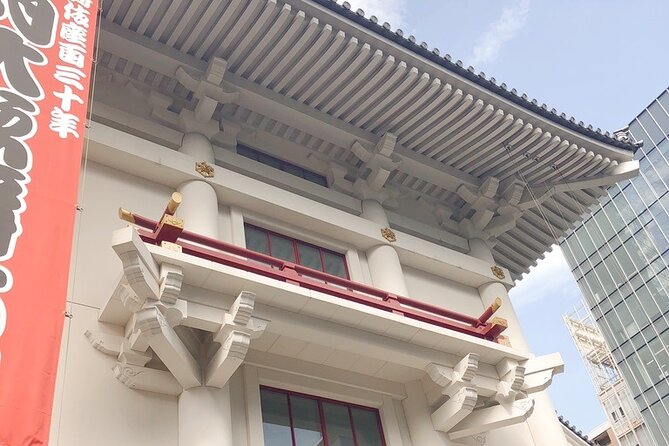
Tokyo looks different when you look up. This private Ginza walk pairs famous storefronts with small shrines, a Buddhist temple, a kabuki theater, and bold work by major architects. I like the private format, which lets your guide adjust the pace and explain buildings at your level. I also like the mix of old and new, from Tsukiji Hongwanji Temple to the glassy Ginza boutiques.
The main consideration is focus. The opening walk can feel less centered on modern architecture, and one review noted that the English explanation was only adequate. At $132.10 per person, this makes the most sense for a small group that wants personal attention, not for someone seeking a quick, low-cost stroll.
Key points to know before booking
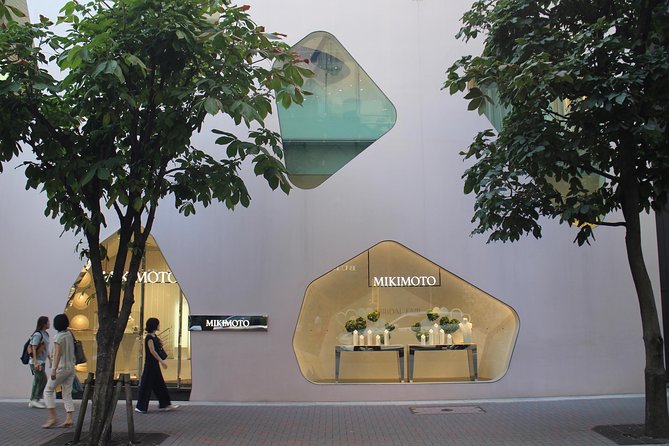
- Look up, not just ahead: Ginza’s luxury shops often use their buildings as works of art, with architects given unusual freedom.
- A genuinely private outing: Only your party joins, with a maximum of five people per booking.
- Old Tokyo meets new Tokyo: The route includes Tsukiji Hongwanji Temple, Kabukiza Theater, tiny Toyoiwa Inari Shrine, and modern brand buildings.
- Guide quality shapes the experience: Yoko, Yuki, Yoshi, Taka Yamamura, Mari, Haruka, Eriko, and Makoto have all been praised for friendly, flexible explanations.
- Allow about three and a half hours: You walk between sites, enter several buildings, and finish near Ginza 4-chome.
- Best for curious small groups: You do not need an architecture background, but you should be comfortable walking and looking closely at façades.
Why Ginza works so well for an architecture walk
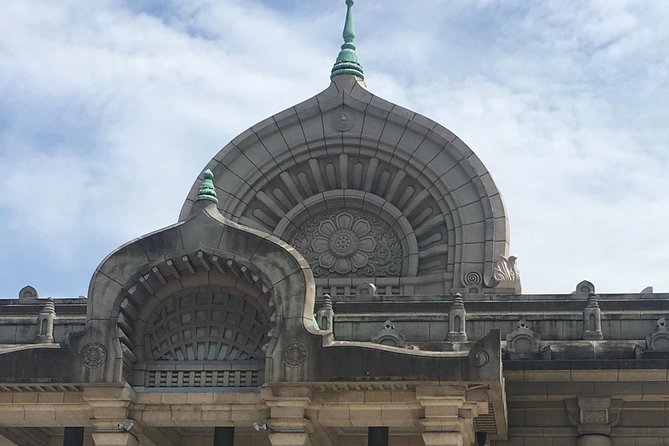
Ginza is famous for shopping, yet its buildings are often more interesting than the products inside them. Luxury labels have commissioned high-profile architects to create polished, memorable façades. A guide helps you notice the details that are easy to miss when you are concentrating on department stores, traffic, and shopping bags.
The district also gives you a useful lesson in Tokyo’s layers. Modern towers and carefully designed boutiques sit near religious buildings, traditional theater, and old commercial structures. The appeal is not one grand monument. It is the contrast from one block to the next.
I especially like that this walk does not treat architecture as a subject reserved for specialists. Yoshi has been praised for patiently explaining the basics to people with little architectural background. Taka Yamamura brings an urban-planning perspective, while Haruka has been praised for connecting building design with Japanese history and present-day culture.
That makes the tour flexible. You can ask about structure, design, religion, shopping culture, city planning, or photography. If you have been to Tokyo many times, the guide can give you a fresh way to read a familiar neighborhood.
More walking tours in Japan:
- Tokyo: Shibuya Highlights Walking Tour & Secret View Spot
★ 5.0 · 287 reviews - Private Harajuku Omotesando Architecture Walking Tour
★ 5.0 · 67 reviews - Tokyo Architecture and Contemporary Art Walking Tour with a local guide
★ 5.0 · 15 reviews
Starting near Tsukiji and walking into Ginza
The meeting point is near Exit 1 of Tsukiji Station, around 3-chome, Tsukiji. That is a practical starting point because the route can connect the older Tsukiji area with Ginza’s more polished commercial streets.
The walk between the main stops takes about 40 minutes in total. That figure matters because this is not a series of quick taxi hops. You spend time outside, moving from façade to façade, with your guide adding context along the way. Wear shoes you can walk in comfortably and keep some room in your schedule for pauses.
The tour includes a cozy drink break, which gives the walk a useful change of pace. It is a small feature, but welcome on a three-hour-plus outing, especially if you are concentrating on architectural details and keeping up conversation.
Two departure times are available. That makes it easier to fit the tour around meals, shopping, or another Tokyo activity. The exact start time should be checked when booking, but the choice of departures is useful for visitors working with a tight schedule.
Tsukiji Hongwanji Temple and the older side of the route
At Tsukiji Hongwanji Temple, you go inside for a short visit of about 10 minutes. This stop broadens the tour beyond commercial design. The temple gives your guide a chance to explain religious and historical context, and it provides an early contrast with Ginza’s brand-led architecture.
The visit is brief, so you should not expect an extended temple tour. Its value comes from comparison. After seeing a building shaped by Buddhist practice, you can better appreciate how differently a theater, shrine, or luxury boutique expresses its purpose.
The route may also include views connected with the Tsukiji Outer Market area. One family described the tour as a mixture of modern buildings, a Buddhist temple, a kabuki theater, and small shrines. That combination is one reason this experience feels broader than a standard shopping walk.
Kabukiza Theater, where architecture serves performance
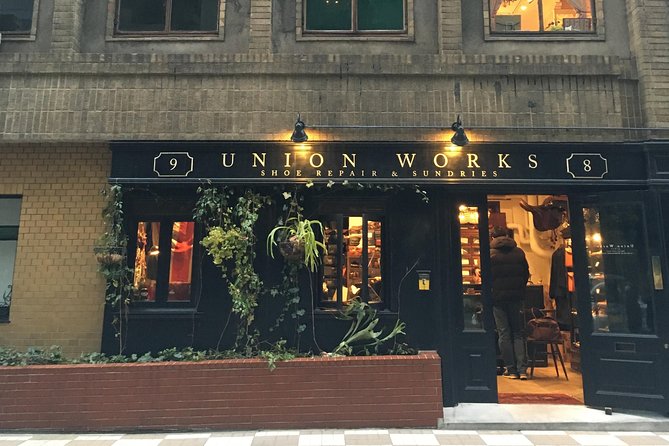
Kabukiza Theater receives about 20 minutes. You go inside to see its features, making this more than an exterior photo stop.
The theater is important because it shows how architecture can express a cultural tradition. Its presence in Ginza reminds you that the district is not only about international labels and sleek retail spaces. A guide can help connect the building with kabuki, Japanese performance culture, and the way traditional forms are presented in a modern city center.
Twenty minutes is enough for an introduction, not a full theater history lesson. If you are especially interested in kabuki, use your private format to ask for more context. If your group mainly wants contemporary architecture, the guide can keep the visit short and move on.
More private tours in Japan:
- Private Harajuku Omotesando Architecture Tour
★ 4.9 · 18 reviews - Private Edo-Tokyo Open Air Architectural Museum Tour
★ 4.8 · 15 reviews - Private Ueno Park Architecture Walking Tour
★ 5.0 · 8 reviews - Private Ueno Park Architecture Tour
★ 5.0 · 5 reviews
Swiss watch design at the Nicolas G. Hayek Center
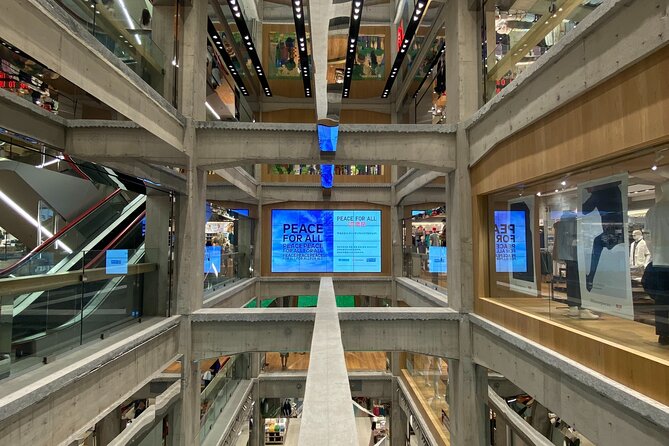
The Nicolas G. Hayek Center gets about 15 minutes, with time inside to look at its features. It is a strong example of Ginza’s habit of turning commercial buildings into design statements.
You do not need to be shopping for a watch to appreciate the stop. The interest lies in how a retail building presents a brand from the street and inside. This is the kind of place that can pass unnoticed if you are only moving from one store to another, but a guide gives you a reason to pause and examine the design.
The stop also fits the tour’s larger theme: Ginza uses architecture to signal quality, identity, and modernity. Here, the building is part of the message.
Toyoiwa Inari Shrine, a five-minute pause
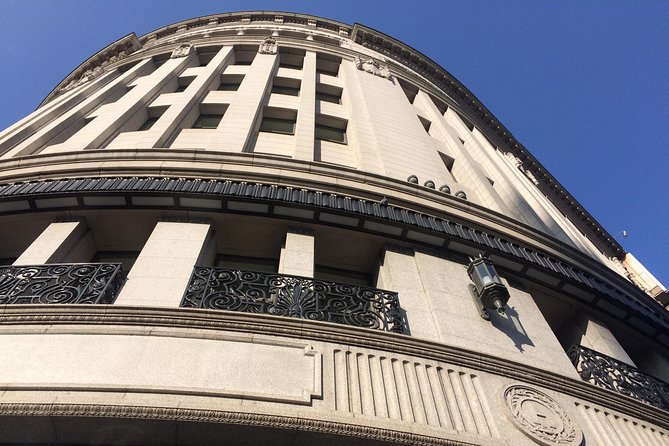
Toyoiwa Inari Shrine is a very short stop, about five minutes. Its small scale is the point. Instead of a major temple complex, you encounter a compact religious site tucked into the commercial fabric of Ginza.
This pause helps explain why a private guide can add value. A small shrine can be easy to overlook, especially when it is surrounded by tall buildings and luxury signs. Makoto has been praised for taking guests to lesser-known local places, including a tea and seaweed shop where a short tasting happened after a translation question. That sort of unscripted moment cannot be promised, but the private format leaves room for curiosity.
Do not judge this stop by its length. Five minutes is enough to see it, understand its place in the neighborhood, and continue.
Maison Hermès and Ginza’s polished modern face
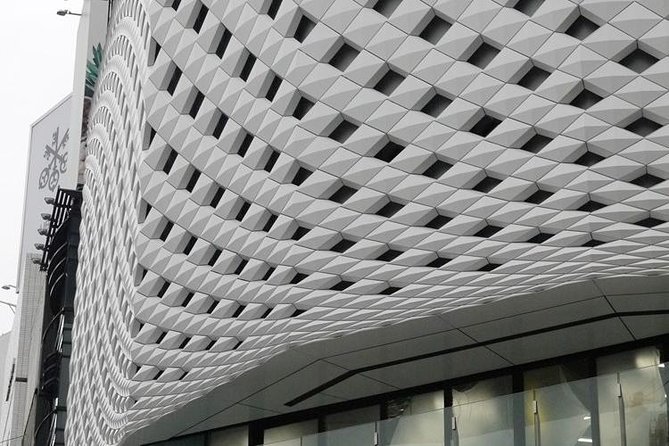
At Ginza Maison Hermès Le Forum, you spend about 15 minutes inside. This is one of the clearest examples of the district’s brand architecture, where a store also functions as a carefully planned urban object.
The building is useful for readers who want to understand why Ginza feels different from an ordinary shopping street. The design is part of the shopping experience, even if you have no interest in buying anything. Your guide can point out how the building relates to light, materials, scale, and the street around it.
The stop is also good for photography. Still, remember that the tour is about looking and learning, not a dedicated photo session. Ask your guide for time if you want to frame details rather than simply take a quick exterior picture.
Mikimoto buildings, UNIQLO, and the value of comparison
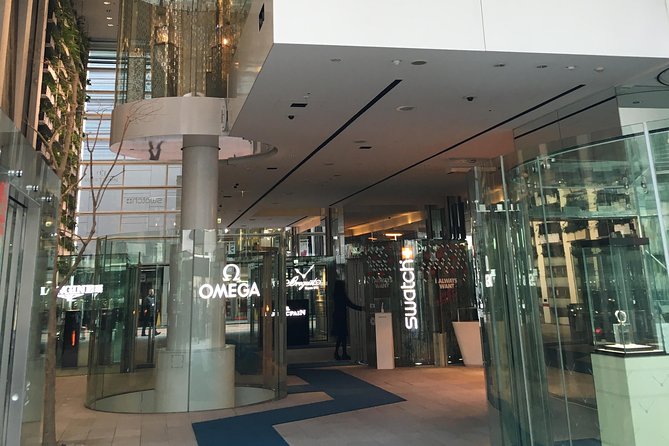
The route includes two Mikimoto locations, but they are handled differently. At Mikimoto Boutique Ginza 2-chome, you may go inside if time allows, for about five minutes. At Mikimoto Ginza 4-chome Honten, the planned visit is an exterior view of roughly five minutes.
That contrast is useful. You can compare two expressions of the same brand and see how storefront design changes from one location to another. Since the first interior visit depends on time, do not count on a long look there. The private guide can decide how to use the schedule based on your interests.
UNIQLO Tokyo is viewed from outside for about 10 minutes. The building gives you another example of a major retailer using its Ginza presence to make a visual statement. The tour does not promise an extended shopping stop, which is helpful if you want to stay focused on architecture.
If your group wants shopping time, tell the guide early. The route is customizable, but the published stops are designed for observation and explanation rather than browsing every store.
Wako Ginza and the classic Ginza image
Wako Ginza is another exterior stop, with about 10 minutes set aside. For many people, this is one of the most recognizable views in the district. The clock-topped building helps define the classic Ginza image, and a guide can place it within the area’s changing architectural story.
This is a good point to ask how older landmarks coexist with newer buildings. Ginza works best when you see it as a conversation between eras, not as a display of only the latest construction.
Because the stop is outside, you can take photographs without committing to a shopping visit. Your guide can also help you notice the building as part of the street corner, rather than as an isolated object.
Okuno Building and the tour’s final layer
The final listed stop is Okuno Building, where you go inside for about 10 minutes. This adds an older, more intimate note after the large commercial façades.
The building gives the route a useful finish because it shifts attention away from polished brand statements and toward the character of an older structure. That variety is one of the strongest features of the experience. You are not simply ticking off famous shops. You are comparing different periods, purposes, and ideas about city life.
The tour ends at the Ginza 4-chome intersection, in front of Mitsukoshi department store. That location is convenient for continuing your day, since you finish in one of Ginza’s main shopping areas. Hotel pickup and drop-off are not included, so you handle your own transport to Tsukiji and from the finish.
How good is the guiding?
The guide can make or break an architecture walk, and the feedback here is unusually consistent. Yoko has been praised for clear explanations, historical background, and a friendly manner. Yuki is described as enthusiastic and well informed about Ginza’s luxury architecture. Mari was praised for excellent English and for contacting the group ahead of time to shape the route around its interests.
Eriko has been praised for showing local shopping spots and staying beyond the planned time. That extra time is not guaranteed, but it reflects the benefit of having a private guide rather than joining a large fixed group.
The strongest praise goes to guides who adjust the discussion. Haruka has been credited with linking history and contemporary culture, while Makoto has been praised for answering translation questions and following an unexpected local lead.
There is one important qualification. One less positive account found the early portion less focused on modern architecture and wanted more explanation at the most striking buildings. English ability may also vary by guide. If detailed architectural terminology matters to you, send your interests ahead of time and ask for a guide suited to that level.
Price, group size, and who gets good value
The price is $132.10 per person. That is not a bargain for a basic walk, but the calculation changes if you are traveling with several people. Up to five people can book together, and the private format means you are paying for time, flexibility, and direct conversation rather than a fixed group commentary.
The value is strongest for couples, families, or a small group with a clear interest in architecture and city culture. A family can ask simple questions without holding up a large group. An architecture student or design fan can spend more time on façades and urban planning. Repeat Tokyo visitors can request a different angle from the usual temples and observation decks.
The value is weaker if you mainly want shopping time, a general Ginza orientation, or a quick look at famous buildings. You will cover several stops, but many visits last only five to 15 minutes. This is a guided introduction, not a full study of every building.
The tour is for ages 10 and up, and all participants pay the adult price. You should have moderate physical fitness because the experience involves walking between sites. It is near public transportation, but hotel transfers are not part of the service.
Should you book the Ginza architecture walk?
Book it if you want to understand why Ginza looks the way it does, not just photograph its best-known corners. The private guide, small maximum group, interior visits, drink pause, and mix of temple, theater, shrine, retail, and older architecture give the walk real range.
I would especially recommend it for first-time visitors who like design, families with questions, and repeat visitors who want a new view of Tokyo. Ask in advance for emphasis on modern architecture if that is your main goal, and allow about three and a half hours.
Skip it if you want a cheap self-guided stroll or a long shopping session. For everyone else, the combination of expert context and flexible pacing makes this a practical way to read Ginza from the street level upward.
FAQ
How long does the Private Ginza Architecture Walking Tour last?
The experience lasts approximately three hours and 30 minutes. The published description also calls it a three-hour walking tour, so you should allow at least three and a half hours in your schedule.
Where does the tour start?
The meeting point is near Exit 1 of Tsukiji Station, at 3-chome, Tsukiji, Chuo City, Tokyo 104-0045.
Where does the tour finish?
The walk finishes at the Ginza 4-chome intersection, in front of Mitsukoshi department store.
How many people can join one booking?
A maximum of five people can join one booking. It is a private activity, so only your group participates.
Is the tour conducted in English?
Yes. The tour includes English-language architectural, cultural, and historical information.
Are admission tickets included?
The listed stops have no admission charge. The experience includes a local licensed tour guide and a drink pause, but hotel pickup and drop-off are not included.
Can I cancel for a full refund?
Yes. You can cancel at least 24 hours before the local start time for a full refund. Cancellations or changes made less than 24 hours before the start are not accepted for a refund.
Just added in Japan
- Tokyo Architecture and Contemporary Art Walking Tour with a local guide★ 5.0 · 15 reviews
- Japanese Garden & Western Architecture: Akasaka exploration tour★ 5.0 · 9 reviews
- Small-Group Architecture Tour in Ginza, Tokyo★ 5.0 · 6 reviews
- Private Ueno Park Architecture Walking Tour★ 5.0 · 8 reviews
- [Aomori Prefecture] Tour the history and architecture in Towada City, the art city★ 5.0 · 6 reviews
- Private Ginza Architecture Tour★ 5.0 · 3 reviews
- Private Ueno Park Architecture Tour★ 5.0 · 5 reviews
- Kyoto: Nijo Castle & Gardens 2-Hour Guided Tour★ 4.5 · 2 reviews
Tokyo Architecture Tours, compared.
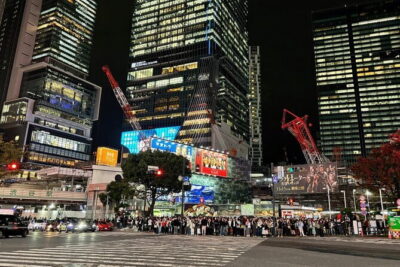
Shibuya Highlights Walking Tour & Secret View Spot
Read our review →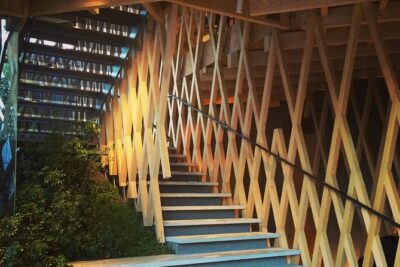
Private Harajuku Omotesando Architecture Walking Tour
Read our review →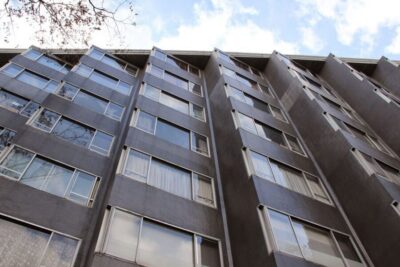
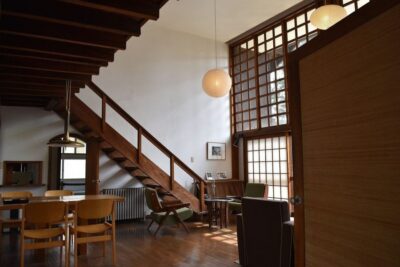
Private Edo-Tokyo Open Air Architectural Museum Tour
Read our review →
Tokyo Architecture and Contemporary Art Walking Tour with a local guide
Read our review →
Japanese Garden & Western Architecture: Akasaka exploration tour
Read our review →
Browse the lists this tour appears in