
REVIEW · BAUHAUS AND BRUTALIST ARCHITECTURE TOURS
Brutalist Skopje Architecture Tour
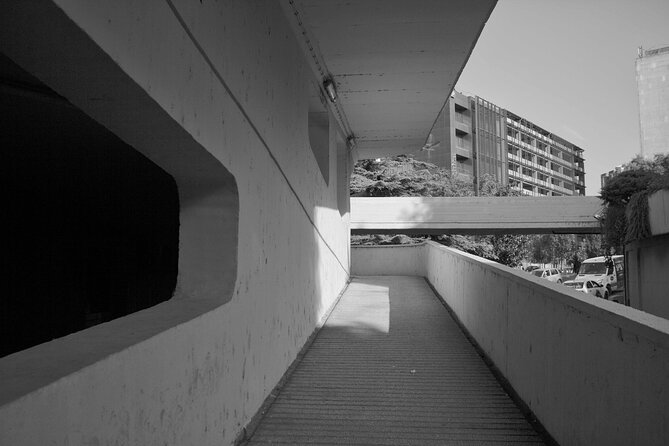
Skopje wears its earthquake scars proudly. This private, three-hour walking tour introduces the city through bold concrete buildings, rebuilt public spaces, and the everyday places that shaped modern Skopje. I like the focused route, which covers seven important sites, and the personal approach of guide Elena, who brings her own university memories into the walk. The main thing to consider is that the tour is about architecture and city history, not museum interiors or long visits inside each building.
The price is $169.38 per group of up to three people, so it offers much better value when shared. I also like that the walk ends at the Macedonian Opera and Ballet, giving you an easy place to continue exploring central Skopje afterward. Since the tour requires good weather and a minimum number of participants, keep a little flexibility in your schedule.
Key points at a glance
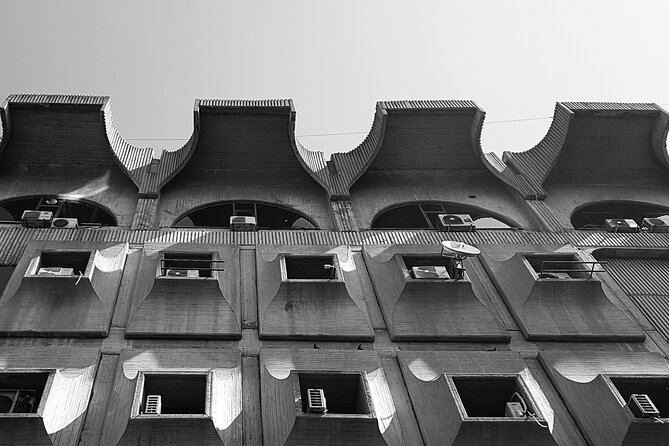
- Seven major Skopje buildings in about three hours: The route links the GTC City Shopping Centre, Macedonia Square, student housing, the Post Office, Central Train Station, UKIM, and the Opera.
- A private experience for up to three people: Your group gets the guide’s attention rather than joining a large walking crowd.
- A strong focus on post-earthquake Skopje: Macedonia Square includes buildings that survived the earthquake, while several later structures show the city’s bold rebuilding effort.
- Elena adds a personal connection: Her experience studying at Ss. Cyril and Methodius University gives the university stop a human angle.
- Easy morning timing: The tour starts at 9:30 am and finishes at the Macedonian Opera and Ballet.
- Good value for a small group: At full capacity, the cost works out to about $56.46 per person.
Why Skopje’s concrete architecture deserves your morning
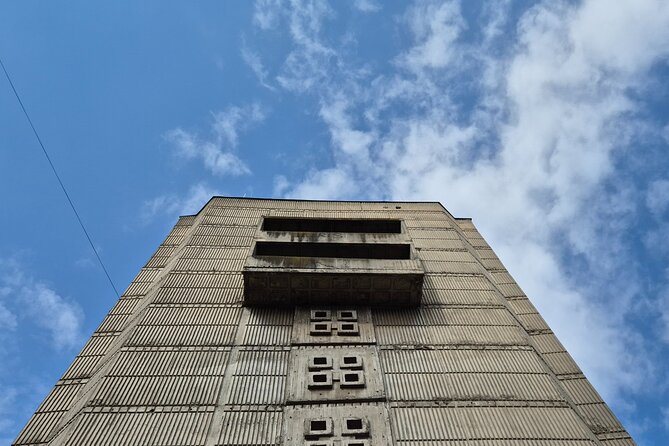
Skopje is a rewarding city for anyone who likes buildings with a story. This tour does not simply point out unusual shapes and slabs of concrete. It links the city’s architecture to daily life, public services, education, transport, and the rebuilding that followed a major earthquake.
You begin near 11th October Street and finish at the Macedonian Opera and Ballet. The route is compact enough to feel manageable, but broad enough to show several sides of the city. You see a shopping center, a public square, student housing, a post office, a railway station, a university department, and a performance hall.
That range is the real strength. Architecture can feel remote when you only look at famous monuments. Here, you see places people use. A student dormitory tells you something different from a train station. A post office gives another view of public design. A shopping center shows how modern city life was planned.
I would choose this walk early in a Skopje visit if you want a clear framework for the city. It gives you buildings to recognize later, while the three-hour format leaves most of the day open.
More Bauhaus and brutalist tours in the world:
- London: Brutalist Architecture & History Walking Tour
★ 4.8 · 42 reviews - Le Corbusier’s Chandigarh : A Complete Architecture Tour
★ 4.7 · 25 reviews - Architecture of New Belgrade – Brutalism Decoded
★ 4.5 · 24 reviews
GTC City Shopping Centre: starting with everyday modernism
The first stop is the GTC City Shopping Centre, described as one of the oldest shopping malls in town. It is a useful opening because it places the architecture in an ordinary setting. You are not beginning with a grand monument or a formal museum. You are looking at a place built for shopping and daily errands.
The scheduled visit lasts about 10 minutes, with no admission charge. That is enough time for an introduction and a close look at the building’s exterior, though you should not expect a long indoor visit or a shopping break.
I like this first stop because it makes the tour practical right away. You begin with a building that belongs to city life, not just a guidebook. If you enjoy comparing older public buildings with newer commercial spaces, pay attention to how the GTC fits into the surrounding streets.
Macedonia Square and the buildings that survived
The tour continues to Macedonia Square for about 10 minutes. This stop focuses on buildings that survived the earthquake, giving you a chance to consider what remained and what had to be rebuilt.
A square can be hard to understand without context. You may see a collection of buildings and landmarks but miss the gaps, changes, and layers of time. Elena’s role here is important because the walk is designed to explain the city rather than simply name structures.
The short stop means the emphasis is on orientation and discussion. You will not spend hours examining every facade. Instead, you get a compact introduction to the square and its surviving architecture before moving into the post-earthquake buildings that define much of the rest of the route.
For me, this is one of the most useful parts of the morning. It gives the later stops a point of comparison. You can think about survival, replacement, and reconstruction as you continue through the city.
Goce Delcev State Student Dormitory: architecture in daily use
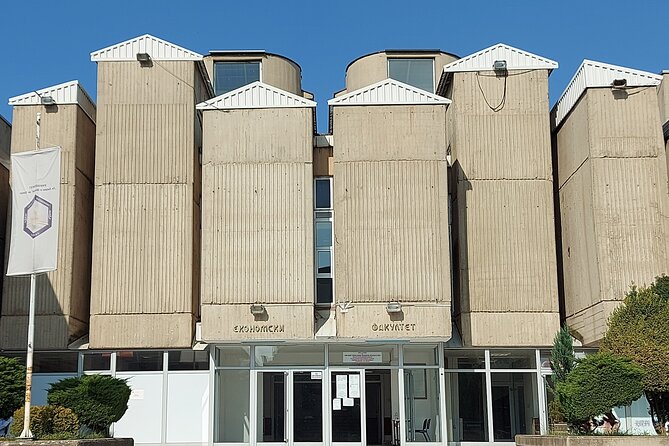
The longest stop is the Goce Delcev State Student Dormitory, with about 20 minutes scheduled. That extra time makes sense. Student housing is not usually the first place people seek out on a city tour, yet it can reveal how a city planned for education and public life.
The dormitory also brings the tour down to a more human scale. Instead of looking only at official buildings, you consider where students live. The building’s purpose matters as much as its appearance. Its design belongs to the routines of study, meals, rest, and shared city life.
You may find this stop especially interesting if you enjoy functional architecture. It is not presented as a decorative attraction. The appeal comes from seeing how a large institutional building fits into the city and how its original purpose continues to shape the area.
Do not expect a formal interior tour. The listed visit is 20 minutes, and the experience is built around seeing the site and hearing the guide’s explanation. That format works well for a building that is still connected to everyday use.
A few more architecture tours in the world worth a look
- Chicago Architecture River Cruise
★ 5.0 · 15,756 reviews - Chicago River 90-Minute Architecture Tour
★ 4.5 · 9,629 reviews - Chicago River: 1.5-Hour Guided Architecture Cruise
★ 4.8 · 8,046 reviews - Chicago Architecture Center River Cruise aboard First Lady
★ 5.0 · 5,536 reviews
The Post Office: a short look at a distinctive public building
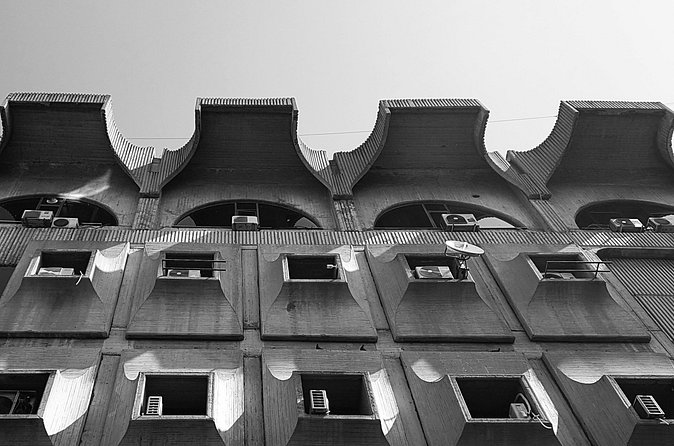
The Post of Macedonia building receives about 10 minutes. This is a short stop, but it adds an important piece to the route. Postal buildings are practical by nature, yet they often carry a strong civic identity. Here, the point is the building’s unique design and place in Skopje’s modern architecture.
I like the contrast between this stop and the student dormitory. The dormitory is tied to living and education. The Post Office belongs to communication and public service. Together, they show how ambitious design was applied to ordinary needs.
Ten minutes will not allow a full architectural study. If you want detailed technical information about materials, architects, or construction dates, ask Elena directly. One of the tour’s strengths is her willingness to answer questions in detail, so this is a good place to speak up rather than wait for the guide to cover every point automatically.
Central Train Station: movement and the city
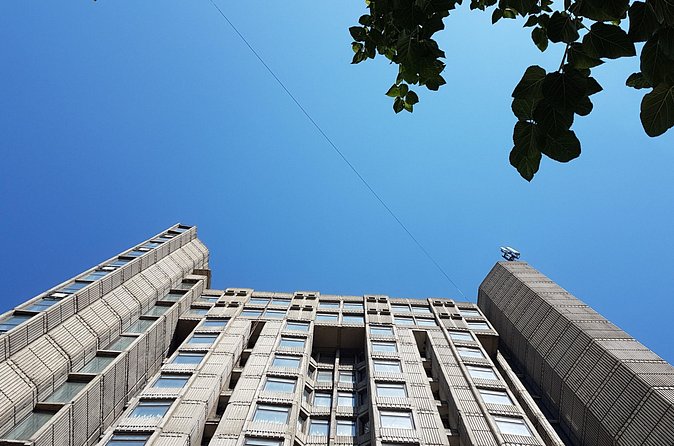
The Skopje Central Train Station is scheduled for about 15 minutes. This is a natural stop on an architecture walk because stations connect a city to its wider region. The building also adds movement to a route that otherwise focuses heavily on fixed public structures.
A station can tell you how a city imagined arrival and departure. Even if you are not catching a train, you can look at the building as a piece of civic infrastructure. It serves residents, students, workers, and people passing through.
The 15-minute visit should give you enough time to take in the exterior and hear the guide’s explanation. As with the other stops, this is not advertised as a long station tour or a ticketed attraction. The value comes from the link between design and function.
I would keep your camera ready here, but remember that the tour’s purpose is not simply collecting building photos. Listen for how the station fits into Skopje’s wider rebuilding story.
UKIM: a personal side of the tour
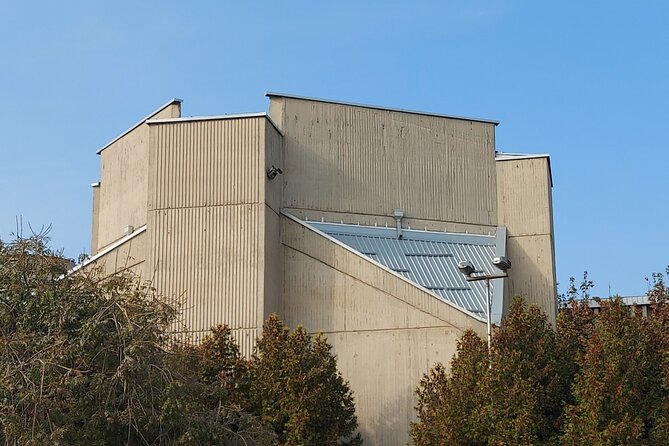
The tour then visits a department of Ss. Cyril and Methodius University in Skopje, commonly known as UKIM. The stop lasts about 15 minutes and is one of the most personal parts of the route because Elena studied at the university herself.
That connection gives the building more meaning than a standard exterior explanation. You can ask about her experience there and hear how an important public institution relates to student life in Skopje. The university is not only an architectural subject. It is also a place where the guide has a direct connection.
I especially like this detail because it helps prevent the tour from becoming a procession of concrete facades. Architecture matters, but people make buildings meaningful. Elena’s personal memories add that human layer while keeping the focus on the structure and its role in the city.
If you are interested in education, public institutions, or the daily life of young people in Skopje, this stop deserves your attention. It may also be a good moment to ask questions about how the city feels from a local student’s point of view.
Macedonian Opera and Ballet: ending with a major cultural building
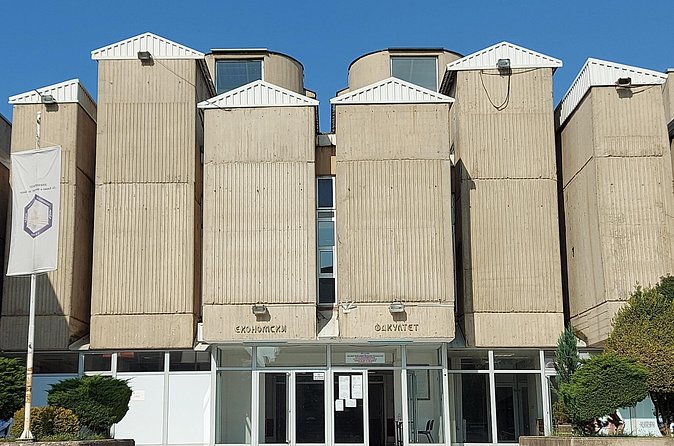
The final stop is the Macedonian Opera and Ballet, also called MOB. The tour ends in front of the building on Boulevard Goce Delcev, with about 10 minutes scheduled for the visit.
Ending here gives the walk a strong finish. After seeing commerce, housing, public services, transport, and education, you reach a building devoted to performance and culture. The Opera shows how the same architectural period and city planning concerns extended into the arts.
Because the tour finishes at the Opera, you can treat it as a useful handoff to the rest of your day. You are not returned to the starting point, so plan your route accordingly. The end point is still in central Skopje and near public transportation, which makes continuing on foot or by transit practical.
The stop itself is brief. You should expect an explanation and a look at the building rather than an opera performance or a ticketed interior visit. Check any separate performance schedule if you hope to go inside later, since that is not included in this experience.
What the three-hour format really gives you
The listed visits add up to about 90 minutes. Since the full experience lasts approximately three hours, the remaining time allows for walking between sites, explanations, questions, and a more relaxed pace.
That matters. A route with seven stops can feel rushed if every building receives only a few minutes. The longer total duration suggests that the morning is not just a quick photo circuit. You have time to move through the city and listen.
Still, I would set realistic expectations. This is a guided overview, not an academic seminar or a full-day architectural study. The stop lengths range from 10 to 20 minutes, so the tour gives you a broad understanding of Skopje rather than exhaustive detail at each site.
The 9:30 am start is practical. You get an early look at the city and finish around lunchtime, depending on walking speed and discussion. Wear comfortable shoes and bring a layer suited to the weather. The experience requires good weather, and poor conditions can lead to a different date or a full refund.
Private format and guide style
The experience is private, with only your group taking part, and the group limit is three people. This is a major advantage if you want to ask questions or focus on particular interests. A small group also makes it easier to pause briefly at a building without holding up a large crowd.
The guide is Elena, and her strongest quality is her enthusiasm for Skopje. She is described as keen to make the walk interesting and able to answer questions in detail. Her university connection gives the UKIM stop a personal touch that a guide without local experience could not provide.
The tour is offered in English. If you like asking questions about design, city life, or the meaning of specific buildings, the private format should suit you well. If you prefer a quiet walk with little explanation, this may feel more talk-focused than you want.
Is $169.38 a fair price?
The cost is $169.38 per group of up to three people. For one person, that is a high price for a three-hour walking tour. For three people, it works out to about $56.46 per person, which is easier to justify given the private format and the number of stops.
You are paying for more than a standard city stroll. The experience connects seven buildings across several parts of Skopje’s civic life, includes an English-speaking guide, and gives your group a private setting. There are no admission fees at the listed stops, so the price is mainly for the guide’s time, route planning, local knowledge, and conversation.
I think the value is strongest for a small group that cares about architecture. If you are booking alone and mainly want a general introduction to Skopje, a less expensive group walk may make more sense. If three people share the cost and you want a specialized subject, the price becomes reasonable.
Who should book this walk?
I would recommend it to you if you enjoy modern architecture, urban planning, public buildings, or the way a city rebuilds after disaster. It also suits first-time visitors who want a guided introduction before exploring Skopje independently.
The tour is a good match for people who prefer real city spaces over a list of famous monuments. The route includes places used for shopping, studying, mailing letters, traveling, and attending performances. That gives you a grounded view of Skopje.
It may be less suitable if you want long interior visits, museum collections, or a relaxed cafe-focused morning. The stops are short and the subject is specific. You should book it because you want to understand the city through its buildings, not because you are looking for a general sightseeing loop.
Free cancellation is available if you cancel at least 24 hours before the start time. Changes made within 24 hours are not accepted, and there is no refund for late cancellation. The tour can also be moved or refunded if bad weather or an insufficient number of bookings causes cancellation.
Should you book the Brutalist Skopje Architecture Tour?
Book this tour if you want a focused, personal introduction to Skopje’s post-earthquake architecture and you can share the cost with one or two companions. The private format, seven-stop route, and Elena’s personal connection to UKIM give it more character than a simple list of buildings.
I would skip it if you want extensive access inside each site or a broad tour covering markets, food, churches, and museums. For architecture-minded visitors, though, the route offers a smart way to see the city’s less obvious story. You finish at the Opera with a better sense of how Skopje works as a modern city, and plenty of time left to explore on your own.
FAQ
How long does the Brutalist Skopje Architecture Tour last?
The tour lasts approximately three hours.
What time does the tour start?
The start time is 9:30 am.
Where does the tour begin?
The tour begins at XCVJ+QXM on 11th October Street in Skopje.
Where does the tour end?
The tour ends in front of the Macedonian Opera and Ballet at Boulevard Goce Delcev 4, Skopje.
How many people can join the private tour?
The private tour is for one group of up to three people.
Is the tour offered in English?
Yes. The experience is offered in English.
Just added in the world
- Wilmington History and Architecture Tour★ 4.8 · 18 reviews
- New Orleans : Garden District Architecture Walking tour★ 4.8 · 5 reviews
- Washington DC: Dupont Circle & Embassy Row Architecture Tour★ 5.0 · 6 reviews
- Washington, DC: Georgetown Architecture Walking Tour★ 5.0 · 8 reviews
- Vicenza: Palladian Architecture Private Walking Tour★ 3.3 · 3 reviews
- Walk & Discover KL’s Architectural and Heritage Gems★ 5.0 · 7 reviews
- Private Colonial Williamsburg Architectural Tour★ 5.0 · 5 reviews
- Unveiling Brno: History, Culture & Architectural Delights★ 5.0 · 2 reviews
Bauhaus and Brutalist Architecture Tours, compared.
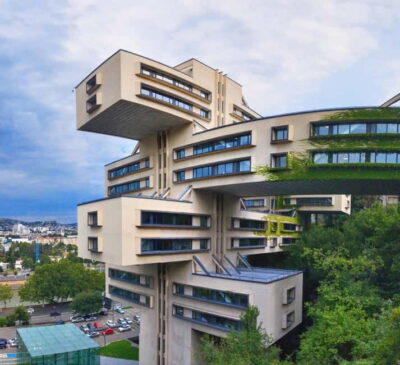
Brutalist Tbilisi: Urban exploration and untold stories
Read our review →
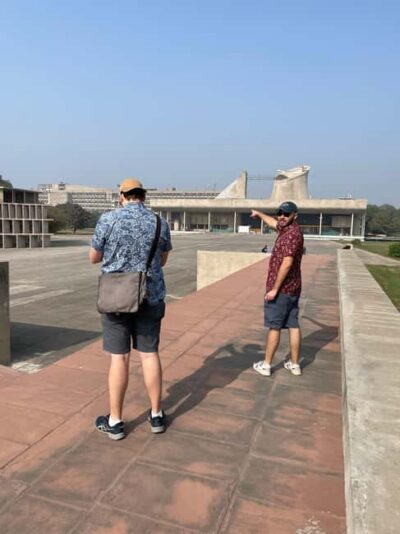
Le Corbusier’s Chandigarh : A Complete Architecture Tour
Read our review →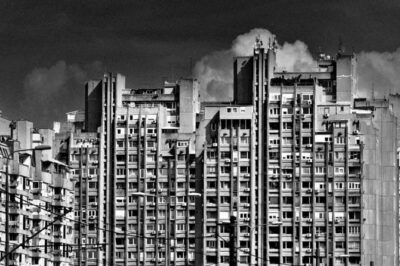
Architecture of New Belgrade – Brutalism Decoded
Read our review →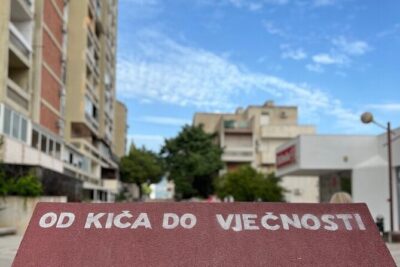
Secret Split: Socialist Architecture & brutalism – Urban Utopia
Read our review →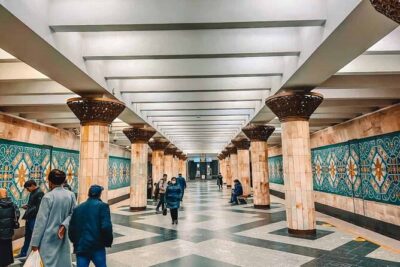
Tashkent Soviet Architecture (Modernism) and Subway station tour.
Read our review →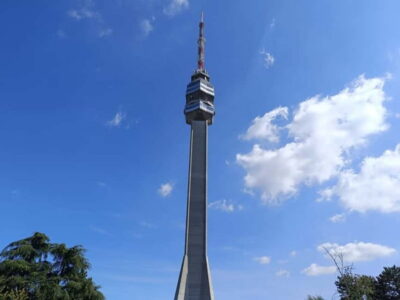
Belgrade: Space architecture tour – brutalist architecture
Read our review →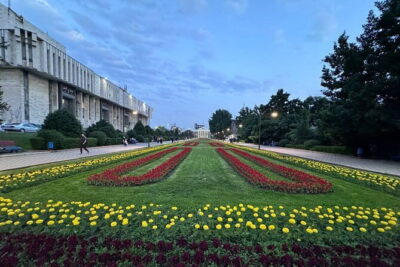
Bishkek : USSR History, Soviet Architects ,Statues & Mosaics
Read our review →Browse the lists this tour appears in