
REVIEW · BERLIN ARCHITECTURE TOURS
Berlin: Guided Architectural Walking Tour of Hansaviertel
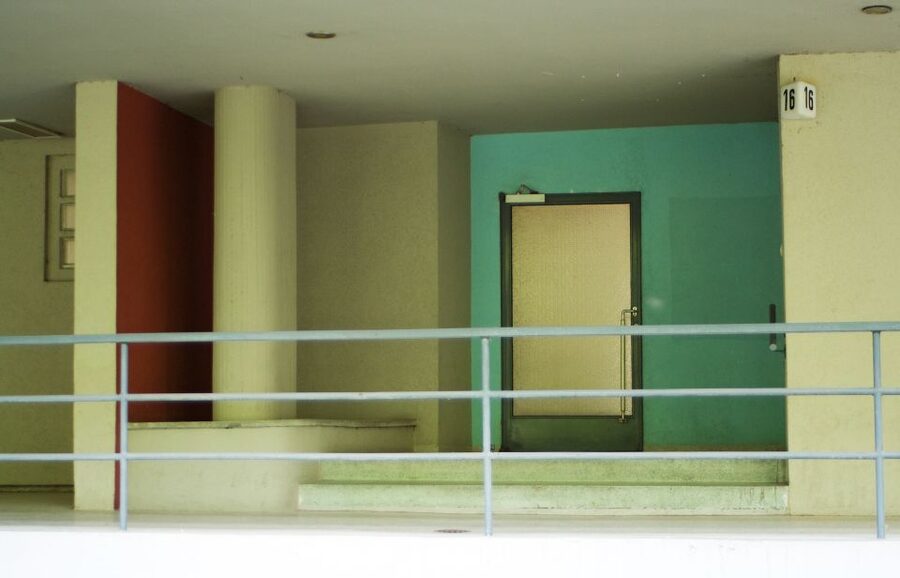
Berlin’s boldest architecture hides in plain sight. This 2.5-hour walk through Hansaviertel links the district’s wartime destruction to its remarkable postwar rebuilding, with major works by Le Corbusier, Oscar Niemeyer, Alvar Aalto, and Walter Gropius. I like the way the tour treats buildings as history lessons, not just photo stops, and I especially like its setting beside Tiergarten, where city noise and open green space meet.
The local guide is the heart of the experience. Feedback praises the guides for being expert, funny, punctual, and generous with extra information, including details about present-day residents. One important consideration: the tour is in German only, involves a lot of walking, and is not suitable for wheelchair users.
Key Points at a Glance
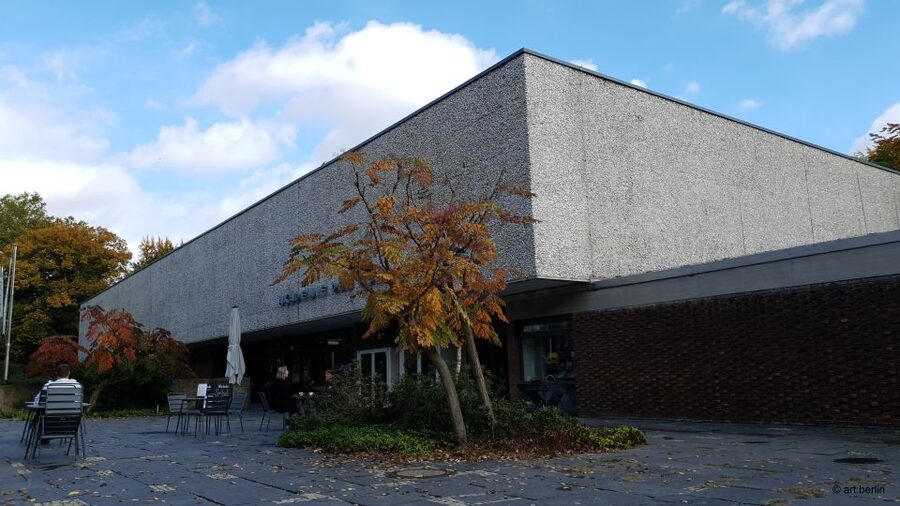
- A district rebuilt after near-total wartime destruction: Hansaviertel gives you a clear look at how Berlin used architecture to make a political and cultural statement after 1945.
- International modernism in one neighborhood: See work connected with Le Corbusier, Oscar Niemeyer, Alvar Aalto, and Walter Gropius.
- A walk beside Tiergarten: You hear busy Berlin city life while moving through a district bordered by one of the city’s best-known green spaces.
- Extra interior access may be included: The tour has included the Hansa Library and Kaiser Friedrich Memorial Church, adding useful indoor context.
- A strong guide-led experience: The guide is praised for humor, clear explanations, and detailed knowledge of Hansaviertel.
- Good value for architecture fans: At $24 per person, the tour offers two and a half hours of focused interpretation rather than a quick look from the street.
Why Hansaviertel Matters in Berlin
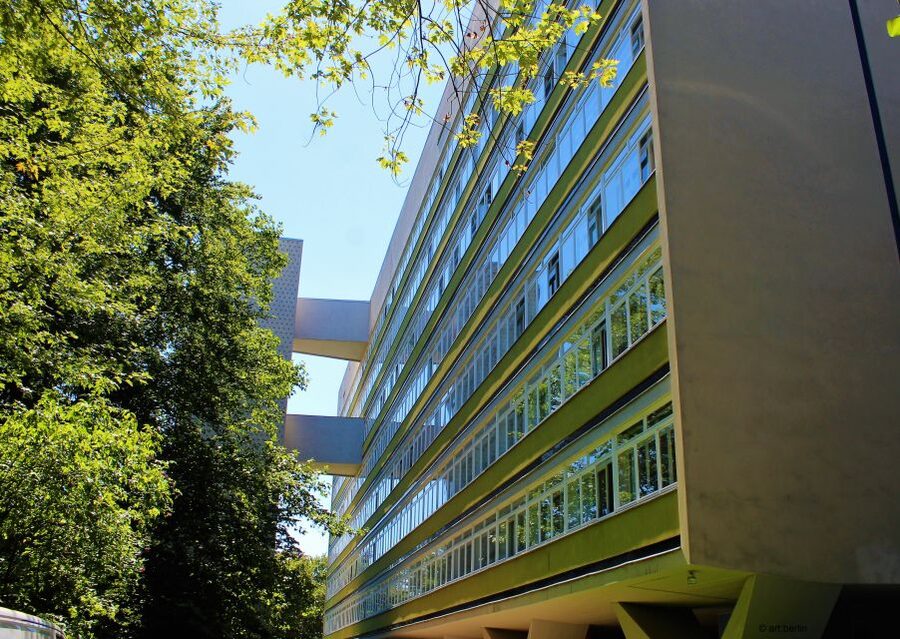
Hansaviertel is useful for understanding a Berlin that is easy to miss if you focus only on the Brandenburg Gate, Museum Island, or the Berlin Wall. This is a district shaped by destruction, division, and a very deliberate attempt to show what a modern city could become.
During the Second World War, Hansaviertel was nearly completely destroyed by bombing. That fact changes the way you read the streets. The buildings are not simply attractive examples of postwar design. They represent a new chapter for a part of West Berlin that had to be rebuilt almost from the ground up.
I find that context especially valuable because modern architecture can seem cold or abstract when you see it without explanation. A guide can point out why the buildings were placed as they were, how the district relates to its surroundings, and why such famous architects were brought into the project. You come away with a better sense of the ideas behind the buildings, not just their shapes.
The tour also gives you a feel for daily Berlin. Hansaviertel borders Tiergarten, so the walk combines traffic, footsteps, urban sounds, and the calmer edge of a large park. It is not a museum visit sealed away from the city. You are looking at living Berlin, with its old scars and modern routines sharing the same streets.
More walking tours in Germany:
- Düsseldorf: Guided City Architecture Walking Tour
★ 4.6 · 61 reviews - Potsdam: Guided Walking Tour of UNESCO Site and Architecture
★ 4.7 · 49 reviews - Private walking Tour: Berlin Architecture Tour
★ 5.0 · 14 reviews
Meeting Outside the Grips-Theater
The tour begins outside the main entrance of the Grips-Theater. This is an important detail, since the starting point is not described as a hotel pickup or a central meeting hub. You should plan to arrive with enough time to identify the entrance and meet the guide before the scheduled start.
The opening location fits the subject well. You are starting in a cultural part of Berlin, then moving into a district where architecture, public life, and urban planning are closely connected. The guide sets the tone by introducing Hansaviertel and explaining how badly the area was damaged during the war.
The first part of the walk is likely to feel more historical than architectural. That is a good thing. Without the wartime background, the later buildings can look like a collection of famous names. With it, you understand that Hansaviertel was rebuilt with a purpose.
The tour begins punctually, according to the available feedback, so do not treat the meeting time casually. Comfortable shoes matter from the first minute. Two and a half hours on foot is not extreme for an active visitor, but it is long enough for poor footwear to become the main memory of the day.
Reading the Postwar Buildings
The main attraction is the architecture. Hansaviertel brings together work by several major figures, including Le Corbusier, Oscar Niemeyer, Alvar Aalto, and Walter Gropius. Their presence gives the district an international scope, even though the tour also pays close attention to German architectural history.
I like this format because you can compare different approaches within one walk. Instead of seeing a single modernist building in isolation, you can consider how architects handled housing, public space, light, scale, and the relationship between private homes and the wider neighborhood.
The tour is not just a parade of celebrated architects. The guide explains the construction work and the ideas that shaped the rebuilt district. That is where the experience earns its price. A self-guided walk may let you photograph striking buildings, but it may not explain why they matter or how they fit into Hansaviertel’s postwar identity.
You should expect the buildings to be viewed as part of an active neighborhood, not as a preserved open-air museum. That means you may need to listen closely while standing outdoors, and the quality of the experience depends heavily on the guide’s delivery. The feedback here is unusually consistent: guides are described as humorous, sympathetic, punctual, and highly informed.
That praise matters. Architecture tours can become dry if every stop turns into a lecture. A good guide keeps the pace moving and gives you enough detail to understand the design without burying you in technical language. The strongest comments about this tour focus on exactly that balance.
The Hansa Library and Kaiser Friedrich Memorial Church
The tour has also included special access to the Hansa Library and Kaiser Friedrich Memorial Church. These extras can make the walk feel more complete because they let you see how Hansaviertel works from the inside, not only from its streets and exterior facades.
The Hansa Library is a particularly useful addition for anyone interested in civic design. A library shows how architecture serves everyday public life. If access is available during your tour, look beyond the simple fact of entering the building. Pay attention to the relationship between function, light, and the building’s place in the neighborhood.
The Kaiser Friedrich Memorial Church adds another layer. It connects the rebuilt district with its religious and community life, rather than presenting Hansaviertel as architecture without people. One useful detail from the tour experience is that access to the church and the library has been treated as an extra, so you should not assume that every visit will follow exactly the same interior route.
These stops also provide a welcome change from outdoor walking. Still, the core activity remains a walking tour, and you should be prepared to spend most of the two and a half hours on your feet. Bring water and dress for the weather. Berlin can make an ordinary day feel colder, windier, or wetter than expected, especially when you are standing still while listening.
A few more architecture tours in Germany worth a look
- Lübeck: Architecture and Local Craft Private Guided Tour
★ 4.0 · 6 reviews - Munich Your Way: Private Tour with Architect & Guide
★ 5.0 · 2 reviews - Chicago River: 1.5-Hour Guided Architecture Cruise
★ 4.8 · 8,046 reviews - Park Güell: Guided Tour with Optional Gaudí Experience Entry
★ 4.1 · 832 reviews
What the Guide Adds to the Experience
The guide does more than identify architects. The strongest part of this tour is the human detail woven into the architecture. You learn about the history of Hansaviertel, the destruction caused by bombing, the rebuilding effort, and information about people who live in the district today.
That last point helps prevent the neighborhood from feeling like a design display. Buildings become easier to understand when you connect them with residents, public institutions, and the sounds of city life around them. I appreciate tours that explain how a place functions now, not only what happened decades ago.
The available feedback praises the guide’s humor and competence, with one group describing the experience as unforgettable and another highlighting the guide’s extra information. No individual guide name is provided, so you should not book expecting a particular person. The consistent point is the quality of the guiding itself.
The language is German. This is the most important practical limitation for many international visitors. If you understand German well enough to follow a sustained walking talk, the tour can offer a great deal. If you do not, the architectural setting may still interest you, but you will miss the main value: the explanations, stories, and context.
Is Two and a Half Hours a Good Use of Your Day?
For $24 per person, I consider this a fair price for a focused architecture tour. You get a live guide, two and a half hours of subject-specific commentary, and the chance of extra access to places such as the Hansa Library and Kaiser Friedrich Memorial Church.
The value is strongest for visitors who would otherwise walk through Hansaviertel without understanding what they are seeing. A free self-guided route can show you the same streets, but this tour saves you the work of researching each architect and connecting the district’s destruction with its reconstruction.
The price is less attractive if you have little interest in architecture or postwar Berlin. Hansaviertel is not presented as a general sightseeing circuit. You are paying for detail, interpretation, and a close look at a particular chapter of the city.
The booking terms also make the decision easier. You can reserve now and pay later, and cancellation is allowed up to 24 hours in advance for a full refund. Those policies do not change the quality of the tour, but they reduce the risk of fitting it into a busy Berlin schedule.
Who Will Enjoy This Walk Most?
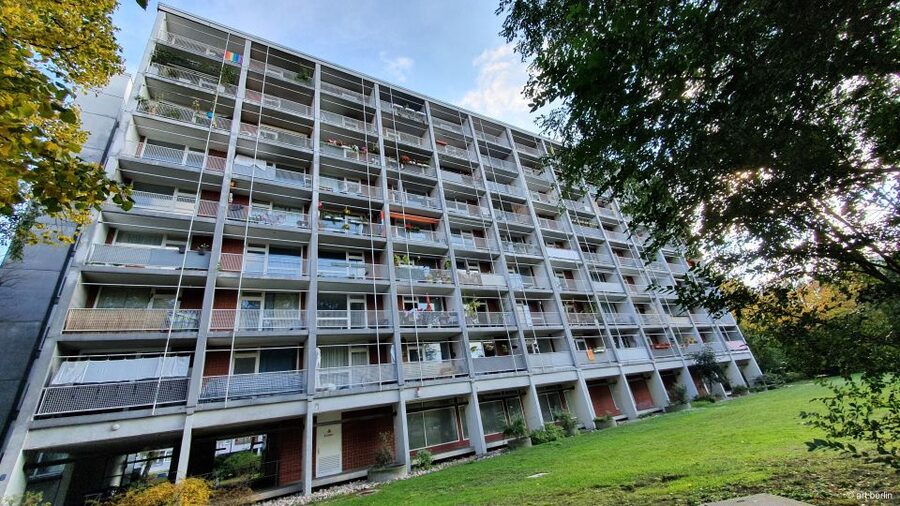
I would recommend the tour to anyone curious about modern architecture, urban rebuilding, or the history of West Berlin. It also suits repeat visitors who have already seen the major central sights and want a quieter, more specialized side of the city.
Architecture students and design fans will have plenty to examine. So will anyone who enjoys tours where the guide explains why a place looks the way it does. The combination of internationally known architects, German postwar planning, and a neighborhood still used by residents gives the subject real substance.
You should think twice if you dislike long walks, outdoor tours, or discussions that focus on buildings rather than headline attractions. Hansaviertel is not designed for a quick checklist. It rewards patience and attention.
The tour is not suitable for wheelchair users, according to the activity information. Since it involves a lot of walking, it may also be uncomfortable for anyone with limited stamina, though the exact walking distance and surface conditions are not specified.
Practical Tips for a Better Visit
Wear supportive shoes. This is the single most useful preparation, since the tour lasts 2.5 hours and involves substantial walking.
Bring water and a camera. The camera is worthwhile for recording the contrast between the different architectural approaches, while water helps on warmer days or whenever the guide pauses outdoors for extended explanations.
Dress for the forecast, but allow for changing conditions. Weather-appropriate clothing is specifically recommended, and Berlin’s streets can feel different from a sunny hotel room or museum interior.
Arrive at the main entrance of the Grips-Theater with time to spare. The guide starts outside that entrance, and a punctual start is part of the experience. You do not want to begin by searching for the meeting point while the group moves on.
Finally, make sure German is suitable for you before booking. The tour language is German, with no other language listed. That matters more here than on a sightseeing route where you can simply look at monuments.
Should You Book the Hansaviertel Tour?
Book it if you want Berlin explained through its buildings. For $24, you get a well-priced, highly focused walk through a district nearly destroyed in wartime and rebuilt with ambitious modern architecture. The praised guide style, with humor, timing, and extra detail, is a major reason this works.
Skip it if you need an English-language tour, cannot manage a long walk, or prefer famous landmarks over postwar design. For the right audience, though, Hansaviertel offers a thoughtful change of pace: a real neighborhood, major architecture, and a clear story about how Berlin rebuilt itself.
FAQ
Where does the Hansaviertel tour begin?
The meeting point is outside the main entrance of the Grips-Theater in Berlin.
How long does the tour last?
The guided walking tour lasts 2.5 hours.
What language is the tour offered in?
The live tour guide speaks German. German is the only language listed for this activity.
How much does the tour cost?
The listed price is $24 per person.
What is the main subject of the tour?
The tour explores the history and architecture of Hansaviertel, including its near-total destruction during Second World War bombing and its postwar reconstruction.
Which architects are connected with the buildings?
The tour features work by German architects and major international figures including Le Corbusier, Oscar Niemeyer, Alvar Aalto, and Walter Gropius.
Does the tour include interior visits?
The experience has included access to the Hansa Library and Kaiser Friedrich Memorial Church. Interior access may form part of the tour experience, but the available information does not guarantee every interior stop for every departure.
What should I bring?
Bring comfortable shoes, water, a camera, and clothing suited to the weather.
Is the tour suitable for wheelchair users?
No. The activity is listed as not suitable for wheelchair users, and it involves a lot of walking.
Just added in Germany
- Hidden Architectural Gems of Munich (Max. 16 guests)★ 5.0 · 2 reviews
- Munich Your Way: Private Tour with Architect & Guide★ 5.0 · 2 reviews
- Architectural Frankfurt: Private Tour with a Local Expert★ 5.0 · 2 reviews
- Architectural Berlin: Private Tour with a Local Expert★ 4.0 · 3 reviews
- Private Taxi Tour of City East History and Architecture 2-3h★ 5.0 · 2 reviews
- Berlin Architecture/River Spree Full Day Photography Tour★ 5.0 · 2 reviews
- Lübeck: Private Historical and Architectural Walking Tour★ 4.5 · 6 reviews
- Lübeck: Architecture and Local Craft Private Guided Tour★ 4.0 · 6 reviews
Berlin Architecture Tours, compared.
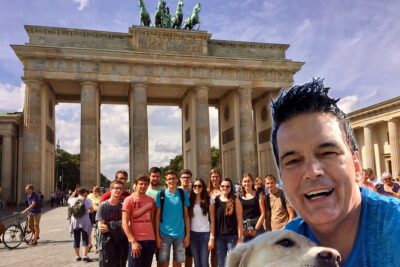
Private Taxi Tour City East & West History and Architecture 3-4h
Read our review →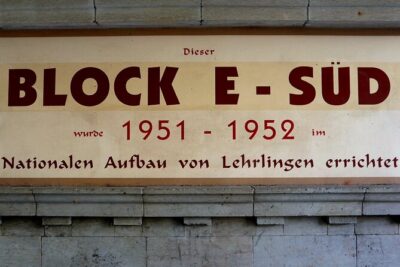
Karl-Marx-Allee Tour: Life and Architecture in East Berlin
Read our review →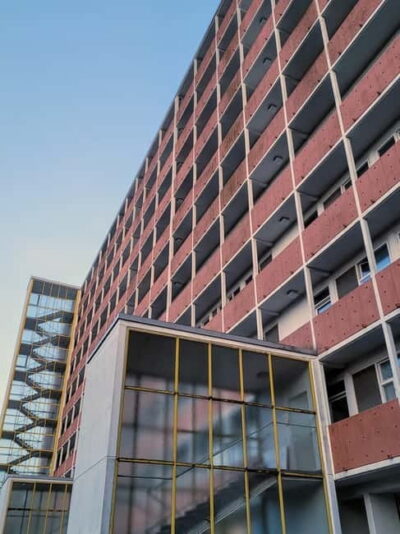

Karl-Marx-Allee Tour of Life and Architecture in GDR
Read our review →
Berlin Architecture/River Spree Full Day Photography Tour
Read our review →
Private Taxi Tour of City East History and Architecture 2-3h
Read our review →Browse the lists this tour appears in