
REVIEW · GERMANY ARCHITECTURE TOURS
Dessau: Bauhausbauten Radtour
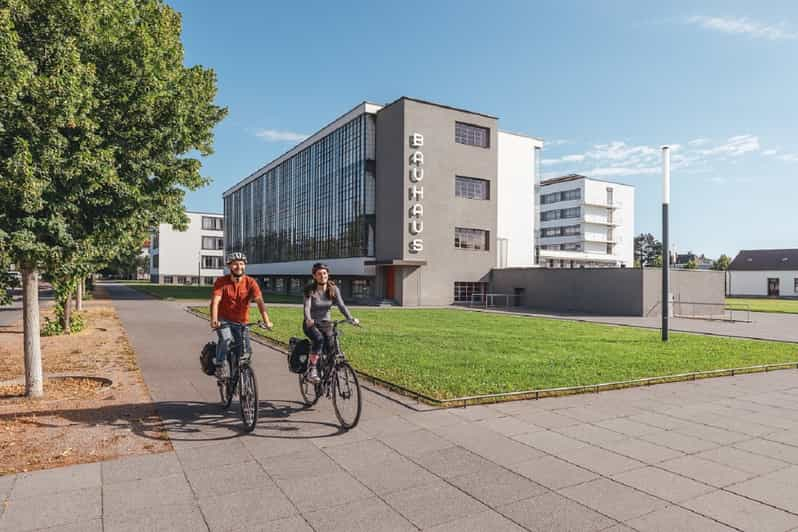
Bauhaus makes more sense on two wheels. This three-hour ride links Dessau’s major Bauhaus sites, from the Kornhaus on the Elbe to the Masters’ Houses, Bauhaus building, Historic Employment Office, and Törten Housing Estate. I like the way the route gives you a useful city overview, and I also like that the guide adds anecdotes about the Bauhäusler instead of treating each building as a silent photo stop. The main drawback is simple: the tour is in German, and it runs rain or shine.
You meet your guide in front of the Tourist Information, where you can also pick up a rental bicycle if needed. The tour costs $23 per person, with bike rental available for €10 per bike per day, so the value is strongest if you already have a bicycle or plan to spend more time riding around Dessau.
Key points at a glance
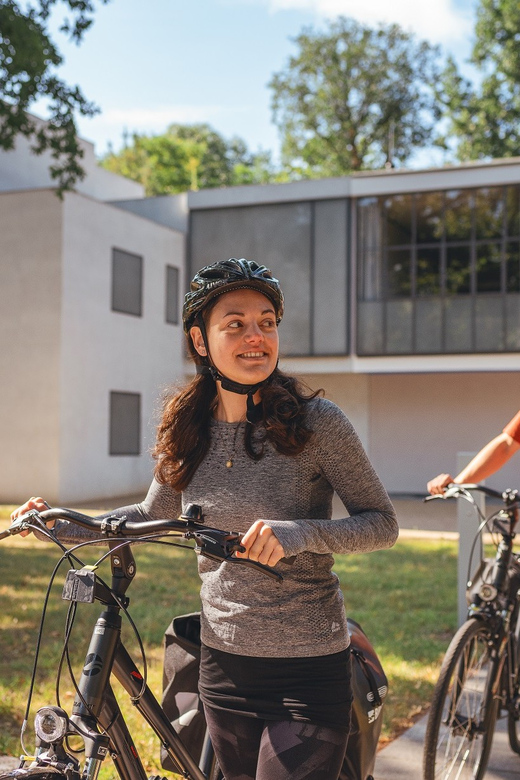
- Three hours by bicycle: A practical length for seeing Dessau’s main Bauhaus buildings without turning the day into a full architectural study.
- A route across the city: You ride from the Kornhaus on the Elbe through central Dessau to the southern Törten Housing Estate.
- The Bauhaus building and Masters’ Houses: These are essential stops for understanding the school’s design ideals and daily life.
- Stories beyond the architecture: Your German-speaking guide explains the school’s history, building design, and anecdotes about the Bauhäusler.
- A useful ending at the Kornhaus: The tour finishes beside the Elbe at a restaurant, giving you an easy place to pause after the ride.
- Bike rental is separate: Bring your own bicycle or budget an additional €10 per bike for the day.
Why a bicycle is the right way to see Dessau’s Bauhaus
Dessau’s Bauhaus sites are spread across the city. Walking between them would take time and energy, while a car would make the route feel oddly disconnected. A bicycle lets you cover the ground at a sensible pace and see how the buildings fit into Dessau’s streets and open spaces.
That matters here. Bauhaus was not only about creating striking individual buildings. It was also about practical housing, public services, modern work, and the relationship between design and ordinary life. Moving from one site to another helps you see those ideas as part of a city, not as isolated monuments.
The three-hour format is well judged for a first look. You have enough time to visit the principal locations and hear explanations, but the ride should not consume your entire day. I would plan another part of the day for museums, interiors, or a slower return to any building that catches your eye.
The route is also a good choice if you want a guided introduction before exploring alone. After hearing the basic story of the school and its buildings, you will have a better sense of what to notice when you revisit a site at your own pace.
Other architecture tours people book in Germany:
- Munich 3-Hour Segway Tour: Nazi Munich & Royal Architecture
★ 4.9 · 194 reviews - Düsseldorf: Guided City Architecture Walking Tour
★ 4.6 · 61 reviews - Hidden Architectural Gems of Munich (Max. 16 guests)
★ 4.9 · 52 reviews
Starting at Tourist Information and heading toward the Elbe
The meeting point is in front of the Tourist Information. This is practical because it gives you a clear place to begin and offers access to a rental bicycle if you need one. The tour provider supplies the trained guide, but the bicycle itself is not included in the tour price.
The exact order of the stops can depend on the guide and the day’s arrangements, but the advertised route covers all the Bauhaus buildings in the city area. The Kornhaus on the Elbe is one of the key points, and the tour ends there, so the river setting is part of the experience rather than a quick pass-by.
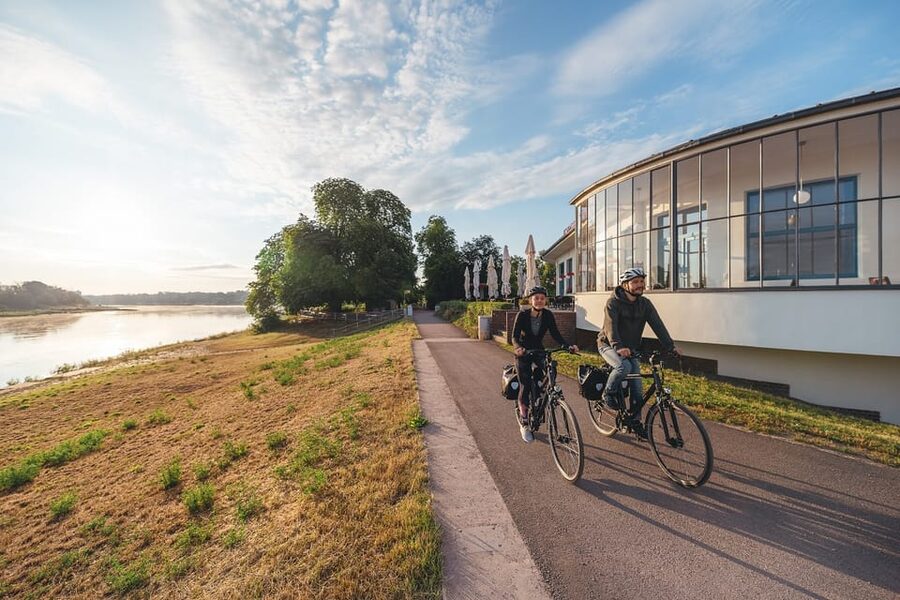
The Kornhaus is especially useful as a beginning or ending point because it places Bauhaus in a broader setting. You are not looking only at school buildings and housing blocks. You also get a riverside building and a chance to see one of Dessau’s pleasant corners outside the central architectural circuit.
The tour ends at the restaurant Kornhaus on the banks of the Elbe. That makes the finish convenient, though you should not assume that a meal is included. The activity includes the guided bicycle tour only.
The Bauhaus building and the school’s working world
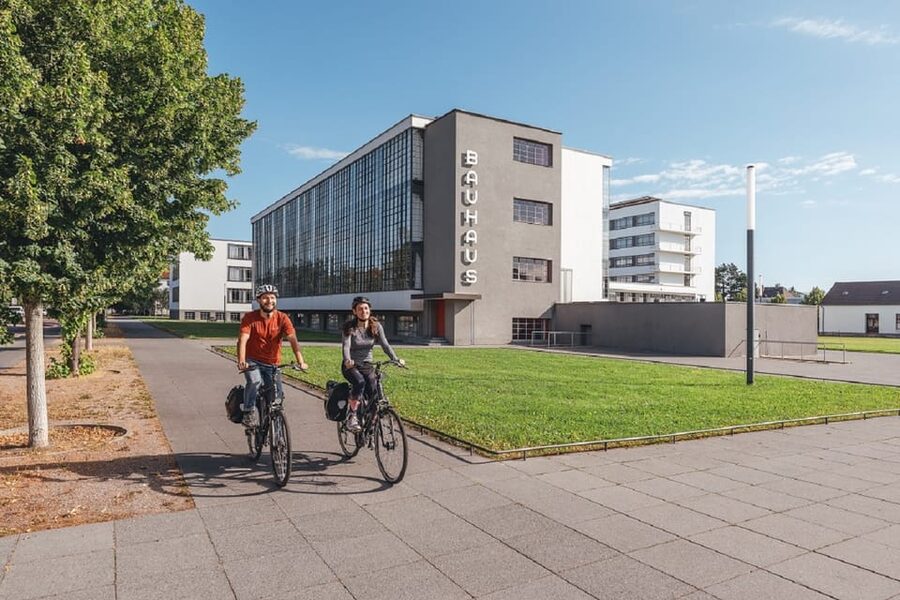
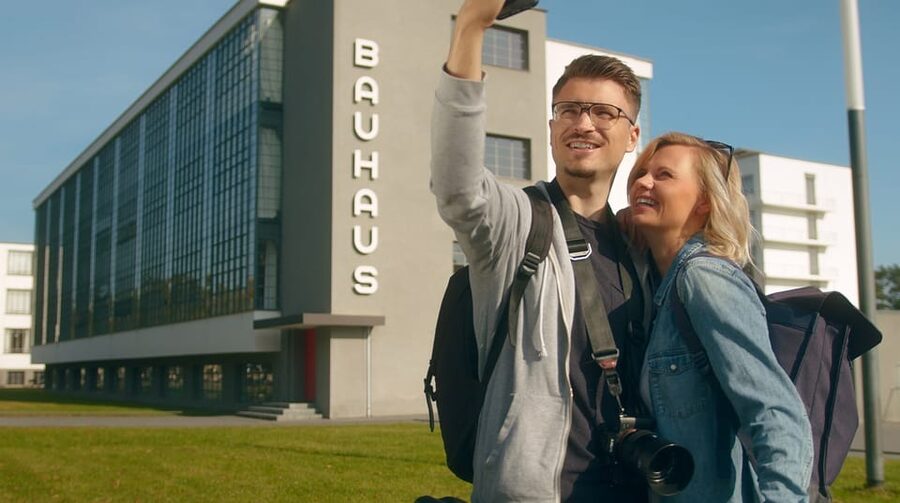
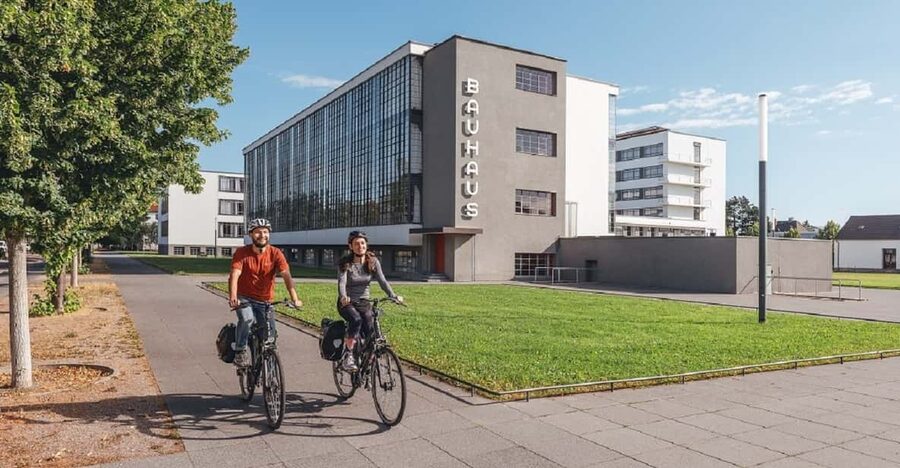
The central Bauhaus building is the obvious anchor of the tour. Here, your guide explains the history of the art academy and the architecture of the building itself. The value of visiting with a guide is that you get both pieces at once: what the building looks like and why it was designed in that way.
A quick photo stop would miss much of the point. Bauhaus buildings reward attention to form, function, and the way people were expected to use them. Listen for the practical details in the guide’s explanation. They help turn a famous facade into a place connected to teaching, working, and daily routines.
The guide also shares anecdotes about the Bauhäusler, the artists, designers, architects, and students connected with the school. These stories add a human scale to a movement that can otherwise feel overly polished or abstract. You will hear about people as well as principles, which makes the tour easier to follow if you are interested in culture but not trained in architecture.
The tour is conducted in German. That is important. If you understand German well, the live explanations and anecdotes are likely to be a major part of the value. If you do not, the buildings may still be rewarding to see, but you should not book this expecting an English-language introduction.
The Masters’ Houses and the people behind Bauhaus
The Masters’ Houses are another major stop on the route. Their importance is not just visual. They connect the Bauhaus to the people who taught and worked there, giving you a better sense of the school as a community.
Your guide explains the architectural features and adds stories about the Bauhäusler. That combination should help you read the houses in two ways. First, you can look at their forms and design choices. Second, you can think about how the people associated with Bauhaus lived and worked within that setting.
I like this part of the route because it prevents the tour from becoming a checklist of famous buildings. The Masters’ Houses are tied directly to the school’s personalities and working life. If you enjoy the human side of cultural history, pay close attention here.
The limitation is the time available. Since the full ride lasts three hours and includes several areas of Dessau, each stop cannot receive the attention of a private architectural tour. You get an overview, useful context, and stories, but not an exhaustive study of every room or design detail.
Same city, a different building to stand in front of:
- Potsdam: Guided Walking Tour of UNESCO Site and Architecture
★ 4.7 · 49 reviews - Private Taxi Tour City East & West History and Architecture 3-4h
★ 5.0 · 42 reviews - Stuttgart city library – an architectural tour
★ 4.4 · 27 reviews - Karl-Marx-Allee Tour: Life and Architecture in East Berlin
★ 5.0 · 19 reviews
The Historic Employment Office and Bauhaus in public life
The Historic Employment Office broadens the subject beyond art schools and private homes. It shows how modern design could be applied to a public building serving everyday needs.
This is one of the reasons I find the complete route more useful than a short visit to the main Bauhaus building. You see how the movement reached into public services and civic life. The guide’s explanation of the building’s architecture should help you understand how function shaped the design.
You may not have the same immediate recognition here as at the main Bauhaus building. That is part of its value. The tour asks you to look past the most famous name and notice how Bauhaus ideas appeared in less obvious parts of Dessau.
The Historic Employment Office also gives the route a practical rhythm. Instead of moving only between buildings associated with artists and teachers, you encounter architecture made for the wider public. That makes the story of Bauhaus feel less like a chapter in art history and more like an attempt to reshape everyday surroundings.
Törten Housing Estate and the practical side of modern design
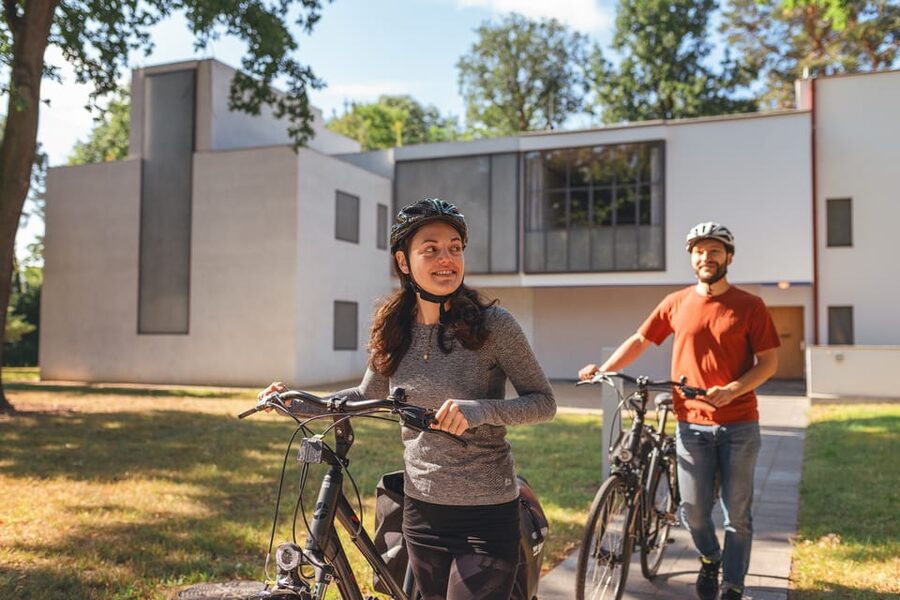
The ride continues south to Dessau-Törten Housing Estate. This stop is essential because housing was central to the wider Bauhaus project. Here, the focus shifts from landmark architecture to the question of how ordinary homes could be planned and built.
The housing estate gives you another way to understand Bauhaus design. Look for the relationship between the homes, their layout, and the practical problems the project was meant to address. Your guide provides the background, while the bicycle ride lets you see the estate as part of a real residential area rather than a detached museum object.
For many people, Törten will be the most revealing part of the tour. The main Bauhaus building is famous and visually direct. A housing estate requires more thought. It asks how design works over time, how residents use planned spaces, and how modern ideas meet daily needs.
There is also a small tradeoff in reaching this southern stop. The ride takes you farther across Dessau, which is exactly what makes the route useful, but it also means the tour includes travel time between sites. If you want to linger at every building, three hours will feel tight. If you want a broad picture of Dessau’s Bauhaus work, the distance is worthwhile.
Stories, guide quality, and the German-language format
A trained live guide leads the ride and explains the history of the art academy, the architecture, and anecdotes about the Bauhäusler. Those three subjects give the tour a good balance. You get facts, design interpretation, and personal stories.
The anecdotes are particularly important because Bauhaus can be presented in a dry way. Dates, names, and building styles are useful, but they do not always stick. A story about the people involved can make the school’s culture easier to remember.
Since the tour is German-only, your language ability should be part of the booking decision. The provider lists German as the tour language. There is no English option given, so you should not count on translated commentary or written explanations during the ride.
If your German is limited, you can still see the buildings, follow the route, and enjoy the city. But the tour’s strongest feature is the guide’s spoken explanation. I would choose this experience only if you can understand enough German to follow a live architectural and historical talk.
Price, bicycle rental, and what you actually receive
The tour price is $23 per person. For a three-hour guided ride covering the city’s main Bauhaus buildings, that is a reasonable price, particularly if you already have a bicycle.
Bike rental is not included. A rental bicycle is available for €10 per bike per day, which makes the total cost higher for anyone arriving without one. The extra fee is not excessive, and a full-day rental may be useful if you want to keep riding after the tour, but you should include it in your budget.
You receive the guided bicycle tour by a trained guide. Food, drinks, and the rental bicycle are not listed as included. The end point at the Kornhaus restaurant is convenient, but you pay for anything you order there.
The activity allows cancellation up to 24 hours in advance for a full refund, and you can reserve now and pay later. Those policies make it easier to fit the ride into a changing itinerary. The practical warning is the weather: the tour runs rain or shine, so check the forecast and dress for a real outdoor ride.
Who should book the Dessau Bauhaus bike tour?
I would recommend this tour to anyone who wants a clear first introduction to Dessau’s Bauhaus sites and prefers seeing a city by bicycle. It suits visitors who want the major buildings in one outing, enjoy stories as much as architecture, and can follow German commentary.
It is also a good match for anyone who wants to understand Bauhaus beyond the famous central building. The route includes the Masters’ Houses, Historic Employment Office, Törten Housing Estate, and Kornhaus, so you get a wider picture of the movement’s impact.
I would think twice if you need an English-speaking guide, dislike cycling in uncertain weather, or want long interior visits at each stop. This is a moving overview, not a slow museum tour. The bicycle is the tool that connects the sites, and the guide’s talk provides the meaning between them.
Should you book it?
Book this tour if you want the best broad introduction to Dessau’s Bauhaus architecture in a single morning or afternoon. The route covers the major city sites, adds personal stories, and shows how Bauhaus reached from an art school into housing and public buildings.
Skip it if the German-only format will block your understanding or if rain would spoil your day. For everyone else, the $23 tour offers a practical way to see a lot of Dessau, with only the extra €10 bicycle rental to factor in if you need a bike.
FAQ
How long does the Dessau Bauhaus bicycle tour last?
The tour lasts three hours.
What language is the guided tour in?
The live tour guide speaks German.
Where does the tour begin?
The guide welcomes you in front of the Tourist Information in Dessau.
Where does the tour end?
The tour ends at the Kornhaus restaurant on the banks of the Elbe.
Is bicycle rental included in the tour price?
No. Bicycle rental is available for €10 per bicycle per day.
Does the tour operate in bad weather?
Yes. The tour takes place rain or shine.
Just added in Germany
- Hidden Architectural Gems of Munich (Max. 16 guests)★ 5.0 · 2 reviews
- Munich Your Way: Private Tour with Architect & Guide★ 5.0 · 2 reviews
- Architectural Frankfurt: Private Tour with a Local Expert★ 5.0 · 2 reviews
- Architectural Berlin: Private Tour with a Local Expert★ 4.0 · 3 reviews
- Private Taxi Tour of City East History and Architecture 2-3h★ 5.0 · 2 reviews
- Berlin Architecture/River Spree Full Day Photography Tour★ 5.0 · 2 reviews
- Lübeck: Private Historical and Architectural Walking Tour★ 4.5 · 6 reviews
- Lübeck: Architecture and Local Craft Private Guided Tour★ 4.0 · 6 reviews
Germany Architecture Tours, compared.
Munich 3-Hour Segway Tour: Nazi Munich & Royal Architecture
Read our review →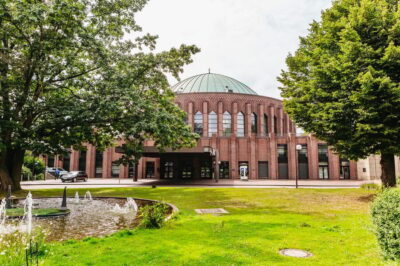
Düsseldorf: Guided City Architecture Walking Tour
Read our review →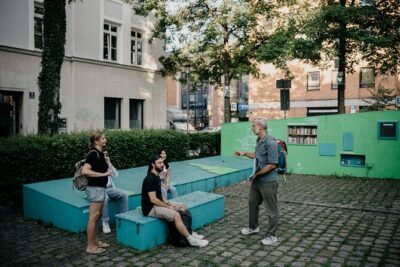
Hidden Architectural Gems of Munich (Max. 16 guests)
Read our review →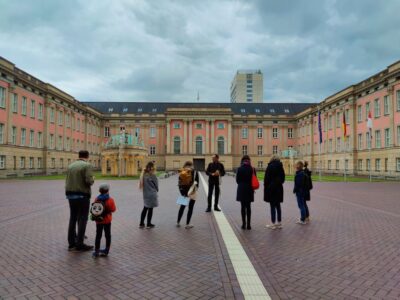
Potsdam: Guided Walking Tour of UNESCO Site and Architecture
Read our review →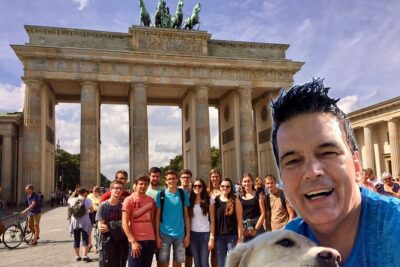
Private Taxi Tour City East & West History and Architecture 3-4h
Read our review →
Karl-Marx-Allee Tour: Life and Architecture in East Berlin
Read our review →
Browse the lists this tour appears in