REVIEW · ARCHITECTURE TOURS
Hangzhou Private Architecture Day Tour
Hangzhou reveals itself in layers. This private seven-hour tour moves from a quiet Qing Dynasty garden to tea-covered hills, a grand merchant’s home, an imperial street, and the modern Qiantang River skyline. I especially like the private vehicle and hotel pickup, which save you from piecing together Hangzhou’s spread-out sights, and the mix of old and new architecture gives the day a clear purpose. The main drawback is pace: five stops in about seven hours leaves limited time for lingering, and lunch is not included.
A private English-speaking guide also makes this more useful than a simple sightseeing transfer. Jill receives especially warm praise for her guiding, so you may want to request her if the operator can accommodate that. The tour is a good fit if you want an efficient introduction to Hangzhou’s culture, design, tea, and business center without joining a large group.
Key points to know
- Guo’s Villa offers a calm opening: This Qing-era garden and residence combines courtyards, pavilions, water views, and two distinct sections.
- Meijiawu connects scenery with tea: The village is more than a photo stop, since it is a major source of West Lake Dragon Well Tea.
- Hu Xueyan’s residence shows merchant wealth: Expect halls, gardens, bridges, towers, and living quarters rather than a single preserved room.
- Southern Song Imperial Street adds historical context: Its long central avenue once formed the main axis of Linan, the Southern Song capital.
- The private format saves time: Pickup and return are available from a downtown Hangzhou hotel or Hangzhou train station.
- The final stop changes the mood: Hangzhou City Balcony presents the city as a modern business center beside the Qiantang River.
Why this Hangzhou day tour works
I like this itinerary because it avoids making Hangzhou only about West Lake. The city is famous for water and gardens, but its identity also comes from tea production, imperial government, private wealth, and modern commerce.
You see those themes in a logical sequence. Guo’s Villa introduces refined private life. Meijiawu takes you into the countryside and tea trade. Hu Xueyan’s former home shows the scale of late Qing merchant power. Southern Song Imperial Street brings in the city’s imperial past, while City Balcony finishes with present-day Hangzhou.
The tour lasts about seven hours and begins at 9:00 a.m. That timing gives you a full morning and afternoon without turning the experience into a late-night outing. Since the stops are spread around the city, a private air-conditioned vehicle matters. You are not left figuring out several separate taxi rides or public transport connections.
The private setup also gives your group more control than a standard coach tour. You can ask questions as you go, and the guide can explain details in a way that suits your interests. The tour is still fairly tightly timed, so I would treat it as a well-planned overview rather than a slow architectural study.
More private tours in the world:
- Best of Chicago: Architecture & Highlights City Private Tour
★ 5.0 · 94 reviews - Private Harajuku Omotesando Architecture Walking Tour
★ 5.0 · 67 reviews - Private Santa Barbara History and Architecture Walking Tour
★ 5.0 · 56 reviews
Guo’s Villa and its two very different sections
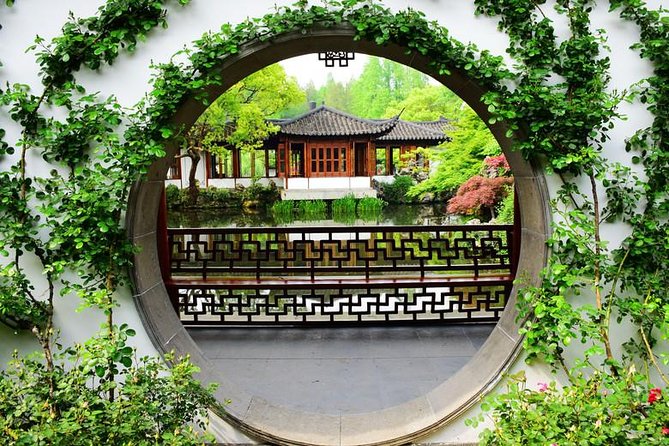
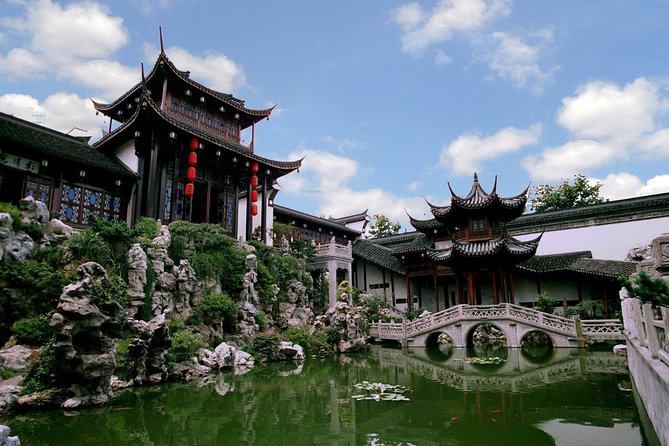
The first stop is Guo’s Villa, a Qing Dynasty residence and garden dating back nearly 140 years. It covers about 9,800 square meters, which gives you a sense of its scale before you even start looking at individual buildings.
The villa has two sections. The northern garden is called Sky in the Mirror, while the southern residential area is called Living in Quietness. These names point to the contrast you will notice: one side is arranged for views, water, plants, and reflection, while the other centers on domestic life and formal courtyard buildings.
I find this a smart first stop because it eases you into Hangzhou’s architectural traditions. Instead of beginning with a crowded commercial area, you start with proportion, quiet spaces, and carefully framed views. The pavilion-style house and courtyard offer a useful look at how a wealthy Qing-era family organized private life.
Your admission is included, and the planned visit lasts about 40 minutes. That is enough to see the main character of the villa, though not enough for a slow examination of every detail. If gardens are your main interest, you may wish the schedule allowed longer. Still, the stop works well as an introduction to the day.
Meijiawu and the story of Dragon Well Tea
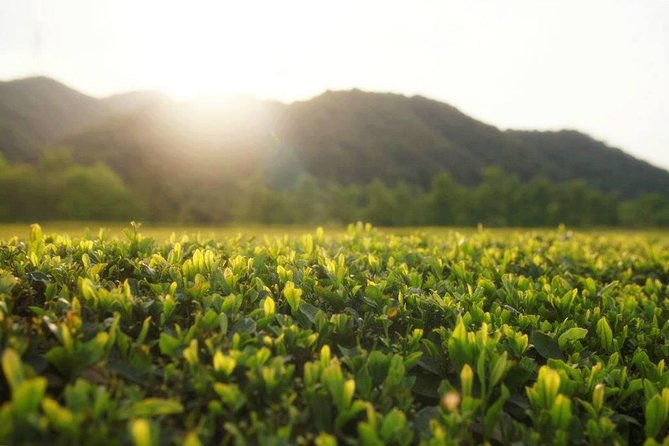
The drive to Meijiawu shifts the mood from formal architecture to rural Hangzhou. The village lies west of the West Lake Scenic Area and has more than 600 years of tea-growing history. It is known as the largest natural village producing West Lake Dragon Well Tea, one of China’s best-known teas.
You will have about an hour here, with no admission charge listed. The village includes eight tourist sections, including a tea culture center, a rural leisure area, and a fishing village. The tour description emphasizes both the tea and the setting, so this is a chance to understand how local agriculture shapes Hangzhou’s identity.
I like this stop because it gives the day some breathing room after the villa. You are not looking only at buildings. You are seeing one of the products and traditions that helped make the area famous.
Do not expect the entire hour to function like a formal tea lesson unless your guide provides one during the visit. The exact activities are not specified. Use the time to ask about Dragon Well Tea, look at the village setting, and enjoy the change from downtown streets to tea country.
The private vehicle is especially useful here. Meijiawu is outside the central city, and private transfers mean you do not have to arrange a separate trip to the village. Bottled water is also included, a small but practical touch during a day that involves several stops.
Hu Xueyan’s residence and the architecture of wealth
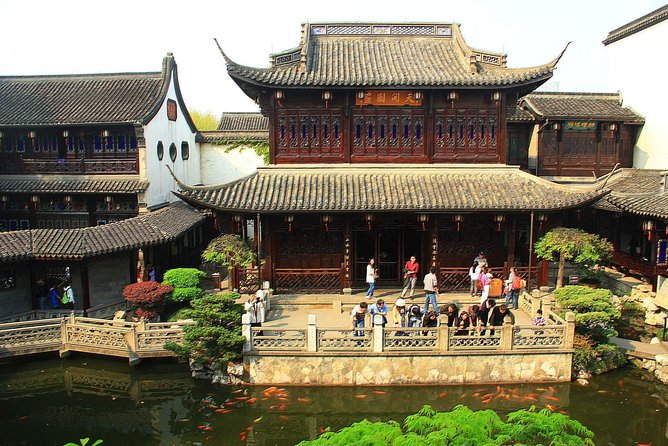
After lunch, the tour visits the former residence of Hu Xueyan. Hu lived from 1823 to 1885 and became one of the Qing Dynasty’s most famous and wealthy businessmen. His home offers a direct look at how a powerful merchant displayed status.
This is not a simple historic house with a few furnished rooms. The residence is described as a maze of towers, gardens, pavilions, terraces, arched bridges, large halls, and quiet living quarters. That variety is what makes the stop worthwhile. The buildings tell you about ceremony and prestige, while the smaller spaces hint at daily family life.
I would pay attention to how the residence moves between public and private areas. Formal halls served one purpose, while gardens and living quarters created more secluded spaces. The arrangement helps explain how architecture could express rank, family structure, and business success.
The visit lasts about 50 minutes, and admission is included. That is a reasonable amount of time for a guided overview. The house has enough parts to reward close attention, but the many courtyards and buildings could also feel confusing without a guide. This is where the private format earns its keep. You can ask who used a room, why a courtyard is arranged in a certain way, or how Hu’s business success affected the residence.
Lunch is not included in the price. The wording places lunch before this stop, but no restaurant or dining location is specified. You should plan to confirm the lunch arrangement with the operator and mention any vegetarian or other dietary needs when booking. A vegetarian option is available if requested in advance.
A few more architecture tours in the world worth a look
- Chicago Architecture River Cruise
★ 5.0 · 15,756 reviews - Chicago River 90-Minute Architecture Tour
★ 4.5 · 9,629 reviews - Chicago River: 1.5-Hour Guided Architecture Cruise
★ 4.8 · 8,046 reviews - Chicago Architecture Center River Cruise aboard First Lady
★ 5.0 · 5,536 reviews
Southern Song Imperial Street and the old city axis
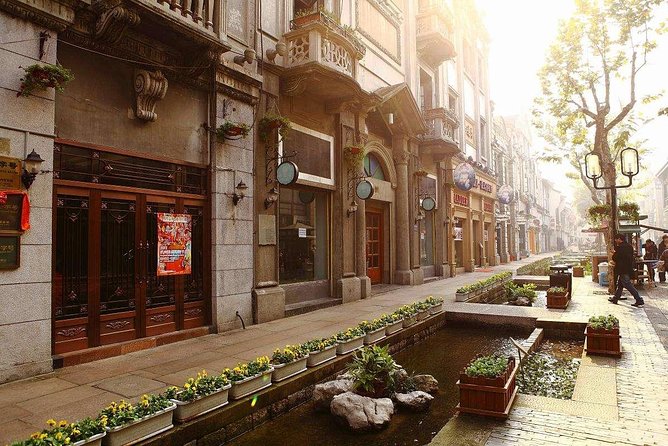
The next historical stop is Southern Song Imperial Street, a main avenue laid out during the Southern Song Dynasty. It once formed the central axis of Linan, the Southern Song capital, and extended about 4,185 meters. Historical records say more than 10,000 flagstones were used in its construction.
The numbers help explain why this is more than a short old-town lane. The street connected the city’s political and cultural life, and 13 historical and cultural buildings or sites remain associated with it. Phoenix Temple is identified as a key national cultural relic protection unit.
You will spend about an hour here, and admission is listed as free. The value of this stop comes from context. After seeing private residences built for Qing-era wealth, you get a sense of the older urban structure that shaped Hangzhou centuries earlier.
I would not expect the whole 4,185-meter avenue to be covered on foot during the scheduled hour. The tour is designed as a guided visit to the important section and its surviving sites. Wear comfortable shoes, since this stop is more street-based than the garden visits.
This part of the day may appeal most to people who enjoy city history and old urban plans. If your main interest is gardens or scenic views, it may feel less immediately dramatic. Ask your guide to explain how the street functioned within the Southern Song capital. That turns a walk through an old avenue into a clearer picture of how the city once worked.
Hangzhou City Balcony and the Qiantang River skyline
The final stop changes the subject completely. Hangzhou City Balcony sits in the city’s central business district beside the Qiantang River. The area combines modern high-rise buildings with the scale of Hangzhou’s riverfront.
The tallest buildings in the district rise above 300 meters, so the view offers a sharp contrast with the low courtyards and garden pavilions earlier in the day. The stop is scheduled for about 30 minutes and has no admission charge listed.
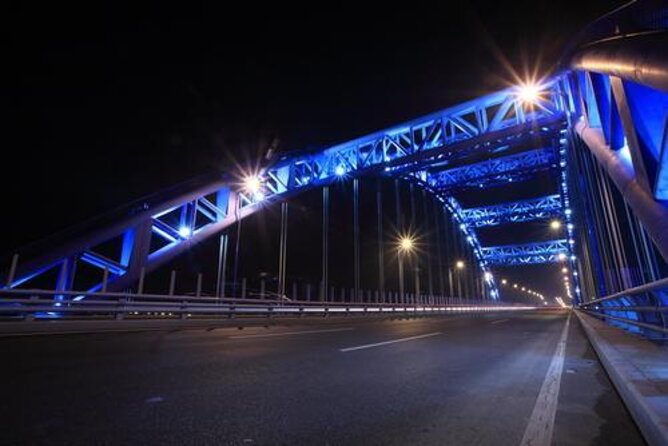
The tour materials refer to this final visit as Hangzhou City Balcony and connect it with the Qiantang River Bridge in the stop heading. Based on the description, the main focus is the city balcony and Qianjiang New City, including its modern buildings, business activity, finance, trade, and tourism.
I like ending here because it prevents the day from becoming a museum-only experience. You see the city’s current ambitions after spending hours with its imperial and merchant past. It also gives you a useful visual counterpoint: traditional Hangzhou values careful gardens and inward-looking courtyards, while the business district reaches upward and outward.
Thirty minutes is enough for a short look and photographs, but not an extended architectural tour. If modern city design is a major interest, you may want to ask the guide how much time can be spent discussing the skyline. The schedule may not allow a detailed visit to individual towers.
What the $113.37 price really covers
At $113.37 per person, the tour is not priced like a basic walking route. You are paying for a private guide, an air-conditioned vehicle, two-way transfers, admissions to Guo’s Villa and Hu Xueyan’s former residence, and a full day of coordinated sightseeing.
The value improves if you are traveling with family or friends, since group discounts are offered. A private tour can also be useful if you are arriving by train. Pickup and drop-off are available at Hangzhou train station, provided you supply your round-trip train details when booking.
The price does not cover lunch. That is the main extra expense to plan for, along with any personal purchases in Meijiawu. Bottled water is included, which removes one small cost and keeps the day simpler.
For a solo visitor, the per-person price may feel high compared with public transit and self-guided visits. For a small group, the private transport and guide can make the difference. I would choose this tour if you value time, explanations, and a direct route between scattered sights. I would skip it if you prefer spending half a day in one garden or exploring old streets without a fixed schedule.
Guide quality and the private format
The guide can make or break a day centered on architecture. The experience includes a professional English-speaking guide, and Jill receives particularly strong praise for her work. If you are able to request a guide, asking about Jill may be worthwhile.
The private format means only your group participates. That gives you a more personal setting for questions about imperial culture, tea, merchant families, and modern Hangzhou. It also means the pace is not built around a large busload of people.
Still, private does not mean completely flexible. The listed schedule adds up to roughly four hours of stop time, leaving the rest for driving and lunch. With five locations spread across Hangzhou, the day has a clear timetable. You can ask about priorities, but do not assume every stop can be extended.
Pickup is arranged at a downtown Hangzhou hotel or Hangzhou train station at 9:00 a.m. Look for a welcome sign at the meeting point. At the end, the driver returns you to your downtown hotel or the train station.
Who should book this experience?
I would recommend this tour to first-time visitors who want a broad introduction to Hangzhou beyond the standard West Lake view. It suits people interested in Chinese architecture, imperial culture, tea production, merchant history, and modern city planning.
It is also practical for:
- Families who prefer private transport
- Small groups able to use group discounts
- Visitors with a short Hangzhou stay
- People arriving and departing by train
- Anyone who wants an English-speaking guide
- Visitors who dislike changing taxis between distant sights
The tour may be less suitable if you want a slow garden day, a dedicated tea tasting, or a long meal built into the experience. Meijiawu is included, but the provided details do not promise a formal tasting. Lunch is also outside the tour price.
Free cancellation is available if you cancel at least 24 hours before the start time. Changes or cancellations inside that window are not accepted for a refund. Children must be accompanied by an adult.
Should you book the Hangzhou Architecture Day Tour?
Book it if you want Hangzhou explained through its buildings and districts, not just photographed from the edge of West Lake. The strongest feature is the range: Guo’s Villa, Meijiawu, Hu Xueyan’s residence, Southern Song Imperial Street, and City Balcony each show a different side of the city.
The main caution is pace. Five stops in seven hours means you will get a guided introduction rather than exhaustive visits. For most visitors, that is a fair trade, especially with private transfers and a guide such as Jill. I would book this for a compact, well-organized first look at Hangzhou, then return on another day for slower time around West Lake or the tea village if your schedule allows.
FAQ
How long is the Hangzhou Private Architecture Day Tour?
The tour lasts approximately seven hours.
What time does the tour start?
The start time is 9:00 a.m.
Where can pickup and drop-off be arranged?
Pickup and drop-off can be arranged at a downtown Hangzhou hotel or Hangzhou train station.
Is the tour private?
Yes. Only your group participates in this private activity.
Is an English-speaking guide included?
Yes. A professional English-speaking guide is included.
Is transportation included?
Yes. The experience includes an air-conditioned private vehicle and private city transfers.
Are admission tickets included?
Admission is included for Guo’s Villa and the Former Residence of Hu Xueyan. No admission charge is listed for Meijiawu, Southern Song Imperial Street, or Hangzhou City Balcony.
Is lunch included?
No. Meals are not included.
Can vegetarian meals be arranged?
A vegetarian option is available if you advise the operator when booking. You should also provide any other dietary requirements in advance.
What is the cancellation policy?
You can cancel at least 24 hours before the experience for a full refund. Cancellations or changes made less than 24 hours before the start time are not accepted for a refund.
Just added in the world
- Wilmington History and Architecture Tour★ 4.8 · 18 reviews
- Washington, DC: Georgetown Architecture Walking Tour★ 5.0 · 8 reviews
- New Orleans : Garden District Architecture Walking tour★ 4.8 · 5 reviews
- Washington DC: Dupont Circle & Embassy Row Architecture Tour★ 5.0 · 6 reviews
- Vicenza: Palladian Architecture Private Walking Tour★ 3.3 · 3 reviews
- Walk & Discover KL’s Architectural and Heritage Gems★ 5.0 · 7 reviews
- Private Colonial Williamsburg Architectural Tour★ 5.0 · 5 reviews
- Unveiling Brno: History, Culture & Architectural Delights★ 5.0 · 2 reviews
Architecture Tours, compared.
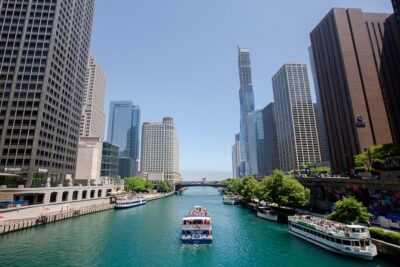
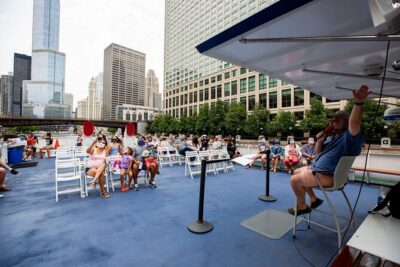

Chicago River: 1.5-Hour Guided Architecture Cruise
Read our review →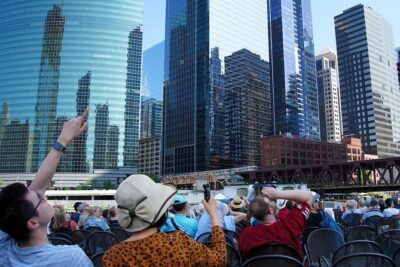
Chicago Architecture Center River Cruise aboard First Lady
Read our review →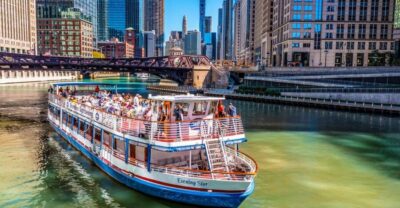
Architecture River Cruise Skip-the-Ticket Line
Read our review →
Chicago River 45-Minute Architecture Tour from Magnificent Mile
Read our review →