
REVIEW · WASHINGTON DC ARCHITECTURE TOURS
Embassy Row: Architecture, Mansions & International Intrigue
Washington hides some of its best stories behind elegant doors. This two-hour walking tour links Dupont Circle, Massachusetts Avenue, Sheridan Circle, Kalorama, and the Woodrow Wilson House, using grand homes and embassies as clues to the city’s social and diplomatic past. I like the route because it shows you a side of Washington far removed from the National Mall, and because the guide adds human stories about millionaires, presidents, diplomats, and scandal.
I especially like the chance to see more than 20 embassies and ambassador residences in one walk, along with mansions in Beaux-Arts and Italian Renaissance Revival styles. The tour also has a pleasant local feel, moving from the Dupont Circle fountain and its cafés to quieter Kalorama streets. The main drawback is value: at $49 per person, you are paying for guided storytelling and access to a carefully planned route, not museum admission or guaranteed entry into an embassy.
The guide can occasionally be invited inside an embassy or private residence, but you should treat that as a lucky extra, not part of the promise. Past guides Dan and Eli earned especially warm praise for being fun, relatable, and clear, though one participant felt the tour did not include enough stories for the price. That is a fair warning for anyone who prefers a packed schedule.
Key points at a glance
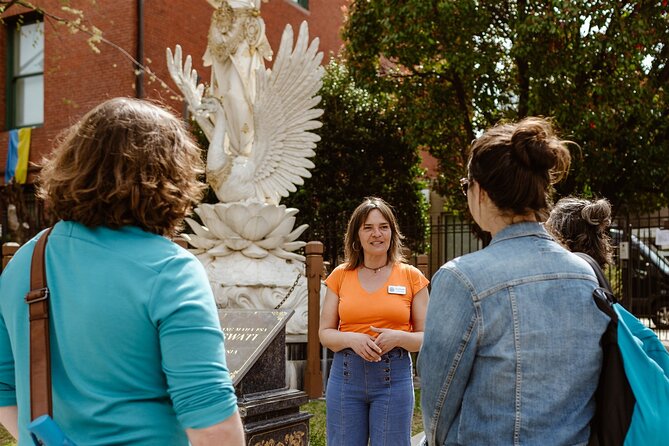
- More than 20 diplomatic buildings: You see embassies and ambassador residences along Massachusetts Avenue, but you do not normally go inside them.
- Gilded Age mansions: The route features lavish homes built for Washington’s wealthiest residents, with Beaux-Arts and Italian Renaissance Revival details.
- A story-led walk: Guides connect architecture with diplomatic scandals, private fortunes, and the whims of powerful residents.
- A changing urban route: The walk moves from the social energy of Dupont Circle to Sheridan Circle and the quieter streets of Kalorama.
- Occasional interior access: An invitation into an embassy or residence can happen, but it is not guaranteed.
- Useful meeting point: Meet at the fountain in the center of Dupont Circle and look for the guide wearing orange.
Starting at Dupont Circle’s famous fountain
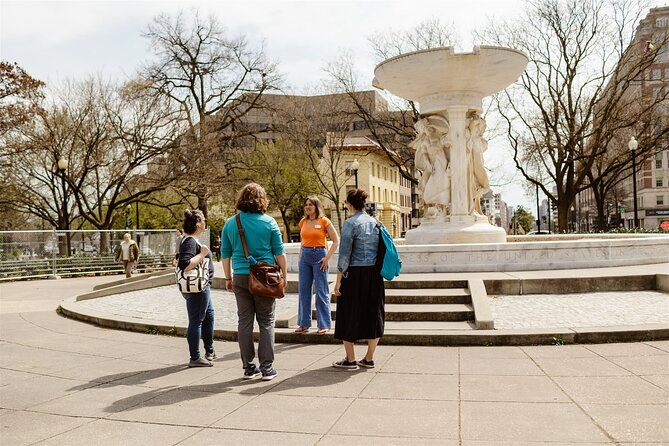
The tour begins at the fountain in the center of Dupont Circle. This is a practical meeting point, since the circle is easy to identify and the Dupont Circle Metro station is nearby. Look for the guide in orange, a small but useful detail in a crowded city neighborhood.
The fountain dates from 1921 and was designed by Daniel Chester French and Henry Bacon. It gives the opening of the tour a fitting sense of place: Dupont Circle is not just a traffic circle, but a social center with park paths, cafés, local markets, and street performers.
I like beginning here because you get a quick feel for the neighborhood before the tour turns toward diplomatic Washington. Dupont Circle remains active and public, while Embassy Row quickly becomes more formal and guarded. That contrast helps you understand the area’s split personality.
Your guide provides live commentary in English throughout the walk. Since the tour is described as a small-group experience, you should have a better chance to hear the guide and ask questions than you would on a large coach tour. The exact group size is not specified, so I would not book it assuming a private or nearly private outing.
A few more architecture tours in the USA worth a look
- Chicago Architecture River Cruise
★ 5.0 · 15,756 reviews - Chicago River 90-Minute Architecture Tour
★ 4.5 · 9,629 reviews - Chicago River: 1.5-Hour Guided Architecture Cruise
★ 4.8 · 8,046 reviews
Massachusetts Avenue and Washington’s Millionaire’s Row
The main stretch of the tour follows Massachusetts Avenue, where embassies sit beside the mansions of an earlier Washington. This section is the heart of the experience. You are not simply looking at expensive houses. You are seeing how social power, wealth, and foreign diplomacy came to occupy the same avenue.
The former Millionaire’s Row is a parade of large early 20th-century homes. The architecture ranges from Beaux-Arts to Italian Renaissance Revival, so you get plenty to examine even when the guide is not speaking. Look for grand façades, formal entrances, heavy stonework, and the sense of scale that separates these buildings from ordinary city houses.
The useful context comes from learning who built and occupied them. The tour focuses on the people behind the façades, including wealthy figures whose money helped shape the neighborhood. Stories of personal extravagance and unusual decisions keep the walk from becoming a dry architecture lesson.
That human angle matters. A mansion can be impressive for five minutes, but a story about the owner’s ambition, spending, or social circle gives the building a reason to remember it. If you enjoy old houses, political gossip, and the way private fortunes influence public life, this part should suit you well.
The limitation is that the route is mainly an outdoor experience. You can admire the exteriors, take photographs, and listen to the guide, but the tour does not include regular entry into the embassies. The same is true of private residences. An occasional invitation may open a door, but you should dress and plan for a walking tour rather than an interior house tour.
Embassies, ambassador residences, and international Washington
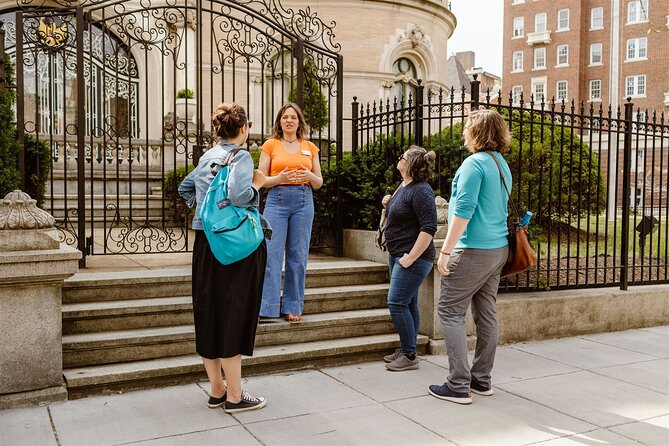
More than 20 embassies and ambassador residences appear along the route. Each building hints at another country’s presence in Washington, and the guide explains how these diplomatic missions fit into the neighborhood.
The buildings also offer a visual lesson in how countries present themselves abroad. Some occupy historic mansions, while others use architecture and formal grounds to express national identity. The tour points out that embassies do more than handle diplomatic work. They may also host events connected with their countries’ customs and traditions, though no event attendance is included with this walk.
There is a simple pleasure in seeing so many diplomatic buildings close together. You can spend a morning moving from one national mission to another without crossing the city. It also gives you a different view of Washington’s political life, one based less on monuments and more on quiet conversations behind secure doors.
Do not expect to enter an embassy as a standard part of the route. The information is clear on this point: the group does not normally go inside, and any invitation is occasional. That makes a surprise entry exciting, but it also means you should not pay $49 mainly for the possibility of seeing an interior.
The Cosmos Club and the world of Washington’s elite

The Cosmos Club occupies a majestic mansion dating to the late 19th century. Founded in 1878, the private club has long been associated with intellectuals, dignitaries, and people working in the arts and sciences.
The building itself gives the guide another way to explain Washington’s old social order. Private clubs mattered because they brought influential people together away from official offices. The grand façade and decorated interiors, mostly viewed from outside on this tour, suggest how much status and ceremony shaped elite life.
This is one of the better stops for anyone interested in the city’s less visible institutions. The White House and Capitol are public symbols. A private club such as the Cosmos Club represents the networks and friendships that helped Washington’s upper class maintain its influence.
You should keep your expectations realistic. There is no stated entry into the club, and its private status means the exterior is the part you can count on. Its value on the walk comes from the guide’s context and the building’s place in the story of the avenue.
Same city, a different building to stand in front of:
- Chicago Architecture Center River Cruise aboard First Lady
★ 5.0 · 5,536 reviews - Chicago: Architecture River Cruise Skip-the-Ticket Line
★ 4.8 · 4,325 reviews - Chicago River 45-Minute Architecture Tour from Magnificent Mile
★ 4.5 · 2,924 reviews - Chicago Lake and River Architecture Tour
★ 4.5 · 2,308 reviews
Anderson House and the Andersons’ grand taste

Anderson House was the winter residence of Larz and Isabel Anderson. Today, it serves as the headquarters of the Society of the Cincinnati. Its ornate design reflects the couple’s travels and their taste for formal decoration.
The house is known for Italian murals and carved woodwork. Those details make it one of the route’s most rewarding architectural stops, even if you only see the outside during the walking tour. The building helps explain how wealthy Americans of the period used their homes to display education, travel, money, and social position.
I like this stop because it gives the Gilded Age material a personal face. Instead of hearing only about a general period of excess, you get a particular couple, a particular residence, and a visible record of their preferences.
If you want a full look at Anderson House’s interiors, check separately to see what public access is available on your chosen date. The walking tour promises the best photo opportunities for historic mansions, but it does not promise an interior visit.
Sheridan Circle and the quieter turn into Kalorama
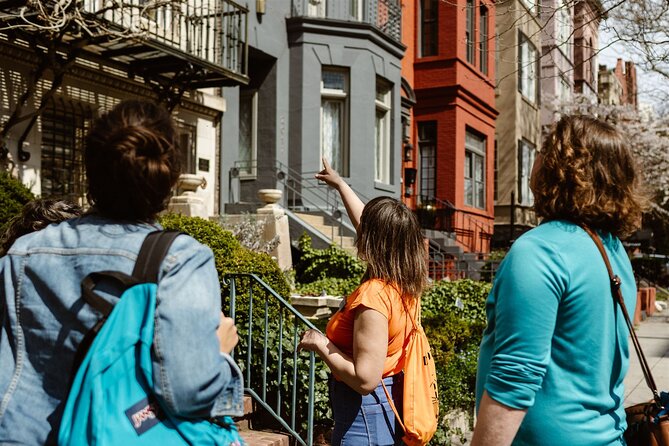
After the Massachusetts Avenue section, the route continues toward Sheridan Circle and then into Kalorama. This change of pace is important. The walk is not a straight line of grand façades, and the quieter residential streets give your feet and your eyes a break from the formal avenue.
Sheridan Circle adds another elegant public space to the route. From there, Kalorama feels more residential and secluded, with historic houses set along calmer streets. The neighborhood provides a useful contrast with Dupont Circle, where cafés, markets, and street performers create a more social scene.
The route’s variety is one of its strengths. In two hours, you move through a public square, a diplomatic corridor, a private-club district, and a residential neighborhood tied to presidential history. You get a sense of Washington as a city of separate districts rather than one continuous monument zone.
Still, this is a walking tour, so comfortable shoes matter. The exact walking distance and number of stops are not provided, and the route includes several neighborhood sections. Morning departures are usually available, which can be helpful in a city where summer heat can make a long walk less pleasant.
Spanish Steps and a peaceful urban pause
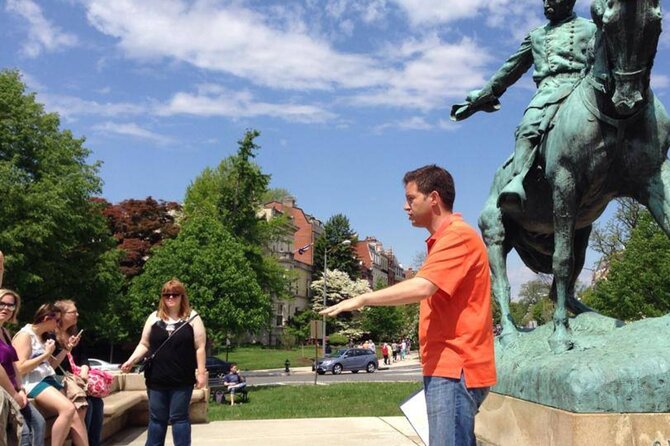
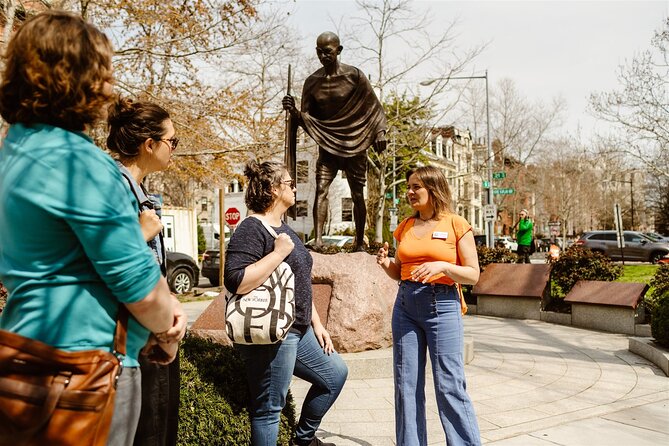
The Spanish Steps provide a small scenic break on the Kalorama portion of the walk. Inspired by the famous steps in Rome, this staircase offers a picturesque setting surrounded by greenery and historic homes.
It is a more intimate sight than the mansions on Massachusetts Avenue. You get a compact place for photographs and a reminder that Washington’s residential neighborhoods contain small surprises as well as major institutions.
The steps are also a good example of why a guided walk can beat a self-guided route. You might pass nearby without knowing why the staircase matters or how it fits into Kalorama’s character. A guide helps connect these smaller sites to the larger story of the neighborhood.
Woodrow Wilson House and the presidential afterlife
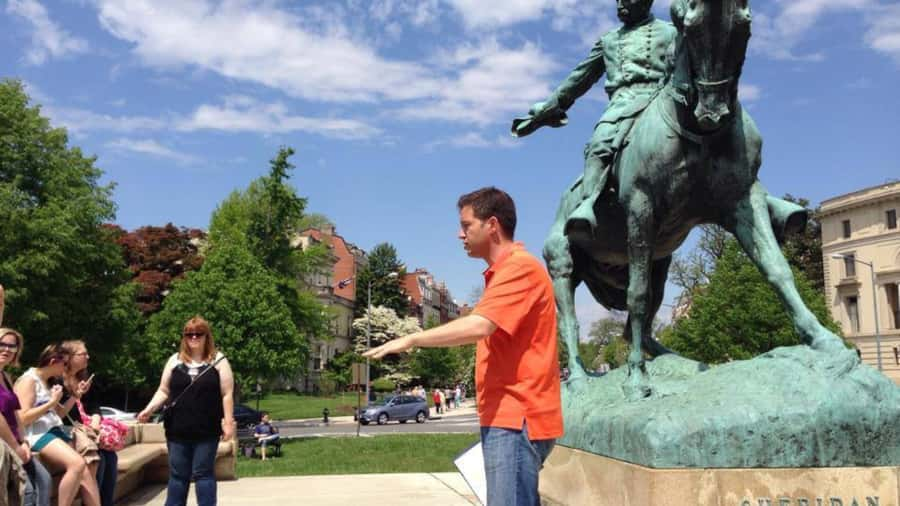
The tour continues to the Woodrow Wilson House, a preserved home associated with the former president. The site contains period furnishings, personal artifacts, and displays about Wilson’s presidency and legacy.
This is a different kind of stop from the embassies and mansions. The diplomatic buildings represent countries and institutions. The Wilson House gives the tour a more personal focus, showing how a former president lived after leaving office and how his public career is remembered.
The information provided describes the house as part of the route, but it does not guarantee admission to the interior. Ask your guide what you will see on the day of your tour. If you are hoping for a full museum visit, do not assume the $49 walking-tour price includes tickets.
The subject also gives the guide a chance to address legacy, not just luxury. That makes the final part of the route more substantial than a simple parade of pretty buildings. You get architecture, political history, and questions about how public figures are presented over time.
How the $49 price measures up
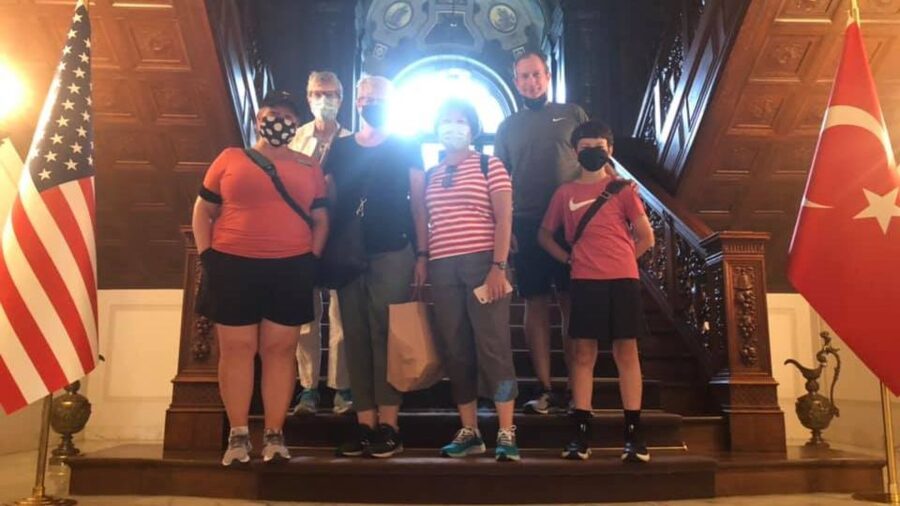
At $49, this tour is not a cheap orientation walk. The price makes the most sense if you value a guide who can explain the buildings, identify the people connected with them, and add stories you would not get from a map.
You are paying for two hours of live commentary, a small-group format, a planned route, and photo opportunities at historic mansions. You are not paying for embassy admissions, guaranteed private-home access, or a ticketed museum experience.
One person felt the cost was too high because the tour did not include enough stories. That concern is worth taking seriously. The experience appears to depend heavily on the guide’s delivery. Dan received praise for making the tour enjoyable, and Eli was described as fun, relatable, and well informed. A strong guide can make an exterior-only walk feel full. A less energetic presentation could make the same route feel like an expensive stroll.
I would book it for a first visit to Washington if you have already seen the major monuments and want a neighborhood with more character and less ceremony. If you are on a tight budget, you could walk Massachusetts Avenue independently and admire the exteriors for free, but you would lose the personal stories and historical connections.
Cancellation is flexible: you can cancel up to 24 hours before the tour for a full refund. You can also reserve now and pay later. Gratuity is not included, so plan to tip the guide if the commentary adds real value.
Who will enjoy this Embassy Row walk?
I would recommend it most to:
- Architecture fans who want to compare Beaux-Arts, Italian Renaissance Revival, and other early 20th-century styles.
- First-time Washington visitors looking for a break from the National Mall.
- Returning visitors who have already seen the major memorials and want a residential neighborhood.
- People who enjoy political and social stories, especially tales of diplomacy, wealth, scandal, and private influence.
- Photographers looking for mansion façades, embassy buildings, the Dupont fountain, and the Spanish Steps.
- Locals who want fresh context for a familiar part of the city.
I would hesitate if you dislike walking, need guaranteed indoor visits, or expect a museum-heavy outing. The tour’s success also depends on how much detail your guide provides, so anyone expecting nonstop anecdotes should keep the mixed value assessment in mind.
Should you book Embassy Row: Architecture, Mansions & International Intrigue?
Book this tour if you want Washington beyond the monuments, especially if grand houses, diplomacy, and old-money stories sound more appealing than another bus ride around the city.
The strongest reasons to go are the route’s variety, the concentration of embassies, and the chance to hear a guide explain the people behind the buildings. Dan and Eli’s praised approach suggests that a personable guide can make the difference. The main reason to skip it is price. At $49, you should want interpretation, not just scenery.
For the best fit, choose it early in your Washington visit if you want neighborhood context, or after the National Mall if you need a change of pace. Meet at the Dupont Circle fountain, find the orange-shirted guide, wear comfortable shoes, and treat any embassy invitation as a bonus. That is the clearest way to enjoy what this tour does well.
FAQ
How long does the Embassy Row tour last?
The guided walking tour lasts two hours.
Where does the tour begin?
Meet at the fountain in the center of Dupont Circle. The guide wears orange.
Where does the tour finish?
The tour concludes back near the Dupont Circle Metro.
What language is the tour conducted in?
The live tour is conducted in English.
How many embassies can I see?
The route includes more than 20 embassies and ambassador residences.
Do I enter the embassies?
Normally, no. The tour does not include regular embassy entry, though the group may occasionally be invited inside an embassy or residence. This is not guaranteed.
Is the Woodrow Wilson House included as an interior visit?
The route visits the historic Woodrow Wilson House, but the provided tour details do not guarantee interior admission or separate entry tickets.
Is gratuity included in the price?
No. Gratuity is not included.
How much does the tour cost?
The listed price is $49 per person.
Can I cancel for a refund?
Yes. You can cancel up to 24 hours in advance for a full refund.
Just added in the USA
- Wilmington History and Architecture Tour★ 4.8 · 18 reviews
- New Orleans : Garden District Architecture Walking tour★ 4.8 · 5 reviews
- Washington DC: Dupont Circle & Embassy Row Architecture Tour★ 5.0 · 6 reviews
- Washington, DC: Georgetown Architecture Walking Tour★ 5.0 · 8 reviews
- Tulsa: Art Deco Walking Tour of Tulsa★ 5.0 · 8 reviews
- Private Colonial Williamsburg Architectural Tour★ 5.0 · 5 reviews
- Monuments and Memorials Architectural Walking Tour★ 5.0 · 17 reviews
- Castle to Capitol: Museums of the National Mall Architecture Tour★ 4.5 · 9 reviews
Washington DC Architecture Tours, compared.

Historic Georgetown: History, Gossip, & Architecture Walking Tour
Read our review →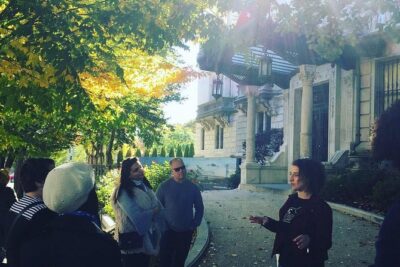
Dupont Circle and Embassy Row Architectural Walking Tour
Read our review →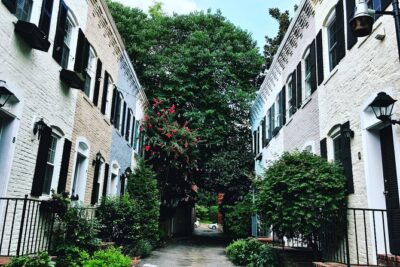
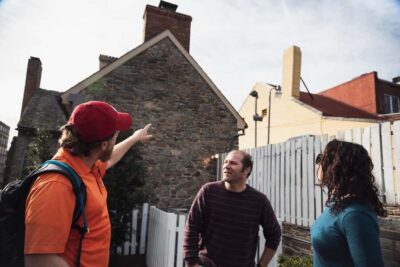
DC: Georgetown History & Architecture Tour with Local Guide
Read our review →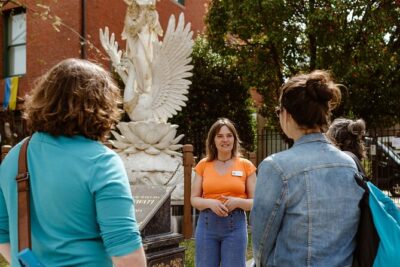
Embassy Row: Architecture, Mansions & International Intrigue
Read our review →
Monuments and Memorials Architectural Walking Tour
Read our review →
Castle to Capitol: Museums of the National Mall Architecture Tour
Read our review →Browse the lists this tour appears in