
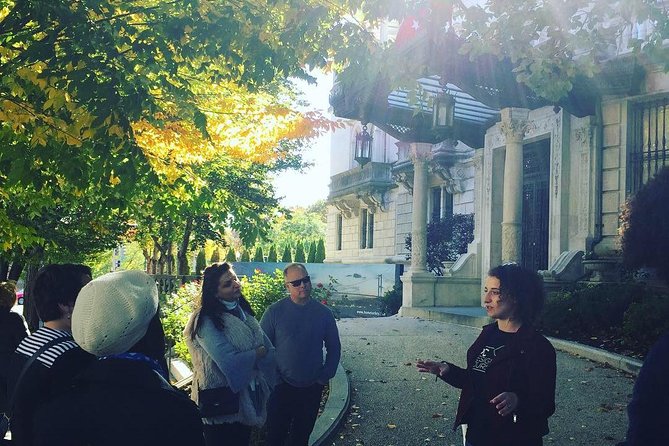
REVIEW · WASHINGTON DC ARCHITECTURE TOURS
Dupont Circle and Embassy Row Architectural Walking Tour
Mansions tell Washington’s secrets. This two-hour walk through Dupont Circle and Embassy Row links grand homes, diplomatic buildings, and colorful stories about the people who shaped the capital. I like the mix of architecture and personal history, and I like that local guides such as Sam, Natalie, Christine, and Mark bring plenty of humor and energy to the route. The main drawback is simple: you see the buildings from the street, and the walk can run past two hours.
At $48 per person, this feels like a fair buy if you want context rather than a quick photo stop. The small group, capped at 20 people, makes it easier to hear the guide and ask questions. Bring comfortable shoes, water, and a little schedule flexibility, since heat, rain, or a particularly lively discussion may stretch the outing.
Key points to know before you book
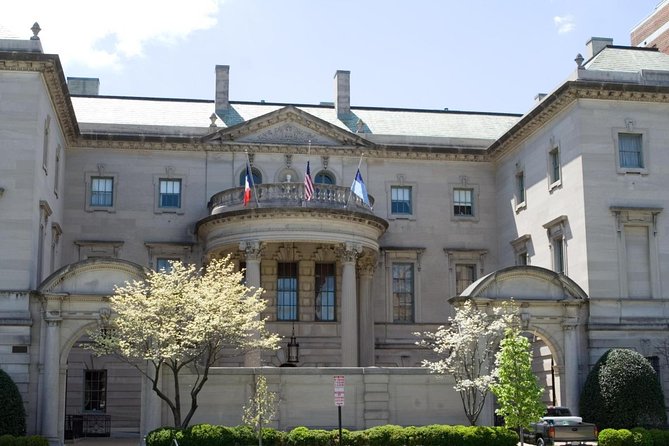
- Dupont Circle sets the stage: You begin at the neighborhood’s famous fountain and learn why this part of Washington developed as a fashionable residential address.
- Embassy Row is more than embassies: The avenue’s grand buildings began as private homes for wealthy families, social climbers, politicians, and business figures.
- Architecture comes with gossip: Stories about Alice Roosevelt Longworth, Evalyn Walsh McLean, the Hope Diamond, and other colorful figures keep the design discussion lively.
- The route includes quiet surprises: Washington’s Spanish Steps, Mitchell Park, Kalorama, and the so-called Hobbitt House add variety beyond Massachusetts Avenue.
- The guide makes the difference: Sam, Natalie, Ellery, Christine, Carolyn, and Mark have all been praised for storytelling, humor, and clear explanations.
- Plan for outdoor conditions: Most of the experience is on foot and outside, with no admission included for the Woodrow Wilson House.
Why Dupont Circle makes a smart starting point
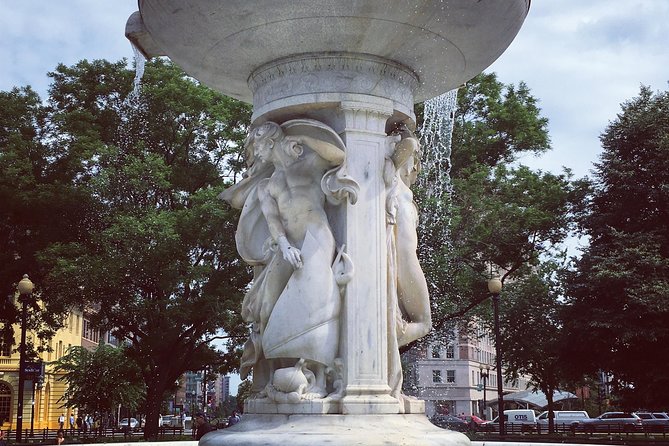
Dupont Circle is not just a meeting point. It gives you the neighborhood’s basic story before the tour moves toward Embassy Row.
The circle itself centers on a photogenic fountain designed by the same firm associated with the Lincoln Memorial. You get about 10 minutes here, enough to orient yourself and understand how the neighborhood grew from an open area into one of Washington’s most desirable residential districts.
I like this opening because it avoids throwing you straight into a parade of mansion names. The guide first explains why Dupont Circle was established and named, then connects that early development to the social and political life that followed.
You meet your local guide and small group here. The tour is offered in English, and the mobile ticket makes entry simple. Dupont Circle is near public transportation, so it is a practical place to reach from other parts of central Washington.
The group size matters. With a maximum of 20 people, you should have a better chance of hearing stories clearly than on a large coach-style outing. You can also ask about architectural features, former residents, or nearby places to eat and visit.
More walking tours in the USA:
- The Official Art Deco Walking Tour by The Miami Design Preservation League
★ 5.0 · 1,580 reviews - Chicago in a Day: Food, History & Architecture Walking Tour
★ 5.0 · 1,153 reviews - Miami South Beach Art Deco Walking Tour
★ 5.0 · 1,039 reviews
Reading the mansions along Embassy Row
The heart of the walk is Embassy Row, where you spend roughly an hour looking at buildings that once served as private homes.
This is where the tour earns its price. You are not simply checking off embassies. You are learning how Massachusetts Avenue became a fashionable address for Washington’s wealthy and well connected. Industrial figures, newspaper owners, political families, heiresses, and social leaders built large homes here to impress one another.
The architecture shifts as you walk. You may see Neoclassical forms, Beaux-Arts details, Queen Anne touches, and other styles placed close together. If architectural terms usually make your eyes glaze over, the guide keeps them connected to real people and real ambitions.
That human angle is one of the strongest parts of the experience. Alice Roosevelt Longworth appears as one of the neighborhood’s famous personalities, along with Evalyn Walsh McLean, whose name is linked to the Hope Diamond. These stories give the façades a sense of drama without turning the walk into a dry design lecture.
The route also shows how Washington changed over time. Many mansions built during the city’s Gilded Age later became embassies, clubs, and offices after the Great Depression. You can see the buildings as both grand homes and working diplomatic properties.
One limitation is worth keeping in mind: this is primarily an exterior walking tour. You should not expect to enter a series of embassies or private residences. The appeal is in the streetscape, the stories, and the guide’s ability to explain what you are seeing from outside.
The Indonesian Embassy and the Hope Diamond connection
The Indonesian Embassy receives its own short stop, about five minutes. The building is opulent, and the guide explains its earlier connection to the Hope Diamond.
That detail helps show why these addresses matter. A diplomatic building may look formal today, but its earlier life could involve private wealth, family ambition, and social drama. The stop is brief, so you will not spend long studying every architectural feature, but the Hope Diamond story gives the building an immediate hook.
For photography, this section of Massachusetts Avenue is rewarding because the properties are impressive and varied. Still, diplomatic buildings are active workplaces, so you should follow the guide’s instructions and avoid treating the walk like an invitation onto private grounds.
Anderson House and Washington’s old power circle
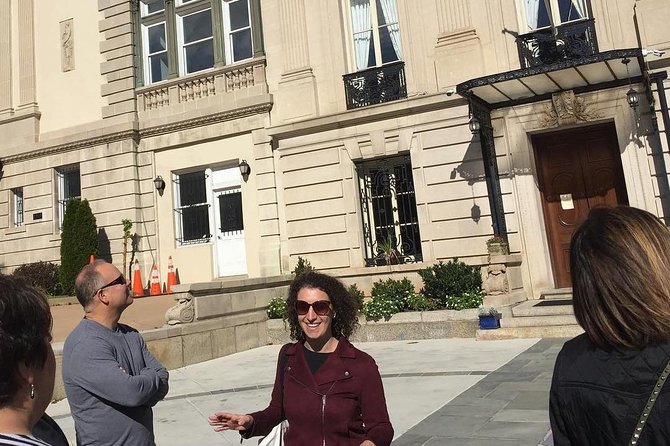
Anderson House is another short stop, lasting about five minutes. This imposing mansion once belonged to one of Washington’s wealthiest couples and now serves as the headquarters of the Society of the Cincinnati, described as the nation’s oldest patriotic organization.
The building helps explain the social world behind Embassy Row. These were not modest family homes. They were statements of money, status, taste, and influence.
I find stops like this more useful when you pay attention to scale. Look at how the entrance, windows, stonework, and overall mass of the building communicate importance. The guide adds the names and stories, but the house itself shows how Washington’s elite wanted to be seen.
As with the other properties, the tour does not include an interior visit here. You are getting a street-level introduction rather than a museum tour.
A few more architecture tours in the USA worth a look
- Chicago Architecture River Cruise
★ 5.0 · 15,756 reviews - Chicago River 90-Minute Architecture Tour
★ 4.5 · 9,629 reviews - Chicago River: 1.5-Hour Guided Architecture Cruise
★ 4.8 · 8,046 reviews - Chicago Architecture Center River Cruise aboard First Lady
★ 5.0 · 5,536 reviews
Turkey’s former mansion and a musical side story
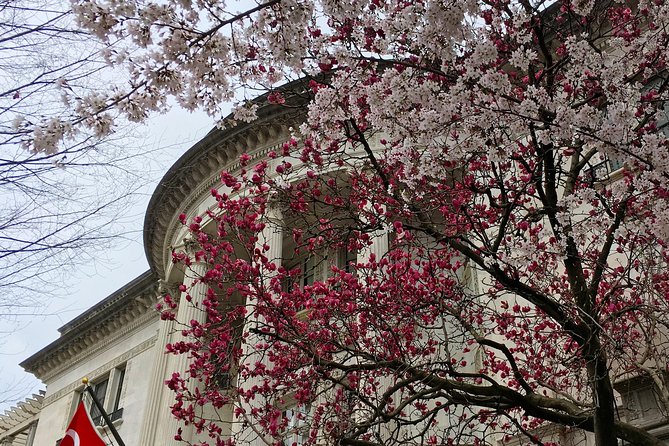
Near Sheridan Circle, you pass the Beaux-Arts residence of the Turkish ambassador. The property is linked to music legend Ahmet Ertegun, who got his start there.
This is a good example of how the tour moves beyond presidents and politicians. Embassy Row has connections to international diplomacy, American society, and music culture. The buildings become points of entry into several kinds of Washington history.
One past group apparently had an opportunity to enter the Turkish Embassy, but you should not count on that as part of the standard experience. The advertised route is an exterior walk, and access to diplomatic properties can change.
The guide’s storytelling style matters here. Sam has been praised for adding humor and connecting past events to present-day situations. A strong guide can make a five-minute stop feel substantial without holding the group in one place too long.
Sheridan Circle and a monument with an odd backstory

Sheridan Circle brings another change of pace. Here you see a Civil War monument with an unusual story, created by the sculptor associated with Mount Rushmore.
The monument gives the guide a chance to talk about public memory, military history, and the way Washington places monuments in residential settings. You are not only walking past private architecture. You are also seeing how national history is built into the city’s streets.
Because this is a walking tour, the experience works best when you stay alert to small details. Look above eye level at cornices and upper windows. Notice how one building uses symmetry while another favors ornament or irregular shapes. The guide points out the details, but you will get more from the tour if you keep looking between stops.
Kalorama, Spanish Steps, and the quieter side of the route
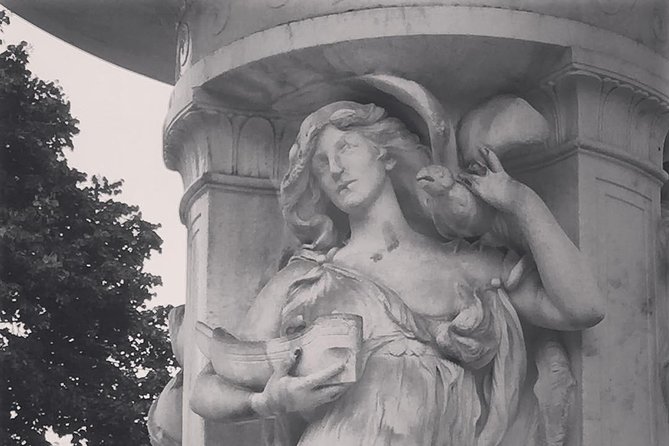
The route continues into Kalorama, a quieter residential area whose name means beautiful view in Greek. You spend about 15 minutes here, and the mood shifts away from the formal avenue.
Kalorama is now associated with influential Washington figures, but the main pleasure is the change in atmosphere. You get a sense of residential streets, smaller public spaces, and the kind of neighborhood that rewards a slower pace.
The Spanish Steps are another welcome surprise. Washington’s version is modest compared with the famous landmark in Rome, but it creates a peaceful pause in the city. This is one of the tour’s best small discoveries because many people do not know the steps exist.
You may also pass Mitchell Park and the spot known as the Hobbitt House. The name sounds whimsical, and the story is even more unusual: Edward Lind Morse painted his famous inventor father there. These details keep the walk from becoming a simple procession of official buildings.
The route also passes the former home of President Woodrow Wilson. The house is an important piece of the neighborhood’s presidential history, but admission is not included. You should treat it as an exterior stop unless you make separate plans to visit.
Finishing near The Phillips Collection
The final major landmark is The Phillips Collection, housed in a red brick building and recognized as the first modern art museum in the United States. The tour gives you about five minutes here.
This is a sensible ending because the museum offers a possible next stop for anyone who wants to continue the cultural theme. The route information identifies The Phillips Collection at 1600 21st Street Northwest as the end point, while the broader description says the walk returns toward Dupont Circle. Since the two details differ slightly, confirm the exact finish with the provider when you book.
The museum is not included as an admission visit. You are seeing the exterior and learning its place in Washington’s cultural story.
Allow some flexibility at the end. One person reported that the walk lasted about two hours and 20 minutes, even though the listed duration is approximately two hours. That is not a serious problem unless you have a tightly timed reservation afterward.
How good are the guides?
The guide is the biggest variable, though the overall feedback is very strong. Sam receives repeated praise for storytelling, humor, and keeping people engaged in cold weather and rain. Natalie is described as warm and full of information, while Christine is praised for humor and clear explanations.
Ellery has been noted for balancing architectural facts with stories about the former mansion owners. Mark is described as considerate and well informed. Carolyn is praised for combining building details with engaging stories about the people connected to them.
You may not get the same guide on every departure, but the pattern is clear: this experience depends on lively interpretation rather than a fixed audio script. That is good news if you like asking questions or hearing stories that connect several buildings together.
The strongest emphasis is usually on history, people, and architecture in equal measure. One person found it more historically focused than architectural, which is useful to know. If you want a technical study of façades and building methods, this may feel light. If you want architecture explained through Washington society, it should suit you well.
Is $48 a fair price?
At $48 per person, the cost is reasonable for a two-hour guided walk in a major American city, especially with a small group and a local guide. You are paying for interpretation, not admission tickets. The value comes from learning what you would likely miss while walking the same streets alone.
The price is easier to justify if you enjoy history, architecture, urban design, or political culture. It also works well early in a Washington visit because the guide may point out other places worth seeing, including local food options and events in the area.
The value is weaker if you prefer entering buildings or spending long periods inside museums. Most stops are short, and the tour stays outdoors. You also need to account for weather. Review comments describe enjoyable walks in rain, cold, and heat, but summer humidity can make two hours on foot tiring.
Practical advice for a smoother walk
Wear shoes you can comfortably use for two hours. The route includes Dupont Circle, Embassy Row, Sheridan Circle, Kalorama, the Spanish Steps, and The Phillips Collection, so expect steady walking with frequent stops.
Dress for the forecast. The tour runs in cold weather and rain, but you will enjoy the stories more if you are not distracted by wet clothes or summer heat. Water is a sensible addition.
The tour allows service animals, is near public transportation, and is suitable for most people. Confirmation arrives when you book, and cancellation is free if you cancel at least 24 hours before the start time. Changes made within 24 hours are not accepted, and a full refund is available if the operator cancels because the minimum group size is not met.
I would schedule this when you have room afterward. The official timing is approximately two hours, but the walk may last closer to two hours and 20 minutes. The route can also leave you wanting more time in the neighborhood, especially if you plan to visit The Phillips Collection or explore Dupont Circle on your own.
Who should book this Dupont Circle walk?
I recommend it for first-time visitors who want a strong introduction to one of Washington’s most polished residential areas. It also suits repeat visitors, since several people with years of local experience found new details in the neighborhood.
Families can enjoy it if children or teenagers respond to people and stories more than to formal dates. Couples and friends will appreciate the easy pace and the many attractive buildings. Solo visitors get the benefit of a small group and a guide who can make the walk feel social without requiring constant conversation.
I would skip it if you dislike outdoor walking, need a strict finish time, or mainly want interior access. I would also choose a cooler day if possible. The route is more enjoyable when you can look up at the architecture instead of focusing on the heat.
Should you book it?
Yes, if you want Washington explained through mansions, embassies, social history, and memorable characters. The best reason to book is the combination of strong guides and unusual stories, from the Hope Diamond to Alice Roosevelt Longworth and Washington’s own Spanish Steps.
The main caution is that this is a street-level experience. You will see impressive buildings but usually not enter them, and the walk may run beyond its two-hour estimate. If that fits your plans, $48 buys a lively, focused look at Dupont Circle and Embassy Row that is more revealing than wandering past the façades alone.
FAQ
How long is the Dupont Circle and Embassy Row tour?
The tour lasts approximately two hours. You should allow extra time because it may run to about two hours and 20 minutes.
Where does the tour begin?
The tour begins at Dupont Circle in Washington, DC 20036.
Where does the tour end?
The listed end point is The Phillips Collection at 1600 21st Street Northwest. The route description also refers to returning toward Dupont Circle, so confirm the precise finishing point when booking.
Are admission tickets included?
The tour includes a local guide, but it does not include admission to the Woodrow Wilson House or The Phillips Collection. Most stops are viewed from outside and have no admission charge.
How large is the group?
The activity allows a maximum of 20 people.
What is the cancellation policy?
You can cancel at least 24 hours before the start time for a full refund. Cancellations or changes made less than 24 hours before the start time are not accepted for a refund.
Just added in the USA
- Wilmington History and Architecture Tour★ 4.8 · 18 reviews
- New Orleans : Garden District Architecture Walking tour★ 4.8 · 5 reviews
- Washington DC: Dupont Circle & Embassy Row Architecture Tour★ 5.0 · 6 reviews
- Washington, DC: Georgetown Architecture Walking Tour★ 5.0 · 8 reviews
- Private Colonial Williamsburg Architectural Tour★ 5.0 · 5 reviews
- Tulsa: Art Deco Walking Tour of Tulsa★ 5.0 · 8 reviews
- Monuments and Memorials Architectural Walking Tour★ 5.0 · 17 reviews
- Castle to Capitol: Museums of the National Mall Architecture Tour★ 4.5 · 9 reviews
Washington DC Architecture Tours, compared.

Historic Georgetown: History, Gossip, & Architecture Walking Tour
Read our review →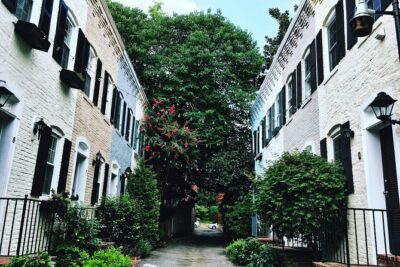
DC: Georgetown History & Architecture Tour with Local Guide
Read our review →
Embassy Row: Architecture, Mansions & International Intrigue
Read our review →

Monuments and Memorials Architectural Walking Tour
Read our review →
Castle to Capitol: Museums of the National Mall Architecture Tour
Read our review →Embassy Row: Architecture, Mansions & International Intrigue
Read our review →Browse the lists this tour appears in