REVIEW · ARCHITECTURE TOURS
Architectural Ljubljana: Private Tour with a Local Expert
Ljubljana rewards slow looking. This private two-hour walk is a smart way to see the city’s best-known buildings while a local guide explains how Jože Plečnik shaped its center. I like the one-to-one format and the chance to adjust the route to your interests. I also like that you finish with practical suggestions for exploring on your own.
The main drawback is the price: $581.78 for up to two people is a serious outlay for a two-hour walk, especially since museum, monument, and transport tickets are extra. The route also suits people who can walk comfortably, and the exact stops may change with the weather.
Key points at a glance
- Plečnik’s Ljubljana in two hours: See the Triple Bridge, Cobblers’ Bridge, and National and University Library, all linked to Slovenia’s most influential architect.
- Private attention: Your group alone takes part, so the guide can shape the pace and discussion around your interests.
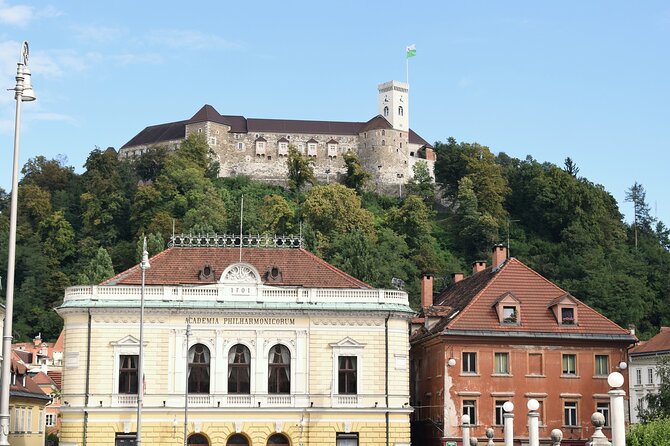
- Castle views included: Ljubljana Castle adds a high point, panoramic views, and centuries of Slovenian history.
- A useful central meeting point: The walk begins at Hauptmann House on Prešeren Square and ends at the National and University Library.
- Good for first-time orientation: You get an architectural introduction plus suggestions for what to see afterward.
- Plan around Sunday: One review points out that many places in Ljubljana close on Sundays, so check opening hours before adding museums or shops to your day.
Why Ljubljana works so well on foot
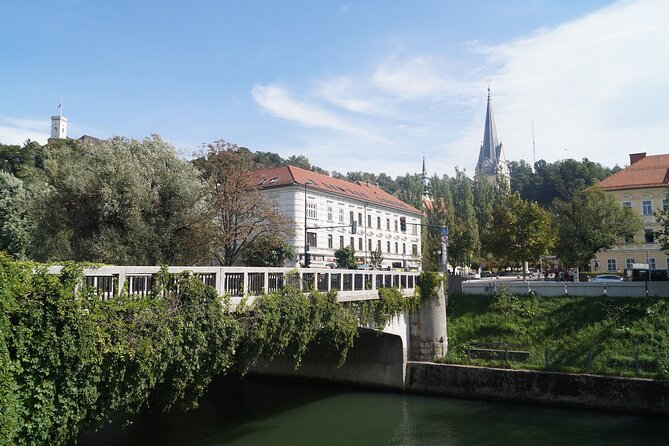
Ljubljana is compact, and its central streets are easy to cover on foot. The Ljubljanica River cuts through the heart of the city, giving the walk a clear line from bridge to bridge, square to square. That makes a short architectural tour more useful here than in a spread-out capital where much of your time disappears on transport.
You begin at Hauptmann House, at Prešeren Square. This is a practical place to start because it puts you in the middle of the old center, close to the river and the city’s main pedestrian routes. From there, the guide can quickly connect the city’s buildings, bridges, public spaces, and political history.
I like the idea of seeing Ljubljana through its design rather than simply ticking off monuments. A guide can point out how a bridge changes the feel of a square, why a building matters beyond its façade, and how Plečnik’s work gives the center a recognizable character. Those are details that are easy to miss when you walk alone with only a map.
The private setup matters most if you have particular interests. You can ask for more attention to architecture, history, photography, local life, or the city’s famous bridges. The supplied information does not name the guide, but it confirms that the tour is hosted by an independent local and that the route can respond to your walking pace and interests.
More private tours in the world:
- Best of Chicago: Architecture & Highlights City Private Tour
★ 5.0 · 94 reviews - Private Harajuku Omotesando Architecture Walking Tour
★ 5.0 · 67 reviews - Private Santa Barbara History and Architecture Walking Tour
★ 5.0 · 56 reviews
Starting at Hauptmann House and Prešeren Square
Hauptmann House at Prešeren Square is the stated starting point. From here, you are already placed in one of Ljubljana’s most important public spaces, rather than spending the first part of the tour finding a distant meeting point.
The square is a natural introduction to the city. It gives the guide room to explain how Ljubljana’s central area fits together before you move toward the river and the architectural stops. The route is not just a parade of façades. It is meant to show how public spaces, bridges, religious buildings, civic buildings, and the castle relate to one another.
A private guide can make this opening as detailed or as brisk as you prefer. If you already know something about Plečnik, you can ask for more context about his design choices. If architecture is new territory for you, ask the guide to point out simple features such as materials, repeated shapes, sight lines, and the way buildings frame the river.
The tour lasts about two hours, so you should expect an introduction rather than a full study of every building. That short length is useful on a first morning in town, but it also means you will need to choose your priorities. Mention them at the start.
Triple Bridge and Jože Plečnik’s city design
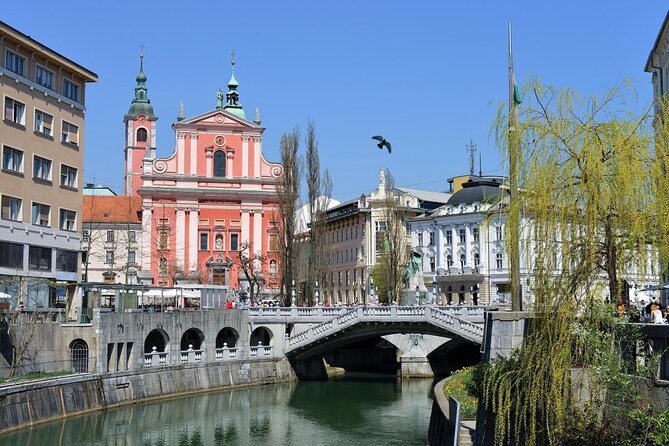
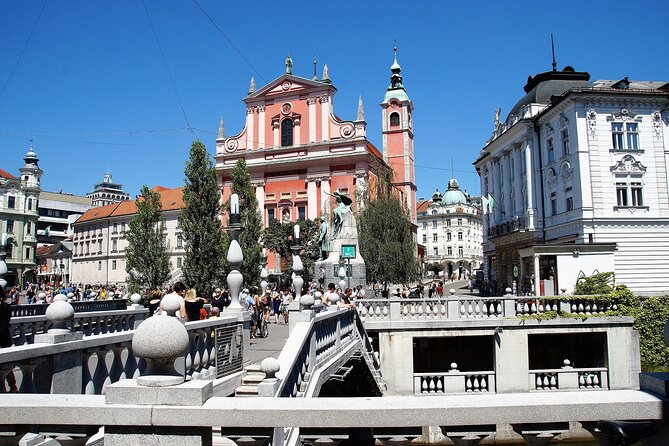
The Triple Bridge is the tour’s clearest example of Ljubljana’s architectural character. Jože Plečnik designed three walkways spanning the Ljubljanica River, creating a crossing that is both functional and unusually picturesque.
This is where a guide adds real value. On your own, you see three bridges and a pleasant river view. With an explanation, you can consider why the crossing has three paths, how it shapes movement through the center, and how it links Prešeren Square with the streets beyond the river.
I would spend a few minutes here looking in both directions. The bridge is not only something to cross. It is also a viewing point, a meeting place, and a way to understand the scale of Ljubljana’s center. The river keeps the setting open, while the buildings and pathways pull your attention back toward the old town.
The Triple Bridge is also a good test of what you want from this experience. If you enjoy design, urban planning, and small details, you will likely appreciate the guide’s interpretation. If you mainly want a quick list of sights, two hours may feel more than enough.
Ljubljana Castle and the high view over the city
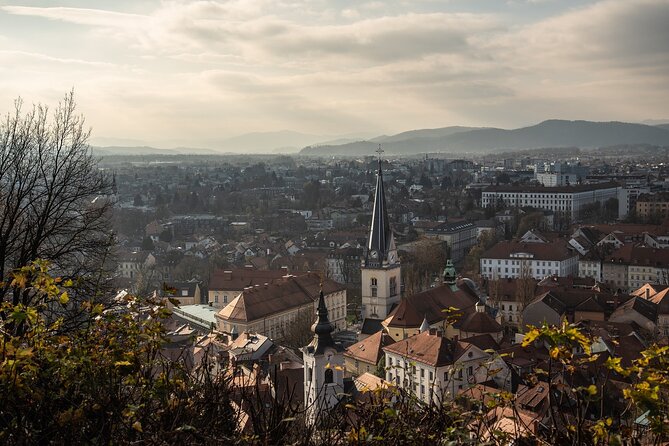
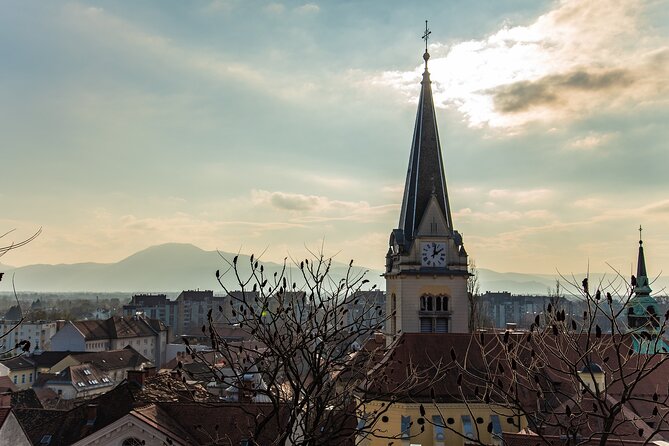
The route includes Ljubljana Castle, which adds a change of scale. At street level, you focus on bridges, façades, and squares. At the castle, you get a broad view over the city and a chance to place those smaller details in context.
The castle also brings centuries of Slovenian history into the walk. Its museums and galleries provide more to see, although entry tickets are not included. The tour information does not confirm whether the guide will take you through paid exhibits, so you should ask before booking if interior access is important to you.
The castle stop may require extra effort for anyone with limited mobility. The tour is specifically not recommended for people with impaired mobility, and the route may include uneven or uphill walking. If you walk comfortably but want to limit exertion, tell the guide when you meet. The itinerary is designed to adapt to your pace, but that does not remove the physical demands of reaching a hilltop site.
The views are a strong reason to keep this stop in the plan. Ljubljana is easier to understand from above. You can see how the castle relates to the center, how the river threads through town, and why the compact core works so well for a walking visit.
Weather may change the order or choice of stops. That flexibility is useful, but it means you should not treat the advertised sequence as fixed. A cloudy day may still work well for architecture, while poor conditions could affect the castle portion.
A few more architecture tours in the world worth a look
- Chicago Architecture River Cruise
★ 5.0 · 15,756 reviews - Chicago River 90-Minute Architecture Tour
★ 4.5 · 9,629 reviews - Chicago River: 1.5-Hour Guided Architecture Cruise
★ 4.8 · 8,046 reviews - Chicago Architecture Center River Cruise aboard First Lady
★ 5.0 · 5,536 reviews
Cobblers’ Bridge and the craft of crossing
Cobblers’ Bridge offers another look at Plečnik’s work. Its name recalls the craftsmen who once worked in this part of Ljubljana, giving the crossing a link to the city’s working past as well as its design history.
The bridge offers charming views along the Ljubljanica and a chance to compare it with the Triple Bridge. The two crossings serve different roles, and seeing both helps you notice how Plečnik used bridges to shape the city rather than treating them as simple engineering projects.
This is a good place to slow down. Look along the river, watch how people move across the bridge, and ask the guide how the area has changed. The available information does not promise a specific story about the former cobblers, so the depth of that discussion will depend on the guide and your questions.
For photography, this stop should be useful because the river, bridge, and surrounding streets create a compact scene. I would not expect a long stop, though. With only two hours and several major sites, the guide will need to keep the group moving.
The National and University Library, Plečnik’s serious masterpiece
The National and University Library is the final meeting point and one of the most important buildings on the route. It was designed by Jože Plečnik and has major cultural significance in Slovenia.
Ending here gives the tour a strong architectural finish. The Triple Bridge shows Plečnik working with public movement and the river. Cobblers’ Bridge shows another approach to a crossing. The library shifts attention to a major institution devoted to learning and culture.
The building is worth treating as more than a photo stop. Ask the guide what makes its design important and how it fits into Plečnik’s wider work in Ljubljana. Since the tour information does not include an interior visit, do not assume that you will enter or see the library’s full interior. Monument and museum entry fees are excluded, so any paid access would be your responsibility.
The ending point is practical for further exploring. Once the walk is over, you can continue through central Ljubljana or use the guide’s suggestions to plan the rest of your day. That handoff from guided visit to independent exploring is one of the better features of the experience.
Kongresni Trg, a square built for a pause
Kongresni Trg gives the tour a broad public space rather than another narrow street or bridge. It is surrounded by important landmarks and green park areas, making it a natural place to pause and take stock of the city.
A guide can help you read the square as part of Ljubljana’s civic life. You may want to ask which buildings around it matter most, how the square has been used, and where to return later for a quieter walk. The stated route may vary, so Kongresni Trg could be approached at a different point depending on the guide’s plan and the weather.
I like this kind of stop because it gives the tour breathing room. A two-hour architecture walk can become a blur of names and dates. A square with room to look around helps you connect the individual sights into a picture of Ljubljana as a lived-in capital, not just a collection of monuments.
What the private format is really worth
The price is $581.78 per group of up to two people. For two people, that works out to $290.89 each before any extra admission or transport costs. For one person, the same group price makes the value much harder to defend.
That cost only makes sense if you place a high value on private attention. You are not paying for a long excursion or included attraction tickets. You are paying for a local guide, a private conversation, and a route that can respond to your interests and pace.
I would consider booking it for a couple or pair of friends who want a focused introduction and dislike large groups. It could also work for architecture enthusiasts who want to ask detailed questions without holding up other people. If your budget is tight, a standard city walk or self-guided route may offer better value.
The tour’s short duration helps fit it into a busy visit. You could schedule it early, then use the guide’s tips for the rest of the day. But remember that entry tickets for transport, museums, and monuments are not part of the price. Build those costs into your plan if you want more than exterior views.
Timing, pace, and practical limits
The tour takes about two hours. That is enough to see the named highlights, but not enough for a slow interior visit at every site. You should expect a walking overview with explanations, photo pauses, and perhaps brief time at selected museums or galleries if the guide and conditions allow.
The itinerary adapts to your interests and walking pace. Use that option. Tell the guide early if you care most about Plečnik, the castle, public squares, Slovenian history, or photography. Also say if you would rather spend less time at one stop and more at another.
Most people can participate, and service animals are allowed. The tour is near public transportation, but transport tickets are not included. The experience is not recommended for people with impaired mobility, so consider the castle and walking demands before booking.
Sunday planning deserves attention. One of the supplied comments gives a useful warning: many places close on Sundays, and the Slovene approach to Sunday rest can be quite literal. The walking route itself may still be worthwhile, but shops, museums, and other places you hoped to visit afterward may not be open.
Free cancellation is available if you cancel at least 24 hours before the start time. Cancellations or changes inside that window are not refunded or accepted, so confirm your plans before the deadline.
Who should book this Ljubljana walk?
This experience fits you best if you want a private introduction to Ljubljana’s architecture and prefer conversation over a fixed group script. It is especially suited to couples, friends, or solo visitors willing to pay the full group price for personal attention.
It is also a good match if you are curious about Jože Plečnik. The route brings together several of his major works, including the Triple Bridge, Cobblers’ Bridge, and National and University Library. You get a connected story rather than isolated sightseeing stops.
You may want to skip it if you are seeking a low-cost activity, a long castle visit, or guaranteed access inside every building. The price is high, and tickets are extra. You should also choose another option if steep or extended walking is difficult.
Should you book it?
Book this tour if you want a short, private orientation to Ljubljana and you value a local guide’s explanation of Plečnik’s work. The route covers the city’s central architectural highlights, includes castle views, and ends in a useful location for further exploration.
Skip it if you mainly want photographs, have only one person in your group, or need a tour with included admissions and minimal walking. For two people with a strong interest in design, the private format can justify the cost. For everyone else, compare the price with a less expensive city walk before committing.
FAQ
How long does the tour last?
The tour lasts approximately two hours.
Where does the tour begin?
It begins at Hauptmann House, Prešeren trg 1, 1000 Ljubljana, Slovenia.
Where does the tour end?
It ends at the National and University Library, Turjaška ulica 1, 1000 Ljubljana, Slovenia.
Is this a private tour?
Yes. The tour is exclusive to your own group, with up to two people covered by the listed price.
Are entrance tickets included?
No. Transportation, museum, and monument entry tickets are not included.
Can the itinerary change?
Yes. The route can adapt to your interests and walking pace, and stops may vary with weather conditions.
What is the cancellation policy?
You can receive a full refund if you cancel at least 24 hours before the experience start time. Cancellations or changes made less than 24 hours before the start time are not refunded or accepted.
Just added in the world
- Wilmington History and Architecture Tour★ 4.8 · 18 reviews
- New Orleans : Garden District Architecture Walking tour★ 4.8 · 5 reviews
- Washington DC: Dupont Circle & Embassy Row Architecture Tour★ 5.0 · 6 reviews
- Washington, DC: Georgetown Architecture Walking Tour★ 5.0 · 8 reviews
- Vicenza: Palladian Architecture Private Walking Tour★ 3.3 · 3 reviews
- Walk & Discover KL’s Architectural and Heritage Gems★ 5.0 · 7 reviews
- Private Colonial Williamsburg Architectural Tour★ 5.0 · 5 reviews
- Unveiling Brno: History, Culture & Architectural Delights★ 5.0 · 2 reviews
Architecture Tours, compared.
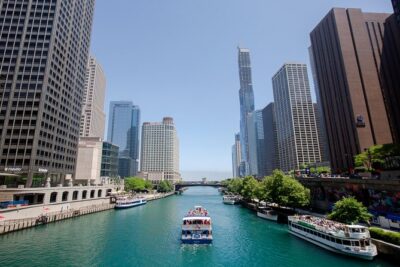
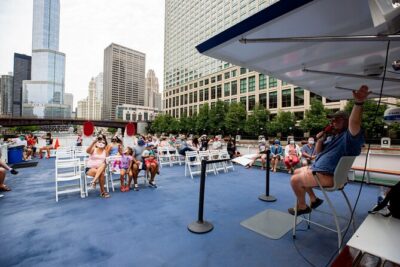

Chicago River: 1.5-Hour Guided Architecture Cruise
Read our review →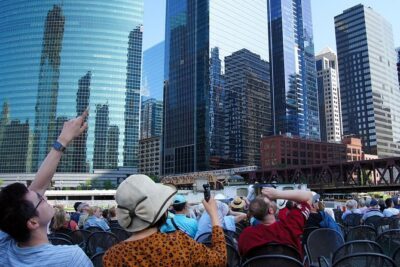
Chicago Architecture Center River Cruise aboard First Lady
Read our review →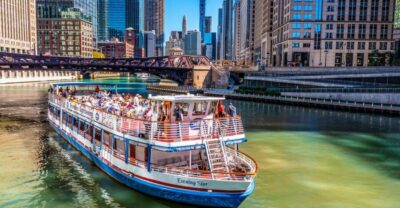
Architecture River Cruise Skip-the-Ticket Line
Read our review →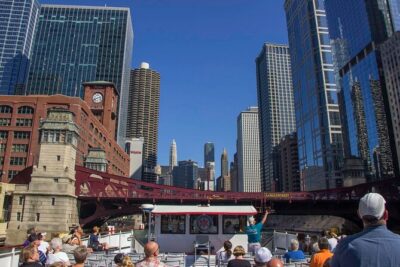
Chicago River 45-Minute Architecture Tour from Magnificent Mile
Read our review →