
REVIEW · FRANCE ARCHITECTURE TOURS
Discovery Tour of Château Haut Breton Larigaudière
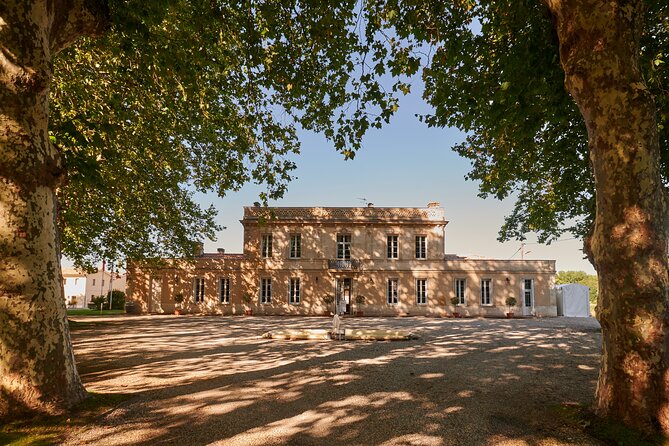
Wine country gets personal here. At Château Haut Breton Larigaudière, you spend about an hour learning how Margaux wines take shape, from family ownership and local soils to the vat room, barrel cellar, and tasting table. I like the clear focus on both the estate and the wine itself, rather than rushing you straight to a glass.
I also like the small group limit of 10 people, which should make it easier to hear the guide and ask questions. The main drawback is the short running time: one hour gives you a useful introduction, but not a long, leisurely estate visit. You should also keep your schedule flexible, since the visit time may be changed in advance if needed.
Key points to know before you go
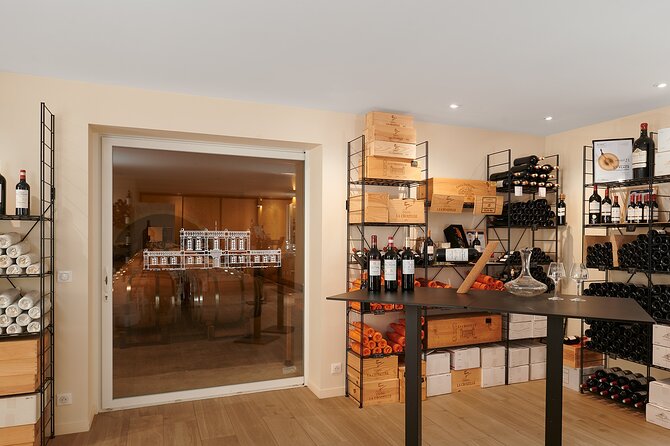
- Four wines are included: The tasting gives you four glasses, with each wine explained by an expert guide.
- The tour goes beyond the tasting room: You visit the traditional vat room and barrel cellar to see how the wine is made.
- Family ownership is part of the story: You learn about the De Schepper family, owners for three generations.
- Small groups keep the visit focused: The maximum is 10 people, a useful size for questions and conversation.
- The price is modest for Margaux: At $17.35 per person, the visit offers an affordable way to sample the appellation.
- The tour begins and ends in Soussans: The meeting point is 3 Rue des Anciens Combattants, 33460 Soussans, France.
Starting at Château Haut Breton Larigaudière in Soussans
Your visit starts at 3 Rue des Anciens Combattants in Soussans, a practical detail to check carefully before setting out. The experience returns you to this same meeting point, so you do not need to arrange a separate finish location.
The tour lasts about one hour. That makes it easy to fit into a day of wine-country stops, especially if you are building a schedule around several estates. It also means you should arrive ready to make the most of the time. This is a focused introduction, not an all-afternoon château visit.
The small group limit matters here. With no more than 10 people, the guide can keep the pace orderly without making the tour feel like a large public briefing. You should have a better chance to hear explanations clearly and ask about the wines, grape varieties, or production spaces.
The experience is offered with a mobile ticket, so you can keep your admission details on your phone. Confirmation is sent within 48 hours of booking, subject to availability. If your visit depends on a tightly timed day, allow room for that confirmation process before finalizing every other plan.
Other architecture tours people book in the world:
- Chicago Architecture River Cruise
★ 5.0 · 15,756 reviews - Chicago River 90-Minute Architecture Tour
★ 4.5 · 9,629 reviews - Chicago River: 1.5-Hour Guided Architecture Cruise
★ 4.8 · 8,046 reviews
The De Schepper family and three generations of ownership
The first part of the visit introduces the De Schepper family, who have owned Château Haut Breton Larigaudière for three generations. That detail gives the tour a human center. You are not only hearing about a place and a label, but also about a family connection maintained across time.
For you, this part is useful because it places the wine in context before the technical explanations begin. A family-owned estate has a different story to tell than a large anonymous producer, and the guide can connect ownership with the way the château works today.
Do not expect a long family genealogy. The tour is only about an hour, so the ownership story is likely to be concise and tied to the estate itself. That is a strength if you prefer practical information over a lengthy historical lecture.
The visit also presents the qualities associated with Margaux wines, especially their elegance and finesse. Those terms can sound vague when they appear on a wine menu. Here, they are introduced alongside the estate, its soil, grape varieties, and production spaces, giving you several points of reference for the tasting later.
Soils and grape varieties before the wine glasses
The guide explains the unique characteristics of the soils used by the estate and the grape varieties grown there. This is one of the most useful parts for anyone who wants to understand Bordeaux wine rather than simply drink it.
Soil is not an abstract subject when you connect it to the finished wine. It helps explain why grapes grown in one area can produce a different style from grapes grown somewhere else. The tour gives you that link before asking you to judge four wines at the end.
The grape discussion should also help you listen more carefully during the tasting. You can pay attention to differences in aroma, texture, and finish while knowing which varieties are part of the estate’s work. I like this order because it gives you a framework first, then lets you test it in the glass.
The information will suit a beginner, but it can still interest someone who already knows Bordeaux. The guide’s job is to connect the local details to the wine without turning the hour into a technical class. One past guide, Bruna, was praised for giving clear explanations in English and for making the material easy to follow. She is described as a native Portuguese speaker whose English was excellent, so international visitors should feel comfortable asking questions in English.
Inside the traditional vat room
The tour continues into the traditional vat room, one of the estate’s working production areas. This is where the visit moves from story and setting to the practical side of winemaking.
Seeing a vat room gives you a better sense of the steps between harvested grapes and finished wine. You can expect the guide to explain how this part of the facility fits into the winemaking process, using the room itself as a teaching tool.
The word traditional is important. You are not simply being shown a polished display area. The room is part of the technical facilities used to craft the wine, so the stop should feel connected to the estate’s actual work.
This section may be less exciting for children or anyone who wants only scenery and tasting. For wine drinkers, though, it adds substance. You begin to understand that the bottle is the result of several controlled stages, not just a family name and a pretty château.
Because the tour is brief, the vat room explanation will not cover every production detail. That is a fair trade for a compact experience. If you want a detailed study of fermentation, harvesting, or cellar equipment, you would need a longer specialist visit. If you want a clear introduction, the stop should do its job.
Same city, a different building to stand in front of:
- Chicago Architecture Center River Cruise aboard First Lady
★ 5.0 · 5,536 reviews - Chicago: Architecture River Cruise Skip-the-Ticket Line
★ 4.8 · 4,325 reviews - Chicago River 45-Minute Architecture Tour from Magnificent Mile
★ 4.5 · 2,924 reviews - Barcelona: Sant Pau Recinte Modernista Entry Ticket
★ 4.6 · 2,567 reviews
The barrel cellar and the making of authentic wine
The barrel cellar offers another look at how the estate develops its wines. Here, the guide discusses the crafting of an authentic wine and helps you follow the journey from production to maturation.
A barrel cellar is a valuable stop because it shows a stage that is easy to overlook when wine is served in a glass. The wine needs time and careful handling before it is ready to taste. By seeing the facility, you can connect the final character of the wine with the work that happens before bottling.
This part should appeal to visitors who enjoy the physical side of wine production. You are walking through a working estate, not only listening to a speech in a tasting room. The setting gives the explanations a concrete reference.
The cellar may also help you understand why a tasting can feel more interesting after a tour. Without context, four pours can blur together. After seeing the vat room and barrel cellar, you have a better chance of noticing how each wine reflects the estate’s choices.
Do not expect the barrel cellar to be a theatrical attraction. The appeal is in the process. If you like factories, workshops, and places where a product is made, you will probably appreciate this stop. If you are mainly seeking grand architecture or extensive grounds, the provided tour details do not promise that kind of visit.
Four wines with an expert guide
The final portion is a guided tasting of four wines. Four glasses are included in the price, and an expert guide comments on what you are tasting.
This is where the earlier explanations become useful. You can consider the soil, grape varieties, vat room, and barrel cellar as you taste. The guide gives you a better chance of understanding the differences between the wines instead of treating the tasting as four unrelated samples.
The tasting is also the clearest value in the experience. At $17.35 per person, you receive the estate tour, technical facilities, and four alcoholic beverages. In a major wine region, that is a reasonable price for a compact introduction, especially if you want to sample Margaux without committing to an expensive private appointment.
Still, it is worth keeping expectations in check. Four glasses do not amount to a full wine course, and the hour must cover both the tour and tasting. You are paying for an accessible overview with guided context, not an extended food-and-wine pairing or a collector-level appointment.
The tasting was described as excellent, and the guide was praised for being pedagogical, meaning the explanations were clear and easy to learn from. That is good news if you are still finding your way around French wine. You do not need to arrive with a vocabulary list or a strong knowledge of Bordeaux.
Additional purchases are not included. If you want to buy bottles or other items, plan to pay separately. The supplied details do not specify the selection, prices, or shipping arrangements, so you should ask the estate directly if purchasing wine is important to your plans.
What the guide style means for your visit
The strongest feature of the experience is the quality of the explanation. The guide is expected to lead you through the estate, explain the family story and production spaces, then comment on the four wines. That structure gives the hour a clear beginning, middle, and end.
Bruna is specifically identified in the provider’s response and is praised for her English and her explanations of the château. The feedback also highlights her friendly approach and ability to make the material understandable. If she leads your visit, you can expect a comfortable English-language experience based on that description.
The tour is not built around a large performance or elaborate entertainment. Its appeal is the guide’s ability to connect straightforward facts with the wine in your glass. That makes it a good choice if you want to leave with a clearer sense of why Margaux tastes the way it does.
You should also feel free to ask questions during the visit. A group of up to 10 creates a better setting for that than a crowded coach tour. I would especially ask about the estate’s grape varieties, the effect of its soils, and what differences to look for among the four wines.
Timing, group size, and practical value
The one-hour duration is both a benefit and a limit. It is short enough to fit around lunch, another appointment, or a second château visit. It is not long enough to cover every detail of the estate, so you should choose it for clarity and value rather than depth.
The $17.35 price makes sense for a first introduction to Margaux. You get an estate tour, access to the vat room and barrel cellar, a guided tasting of four wines, and a small-group setting. If you are comparing several wine experiences, this one gives you a good amount of content without a high admission cost.
The tour is booked, on average, 16 days ahead. That does not guarantee that you must reserve exactly that far in advance, but it is a useful planning signal. I would not leave it until the last minute if your dates are fixed, especially since confirmation is subject to availability.
You can cancel for a full refund if you do so at least 24 hours before the local start time. Cancellations or changes made inside that 24-hour window are not accepted for a refund. The schedule may also change, as happened when a visit time was adjusted with advance notice, so check your final time before heading to Soussans.
Service animals are allowed. The experience has a mobile ticket, and it ends back at the starting point. Those details are simple, but they make the visit easier to fit into a larger day.
Who will enjoy this Margaux visit
I would recommend this tour to a first-time Bordeaux wine visitor who wants a straightforward explanation of how the region’s wines are made. The mix of family history, soils, grape varieties, production rooms, and four wines gives you a useful base for later tastings.
It also suits couples and small groups who prefer a quieter visit. The 10-person limit is much more appealing than a large coach-group format, particularly if you value the chance to ask questions.
Wine enthusiasts can enjoy it too, but they should know what they are booking. The hour will introduce the estate and its wines rather than provide a full technical study. If you already know Margaux well, the family ownership story and cellar access may be more useful than the basic grape explanations.
Families with children may find the production spaces educational, but the core activity is wine tasting. The provided information does not specify a children’s program or alternative nonalcoholic tasting, so it is best suited to adults who want the wine experience itself.
Should you book Château Haut Breton Larigaudière?
Book it if you want an affordable, compact introduction to Margaux with four wines and a guide who explains the subject clearly. The strongest reasons are the small group, access to the vat room and barrel cellar, and the chance to connect the estate’s soils and grape varieties with what you taste.
Skip it if you want a long château tour, extensive grounds, a meal, or a highly specialized wine seminar. Those features are not part of the stated experience.
For most visitors planning a wine day in the area, this is a sensible one-hour stop. At $17.35, it offers enough substance to make the tasting meaningful without taking over your schedule. Reserve ahead when your dates matter, keep an eye on the confirmed start time, and arrive ready to listen closely and taste four wines with purpose.
FAQ
Where does the Château Haut Breton Larigaudière tour start?
The tour starts at 3 Rue des Anciens Combattants, 33460 Soussans, France.
Where does the experience end?
The activity ends back at the meeting point in Soussans.
How long does the tour last?
The tour lasts approximately one hour.
How much does the experience cost?
The listed price is $17.35 per person.
How many wines are included in the tasting?
Four tasting glasses are included, along with alcoholic beverages.
What does the tour include besides wine?
It includes a tour of the estate and its technical facilities, including the traditional vat room and barrel cellar.
How many people can join the tour?
The maximum group size is 10 travelers.
Is a mobile ticket available?
Yes. The experience offers a mobile ticket.
Can I cancel for a full refund?
Yes. You can cancel at least 24 hours before the local start time for a full refund. Cancellations or changes made less than 24 hours before the start time are not refunded or accepted.
Are service animals allowed?
Yes. Service animals are allowed on the tour.
Just added in the world
- Wilmington History and Architecture Tour★ 4.8 · 18 reviews
- Washington DC: Dupont Circle & Embassy Row Architecture Tour★ 5.0 · 6 reviews
- Washington, DC: Georgetown Architecture Walking Tour★ 5.0 · 8 reviews
- New Orleans : Garden District Architecture Walking tour★ 4.8 · 5 reviews
- Vicenza: Palladian Architecture Private Walking Tour★ 3.3 · 3 reviews
- Walk & Discover KL’s Architectural and Heritage Gems★ 5.0 · 7 reviews
- Private Colonial Williamsburg Architectural Tour★ 5.0 · 5 reviews
- Unveiling Brno: History, Culture & Architectural Delights★ 5.0 · 2 reviews
France Architecture Tours, compared.
Bastille’s Architecture & Artisans Self-Guided Walking Tour
Read our review →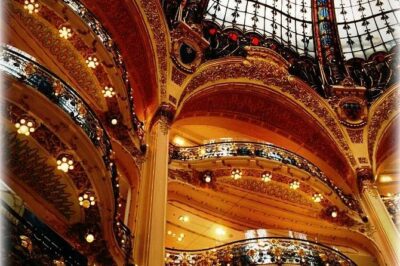
Private Art Nouveau and Art Deco tour near Opera
Read our review →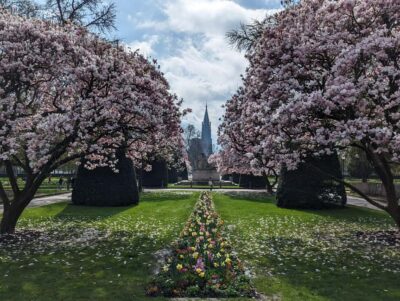
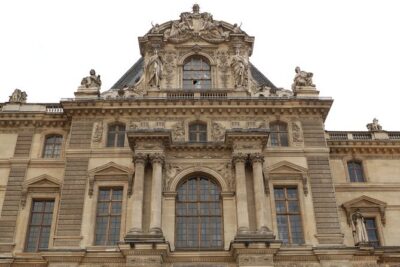
Neoclassical Paris Architecture 2-Hour Private Walking Tour
Read our review →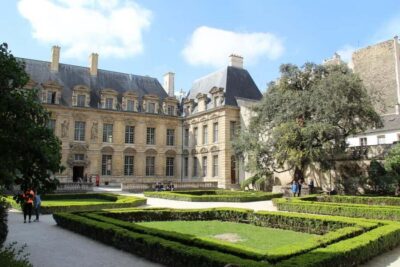
Discover the hidden architecture gems of Le Marais
Read our review →
Marseille Belvedere: The city through architecture
Read our review →Browse the lists this tour appears in