REVIEW · ARCHITECTURE TOURS
São Paulo: Private 4-Hour Architecture Tour
São Paulo tells its story through buildings. This four-hour private tour is a smart way to read that story, moving from colonial construction to modernist and contemporary work while a bilingual guide explains the people and ideas behind it. I like the wide range of styles and the chance to focus on famous architects such as Lina Bo Bardi and Paulo Mendes da Rocha. I also like the private vehicle and hotel pickup, which save time in a huge city.
The main consideration is the price: $290 per group up to one person is a serious outlay for four hours. It makes the most sense if architecture is a major reason for your visit, or if you want a private route shaped around your interests. The tour is also only available from hotels in central São Paulo, so you should check pickup details before booking.
The guide can work in English, Spanish, or Portuguese. Past guides have included Doris, Danilo, and Bruno, and the strongest praise goes to their ability to adjust the route. One guest wanted contemporary architecture, another preferred a chronological introduction to the city, and both received a more personal tour than a fixed sightseeing circuit usually provides.
Key points to know before booking
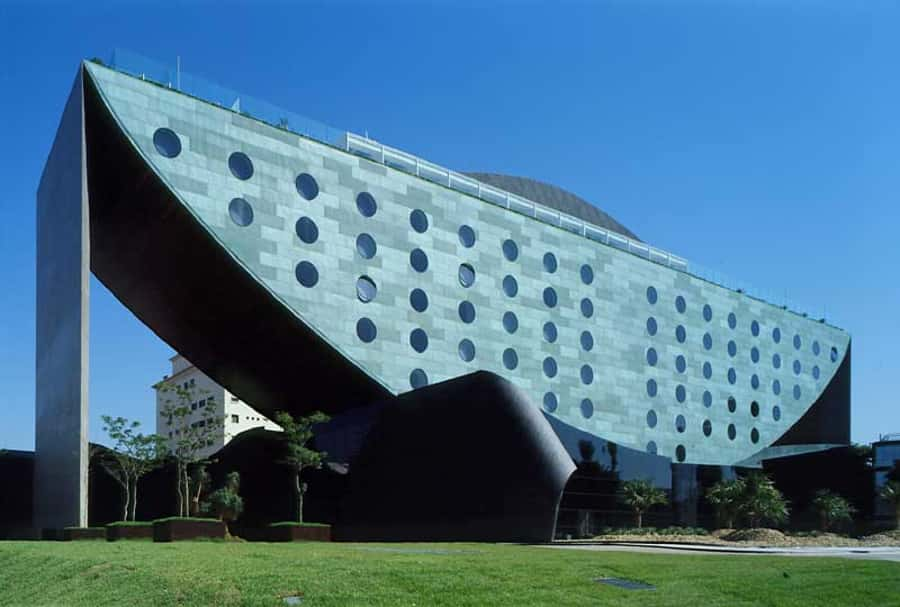
- Eight architectural periods in four hours: You may see Colonial, Neoclassical, Eclectic, Art Nouveau, Art Deco, Neocolonial, Modernist, Brutalist, and Contemporary examples.
- Private vehicle and central hotel pickup: This keeps the day comfortable and helps you cover more ground than you could on foot.
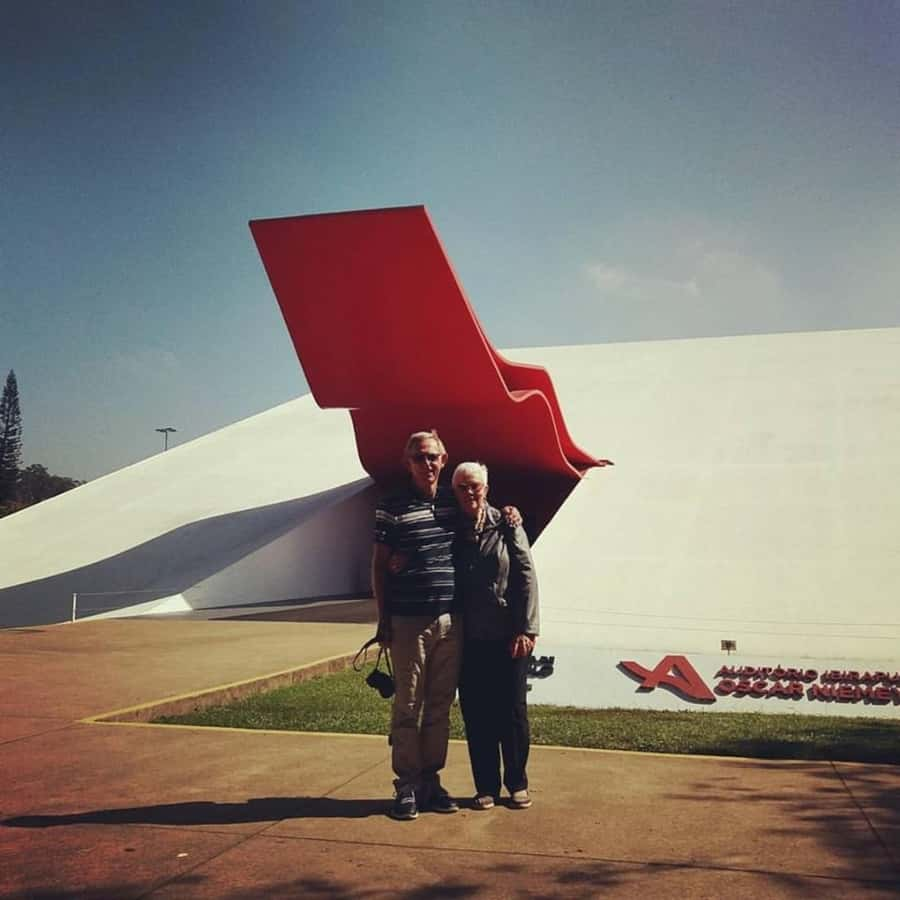
- A guide-led story of São Paulo: The tour connects buildings to the city’s growth and to architects including Ramos de Azevedo, Oscar Niemeyer, Vilanova Artigas, Lina Bo Bardi, Paulo Mendes da Rocha, Ruy Ohtake, and Isay Weinfeld.
- A flexible route: Guides have adjusted the focus toward modern architecture, current urbanism, or a chronological introduction.
- Good language choice: English, Spanish, and Portuguese are available with a live guide.
- Practical limits: The tour lasts four hours, excludes food and drinks, and children under five are not accepted.
Why São Paulo Works So Well for an Architecture Tour
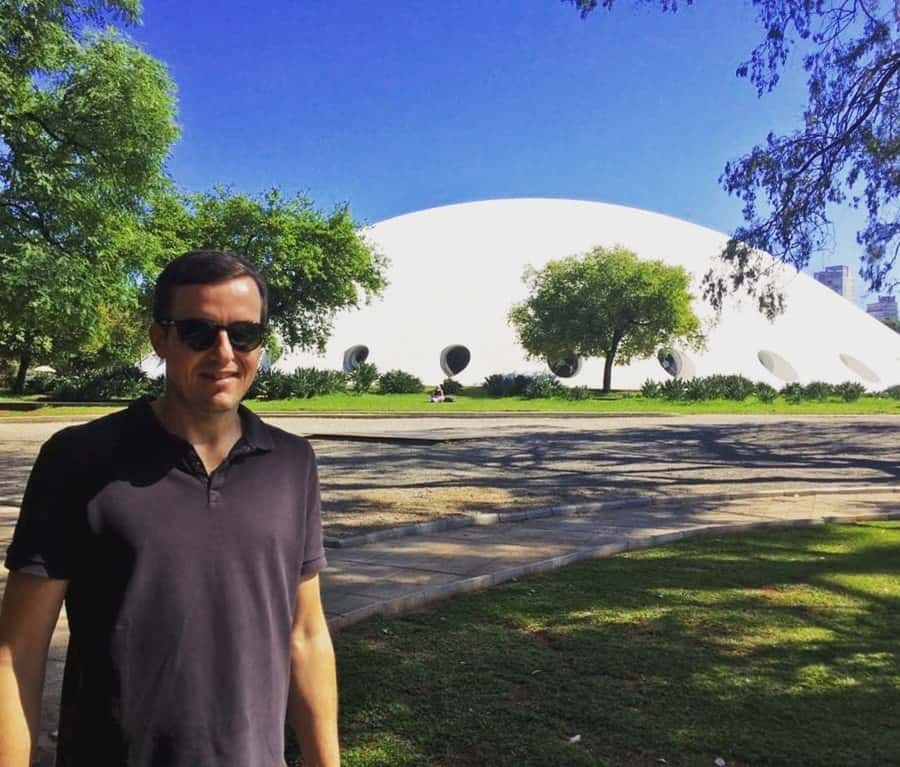
São Paulo can feel visually confusing at first. Colonial buildings, European-inspired facades, mid-century concrete, and new contemporary projects occupy the same city, often within a short distance of one another. A self-guided walk may show you the buildings, but it will not always explain why their forms appeared when they did.
That context is the real value here. The tour presents architecture as a record of São Paulo’s growth, from early construction using organic materials through the strong European influence that developed in Brazil during the nineteenth century. You are not simply checking off attractive facades. You are learning how changing materials, tastes, and city ambitions shaped the built environment.
I especially like the planned range of styles. Colonial, Neoclassical, Eclectic, Art Nouveau, Art Deco, Neocolonial, Modernist, Brutalist, and Contemporary architecture can all appear during the outing. The exact stops are not fixed in the information provided, so you should think of this as a guided survey rather than a guaranteed list of named buildings.
That flexibility can work in your favor. If you already know the basics of modern architecture, you can ask for more recent work. If São Paulo is new to you, the guide can begin with earlier construction and move forward in time. This makes the tour useful for both a first introduction and a more focused architectural outing.
More private tours in the world:
- Best of Chicago: Architecture & Highlights City Private Tour
★ 5.0 · 94 reviews - Private Harajuku Omotesando Architecture Walking Tour
★ 5.0 · 67 reviews - Private Santa Barbara History and Architecture Walking Tour
★ 5.0 · 56 reviews
A Four-Hour Route Through São Paulo’s Building History
The tour begins with pickup at your hotel in central São Paulo. Transportation is by private vehicle, a practical choice in a sprawling city where architectural examples are not all grouped together. You avoid spending part of the four hours arranging taxis or trying to connect distant areas by public transport.
The first part may introduce the city’s oldest architectural layers. Colonial buildings made with local organic materials help explain São Paulo before the later waves of European influence. These early structures are important because they provide a starting point for the city’s architectural timeline, even if they are less dramatic than the concrete work that often attracts design fans.
From there, the route can move into Neoclassical, Eclectic, Art Nouveau, and Art Deco examples. These styles show how Brazilian cities adopted and adapted European ideas during the nineteenth and early twentieth centuries. The word Eclectic matters here: it points to a period when architects combined references rather than following one strict visual formula.
Art Nouveau and Art Deco also offer a useful contrast. Their details and geometry can be easy to miss when you are rushing through central São Paulo, but a guide can point out what separates one approach from another. You may find that the city’s architectural story is less tidy than a textbook timeline, with several styles sharing the same urban setting.
The tour then reaches Neocolonial and Modernist work. This is where the story becomes especially useful for understanding Brazil’s own architectural identity. The route can show how imported ideas were reworked for local conditions and national ambitions, rather than simply copied from Europe.
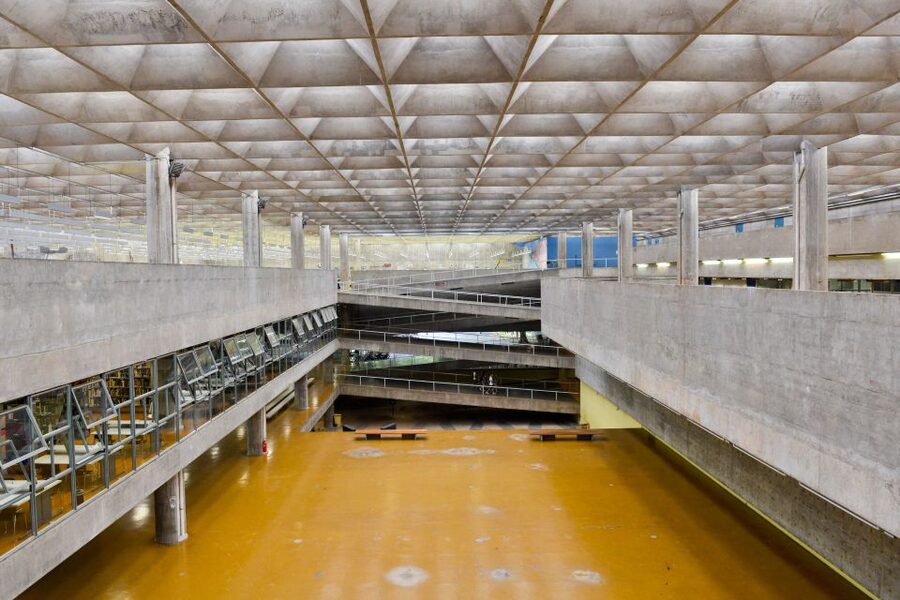
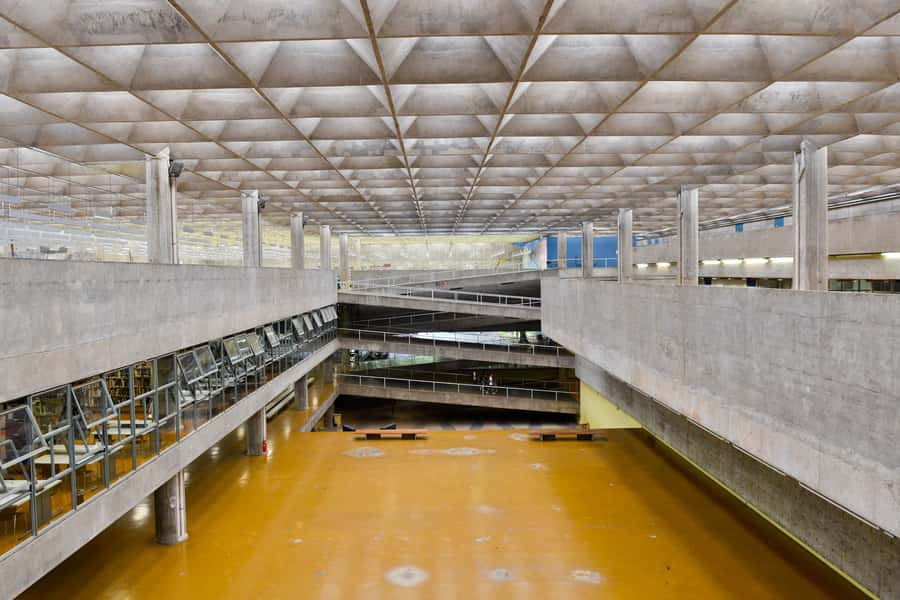
Brutalism forms another major chapter. São Paulo is closely associated with exposed concrete and large, forceful structures, so this part should interest anyone who enjoys modern architecture. The style can look severe from the street, and not every building will appeal to every eye. That is precisely why a guide helps: you gain the design and historical reasons behind the heavy forms instead of judging them only by first impression.
The final part may include contemporary architecture. Here, the route can turn toward later work by architects such as Ruy Ohtake and Isay Weinfeld. The precise buildings depend on the guide and your interests, but the broader point is clear: São Paulo’s architectural story did not stop with mid-century Modernism.
Four hours is enough for a useful survey, but not for an exhaustive study of every style or architect. You should expect a selection of examples, explanations from the vehicle and at stops, and a route that gives you a broad sense of the city rather than a museum-like inspection of each building.
The Architects Who Give the Tour Its Shape
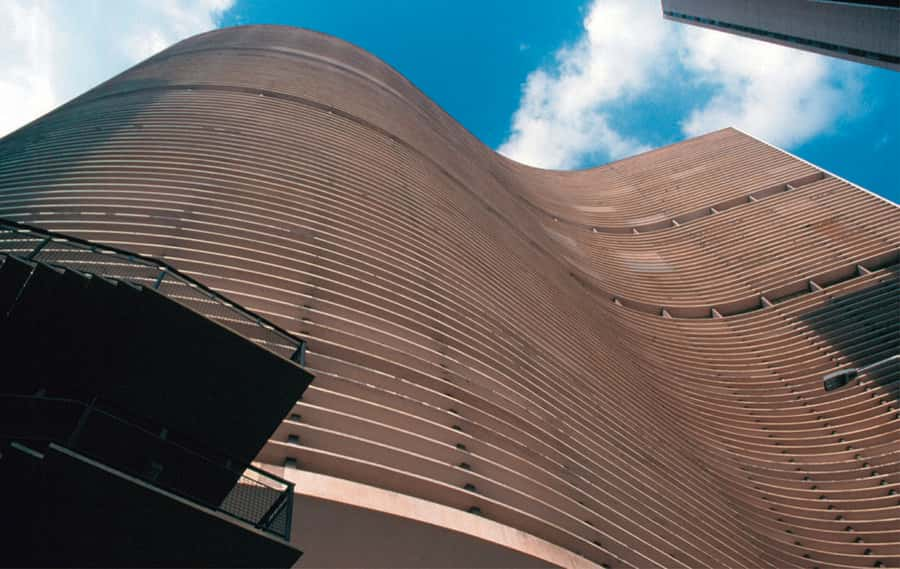
A strong feature of this experience is the attention given to individual architects. Ramos de Azevedo helps represent the city’s earlier architectural development, while Oscar Niemeyer connects São Paulo to Brazil’s best-known Modernist tradition.
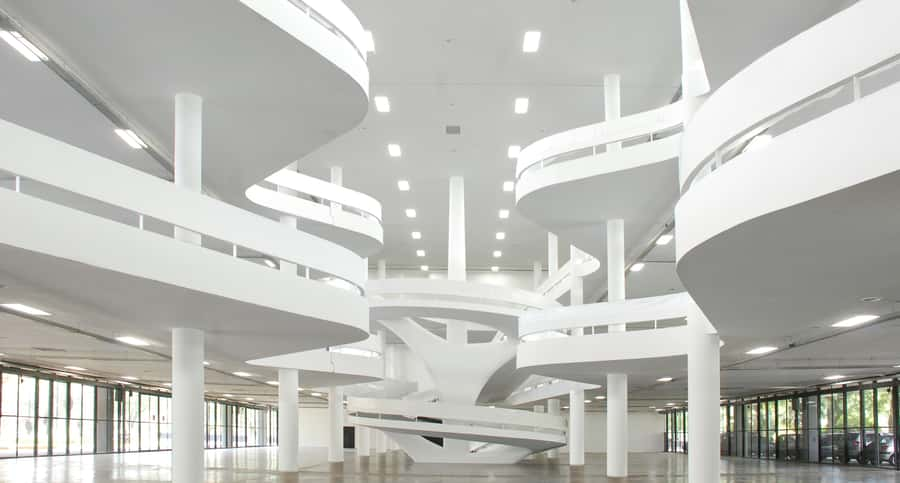
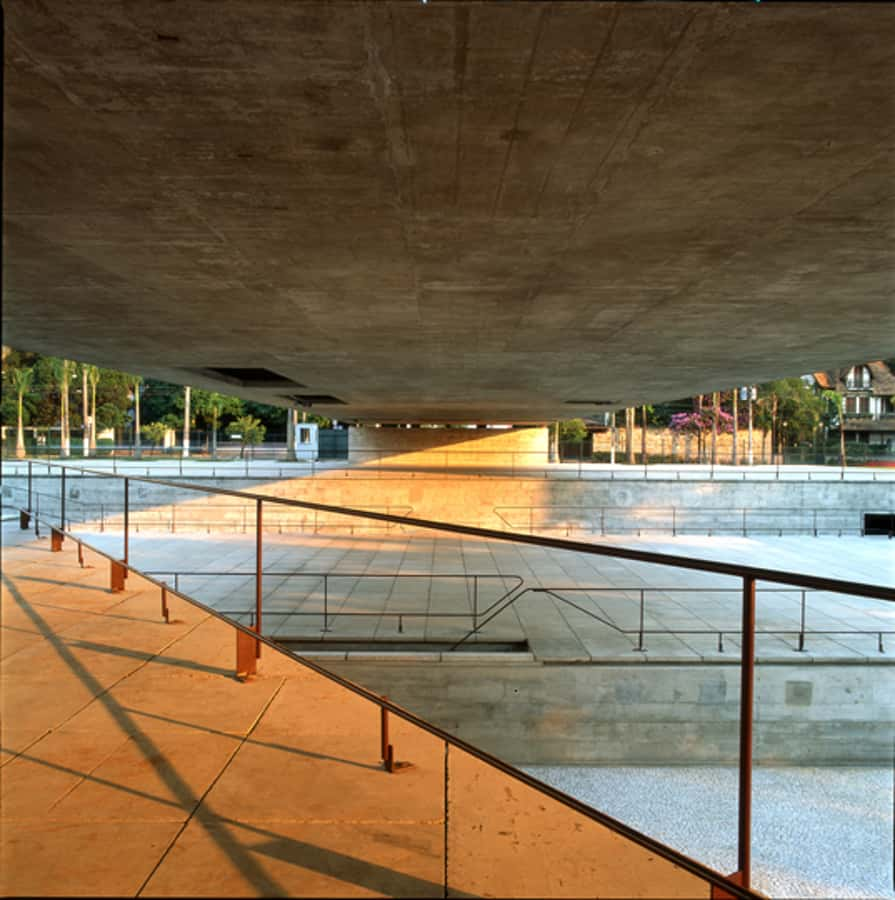
Vilanova Artigas is another important name, especially for anyone interested in the development of São Paulo’s modern architecture. Lina Bo Bardi brings a different voice, with projects known for bold ideas about public space, culture, and how people use buildings. Paulo Mendes da Rocha adds another major chapter in Brazilian architecture, particularly through his powerful structural forms.
The tour also includes later figures such as Ruy Ohtake and Isay Weinfeld. This wider list keeps the experience from becoming only an Oscar Niemeyer circuit. You get a sense of several generations and several ways of thinking about the city.
I would tell you to mention your favorite architects when you book or at the start of the tour. The guide has shown a willingness to tailor the route, and that is one of the strongest reasons to pay for a private experience. If you care most about Lina Bo Bardi, Brutalism, contemporary urbanism, or historical architecture, say so early.
Why the Private Format Matters
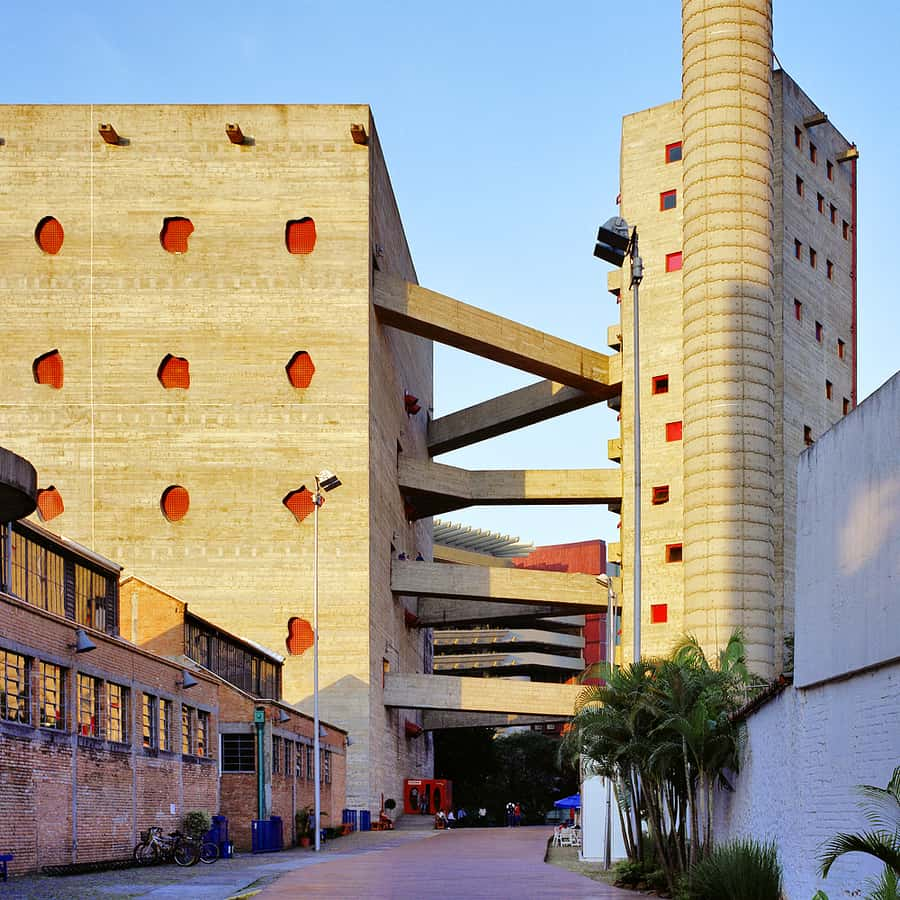
The private setup changes the tone of the outing. You are not following a large group at one fixed pace, and the guide can spend more time on the buildings that interest you. One route was adapted toward contemporary architecture and current urbanism, while another began with São Paulo’s original construction and moved forward chronologically.
That kind of adjustment is hard to get on a standard group tour. You can ask questions, pause for clarification, or shift the balance between older and newer work. If you are an architecture student, designer, photographer, or simply a serious fan of cities, this freedom can be worth a lot.
The private vehicle is just as important. São Paulo is large, and the tour covers a subject spread across different parts of the city. Hotel pickup and drop-off remove some of the day’s friction, particularly if you are still learning how the city is laid out.
There is one catch: the advertised price is $290 per group up to one person. That is expensive compared with a basic walking tour, and you should confirm how the price applies if your booking includes more than one person. The value improves when the private cost is shared by a small party, but the provided pricing information does not specify a larger group limit.
A few more architecture tours in the world worth a look
- Chicago Architecture River Cruise
★ 5.0 · 15,756 reviews - Chicago River 90-Minute Architecture Tour
★ 4.5 · 9,629 reviews - Chicago River: 1.5-Hour Guided Architecture Cruise
★ 4.8 · 8,046 reviews - Chicago Architecture Center River Cruise aboard First Lady
★ 5.0 · 5,536 reviews
The Guides Make the Difference
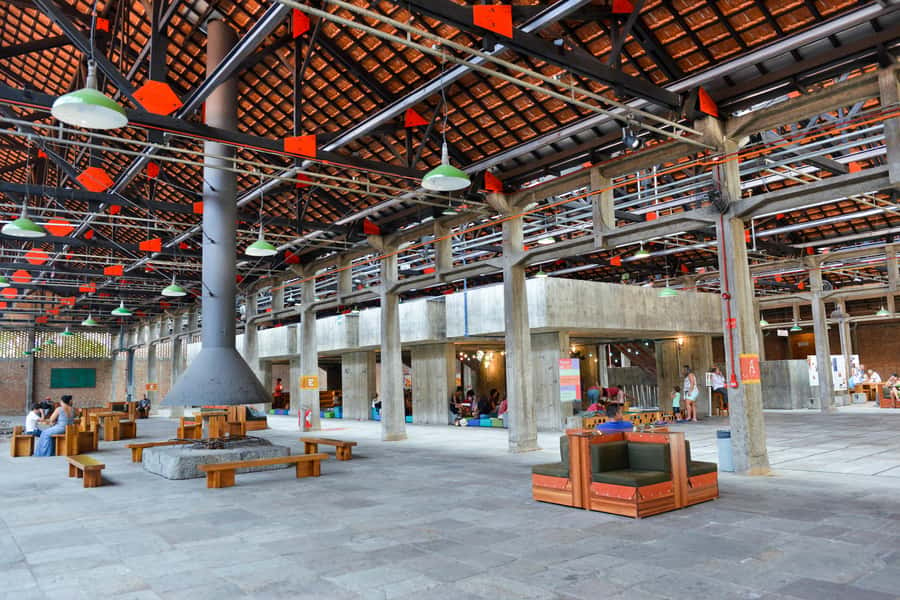
The guide is central to the experience. Doris has been praised for her passion, friendly manner, and ability to take guests to favorite places they would not have found alone. That suggests a route shaped by local familiarity rather than a simple list of famous addresses.
Danilo received particular praise for punctuality, precise historical descriptions, and adapting the tour toward modern architecture. Bruno has also been described as an excellent driver-guide who explained both the city’s history and its buildings, arrived on time, and returned guests to their hotel as planned.
These details matter because architecture tours can become dry if the guide only recites dates and names. The best version of this outing connects the buildings to the city and gives you a reason to care about the differences between a colonial structure, an Art Deco facade, and a Brutalist concrete block.
The language choice is another practical advantage. You can request English, Spanish, or Portuguese. If you have a strong preference, choose it at booking rather than assuming every departure will offer all three languages.
What to Bring and What to Expect
Wear comfortable shoes. Even with private transportation, you will likely spend time getting out to look at buildings, and four hours is long enough for poor footwear to become a problem. Sunglasses and a sun hat are also recommended, along with a camera.
Food and drinks are not included. The four-hour length makes this manageable, but you should not count on a meal during the tour. Bring what you need for the morning or afternoon, especially if your hotel is not close to the end of the route.
The tour is wheelchair accessible, which is useful information for visitors who need step-free planning. Still, the exact conditions at individual buildings and stops are not described, so you should discuss your needs when booking.
Children under five are not accepted. Children up to age ten need special seats in the vehicle, and you must notify the provider in advance. Without that information, the tour may not be able to operate safely for your family.
Pets, smoking, and unaccompanied minors are not allowed. The experience is best suited to adults, older children, and anyone who can stay engaged with a building-focused route for several hours.
Cancellation and Timing
The tour lasts four hours, but starting times depend on availability. Check the calendar carefully before you commit, especially if you are fitting this between museum visits or other São Paulo plans.
You can cancel up to 24 hours in advance for a full refund. The reserve-now, pay-later option also gives you some breathing room while you finalize your schedule. Those policies are helpful, but they do not change the need to confirm central hotel pickup and your preferred language.
Who Should Book This Tour?
I would choose this tour if architecture is one of your main interests, especially if you want more than a quick look at famous buildings. It also suits a first-time visitor who wants a broad introduction to São Paulo without spending the day navigating the city alone.
The private format is a strong fit for couples, solo visitors, families with older children, and small groups with different interests. You can ask for a chronological route, a focus on Modernism and Brutalism, or more attention to current architecture and urbanism.
I would skip it if you want a casual sightseeing drive with only a few photo stops. Four hours is a long time to spend on architectural detail if that subject does not appeal to you. The price also requires honest thought, since $290 for a group up to one person is not a budget activity.
Should You Book the São Paulo Architecture Tour?
Book it if you want a private, guide-led explanation of how São Paulo grew through its buildings. The range from colonial construction to contemporary design is impressive, and the ability to shape the route around Lina Bo Bardi, Paulo Mendes da Rocha, Brutalism, or modern urbanism adds real value.
Before booking, confirm the starting time, central hotel pickup, preferred language, and how the price applies to your group. If those details work for you, this is a focused and flexible way to understand São Paulo beyond its main tourist sights.
FAQ
How long does the São Paulo architecture tour last?
The tour lasts four hours.
What languages are available?
A live guide is available in English, Spanish, or Portuguese.
Is hotel pickup included?
Yes. Pickup and drop-off are included for hotels in central São Paulo.
Is transportation provided?
Yes. Transportation is provided by private vehicle.
Is the tour wheelchair accessible?
Yes, the activity is listed as wheelchair accessible.
Can children join the tour?
Children under five are not suitable for this tour. Children up to age ten require special seats, and you must inform the provider in advance.
Just added in the world
- Wilmington History and Architecture Tour★ 4.8 · 18 reviews
- New Orleans : Garden District Architecture Walking tour★ 4.8 · 5 reviews
- Washington DC: Dupont Circle & Embassy Row Architecture Tour★ 5.0 · 6 reviews
- Washington, DC: Georgetown Architecture Walking Tour★ 5.0 · 8 reviews
- Vicenza: Palladian Architecture Private Walking Tour★ 3.3 · 3 reviews
- Walk & Discover KL’s Architectural and Heritage Gems★ 5.0 · 7 reviews
- Private Colonial Williamsburg Architectural Tour★ 5.0 · 5 reviews
- Unveiling Brno: History, Culture & Architectural Delights★ 5.0 · 2 reviews
Architecture Tours, compared.
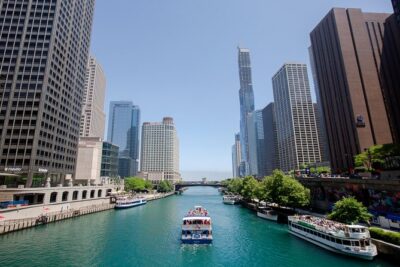
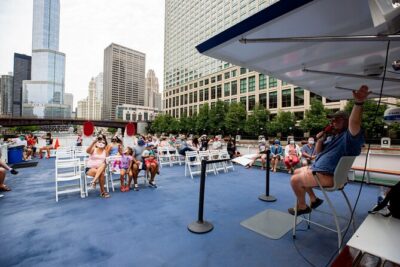

Chicago River: 1.5-Hour Guided Architecture Cruise
Read our review →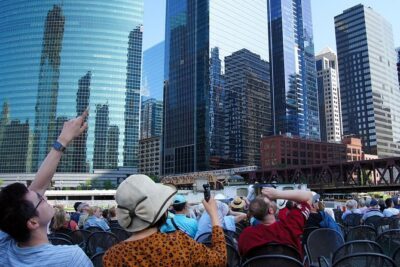
Chicago Architecture Center River Cruise aboard First Lady
Read our review →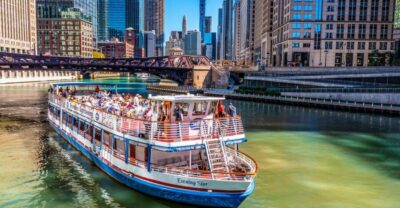
Architecture River Cruise Skip-the-Ticket Line
Read our review →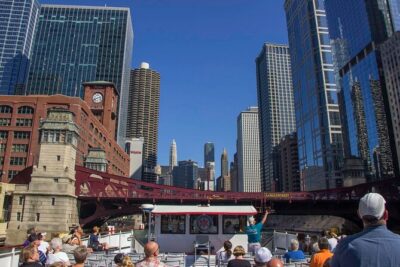
Chicago River 45-Minute Architecture Tour from Magnificent Mile
Read our review →