
REVIEW · NEW YORK CITY ARCHITECTURE TOURS
Tribeca Architecture And History Walking Tour
Tribeca has more stories than polished lofts. This 2.5-hour walk turns an area many people know only for celebrity homes and expensive restaurants into a readable lesson in Manhattan’s past. I like the focus on architecture and local history, and I like that the route includes more than 15 locations rather than stopping at one famous corner. The main drawback is simple: you will be outdoors and on your feet for most of the experience, so poor weather can affect the day.
The tour begins near the Tweed Courthouse and ends at Tribeca Park, giving you a useful route through one of Lower Manhattan’s oldest neighborhoods. I also appreciate the small group limit of 15 people, which should make it easier to hear the guide and ask questions. Guides such as Meghan Sara bring humor, pop culture, restaurant tips, and odd facts into the walk, though the value depends partly on getting a strong guide on your date.
Key points to know before booking
- Over 15 stops in 2.5 hours: Expect a steady walking route with time for photos and stories.
- Tribeca’s farm-to-loft story: The tour explains how former farmland became one of New York’s most expensive addresses.
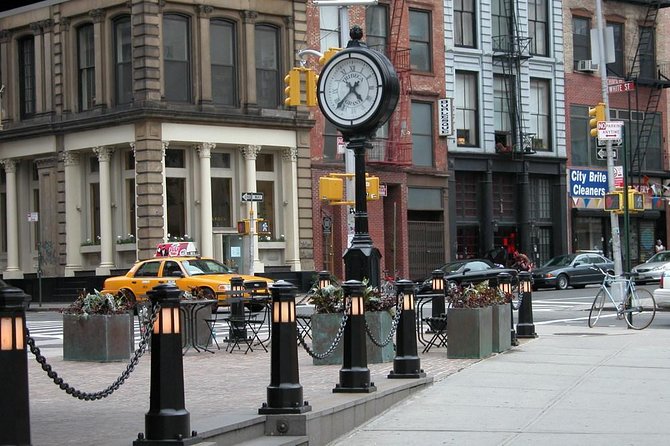
- Cast-iron architecture: You will see many older cast-iron buildings and learn how to notice details you might otherwise pass.
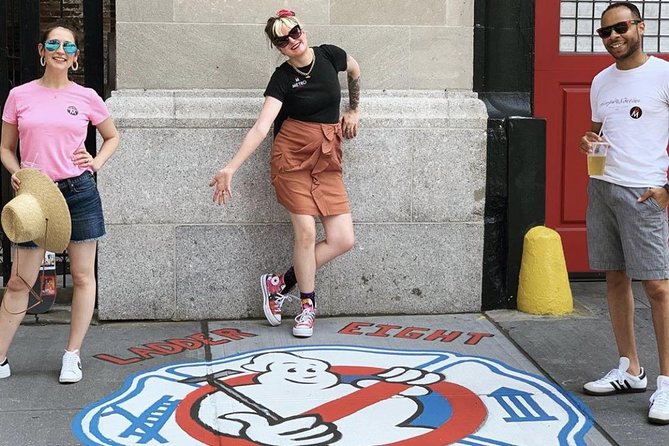
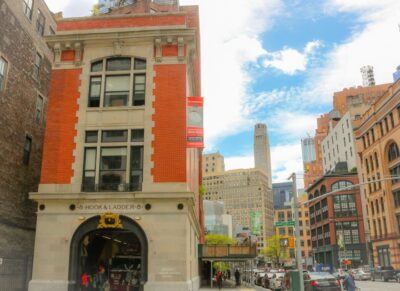
- Ghostbusters Firehouse Company 8: The famous movie location gets a photo stop and a fuller explanation beyond its film connection.
- Small group format: A maximum of 15 people offers a more personal feel than a large city sightseeing group.
- Practical planning: The tour starts at 11 a.m., costs $50 per person, and does not include snacks.
Why Tribeca makes a good walking tour subject
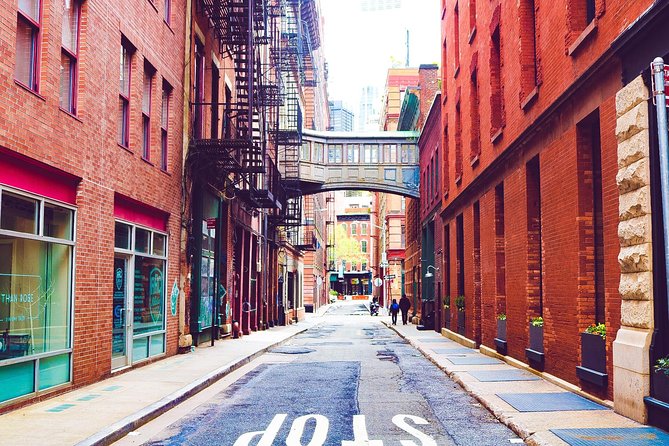
Tribeca is easy to underestimate. At street level, you see handsome loft buildings, quiet blocks, pricey homes, restaurants, and the occasional film crew. Without context, it can feel like a pleasant district with expensive real estate. With a good guide, the neighborhood becomes a record of Manhattan’s changing fortunes.
The name Tribeca comes from Triangle Below Canal Street. The tour uses that location to explain how the area developed over roughly 300 years. You move from farmland and early Manhattan settlement to warehouses, cast-iron commercial buildings, artists’ lofts, celebrity residences, and an exclusive modern address.
That change is the heart of the walk. You are not simply looking at attractive facades. You are learning why they were built, how the neighborhood served different industries, and how the same buildings later gained new value.
I especially like this kind of city tour because it trains your eye. A doorway, upper-floor window, iron column, or unusual facade can look ordinary until someone points out why it matters. The guide’s job is not to bury you in architectural terms. It is to help you notice the street in front of you.
You do not need an architecture background. The tour is designed for curious beginners, and the stories bring the buildings down to a human scale. That also makes it a good choice for locals who think they already know Lower Manhattan.
More walking tours in New York City:
- TriBeCa Architecture & History Walking Tour
★ 5.0 · 37 reviews - Midtown Manhattan Art and Architecture Walking Tour
★ 5.0 · 32 reviews - Holdouts: A NYC Architecture Walking Tour
★ 5.0 · 31 reviews
Starting at Tweed Courthouse at 11 a.m.
The meeting point is Tweed Courthouse at 52 Chambers Street. This puts you near several major Lower Manhattan subway connections and within reach of the Civic Center, City Hall, and other historic sights. The tour begins at 11 a.m., a useful time if you want breakfast first and an afternoon activity afterward.
The start point also gives the walk a strong opening. You are already in a part of Manhattan where public buildings, old streets, and changing neighborhoods sit close together. From there, the route moves toward Tribeca and its distinct mix of old commercial architecture and newer luxury residences.
Expect the first part of the experience to set up the neighborhood’s story. The guide explains how Tribeca got its name and how the area changed from farmland into an urban district. That background matters because it keeps the later buildings from becoming a string of disconnected photo stops.
A maximum of 15 people is a real advantage here. Smaller groups are easier to gather on busy sidewalks, and you have a better chance of asking about a building that catches your eye. The tour is still a public walking experience, so you should not expect a private guide, but the group size is modest.
More than 15 locations, with architecture you can read
The route covers more than 15 locations over about two hours. That is enough variety to keep the walk moving without turning it into a race through the neighborhood.
One of the strongest themes is Tribeca’s cast-iron architecture. The district has many older cast-iron buildings, and the guide helps you see their decorative fronts, repeated patterns, and commercial purpose. You may have walked past these buildings before without giving them much thought. After the tour, you are more likely to look upward and examine the upper floors instead of focusing only on shop windows.
The route also includes some of the city’s most expensive and carefully maintained buildings. That contrast is useful. Tribeca is not frozen in the past. Its old warehouses and lofts now exist beside high-value homes and fashionable businesses, and the guide explains how that shift happened.
The experience works best when the guide connects architecture to social change. A building is more memorable when you understand who used it, why the neighborhood needed it, and how its purpose changed over time.
Meghan Sara is praised for making this material lively rather than dry. Her style includes gestures, humor, small details, and unusual stories. One memorable subject raised on the walk is the beavers of New York, a reminder that the tour is not limited to dates and building styles.
The pace also appears carefully managed. Stops along the way can offer a chance to warm up, cool down, or use a restroom, depending on the day and route. You should still wear comfortable shoes. Two and a half hours is not a marathon, but Manhattan sidewalks can be tiring when you are standing for explanations as well as walking between stops.
The Ghostbusters Firehouse at Company 8
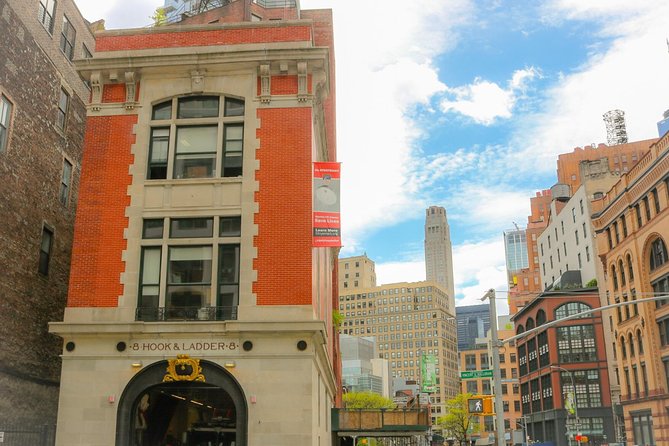
The Ghostbusters Firehouse is the most obvious pop culture stop. Company 8 at 14 North Moore Street is famous for appearing as the Ghostbusters headquarters, making it an easy photo opportunity for film fans.
The useful part is that the stop is not treated as only a movie prop. The tour allows about 10 minutes here and explains why the firehouse matters beyond the film connection. That gives the stop more substance than a quick picture and move-on moment.
If you know the movie, this will likely be one of the most entertaining parts of the route. If you do not, the building still fits the larger theme of how Tribeca’s old structures gained new public meaning. A working firehouse, a movie location, and a neighborhood landmark can all be the same place.
Keep your expectations practical. The experience is a street-level visit, not a promise of an interior tour or a private meeting with firefighters. The listed information confirms the photo opportunity and the historical context, not access inside the building.
More history tours in New York City:
- New York City: Flatiron Food, History, and Architecture Tour
★ 4.8 · 43 reviews - The Story Behind NY’s Evolving Skyline An Architectural Journey Through History
★ 5.0 · 18 reviews - Chelsea Galleries and High Line; Art, Architecture and History
★ 5.0 · 14 reviews - Private Flatiron Food, History and Architecture Tour
★ 5.0 · 8 reviews
Stories, food tips, and a guide who adjusts to the group
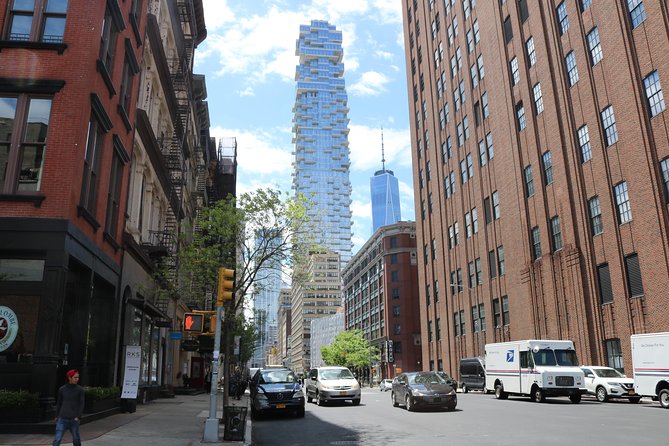
The strongest praise for this tour centers on the guiding. Meghan Sara is described as animated, funny, kind, and deeply interested in Tribeca. Those qualities matter because architecture tours can become technical if the guide does not connect the subject to everyday life.
The material is not limited to buildings. You can expect a mix of history, architecture, art, neighborhood trends, movie references, and unusual facts. That variety helps the tour work for families and mixed-age groups. A 14-year-old, for example, may respond more to Ghostbusters or a strange city story than to a discussion of facade design.
The route can also be useful for deciding where to eat later. Food stops are not part of the tour, and snacks are not included, but the guide can offer restaurant, bakery, cafe, lunch, and dinner suggestions. I would book this early in your New York stay if you want those tips to shape the rest of your time in Lower Manhattan.
The guide may also adapt the emphasis to the group. If your party is especially interested in architecture, history, or pop culture, you can ask questions and help steer the conversation. That flexibility is one reason a small group works better than a fixed audio guide.
Still, guide quality is part of the value calculation. The tour company has received especially strong praise for Meghan Sara, but guide assignments can vary. You should book it for the route and subject, not assume that a particular guide is guaranteed unless the booking details say so.
Is $50 a fair price for 2.5 hours?
At $50 per person, this is not the cheapest way to spend a morning in New York. You can walk through Tribeca on your own for nothing, take photographs, and read about the neighborhood later.
The fee pays for interpretation. A guide brings together architecture, history, development, film culture, and local recommendations in a single route. If you would otherwise walk past 15 buildings without understanding them, the tour can offer good value.
The small group limit helps justify the price. A group of no more than 15 is more manageable than a large crowd, especially on narrow sidewalks. You also receive Manhattan recommendation guides, which adds a little practical value beyond the walking commentary.
The tour is a better deal for first-time visitors who want a clear introduction to Tribeca, and for repeat visitors who enjoy city history. Locals can also get something from it, especially if they have never looked closely at the neighborhood’s cast-iron buildings.
It is less appealing if you prefer to wander silently, dislike standing in one place, or mainly want celebrity sightings. The celebrity angle is part of Tribeca’s modern identity, but it is not the whole experience.
Weather, comfort, and the end at Tribeca Park
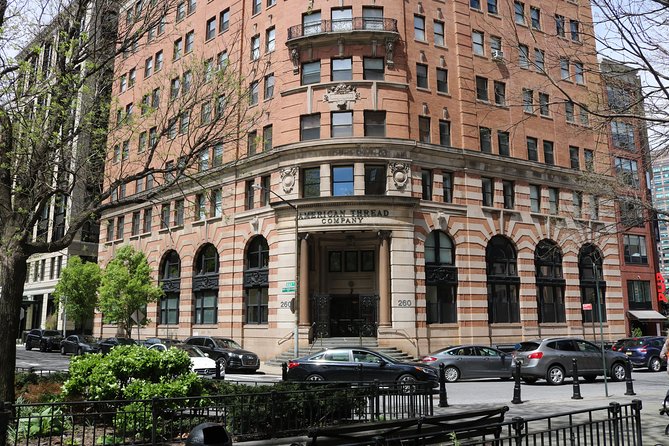
This is an outdoor activity, and the weather policy matters. The tour requires good weather. If poor conditions cause a cancellation, you are offered another date or a full refund.
That does not mean you should ignore the forecast. Bring suitable layers and shoes, and plan for sun, heat, cold, or rain according to the day. One especially wet outing was still described as enjoyable, but getting soaked is not a feature you should count on enjoying.
The tour ends at 8 Beach Street in Tribeca Park. The park has a 300-year history tied to the early development of New York City, so the ending continues the neighborhood story rather than dropping you beside an unrelated attraction.
Finishing in Tribeca is convenient. You can continue exploring, stop for lunch, or use the guide’s neighborhood suggestions. The endpoint also gives you a chance to revisit a building or street from the tour at your own pace.
The experience is described as suitable for most people, and service animals are allowed. It is near public transportation, but the supplied details do not promise that every part of the route is step-free or suited to every mobility need. If that matters for you, contact the provider before booking.
Who should take this Tribeca walk?
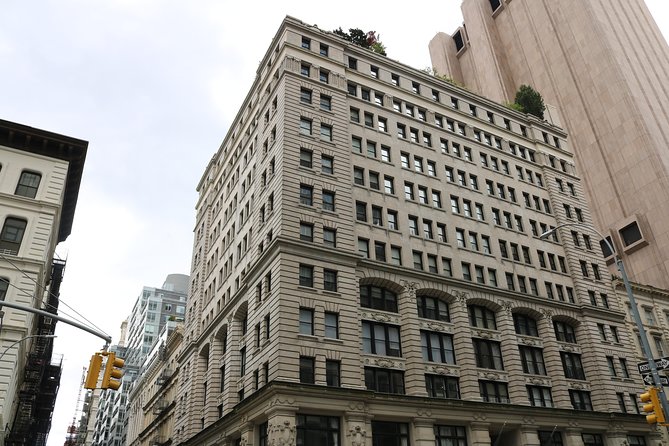
I would recommend it to you if you enjoy city streets more when you know the story behind them. It is especially suitable for:
- First-time New York visitors who want more than the usual Midtown sights
- Repeat visitors looking for a quieter Lower Manhattan neighborhood
- Architecture fans who want to see cast-iron buildings in context
- Film fans interested in the Ghostbusters Firehouse
- Families with older children and teenagers
- New Yorkers who want a fresh look at a familiar part of town
- Food-focused visitors who would use neighborhood dining suggestions
It may not suit you if you want a short photo stop or a bus tour with little walking. The route lasts about 2.5 hours, and the focus is on explanation rather than a long list of headline attractions.
You should also think about your timing. The 11 a.m. start works well before lunch, and the ending in Tribeca makes it easy to continue your day nearby. Book at least 24 hours ahead if your plans might change, since cancellations made less than 24 hours before the start are not refunded. The tour may also be canceled if too few people book.
Should you book the Tribeca Architecture and History Walking Tour?
Yes, if you want to understand Tribeca rather than simply pass through it. The combination of older cast-iron buildings, Manhattan history, changing land use, local recommendations, and the Ghostbusters Firehouse gives the walk a good range.
I would be more cautious if your schedule is tight or the weather looks poor. You are paying for a guided street experience, so its value depends on having enough time to walk, listen, and look upward.
For most visitors, $50 is reasonable for a small group and a route covering more than 15 locations. Book it early in your New York stay if you want restaurant tips and a better sense of where to explore afterward. If you like architecture, unusual city stories, and guides who can make old buildings feel lively, this is a smart way to spend a Lower Manhattan morning.
FAQ
How long does the Tribeca Architecture and History Walking Tour last?
The tour lasts approximately 2 hours and 30 minutes.
Where does the tour begin?
It begins at Tweed Courthouse, 52 Chambers Street, New York, NY 10007.
Where does the tour end?
The tour ends at 8 Beach Street in Tribeca Park.
What time does the tour start?
The scheduled start time is 11 a.m.
Is the Ghostbusters Firehouse included?
Yes. The tour includes a stop at Ghostbusters Firehouse Company 8, with about 10 minutes for the visit and a photo opportunity.
What happens if the weather is poor?
The experience requires good weather. If it is canceled because of poor weather, you are offered a different date or a full refund.
Just added in New York City
- Race to the Sky: NYC Architecture Tour With SUMMIT One Ticket★ 5.0 · 3 reviews
- New York Soho and the Village Art and Architecture Tour★ 5.0 · 4 reviews
- Chelsea and the High Line NYC Architecture Walking Tour★ 5.0 · 6 reviews
- Private Flatiron Food, History and Architecture Tour★ 5.0 · 8 reviews
- New York Midtown South Art and Architecture Tour★ 5.0 · 2 reviews
- New York Upper West Side Art and Architecture Tour★ 5.0 · 4 reviews
- New York Upper East Side Art and Architecture Tour★ 5.0 · 3 reviews
- The Story Behind NY’s Evolving Skyline An Architectural Journey Through History★ 5.0 · 18 reviews
New York City Architecture Tours, compared.


Around Manhattan Official NYC Architecture Cruise
Read our review →
Art Deco and Architecture Midtown Landmarks Tour
Read our review →
New York City The Official Rockefeller Center Tour
Read our review →
Browse the lists this tour appears in