
REVIEW · NEW YORK CITY ARCHITECTURE TOURS
3 Hour Midtown Manhattan Architectural Tour
New York reveals its secrets above eye level. This three-hour walk connects grand hotels, Art Deco towers, modern offices, and public landmarks from The Plaza to Grand Central Terminal. I like the small group size of eight and the way guide Annabel turns buildings into stories about money, ambition, design, and city life. I also like that the tour stays outdoors and keeps admission costs low, except for the Empire State Building, which you see from outside.
The main consideration is pace. Eleven listed stops, plus more than 20 buildings along the route, leave about 15 minutes at each main location. Midtown traffic can also make it hard to hear at times, so this suits you best if you enjoy walking and can stay focused amid the city noise.
Key things to know before booking
- The route crosses Midtown from The Plaza to Grand Central Terminal, giving you a useful introduction to Fifth Avenue, Rockefeller Center, and the city’s great skyscraper district.
- Annabel is the star of the experience, mixing architecture with stories about John Jacob Astor IV, Walter Chrysler, the Rockefellers, and other figures who shaped Midtown.
- The tour may include interior visits, including hotel and office lobbies, though access can vary by building and day.
- You see the Empire State Building without paying for its observation deck, so the tour is about architecture and context rather than skyline views from above.
- The $85 price buys a small, personal experience, with room for questions and changes based on the group’s interests.
- Wear comfortable shoes and expect city noise, a moderate walking level, and a 9:00 am start.
What this Midtown architecture walk actually gives you
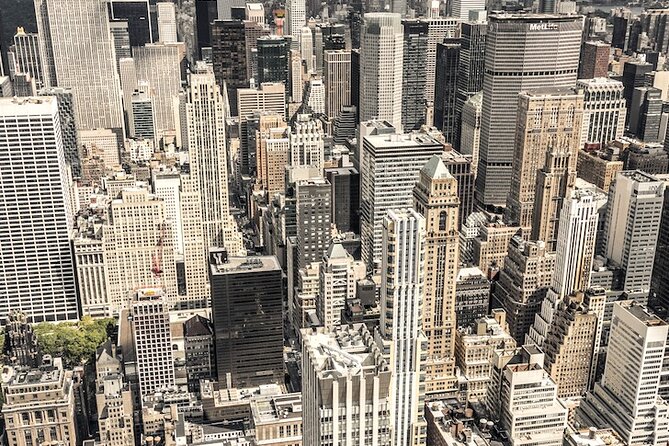
This is not simply a parade of famous facades. The route shows how New York changed from a city of mansions and private clubs into a center of commerce, hotels, broadcasting, finance, and modern office design.
That change is the real subject. You begin among the wealth of Fifth Avenue, pass through the grand hotel era, reach Rockefeller Center’s planned commercial world, and finish with the steel, stone, and transportation systems that made modern Midtown possible.
The tour costs $85 per person, which is not the cheapest way to walk around New York. But the group limit of eight matters. You are not being herded behind a flag, and the guide can answer questions, adjust the emphasis, and sometimes spend extra time on a building that catches your interest.
Annabel receives especially strong praise for her personal style. She has been described as warm, funny, flexible, and able to connect architecture with the personalities behind it. That means you may hear not only about dates and design styles, but also about the people who financed these buildings and the social changes they helped create.
A few more architecture tours in New York City worth a look
- Munich 3-Hour Segway Tour: Nazi Munich & Royal Architecture
★ 4.9 · 194 reviews - Barcelona: 3-Hour Discover Gaudí GoCar Tour
★ 4.5 · 123 reviews - Barcelona 3-hour Bike or E-Bike Tour: Gaudí By Bike
★ 5.0 · 24 reviews
Starting among Fifth Avenue’s grand hotels
The tour begins at The Plaza at 9:00 am, an easy location to recognize at the southern end of Central Park. The building was designed with the look of a French chateau, complete with the sort of pomp and opulence that made it a natural setting for films and high-society stories.
You spend about 15 minutes here, usually looking at the exterior and discussing the building’s role in New York’s hotel culture. It is a good opening because The Plaza makes the city’s old money visible. Fifth Avenue was not always a shopping street. It was once lined with private homes owned by New York’s richest families.
The next stop, The Sherry-Netherland, adds a striking interior detail. Its lobby was modeled after the Vatican Library, a surprising reference for a Manhattan residential hotel. When it opened, it was noted as New York’s tallest residential hotel.
That fact helps explain the city’s changing pattern of luxury living. Instead of a mansion spread across a city lot, wealthy residents could occupy a high-rise with hotel services and a prestigious Fifth Avenue address. If interior access is available, the lobby is one of the most rewarding places to look closely at materials and decoration.
At The St. Regis New York, the story moves back to John Jacob Astor IV, one of America’s wealthiest men. The hotel helped signal the shift of Fifth Avenue from Millionaires’ Row to a fashionable commercial thoroughfare.
I like this part of the walk because the buildings are not treated as isolated monuments. You see how one hotel, one family, and one avenue fit into the wider social change of Midtown. The buildings tell you who had money, how that money was displayed, and how the avenue later became a place for business and retail.
Seagram Building and the arrival of corporate modernism
The Seagram Building provides a sharp change of mood. Instead of ornate hotel decoration, you get the clean lines and disciplined form of corporate modernism.
Its design became a model for office towers around the world. The stop is useful even if you are not an architecture specialist because it shows how a building can influence an entire generation of city design. The Seagram Building is less about decorative excess and more about proportion, materials, open space, and the authority of a corporate headquarters.
This is where Annabel’s approach should work particularly well. Several people praised her ability to explain different periods of New York architecture and connect design to the people and businesses behind it. If you normally walk past modern office buildings without giving them much thought, this stop can change how you read the street.
The General Electric Building, originally the RCA Building, brings you back to a more theatrical style. Its chrome and marble lobby and radio-wave crown reflect the importance of broadcasting and technology in the building’s identity.
You may find that the tour focuses as much on the story of the building as on architectural vocabulary. That suits most sightseers. You do not need to know the difference between every design movement before arriving, since the guide explains how the buildings relate to their period and purpose.
Waldorf Astoria and Rockefeller Center’s planned city
The Waldorf Astoria New York continues the hotel story, but on a much larger scale. This legendary hotel has hosted presidents, world leaders, celebrities, and foreign dignitaries. It was designed by the same major luxury hotel firm associated with The Sherry-Netherland, the Pierre, and the Hotel Lexington.
The hotel is a good reminder that Midtown architecture was built not only for workers. It was also built to receive powerful people, entertain the wealthy, and project New York’s status to the world. The exterior gives you plenty to discuss, while access to interior spaces can add another layer when available.
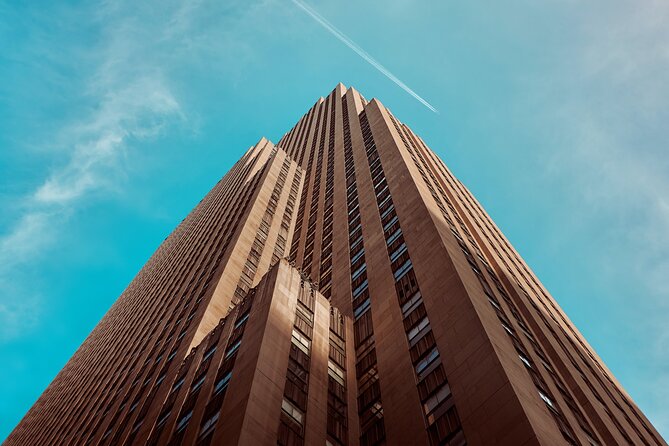
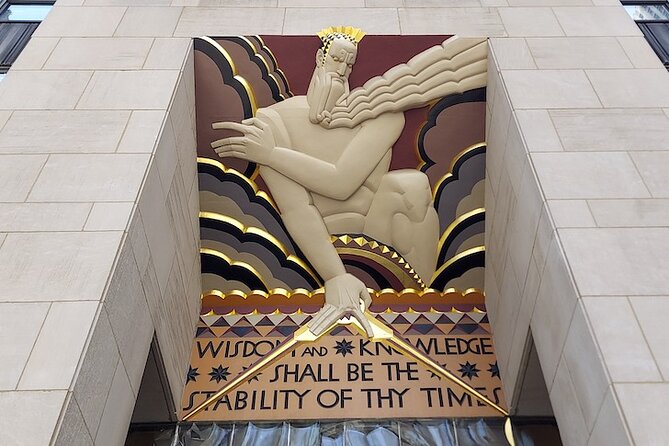
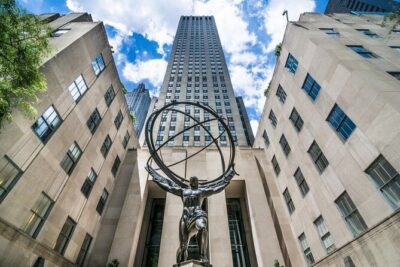
Rockefeller Center is the largest and most involved stop on the route. The complex covers 22 acres and includes 19 commercial buildings, more than 100 artworks, and a network of spaces that function as a planned city within the city.
Its construction created 60,000 jobs at the height of the Great Depression, making the project important far beyond its appearance. The complex offered work when work was scarce, while also creating a new model for large-scale commercial development.
Allow enough attention here. The sculptures, murals, reliefs, and layout are not random decoration. They help explain the message Rockefeller Center wanted to send about progress, industry, culture, and public life.
A useful feature of the tour is that the guide can point out details most people miss while hurrying toward shops or television studios. The experience is strongest when you slow down and look at the art as part of the plan rather than treating Rockefeller Center as only a place for photographs.
Same city, a different building to stand in front of:
- Manhattan Architecture Yacht Cruise
★ 5.0 · 1,395 reviews - NYC: Around Manhattan Official NYC Architecture Cruise
★ 4.8 · 402 reviews - Art Deco and Architecture Midtown Landmarks Tour
★ 5.0 · 142 reviews - Tribeca Architecture And History Walking Tour
★ 5.0 · 141 reviews
The Empire State Building without an observation ticket
The Empire State Building is next, but admission is not included. You see and discuss the exterior, including its place in the story of New York skyscrapers.
The building was the tallest in the world for 40 years. It was completed in 410 days and came in under budget, achievements that help explain why its construction remains such a famous piece of New York history. Its name comes from Empire State, New York’s nickname.
This distinction matters when you plan your day. If you want to go up the building, you will need a separate ticket and additional time. The tour does not promise a visit to the observation decks, so book this walk for the building’s design and history, not as a substitute for an observatory experience.
There is still good value in seeing it as part of a wider route. By this point, you have viewed hotels, office towers, and a planned complex. The Empire State Building gives you a chance to compare another approach to the skyscraper and to think about the speed and ambition of early 20th-century construction.
The library, Chrysler Building, and Grand Central finale
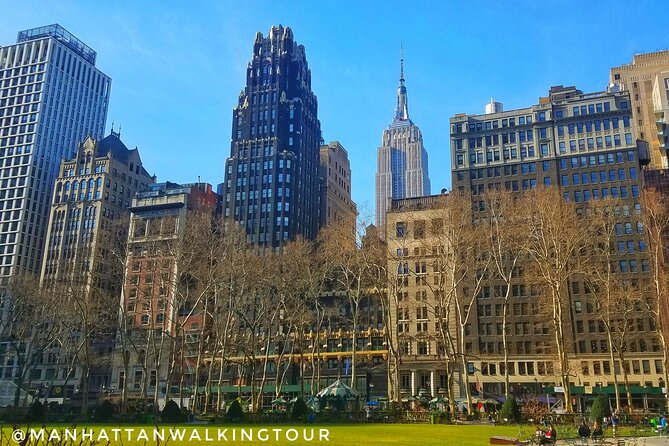
The New York Public Library’s Stephen A. Schwarzman Building offers a quieter change of pace. The library system formed in 1895 through the consolidation of the Tilden Trust, Astor, and Lenox libraries. When this building opened in 1911, the collection held 350,000 volumes. It has since grown to more than 55 million books and other items across seven floors.
You do not need to be a library enthusiast to appreciate this stop. The building shows how New York invested in public learning at the same time it was building hotels and commercial towers for private wealth. It adds civic purpose to a route otherwise filled with luxury and business.
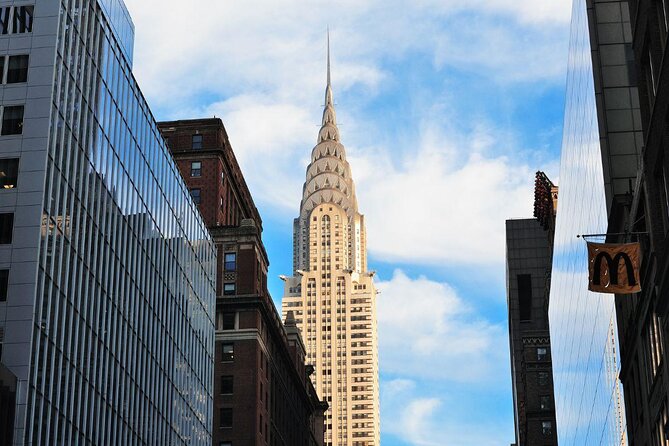
The Chrysler Building is the visual high point for many people. Built as a personal symbol for automobile executive Walter Chrysler, it is widely regarded as a classic example of Art Deco architecture.
Its design ties corporate identity to speed, machinery, and modern industry. The building is not just tall. Its details make it feel connected to the automobile age, and the tour gives you context for why that symbolism mattered.
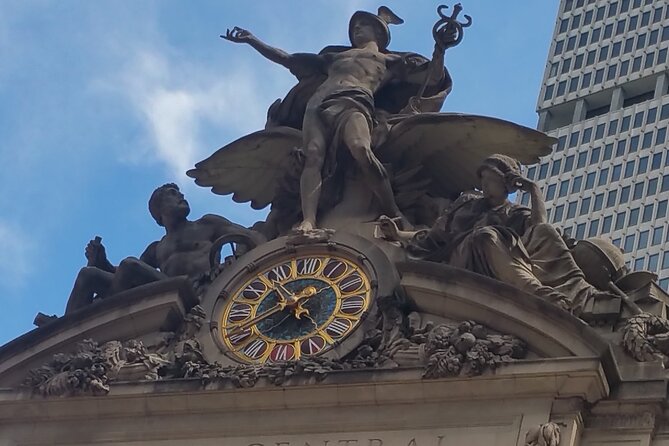
The route ends at Grand Central Terminal, a practical finish because you can continue your day from one of New York’s major transportation hubs. Grand Central has 44 platforms and 67 tracks, figures that hint at the engineering challenge behind the terminal.
Its importance reaches beyond trains. The terminal influenced American planning, architecture, engineering, and culture for decades. Ending here also brings the tour back to public infrastructure. Midtown was shaped not only by wealthy developers and corporations, but by the systems that moved millions of people through the city.
How personal is the experience?
The maximum group size is eight, but the actual group may be smaller. Some bookings have operated almost like private walks, including one for a grandmother and a 13-year-old interested in architecture. In that case, the tour lasted about three and a half hours rather than three, with the guide adapting the material so both people could follow it.
That flexibility is one of the strongest reasons to choose this experience. Annabel has been praised for asking what the group wants to see, adjusting the conversation, and connecting with different ages and interests. If you care about architecture, you can focus more on design. If you prefer social history, hotels, business, or famous New Yorkers, the discussion can move in that direction.
Interior access is another possible advantage. The guide has sometimes taken groups into public and private spaces, including lobbies, stores, and historic buildings. This is not something you should treat as guaranteed, since access depends on the building and the circumstances, but it can make the walk much more than an exterior sightseeing loop.
Walking comfort, sound, and timing
The start is near public transportation, and the finish at Grand Central makes the route easy to fold into a day of sightseeing. The 9:00 am departure gives you a full morning afterward for museums, lunch, shopping, or an observation deck visit.
You should have a moderate level of physical fitness. The route involves several hours on city streets, repeated stops, and the normal demands of Midtown sidewalks. Comfortable shoes are sensible, and you should be ready to remain attentive while standing.
Traffic noise is the one practical weakness worth noting. One person found it difficult to hear and suggested beginning in a quieter place before the information starts. If you have hearing concerns, stay close to the guide and ask her to repeat details when needed.
The 15-minute timing at each listed stop keeps the route moving, but it also means the tour cannot give every building an exhaustive treatment. Think of this as a guided introduction to Midtown’s architectural story, not a specialist seminar on every facade.
Who will get the most from the $85 price?
I would recommend this tour to you if you want context rather than a checklist. It is especially well suited to first-time visitors who want to understand why Midtown looks the way it does, repeat visitors who have seen the landmarks but never studied them, and families with mixed interests.
The price is easier to justify because of the small group limit and the guide’s ability to personalize the walk. The tour also includes more than 20 architectural marvels without requiring separate admission fees. The exception is the Empire State Building, where you see the exterior but pay separately if you want to go inside or up.
You may find better value elsewhere if you only want quick photographs of famous buildings, dislike walking, or plan to visit the Empire State Building observation deck as the main event. You may also prefer a larger, cheaper group if personal discussion is not important to you.
Should you book the Midtown Manhattan Architectural Tour?
Book it if you want New York to make more sense after you leave. The route links The Plaza, three major hotels, Rockefeller Center, the Empire State Building, the library, the Chrysler Building, and Grand Central into one readable story.
Annabel’s warmth and flexibility are central to the experience, and the small group format gives the tour room to feel like a conversation rather than a speech. Reserve at least 24 hours ahead if your plans might change, since cancellations made less than 24 hours before the 9:00 am start are not refundable.
For architecture and city history, this is a strong three-hour choice. Bring comfortable shoes, stay close enough to hear, and arrive ready to look up.
FAQ
How long is the Midtown Manhattan architectural tour?
The tour lasts approximately three hours, though a smaller or private-style booking may run longer.
What time does the tour start?
It starts at 9:00 am.
Where does the tour begin?
The meeting point is The Plaza, at 768 5th Avenue, New York, NY 10019.
Where does the tour end?
The tour ends at Grand Central Terminal, at 89 E 42nd Street, New York, NY 10017.
How much does the tour cost?
The listed price is $85 per person.
Is the Empire State Building admission included?
No. The tour visits the Empire State Building from the outside, but admission is not included.
How many people can join the tour?
The maximum group size is eight travelers.
Is the tour offered in English?
Yes, the tour is offered in English.
Is the tour suitable for people with limited mobility?
The tour requires a moderate level of physical fitness. It is a walking experience through Midtown, so you should be comfortable spending several hours on city streets.
Can I cancel for a full refund?
Yes, if you cancel at least 24 hours before the experience starts. Cancellations or changes made less than 24 hours before the start time are not accepted for a refund.
Just added in New York City
- Race to the Sky: NYC Architecture Tour With SUMMIT One Ticket★ 5.0 · 3 reviews
- New York Soho and the Village Art and Architecture Tour★ 5.0 · 4 reviews
- Chelsea and the High Line NYC Architecture Walking Tour★ 5.0 · 6 reviews
- Private Flatiron Food, History and Architecture Tour★ 5.0 · 8 reviews
- New York Upper West Side Art and Architecture Tour★ 5.0 · 4 reviews
- New York Upper East Side Art and Architecture Tour★ 5.0 · 3 reviews
- New York Midtown South Art and Architecture Tour★ 5.0 · 2 reviews
- The Story Behind NY’s Evolving Skyline An Architectural Journey Through History★ 5.0 · 18 reviews
New York City Architecture Tours, compared.


Around Manhattan Official NYC Architecture Cruise
Read our review →
Art Deco and Architecture Midtown Landmarks Tour
Read our review →
New York City The Official Rockefeller Center Tour
Read our review →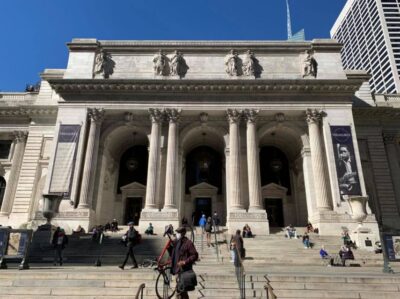

Browse the lists this tour appears in