
REVIEW · NEW YORK CITY ARCHITECTURE TOURS
Manhattan Architecture & Urban Design Walk
New York reveals itself from the sidewalk. This 2.5-hour walk with David of Tours By David uses Manhattan streets, buildings, and public spaces to explain why the city looks the way it does. Instead of racing between famous sights, you study the decisions, rules, and design ideas that shaped them.
I like the small group of no more than 10 people, which should make it easier to ask questions and hear the guide. I also like the three possible routes, Chelsea and the Meatpacking District, the Lower East Side and SoHo, or the Financial District. The main consideration is that you do not choose every route yourself, so check the exact neighborhood and meeting point before booking.
- Three distinct Manhattan routes: Choose from Chelsea and Meatpacking, Lower East Side and SoHo, or the Financial District.
- Architecture with a practical focus: Learn how building types, public spaces, zoning, mapping, and development work together.
- A guide with design experience: David has worked in architecture, hospitality, design, real estate development, and urban planning.
- Small-group attention: The tour is limited to 10 participants and is led in English.
- A useful mid-tour pause: You get one 15-minute break, with chances to stop indoors for a snack, beverage, or restroom.
- Good access and flexible booking: The walk is wheelchair accessible, lasts 2.5 hours, and allows free cancellation up to 24 hours before departure.
Why This Walk Is Different From a Standard Manhattan Tour
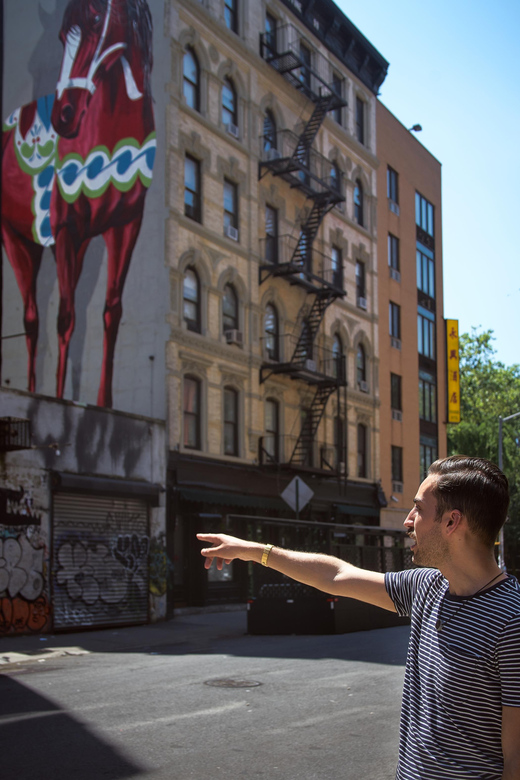
Many New York tours point out famous buildings and move on. This one asks a more useful question: why is that building here, and why does it look like that?
David organizes the walk around ideas rather than a long list of monuments. One stop may explain a building type. Another may show how zoning shaped height or spacing. Later, mapping, development, and the work of major architects connect those earlier points. By the end, you should have a better sense of how New York gets built, not just a collection of facts about individual addresses.
That approach suits you if you enjoy cities as working places. You will still see architecture, but the focus is on the relationship between private buildings, streets, public spaces, and the rules that guide construction.
It is also a good alternative to a museum visit or a crowded sightseeing bus. You spend the time outdoors, moving at a walking pace, with the city itself as the subject. The tradeoff is that this is not a greatest-hits tour designed to cover every iconic New York landmark. You are signing up for ideas, observation, and discussion.
Choosing Among Chelsea, SoHo, and the Financial District
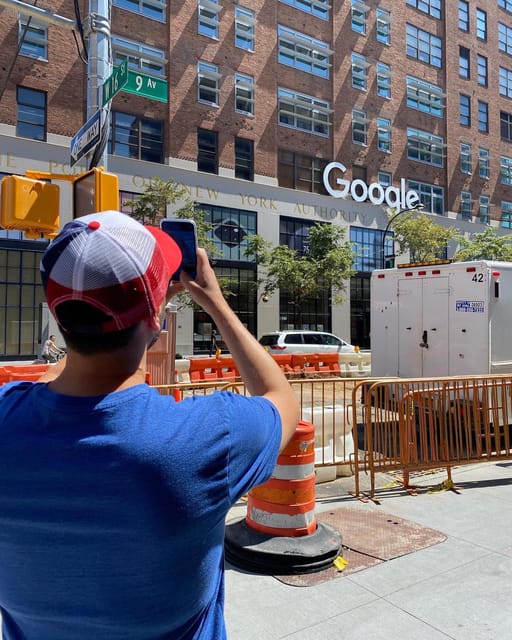
The tour runs through one of three areas. Each route covers the same main topics, but the streets and buildings give those topics a different setting.
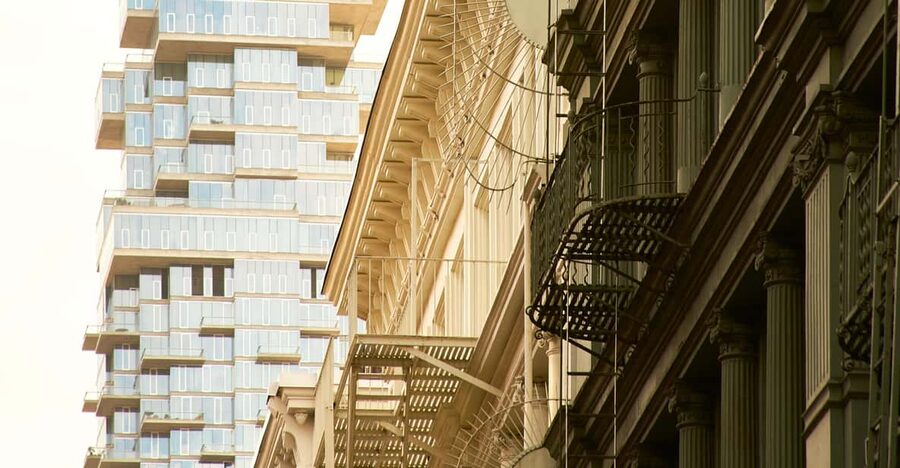
Chelsea and the Meatpacking District offer one route through a part of Manhattan known for changing building uses and strong contrasts between older structures and newer design. The supplied information does not promise a fixed list of addresses, so check the current route when you reserve. If this is your assigned area, expect the city’s built form to be the teaching material, with stops selected to explain construction, public space, planning, and architectural choices.
The Lower East Side and SoHo provide another setting for the same lessons. These areas allow David to discuss how older urban structures and public streets relate to later changes. Again, the exact stops can vary, so I would treat the neighborhood name as more important than any assumed landmark list.
The Financial District gives the walk a different mood and scale. It is a natural place to think about development, navigation, building height, and the way dense construction affects public space. The tour data does not specify individual buildings, so you should not book this expecting a guaranteed visit to a particular tower.
The important point is that each route follows the same teaching plan. You are not choosing between a good tour and a lesser version. You are choosing the part of Manhattan where those ideas will be explained.
More walking tours in New York City:
- Tribeca Architecture And History Walking Tour
★ 5.0 · 141 reviews - TriBeCa Architecture & History Walking Tour
★ 5.0 · 37 reviews - Midtown Manhattan Art and Architecture Walking Tour
★ 5.0 · 32 reviews
Building Types You Usually Walk Past
The first major theme is building typology, meaning the different kinds of structures that make up a city and the purposes they serve.
This is practical urban observation. David draws attention to details you may normally pass without a second thought, then places them in a wider story about how buildings and public spaces have affected each other from the late 19th century to today.
You may begin to notice why some buildings meet the sidewalk closely, why others create open areas, and how different uses influence a structure’s form. The tour information does not provide a fixed script or a list of technical terms, which is helpful in one way. You are likely to get an explanation connected to the actual street rather than a lecture detached from what you can see.
This part should appeal to anyone who has wondered why Manhattan has such a mix of older blocks, altered buildings, large towers, and small public spaces. It also gives you a better way to look at other neighborhoods after the tour ends.
The drawback is that architecture fans hoping for extended interior access may find the indoor element limited. You have opportunities to walk inside for a snack, drink, or restroom, but the main activity takes place outdoors.
Urban Planning 101, Explained on the Street
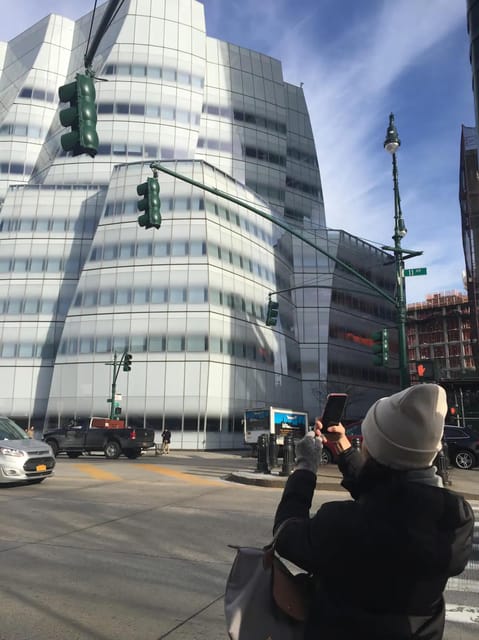
The second theme is urban planning. Instead of treating planning as an abstract subject, David uses each stop to build one idea onto the next.
That structure matters. A single explanation of zoning can feel dry. A sequence of connected observations is easier to follow because you can see the effect in the street around you. The tour is designed to show how planning decisions influence architecture and how buildings, in turn, shape public areas.
I particularly like this format for a first visit to New York. You do not need a background in design or planning. The stated goal is to explain the built city through accessible themes and fun facts about New York’s early days.
David’s own background adds useful context. He has worked at New York architecture firms and public relations agencies focused on architecture, hospitality, design, and real estate development. He also holds a degree in urban design from Parsons School of Design and has led tours in New York since 2018.
That does not mean the tour will feel like a professional seminar. The small group and street-based format should keep it conversational. Still, his work across several parts of the design industry gives him a broad view of how buildings are imagined, promoted, approved, and experienced.
Zoning, Maps, and New York’s Controlled Chaos
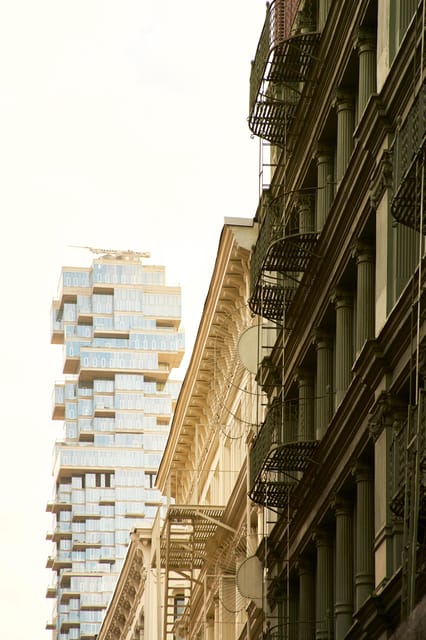
One of the most useful sections deals with zoning, mapping, and development. New York can feel confusing even after several visits, and this part helps explain why.
The tour includes navigational tricks and an explanation of how a building becomes built in New York. That wording suggests a practical look at the process rather than a simple list of dates or architects. You are learning how the city’s rules and maps guide growth, and how those rules can produce a result that appears chaotic from street level.
This is where the tour may offer its strongest value. You can admire a beautiful building on your own, but understanding the forces behind it changes how you read the entire block. A narrow street, a large building, or an open area starts to look less random.
Do not expect a full planning course in 2.5 hours. The subject is broad, and the tour also covers building types and notable architects. But the format gives you a useful framework that you can apply as you walk around Manhattan later.
A few more architecture tours in New York City worth a look
- Manhattan Architecture Yacht Cruise
★ 5.0 · 1,395 reviews - NYC: Around Manhattan Official NYC Architecture Cruise
★ 4.8 · 402 reviews - Art Deco and Architecture Midtown Landmarks Tour
★ 5.0 · 142 reviews - 3 Hour Midtown Manhattan Architectural Tour
★ 5.0 · 81 reviews
Lesser-Known Work by Famous Architects
The final major theme is what the tour calls star architecture, with attention to lesser-known buildings by top architects.
This is a welcome choice. New York has plenty of famous buildings, but an itinerary built only around the usual names can make the city feel predictable. Looking at less familiar work encourages you to notice design decisions rather than simply collect famous photo stops.
The information provided does not identify the architects or buildings in advance. That uncertainty is worth noting if you have a particular structure in mind. Ask for the current route details before booking if a specific architect is important to you.
For most people, though, the lack of a fixed landmark list is not a serious problem. The tour’s purpose is to show how architecture operates in the city, including examples that may not appear in every guidebook. You are likely to leave with a sharper eye for details and a few new addresses to investigate later.
David’s Style and the Small-Group Advantage
David has been giving New York tours since 2018, and his professional background is closely tied to the subject. He founded Tours By David and continues to work at the meeting point of design, history, and community.
The tour is limited to 10 participants. That number is small enough to make a real difference on a city sidewalk. You should have a better chance of hearing the explanation, asking a question, and staying connected to the group than you would on a large coach or mass walking tour.
A previous rating of 5 out of 5 praised David’s work and described the experience as varied and separate from crowded tourist events. That matches the strongest idea behind this walk: it offers a different way to spend a morning or afternoon in Manhattan, with the guide’s attention directed toward the city’s structure rather than a rapid parade of attractions.
Still, the pace and style will depend partly on the group. If you want a private tour with unlimited time at every stop, a 10-person small group is not the same thing. It is a good middle ground between a private guide and a large public tour.
What the Two and a Half Hours Feel Like
The tour lasts 2.5 hours and includes one 15-minute free-time break around the halfway point.
That pause is helpful. Walking in New York can be tiring, especially in warm weather, and a short break gives you time to use a restroom, get a snack, or buy a drink. Food and beverages are not included, so bring money or plan to purchase something during the stop.
There are also opportunities to go indoors along the route. This does not turn the tour into an indoor architecture visit, but it makes the format more comfortable than a continuous outdoor walk.
Wear shoes suitable for walking and dress for the weather. In summer, bring plenty of water. For bad weather, stay alert for an update on the day before the tour, since cancellation or rescheduling may be necessary.
The route returns to its meeting point at the end. Be careful when checking your booking, because the listed meeting point applies only to the Chelsea route. The Lower East Side and SoHo route and the Financial District route use alternate starting points.
Is $70 a Fair Price?
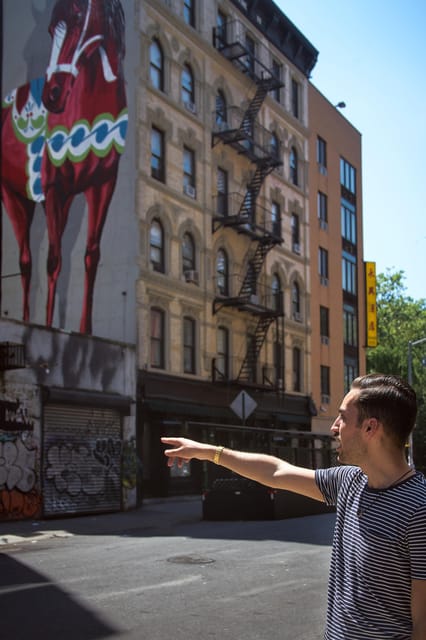
At $70 per person, this is not the cheapest way to walk around Manhattan. You are paying for a guide with a design background, a small group, and a focused 2.5-hour discussion rather than simply paying for access to a site.
I think the price is reasonable if you enjoy architecture, city planning, or the mechanics of development. The value is strongest when you ask questions and pay attention to how David links one stop to the next. You are not just receiving directions to buildings. You are getting a way to interpret the city on your own afterward.
The price may feel high if you mainly want famous sights, photo opportunities, or a quick introduction to Manhattan. In that case, a broad sightseeing walk may give you more recognizable landmarks for less money.
Free cancellation up to 24 hours before departure and the option to reserve now and pay later make the booking less restrictive. The tour is conducted in English, and it is wheelchair accessible. Children under 16 are not permitted, so this is aimed at adults and older teens.
Who Will Get the Most From This Walk?
I would recommend it most strongly to:
- Visitors who want to understand how New York was built, not just see its famous buildings
- Architecture and urban design students or enthusiasts
- Repeat visitors looking for a fresh way to experience Manhattan
- People who prefer small groups to large sightseeing tours
- Anyone who enjoys learning through real streets and public spaces
- Visitors who want an alternative daytime activity away from crowded attractions
It is less suitable if you dislike walking, want a highly predictable list of landmarks, or prefer indoor attractions. The route is outdoors for much of the time, and the exact stops depend on which neighborhood you book.
The age rule also matters. Children under 16 cannot join, so families with younger children should choose another activity.
Should You Book the Manhattan Architecture Walk?
Book this walk if you want the city to make more sense after you see it. David’s route connects building types, public spaces, planning rules, maps, development, and design in a way that should help you notice more on the rest of your New York visit.
I would confirm the neighborhood and meeting point before paying, then plan for weather, water, and comfortable shoes. If you want the most personal experience possible, the 10-person limit is a strong reason to book early.
Skip it if your main goal is a checklist of iconic landmarks or an indoor tour of famous buildings. For curious adults who enjoy cities as living systems, though, $70 buys more than a walk. It buys a useful new way to read Manhattan.
FAQ
How long does the Manhattan Architecture & Urban Design Walk last?
The tour lasts 2.5 hours, with starting times shown when you check availability.
Which neighborhoods can the tour visit?
The route is in Chelsea and the Meatpacking District, the Lower East Side and SoHo, or the Financial District. The exact route should be checked when booking.
Is the tour conducted in English?
Yes. English is the listed tour language.
How many people can join the tour?
The tour is limited to 10 participants, making it a small-group experience.
Is the walking tour wheelchair accessible?
Yes, the tour is listed as wheelchair accessible.
Are food and drinks included?
No. Food and drinks are not included, but you have an opportunity to stop indoors for a snack or beverage during the walk.
Can I cancel the tour for a refund?
Yes. You can cancel up to 24 hours in advance for a full refund.
Just added in New York City
- Race to the Sky: NYC Architecture Tour With SUMMIT One Ticket★ 5.0 · 3 reviews
- New York Soho and the Village Art and Architecture Tour★ 5.0 · 4 reviews
- Chelsea and the High Line NYC Architecture Walking Tour★ 5.0 · 6 reviews
- Private Flatiron Food, History and Architecture Tour★ 5.0 · 8 reviews
- New York Upper West Side Art and Architecture Tour★ 5.0 · 4 reviews
- New York Upper East Side Art and Architecture Tour★ 5.0 · 3 reviews
- New York Midtown South Art and Architecture Tour★ 5.0 · 2 reviews
- Custom Private New York Architecture, Art and City Tour★ 5.0 · 3 reviews
New York City Architecture Tours, compared.


Around Manhattan Official NYC Architecture Cruise
Read our review →
Art Deco and Architecture Midtown Landmarks Tour
Read our review →

New York City The Official Rockefeller Center Tour
Read our review →

Browse the lists this tour appears in