
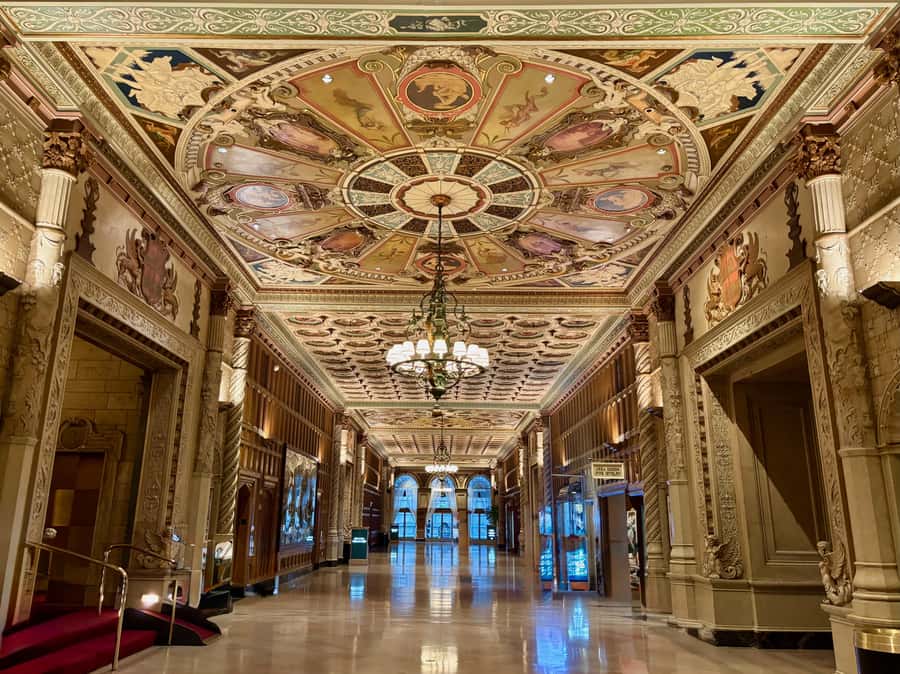
REVIEW · LOS ANGELES ARCHITECTURE TOURS
Los Angeles: Downtown History & Architecture Walking Tour
Downtown Los Angeles rewards curious walkers. This $30 walking tour connects grand theaters, Art Deco details, movie landmarks, and modern city life, with a Belgian guide adding a useful outside perspective to local stories. I like the conversational format, and I like that the route gives architecture real context instead of treating buildings as photo backdrops.
The strongest moments come at the Bradbury Building and The Last Bookstore, where you get time to look around and take photos. Guide Mark is praised for his energy and his knack for linking LA buildings to film history, though the tour can run longer than its advertised 150 minutes, so do not schedule a tight appointment afterward.
Five things worth knowing before you book
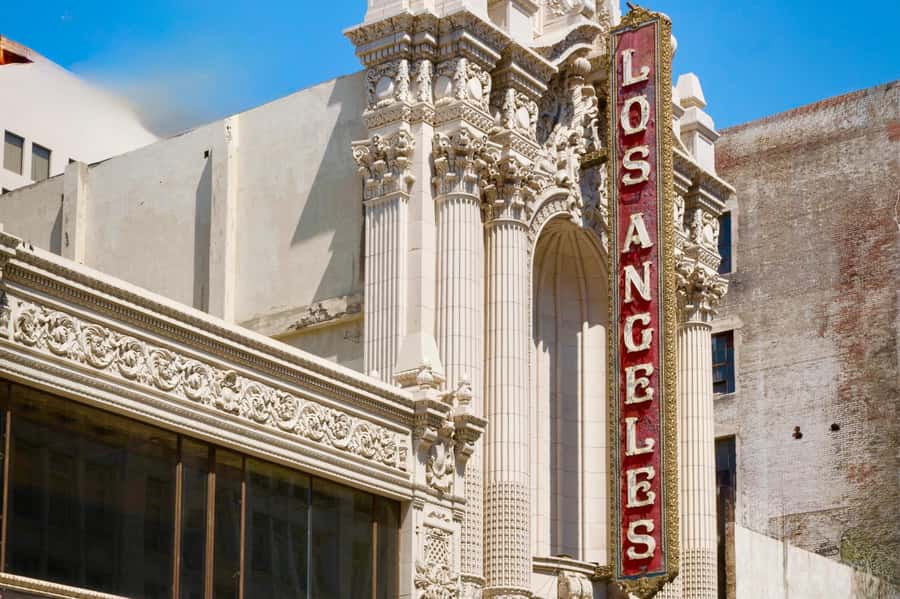
- Art Deco, Beaux-Arts, and Modernist design give the walk visual variety from start to finish.
- The Bradbury Building and The Last Bookstore are the main photo stops, with about 20 minutes at each.
- A Belgian guide’s global viewpoint adds a fresh angle to LA politics, urban design, and city life.
- Broadway’s theater district connects movie-palace glamour with the commercial story of old Los Angeles.
- The route is conversation-led, so your interests can shape the stories and discussion.
- Comfortable shoes matter, since the tour lasts 150 minutes and includes several walking sections.
Why this Downtown LA walk feels different
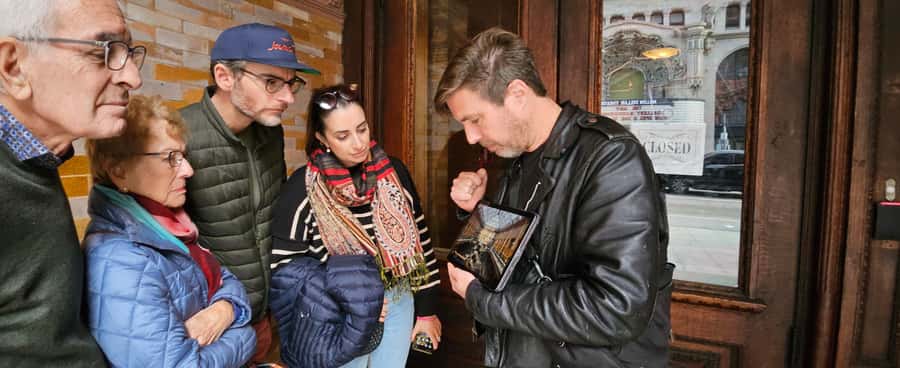
Many downtown tours point at buildings and recite dates. This one aims for a conversation about why the city looks and works as it does. You will hear about architecture, film, public space, politics, neighborhood change, and the people who helped shape Los Angeles.
That approach gives the walk more value than a simple sightseeing loop. If you are interested in cities, you can ask about building design and urban planning. If you care more about cinema, the guide can connect the route to Charlie Chaplin, JFK, Michael Jackson, Taylor Swift, and Jisoo. If you are visiting LA for the first time, the tour helps place several famous downtown addresses into one clear story.
The guide has lived in DTLA for years and hosts a podcast about the area. That matters because the tour is shaped by time spent listening to Angelenos and international visitors, not only by textbook facts. Mark, named in several personal accounts, is described as friendly, enthusiastic, and especially good at adjusting the walk to a group’s interests.
You should expect questions and discussion rather than a fixed speech. That is a major strength if you enjoy joining in. It may feel less ideal if you want a quiet, tightly timed tour with every sentence planned in advance.
More walking tours in the USA:
- The Official Art Deco Walking Tour by The Miami Design Preservation League
★ 5.0 · 1,580 reviews - Chicago in a Day: Food, History & Architecture Walking Tour
★ 5.0 · 1,153 reviews - Miami South Beach Art Deco Walking Tour
★ 5.0 · 1,039 reviews
Starting near the Central Library or Grand Central Market
You can begin near the Los Angeles Central Library or at the Grand Central Market Parking Garage, depending on the option you choose. The Central Library is next to the 7th Street Metro station, making public transport a practical way to reach the start.
The two starting choices also hint at the route’s character. The library places you near civic architecture and Bunker Hill. Grand Central Market puts you close to one of downtown’s best-known food halls and the old commercial core. Confirm your selected meeting point before setting out, since the starting location can vary.
Plan for sun, pavement, and a steady pace. Bring water, sunscreen, a hat, and a camera. Comfortable shoes are not optional here. The tour is not suitable for children under six, wheelchair users, or people with mobility impairments.
Bunker Hill and the city’s changing shape
Bunker Hill supplies one of the tour’s main ideas: Los Angeles is a city that keeps rewriting itself. The area was once an affluent residential district. Today, it is linked with major cultural buildings, public infrastructure, older landmarks, and newer urban plans.
The guide uses Bunker Hill to explain how the city has changed over time. You will not simply hear that a neighborhood is old or new. You will look at how development, public space, and changing city priorities affect what survives and what disappears.
This is one of the best parts for anyone who wants more than movie trivia. The discussion can move toward the role of public spaces, the politics of urban design, and the way cities decide what to preserve. Those subjects can make familiar streets more interesting because you start noticing the choices behind them.
The drawback is that the itinerary details do not identify every intermediate building or street. You will get a clear thematic route, but not a full architectural inventory. If you want exact names and dates for every stop, ask questions as you walk.
Angels Flight and Grand Central Market
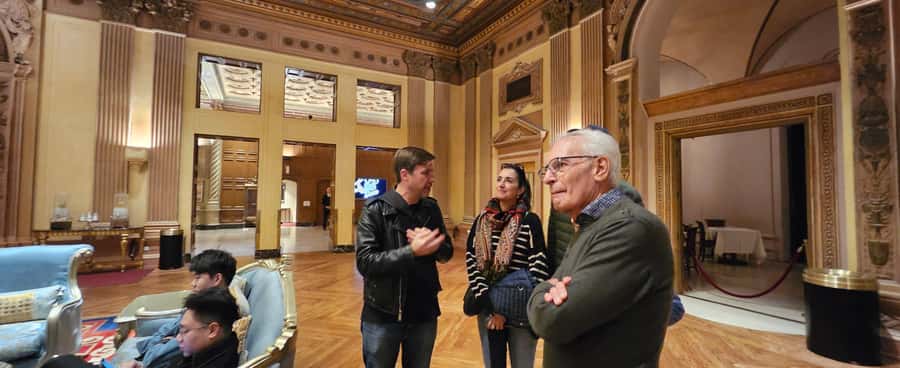
Angels Flight Railway adds a small but memorable piece of downtown infrastructure to the walk. Its presence helps explain how Bunker Hill connects to the lower part of the city and why movement through downtown has long mattered.
The tour then includes Grand Central Market, with about 10 minutes set aside for the stop. That is enough time for a quick look and some orientation, but not a long meal. If you want to eat there, treat it as a place to return to after the tour rather than expecting a full food experience during the walk.
Grand Central Market also helps balance the formal architecture. After grand civic buildings and old theaters, the market brings you back to everyday city life. You can see how commerce, food, and public gathering fit into downtown’s story.
More history tours in the USA:
- Charleston’s Best Highlights: History, Culture & Architecture
★ 5.0 · 422 reviews - Palm Springs Modernism Architecture & History Bike Tour
★ 5.0 · 359 reviews - Charleston: History and Architecture Guided Walking Tour
★ 4.8 · 349 reviews - Historic Georgetown: History, Gossip, & Architecture Walking Tour
★ 5.0 · 321 reviews
The Theater District and Broadway’s movie-palace past
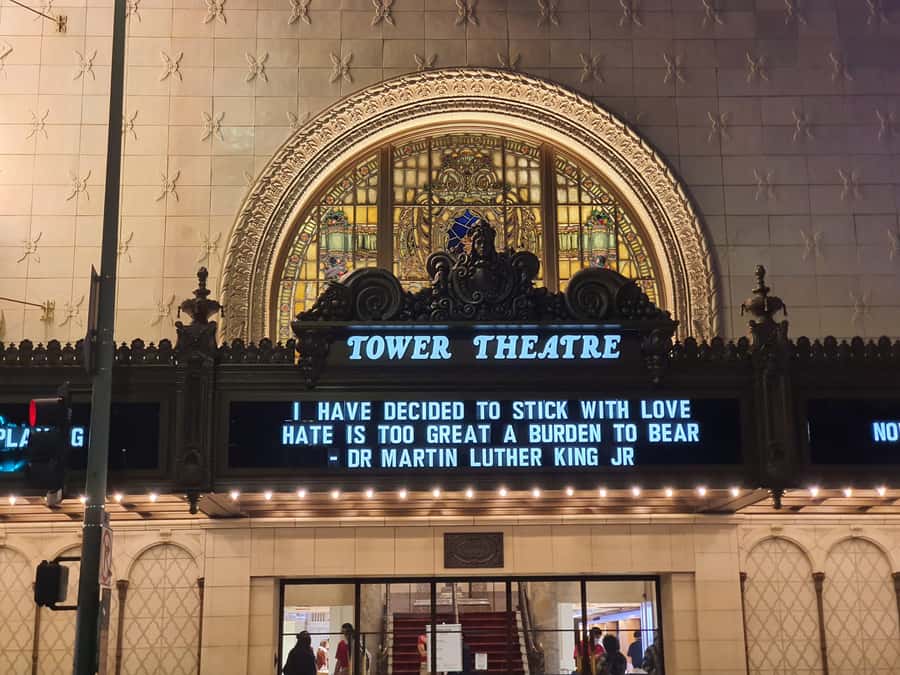
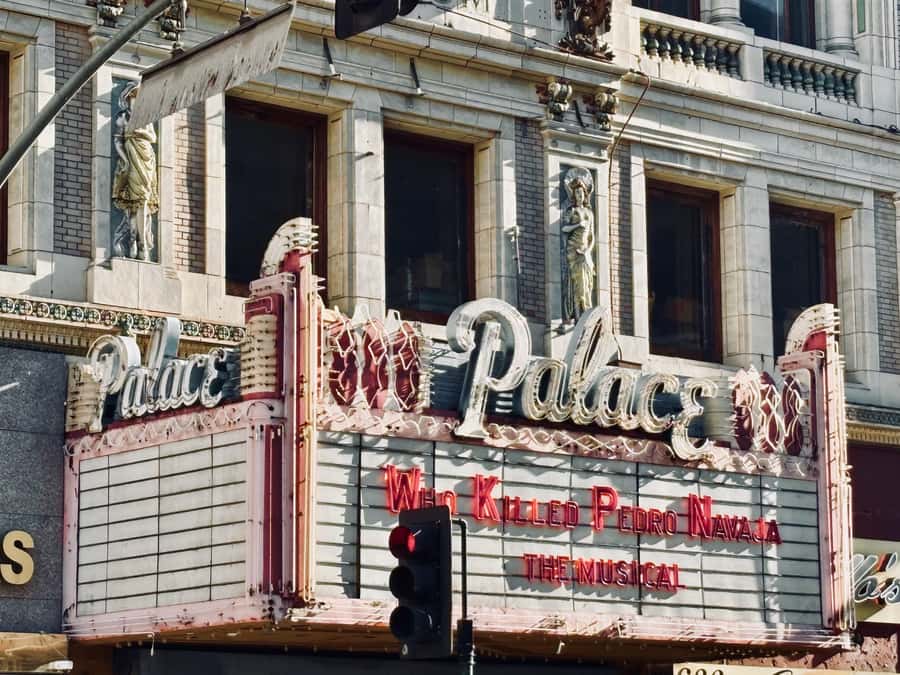
The Broadway Theater District is one of the tour’s most appealing sections. It contains one of the world’s highest concentrations of movie palaces, so the streets offer a direct connection to LA’s entertainment past.
The guide links theater architecture with the glamour and grit of Hollywood’s golden age. That framing is useful because the district is not only about pretty facades. These buildings also tell the story of changing entertainment habits, old commercial ambitions, and the way Los Angeles built its public identity around performance and film.
You will walk through Broadway’s former business center and examine grand storefronts and building fronts. The tour’s film references can include figures such as Chaplin, along with later cultural names connected to downtown locations. The result is a lively mix of architecture and pop culture rather than a dry preservation lecture.
A practical point: the itinerary does not promise entry into every theater or movie palace. Much of the experience comes from exterior viewing and guided explanation. If you want a behind-the-scenes theater visit, this is not that kind of tour.
Inside the Bradbury Building
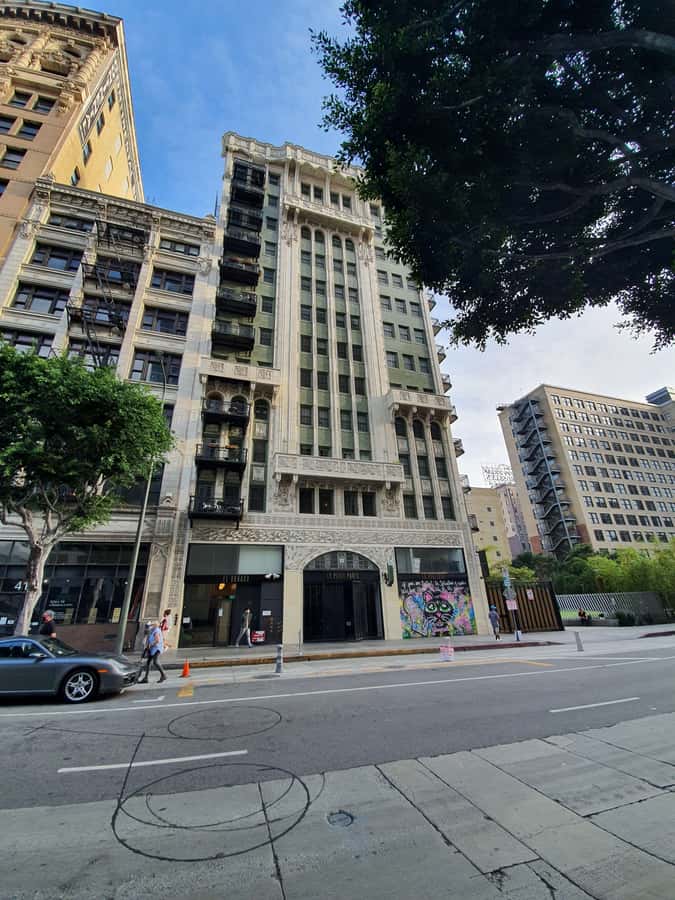
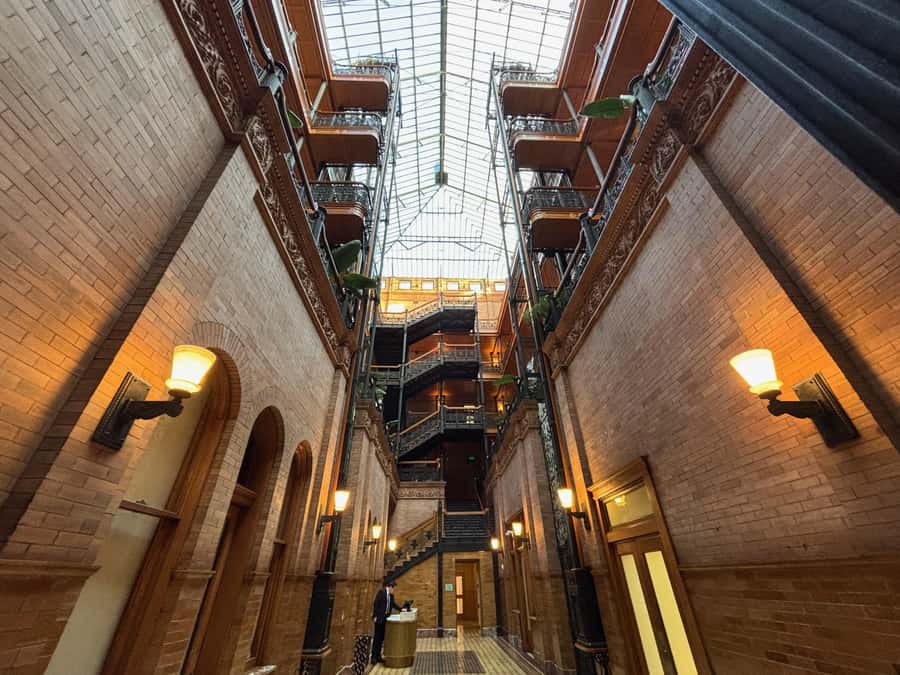
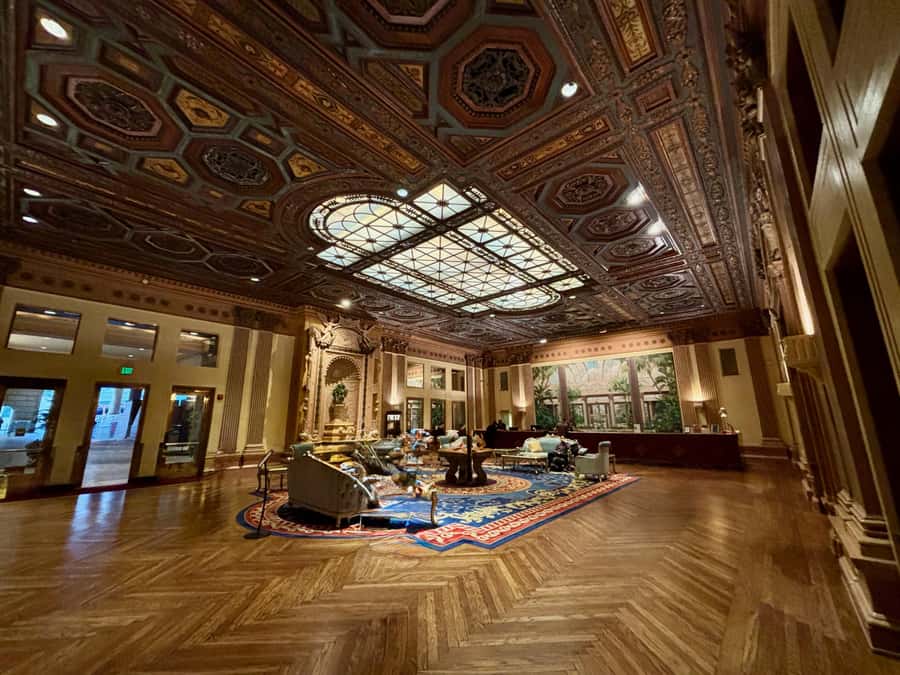
The Bradbury Building is a high point, with about 20 minutes devoted to the visit. Its detailed interior makes it especially rewarding for photographers, and the guide explains why the building matters within DTLA’s architectural and film story.
This is where the different strands of the tour meet. You can look at Art Deco and Beaux-Arts influences across downtown, then compare them with the Bradbury’s distinctive design. The guide also uses movie connections to show how architecture becomes part of the stories audiences remember.
Take your time with the camera, but also listen. The value is not only the building’s appearance. You will learn how design, reputation, and cinema can give a place an identity far beyond its original purpose.
Because this is a guided visit rather than a long independent stop, keep expectations realistic. You get focused time, not an hour to study every detail. Still, the 20-minute allocation is enough to make the building a proper part of the tour rather than a rushed glance.
The Last Bookstore and the revitalized Historic Core
The Last Bookstore receives another 20-minute stop. It is an easy contrast with the formal civic and commercial buildings earlier in the route. The shop’s unusual interior makes it one of the most enjoyable places for photos, and it gives the tour a modern creative note.
The guide places the bookstore within the revitalized Historic Core, where older structures are being used by new businesses and cultural spaces. This is a useful way to understand downtown’s current identity. The area is not frozen in the past, and it is not simply being replaced by something new. Old buildings and new uses exist side by side.
You may find this section more relaxed than the architecture stops. There is room to browse visually and consider how creative businesses help change the feel of a neighborhood. Do not count on a long shopping break, though. The scheduled visit is about 20 minutes, so return later if you want to spend serious time among the books.
Architecture with a social and political angle
The tour’s best feature is its willingness to connect buildings with people. You may discuss why some styles became popular, how city planning affects daily life, and how political choices shape public areas.
That makes the experience especially useful for architecture students, designers, and city-minded visitors. One architect who took the tour found the social factors behind building and city design particularly valuable. You do not need a professional background to follow the discussion, but an interest in how cities work will make the walk more rewarding.
The Belgian viewpoint also adds a comparison between European and American urban culture. This does not turn the tour into a lecture about Belgium. Instead, it gives you another way to question assumptions about LA’s scale, architecture, transport, and public life.
The conversational style means the final shape can vary. A private group may spend more time on architecture, cinema, or future plans for downtown, depending on its questions. That flexibility is a benefit, but it also means no two walks will feel exactly alike.
Timing, price, and practical value
At $30 per person, the tour is fairly priced for 150 minutes with a live guide. You are paying for interpretation and access to a connected story, not for admission to a long list of paid attractions. The Bradbury Building and The Last Bookstore supply the strongest interior stops, while much of the rest is experienced from the street.
I consider the price good value if you want an introduction to DTLA that mixes architecture, cinema, and urban issues. It is less compelling if you only want a quick photo walk or a food-focused downtown outing. Grand Central Market appears on the route, but the tour is not designed around tastings.
The tour is offered in English and French, and private groups are available. The advertised duration is 150 minutes, though you should allow extra time because one account describes the walk as longer than expected. Free cancellation up to 24 hours before the start and the option to reserve without paying immediately make planning easier, but the real practical issue is your schedule.
Who will enjoy this most
I would choose this tour if you want to understand how DTLA’s pieces fit together. It suits first-time visitors, repeat LA visitors who have ignored downtown, architecture fans, film lovers, and people who enjoy asking questions.
It can also work well for Los Angeles residents. One local couple learned a great deal despite already knowing the city, which says something about the guide’s ability to add context rather than repeat basic facts.
Families with very young children should choose another activity because children under six are not allowed. The walking demands also make it a poor fit for anyone with limited mobility. For everyone else, the main preparation is simple: good footwear, sun protection, water, and weather-appropriate clothing.
Should you book the Downtown History and Architecture Walking Tour?
Book it if you want a thoughtful, personal introduction to DTLA, not a checklist of famous addresses. The strongest reasons are the guide’s enthusiasm, the flexible conversation, the Bradbury Building, The Last Bookstore, and the way movie history is tied to real buildings and city change.
Skip it if you need a wheelchair-accessible route, a short stroll, a food tour, or guaranteed entry into multiple theaters. Also leave breathing room after the scheduled finish.
For $30, this is a strong choice for curious visitors who want to see downtown with sharper eyes. You will leave with more than photographs. You will have a better sense of why Los Angeles looks the way it does, and why its old buildings still matter.
FAQ
How long does the Downtown History and Architecture Walking Tour last?
The advertised duration is 150 minutes. The walk may run longer, so allow extra time if you have another booking afterward.
Where does the tour start?
There are two possible starting locations: the Los Angeles Central Library or the Grand Central Market Parking Garage. The meeting point depends on the option selected.
What languages are available?
The live tour is available in English and French.
Is the tour suitable for wheelchair users?
No. The activity is not suitable for wheelchair users or people with mobility impairments.
What should I bring?
Bring comfortable shoes, a hat, sunscreen, water, and a camera. Check the weather forecast and dress accordingly.
Can I book a private group?
Yes. A private group option is available.
Just added in the USA
- Wilmington History and Architecture Tour★ 4.8 · 18 reviews
- New Orleans : Garden District Architecture Walking tour★ 4.8 · 5 reviews
- Washington DC: Dupont Circle & Embassy Row Architecture Tour★ 5.0 · 6 reviews
- Washington, DC: Georgetown Architecture Walking Tour★ 5.0 · 8 reviews
- Tulsa: Art Deco Walking Tour of Tulsa★ 5.0 · 8 reviews
- Private Colonial Williamsburg Architectural Tour★ 5.0 · 5 reviews
- Monuments and Memorials Architectural Walking Tour★ 5.0 · 17 reviews
- Castle to Capitol: Museums of the National Mall Architecture Tour★ 4.5 · 9 reviews
Los Angeles Architecture Tours, compared.
The History and Architecture of Downtown Los Angeles
Read our review →
Downtown Los Angeles History and Architecture Walking Tour
Read our review →
The History and Architecture of Downtown Los Angeles
Read our review →
LA’s Art Deco & Beaux Art Architecture: Private Walking Tour
Read our review →
Downtown LA’s History & Architecture: Private Walking Tour
Read our review →Browse the lists this tour appears in