
REVIEW · ARCHITECTURE TOURS
Amsterdam, Eastern Docklands Architecture: Private Tour
Amsterdam’s old harbor got a bold second life. This private walking tour takes you through the Eastern Docklands, where former working waterfronts became a carefully planned residential district filled with striking modern architecture. I like the clear focus on urban design, and I like that the tour compares five distinct areas instead of treating the docklands as one uniform neighborhood.
The academic background of the guides is another strong point. They have studied subjects such as architecture, sociology, and art history, and some work as architecture and heritage journalists. The main consideration is time: the standard visit lasts two hours, so the walk needs to keep moving if you want useful attention in Java, KNSM, Borneo, Sporenburg, and Riet Landen.
Key points to know
- Five districts in one private walk: See Java, KNSM, Borneo, Sporenburg, and Riet Landen, each with a different answer to the problem of building homes beside former harbor infrastructure.
- A sharp Java and KNSM comparison: These twin islands share a historical concept, yet their finished designs look and feel notably different.
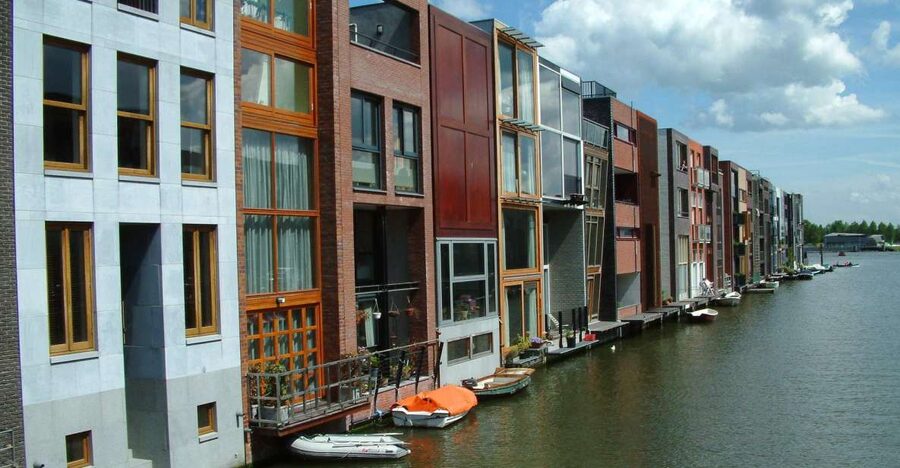
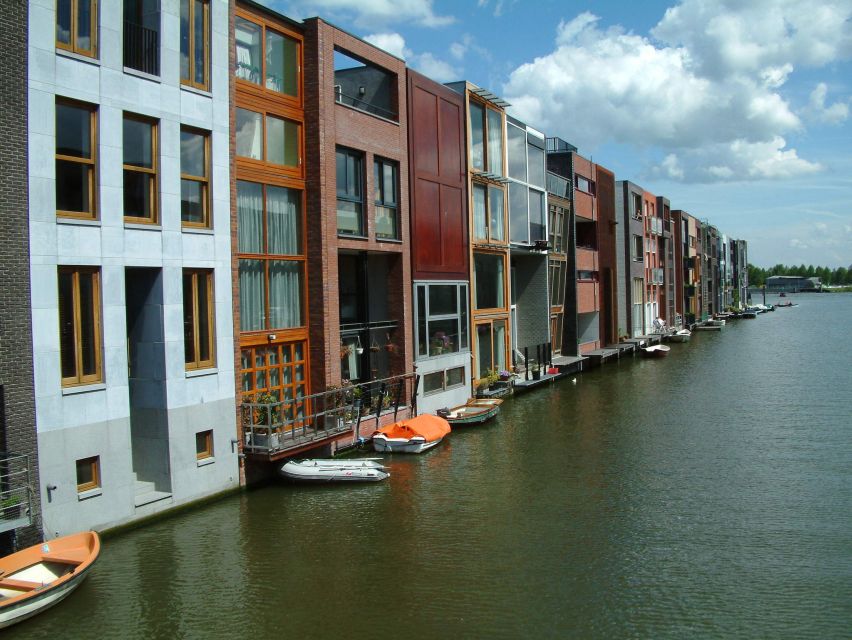
- High density without only high-rise blocks: Borneo and Sporenburg show how low-rise family homes can fit around 100 apartments per acre.
- Riet Landen joins park and traffic: This area makes a traffic junction part of a larger plan that includes a substantial park and housing.
- Private, adaptable guiding: The two or three-hour walk can be adjusted to your interests and group size, with English, Dutch, or German available.
- Good value for a full group: At $235 for up to 10 people, the price works out to $23.50 per person if you fill the group.
Why the Eastern Docklands matter
Amsterdam is often sold through canals, narrow merchant houses, and old churches. Those sights deserve their place, but the Eastern Docklands show a different side of the city: Amsterdam as a testing ground for modern urban planning.
From the 1970s onward, this former harbor changed from a modest working area into a popular residential district. Much of the key development happened during the 1980s and 1990s, continuing into the new millennium. The result is not a single architectural style. It is a collection of experiments shaped by water, industrial remnants, housing needs, public space, and the city’s past.
That makes this tour useful for you if you want to understand why a neighborhood looks the way it does. A casual walk can show you unusual buildings. A good guide explains the decisions behind them: why one island uses a certain layout, why another favors a different scale, and how planners tried to make dense housing feel livable.
The setting also gives the walk a strong sense of place. The buildings are modern, but they are not floating in an unrelated new development. They occupy old docklands, where the harbor identity still matters. You get architecture with a practical problem attached to it: how do you create a full neighborhood on former industrial land without erasing what came before?
More private tours in Netherlands:
- Walking Tour about Golden Age Architecture, private local guide
★ 5.0 · 15 reviews - Gouda Private Walking Tour: History, Architecture & Cheese
★ 4.5 · 8 reviews - Private Rotterdam Walking Tour – guided by Architects
★ 5.0 · 2 reviews
Starting beside Pakhuis De Zwijger
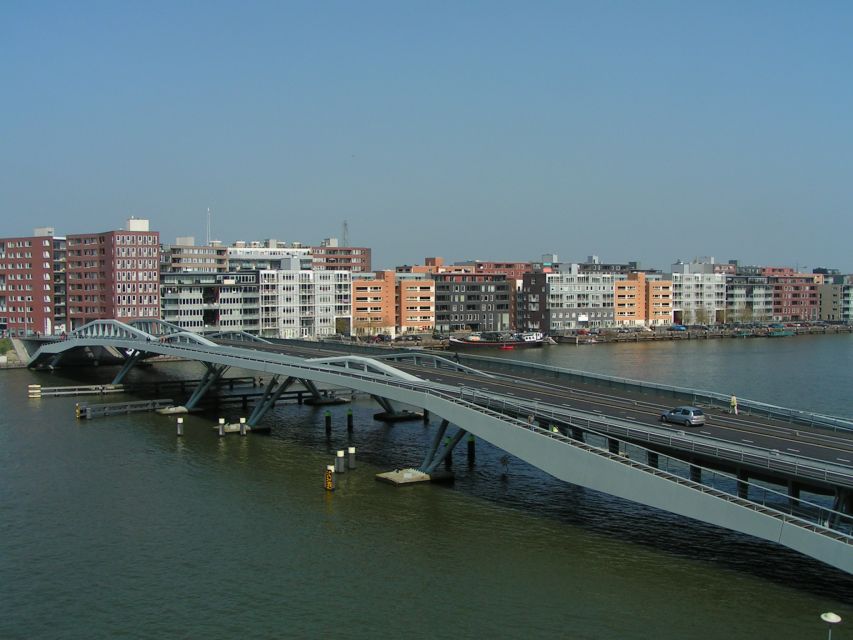
The tour meets in front of Pakhuis De Zwijger, next to Jan Schaeferbrug. This is a sensible starting point because it places you directly at the edge of the Eastern Docklands story, rather than beginning in a generic city-center location.
Your guide should set up the big picture before the detailed stops begin. The most useful context is the district’s change from harbor to housing, along with the planning ideas that shaped Java, KNSM, Borneo, Sporenburg, and Riet Landen.
Because this is a private group, you can ask for the level of explanation you prefer. If you already know modern architecture, you can focus on planning choices and comparisons. If the subject is new to you, the guide can give you the basics without assuming that you can tell a courtyard from a housing block at fifty paces.
The meeting point is also worth noting for practical planning. You will be walking, and food, drinks, and transfers are not included. Large bags and luggage are not allowed, so arrive with only what you need for the walk.
Java Island: history turned into a modern plan
Java is one of the two islands used to introduce the tour’s central comparison. The guiding idea on Java and KNSM drew on Amsterdam’s long connection with water and maritime trade, but the built results took different directions.
On Java, pay attention to how the island’s residential development relates to its harbor setting. The value of this stop is not simply seeing a collection of modern buildings. It is seeing how an old dockland identity can inform a new housing district.
Your guide can help you read the area as a planned composition. Look at the relationship among the homes, the water, the streets, and the public areas. The tour presents Java as part of a deliberate attempt to create a residential district with its own identity, rather than a collection of unrelated apartment projects.
This is where an architecture-focused guide earns the fee. Without context, the differences among buildings may seem like a matter of taste. With context, they become evidence of competing ideas about density, privacy, public space, and the role of historical references in new construction.
KNSM Island: the same idea, a different result
KNSM forms the other half of the twin-island comparison. The two areas were united by a shared concept inspired by Amsterdam’s past, but their final appearances differ sharply. That contrast gives the tour a useful rhythm: you do not study Java in isolation, then move on. You use Java as a measuring stick for KNSM.
I especially like this part of the route for anyone who wants to learn how urban design works through comparison. A single neighborhood can be hard to judge because you have nothing beside it. Java and KNSM give you two related examples, allowing you to ask why similar starting points produced different outcomes.
Your guide’s background in architecture, sociology, or art history should help connect visual details with broader planning questions. You might discuss how the islands handle scale, how residential buildings respond to the water, and how the historic concept is expressed in different ways.
The drawback is that a two-hour visit cannot give every building equal attention. If Java and KNSM are your main interests, tell the guide early. The walk is adaptable, and a private group has a better chance of shaping the emphasis than a fixed public excursion.
A few more architecture tours in Netherlands worth a look
- Rotterdam: Architectural Highlights Guided Walking Tour
★ 4.8 · 215 reviews - Rotterdam: Highlights, Gems, Architecture & History Walk
★ 5.0 · 191 reviews - Rotterdam Walk: Hilights, Gems, Architecture & WWII | 2 or 3hrs
★ 5.0 · 149 reviews - Rotterdam Architecture Highlights Walking Tour
★ 5.0 · 66 reviews
Borneo and Sporenburg: low-rise homes at high density
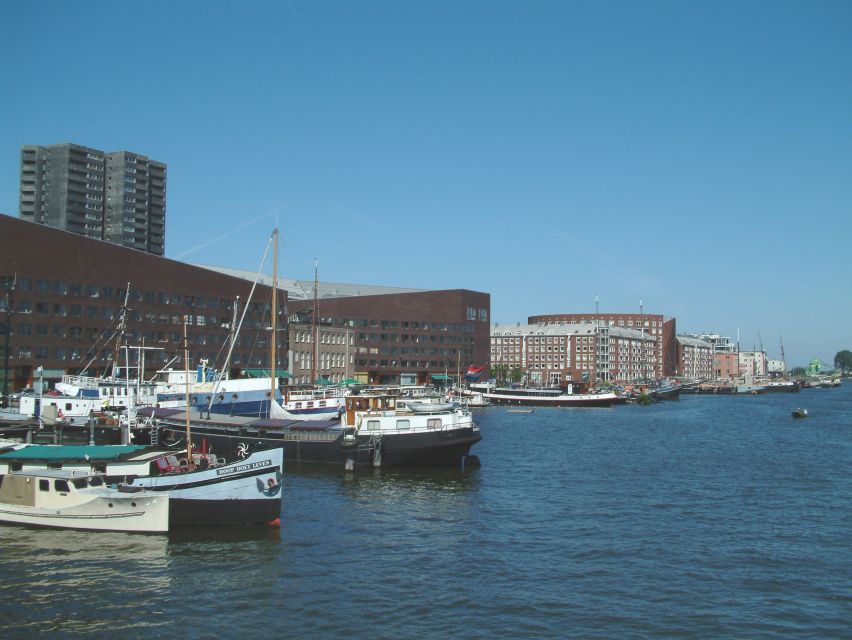
Borneo and Sporenburg offer one of the tour’s most practical lessons. These districts show how planners provided low-rise single-family houses while maintaining a density of about 100 apartments per acre, a level often associated with multi-storey housing complexes.
That is a useful correction to the idea that dense cities must rely only on towers or long apartment blocks. Here, density is handled through the arrangement and compactness of the homes. You can examine how many residences fit into the area, then consider what is gained by keeping the buildings low.
For you, this section has a clear human scale. The tour is not only about dramatic architecture. It is also about the everyday challenge of making room for families, streets, homes, and public areas in a limited waterfront district.
Borneo and Sporenburg should be read together. Their importance lies in the planning problem they address, not just in individual façades. The guide can point out how the two areas use a different housing type from the larger residential buildings associated with other parts of the docklands.
This is also a good section for questions. Ask how low-rise housing can reach such high density, what trade-offs come with that arrangement, and how these districts differ from Java and KNSM. Since the walk is private, you can spend more or less time on the housing strategy according to your interests.
Riet Landen: where traffic meets park and housing
Riet Landen brings the tour to a different kind of planning challenge. Here, the notable feature is the way a traffic junction is tied into a park and a residential area. Instead of treating traffic as a separate nuisance at the edge of the neighborhood, the plan makes it part of the overall design.
That combination gives the final stop a strong sense of contrast. You see infrastructure, open space, and housing in one place. The area asks a basic city question: can a junction serve movement while still contributing to the quality of the neighborhood around it?
The answer is presented through the relationship among the traffic junction, the park that surrounds it, and the homes nearby. Your guide can help you understand how those elements were joined and why the result matters in the broader development of the Eastern Docklands.
Riet Landen may appeal most to you if you enjoy urban planning more than landmark architecture. It is less about finding one famous building and more about understanding how a city organizes several competing needs. The area also gives the route a fitting final lesson: successful urban design often depends on connections between uses, not on isolated objects.
What the guide adds to the walk
The strongest reason to book this as a private tour is the guide’s specialist background. All guides have academic training in fields including architecture, sociology, and art history. Two have published a book about the Eastern Docklands, and the other guides also work as architecture and heritage journalists.
That level of preparation matters because the district rewards explanation. You can see that the buildings are unusual without knowing why they were built that way. A guide can turn the walk into a study of urban development, showing how the docklands changed across several decades.
The experience also earned a very positive assessment for being detailed, clear, responsive to questions and requests, varied, and easy to follow. Those qualities are important here. Architecture tours can become dry if they are only a list of dates and designers. This one is designed to connect facts with what you are looking at.
Since the guides speak English, Dutch, and German, you can choose the language that lets you ask the best questions. A private format also helps if your group includes people with different levels of interest. You can request more detail on housing, planning, historical context, or architecture instead of being locked into a standard lecture.
Price, pace, and practical value
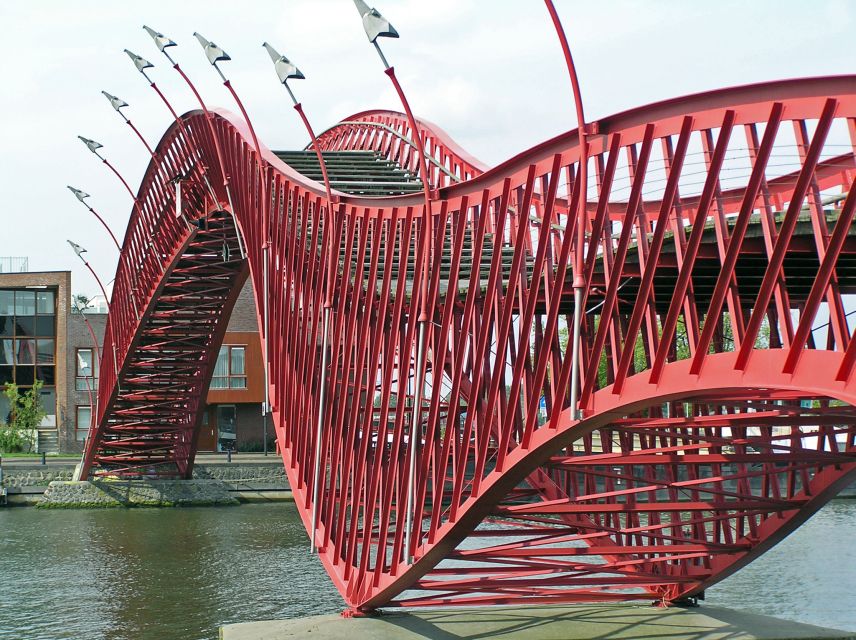
The cost is $235 per group of up to 10 people. For a full group, that is $23.50 per person, which is a fair rate for a private two-hour specialist walk. The value drops if you are booking alone or with only one other person, but the private format still gives you direct access to a guide with a serious academic and professional background.
The published duration is two hours, with the walk adaptable to two or three hours depending on your needs. You should check the available start time when booking. If you want detailed treatment of all five districts, a longer option may be worth requesting, especially if your group asks many questions.
This is a walking tour, so wear suitable shoes and plan around the fact that food and drinks are not included. Transfers are also not included. Large bags and luggage are not allowed, which is easy to manage if you are visiting with a small day bag rather than heading straight from a train or airport connection.
The tour is listed as wheelchair accessible. Because the route covers several districts and public spaces, you may still want to discuss your exact needs when arranging the walk. The private format makes that conversation more useful than it would be on a fixed group outing.
Free cancellation is available up to 24 hours in advance for a full refund, and you can reserve now and pay later. Those terms help if your Amsterdam schedule is still moving around.
Who should book this architecture walk?
I would recommend it to you if modern architecture, housing design, or city planning interests you. It is also a good choice if you have already seen Amsterdam’s central sights and want a more specialized view of the city.
The tour suits architecture students, design professionals, history-minded visitors, and curious families with older children. It also works well for a group of friends because the private setting lets you ask questions without worrying about holding up strangers.
You may want to skip it if you want a relaxed sightseeing walk with cafés, food stops, or major historic monuments. This experience is centered on explanation and observation. The docklands are the subject, not merely the backdrop for a general city stroll.
If you have only two hours, tell the guide what matters most. You cannot expect every part of five districts to receive the same attention in a short visit. A focused request, such as comparing Java and KNSM or studying low-rise density in Borneo and Sporenburg, will help you get more from the time.
Should you book the Eastern Docklands tour?
Book this tour if you want to understand how Amsterdam turned former harbor land into a modern residential district. The five-part route gives you a useful progression: Java and KNSM show contrasting versions of a shared idea, Borneo and Sporenburg explore dense low-rise housing, and Riet Landen examines the link among traffic, park, and homes.
The best reason to choose it is the guide. With academic training, book-writing experience, and work in architecture and heritage journalism, the guides bring more than surface description. For a full group of up to 10, the price is especially reasonable.
My main caution is simple: two hours goes quickly. Bring a small bag, expect a focused walk, and tell the guide which districts interest you most. If that sounds like your kind of Amsterdam, this is a smart way to see a part of the city that many visitors miss.
FAQ
How long does the Eastern Docklands architecture tour last?
The listed duration is two hours. The walk can also be adapted to two or three hours to suit your needs.
What areas does the tour visit?
The route examines five Eastern Docklands districts: Java, KNSM, Borneo, Sporenburg, and Riet Landen.
Where does the tour meet?
The meeting point is in front of Pakhuis De Zwijger, next to Jan Schaeferbrug.
How much does the private tour cost?
The price is $235 per group of up to 10 people.
Which languages are available?
The live guide can conduct the tour in English, Dutch, or German.
Is the tour wheelchair accessible?
Yes, the activity is listed as wheelchair accessible.
Are food, drinks, or transfers included?
No. Food, drinks, and transfer services are not included.
Can I cancel the booking?
Yes. You can cancel up to 24 hours in advance for a full refund. You can also reserve now and pay later.
Just added in Netherlands
- Rotterdam Must Do Tour: Highlights, History, WW2 and Architecture★ 5.0 · 20 reviews
- Escape Room – l’Architecte★ 4.5 · 13 reviews
- Private Rotterdam Walking Tour – guided by Architects★ 5.0 · 2 reviews
- Rotterdam Architecture and Highlights Walking Tour (TOP RATED)★ 4.5 · 14 reviews
- Maastricht Highlights, Architecture & Heritage Tour★ 5.0 · 7 reviews
- Gouda Private Walking Tour: History, Architecture & Cheese★ 4.5 · 8 reviews
- Amsterdam Architecture Tour★ 5.0 · 4 reviews
- Amsterdam Walking Tour. All about History, Architecture, Traditions & Anecdotes.★ 5.0 · 2 reviews
Architecture Tours, compared.
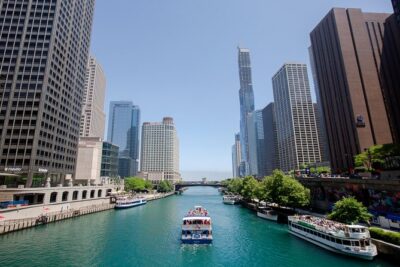
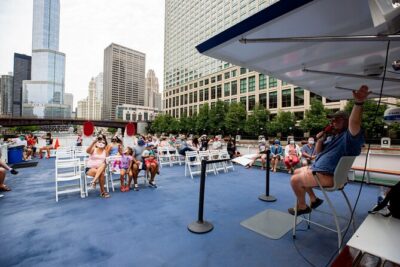

Chicago River: 1.5-Hour Guided Architecture Cruise
Read our review →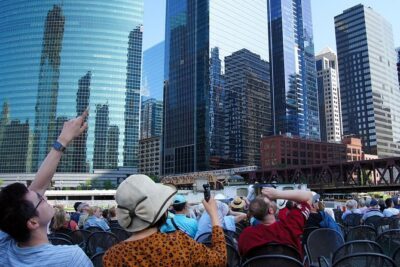
Chicago Architecture Center River Cruise aboard First Lady
Read our review →
Architecture River Cruise Skip-the-Ticket Line
Read our review →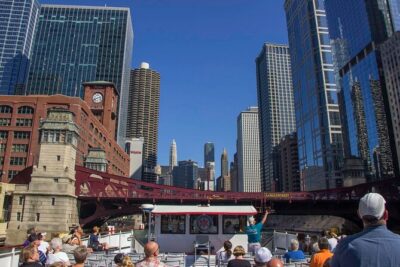
Chicago River 45-Minute Architecture Tour from Magnificent Mile
Read our review →
Browse the lists this tour appears in