
REVIEW · ARCHITECTURE TOURS
Tlaquepaque Magic Town: Artisans, Traditions, Architecture
Colorful Tlaquepaque rewards slow walking. This guided visit brings together Mexican traditions and the town’s art-filled streets, with stops for churches, historic homes, mariachi, folkloric culture, artisan shops, and local sweets. I especially like the chance to see the large patios and fountains inside old houses, and the tasting of traditional candies and rompope adds a useful food connection.
The tour also gives you context that is easy to miss on your own, from the two churches once associated with different social classes to the place where an independence hero spent one night. The main consideration is timing: the experience is advertised as 90 minutes, while the walking itinerary is also described as lasting two hours, so you should confirm the exact schedule before booking.
Key details worth knowing
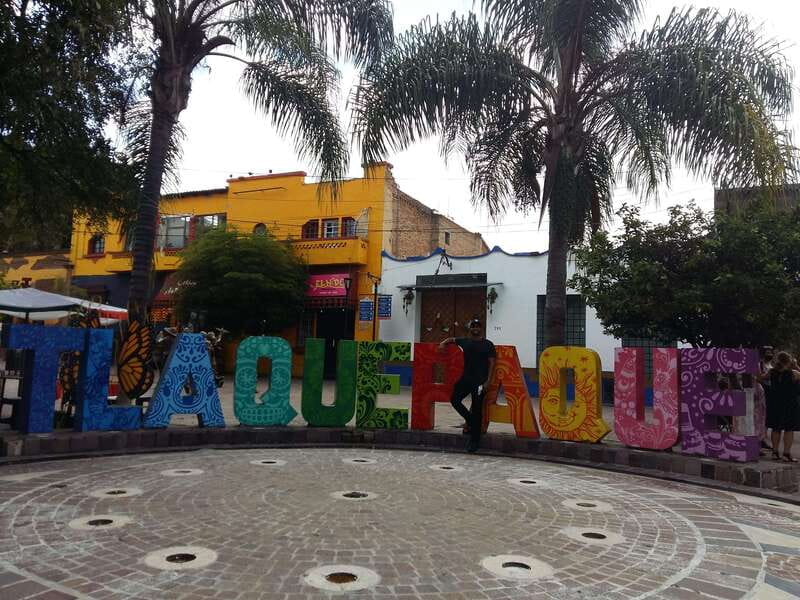
- Begin beside the giant Tlaquepaque letters: The meeting point is Plazoleta Springfield, beside the colorful sign and statues connected with Mexico’s independence.
- Tour historic interiors, not only street fronts: You may enter large traditional houses with patios and fountains.
- Taste local sweets and rompope: A candy factory visit adds a small but memorable food stop.
- See Tlaquepaque through its art: Galleries, artisan shops, colorful decoration, and craft traditions are central to the walk.
- Look for mariachi and folkloric culture: The tour points out places where you can enjoy music, dance, papel picado, snacks, and Jalisco food.
- Plan for a walking-focused visit: The route is built around sightseeing on foot and finishes on the main pedestrian street.
Why Tlaquepaque makes a good short walking tour
Tlaquepaque is a useful place to visit when you want more than a shopping stop. The town combines craft production, public decoration, old churches, large houses, food traditions, and Mexican performance culture in a compact setting.
That mix gives the walk a clear purpose. You are not simply being led from one pretty street to another. You are shown how the town’s architecture, religious life, independence story, art shops, and everyday food fit together.
I like this kind of tour for a first visit because it helps you get your bearings quickly. After the guided walk, you can return to the shops, restaurants, or galleries that caught your eye instead of spending your whole visit guessing where to go.
The tour costs $32 per person. That is fair value if you want interpretation and access to places you might pass without noticing, especially the historic interiors and candy-making stop. If you mainly want time to shop or take photographs at your own pace, the price may feel less attractive because 90 minutes goes by quickly.
A few more architecture tours in the world worth a look
- Chicago Architecture River Cruise
★ 5.0 · 15,756 reviews - Chicago River 90-Minute Architecture Tour
★ 4.5 · 9,629 reviews - Chicago River: 1.5-Hour Guided Architecture Cruise
★ 4.8 · 8,046 reviews
Starting at Plazoleta Springfield
The meeting point is easy to identify: look for the large, colorful Tlaquepaque letters in Plazoleta Springfield. These letters are made for photographs, so arriving a few minutes early gives you time to take the expected picture without holding up the group.
Near the letters, you will see statues of Miguel Hidalgo and representations of people who fought for independence from Spain. This is a useful opening scene because the tour begins with public history rather than with a sales pitch for shops.
Your guide can use this square to explain why Tlaquepaque is considered a Mexican Pueblo Mágico, or Magic Town. The title points to a place valued for its traditions, cultural character, architecture, and local identity. Here, those ideas are visible in the decorations, churches, crafts, food, and pedestrian streets.
Mayra is the named guide associated with this experience. The available feedback describes her as friendly, calm, and clear in English, with a strong command of the town’s stories. One particularly useful quality is her flexibility: she has adjusted the amount of time spent on subjects that interest the group.
That matters on a short tour. An art lover may want more time in galleries, while another person may care more about churches, independence history, or food. If you have a preference, tell the guide early.
The churches and the town’s social history
One of the more distinctive parts of the walk is the visit to two churches connected with different social groups. The tour explains where poorer and wealthier residents traditionally went to worship.
This is a small detail with a larger lesson. Churches can look similar to a casual passerby, but their use can reveal how a town was organized. Instead of treating the buildings as decoration, the guide connects them to local society.
The supplied information does not specify the names or full architectural details of the churches, so you should expect interpretation on site rather than a fixed list of famous landmarks. That can be a strength. The meaning comes from the guide’s explanation and from seeing the buildings in the setting where they functioned.
The church stops also give the walk some balance. Tlaquepaque is known for art and color, but its identity is not only commercial. Religious traditions and social history are part of the town’s character too.
Stepping inside the large historic houses
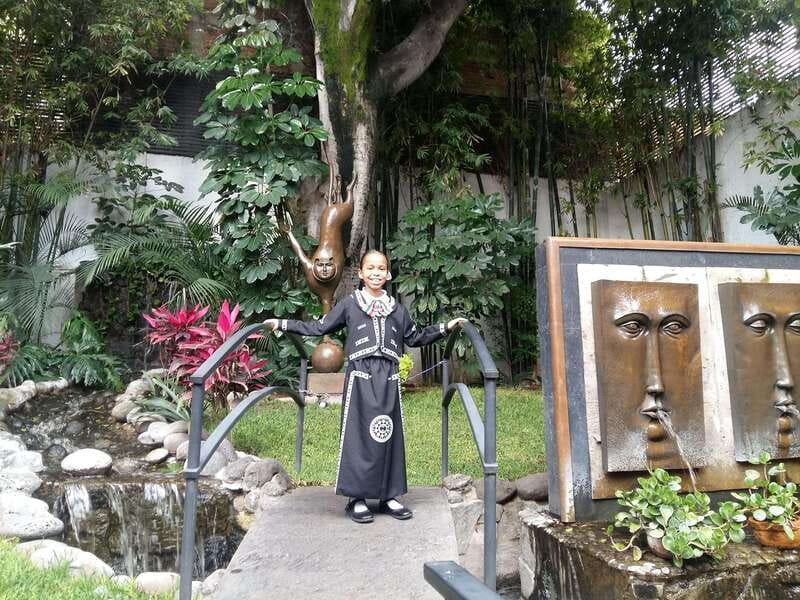
Many walking tours show you old façades and keep moving. This one aims to take you inside large houses with traditional architecture, patios, and fountains.
That promise is important because the interior layout often explains more than the street front. A patio can show how a house was arranged, where people gathered, and how open-air space shaped daily life. Fountains and decorative details also help you see why Tlaquepaque is admired for its architecture.
You should keep expectations sensible. The information does not identify every house or guarantee access to a particular private residence on every departure. Still, the focus on interiors is one of the tour’s stronger features. I would choose this walk over a simple photo route if you care about buildings and design.
The tour also includes large houses with folkloric architectural details. You may notice colorful decoration, traditional forms, and the relationship between the courtyards and surrounding rooms. The guide’s explanation makes these spaces easier to read instead of leaving you with only a photograph.
Same city, a different building to stand in front of:
- Chicago Architecture Center River Cruise aboard First Lady
★ 5.0 · 5,536 reviews - Chicago: Architecture River Cruise Skip-the-Ticket Line
★ 4.8 · 4,325 reviews - Chicago River 45-Minute Architecture Tour from Magnificent Mile
★ 4.5 · 2,924 reviews - Barcelona: Sant Pau Recinte Modernista Entry Ticket
★ 4.6 · 2,567 reviews
Artisans, galleries, and colorful shopfronts
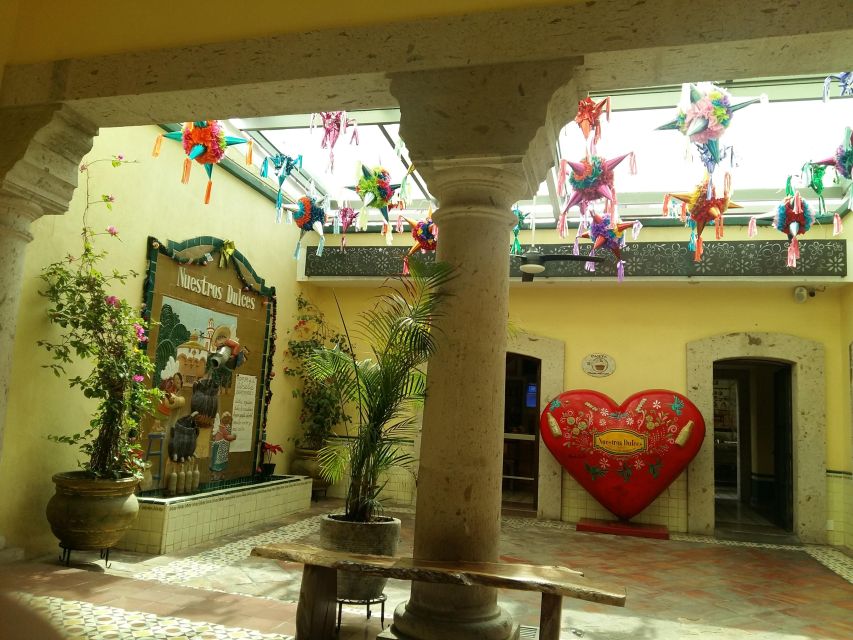
Tlaquepaque is a major draw for people who enjoy Mexican art and handmade goods. The walk includes galleries, artisan stores, and an arts and crafts market visit.
The practical value is clear: you can learn what you are looking at before you shop. A guide can explain the role of galleries and craft stores, helping you separate a place with local artistic interest from a shop that simply happens to sell souvenirs.
I would pay attention to the difference between browsing and buying. The tour does not promise that purchases are included, and the final pedestrian street gives you time to return to shops or make your own choices. You do not need to decide during the guided portion.
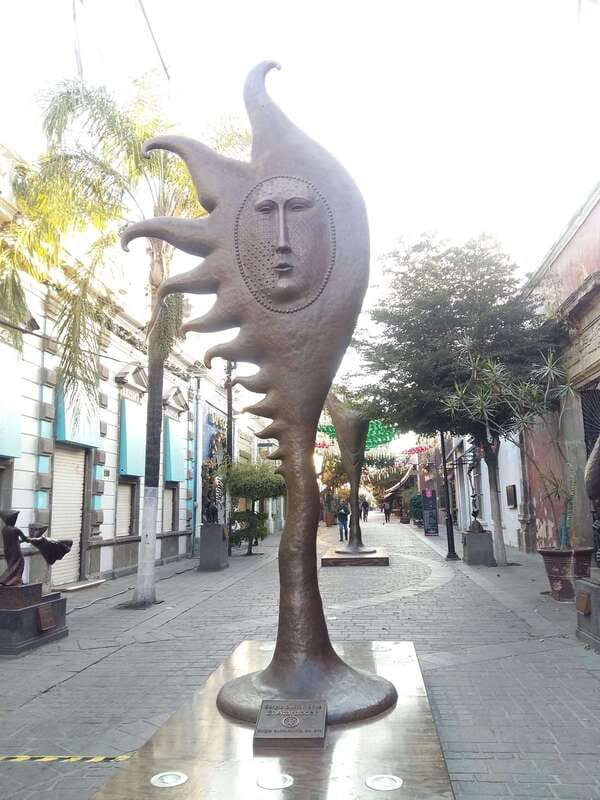
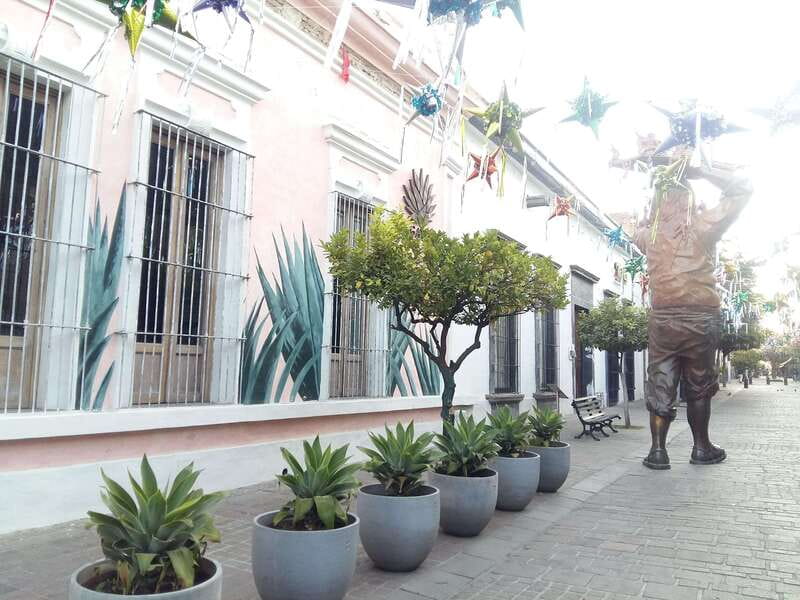
The visual side of the route should appeal to photographers. Papel picado, painted decoration, colorful signs, statues, and the giant town letters create plenty of picture opportunities. The town’s color is not treated as background alone. It is part of the local way of presenting festivals, public spaces, and Mexican identity.
For serious art lovers, this may be the best reason to book. One person who took the tour specifically valued being shown art-filled places that would have been difficult to find alone. That is a useful distinction: the tour’s advantage is not only explanation, but also direction.
Candy making and a taste of rompope
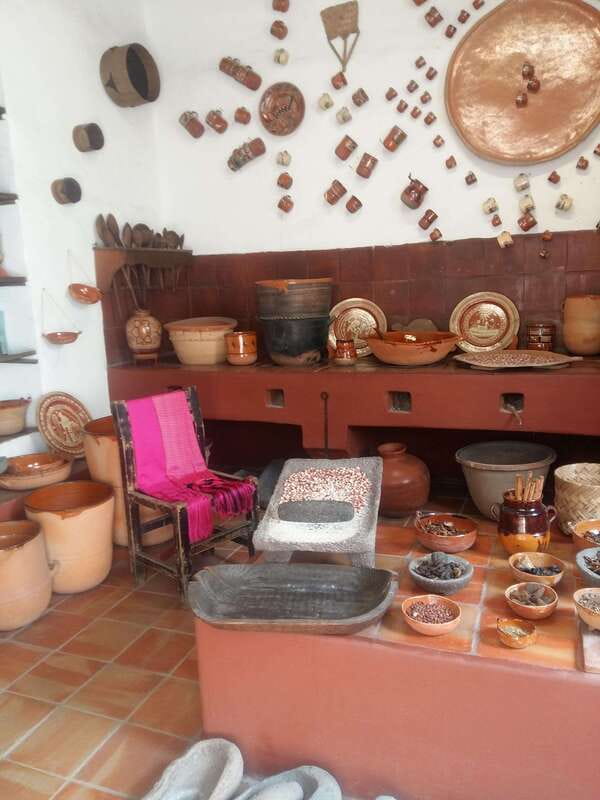
The candy factory visit gives the tour a welcome change of pace. You can see how some traditional candies and rompope are made, then enjoy a tasting.
Rompope is a sweet, traditional Mexican drink. The information provided does not specify the exact candy varieties or the ingredients used during the demonstration, so do not expect a full cooking class. Think of it as a short look at local food production with samples.
I like this stop because it connects culture to something you can taste. Food traditions often make a place easier to remember, and a tasting breaks up the architecture and shopping portions of the walk.
The stop may be especially useful if you are traveling with someone who is less interested in galleries or churches. It gives the experience a simple, hands-on element. At the same time, food-focused visitors should know that the tour includes a tasting, not a full meal.
The tour also mentions snacks and typical Jalisco food. You may receive suggestions about where to eat after the walk, but the $32 price should not be understood as including a complete lunch or dinner.
Mariachi, folkloric dance, and Jalisco traditions
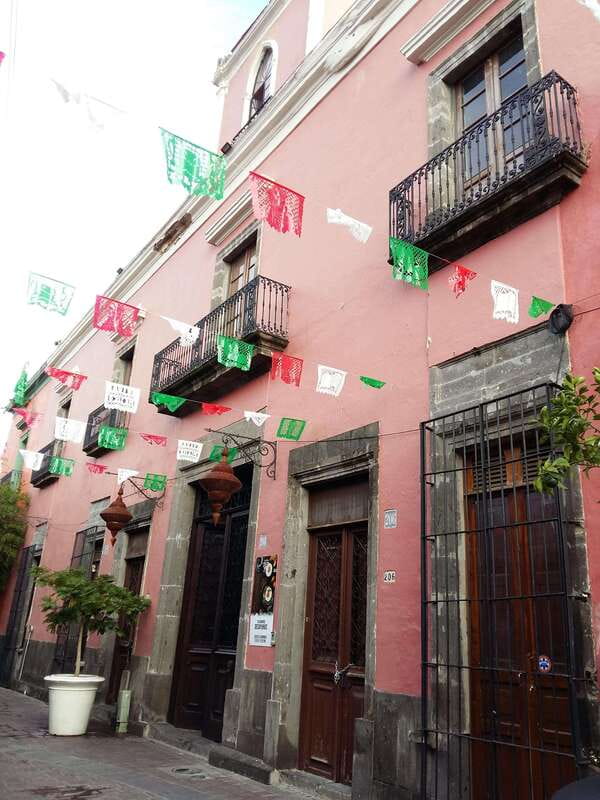
Music and dance are part of the tour’s picture of Tlaquepaque. You will learn where to enjoy mariachi and folkloric dancers, along with the role of papel picado and other decorations in public celebrations.
The wording suggests that the guide points out places and traditions rather than promising a scheduled live performance during the 90-minute walk. That distinction matters. If a mariachi set or dance show is the main reason you want to go, ask what will be taking place on your chosen date.
Even without a guaranteed performance, this information is useful. You will know where to return when you have more time, and you will have some context for what you are seeing. A music venue means more when you understand its place in Jalisco culture.
The guide can also help you make sense of the difference between a decorated tourist area and a town that uses music, food, and craft as part of its public identity. That cultural explanation is where the tour earns more than a self-guided stroll.
The independence connection and a world record
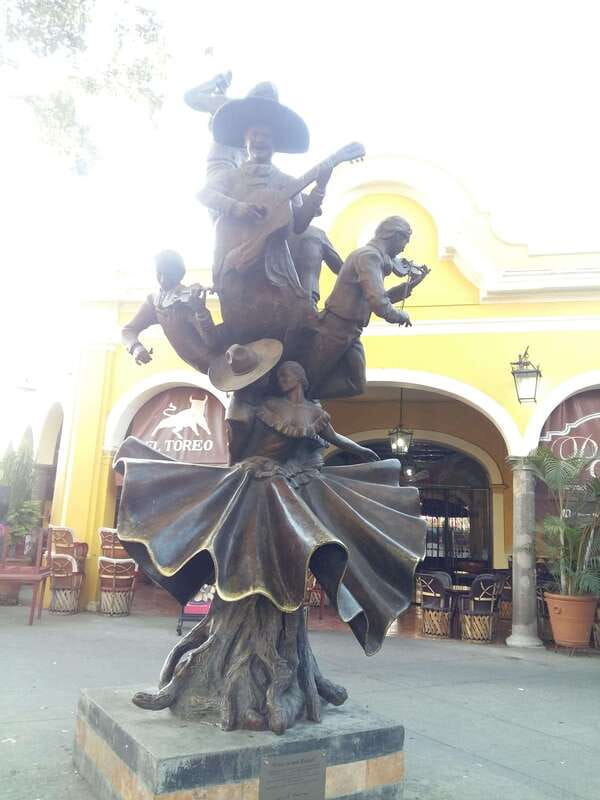
The route includes a location where a national hero of Mexico’s independence spent one night in Tlaquepaque. The information does not name the hero, so you will need to hear that detail from the guide during the visit.
This is exactly the sort of small historical fact that can give an old building more meaning. A house or inn might look attractive on its own, but knowing who stayed there and why connects the town to the wider story of Mexico.
The walk also points out a Guinness World Record in Tlaquepaque. The supplied details do not identify the record, so I would treat this as a surprise feature rather than booking the tour solely around it.
These two stops add variety. You get architecture, art, food, religion, and national history without the route becoming a formal museum lecture. The key benefit is the guide’s ability to connect ordinary-looking places with larger events.
Finishing on Tlaquepaque’s main walking street
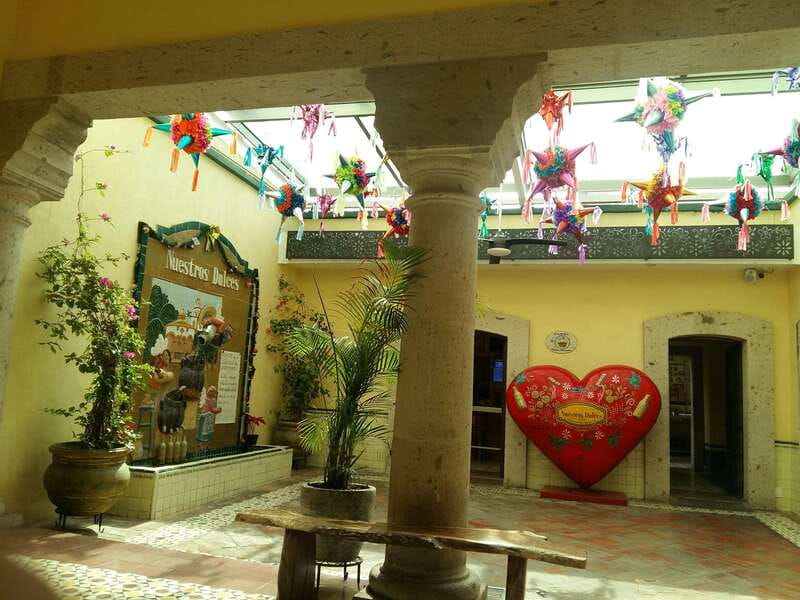
The tour ends on the main pedestrian street, where you can continue on your own among restaurants and art stores.
This is a smart finish because it leaves you in the part of town where you may want to spend extra time. You can use the guide’s suggestions to choose a place for Jalisco food, return to a gallery, shop for crafts, or simply take more photographs.
It also means the tour does not try to rush you through a meal. You receive orientation first, then make your own decision about food and shopping. I prefer that arrangement to a fixed restaurant stop when the activity is short.
Allow a little extra time after the official end. The tour itself is listed as 90 minutes, but the walking itinerary is also described as two hours. Since those durations do not match, confirm the departure length when you book and avoid scheduling a tight connection immediately afterward.
Price, pace, and who will enjoy it
At $32 per person, this is best viewed as a guided introduction rather than a full-day cultural program. The value comes from the combination of a live guide, historic interiors, church context, artisan areas, a candy and rompope tasting, and recommendations for the rest of your time in town.
I would recommend it most strongly for:
- First-time visitors who want orientation before exploring alone
- People who enjoy architecture, galleries, and handmade art
- Anyone curious about Mexican traditions beyond shopping
- Visitors who appreciate clear explanations in English or Spanish
- Families or mixed groups that need several kinds of stops, including food and photographs
It may be less suitable if you want a quiet, unstructured morning. The route is built around walking and group timing, and the short duration limits how long you can linger in each shop or interior.
You should also wear comfortable shoes because the experience is on foot. No transportation is listed, and the main activities involve sightseeing, walking, and visiting shops and cultural sites.
The language choice is helpful. The tour is available in English and Spanish, and Mayra has been praised for her clear English and friendly, calm manner. That can make a real difference when the subject involves local names, customs, and historical details.
Free cancellation is available up to 24 hours before the activity for a full refund, and you can reserve now and pay later. Those policies are useful if your schedule in Jalisco is still changing, but the main decision should remain the content: this is an introduction to Tlaquepaque through art, history, food, and local traditions.
Should you book Tlaquepaque Magic Town?
Book this tour if you want someone to point out the cultural details behind Tlaquepaque’s colorful streets. The strongest reasons are the historic house interiors, art and artisan focus, candy and rompope tasting, and Mayra’s reported ability to adjust the walk to your interests.
Skip it if you already know Tlaquepaque well or if you would rather spend the whole visit shopping independently. Also confirm the actual duration, since the activity is described as both 90 minutes and two hours.
For a first visit, I think the $32 fee is sensible. You get a focused introduction, then finish in the right place to choose your own restaurant, gallery, or souvenir. That balance makes the tour useful without taking over your day.
FAQ
Where does the Tlaquepaque tour meet?
The meeting point is beside the large colorful Tlaquepaque letters in Plazoleta Springfield. You will also see statues of Miguel Hidalgo and representations of people connected with Mexico’s independence.
How long does the tour last?
The activity is advertised as 90 minutes. The walking itinerary is also described as two hours, so confirm the exact timing when you reserve.
What languages are available?
The live tour guide is available in English and Spanish.
What is included in the candy factory stop?
You can see how some traditional candies and rompope are made and enjoy a tasting.
Does the tour include food?
It includes a tasting at the candy factory and information about snacks and typical Jalisco food. A full meal is not listed as included.
Can I cancel for a full refund?
Yes. You can cancel up to 24 hours in advance for a full refund. You can also reserve now and pay later.
Just added in the world
- Wilmington History and Architecture Tour★ 4.8 · 18 reviews
- New Orleans : Garden District Architecture Walking tour★ 4.8 · 5 reviews
- Washington DC: Dupont Circle & Embassy Row Architecture Tour★ 5.0 · 6 reviews
- Washington, DC: Georgetown Architecture Walking Tour★ 5.0 · 8 reviews
- Vicenza: Palladian Architecture Private Walking Tour★ 3.3 · 3 reviews
- Walk & Discover KL’s Architectural and Heritage Gems★ 5.0 · 7 reviews
- Private Colonial Williamsburg Architectural Tour★ 5.0 · 5 reviews
- Unveiling Brno: History, Culture & Architectural Delights★ 5.0 · 2 reviews
Architecture Tours, compared.
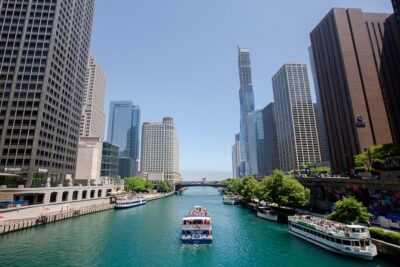
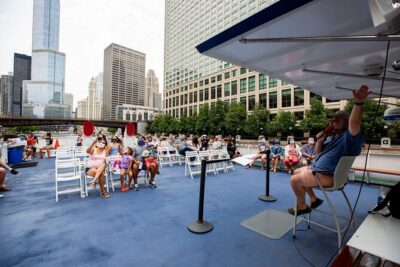

Chicago River: 1.5-Hour Guided Architecture Cruise
Read our review →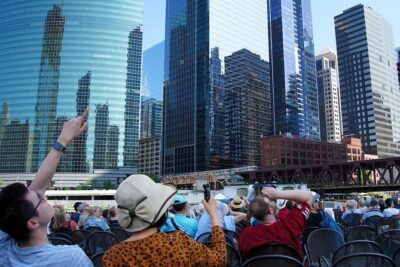
Chicago Architecture Center River Cruise aboard First Lady
Read our review →
Architecture River Cruise Skip-the-Ticket Line
Read our review →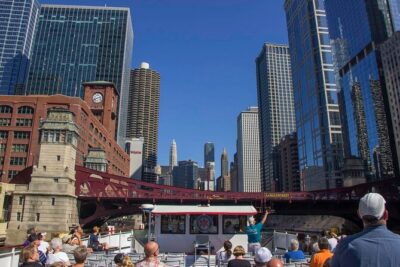
Chicago River 45-Minute Architecture Tour from Magnificent Mile
Read our review →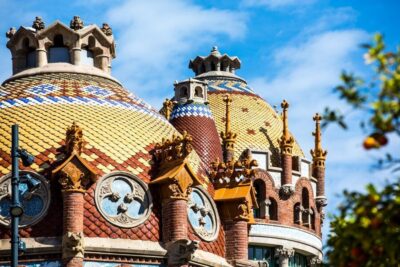
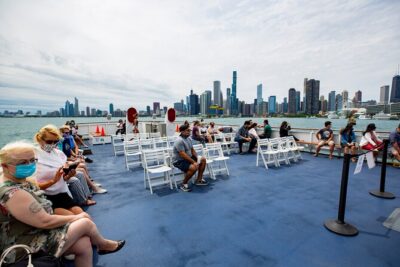
Browse the lists this tour appears in