REVIEW · ARCHITECTURE TOURS
Scandinavian Art, Architecture and Design Tour in Stockholm
Design tells Stockholm’s story. This three-hour walk links polished Östermalm streets, a grand food hall, royal theaters, city parks, and museum-lined waterfront views into one tidy introduction to Swedish style. I like the way the tour connects design with daily life, rather than treating furniture and buildings as isolated sights. I also like the small group size, capped at 10 people, which should leave room for questions and a more personal pace.
The main consideration is that this is an outdoor walking tour with travel time included in its roughly three-hour length. You will see several important places from the outside, but the tour does not promise admission to museums, theaters, or the Royal Swedish Opera. Good weather matters, and the route may feel brisk if you want long visits inside shops or at the food hall.
Key points to know before booking
- Östermalm sets the tone: Walk among Stockholm’s best-known design, upholstery, and antique businesses around Stureplan, Linnégatan, Nybrogatan, and Strandvägen.
- The group is limited to 10: That is a useful size for a walking tour built around stories, questions, and time in design shops.
- Östermalms Saluhall adds flavor: You pass through one of Stockholm’s finest food halls and see Swedish delicacies in a handsome 19th-century setting.
- The route covers more than furniture: The Royal Dramatic Theater, Kungsträdgården, the Royal Swedish Opera, and Skeppsholmen widen the focus to theater, parks, urban planning, and museums.
- The tour ends at the Nationalmuseum: You finish at Södra Blasieholmshamnen, with views and cultural connections that make it easy to continue sightseeing.
- Olesia has earned special praise: A private walk led by Olesia gave one participant engaging stories plus free time to browse design shops independently.
Why this Stockholm walk works as an introduction
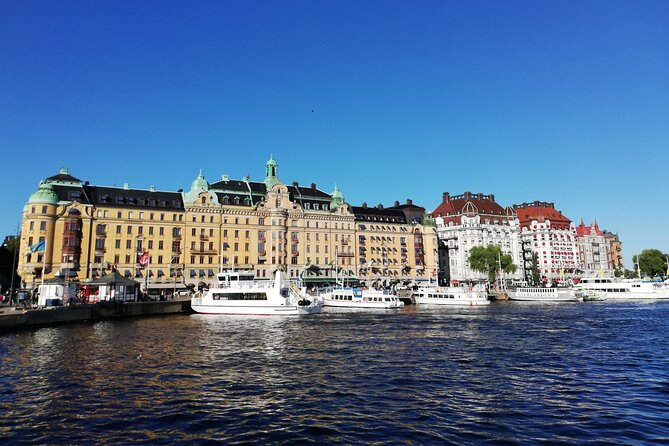
Stockholm can seem like several cities stitched together by bridges and water. This tour gives you a useful thread: Swedish design does not live only in showrooms. It appears in apartment interiors, public buildings, parks, theaters, food halls, and the way the city uses open space.
That broader approach is the best reason to book. You are not spending three hours looking only at chairs or lamps. You are learning how design fits into Stockholm’s older royal setting and modern city life.
The meeting point is Svampen at Stureplan in Östermalm. From there, the route heads through a district associated with upscale shops, historic addresses, and polished streets. It ends in front of the Nationalmuseum, so you finish near one of the city’s major art institutions rather than returning to your starting point.
I would treat this as a smart first-day activity. It helps you get your bearings, gives you a framework for later museum visits, and points out areas you may want to revisit on your own.
A few more architecture tours in the world worth a look
- Chicago Architecture River Cruise
★ 5.0 · 15,756 reviews - Chicago River 90-Minute Architecture Tour
★ 4.5 · 9,629 reviews - Chicago River: 1.5-Hour Guided Architecture Cruise
★ 4.8 · 8,046 reviews
Östermalm’s design streets, from Stureplan to Strandvägen
The first hour focuses on Östermalm, one of the most useful parts of the tour for anyone interested in Swedish interiors. The route includes Stureplan, Linnégatan, Nybrogatan, and Strandvägen, with attention to design shops, upholstery firms, antique houses, and famous Swedish names.
The value here is not simply window-shopping. You hear how businesses and designers fit into Stockholm’s cultural story, including the legacy behind recognizable names. If you like furniture, textiles, home accessories, or historic interiors, this opening section gives you plenty to notice.
The tour also includes access to design shops. That wording matters: you get a chance to browse rather than merely walk past closed doors or shop windows. One particularly useful feature is the balance between explanation and personal time. Olesia was praised for giving a participant room to look through furniture, home accessories, and textiles without hovering over every choice.
That makes the experience more flexible than a nonstop lecture. You can ask about an item, listen to the larger story, then take a few minutes to look at the merchandise yourself.
Still, manage your expectations. Access to design shops does not mean shopping is included, nor does the price cover purchases. These are working stores, not museum displays, so the experience will be best for you if you enjoy looking closely and learning how Swedish style appears in real commercial spaces.
The Östermalm section lasts about an hour, which gives it the largest share of the route. That seems sensible. Design is the central theme, and this is where you get the most direct contact with the shops and firms that shaped Stockholm’s reputation.
Östermalms Saluhall brings Swedish food into the picture
After the design streets, the route moves through Östermalms Saluhall. This 19th-century food hall is both a place to see Swedish delicacies and an architectural stop in its own right.
You spend about 30 minutes here. That is enough time to take in the market atmosphere and connect food with design, craft, and city life, but it is not a full meal stop. If you want to eat, shop, or examine every counter, you may need to return later on your own.
I like this change of subject. A design tour can become too focused on interiors and expensive objects. The market gives you a more ordinary and useful view of Swedish culture. Food halls show how a city presents local products, how people shop, and how architecture supports daily routines.
The food hall is also a good reminder that Swedish design is not only minimalist furniture in a bright showroom. It can include the way a public market is built, arranged, and used. You get a short cultural pause before the tour returns to major civic and performing arts sites.
The upholstery connection and Stockholm’s VIP addresses
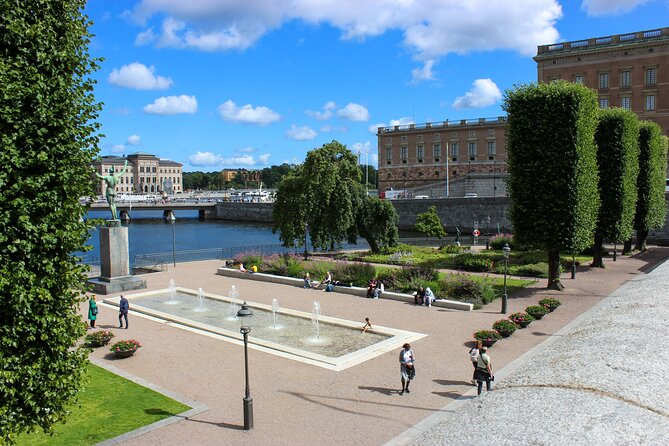
One part of the route focuses on the meeting point between Swedish design and the demands of Stockholm’s most exclusive residents. The subject is a famous Swedish upholstery household name, though the supplied tour details do not identify the company.
That omission means you should not book expecting a named showroom visit or a formal workshop. What you can expect is context about an upholstery business and the role of custom interiors in Stockholm’s high-end design world.
This section should appeal to you if textiles, restoration, and furniture making interest you more than broad architectural history. It also adds a practical layer to the tour. A sofa or chair may look simple, but upholstery connects materials, skilled labor, taste, and status.
Same city, a different building to stand in front of:
- Chicago Architecture Center River Cruise aboard First Lady
★ 5.0 · 5,536 reviews - Chicago: Architecture River Cruise Skip-the-Ticket Line
★ 4.8 · 4,325 reviews - Chicago River 45-Minute Architecture Tour from Magnificent Mile
★ 4.5 · 2,924 reviews - Barcelona: Sant Pau Recinte Modernista Entry Ticket
★ 4.6 · 2,567 reviews
The Royal Dramatic Theater and Sweden’s stage tradition
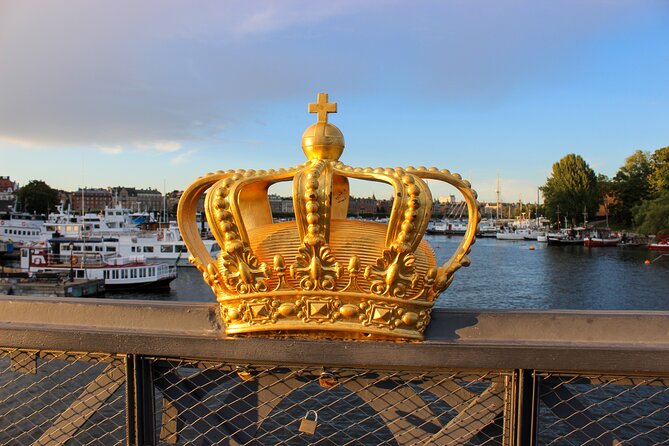
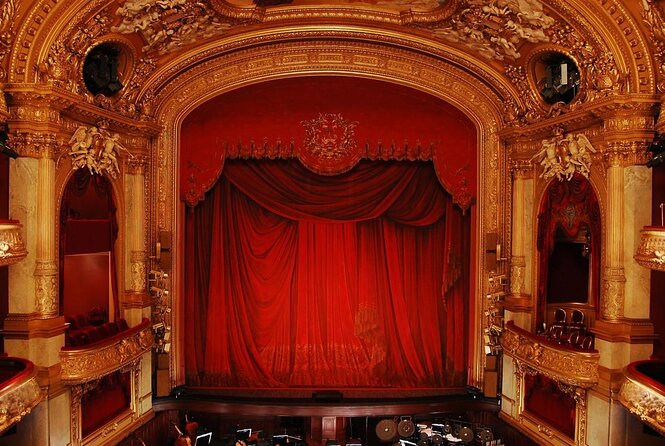
The Royal Dramatic Theater, or Kungliga Dramatiska Teatern, is a quick 15-minute stop. The building is associated with the Art Nouveau period, while the theater itself reaches back to the 18th century.
The short visit is mainly about the building and its cultural role. The theater has links to major Swedish performers, including Greta Garbo and Ingrid Bergman, who began their careers there. That connection gives the stop more weight than a quick photograph of an ornate facade.
You should not expect an extended theater tour or an interior performance experience. The admission listed for this stop is free, and the time allocation suggests an exterior-focused explanation. Even so, it is a worthwhile pause because it shifts the tour from private interiors to a public institution with national importance.
I also appreciate the way the theater fits the overall theme. Architecture is not just about materials and decoration. A building can shape a city’s artistic identity, and this theater gives you a clear example.
Kungsträdgården explains Stockholm’s green spaces
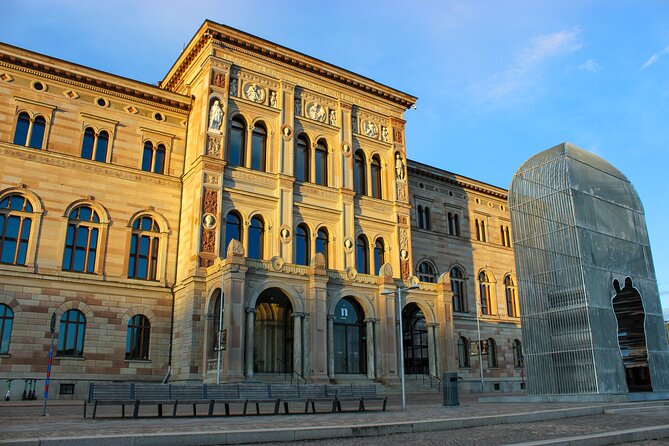
The route then reaches Kungsträdgården, or King’s Garden, for about 45 minutes. This is where the tour widens from individual buildings to the way Stockholm organizes public space.
You learn about the garden’s origins in the 15th century and the ways it has been changed over time. The discussion moves through Gothic, Baroque, and modern influences, while also considering why parks and green areas matter in a dense city center.
This is one of the strongest stops for understanding Stockholm as a whole. Instead of seeing parks as empty gaps between buildings, you start to read them as planned parts of urban life. The tour also covers the origin of Sweden’s famous Falu red paint, a small but distinctive detail that ties color to national identity and architecture.
The 45-minute timing gives this section room to breathe. You can look at the garden while hearing how its purpose and appearance shifted across different periods. Since the tour requires good weather, this stop also shows why conditions matter. A park discussion is far more pleasant in fair weather than under steady rain.
The Royal Swedish Opera and Stockholm’s Phantom
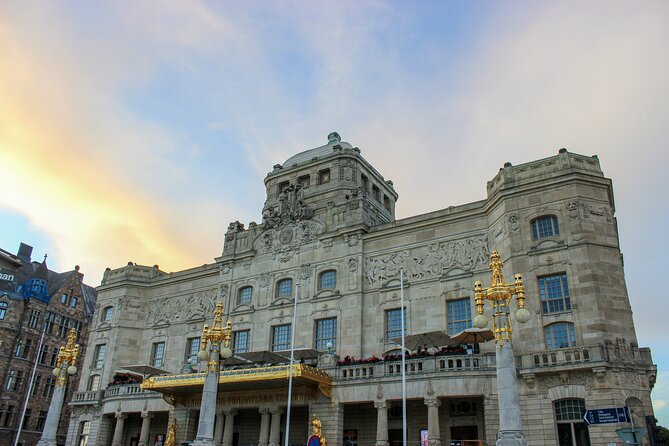
Another brief stop covers the Royal Swedish Opera, described as a late 19th-century masterpiece. The guide also shares the story of Stockholm’s own Phantom of the Opera.
The supplied details do not promise entry to the opera house, a performance, or a backstage visit. Think of it as a cultural and architectural explanation from outside. The stop is useful because it keeps the route moving through Stockholm’s performing arts district without turning the tour into a theater-only program.
If you enjoy stories about famous buildings and the people connected with them, this should add color to the walk. If your main goal is to enter grand interiors, you will need to arrange separate admissions and allow extra time beyond the three-hour tour.
Skeppsholmen and the finish at the Nationalmuseum
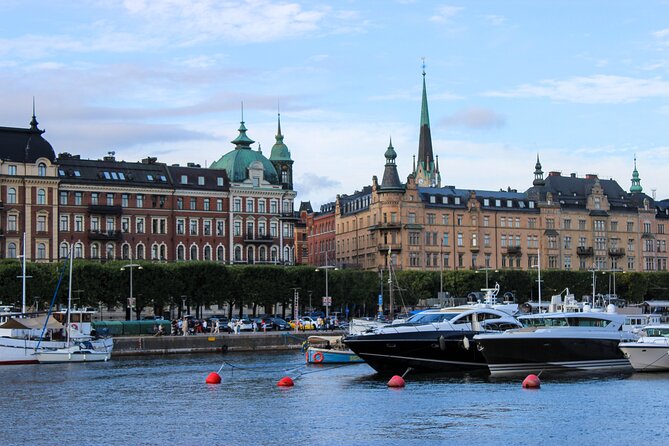
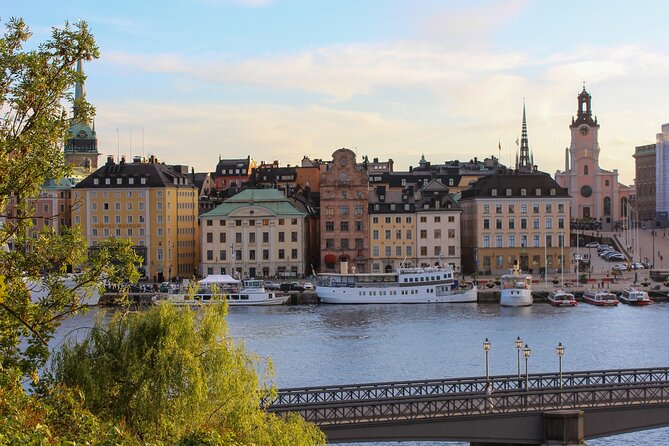
The final part takes you toward Skeppsholmen, one of the prettiest central islands in Stockholm. From here, you get views toward the Old Town and hear about art, culture, and architecture connected with the island and nearby museums.
The route brings in the Nationalmuseum, Moderna, and ArkDes. These names make the ending especially useful for planning the rest of your visit. You finish in front of the Nationalmuseum at Södra Blasieholmshamnen 2, rather than at the meeting point in Östermalm.
That ending has practical value. You can continue into the Nationalmuseum if you have a ticket or want to arrange a visit, or use the area as a base for more waterfront sightseeing. The tour itself does not include museum admission, so keep that distinction clear.
Skeppsholmen also gives the walk a scenic finish. Earlier stops focus on shops, facades, theaters, and a city garden. Here, the water and Old Town views help connect those pieces. Stockholm’s architecture makes more sense when you see how buildings, islands, bridges, and open spaces sit together.
What the three-hour timing means for you
The advertised duration is approximately three hours, and travel time is included. That means you should expect a steady walking experience with several short stops, not three hours at one museum or design showroom.
The route covers a fair amount of ground between Östermalm, central Stockholm, Kungsträdgården, and the Nationalmuseum. Wear comfortable shoes and allow a little extra time afterward if you have another fixed booking.
A maximum of 10 people is a real advantage here. Small groups make it easier to hear on city streets and easier to pause at a shop or ask about a building. The private booking described in the tour material shows how the experience can become even more personal when fewer people attend, though the standard listing only guarantees a group of no more than 10.
The tour is offered in English and comes with a mobile ticket. It is near public transportation, and service animals are allowed. Most people can participate, but the route is still a city walk, so consider your comfort with several hours on foot.
Is the $61.62 price good value?
At $61.62 per person, this is not the cheapest way to see Stockholm’s streets. You are paying for a guided interpretation of design, architecture, food culture, theater, and public space, not for a long list of admission tickets.
The value is strongest if you would otherwise wander through Östermalm without knowing which design names, businesses, and buildings matter. A good guide can turn an attractive street into a story about Swedish taste, craftsmanship, and social history.
The price also makes more sense for a first visit or a short stay. In three hours, you cover several districts and receive pointers for later visits. The included access to design shops adds something beyond a standard city walk, especially if furniture, upholstery, and textiles are central interests.
The value is weaker if you want extensive indoor access. Admission to the Nationalmuseum, Moderna, ArkDes, theaters, and the Royal Opera is not listed as included. You may also find the cost less appealing if you prefer to explore shops alone and do not need background about Swedish design.
Who should book this experience?
I would recommend it to you if you like architecture, interiors, antiques, textiles, public parks, and cultural history in equal measure. It suits a first-time visitor who wants a polished overview without spending the whole day in a museum.
It is also a good match for anyone beginning a Stockholm stay. The route introduces Östermalm, the central cultural district, and the waterfront near the Nationalmuseum. You can return to the food hall, design shops, or museums later with a better sense of purpose.
The tour may not suit you if your main goal is shopping time. The guide gives you room to browse, but the group must keep moving. It may also disappoint if you expect admission to every major building mentioned.
The experience is offered in English, and most people can participate. Since weather can cause a cancellation or a date change, check the forecast before you set aside the morning or afternoon. Free cancellation is available up to 24 hours before the start time, but poor weather decisions are handled by offering another date or a full refund.
Final verdict: a smart design-led city introduction
Book this tour if you want Stockholm explained through more than famous sights. The strongest parts are the Östermalm design streets, the chance to browse shops, the unusual mix of food hall and theater stops, and the final views around Skeppsholmen.
I would choose it early in a Stockholm visit, especially if you are curious about Swedish furniture, upholstery, architecture, and urban planning. At the end, you are left near the Nationalmuseum with several clear ideas for what to explore next.
Skip it if you need long indoor visits or a dedicated shopping trip. For everyone else, the small-group format and broad route offer a useful, personable way to see how Swedish design fits into the city around it.
FAQ
Where does the tour begin?
The tour begins at Svampen, Stureplan, in Östermalm, Stockholm.
Where does the tour end?
It ends in front of the Nationalmuseum at Södra Blasieholmshamnen 2, Stockholm.
How long does the tour last?
The tour lasts approximately three hours, including travel time between stops.
What language is the tour offered in?
The tour is offered in English.
How large is the group?
The tour has a maximum of 10 participants.
Are museum or theater admissions included?
The listed stops at the Royal Dramatic Theater and Kungsträdgården have no admission charge. The tour does not list admission to the Nationalmuseum, Moderna, ArkDes, the Royal Swedish Opera, or the Royal Dramatic Theater as included.
Is access to design shops included?
Yes. Access to design shops is included, giving you time to browse furniture, home accessories, and textiles during the Östermalm portion.
What happens if the weather is poor?
The experience requires good weather. If it is canceled because of poor weather, you will be offered another date or a full refund. You can also cancel up to 24 hours before the start time for a full refund.
Just added in the world
- Wilmington History and Architecture Tour★ 4.8 · 18 reviews
- New Orleans : Garden District Architecture Walking tour★ 4.8 · 5 reviews
- Washington DC: Dupont Circle & Embassy Row Architecture Tour★ 5.0 · 6 reviews
- Washington, DC: Georgetown Architecture Walking Tour★ 5.0 · 8 reviews
- Vicenza: Palladian Architecture Private Walking Tour★ 3.3 · 3 reviews
- Walk & Discover KL’s Architectural and Heritage Gems★ 5.0 · 7 reviews
- Private Colonial Williamsburg Architectural Tour★ 5.0 · 5 reviews
- Unveiling Brno: History, Culture & Architectural Delights★ 5.0 · 2 reviews
Architecture Tours, compared.

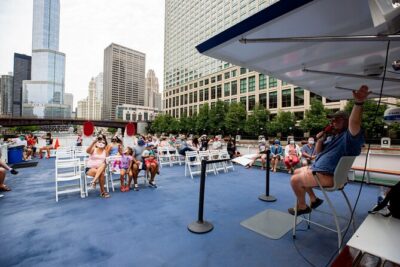

Chicago River: 1.5-Hour Guided Architecture Cruise
Read our review →
Chicago Architecture Center River Cruise aboard First Lady
Read our review →
Architecture River Cruise Skip-the-Ticket Line
Read our review →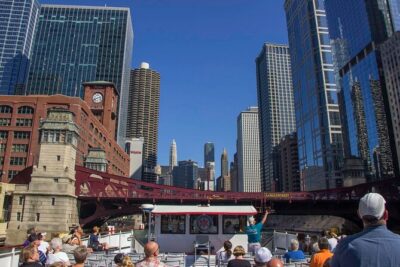
Chicago River 45-Minute Architecture Tour from Magnificent Mile
Read our review →