
REVIEW · ARCHITECTURE TOURS
Modernism to Traditions from UAE to OMAN with Fully Live Guided Tour- 11D / 10N
Two countries, one busy road trip.
This 11-day UAE and Oman journey moves from Dubai’s skyscrapers to Oman’s mountain roads, souks, wadis, forts, and desert camps. I like the mix of major sights and old traditions, especially the Dubai abra crossing, the Musandam dhow cruise, and the overnight stay among the Wahiba Sands dunes. I also like that the price includes hotels, most meals, airport transfers, guided touring, and transport between cities.
The main drawback is the pace. Days often run close to nine hours, and several include long road journeys followed by sightseeing. Border rules between the UAE and Oman also require care, so you need the right passport, visa, and UAE entry status before booking.
Key Points at a Glance
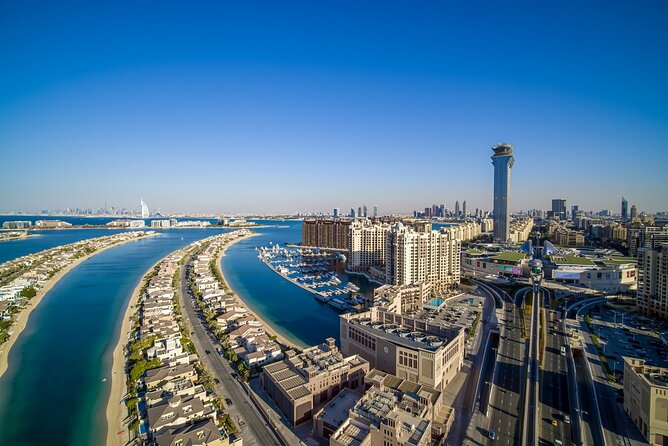
- Dubai contrasts old and new: See Burj Al Arab, Palm Jumeirah, Bastakyia, Dubai Creek, the Dubai Museum, and the Burj Khalifa area in one packed day.
- Oman adds the real sense of travel: Muscat, Wadi Shab, Sur, Wahiba Sands, Wadi Bani Khalid, Nizwa, and Jabreen Fort reveal a quieter side of the Arabian Peninsula.
- The Musandam dhow cruise is a highlight: Expect fjord-like mountain scenery, a boat lunch, swimming, snorkeling, and a chance of seeing dolphins.
- Meals are mostly built in: Breakfast is included daily, along with ten lunches and nine dinners, which keeps spending simpler.
- Border paperwork matters: Bring a passport valid for at least six months, check Oman entry rules, and confirm your UAE visa allows travel to Oman.
- This suits active sightseers: You will see a great deal, but you should be comfortable with long drives, early starts, heat, and walking.
Why This UAE and Oman Route Works
At $1,828 per person, this is not a simple hotel-and-transfer package. It combines two countries, airport transfers, accommodation, a full-time guide, meals, city tours, desert activities, a boat trip, and several major admission-based visits.
That makes the price reasonable for someone who wants a planned trip without arranging every road transfer and hotel independently. The value is strongest if you expect to take most of the included meals and join every major activity. If you prefer free afternoons, slow breakfasts, or choosing your own restaurants, the fixed schedule may feel restrictive.
The group is capped at 25 people. That is large enough to make the tour affordable but still manageable for a guide. The experience is offered in English, French, and Italian, so check your language choice at booking.
The route also gives you useful contrast. Dubai is polished, tall, and modern. Abu Dhabi adds grand mosques, museums, and royal architecture. Al Ain and Sharjah provide older customs and local food traditions. Oman then shifts the mood to mountain roads, fishing towns, old forts, desert camps, and village life.
A few more architecture tours in the world worth a look
- Chicago River: 1.5-Hour Guided Architecture Cruise
★ 4.8 · 8,046 reviews - Charleston: History and Architecture Guided Walking Tour
★ 4.8 · 349 reviews - Vienna: Spanish Riding School Guided Architectural Tour
★ 4.8 · 333 reviews
Dubai: Skyscrapers, Creek Boats, and a Desert Camp
Your first day is mainly arrival day. A representative meets you at Dubai airport and takes you by air-conditioned vehicle to the hotel. Dinner is on your own, which gives you a little freedom after the flight.
The second day covers Dubai from several angles. You begin with the city’s famous modern face, including Atlantis on the Palm, a photo stop near Burj Al Arab, and the Jumeirah area. The Grand Mosque of Jumeirah is another photo stop, built in a style linked to medieval Fatimid architecture.
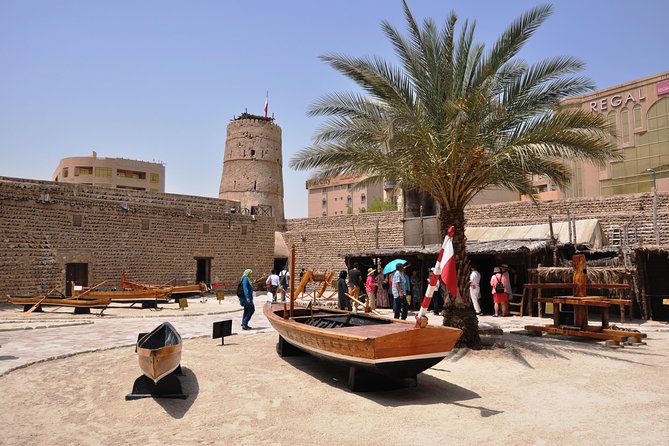
The more rewarding part comes at Bastakyia, Dubai’s old town district. You visit the Dubai Museum inside Al Fahidi Fort, then cross Dubai Creek by abra, the small local water taxi. I like this section because it gives the city some texture beyond malls and towers. The creek was central to Dubai’s early trade and fishing life, and the short boat ride offers a simple view of the city’s older side.
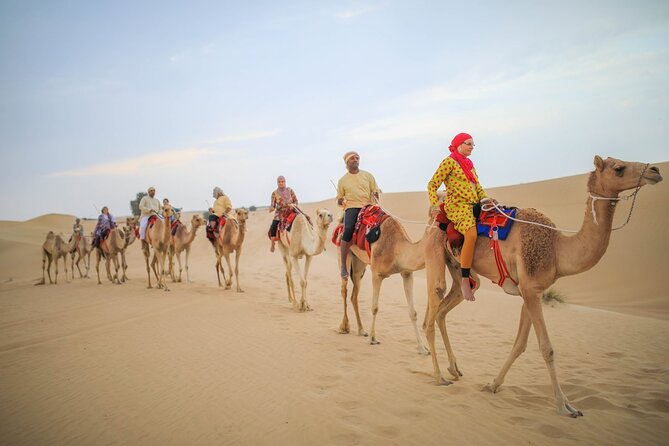
The afternoon changes the pace completely. A 4WD desert safari takes you over golden dunes, with steep climbs and drops that create the familiar dune-bashing thrill. At the camp, you watch the sunset, eat a barbecue dinner, and see belly dancing with music.
This is a fun, highly organized evening rather than a quiet desert stay. You should expect a popular camp setting and a full program of entertainment. Still, it gives you two very different Dubai experiences in one day: the old creek quarter and a staged but enjoyable Arabian night.
Abu Dhabi: Grand Mosque, Heritage Village, and Louvre Abu Dhabi
The Abu Dhabi day is another long one, but it covers important sights. Yas Island comes first, with the Formula 1 circuit and Ferrari World’s large red sign. The stop is mainly an introduction and photo opportunity, not a full theme park visit.
The Sheikh Zayed Grand Mosque is the major highlight. It can hold more than 30,000 worshippers and is one of the UAE’s most impressive buildings. Allow extra attention to clothing requirements and visit rules, since this is an active place of worship rather than only a sightseeing stop.
After lunch, the route takes you to Heritage Village, where displays explain daily life before oil transformed the region. You then pass along the Corniche, continue to the breakwater for skyline views, and visit Qasr Al Hosn, described as the palace of traditions.
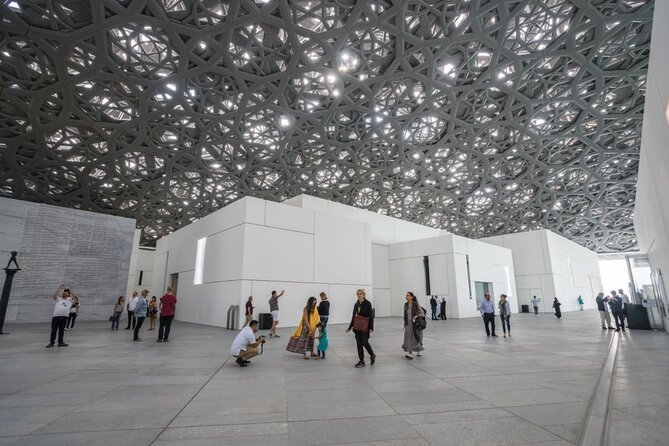
The afternoon brings a modern cultural note at Louvre Abu Dhabi. The museum adds art and civilization to a day otherwise focused on national identity and architecture. I like that balance. You are not simply driven from one grand building to another. The program links Abu Dhabi’s present-day cultural ambitions with its older political and social story.
The tradeoff is limited time. A grand mosque, heritage displays, a fort, a waterfront drive, and a major museum can make each stop feel brief. If Louvre Abu Dhabi is a top priority, check how much time is allotted there before you go.
Al Ain and Sharjah: Old Customs and Everyday Traditions
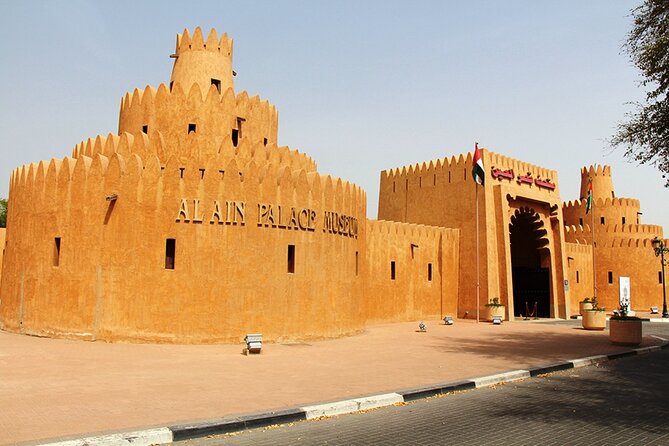
Al Ain feels different from the coastal cities. It is an inland oasis near the Hajar Mountains and has served as a caravan stop for thousands of years. The day begins with a photo stop at Jebel Hafeet, followed by lunch and a visit to the camel market.
The camel market is one of the more distinctive stops on the route because it connects modern UAE life with older trade and pastoral customs. You also visit Jahili Fort, Al Ain Palace, and Qasr Al Muwaiji. These places help explain the ruling family’s connection to Al Ain and the wider development of the region.
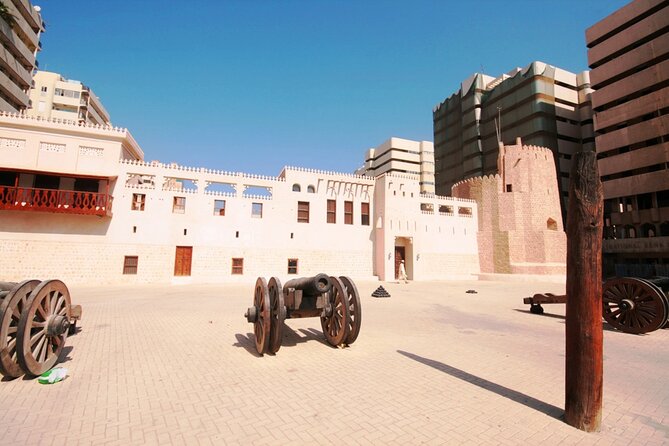
The next morning starts at Hilli Gardens, known for archaeological remains dating to the third millennium BC. Then you continue toward Sharjah, the UAE’s cultural center. The Sharjah Heritage Museum covers fishing, pearling, early education, currency, postal services, jewelry, clothing, herbal medicine, music, and folklore.
Souk Al Arsa adds a more hands-on feel. You may see Omani halwa being prepared, then stop at the Blue Souk, known for carpets, jewelry, and handicrafts. Lunch is a local mandi meal, made with meat or fish and fragrant spices.
This is one of the better days for understanding how people lived before oil wealth and rapid construction changed the Emirates. It is also a very full day. After Sharjah, you return toward Dubai for time at Dubai Mall and the Burj Khalifa area. A Burj Khalifa climb is optional and must be booked in advance.
You need to decide how much shopping you really want. Dubai Mall is enormous, with more than 1,200 stores, an aquarium, an ice rink, a gold souk, and major department stores. It is an easy place to spend hours, but after a full cultural day, you may prefer the tower view or a quiet hotel dinner.
Same city, a different building to stand in front of:
- Chicago Architecture River Cruise
★ 5.0 · 15,756 reviews - Chicago River 90-Minute Architecture Tour
★ 4.5 · 9,629 reviews - Chicago Architecture Center River Cruise aboard First Lady
★ 5.0 · 5,536 reviews - Chicago: Architecture River Cruise Skip-the-Ticket Line
★ 4.8 · 4,325 reviews
Musandam: A Full Day on the Water
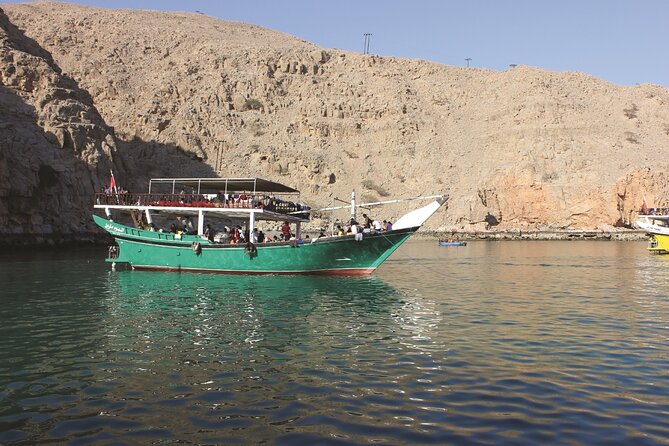
The Musandam excursion is one of the tour’s strongest nature-based days. The peninsula is part of Oman, although it is separated from most of Oman by UAE territory. Its Hajar Mountains rise sharply from the Gulf of Oman, forming bays and fjord-like inlets.
A traditional dhow carries you through the coastal inlets. The boat has cushions, carpets, and comfortable seating. Lunch is served onboard, and the day includes opportunities for swimming, snorkeling, and relaxing on the water. Marine life may include fish, coral, turtles, and other sea creatures, and dolphins are sometimes seen.
This is a welcome change after several city tours and long drives. Bring your passport because a police check is part of the border process. You should also be prepared for sun, water, and a long day before returning to Dubai.
Entry rules are not a minor detail. Your passport must be valid for at least six months, and your Emirates ID must be valid for at least three months. Certain UAE residents can enter Oman without a visa, while others must pay AED 50. The AED 31 exit fee applies to all travelers. Single-entry UAE visa holders cannot make this trip, while multiple-entry holders can. Some low-skilled professions may also face border restrictions.
Confirm your situation before paying for the tour. A border problem can affect the entire schedule.
Crossing to Muscat Through Hatta and Sohar
The route to Muscat begins by bus via Hatta. Hatta sits about 115 kilometers east of Dubai and is known for mountain scenery, an old village, military towers, and the Hatta Rock Pools. The drive then continues into Oman, with lunch in Sohar.
Sohar is Oman’s third-largest city. The stop includes an orientation, a mosque visit, and an Omani halwa factory, where you learn how this distinctive sweet is made. You then pass Barka and Seeb before reaching Muscat late in the day.
This is primarily a transfer day with sightseeing built into it. You should not expect a leisurely Hatta visit or a long stop in Sohar. The benefit is that the route breaks up the drive and lets you see more of northern Oman than a direct transfer would.
Muscat: Mosques, Museums, Forts, and Muttrah Souk
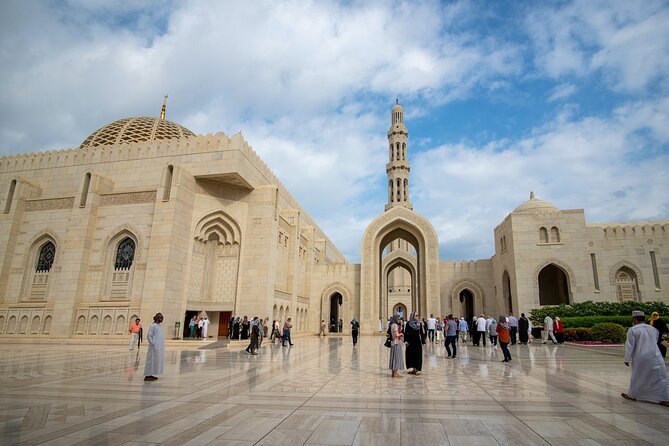
Muscat receives a full touring day. A briefing at 9:30 in the morning introduces the guide and group before the sightseeing begins.
The Sultan Qaboos Grand Mosque is first. It is a major modern religious building that combines contemporary design with Omani Islamic traditions. The Royal Opera House follows, adding another example of the country’s modern cultural identity.
After a lunch of local fish, you visit Old Muscat. The area is surrounded by steep mountains and guarded by the old Jalali and Mirani forts. Al Alam Palace, the Sultan’s residence, provides another important exterior view.
Bait Al Zubair Museum is particularly useful for context. Its exhibits include Omani weapons, jewelry, clothing, household items, and recreated urban and rural settings. This is the sort of stop that helps you understand the objects and customs you see later in the souks and villages.
The day ends at Muttrah, Muscat’s main port and commercial center. Its souk has winding alleys with textiles, jewelry, frankincense perfume, antiques, and souvenirs. Dinner is at a traditional Omani restaurant, giving you a chance to try local food in a more relaxed setting.
Wadi Shab, Sur, and a Night in Wahiba Sands
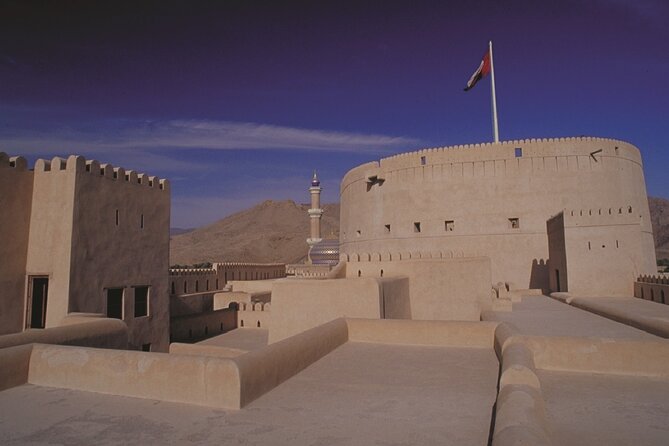
The coastal road from Muscat to Sur is one of the most scenic parts of the tour. You stop at the Bimmah Sinkhole, a collapsed section of rock filled with seawater, then continue toward Fins and Wadi Shab.
At Wadi Shab, you can walk a little and admire the natural setting. The supplied details do not promise a full hike or swimming visit, so do not book this expecting a long trek into the wadi. The day includes lunch before continuing to Sur.
Sur is a seafaring town known for traditional dhow building. After a short tour, the route follows cliffs and fishing villages toward Wahiba Sands. At the desert edge, you switch to 4WD vehicles for the journey across the dunes.
The dune drive is exciting, but the overnight camp is the real reason to welcome this long day. Dinner takes place in the desert, surrounded by the shifting shapes of the sands. You may also learn about the Bedouin communities that have lived in this region for thousands of years.
This is not a soft, slow resort experience. Road time is long, the dune ride can be rough, and the heat may be tiring. One practical warning is especially important: the Wadi Shab portion requires stamina. If walking on uneven ground is difficult for you, ask the operator how much walking is planned.
Wadi Bani Khalid and Nizwa’s Fortified Past
After breakfast, you leave the desert by 4WD and continue to Wadi Bani Khalid. The valley is surrounded by rugged mountains and offers a chance to walk and take photographs. It is another active stop, so comfortable shoes matter.
After lunch, you drive to Nizwa, the old capital of Oman. The city is known for its fort, traditional souk, silver jewelry, and Friday cattle auction. The auction is not an everyday event, so do not assume it will be operating on your visit day.
Nizwa gives the trip a strong historical center without needing a long lecture. Walk through the souk, inspect the silver work, and notice how different the town feels from Dubai’s malls. The hotel stay here also breaks up the return to Muscat.
The final day continues through Birkat Al Mawz at the foot of Jebel Akhdar, then to Jabreen Fort. The seventeenth-century castle is known for carved doors, painted ceilings, and detailed plasterwork. You also pass Bahla, with an exterior view of its fort, and stop near Al Hamra to see the falaj irrigation system.
The return to Muscat ends at the airport. This means your departure flight should be scheduled for the evening, with enough time for the road transfer and airport procedures.
Hotels, Meals, Transport, and Pace
The package includes hotel accommodation, ten breakfasts, ten lunches, and nine dinners. That is useful in areas where you may not want to search for restaurants after a full day on the road. Personal costs such as minibar charges, telephone use, tips, and unlisted visits remain yours.
Air-conditioned vehicles handle the transfers, while 4WD vehicles are used for the desert sections. The Musandam dhow cruise and the Wahiba camp add variety, but you should expect much of the trip to take place on the road.
The full-time guide assistance is a major advantage for a two-country route. Border crossings, changing vehicles, meal stops, and city touring are easier with one organized program. The downside is that you give up some independence and may have limited time at individual sights.
The cancellation terms are fairly strict near departure. A full refund requires cancellation at least six full days before the start. A partial refund is possible two to six days before, while cancellations within two days are not refunded. Weather or minimum group issues may lead to a different date or a full refund.
Should You Book This UAE and Oman Tour?
Book it if you want to see a great deal in a short period and prefer one organized payment for hotels, meals, transport, guides, and major activities. It is especially suited to first-time visitors who want Dubai’s headline sights but also want Oman’s forts, mountains, wadis, souks, and desert.
Think twice if you need slow mornings, long museum visits, or free time in each city. The strongest praise for this style of trip comes from its organization, wide range of sights, good hotels, and the sheer amount covered. The clearest warning is the pace, plus the stamina needed at Wadi Shab and other outdoor stops.
If the border documents are in order and you enjoy full days, this is a strong value for a two-country Arabian Peninsula trip. If you want a relaxed holiday, choose fewer destinations and arrange a slower Oman itinerary.
FAQ
How long does the tour last?
The tour lasts approximately 11 days and includes 10 nights.
Where does the tour begin?
The tour begins in Dubai, United Arab Emirates, with an airport arrival transfer to the hotel.
Where does the tour end?
The tour ends with an evening transfer to Muscat Airport for the departure flight.
What languages are available?
Guided tours are available in English, French, and Italian.
How large can the group be?
The group can include a maximum of 25 travelers.
Are airport transfers included?
Yes. Arrival and departure airport transfers are included.
Are meals included?
Yes. The package includes breakfast on all ten mornings, ten lunches, and nine dinners, according to the planned schedule.
Is the Burj Khalifa visit included?
A climb to the Burj Khalifa is optional and must be booked in advance. The Dubai Mall and Burj Khalifa area are included in the route.
What documents are needed for the Musandam and Oman portions?
You must carry a passport valid for at least six months. Your Emirates ID must be valid for at least three months. Oman visa and UAE entry rules depend on your status and nationality.
Can single-entry UAE visa holders join the Oman portion?
No. Single-entry UAE visa holders are not permitted to travel to Oman. Multiple-entry UAE visa holders are allowed, subject to the other stated border requirements.
Just added in the world
- Wilmington History and Architecture Tour★ 4.8 · 18 reviews
- Washington DC: Dupont Circle & Embassy Row Architecture Tour★ 5.0 · 6 reviews
- Washington, DC: Georgetown Architecture Walking Tour★ 5.0 · 8 reviews
- New Orleans : Garden District Architecture Walking tour★ 4.8 · 5 reviews
- Vicenza: Palladian Architecture Private Walking Tour★ 3.3 · 3 reviews
- Walk & Discover KL’s Architectural and Heritage Gems★ 5.0 · 7 reviews
- Private Colonial Williamsburg Architectural Tour★ 5.0 · 5 reviews
- Unveiling Brno: History, Culture & Architectural Delights★ 5.0 · 2 reviews
Architecture Tours, compared.
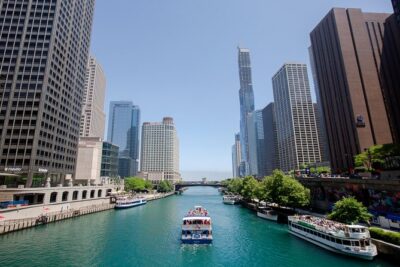


Chicago River: 1.5-Hour Guided Architecture Cruise
Read our review →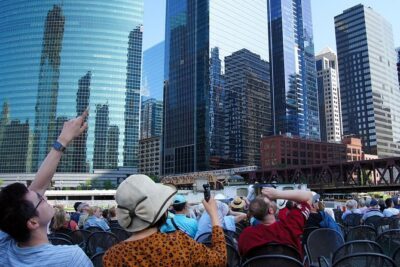
Chicago Architecture Center River Cruise aboard First Lady
Read our review →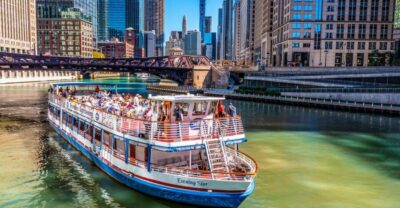
Architecture River Cruise Skip-the-Ticket Line
Read our review →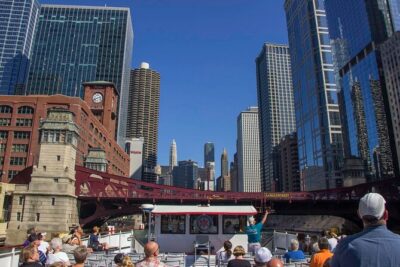
Chicago River 45-Minute Architecture Tour from Magnificent Mile
Read our review →
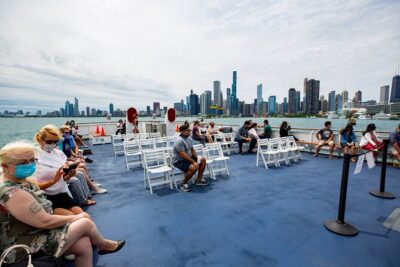
Browse the lists this tour appears in