REVIEW · ARCHITECTURE TOURS
Lisbon Contemporary Architecture
Modern Lisbon has a bold side. This four-hour private tour links the city’s most striking new buildings, from the Tagus-facing Champalimaud Foundation to the futuristic MAAT and Parque das Nações. I like the private format, which lets your guide adjust the route to your interests, and I like the included cable-car ride for a useful overhead view of Lisbon’s modern district. The main drawback is price: at $181.39 per person, it is a serious spend, and MAAT admission is not included.
The tour is offered in English and begins and ends in Lisbon. Guide Nelson Leona has been praised for his polite, personable manner, fluent English, and ability to explain both the city and Portugal. You should also know that the advertised schedule gives about an hour to MAAT and about an hour to Parque das Nações, leaving limited time for long museum visits.
Key points to know before booking
- Champalimaud Foundation faces the Tagus, with architecture by Charles Correa that treats the building almost like a piece of sculpture.
- Belém Cultural Center adds a useful contrast, pairing modern design with Lisbon’s older monuments nearby.
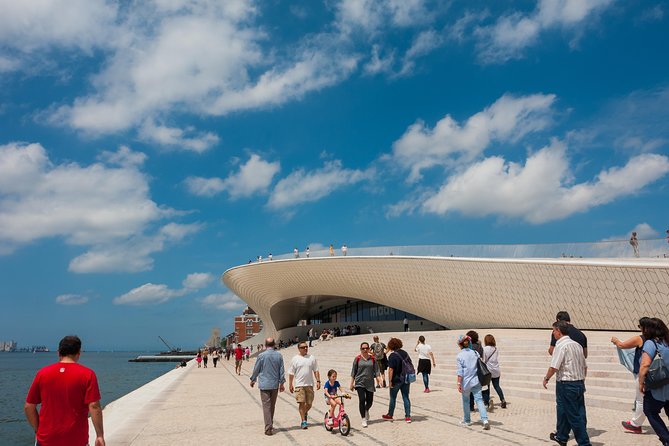
- MAAT combines art, architecture, and technology, with a walkable roof covered in 15,000 glazed tiles.
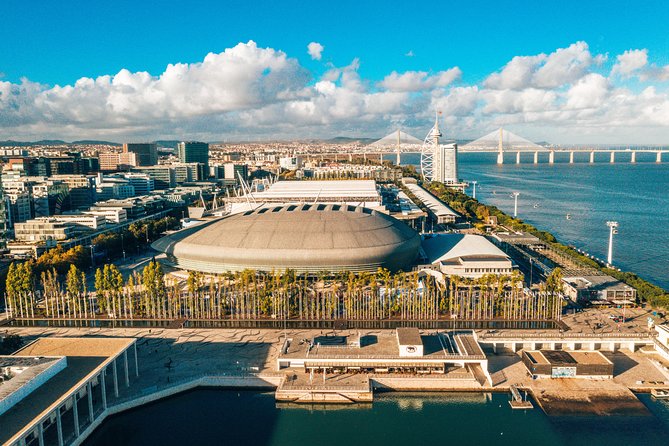
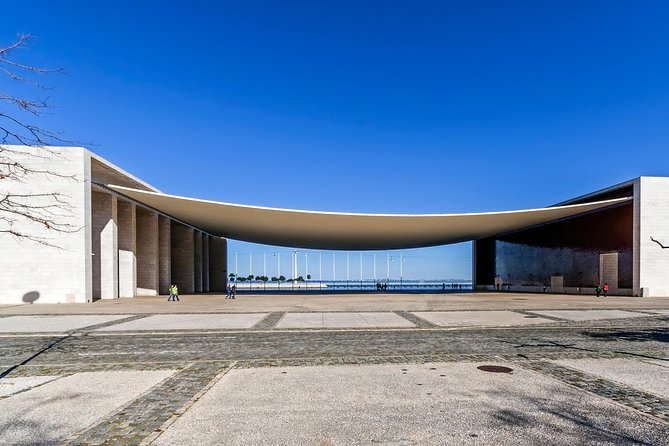
- Parque das Nações was planned as a new city district, filled with modern landmarks such as Oriente Station and the Portuguese Pavilion.
- The round-trip cable car is included, giving you a bird’s-eye view of the district.
- This is a private English-language tour, with only your group participating and group discounts available.
Why Lisbon’s modern buildings deserve a tour
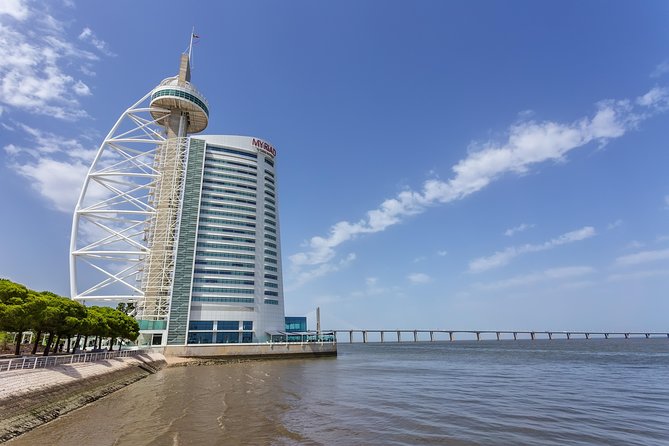
Lisbon is often sold through its tiled churches, steep lanes, and grand waterfront monuments. Those places matter, but the city’s contemporary architecture tells another story. Along the Tagus, you can see Portugal presenting itself as a modern European capital, using museums, research centers, transport hubs, and public spaces to reshape the waterfront.
This tour is useful because the buildings are spread across two main areas: Belém and Parque das Nações. Seeing them independently is possible, but the connections between them are easier to understand with a guide. You are not simply checking off attractive façades. You are looking at how architecture responds to science, culture, industry, transport, and the river.
The four-hour length is a good fit if you want a focused introduction rather than a full architectural study. You get a broad sweep of Lisbon’s recent design, although you should not expect long interior visits at every stop. The schedule works best for someone who prefers seeing several important sites and hearing the story behind them.
A few more architecture tours in the world worth a look
- Chicago Architecture River Cruise
★ 5.0 · 15,756 reviews - Chicago River 90-Minute Architecture Tour
★ 4.5 · 9,629 reviews - Chicago River: 1.5-Hour Guided Architecture Cruise
★ 4.8 · 8,046 reviews
Champalimaud Foundation: sculpture beside the river
The tour begins with one of Lisbon’s most unusual modern buildings, the Champalimaud Foundation. It faces the Tagus near Belém, in an area already marked by major national symbols such as the Tower of Belém and the old docks.
That setting gives the building extra force. The Tower of Belém recalls Portugal’s seafaring past, while the Champalimaud Foundation points toward biomedical research and scientific discovery. You get a clear visual conversation between the country’s maritime memory and its modern work in medicine.
Architect Charles Correa designed the building with an ambitious idea: architecture should approach sculpture, sculpture should approach beauty, and beauty should support therapy. That may sound lofty, but the waterfront setting helps make the concept understandable. Curved forms, open views, and the relationship between the structure and the river give the center a calm, carefully shaped presence.
The building is also a working research center, known as the Center of Research into the Unknown. That matters because you are looking at more than a photogenic object. The design was created to honor serious biomedical work taking place inside.
I would pay close attention here to the way the building meets the ground and frames the Tagus. This is one of the stops where a guide adds real value. Without context, you might simply see a striking waterfront complex. With an explanation of Correa’s intentions and the foundation’s purpose, the architecture becomes easier to read.
The available information does not specify an interior visit or a separate admission ticket for the foundation. Treat this stop primarily as an architectural viewing point unless your guide confirms otherwise.
Belém Cultural Center and the old city nearby
The Belém Cultural Center, usually known by its Portuguese initials, CCB, is another major work in the area. Designed by Manuel Salgado and Vittorio Gregotti, it was built on a site surrounded by some of Lisbon’s most familiar historic buildings.
Its appeal comes partly from contrast. The center does not try to copy the old city. Instead, its modern forms sit near older monuments and create a quiet visual argument between past and present. You can think of it as a large piece of contemporary civic architecture placed within a district loaded with national memory.
This is a useful stop for anyone who wants to understand Lisbon beyond postcard views. The CCB shows how a city can add modern cultural space without pretending its earlier architecture never existed. The setting also helps you compare different ideas about public buildings. The Tower of Belém carries symbolic weight through its defensive and maritime form. The CCB serves culture through scale, geometry, and open public space.
Do not expect this stop to function like a standard museum visit. The tour description presents it as an architectural sight rather than a scheduled interior admission. The value is in seeing the building in context and learning how it fits into Belém’s changing waterfront.
MAAT: where art, architecture, and technology meet
MAAT is likely to be the visual centerpiece of the Belém portion. Its full name, the Museum of Art, Architecture and Technology, explains its program. The museum brings those three subjects together in a space intended for debate, discovery, critical thinking, and international exchange.
The building was designed by Amanda Levete Architects. Its low, arching form follows the curve of the Tagus and acts as an extension of the riverside promenade. That connection is important. MAAT is not designed as a sealed box that turns its back on the water. Its shape invites you to think about movement, walking, and the riverfront.
The exterior is covered with 15,000 glazed tiles. As light changes, the surface can take on different effects, making the building a strong subject for photographs. The roof is designed for visitors to walk over, giving you another way to experience the structure. You see the museum from the riverfront, from above, and from the surrounding promenade rather than from one fixed viewpoint.
MAAT also connects with Central Tejo Power Station, one of Portugal’s most important examples of industrial architecture from the first half of the twentieth century. That pairing gives the museum more substance. You get contemporary design beside an earlier industrial building, with art, technology, and the history of power production brought into the same cultural setting.
The planned stop lasts about an hour. That is enough time for an architectural look and perhaps a short museum visit, but it is not enough for a careful examination of every exhibition. Admission is not included, so you should budget for an additional ticket if you want to go inside. The tour price covers the guide service, not every attraction along the route.
I like this arrangement for a first visit because you can decide how much attention to give the interiors. If your priority is architecture, the exterior and roof may be enough. If you are keen on exhibitions, one hour may feel tight, and you may want to return independently.
Same city, a different building to stand in front of:
- Chicago Architecture Center River Cruise aboard First Lady
★ 5.0 · 5,536 reviews - Chicago: Architecture River Cruise Skip-the-Ticket Line
★ 4.8 · 4,325 reviews - Chicago River 45-Minute Architecture Tour from Magnificent Mile
★ 4.5 · 2,924 reviews - Barcelona: Sant Pau Recinte Modernista Entry Ticket
★ 4.6 · 2,567 reviews
Parque das Nações: Lisbon builds a new district
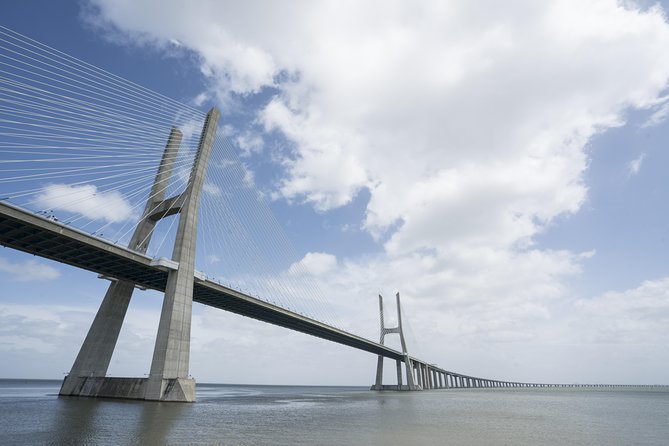
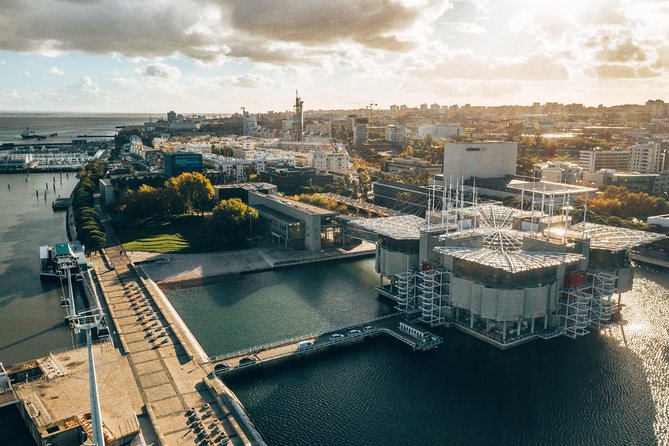
The second major area is Parque das Nações, created as an opportunity to build a new part of the city. Instead of adding one isolated landmark, planners developed a district where architecture could take many forms.
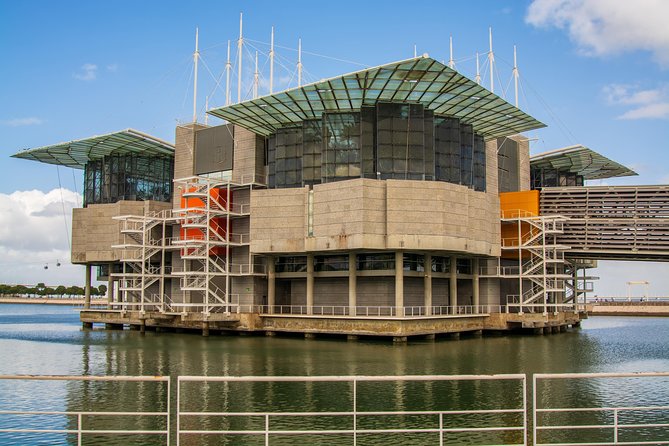
The area includes the Portuguese Pavilion, Atlantic Pavilion, Knowledge Pavilion, Vasco da Gama Tower, and Oriente Station. Each building has a different role and visual language. Together, they show how a former waterfront zone can be reshaped around culture, events, science, transport, and public access.
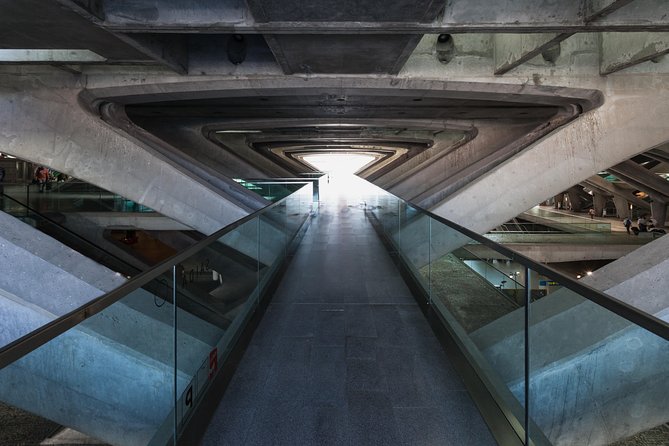
Oriente Station is especially important as a piece of civic design. It links movement and architecture, making a transport building part of the city’s visual identity. The pavilions add cultural and educational uses, while the tower provides a strong vertical marker beside the river.
The district is worth seeing as a group rather than as a single monument. The point is the variety. You can compare the way an event venue handles scale with the way a transport station handles crowds, or how a science-oriented building communicates its purpose through form.
The tour gives about an hour here, followed by a round-trip ride on the Parque das Nações cable car. The cable car is included, which improves the value of this portion. From above, you can understand the arrangement of the district much faster than you can from street level. The broad view lets you see how the buildings relate to one another and to the Tagus.
The cable car also gives the tour a welcome change of pace. Four hours of looking at façades and discussing design could become a little dry. A ride above the district adds a simple, enjoyable visual break while still serving the architectural purpose of the visit.
The information provided does not specify the exact cable-car boarding point or the time of day. Your guide should explain those details during the tour. Since the ride is included, you do not need to plan a separate cable-car ticket for this experience.
What the private format changes
This is not a large coach excursion. Only your group participates, and the private arrangement is one of the tour’s strongest features. Modern architecture can be personal in its appeal. You may care most about public buildings, photography, engineering, urban planning, or the social purpose of museums. A private guide can give more attention to your interests than a fixed group tour normally allows.
Nelson Leona is specifically praised for customizing the route to a participant’s preferences. He is also described as polite, personable, fluent in English, and familiar with Lisbon and Portugal’s story. Those qualities matter here because the tour depends on explanation. The buildings are visually impressive, but the reasons behind their designs are what turn the outing into a useful lesson.
A private tour can also help with pacing. If MAAT matters most to you, you may want to spend more time there and move faster at another stop. If you prefer broad city views, the cable car and Parque das Nações may deserve extra attention. The supplied schedule is only approximate, so discuss your priorities at the start.
The tradeoff is cost. At $181.39 per person, this is not a budget sightseeing activity. The price is easier to justify for a small group that values a dedicated English-speaking guide and a customized route. Group discounts may improve the calculation, especially if several people are booking together.
Timing, tickets, and practical value
The experience lasts about four hours and is available Monday through Sunday, with operating hours listed from 7:00 AM to 8:00 PM. That wide window gives you some flexibility, although the exact start time should be chosen with the guide and local conditions in mind.
The tour starts and ends at the meeting point in Lisbon. The precise meeting address is not provided in the available details, so confirm it before setting out. Public transportation is nearby, which is helpful, but no specific transit route is supplied.
MAAT admission is not included. The cable car in Parque das Nações is included. That distinction is easy to miss and affects the final cost. If you want to enter MAAT, plan for a separate museum ticket.
Confirmation is provided when you book. Service animals are allowed, and most people can participate. The activity is private, but group discounts are available. It is commonly booked around 11 days ahead, so advance planning is sensible if you have a narrow schedule.
Free cancellation is available when you cancel at least 24 hours before the start time. Cancellations or changes made inside that 24-hour window are not accepted for a refund, and the cut-off follows Lisbon local time.
Who should book this Lisbon architecture tour?
I would recommend it to you if you have already seen some of Lisbon’s older landmarks and want to understand the city’s modern side. It also fits anyone who enjoys design but does not want to spend an entire day in museums. The combination of waterfront buildings, public architecture, and the cable car keeps the experience varied.
It is particularly suitable for small groups with different interests. A private guide can adjust the emphasis, and the English-language service removes a language barrier for visitors who want explanation rather than a quick photo stop.
You may want to skip it if your main goal is entering museums or spending long periods inside exhibitions. MAAT admission is extra, and the one-hour allocation there is fairly short. You should also think carefully about the price if you are traveling alone, since the private format is easier to justify when shared among several people.
Should you book it?
Book this tour if you want a guided look at Lisbon’s contemporary buildings, value a private English-language experience, and like the idea of seeing both Belém and Parque das Nações in one half-day. Nelson Leona’s reported flexibility and the included cable-car ride strengthen the offer.
Skip it if you prefer to explore at your own pace or only want museum interiors. For everyone else, this is a focused way to see a side of Lisbon that many visitors miss, with enough variety to keep four hours moving.
FAQ
How long does the Lisbon Contemporary Architecture tour last?
The tour lasts approximately four hours.
Where does the tour start and end?
It starts in Lisbon, Portugal, and ends back at the meeting point.
Is the tour private?
Yes. Only your group participates in the activity.
Is the tour offered in English?
Yes. The tour is offered in English.
Is MAAT admission included?
No. Admission to MAAT is not included in the tour price.
Is the Parque das Nações cable car included?
Yes. The round-trip cable-car ride in Parque das Nações is included.
Which buildings and areas does the tour visit?
The experience includes the Champalimaud Foundation, Belém Cultural Center, MAAT, and Parque das Nações. The Parque das Nações portion includes views of buildings such as the Portuguese Pavilion, Atlantic Pavilion, Knowledge Pavilion, Vasco da Gama Tower, and Oriente Station.
Can the tour be customized?
Yes. It is a private activity, and the guide can customize the experience to your group’s preferences.
Can I cancel for a full refund?
Yes, if you cancel at least 24 hours before the experience start time. Cancellations or changes made less than 24 hours before the start time are not eligible for a refund.
Just added in the world
- Wilmington History and Architecture Tour★ 4.8 · 18 reviews
- Washington, DC: Georgetown Architecture Walking Tour★ 5.0 · 8 reviews
- New Orleans : Garden District Architecture Walking tour★ 4.8 · 5 reviews
- Washington DC: Dupont Circle & Embassy Row Architecture Tour★ 5.0 · 6 reviews
- Vicenza: Palladian Architecture Private Walking Tour★ 3.3 · 3 reviews
- Walk & Discover KL’s Architectural and Heritage Gems★ 5.0 · 7 reviews
- Private Colonial Williamsburg Architectural Tour★ 5.0 · 5 reviews
- Unveiling Brno: History, Culture & Architectural Delights★ 5.0 · 2 reviews
Architecture Tours, compared.
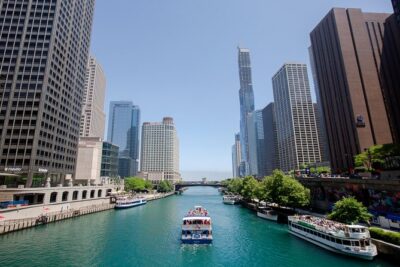
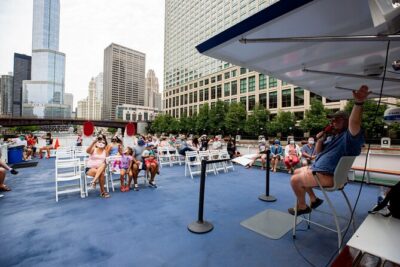

Chicago River: 1.5-Hour Guided Architecture Cruise
Read our review →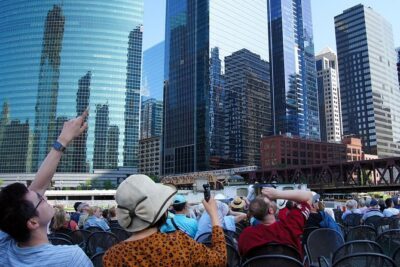
Chicago Architecture Center River Cruise aboard First Lady
Read our review →
Architecture River Cruise Skip-the-Ticket Line
Read our review →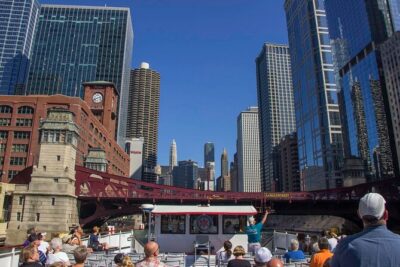
Chicago River 45-Minute Architecture Tour from Magnificent Mile
Read our review →