
REVIEW · ARCHITECTURE TOURS
Honolulu: Liljestrand House Architectural Tour
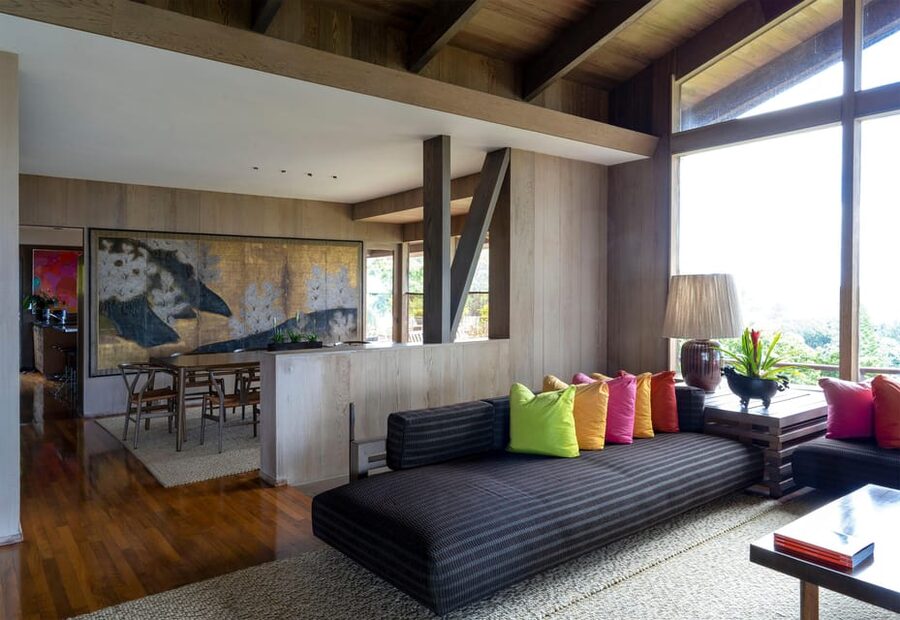
Architecture can make a Hawaiian afternoon memorable. I like the original furnishings and artworks here, which turn the house into more than a polished shell, and I like how Vladimir Ossipoff’s work uses views, wood, and the setting as part of the design. The main drawback is comfort: the house has no air-conditioning, and you must remove your shoes to protect the fragile floors.
This 90-minute tour costs $78 per person and is limited to 10 people, so it offers a close look at a private home with room for questions. I also value the preservation mission behind the visit. Your admission helps keep the Liljestrand House open for cultural and educational use, though children under 10 cannot join.
Key points to know before booking
- A preserved Ossipoff house: See an important example of Hawaiian modern architecture with original furnishings and artworks.
- View management is the star: The tour explains how Vladimir Ossipoff shaped the house around its surroundings rather than treating views as an afterthought.
- A personal connection to the architect: Docent Perry knew Ossipoff and lived on the mountain, adding first-hand context to the tour.
- Small groups make a difference: With no more than 10 participants, you have a better chance to ask questions and study details.
- Plan for warm conditions: The house is not air-conditioned and can be hot during summer and fall.
- Your ticket supports preservation: The Liljestrand Foundation uses the house for cultural and educational purposes.
Why the Liljestrand House matters in Honolulu
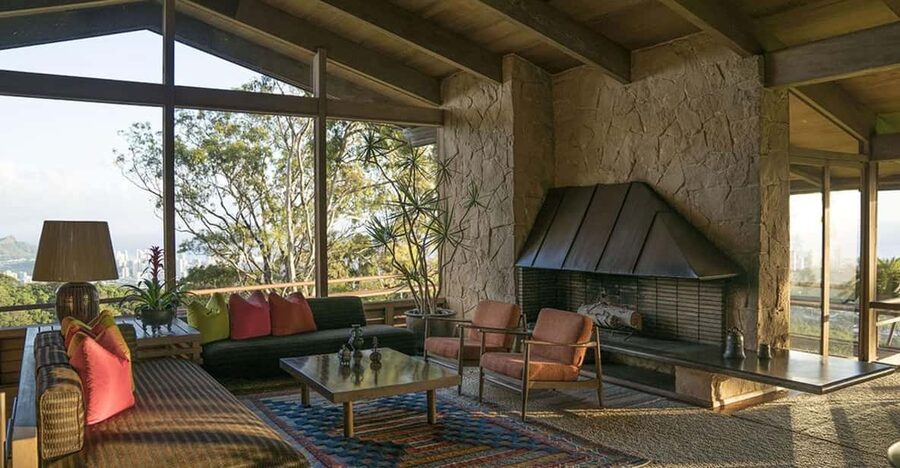
Honolulu has plenty of grand scenery, but the Liljestrand House asks you to look at the city through architecture. It presents Hawaiian modernism as a response to place, climate, light, and daily life. That makes the visit useful even if you are not the sort of person who normally plans a holiday around buildings.
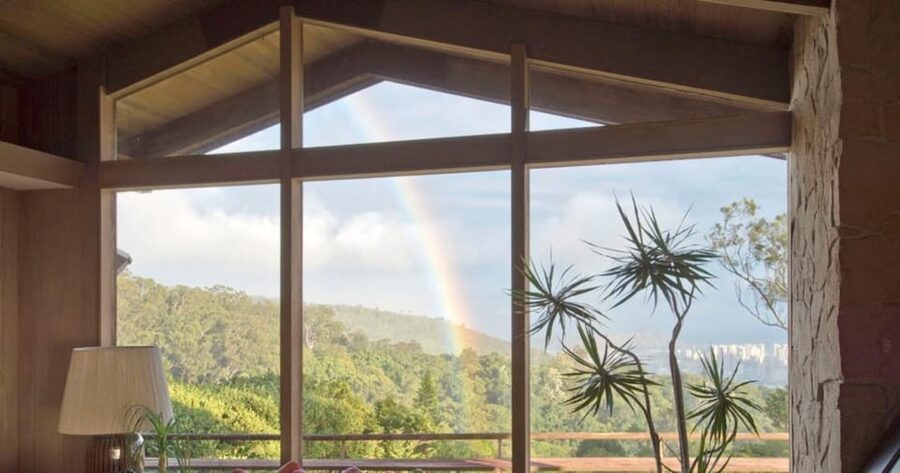
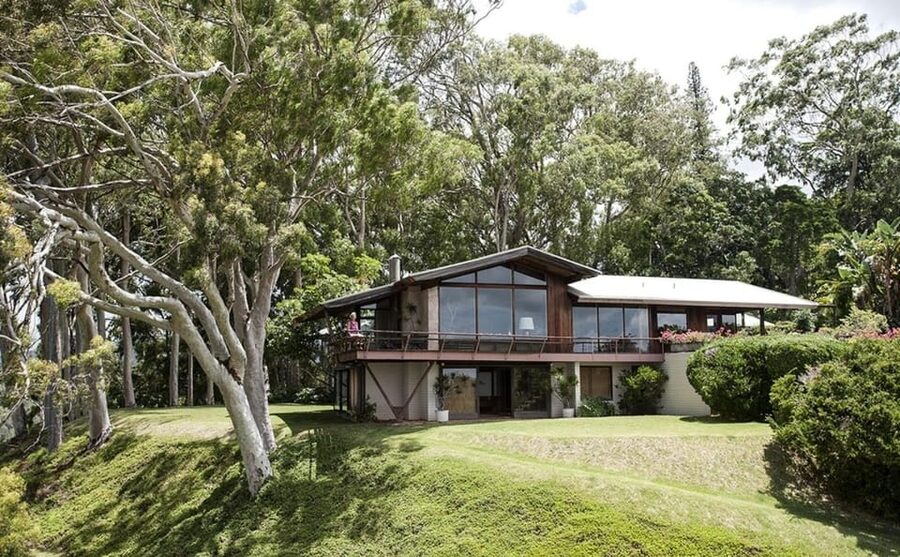
Architect Vladimir Ossipoff designed the house with a strong sense of connection between home and setting. The focus is not simply on decoration or impressive rooms. You learn how he managed views and worked with natural materials to make the house feel tied to Hawaii.
That idea gives the tour its purpose. You are not just walking through an attractive mid-century residence. You are seeing how an architect’s principles shaped the way a family lived, entertained, and looked outward from the house.
I especially like that the property remains connected to the Liljestrand family story. Their long friendship with Ossipoff gives the architecture a human side. The house is easier to understand when you consider it not only as a design object, but also as someone’s home and a record of a lasting relationship.
A few more architecture tours in the USA worth a look
- Chicago Architecture River Cruise
★ 5.0 · 15,756 reviews - Chicago River 90-Minute Architecture Tour
★ 4.5 · 9,629 reviews - Chicago River: 1.5-Hour Guided Architecture Cruise
★ 4.8 · 8,046 reviews
What the 90-minute tour actually covers
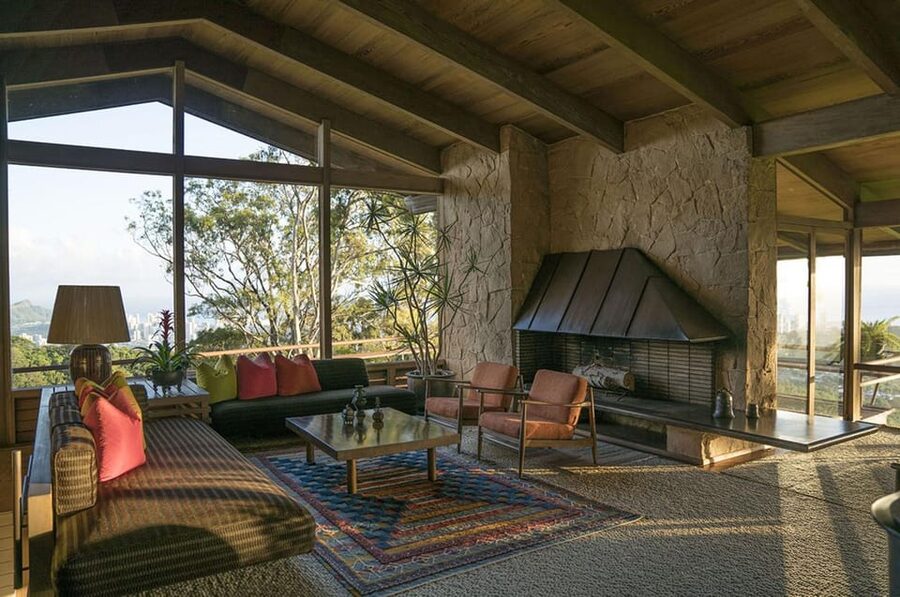
The tour lasts 90 minutes, a useful length for a focused architectural visit. It is long enough to explain the house’s design ideas without turning the outing into an all-day commitment.
Your guide leads you through the preserved home and discusses the features that define Ossipoff’s work. Expect attention to the arrangement of views, the use of natural materials, and the relationship between the house and its surroundings. The exact order of the visit may depend on the guide and the property, but the central subject remains the house itself.
The preserved furnishings and artworks are an important part of the route. They help you read the rooms as lived-in spaces rather than empty examples of mid-century design. Look for how the objects support the architecture. Their value is not only visual. Together, they help explain the family’s taste and the careful decisions made when the home was furnished.
The tour also gives you a chance to consider construction details. One of the most useful elements is the discussion of how the home was built and how its parts work together. If you enjoy details around materials, placement, and design choices, this is likely to be the strongest part of the visit.
The format is intimate. A maximum of 10 people gives the guide room to point out small features and answer questions. That matters in a house where the best details may not be obvious at first glance. In a larger group, you might spend more time trying to hear than looking. Here, the small-group format should make the visit more personal.
Vladimir Ossipoff’s design principles in plain language
Ossipoff’s work is presented through ideas you can see rather than through a lecture filled with technical terms. The most important is view management. The house does not treat the outdoors as a background picture. Views are carefully considered parts of the design.
That is a useful way to understand Hawaiian modern architecture. In a place with strong natural surroundings, a house can either compete with its setting or frame it. Ossipoff’s approach, as presented on this tour, gives the setting an active role in how the home feels.
Natural materials are another central theme. Their presence gives the house a warmer, more grounded character than a home built around purely industrial finishes. You will have a better appreciation for these choices after the guide explains why they matter and how they fit the overall design.
I would pay close attention to transitions between spaces. Even without knowing the technical vocabulary, you can consider how the house guides your eyes, how it controls what you see, and how its materials change the feeling of a room. Those observations are more rewarding than simply checking off a famous address.
The experience is also a reminder that mid-century design was not one single style. The Liljestrand House reflects a Hawaiian version shaped by its location and climate. That regional connection is what gives the tour more substance than a general introduction to mid-century interiors.
The personal story behind the preserved rooms
The Liljestrand family’s friendship with Ossipoff adds warmth to the visit. You get a sense of an architect working closely with people he knew, not simply producing a building for an anonymous client.
That connection helps explain why the house feels especially personal. The original furnishings and artworks are not random period pieces placed in a museum. They belong to the story of the family and the house. Their preservation gives you clues about how the rooms were intended to look and function.
Docent Perry received particular praise for his connection to the property. He lived on the mountain and actually knew Ossipoff, giving him an unusual link to the architect and the local setting. If Perry leads your visit, you may hear context that goes beyond the basic design summary.
Of course, the guide for your date may be someone else, so you should not book on the assumption that Perry will lead every tour. Still, the presence of a docent with that kind of personal connection shows what can make this visit special: the best information here is tied to people, place, and memory.
Same city, a different building to stand in front of:
- Chicago Architecture Center River Cruise aboard First Lady
★ 5.0 · 5,536 reviews - Chicago: Architecture River Cruise Skip-the-Ticket Line
★ 4.8 · 4,325 reviews - Chicago River 45-Minute Architecture Tour from Magnificent Mile
★ 4.5 · 2,924 reviews - Chicago Lake and River Architecture Tour
★ 4.5 · 2,308 reviews
The preservation mission behind your ticket
The Liljestrand Foundation preserves the house and opens it for educational and cultural use. That gives your $78 admission a purpose beyond access to a historic residence.
You are paying for a small-group guided visit to a carefully protected building. The price is higher than a casual self-guided walk, but the comparison is not quite fair. You are also helping support the work required to maintain a fragile house and share it with the public.
I think the price makes the most sense for people who care about architecture, historic homes, design, or preservation. If you only want a quick scenic stop, 90 minutes and $78 may feel like too much. If you want context and access to a significant private residence, the cost is more reasonable.
The Foundation’s mission also makes the visit feel responsible. Rather than treating the property as a photo stop, the tour connects access with long-term care. That is worth considering when you decide how to spend part of your Honolulu itinerary.
Comfort, shoes, and other practical matters
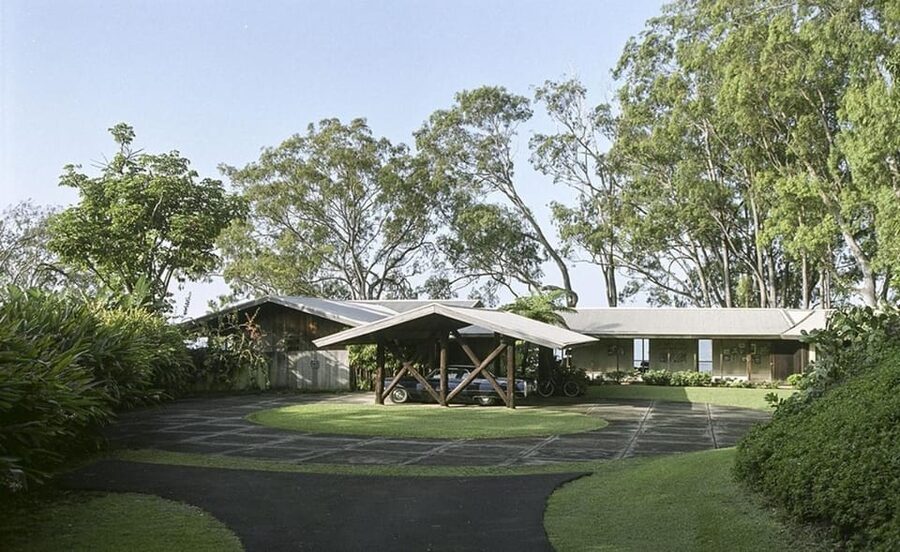
The house is not air-conditioned. Summer and fall can be hot, so wear light clothing and arrive ready for a warm indoor visit. You may enjoy the architecture less if you spend the entire tour thinking about the temperature.
You must remove your shoes because the wood floors are fragile. Choose socks you are comfortable wearing and footwear that is easy to take off and put back on. This is a small requirement, but it affects how you prepare.
Backpacks, large bags, tripods, extension poles, and selfie-sticks are not permitted. Smoking and vaping are also prohibited. Pack lightly and leave bulky camera equipment behind.
The small-group limit is 10 people, which helps with conversation and movement through the house. The tour is conducted in English, and the minimum age is 10. Families with younger children will need to choose another activity, while older children who are interested in design may find the visit worthwhile.
Cancellation is free up to three days in advance for a full refund. Check the available starting times when you book, since the tour lasts 90 minutes and should be planned around the rest of your Honolulu day.
Who will get the most from this visit
I would recommend the Liljestrand House to anyone interested in:
- Hawaiian modern architecture
- Mid-century homes and interiors
- Vladimir Ossipoff’s work
- Historic preservation
- Original furniture and artwork
- Small, guided cultural experiences
You do not need to be an architect. The tour’s value comes from learning how to look at a house. Once the guide points out view management, materials, and design relationships, you can apply those ideas to other buildings around Honolulu.
This is also a good choice if you have already seen the city’s major attractions and want a quieter cultural experience. The tour offers a different side of Honolulu, one built around design decisions and personal history rather than crowds and standard sightseeing stops.
I would be more cautious about booking it for very young children or anyone who dislikes warm indoor spaces. The no-shoes policy may also be inconvenient for some people, especially if you prefer to keep your footwear on in public settings.
How this tour compares with a casual house visit
A casual visit might let you admire the building, but it would not necessarily explain why the house feels the way it does. The guide is important because the design is full of choices that can be easy to miss.
The tour turns those choices into a readable story. You learn about the family, the architect, the materials, the views, and the preservation effort in one compact visit. That combination is the main reason to choose this experience instead of simply looking at architectural photographs online.
The five available ratings are all 5 out of 5, and the strongest praise centers on the house itself, the depth of the explanation, and the personal insight offered by the docent. Those are the qualities I would value most here. The property may impress you immediately, but the guide is what helps you understand why it matters.
Should you book the Liljestrand House tour?
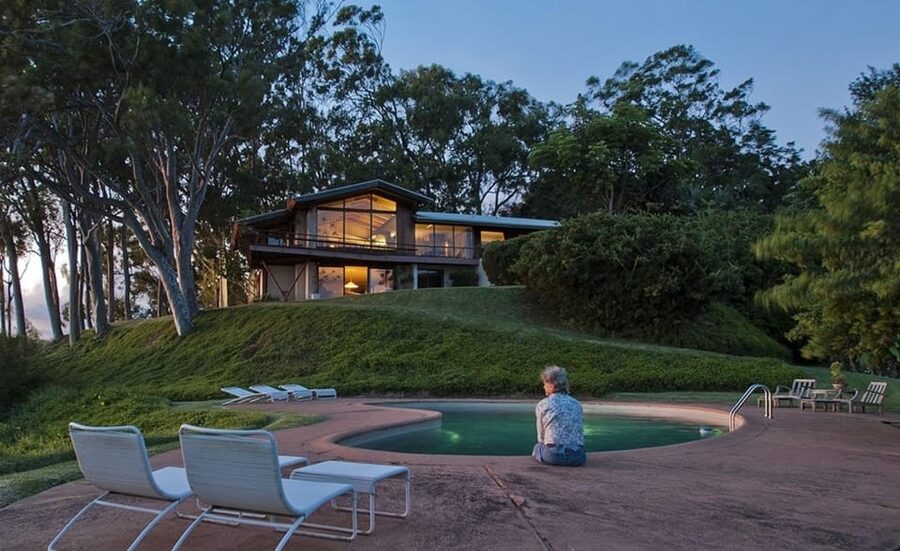
Book it if you want a thoughtful look at Hawaiian modern architecture and prefer a small guided group to a crowded attraction. The preserved furnishings, original artworks, Ossipoff’s design principles, and the Foundation’s preservation work give the visit real substance.
The $78 price is fair for a 90-minute tour of a carefully maintained private home, especially if architecture or historic preservation is already part of your travel interests. Just plan for heat, remove your shoes, leave large bags and camera gear behind, and remember that children must be at least 10.
I would skip it only if you want a fast outdoor activity, need air-conditioning, or have no interest in homes and design. For everyone else, this is a focused and worthwhile way to see a more thoughtful side of Honolulu.
FAQ
How long does the Liljestrand House tour last?
The tour lasts 90 minutes.
How much does the tour cost?
The listed price is $78 per person.
What language is the tour conducted in?
The tour is conducted in English with a live guide.
How large is the tour group?
The group is limited to 10 participants.
Do I need to remove my shoes?
Yes. Visitors are asked to remove their shoes because the wood floors are fragile.
Are children allowed on the tour?
Children under 10 are not permitted.
Just added in the USA
- Wilmington History and Architecture Tour★ 4.8 · 18 reviews
- New Orleans : Garden District Architecture Walking tour★ 4.8 · 5 reviews
- Washington DC: Dupont Circle & Embassy Row Architecture Tour★ 5.0 · 6 reviews
- Washington, DC: Georgetown Architecture Walking Tour★ 5.0 · 8 reviews
- Private Colonial Williamsburg Architectural Tour★ 5.0 · 5 reviews
- Tulsa: Art Deco Walking Tour of Tulsa★ 5.0 · 8 reviews
- Monuments and Memorials Architectural Walking Tour★ 5.0 · 17 reviews
- Castle to Capitol: Museums of the National Mall Architecture Tour★ 4.5 · 9 reviews
Architecture Tours, compared.


Chicago River: 1.5-Hour Guided Architecture Cruise
Read our review →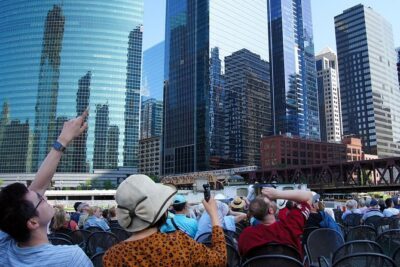
Chicago Architecture Center River Cruise aboard First Lady
Read our review →
Architecture River Cruise Skip-the-Ticket Line
Read our review →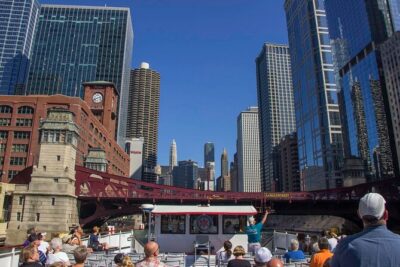
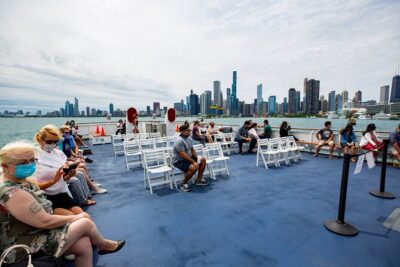
Chicago River 45-Minute Architecture Tour from Magnificent Mile
Read our review →
Browse the lists this tour appears in