
REVIEW · CHARLESTON ARCHITECTURE TOURS
Historic Charleston: The Battery, Rainbow Row, St. Michael Church
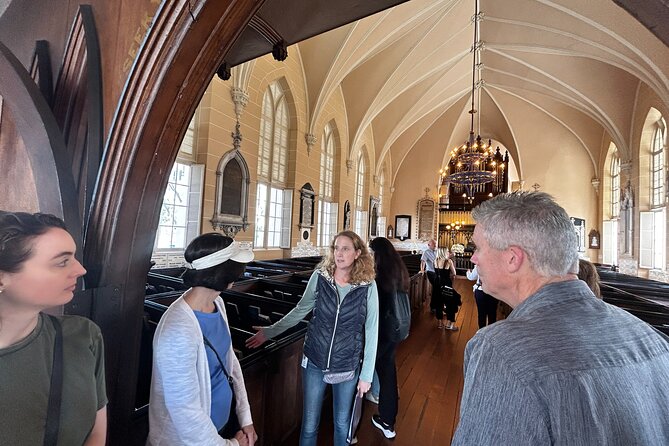
Charleston tells its story one block at a time. I like the way this two-hour walking tour links churches, civic buildings, pastel row houses, and harbor views instead of treating them as separate sights. I also like the small-group limit of 20, which gives guides such as Eric and Erik room to answer questions and adjust the conversation to your interests.
The main consideration is that church entry depends on congregational schedules. You may see St. Philip’s or St. Michael’s from outside if the doors are closed, and the Dock Street Theater also has limited entrance availability. Bring good walking shoes, especially if rain is in the forecast.
Key things to know before you go
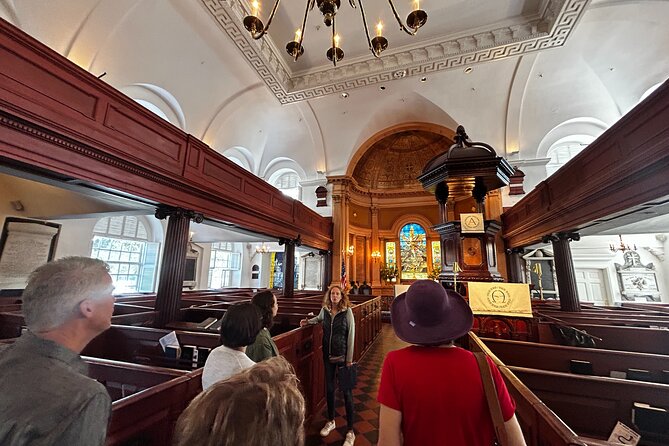
- St. Michael’s Church dates to 1752: You’ll see Charleston’s oldest surviving religious building, with a tall spire and Tiffany stained-glass windows.
- The route covers Charleston’s historic core: Churches, the Four Corners of Law, Rainbow Row, Washington Square, the Battery, and the Old Slave Mart area all fit into one compact walk.
- The guide makes the difference: Eric and Erik are praised for clear storytelling, local history, architecture, patience, and tailoring the discussion to the group.
- Church access is not guaranteed: These are active houses of worship, so the tour can include only the interiors that are open at the time.
- The Battery supplies the big finish: Harbor views, old artillery, and grand homes give you a strong sense of Charleston’s waterfront character.
- The group stays manageable: A maximum of 20 people is small enough for questions without making the walk feel private or expensive.
Charleston is easy to admire and surprisingly easy to misunderstand. Pretty houses and church steeples fill the historic center, but the city’s story also includes slavery, law, war, religion, trade, and sharp social divisions. A good guide helps you connect those pieces.
This two-hour walk by Charleston by Foot is designed as a broad introduction. It starts at Washington Square at 10:00 a.m. and returns to the same meeting point. You get live commentary from a licensed guide, admission to up to three historic sites when available, and a route that moves through some of the city’s most recognized landmarks.
I would view it as an orientation walk rather than a full study of Charleston. The pace is reported to be relaxed, and the route has enough variety to keep the morning moving. You will not spend a long time inside each building, but you will come away with a useful map of the old city and a better idea of which places deserve a later visit.
Washington Square gives you an easy starting point
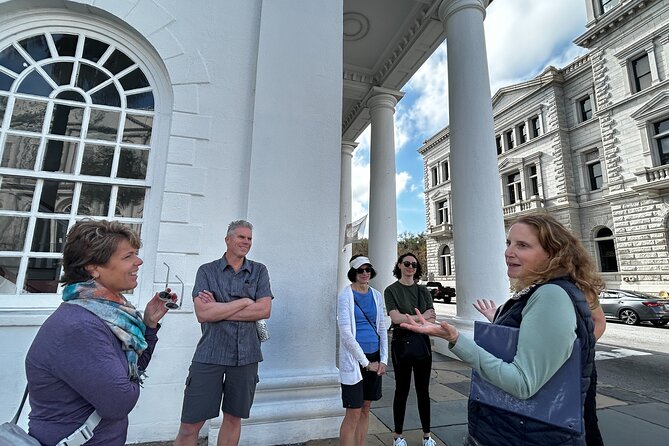
The tour begins at Washington Square, at 80 Broad Street. This is a practical meeting place because the walk starts in the historic center, near several important public buildings and old streets.
The square itself is more than a place to gather. Live oaks, statues, and plaques create a calm setting for the first part of the talk. I like this kind of beginning because it lets you get your bearings before the route reaches the busier landmark stops.
Your guide can use the square to explain how Charleston developed and how public spaces, churches, courts, and private homes fit together. Since the guide is live rather than recorded, you can ask about a building or event that catches your attention.
The tour ends back here, which makes planning easier. You do not need to arrange a ride from a distant final stop, and you can continue exploring on foot afterward.
More history tours in the USA:
- Chicago in a Day: Food, History & Architecture Walking Tour
★ 5.0 · 1,153 reviews - Charleston’s Best Highlights: History, Culture & Architecture
★ 5.0 · 422 reviews - Palm Springs Modernism Architecture & History Bike Tour
★ 5.0 · 359 reviews
St. Philip’s Church brings religion and civic life together
St. Philip’s Church sits on Church Street and is known for its elegant steeple, completed in 1836. The tower is visible from a distance, so it helps you understand how church buildings once shaped the city’s visual identity.
The short stop allows time to admire the exterior and, if open, see the interior, organ, and churchyard. The graveyard is especially meaningful because notable figures connected to Charleston are buried there. Your guide can help place those names in the wider story of the city.
The listed visit lasts about five minutes, so do not expect a long indoor tour. That short timing is not necessarily a flaw. It keeps the route from becoming too focused on one church, but you may want to return later if religious architecture or historic cemeteries interests you.
Entry is free, but access depends on church use. St. Philip’s is an active congregation, not a museum that opens on a fixed sightseeing schedule. Keep your expectations flexible.
St. Michael’s Church is the architectural high point
St. Michael’s Church is the oldest surviving religious structure in Charleston, dating to 1752. Its tall spire gives it an immediate presence, and the building carries a strong connection to the city’s colonial and early national periods.
Inside, you may see Tiffany stained-glass windows and the grand interior. The church is also associated with visits by George Washington and Robert E. Lee, details that help place it within the national story rather than only the local one.
This is one of the stops where timing matters. The scheduled visit is about five minutes, and the church may not be open when your group arrives. The tour includes entrance into up to three historic sites, subject to availability, so you should treat interior access as a welcome extra rather than a promise.
I like this arrangement because you still gain something if the doors are closed. The exterior, spire, setting, and guide’s explanation remain part of the walk. Still, anyone booking mainly to see the Tiffany glass should confirm expectations with the operator before the start.
The Four Corners of Law explains Charleston’s civic design
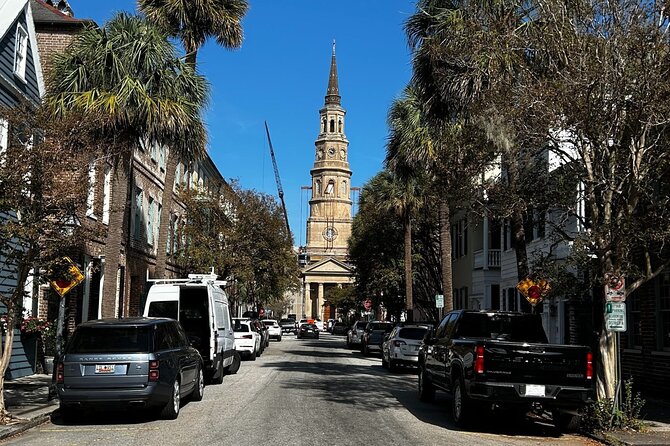
At the Four Corners of Law, local, state, federal, and church authority meet around one intersection. It is a compact stop, but it gives the guide a useful way to explain how Charleston’s public institutions were placed close together.
This is the kind of sight you might pass without understanding on your own. There is no single dramatic object to admire. The value comes from seeing how several types of authority occupied the same part of town.
Expect about five minutes here. The stop works best when your guide connects the buildings to the city’s legal and religious structure. A strong storyteller can turn an intersection into a lesson in how power operated.
Same city, a different building to stand in front of:
- Chicago Architecture River Cruise
★ 5.0 · 15,756 reviews - Chicago River 90-Minute Architecture Tour
★ 4.5 · 9,629 reviews - Chicago River: 1.5-Hour Guided Architecture Cruise
★ 4.8 · 8,046 reviews - Chicago Architecture Center River Cruise aboard First Lady
★ 5.0 · 5,536 reviews
Rainbow Row is the quick photo stop
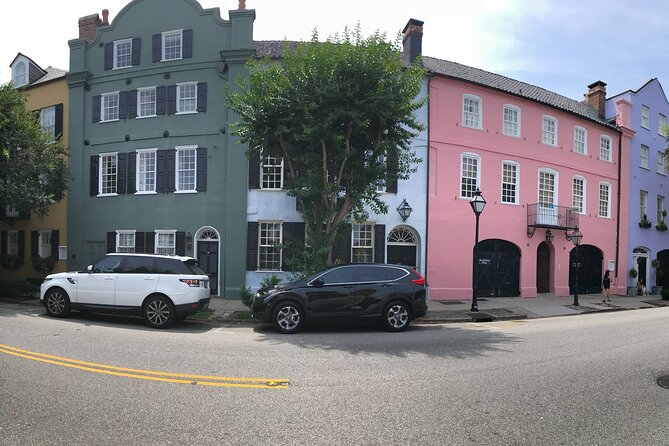
Rainbow Row is the most immediately cheerful part of the route. The pastel-colored historic homes create a line of façades that is easy to photograph and easy to recognize.
The stop lasts about five minutes, so you will have time for pictures and a short explanation, not a detailed house-by-house study. I appreciate that the tour includes beauty without pretending the city is only about attractive façades.
Rainbow Row also gives the walk a visual break after the churches and civic buildings. You will see how Charleston’s historic character is not limited to grand public architecture. Private homes, color, scale, and street frontage matter too.
Photography is the obvious draw, but listen for the context. Without explanation, Rainbow Row can become just a quick snapshot. With a guide, it becomes part of the larger discussion about Charleston’s old residential streets.
Dock Street Theater adds an entertainment story
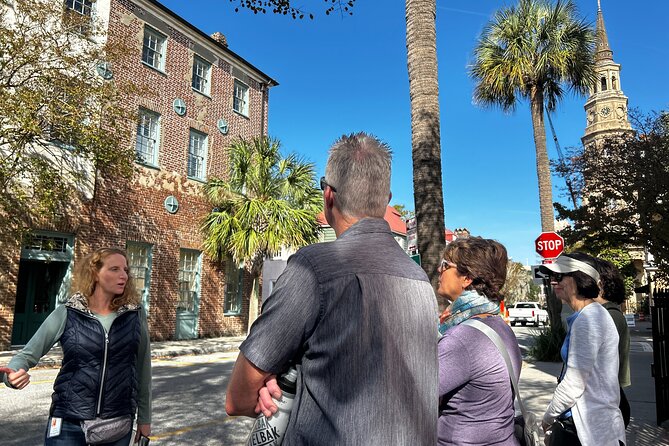
Dock Street Theater is described as America’s first building designed for theatrical performances. The stop lasts about ten minutes, making it one of the longer pauses on the route.
That extra time gives you a chance to consider a different side of city life. Churches and government buildings show formal power. A theater points to public entertainment, culture, and the importance of performance in an urban community.
The tour includes admission to this site when available, but entrance is not assured. The theater may be in use or unavailable to the group, so do not book the walk solely for an interior visit.
Even from outside, the building adds variety to the morning. If you enjoy architecture, theater history, or the way cities use public buildings, this stop should be worthwhile. If you prefer a longer performance-history visit, plan to return separately.
Washington Square slows the pace
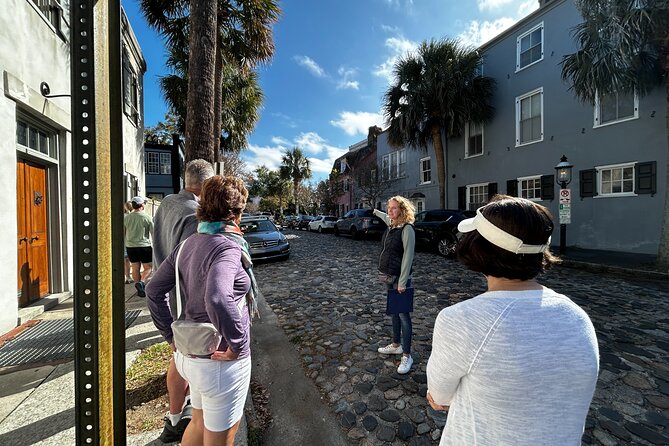
The route includes about ten minutes in Washington Square, where live oaks, statues, and plaques offer a quieter pause. After several short landmark stops, this space gives you time to absorb what you have seen.
I like the balance here. A walking tour can become a rush from one photo point to the next. A slower square stop lets the guide connect people, events, and places without forcing every explanation into a hurried sidewalk talk.
The statues and plaques help make Charleston’s past more specific. You are not only looking at old buildings. You are also being directed toward the individuals and events that shaped the city.
Because the tour starts and ends here, the square serves as both a landmark and a useful reference point. You can return later if you want to read the markers more carefully.
The Battery delivers harbor views and grand homes
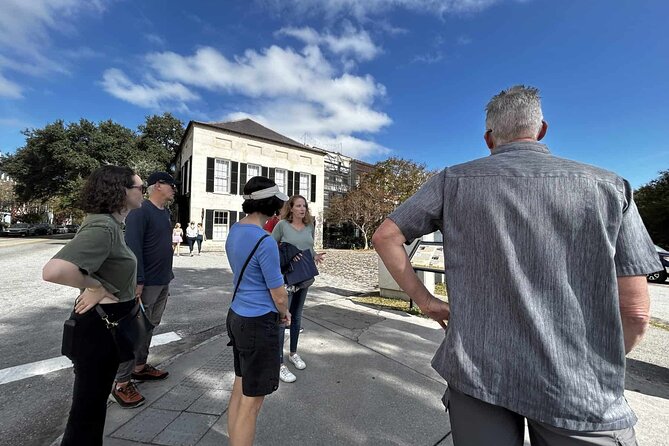
The Battery is the scenic stretch of the tour. This waterfront promenade offers views across Charleston Harbor, old artillery, and rows of stately homes.
The listed stop lasts about ten minutes, which is enough for photos and a concise explanation. You will want to pause for the harbor outlook, but the tour is not designed as a long waterfront stroll.
The Battery matters because it brings together military history, waterfront geography, and architecture. The artillery points to the city’s defensive past. The harbor explains Charleston’s connection to shipping and commerce. The mansions show how wealth appeared along the water.
This is also where good weather helps most. The route can still be worthwhile in rain, as one review made clear, but wet conditions may reduce the pleasure of the views and make the walking surfaces less comfortable. Wear supportive shoes and carry weather protection.
The Old Slave Mart area adds needed historical weight
The walk also takes you to the Old Slave Mart Museum, described as a reminder of Charleston’s role in the history of slavery. This is an important part of the route because the city’s beauty can otherwise hide the people and systems that made its wealth possible.
The stop offers a chance to learn about enslaved people, their lives, and their resistance. It also places Charleston within the larger American story of slavery and its lasting effects.
The supplied details do not specify a timed museum admission, so I would not assume the tour includes a full indoor visit there. Treat this portion as an important historical sight and ask the guide what access is planned on your date.
This subject may feel heavier than the pastel houses and harbor views, and that is precisely why it belongs in a serious city tour. You should expect the guide to address difficult material directly rather than smoothing it over.
A good guide is the tour’s real asset
The strongest part of this experience is the guide-led storytelling. Eric is praised for tying historical events together, answering questions, and adjusting the walk to the group’s interests. Erik is described as patient, friendly, and especially good at making the pace feel easy.
That matters in Charleston. A list of dates and architectural labels will not tell you why one church is important, how the city’s legal institutions fit together, or why a waterfront promenade matters. The guide’s job is to build those links.
The feedback also points to a personal feel in the small group. With fewer than 20 people, you have a better chance to ask a question without holding up a large crowd. You may also find that the guide can spend a little more time on architecture, military history, religion, or local stories if those subjects interest you.
Guide quality can vary from one departure to another, but the experience is built around live commentary, not a fixed audio script. That gives the morning flexibility and makes the guide’s preparation important.
How the two-hour format affects value
No price is provided for this experience, so I cannot judge it against a specific dollar amount. I can judge what you receive: two hours with a licensed guide, live commentary, a route through major historic areas, and possible entry to up to three historic sites.
That is good value if you want a clear introduction to Charleston and prefer context over a simple sightseeing route. You are paying for interpretation and organization as much as for access.
The tour is less useful if you want long interior visits, extensive museum time, or a specialized subject such as Civil War history, architecture, or food. The schedule gives most stops only five to ten minutes, so the experience is broad rather than deeply focused.
The return to Washington Square adds practical value. You can continue to Rainbow Row, the Battery, or another nearby sight after the walk without needing transport back to your starting point.
Who should book this Charleston walk
I would recommend it to first-time visitors who want to understand the historic center before exploring on their own. It also suits people who enjoy stories about buildings, local personalities, and the way public institutions shaped a city.
The route should work well for most participants, and service animals are allowed. It is near public transportation, and the group is capped at 20. Still, this is a two-hour walk with outdoor stops, so comfortable shoes matter more than stylish ones.
It is a good choice for couples, families with older children, and solo visitors who want company without joining a very large group. The relaxed pace also suits anyone who prefers time for questions and photographs.
You may want a different experience if you need guaranteed church access. St. Philip’s and St. Michael’s are working churches, and Dock Street Theater access also depends on availability. The tour is strongest when you see the route as a guided introduction, not as a guaranteed series of indoor admissions.
Booking confirmation arrives at the time of booking, and free cancellation is available up to 24 hours before the 10:00 a.m. start. Cancellations or changes inside that window are not refunded or accepted, so keep the local cut-off time in mind.
Should you book Historic Charleston by Foot?
Book this tour if you want a well-paced overview with strong local storytelling, major landmarks, and a serious look at Charleston’s past. The combination of St. Michael’s Church, Rainbow Row, the Battery, and the Old Slave Mart area gives you both the postcard sights and the harder history.
The main reason to choose it is the guide. Eric and Erik receive especially strong praise for clear explanations, patience, humor, and the ability to connect separate events. The main reason to hesitate is the uncertain interior access and the short time at each stop.
For a first morning in Charleston, I think the balance works. You get your bearings, learn which sites deserve more time, and finish back at Washington Square with the city’s streets easier to read.
FAQ
How long is the Historic Charleston walking tour?
The tour lasts approximately two hours and begins at 10:00 a.m.
Where does the tour start and end?
The tour starts at Washington Square, 80 Broad Street, Charleston, South Carolina 29401. It ends back at the same meeting point.
Is admission to the churches guaranteed?
No. St. Philip’s Church and St. Michael’s Church are active churches, so entrance depends on availability and congregational use.
How many people can join the tour?
The activity has a maximum group size of 20 people.
Is the tour offered in English?
Yes. The experience is offered in English and includes live commentary from a professional, licensed guide.
What is the cancellation policy?
You can cancel at least 24 hours before the start time for a full refund. Cancellations or changes made less than 24 hours before the start are not accepted, and the amount paid is not refunded.
Just added in the USA
- Wilmington History and Architecture Tour★ 4.8 · 18 reviews
- New Orleans : Garden District Architecture Walking tour★ 4.8 · 5 reviews
- Washington DC: Dupont Circle & Embassy Row Architecture Tour★ 5.0 · 6 reviews
- Washington, DC: Georgetown Architecture Walking Tour★ 5.0 · 8 reviews
- Private Colonial Williamsburg Architectural Tour★ 5.0 · 5 reviews
- Tulsa: Art Deco Walking Tour of Tulsa★ 5.0 · 8 reviews
- Monuments and Memorials Architectural Walking Tour★ 5.0 · 17 reviews
- Castle to Capitol: Museums of the National Mall Architecture Tour★ 4.5 · 9 reviews
Charleston Architecture Tours, compared.
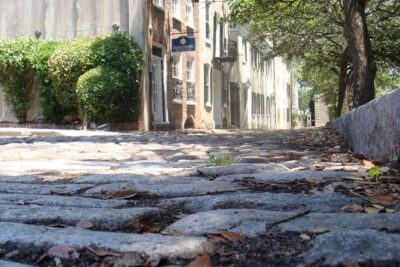
Charleston’s Best Highlights: History, Culture & Architecture
Read our review →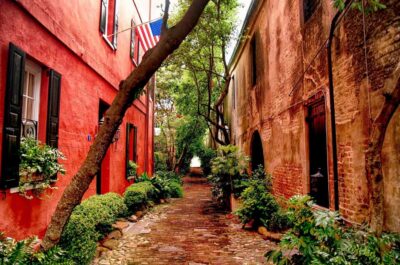
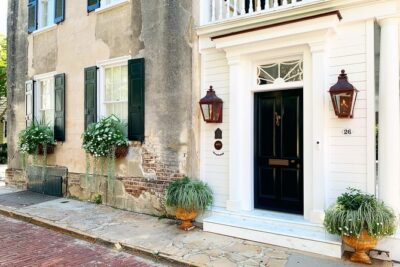
Charleston History, Homes, and Architecture Guided Walking Tour
Read our review →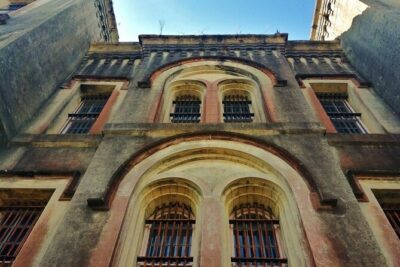
Charleston History and Architecture Walking Tour
Read our review →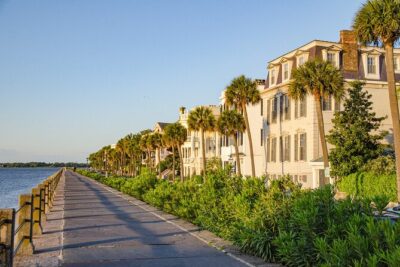
Browse the lists this tour appears in