
REVIEW · ARCHITECTURE TOURS
Creative Capital: Art and Architecture Tour of Providence
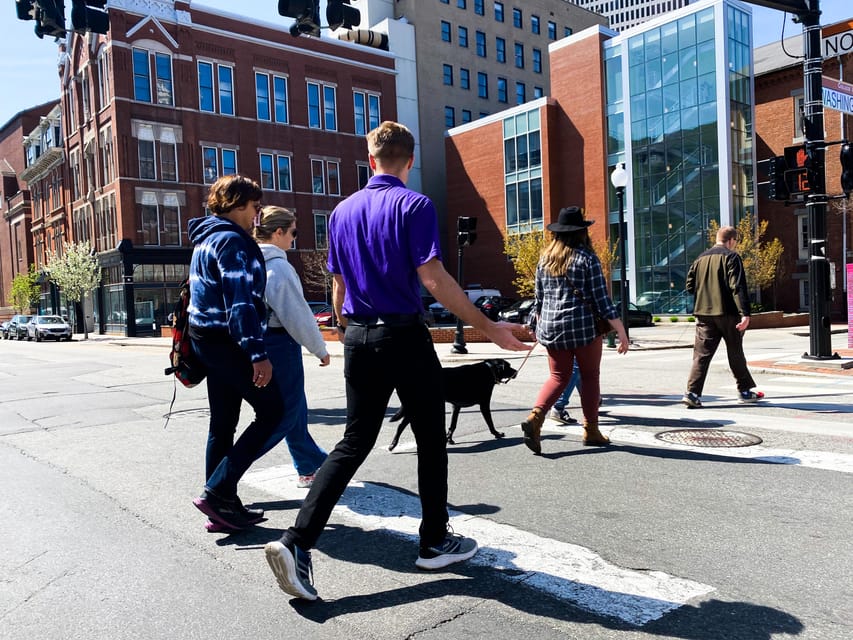
Providence reads like a city-sized art book. This two-hour walk connects Gilded Age architecture with the murals that helped reshape downtown, and I like that it explains both the buildings and the people behind them. I also appreciate the compact route, which covers about 1.5 miles and ends along the Providence Riverwalk. The main consideration is guide quality: Spencer and Megan earned strong praise, while one past participant found the presentation too dependent on written material.
The tour begins inside the historic Graduate Providence, formerly the Biltmore Hotel, and moves through downtown on foot. At $40 per person, it offers solid value if you want context rather than a quick photo walk, though art lovers who prefer plenty of time at each mural may find two hours brisk.
Key Points at a Glance

- A 1.5-mile city walk: You cover downtown on foot and finish at the Providence Riverwalk.
- Architecture from several eras: Expect discussion of Art Deco, Beaux-Arts, Neoclassical, and other styles.
- Murals with a purpose: The tour explains the ideas and artists behind Providence’s large-scale public art.
- A story about urban change: You learn how art helped Providence move from mid-century decline toward a major regional arts center.
- An easy starting point: Meet your English-speaking guide in the lobby of the Graduate Providence.
- A flexible booking policy: You can cancel up to 24 hours before the tour for a full refund and reserve without paying immediately.
Starting Inside the Former Biltmore Hotel

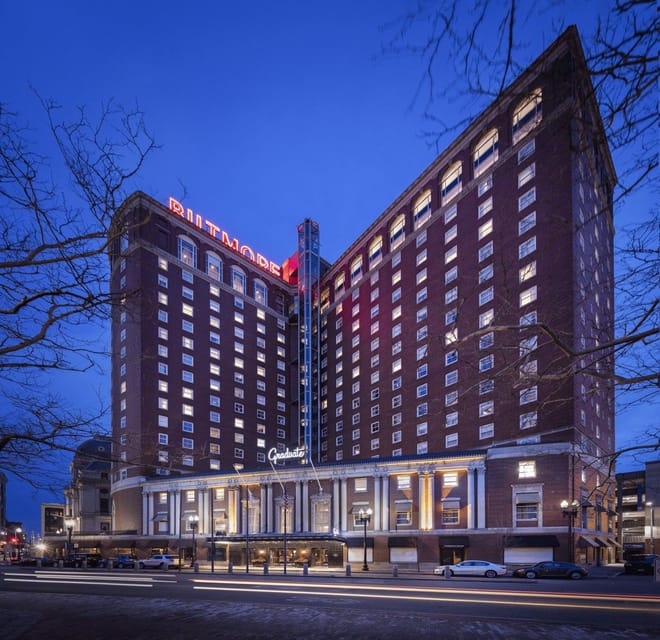
Your tour begins in the lobby of the Graduate Providence, a historic hotel once called the Biltmore. That is a fitting meeting point. Before you even reach the sidewalk, you are placed inside the architectural story the tour sets out to tell.
The location also gives the guide a useful opening chapter. Providence did not grow as a collection of isolated landmarks. Its downtown developed through changing eras, businesses, fortunes, and design tastes. A building can reveal who had money, what technology was available, and what a city wanted to say about itself.
I like this kind of beginning because it avoids the usual meet-your-guide shuffle on a random street corner. You have a clear indoor meeting place, which matters in bad weather and makes the first few minutes less hectic. Look for the guide in the hotel lobby and arrive ready to walk.
The tour is conducted in English, and the activity is marked wheelchair accessible. Since the route covers 1.5 miles on city streets and finishes at the river, you should still consider your own comfort with a walking tour and check current route details if you need specific access information.
A few more architecture tours in the USA worth a look
- Chicago Architecture River Cruise
★ 5.0 · 15,756 reviews - Chicago River 90-Minute Architecture Tour
★ 4.5 · 9,629 reviews - Chicago River: 1.5-Hour Guided Architecture Cruise
★ 4.8 · 8,046 reviews
Reading Providence Through Its Buildings
The architectural portion is the backbone of the experience. Providence has well-preserved examples of Art Deco, Beaux-Arts, Neoclassical, and other styles, and the guide uses them to show how the city changed over time.
You will not just hear labels and move on. The useful part is learning what those labels mean when you look up at an actual building. Art Deco can suggest a different mood and period from Neoclassical design. Beaux-Arts buildings speak through formal planning and grand details. Those distinctions help you read the downtown streets on your own after the tour.
I especially like the promise of human stories behind the facades. Architecture can become dull when it is reduced to dates and decorative terms. A story about the people who commissioned, designed, occupied, or changed a building gives the stonework a reason to matter.
The information supplied for the tour does not name every building or guarantee a fixed stop-by-stop list. That is worth knowing. The route may adjust based on city conditions, access, or the guide’s approach, so you should expect a guided interpretation of downtown rather than a rigid checklist of landmarks.
For architecture fans, this format is useful because it gives you a framework. You may not memorize every date, but you will leave with better questions. Why does one building feel formal and imposing? What does a facade tell you about the ambitions of its owners? Those are the questions that make a city walk more rewarding.
Murals That Changed the City’s Image

The tour goes beyond historic buildings to Providence’s public art. Large murals form a major part of the city’s visual identity, and the guide explains the artistic inspiration and backstory behind them.
This is where the walk gains its strongest sense of place. Murals are not tucked away in galleries. They occupy walls that people pass every day, turning ordinary city blocks into public viewing spaces. Their scale also changes how you experience downtown. You are not simply looking at framed art. You are standing close to a work that interacts with traffic, storefronts, neighboring buildings, and the people moving through the area.
The tour also places these murals within Providence’s urban recovery. Art was one ingredient in the city’s change from mid-century urban decay to a regional arts center. That context makes the public art more than decoration. It helps you understand why large, ambitious works appeared in the city and how culture can affect the way people see a place.
I would give the murals your full attention. Architecture is often best appreciated through small details, while murals work from a distance and at street level. Take a moment to notice how each work fits its wall and surroundings. The guide’s explanation should help you see choices you might otherwise miss, especially the connection between the artwork and Providence’s changing identity.
A practical limitation is time. Two hours is enough for a strong introduction, but it is not enough to linger at every major work indefinitely. If you already have a short list of murals you want to study, treat this tour as a primer and return afterward on your own.
Connecting Urban Decline With Cultural Renewal
The most valuable idea here is the connection between art, architecture, and civic change. Providence’s story is not presented as a parade of attractive buildings. It is a story about a city that went through decline and used creative energy as part of its renewal.
That broad view gives the walk more weight. You see how historic structures provide a physical record of prosperity and ambition, while contemporary murals show a city making new statements about itself. The contrast is useful. Old buildings tell you where Providence came from. Public art shows how it wants to be seen now.
I like tours that let you understand a city without turning every stop into a separate fact. This one appears designed to connect the pieces. The architecture is not treated as a museum collection, and the murals are not treated as random splashes of color. Together, they explain how Providence built a cultural identity.
This approach should suit you if you want more than sightseeing but do not want a long academic lecture. The tour keeps the subject grounded in what you can see around you. You learn while moving through the city, which makes the ideas easier to remember.
Same city, a different building to stand in front of:
- Chicago Architecture Center River Cruise aboard First Lady
★ 5.0 · 5,536 reviews - Chicago: Architecture River Cruise Skip-the-Ticket Line
★ 4.8 · 4,325 reviews - Chicago River 45-Minute Architecture Tour from Magnificent Mile
★ 4.5 · 2,924 reviews - Chicago Lake and River Architecture Tour
★ 4.5 · 2,308 reviews
What the Guide Can Add to the Walk
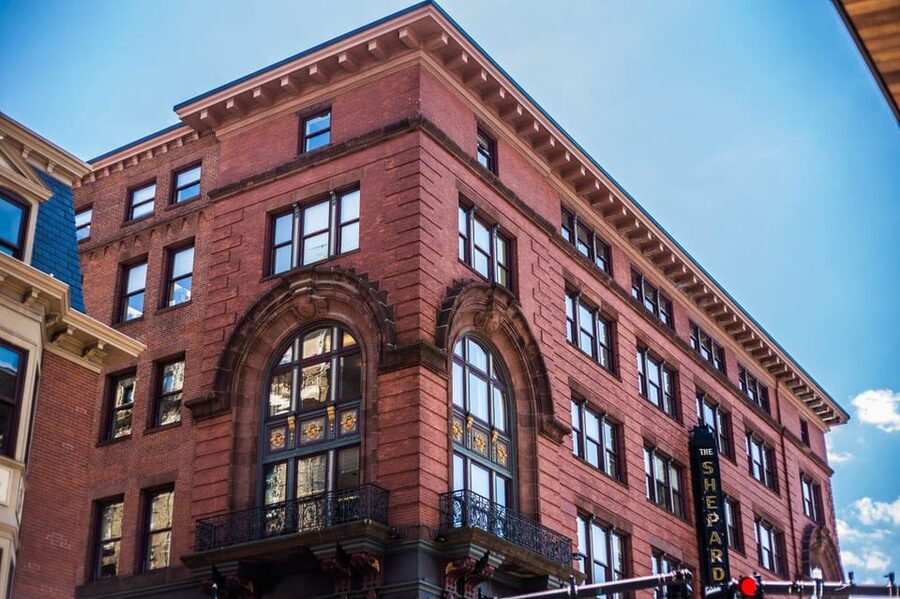
A local guide matters greatly on a tour like this. Spencer received praise for making the architecture tour informative and fun, with an enthusiasm for different styles and specific buildings that came through clearly. Megan was also described as personable and well informed.
Those details point to the tour’s best possible version: a guide who can explain a complicated facade in plain language, connect a mural to Providence’s recent cultural growth, and keep the group interested during a 1.5-mile walk.
There is also a reason to keep expectations realistic. Guide quality can vary. One past participant found the guide pleasant but felt the material was not well known and relied too heavily on prepared text. That does not erase the positive experiences, but it is a fair caution for anyone expecting a polished architecture seminar.
I would ask questions during the walk. If a design term is unclear, speak up. If a mural catches your eye, ask why it was made and how it fits the city’s story. A good guide can turn those questions into the most memorable moments of the tour.
The named guides give you useful reference points, but assignments can change. Do not book solely on the hope of getting Spencer or Megan. Book because the subject and route fit your interests, then treat a strong guide as a welcome bonus.
The 1.5-Mile Finish at the Providence Riverwalk
After moving through downtown, the walk concludes at the Providence Riverwalk. This gives the tour a clear ending rather than dropping you back at the starting point.
The finish also changes the mood. You begin inside one of the city’s historic hotels and end beside the river, having crossed through several layers of Providence. That progression supports the tour’s central idea: a city can carry its past while finding new uses for its public spaces and cultural life.
Because the tour is not a loop, plan your next activity with the ending in mind. You may want to continue exploring from the river rather than return to the Graduate Providence. The provided information does not state the exact final street or nearby attractions, so avoid building a tightly timed plan that depends on a precise exit point.
The route length is manageable for many people, but you should wear comfortable shoes. A city walk involves pavement, standing, and regular stops. The two-hour duration means the pace is likely steady enough to cover both architecture and murals without feeling like a race, but the amount of walking remains part of the experience.
Is $40 a Fair Price?
At $40 per person, the tour sits in a reasonable range for a two-hour guided city walk. You are paying for an expert guide, local interpretation, and a focused route rather than admission to a major museum or a private custom tour.
The value depends on what you want. If you simply need a list of buildings to photograph, you can explore downtown without paying. If you want the stories behind the facades, an explanation of architectural styles, and a clear account of how public art affected Providence’s renewal, the price makes more sense.
I consider the combination of architecture and murals a strength. Many city tours focus on one subject. This one connects historic design with contemporary public art, giving you a wider view of Providence in two hours.
The experience is especially worthwhile early in your visit. You gain a mental map of downtown and may find places to revisit later. It can also help you decide which buildings or murals deserve more of your own time.
The price includes the guide, but no meals, transportation, or other extras are listed. This is a walking tour, so budget for your own refreshments and plan your transportation separately.
Who Will Get the Most From This Tour?
You will probably enjoy this tour most if you like cities as living places rather than collections of isolated sights. It suits architecture fans, public-art followers, students of urban change, and first-time visitors who want a stronger sense of Providence.
It is also a good choice if you prefer a moderate commitment. Two hours is long enough to provide real context but short enough to fit around other plans. The 1.5-mile route gives you a taste of downtown without taking up an entire day.
Families with older children may find the murals easier to engage with than a traditional architecture lecture, though the tour’s suitability will depend on each child’s interest in walking and listening. The information provided does not specify a child age range, so you should use your own judgment.
You may want to skip it if you dislike guided walks, need to spend a long time at individual artworks, or want a fully fixed list of stops. The tour’s strength is interpretation and connection, not independent wandering or extended viewing at one location.
Booking Details Worth Knowing

The tour lasts two hours, is offered in English, and begins in the lobby of the Graduate Providence, formerly the Biltmore Hotel. It concludes after approximately 1.5 miles at the Providence Riverwalk.
You can cancel up to 24 hours before the start for a full refund. The reserve-now, pay-later option also gives you flexibility if your schedule is still changing.
The experience is marked wheelchair accessible. Since it is an outdoor city walk, you should confirm any specific mobility needs before booking if you require detailed information about surfaces, crossings, or rest points.
Should You Book Creative Capital?
Book this tour if you want Providence explained through both historic architecture and public art. Its best feature is the way those subjects connect: the old buildings show the city’s earlier ambitions, while the murals help tell the story of its cultural renewal.
The $40 price is fair for a two-hour guided introduction, especially if you take the tour near the beginning of your visit and use it to plan later exploration. I would keep guide variability in mind, but the strong feedback about Spencer and Megan suggests the experience can be lively and personal when led by a prepared guide.
Skip it only if you want a self-guided stroll or long, quiet time with individual murals. For most visitors who want useful context, a manageable walking route, and a clearer understanding of Providence’s creative turn, this is a smart addition to a city visit.
FAQ
How long does the Creative Capital tour last?
The tour lasts two hours.
How far does the tour walk?
The route covers approximately 1.5 miles on foot.
Where does the tour begin?
Meet the guide in the lobby of the Graduate Providence, formerly known as the Biltmore Hotel.
Where does the tour finish?
The walk concludes at the Providence Riverwalk.
What language is the tour conducted in?
The tour is conducted in English with a live guide.
How much does the tour cost?
The price is $40 per person.
Can I cancel the tour for a full refund?
Yes. You can cancel up to 24 hours in advance for a full refund. You can also reserve now and pay later.
Just added in the USA
- Wilmington History and Architecture Tour★ 4.8 · 18 reviews
- New Orleans : Garden District Architecture Walking tour★ 4.8 · 5 reviews
- Washington DC: Dupont Circle & Embassy Row Architecture Tour★ 5.0 · 6 reviews
- Washington, DC: Georgetown Architecture Walking Tour★ 5.0 · 8 reviews
- Private Colonial Williamsburg Architectural Tour★ 5.0 · 5 reviews
- Tulsa: Art Deco Walking Tour of Tulsa★ 5.0 · 8 reviews
- Monuments and Memorials Architectural Walking Tour★ 5.0 · 17 reviews
- Castle to Capitol: Museums of the National Mall Architecture Tour★ 4.5 · 9 reviews
Architecture Tours, compared.
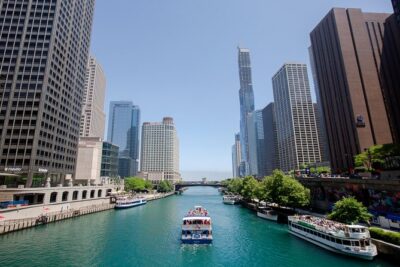
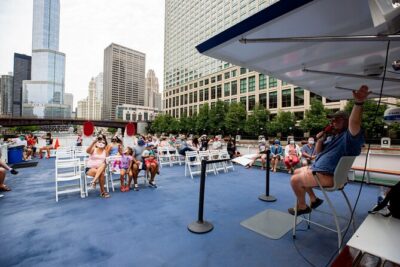

Chicago River: 1.5-Hour Guided Architecture Cruise
Read our review →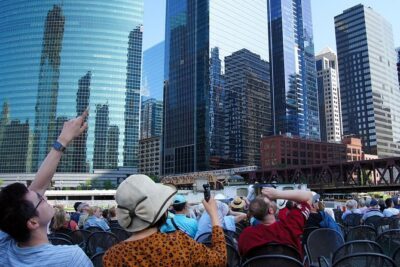
Chicago Architecture Center River Cruise aboard First Lady
Read our review →
Architecture River Cruise Skip-the-Ticket Line
Read our review →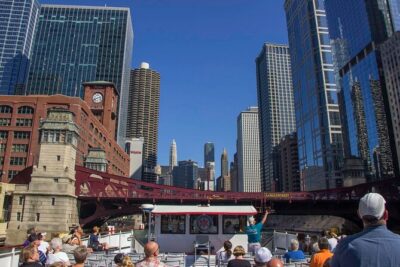
Chicago River 45-Minute Architecture Tour from Magnificent Mile
Read our review →
Browse the lists this tour appears in