REVIEW · ARCHITECTURE TOURS
Casbah of Algiers : Guided tours Architecture and Urban plan
Algiers reveals itself street by street. This full-day Casbah tour pairs an architect with a walk through old lanes, palaces, mosques, museums, sea-facing viewpoints, and a traditional home where you eat lunch. I like the heritage focus and the chance to see the district through architecture and town planning, not just famous monuments. I also like that museum entries, the Citadel, a traditional meal, and tea are included.
The main thing to consider is the pace. You cover many stops in one day, often on foot, through narrow streets and uneven ground. The tour does not include transportation to the meeting point, water, souvenirs, or extra street food, so you should arrive ready with comfortable shoes and a bottle of water.
The guide has 12 years of experience and can lead the tour in French, Arabic, English, or Spanish. A guide named Zineb, described as an architect specializing in heritage, has been praised for excellent spoken English, detailed explanations, and finding both famous places and quieter corners of the Casbah. That combination makes this more than a quick sightseeing walk.
Key points before you book
- Architecture is the main subject: You learn how the Casbah developed, how its urban fabric changed, and how traditional houses were arranged around patios.
- A traditional meal is included: Lunch and tea take place in a historic home, linking food and domestic architecture.
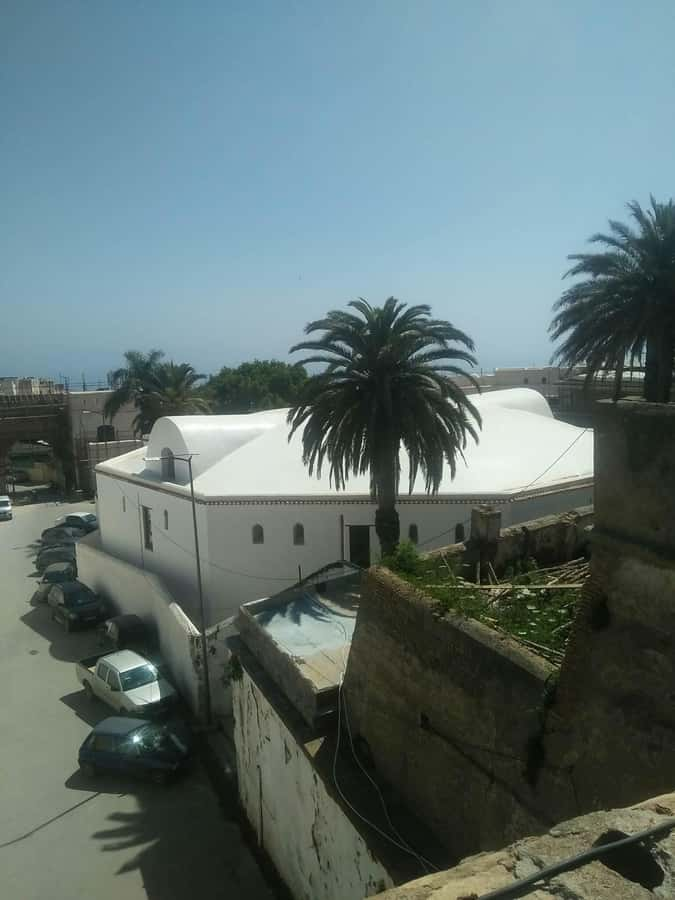
- The route covers major landmarks: You visit the Palace of the Dey, Ketchaoua Mosque, the Great Mosque, Raïs Palace, museums, and Martyrs’ Square.
- You get a heritage specialist: The guide is an architect with 12 years of guiding experience, with support in four languages.
- It is a private group: You are not folded into a large public walking party.
- Bring water and good shoes: Transportation and bottled water are not included, and the route involves considerable walking.
Why an architect changes the Casbah walk
Many city walks give you names, dates, and photo stops. This one is built around a different question: Why does the Casbah look and function this way?
An architect guide can explain the shape of the streets, the relationship between houses and public spaces, and the changes brought by different political and social periods. You are not simply ticking off mosques and museums. You are looking at how a medieval town works.
That matters in the Casbah, where narrow lanes can seem confusing at first. The route helps you read the district as a town rather than a collection of old buildings. You learn about architectural types, the development of Algiers, protection measures for the site, and the events and people that shaped its political, social, and cultural life.
The private-group format should also help. You can ask questions as the day unfolds, and the guide can spend more time on a building or street that catches your attention. The strongest praise for the experience concerns the amount of detail, so this is a good choice if you want explanation rather than a quick pass through the old quarter.
A few more architecture tours in the world worth a look
- Chicago River: 1.5-Hour Guided Architecture Cruise
★ 4.8 · 8,046 reviews - Charleston: History and Architecture Guided Walking Tour
★ 4.8 · 349 reviews - Vienna: Spanish Riding School Guided Architectural Tour
★ 4.8 · 333 reviews
Starting at Bologhine ibn Ziri
The meeting point is beside the Statue of Bologhine ibn Ziri, near Barbarossa Prison. Look for the guide wearing a white cap.
This is a useful starting point because the tour begins with context before you enter the Casbah’s lanes. You should plan your arrival carefully since transportation is not included. The route finishes at Martyrs’ Square, so you will not return to the starting point as part of the tour.
The activity is listed as a one-day experience, with availability depending on the chosen starting time. The listed visits and walks add up to several hours, and the full day also needs room for moving between places, explanations, and the included meal. Do not treat this as a short morning outing.
Palace of the Dey: begin with power and place
The first substantial stop is the Palace of the Dey, with about an hour for a photo stop, visit, guided explanation, and sightseeing.
This is one of the best places to begin because architecture and government meet here. The palace gives the guide a natural setting for explaining how authority was organized and how the old city developed around important institutions.
Give yourself time to look beyond the main photo. Notice the arrangement of rooms, the scale of the building, and the way a palace differs from the smaller domestic homes found elsewhere in the Casbah. The tour’s architectural angle is especially useful here, since the guide can connect design to political and social life.
Entry tickets to the museums and Citadel are included. That saves you from handling admission costs during a packed day.
Stah El Bahja and the Casbah’s narrow streets
The route then continues to Stah El Bahja for roughly 45 minutes of walking, sightseeing, guided commentary, and photographs.
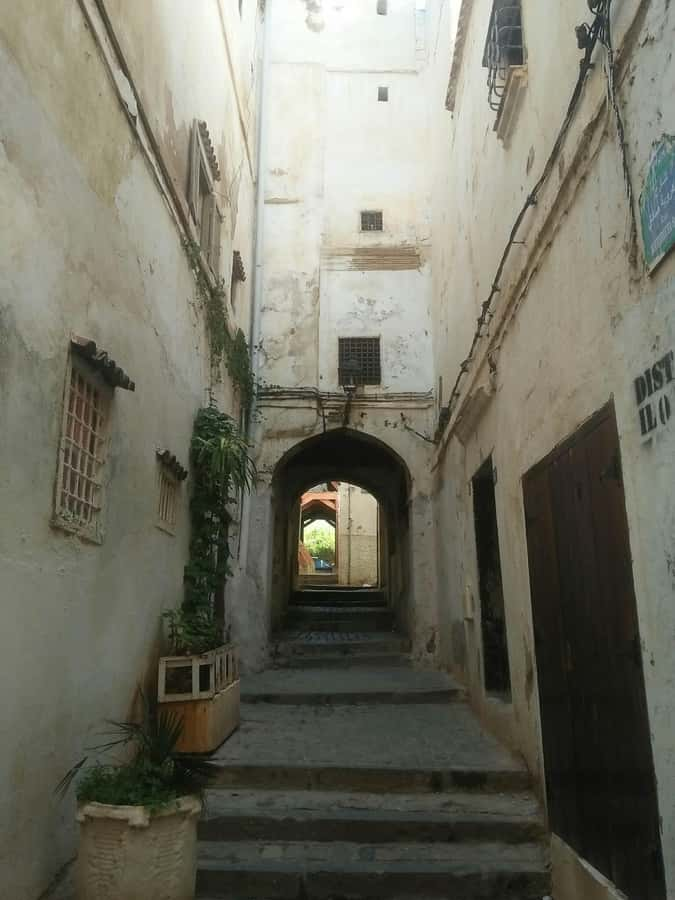
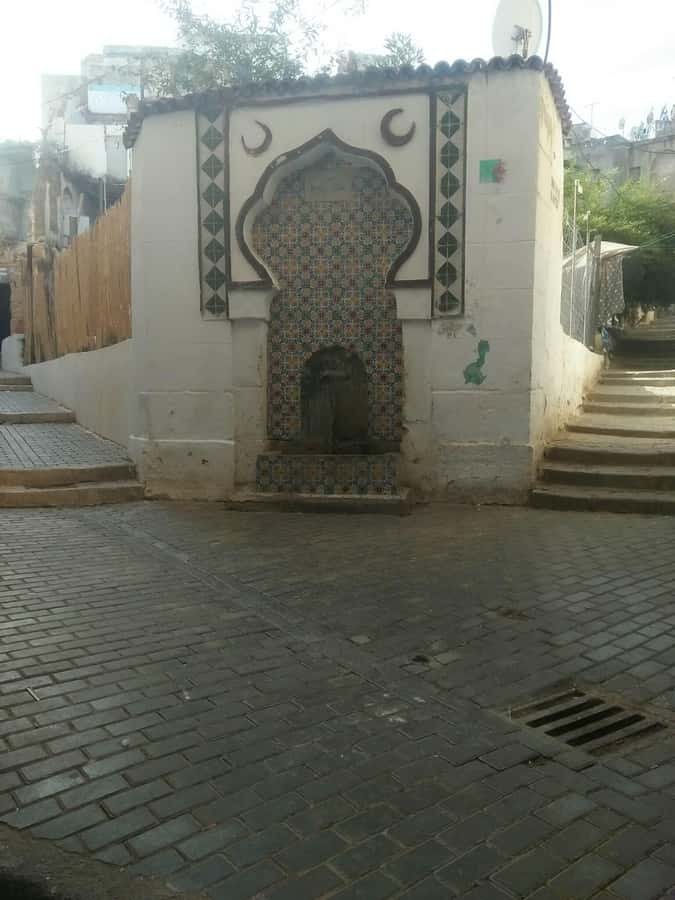
This section helps you understand the Casbah as an urban district. The narrow streets and changes in elevation are not just atmospheric details. They show how movement, privacy, trade, and daily life were organized within a dense historic town.
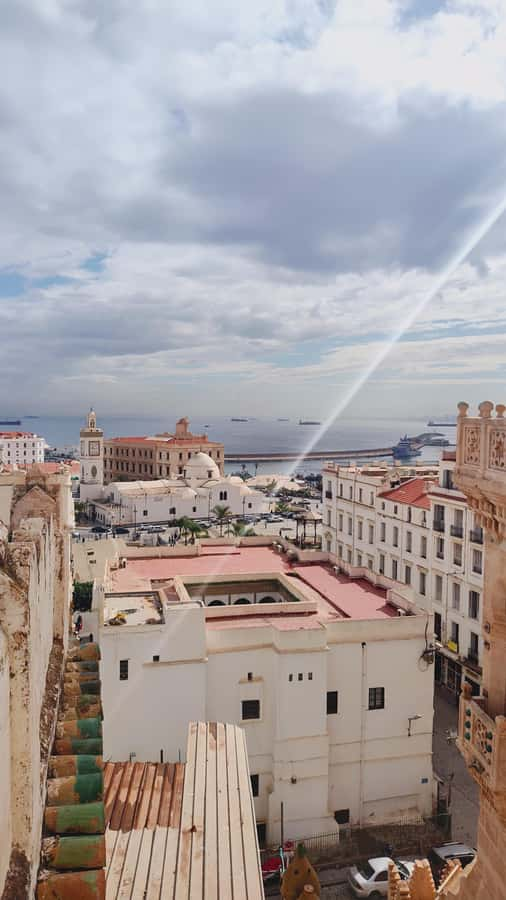
You pass shops and encounter openings toward the sea. These sea views are an important part of the route because they remind you that Algiers was built in close relationship with the Mediterranean. The view also gives you a break from the enclosed lanes.
Bring shoes with firm soles. The tour specifically recommends comfortable footwear, and that advice is worth taking seriously. The route has enough walking that flimsy sandals or stiff dress shoes could make the day less enjoyable.
Same city, a different building to stand in front of:
- Chicago Architecture River Cruise
★ 5.0 · 15,756 reviews - Chicago River 90-Minute Architecture Tour
★ 4.5 · 9,629 reviews - Chicago Architecture Center River Cruise aboard First Lady
★ 5.0 · 5,536 reviews - Chicago: Architecture River Cruise Skip-the-Ticket Line
★ 4.8 · 4,325 reviews
Sidi Ramadan Mosque and Meqam Sidi Abderrahmane
The Sidi Ramadan Mosque receives about 30 minutes for a guided walk and sightseeing. The stop adds a religious and community dimension to the architectural story.
As you move through the mosque area, the guide can place the building within the wider town rather than discussing it as an isolated monument. This is where the tour’s attention to urban planning becomes useful. A mosque is part of a neighborhood network, connected to homes, streets, commerce, and public life.
The next stop is Meqam Sidi Abderrahmane, with about 30 minutes for a visit. Together, these religious sites show how sacred places help define the character of the old city.
You should expect a mixture of formal explanation and walking between landmarks. The itinerary is full, so the time at each place is focused rather than leisurely. If you prefer to spend an hour taking photographs at every stop, this may feel fast.
Ali la Pointe Museum and the Battle of Algiers
The Ali la Pointe Museum is another 30-minute visit. The district around it witnessed a major scene of the Battle of Algiers, giving this part of the tour a strong political and modern historical focus.
This stop broadens the day. You are not looking only at medieval streets and traditional homes. You also examine how the Casbah became tied to major events in Algeria’s modern struggle.
The museum is part of the walking route, so the experience connects displays with the surrounding neighborhood. That can make the historical material easier to place. The Casbah is not a sealed museum quarter. It is a living district where older structures and more recent memories occupy the same streets.
If your main interest is architecture, this is still worthwhile because it shows how buildings and neighborhoods acquire meaning through events. If you want a tour focused only on decorative details, this political section may feel like a change of subject, but it is an important part of understanding the area.
Ketchaoua Mosque and Dar Mustapha Pacha
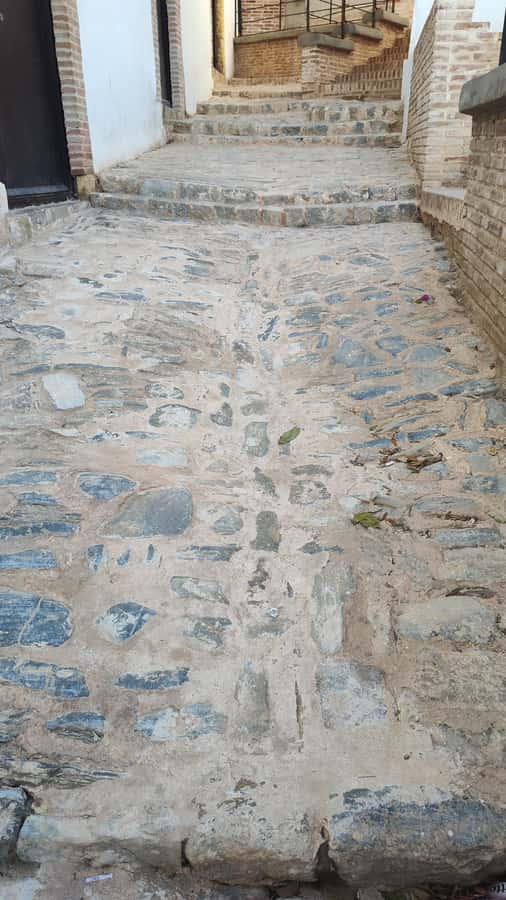
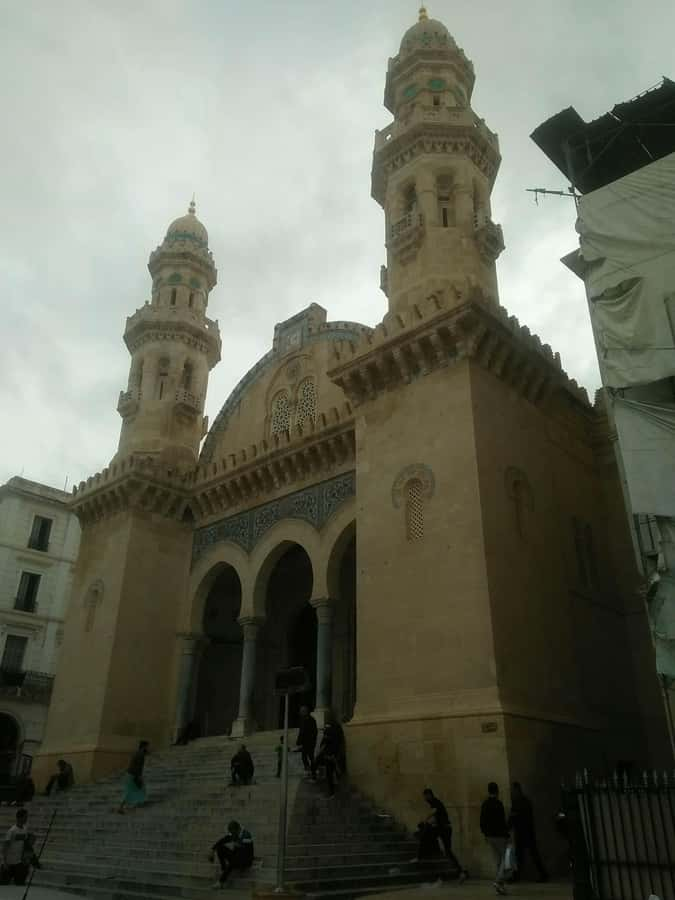
Ketchaoua Mosque receives about 30 minutes for a guided walk. It is one of the route’s major landmarks and an obvious place for the guide to discuss religious architecture, changes over time, and the layered identity of Algiers.
The next stop is Dar Mustapha Pacha, visited for about 15 minutes. The shorter visit means you should expect a concentrated look rather than a long museum-style stay. Taken together, these two stops show the range of buildings in the Casbah, from major religious sites to historic residences and palatial architecture.
The benefit of having an architect lead this section is the comparison. You can ask how a public or religious building differs from a private home, how spaces were used, and what features reveal the period or function of a building.
The National Museum of Arts and Popular Traditions
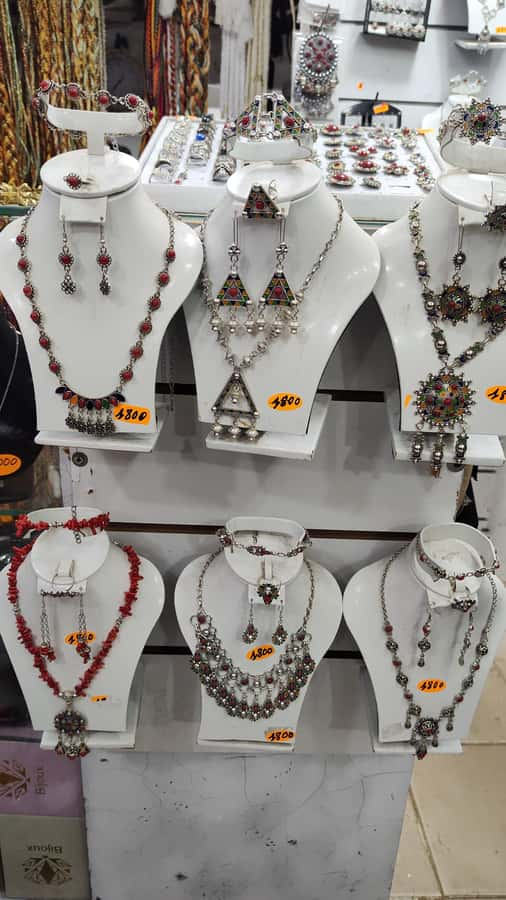
The National Museum of Arts and Popular Traditions is scheduled for about 15 minutes. That is not enough for an extended museum visit, but it adds objects and crafts to the day’s architectural story.
A short stop here works best if you treat it as a focused introduction. The museum can help you connect the buildings outside with domestic life, clothing, decorative arts, and traditional practices.
Because so many sites are included, the tour favors range over long independent museum time. If you want to examine every display in detail, you may wish to return on another visit. The ticket is included, so you can at least see the museum without paying extra during the tour.
Lunch inside a traditional Casbah house
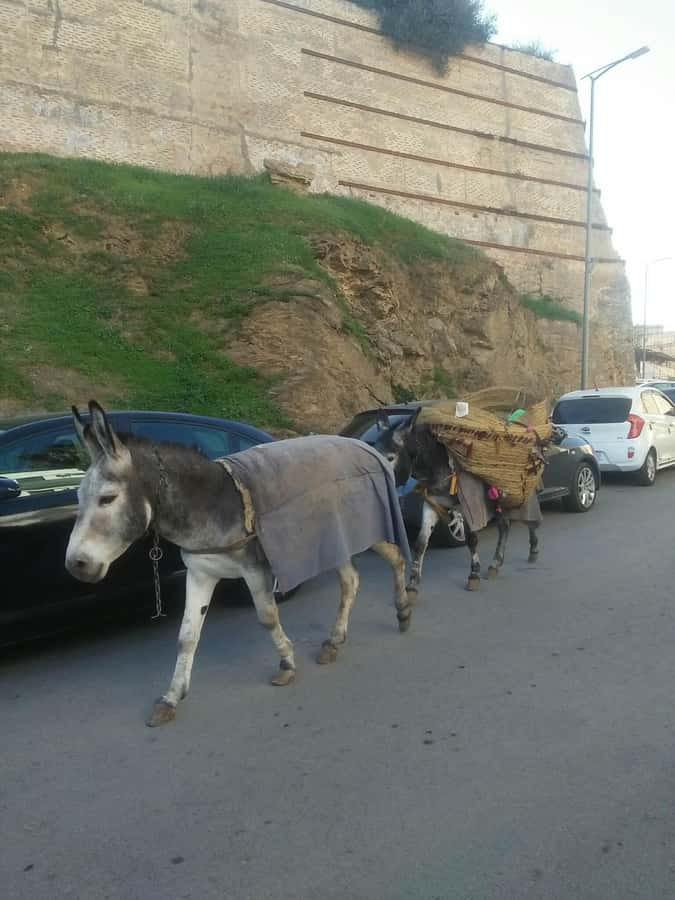
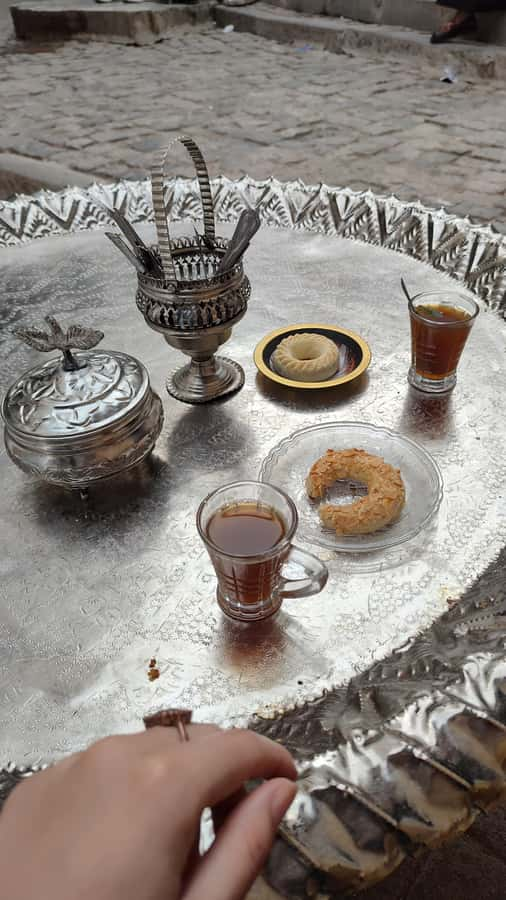
One of the most appealing parts of the day is a visit to a traditional house from the Middle Ages, with its central patio and domestic layout. A traditional meal and tea are included.
This is where the architectural explanation becomes practical. Instead of only hearing about house typology, you see how a traditional home is organized around an interior patio. The design also gives the guide a chance to explain privacy, family life, light, and movement within the house.
The meal adds another layer. Food becomes part of the city’s story, not a separate restaurant break. You are introduced to the culture through culinary art while sitting inside the type of property the tour is explaining.
The lunch is also a welcome pause in a walking-heavy day. Still, the tour does not include water or street food, so bring your own water and budget separately if you want to sample food from shops along the way.
Raïs Palace and the sea-facing side of Algiers
Raïs Palace, also called Bastion 23, receives around 30 minutes for a visit, guided tour, sightseeing, photographs, and walking.
This stop brings together several themes from the day: architecture, the city’s relationship with the sea, and the protection of historic buildings. The route’s beautiful openings toward the water are especially valuable here. They help you see Algiers from the old quarter’s perspective, with the sea appearing between streets and buildings.
The palace is not just another stop on a long list. It gives the tour a chance to explain how the waterfront influenced the city and why preserving historic structures matters. With a heritage architect guiding you, you can expect attention to both visible design and the wider question of site protection.
The short time allocation means you should listen closely. The guide’s explanations are likely to carry more value than trying to photograph every corner.
The Great Mosque and Martyrs’ Square
The Great Mosque is scheduled for about 30 minutes of sightseeing and walking. It provides another major religious landmark and a final opportunity to compare different architectural types across the Casbah.
The tour finishes at Martyrs’ Square. Ending here gives you a clear sense of transition from the old quarter to a major public space in Algiers. It is also practical: after a full day, you know exactly where the guided route ends.
Since the tour begins near Bologhine ibn Ziri and finishes elsewhere, you should plan the rest of your day from Martyrs’ Square. No return transportation is included.
Is the $69 price good value?
At $69 per person, the tour offers solid value if you want a guided, content-heavy introduction to the Casbah.
You are paying for a private-group tour led by an architect, not only for a basic walking guide. The price includes entry tickets to the museums and Citadel, plus a traditional meal and tea. Add the number of major sites covered, and the cost compares well with arranging separate visits and finding your own explanations.
The value is strongest for visitors who care about architecture, urban development, heritage protection, and modern history. You also avoid spending time working out how to connect the palace, mosques, museums, and old streets yourself.
The value is weaker if you want a slow, unstructured wander or a food tour. The day has a clear educational purpose, and the schedule is packed. You will need to accept fixed stops and walking between them.
Practical details that make the day easier
The tour allows free cancellation up to 24 hours before the start for a full refund, and you can reserve now and pay later. That is useful if your Algiers schedule is still shifting.
Live guiding is available in French, Arabic, English, and Spanish. English-language support is a particular strength when the guide can explain complex architectural and political subjects clearly. The experience has received a top rating from only two verified bookings, so I would treat the praise as encouraging but limited rather than as a large body of evidence.
The tour is not suitable for people over 95 years old. Alcohol and drugs are not allowed. Those rules are straightforward, but the more important practical issue is stamina: you should be ready for a full day of walking, narrow streets, museums, and repeated stops.
Who should book this Casbah tour?
I would choose this experience if you want to understand how Algiers was built and how its old quarter changed through time. It is especially suitable for anyone interested in architecture, heritage, urban planning, mosques, historic homes, or the Battle of Algiers.
You will also like it if you prefer a private group and want to ask questions in your own language. The guide’s architectural training gives the day a clear point of view, while the traditional house and lunch keep the experience connected to everyday culture.
I would hesitate if you dislike walking, want lots of free time, or prefer to visit only the most famous monuments. The route covers many places, and the short stops at Dar Mustapha Pacha and the National Museum of Arts and Popular Traditions may feel brief.
Should you book it?
Book this tour if you want the Casbah explained rather than simply photographed. The combination of a heritage architect, a traditional patio house, included museum entries, a local meal, and major historical sites gives you a useful first look at Algiers.
Bring water, wear comfortable shoes, and arrive at the Bologhine ibn Ziri statue ready for a full day. If you do that, the $69 price is a fair exchange for a private, well-organized introduction to the city’s most important historic district.
FAQ
Where does the Casbah tour begin?
The meeting point is next to the Statue of Bologhine ibn Ziri, near Barbarossa Prison. The guide will be wearing a white cap.
Where does the tour finish?
The tour finishes at Martyrs’ Square.
How long does the experience last?
It is valid for one day. The listed visits and walking sections cover much of the day, with additional time needed for moving between stops and eating the included meal.
What languages are available?
The live tour guide can provide the experience in French, Arabic, English, or Spanish.
Is the tour private?
Yes. The activity is organized for a private group.
Is lunch included?
Yes. A traditional meal with tea is included, served during the visit to a traditional house.
Are museum and Citadel entry tickets included?
Yes. Entry tickets to all museums and the Citadel are included.
Is transportation included?
No. Transportation is not included, so you need to make your own way to the meeting point and arrange your plans after the tour ends at Martyrs’ Square.
What should I bring?
Bring comfortable shoes. Water bottles are not included, so you should bring or buy your own water.
Just added in the world
- Wilmington History and Architecture Tour★ 4.8 · 18 reviews
- Washington, DC: Georgetown Architecture Walking Tour★ 5.0 · 8 reviews
- New Orleans : Garden District Architecture Walking tour★ 4.8 · 5 reviews
- Washington DC: Dupont Circle & Embassy Row Architecture Tour★ 5.0 · 6 reviews
- Vicenza: Palladian Architecture Private Walking Tour★ 3.3 · 3 reviews
- Walk & Discover KL’s Architectural and Heritage Gems★ 5.0 · 7 reviews
- Private Colonial Williamsburg Architectural Tour★ 5.0 · 5 reviews
- Unveiling Brno: History, Culture & Architectural Delights★ 5.0 · 2 reviews
Architecture Tours, compared.
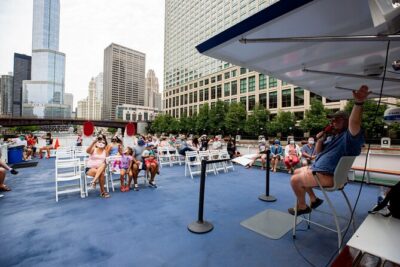

Chicago River: 1.5-Hour Guided Architecture Cruise
Read our review →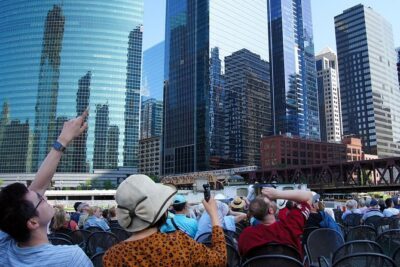
Chicago Architecture Center River Cruise aboard First Lady
Read our review →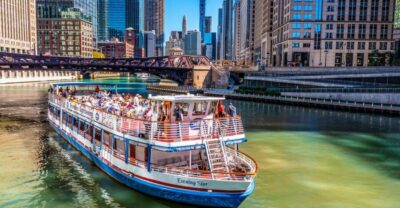
Architecture River Cruise Skip-the-Ticket Line
Read our review →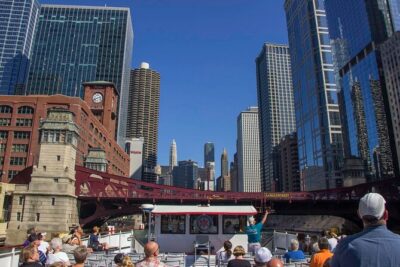
Chicago River 45-Minute Architecture Tour from Magnificent Mile
Read our review →