REVIEW · ARCHITECTURE TOURS
Building + Architecture Tour | 10am Daily
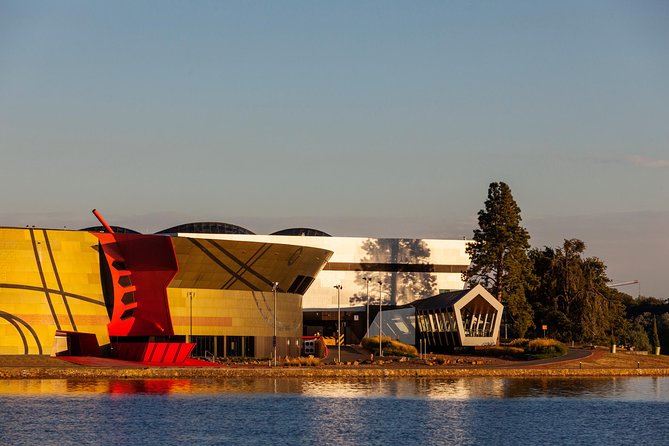
Buildings can tell stories before you enter. The National Museum of Australia’s one-hour Building and Architecture Tour shows how the building, gardens, and nearby spaces carry ideas about contemporary Australia. I like the short format, which fits neatly into a morning, and the way guides connect unusual design details with First Nations stories. The main drawback is that this is focused on the museum and its immediate surroundings, not Canberra’s wider architecture.
I also like that the $14.34 price includes general museum admission, giving you plenty of time to continue exploring afterward. Wear shoes suitable for outdoor walking, arrive at the Information Hub with photo ID, and expect a small group capped at 15 people.
Key points to know before you go
- The tour begins at 10am daily and lasts about one hour, leaving the rest of your morning free.
- Aboriginal symbolism is a major theme, including the Rainbow Serpent, maps, blue poles, and other design details.
- Outdoor areas are included, so comfortable walking shoes matter.
- General entry admission is included, so you can stay and explore the museum after the guided portion.
- Groups are limited to 15 people, which should make it easier to hear the guide and ask questions.
- Guides such as Bernie, Lester, and Ross have made a strong impression, especially when explaining the building’s connection to First Nations stories.
Why the National Museum building deserves its own tour
Many people arrive at the National Museum of Australia thinking first about exhibitions. That makes sense. The museum covers a wide sweep of Australian life, and you could spend hours inside the galleries.
Yet the building itself is part of the story. Its shapes, surfaces, pathways, colours, and outdoor spaces were designed to carry meaning. This tour gives you a way to read those choices instead of treating the building as a striking backdrop for the exhibits.
I like that the tour does not treat architecture as a separate subject reserved for specialists. You do not need to know architectural terms before joining. The guide points out features, explains the ideas behind them, and connects the design to Australia’s people and places.
The most useful shift is this: you begin to see the museum as a collection of stories layered into one structure. The building is not simply a container for objects. Its design asks you to think about identity, memory, geography, and the many cultures that shape Australia.
A few more architecture tours in the world worth a look
- Chicago Architecture River Cruise
★ 5.0 · 15,756 reviews - Chicago River 90-Minute Architecture Tour
★ 4.5 · 9,629 reviews - Chicago River: 1.5-Hour Guided Architecture Cruise
★ 4.8 · 8,046 reviews
What happens at 10am
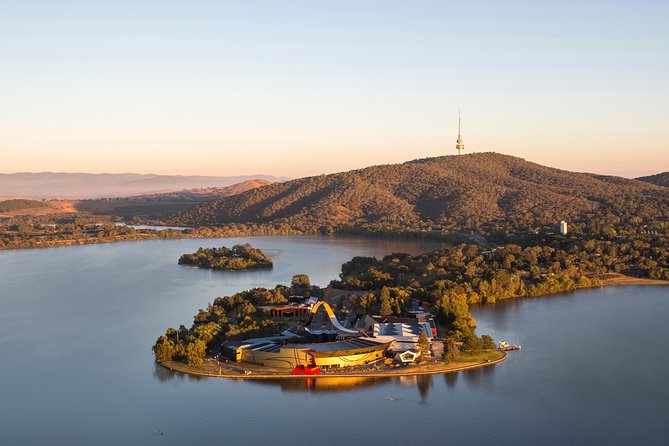
You start at the museum’s Information Hub, where you present your printed or electronic voucher. Bring photo ID that matches the booking name. Without proof of purchase and matching identification, the museum may charge the tour price per person.
The start time is 10am daily. That early slot works well if you are building a full Canberra day around the museum. You can take the tour first, then stay inside for the exhibitions, or use it as a focused introduction before moving on to another sight.
The tour lasts about an hour. That is long enough for a proper explanation but short enough to suit a busy schedule. I would avoid treating it as a complete museum visit. It is better understood as an architectural orientation followed by independent time inside.
The group maximum is 15 people. That matters in a building where a large crowd can make it hard to hear or see what a guide is indicating. A smaller group also gives you a better chance to ask about a detail that catches your eye.
Reading the museum’s Aboriginal symbolism
The strongest part of the experience is the attention given to First Nations ideas and symbolism. Guides explain how Aboriginal concepts appear in the building and surrounding grounds, giving you a more thoughtful way to understand the museum’s purpose.
A recurring reference is the Rainbow Serpent. The symbolism is not limited to a label in a gallery. It appears in the way parts of the building and grounds are arranged, giving the architecture a link to creation stories and the land.
The tour also points out details that are easy to miss on your own. These include Braille dots, maps, blue poles, and a reference to a suburban swimming pool. There is also an obscured Sorry message and a Boolean design element. Each detail adds another layer to the building’s visual language.
You should not expect every feature to be explained in the same order or with exactly the same emphasis. The guide leads the group through the design, and the discussion may vary. That is part of the value of a live tour, but it also means you should listen closely and ask questions when something interests you.
I particularly like the First Nations focus because it stops the architecture from becoming a purely visual exercise. You are not just hearing that a wall curves or a path changes direction. You are learning why those choices can matter and how the building tries to express a broader Australian story.
Outside areas and Australian planting
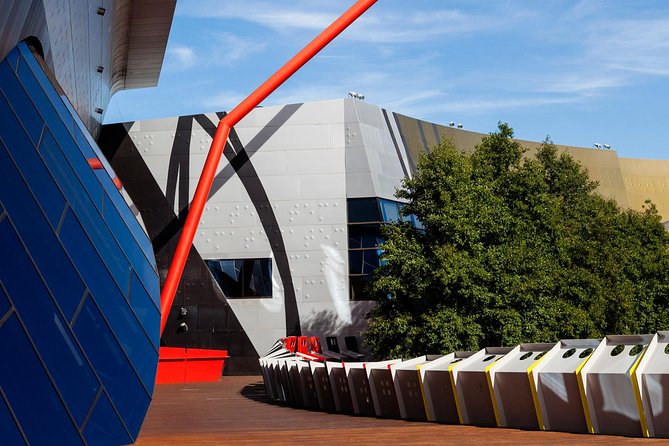
This is not a tour confined to indoor rooms. You will visit outdoor areas around the museum, so suitable footwear is important. The route involves walking, and the guide uses the grounds to explain how the building connects with its setting.
The Australian plants used around the museum are another worthwhile detail. They help the grounds feel like part of the design rather than leftover space between the entrance and the car park. The planting supports the larger idea that the museum belongs in its surroundings.
The word landscape is especially useful here in the literal sense. The tour considers the relationship between the museum, its outdoor spaces, and the ground around it. The building’s ideas continue beyond its walls.
This outdoor element is also the main practical consideration for people who prefer a fully indoor activity. Canberra weather can change your comfort level, so check conditions before you leave and dress for a short period outside. The supplied details do not specify the exact route or weather arrangements, so comfortable shoes and sensible clothing are the safest choices.
Same city, a different building to stand in front of:
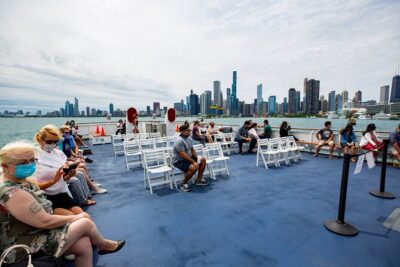
- Chicago Architecture Center River Cruise aboard First Lady
★ 5.0 · 5,536 reviews - Chicago: Architecture River Cruise Skip-the-Ticket Line
★ 4.8 · 4,325 reviews - Chicago River 45-Minute Architecture Tour from Magnificent Mile
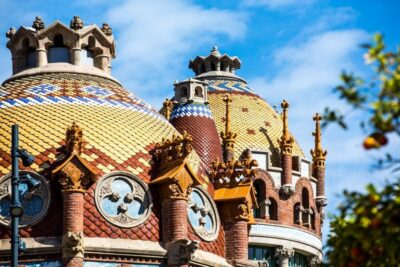
★ 4.5 · 2,924 reviews - Barcelona: Sant Pau Recinte Modernista Entry Ticket
★ 4.6 · 2,567 reviews
How the building layers different stories
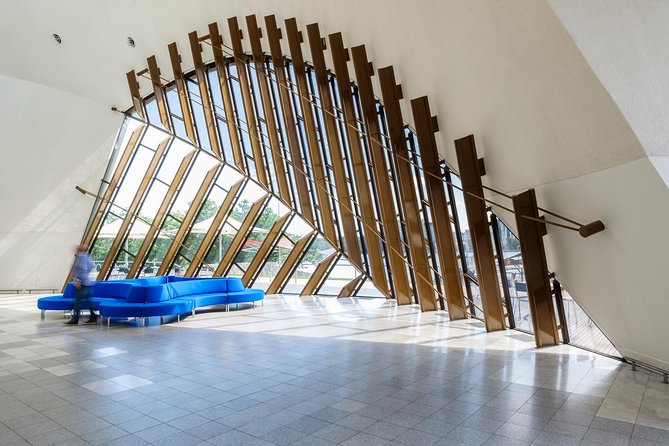
One of the most helpful ideas explained on the tour is the layering of stories. The museum’s design draws on more than one source, so a single feature can point in several directions at once.
You might hear about the building’s links to the landscape, the use of maps, and the incorporation of design features associated with other significant buildings. The point is not simply to identify where an idea came from. It is to show how the museum brings separate references into one place.
That approach suits the National Museum. A museum about Australia cannot tell one neat, single story. Its architecture reflects that complication through overlapping forms and symbols.
I would pay attention to the guide’s examples rather than trying to photograph every detail. A camera may record the blue poles or a pattern of dots, but the explanation gives those features their purpose. If you are interested in architecture, design, or Australian identity, the interpretation is more important than the sightseeing checklist.
The guide can shape the whole experience
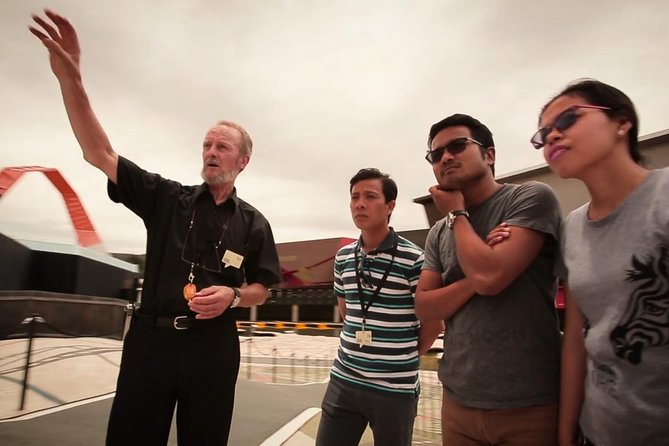
A short architecture tour depends heavily on the guide. The strongest praise has gone to Bernie, Lester, and Ross, each described as personable, enthusiastic, or especially effective at bringing the building’s ideas to life.
That personal element matters. A building can seem confusing when you first encounter it, particularly when its symbols are not explained in obvious signs. A good guide gives you a route through the ideas and helps you notice connections you might otherwise miss.
Ross has been singled out as a particularly strong host, with the tour described as an essential introduction before entering the museum. Bernie has been praised for explaining Aboriginal symbolism and for making the subject approachable. Lester has also been thanked for guiding visitors through the architecture and strengthening their understanding of the First Nations story.
Guide quality can naturally vary from one departure to another. Still, the consistently warm response to the hosts suggests that the experience is not just a script read beside the building. You are getting interpretation from someone who can respond to the group.
Staying on for the museum afterward
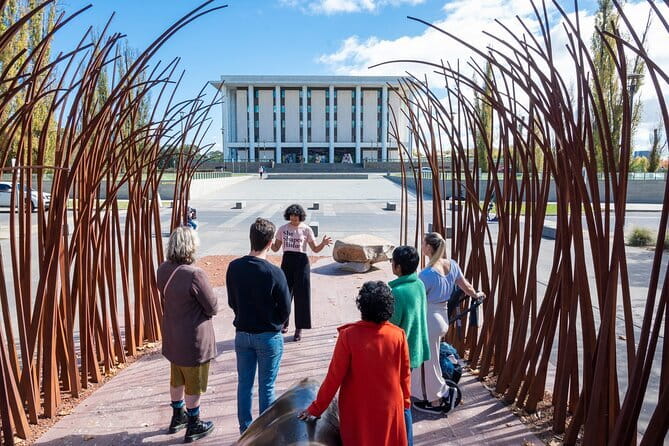
Your ticket includes general museum admission, so do not rush away when the guided hour ends. The best use of the tour is to let it change how you explore the museum afterward.
Once you know about the building’s symbols, you can return to galleries and outdoor spaces with sharper eyes. Features that seemed abstract at first may now connect to a story, a map, a cultural reference, or a design idea.
The museum also has touring exhibitions, events, school holiday programs, and festivals. The exact program changes, so your available time will depend on what is showing during your visit. The tour itself does not include food or drinks, and the supplied details do not identify a meal stop, so plan refreshments separately if you expect to stay for several hours.
The one-hour format is a benefit here. You gain an informed introduction without using half a day on a guided activity. Afterward, you remain free to choose the exhibitions that suit your interests and pace.
Is $14.34 good value?
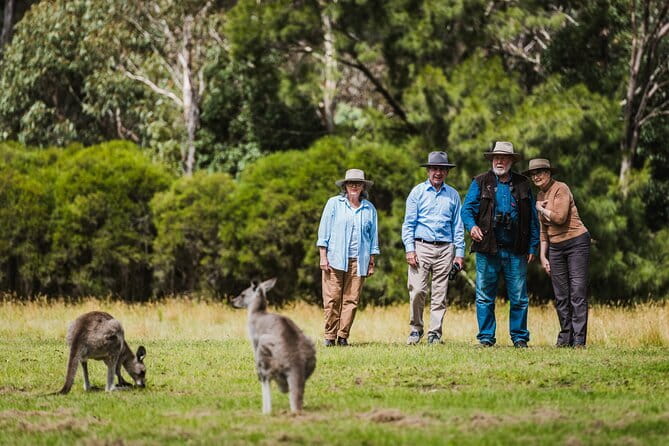
At $14.34 per person, the tour is reasonably priced because general museum entry is included. You are paying for both access and a guided explanation of a building that is easy to admire but harder to understand alone.
The value is strongest if you were already planning to visit the National Museum. The tour adds a focused hour, then lets you continue through the museum without buying a separate general admission ticket.
It is less useful if you only want a quick look at the building exterior or hoped for a broad Canberra architecture tour. The guide stays with the National Museum and nearby grounds. One person specifically found it helpful but wished the scope had been clearer, so set your expectations correctly.
Parking is not included. A parking fee is payable on arrival at the museum car park. The museum is near public transport, so check your preferred route before setting out if you want to avoid that extra cost.
Who will enjoy this tour most?
I would recommend it to first-time museum visitors who want context before wandering through the galleries. It is also a good choice for people interested in architecture, design, Aboriginal symbolism, museum planning, or the way public buildings express national identity.
Families can join, but children must be accompanied by an adult. The tour is short enough to be manageable, although the amount of symbolism and explanation may suit older children better than very young ones.
It also works well for anyone with a tight Canberra schedule. The 10am start and one-hour length leave room for a longer museum visit afterward, lunch, or another activity.
You may want to skip it if you have limited mobility and are concerned about outdoor walking, since the route includes outside areas and the exact access arrangements are not specified here. Service animals are allowed, and most people can participate, but contact the museum directly if you need a precise route assessment.
Booking, cancellation, and practical details
This experience is commonly booked about 14 days ahead, so I would reserve early if the 10am departure is important to your plans. Confirmation is issued at booking, and mobile tickets are accepted.
Free cancellation is available up to 24 hours before the local start time for a full refund. Changes or cancellations made less than 24 hours before the start are not accepted for a refund.
Bring your voucher, photo ID, comfortable shoes, and enough time to reach the Information Hub before 10am. Food, drinks, and parking are extra.
Should you book the Building and Architecture Tour?
Book it if you want the National Museum to make more sense. The tour gives you a clear introduction to the building’s unusual design, its Aboriginal symbolism, its outdoor spaces, and the ideas behind details such as the Braille dots, maps, blue poles, and Rainbow Serpent references.
The best plan is simple: take the 10am tour, listen for the links between design and First Nations stories, then spend the rest of your visit exploring the museum with that background in mind.
Skip it if you are looking for a citywide architecture tour or only have time for a quick exterior visit. For a modest price that includes museum entry, though, this is a strong add-on for anyone who wants more than a passing look at one of Canberra’s most distinctive public buildings.
FAQ
What time does the Building and Architecture Tour start?
The tour starts at 10am daily.
How long does the tour last?
The guided tour lasts approximately one hour.
Is museum entry included?
Yes. General entry admission is included with the Building and Architecture Tour.
Where do I meet the guide?
On arrival, go to the National Museum of Australia’s Information Hub to redeem your voucher and join the tour.
Can I use a mobile ticket?
Yes. You can present either a printed voucher or an electronic voucher. You must also bring photo ID matching the booking name.
Is parking included?
No. Any parking fee at the museum car park is paid separately on arrival.
Can I cancel for a full refund?
Yes. You can cancel at least 24 hours before the experience start time for a full refund. Cancellations or changes made less than 24 hours before the start are not accepted for a refund.
Just added in the world
- Wilmington History and Architecture Tour★ 4.8 · 18 reviews
- Washington DC: Dupont Circle & Embassy Row Architecture Tour★ 5.0 · 6 reviews
- Washington, DC: Georgetown Architecture Walking Tour★ 5.0 · 8 reviews
- New Orleans : Garden District Architecture Walking tour★ 4.8 · 5 reviews
- Vicenza: Palladian Architecture Private Walking Tour★ 3.3 · 3 reviews
- Walk & Discover KL’s Architectural and Heritage Gems★ 5.0 · 7 reviews
- Private Colonial Williamsburg Architectural Tour★ 5.0 · 5 reviews
- Unveiling Brno: History, Culture & Architectural Delights★ 5.0 · 2 reviews
Architecture Tours, compared.
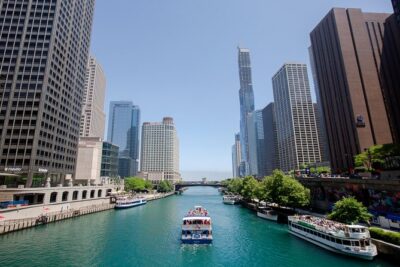
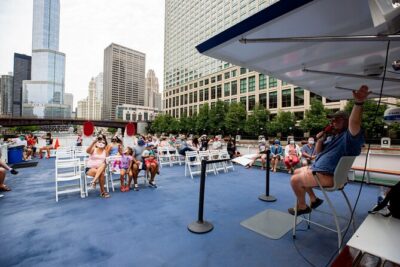

Chicago River: 1.5-Hour Guided Architecture Cruise
Read our review →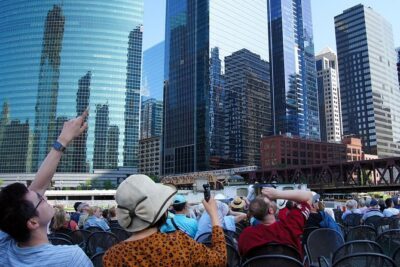
Chicago Architecture Center River Cruise aboard First Lady
Read our review →
Architecture River Cruise Skip-the-Ticket Line
Read our review →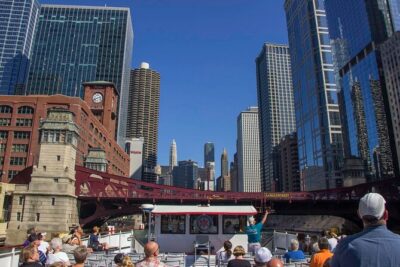
Chicago River 45-Minute Architecture Tour from Magnificent Mile
Read our review →