REVIEW · ARCHITECTURE TOURS
Belgian Hidden Architectural Gem
Ghent reveals itself one old street at a time. This two-hour walking tour is a smart introduction to the city, combining Vrijdagmarkt’s historic architecture with a guided look at Gravensteen castle and the forces that shaped Ghent. I like that a guide handles the route, and I like the focus on stories about architecture, power, and the city’s surprising link to modern technology. The main caution is that the tour is non-refundable, so you need to be confident about your date and prepared for possible weather issues.
At $17.80 per person, the price is fair for a small-group city walk with a maximum of 12 people. You start at 3:00 pm at the Stadshal, or City Pavilion, and return there after roughly two hours. The castle visit appears to focus on the outside and surrounding streets, so do not book this expecting an included interior tour of Gravensteen.
Key points to know before booking
- Vrijdagmarkt sets the historical tone: You spend about 20 minutes in one of Ghent’s best-known squares, surrounded by architecture and layers of city history.
- Gravensteen is the main medieval sight: The tour explains the castle’s role in the power of the Counts of Flanders and points out details you could easily miss alone.
- The guide adds the value: Navigation, historical context, and local stories are included, which makes the modest price more worthwhile than simply walking the same streets with a map.
- Jamal received especially warm praise: One review describes his architecture, art, and history presentation as informative, humorous, and full of enthusiasm.
- The group stays small: With no more than 12 people, the walk should feel more personal than a large coach-style city tour.
- Plan around the fixed conditions: The activity begins at 3:00 pm, requires good weather, and can be canceled if the minimum number of participants is not reached.
Why this short tour works well in Ghent
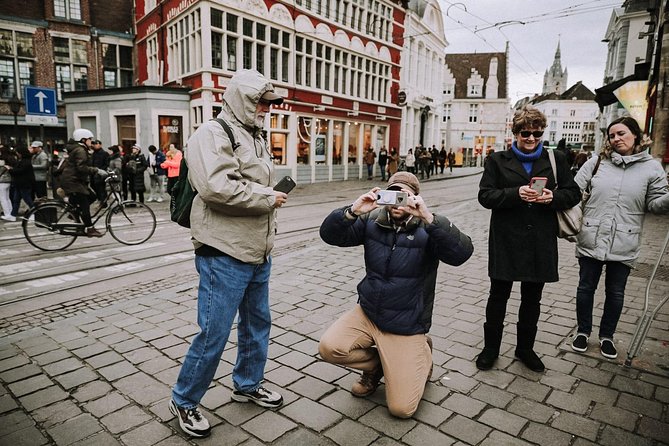
Ghent can be confusing at first. Its medieval center is compact, but the streets, squares, waterways, churches, castles, and later buildings create a lot to take in. You can certainly walk around on your own, but it is easy to see only attractive facades without understanding why they are there.
This tour gives you a framework. You hear about the fall of the Holy Roman Empire, the development of Ghent, the authority of the Flemish counts, and the city’s modern reputation as Belgium’s Silicon Valley. Those subjects connect the old stones to the city’s present identity.
I also like the size. A limit of 12 people gives the guide a better chance to answer questions and point out small details. It is still a group experience, not a private walk, but it avoids the feeling of being one face in a crowd.
The tour lasts about two hours, which is long enough for a useful first look without taking over your day. If you arrive in Ghent with only a short amount of time, it can help you decide which streets and buildings deserve a closer look later.
A few more architecture tours in the world worth a look
- Chicago Architecture River Cruise
★ 5.0 · 15,756 reviews - Chicago River 90-Minute Architecture Tour
★ 4.5 · 9,629 reviews - Chicago River: 1.5-Hour Guided Architecture Cruise
★ 4.8 · 8,046 reviews
Starting at the Stadshal at 3:00 pm
The meeting point is the Stadshal, or City Pavilion, at Poeljemarkt. This gives you a central starting place and puts you close to the historic heart of Ghent. You receive a mobile ticket, and confirmation is provided when you book.
The 3:00 pm start is worth considering when planning your day. It works well after a morning museum visit, lunch, or an earlier look around Ghent. It is less convenient if you want a very early start or if you are catching an evening train immediately afterward.
You return to the same meeting point at the end. That is useful because you do not need to work out a new location after the walk. It also makes the tour easier to combine with dinner or another city-center activity.
The meeting point is near public transportation. Service animals are allowed, and the activity information says most people can participate. No special fitness requirement is given, but this is a walking tour, so comfortable shoes remain a sensible choice.
Vrijdagmarkt: a square built for stories
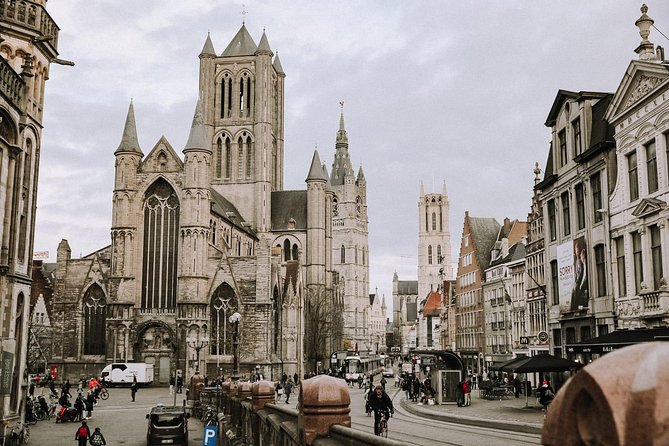
The first named stop is Vrijdagmarkt, one of Ghent’s famous market squares. You spend about 20 minutes here, looking at the square and its surrounding buildings while the guide explains its place in the city’s story.
A square like this is more than a photo stop. It helps you see how public life, trade, politics, and architecture meet in an old European city. The guide’s job is to show how the buildings relate to one another, not simply to point out that they are old.
The tour description also connects this part of Ghent to the fall of the Holy Roman Empire. That broader political background gives the city more meaning. Ghent was not an isolated medieval town. Its fortunes were tied to changing authorities, regional power, and the shifting structure of Europe.
I would pay close attention here to the guide’s explanation of architectural development. The tour is aimed at people who want more than a quick list of dates, but you do not need to be an architecture student. The point is to help you recognize why different facades, styles, and public spaces look the way they do.
One limitation is the short stop. Twenty minutes is enough for an introduction, but not for a detailed examination of every building around the square. If Vrijdagmarkt becomes your favorite part of the tour, you may want to return on your own afterward.
The walk toward Gravensteen castle

Between the named stops, the group crosses a street on the way to the castle. This sounds simple, but it reflects the nature of the experience: the tour is a connected walk through Ghent rather than a series of isolated attractions.
The route lets the guide keep the story moving from public square to medieval stronghold. You can focus on the buildings and streets instead of checking a map every few minutes. That is one of the clearest benefits of paying for a guided walk.
The description promises stories about buildings and details you might overlook alone. One example is a pillar in front of Gravensteen. The guide also discusses which building has the city’s most beautiful Baroque facade. Those details give the walk a sense of discovery without requiring a long list of formal monuments.
Because the exact route between the points is not fully described, you should think of the walking sections as part of the explanation rather than a separately advertised sightseeing route. You will be moving through central Ghent, but the focus remains architecture and history.
Same city, a different building to stand in front of:
- Chicago Architecture Center River Cruise aboard First Lady
★ 5.0 · 5,536 reviews - Chicago: Architecture River Cruise Skip-the-Ticket Line
★ 4.8 · 4,325 reviews - Chicago River 45-Minute Architecture Tour from Magnificent Mile
★ 4.5 · 2,924 reviews - Barcelona: Sant Pau Recinte Modernista Entry Ticket
★ 4.6 · 2,567 reviews
Gravensteen: power in stone
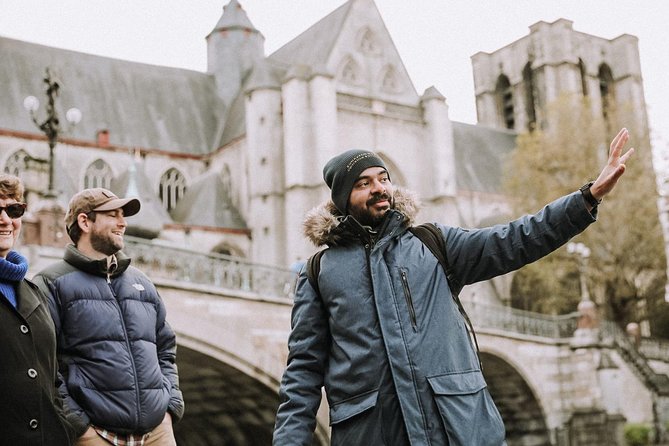
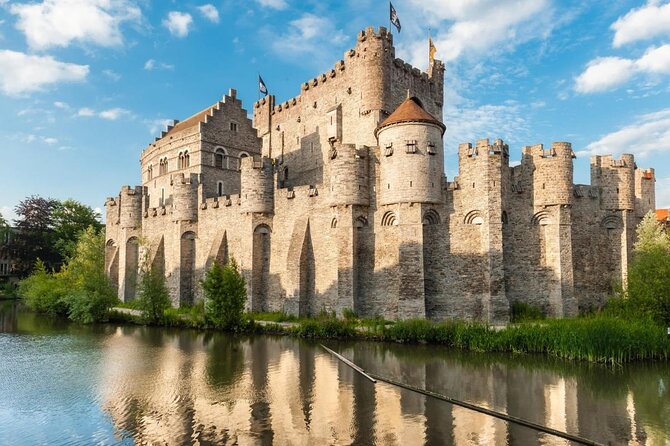
Gravensteen is the tour’s strongest visual moment. Known as the Castle of the Counts of Flanders, it is one of Ghent’s oldest buildings and a clear reminder of medieval authority.
The guide explains how the castle witnessed the power of the Flemish counts. That context matters. A castle is easy to photograph, but the political story tells you why it was built, what it represented, and how it fit into the city’s life.
The tour also calls attention to the pillar in front of the castle. Small features like this are exactly where a local guide can help. Without an explanation, you may walk past it. With one, it becomes part of the city’s story.
The experience also raises the question of which building has the most beautiful Baroque facade in Ghent. That kind of comparison is useful because it trains your eye. Instead of seeing the old center as one large collection of decorative buildings, you begin to notice differences in style and period.
The stop lasts about 20 minutes. Admission is listed as free for the stop, but an interior castle ticket is not included among the tour inclusions. I would therefore expect an exterior-focused visit and guided discussion rather than entry into the castle rooms. If going inside Gravensteen is a top priority, confirm that point before booking or plan a separate castle visit.
What the guide adds to the buildings
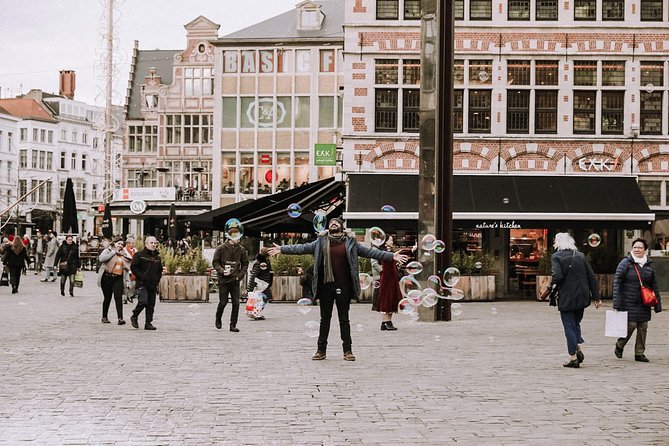
The guide is the main reason to choose this experience instead of simply following a walking map. The route itself is not difficult to find, but the meaning behind the buildings is harder to supply on your own.
Jamal is the guide specifically praised in the available feedback. He was described as bringing extensive information about architecture, art, and city history, while keeping the presentation entertaining and humorous. That combination matters. A lecture can be accurate and still feel heavy after an hour. A good city guide gives you useful facts without making the walk feel like school.
The praise also emphasizes enthusiasm. That is important on a short tour because the guide has limited time to make an impression. A lively explanation can help you notice the difference between a merely old building and one that reveals something about Ghent’s politics or culture.
Guide quality can vary from date to date, and only two ratings are currently available, producing an overall score of 4.5. I would treat that as encouraging but not a large body of evidence. The strongest signal is the specific praise for Jamal’s delivery and command of architecture, art, and history.
Ghent’s old buildings and modern reputation

One of the more unusual ideas covered on the walk is why Ghent has gained the nickname Belgium’s Silicon Valley. That gives the tour a modern angle.
Many historic city tours stop with medieval walls and old guild buildings. This one tries to connect Ghent’s past with its current identity. You learn not only how power shaped the old city, but also why Ghent is associated with technology and innovation today.
The information provided does not give a detailed explanation of the nickname, so you should expect an introduction rather than a full technology tour. Still, the subject adds variety and keeps the experience from being only a parade of medieval dates.
I like this balance. Ghent is not a museum frozen in the past. The castle, market square, and historic facades are part of a living city. A tour that places them beside modern economic and cultural life gives you a more useful picture of the place.
Is $17.80 good value?
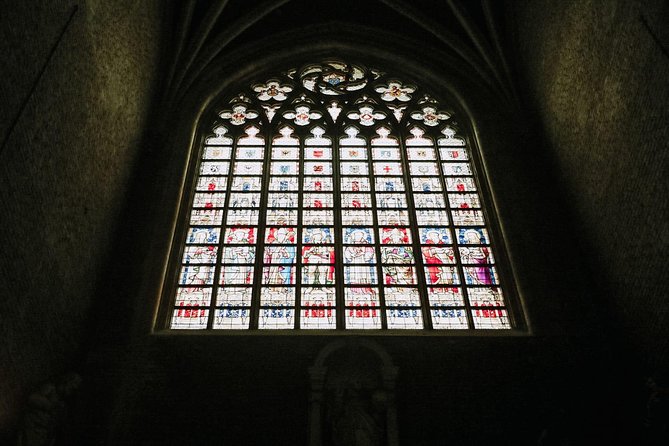
At $17.80 per person, this is a reasonably priced orientation tour. The fee covers the guide, and the small maximum group size is a real benefit. You are paying for interpretation, route planning, and local context rather than for an expensive attraction ticket.
The value depends on what you want. If you already know Ghent well, prefer wandering alone, or mainly want to enter Gravensteen, this may not be enough for you. The castle admission is not listed as included, and the experience is built around a short guided walk.
For a first visit, I think the price makes sense. You get two hours of structure, major historical sights, and explanations that can shape the rest of your time in the city. The cost is also low enough that you can still budget for a separate castle visit, coffee, or another attraction.
Coffee and tea are not included. That is not a serious drawback, but it is worth knowing if you expect a café stop during the walk. The tour is focused on sightseeing and explanation, not refreshments.
Weather, group size, and booking cautions
Good weather is required. If poor weather forces cancellation, you are offered another date or a full refund. The activity can also be canceled if the minimum number of participants is not reached, with a different date or experience, or a full refund offered.
The stricter issue is the cancellation rule. Your booking is non-refundable and cannot be changed for any reason. If your plans are uncertain, this is a tour to book only after your Ghent schedule is settled.
The tour is usually booked about 16 days ahead. That does not guarantee that every date sells out, but it suggests that booking around two weeks before your visit is sensible, especially if you want the 3:00 pm departure.
With a maximum of 12 people, the group should remain manageable. The exact group size on your date may be smaller, but it will not exceed that limit according to the activity details.
Who should book this Ghent walk?
I would recommend it most strongly to first-time visitors who want an efficient introduction to Ghent’s architecture and major historical themes. It also suits you if you enjoy learning how buildings connect to politics, social change, and city development.
It is a good fit for:
- People with only a few hours in central Ghent
- Visitors who prefer a guide to handle navigation
- Anyone curious about European architecture without wanting a formal academic lecture
- Small groups and solo visitors who like a more personal walking experience
- People who want to see Gravensteen while learning about its role, even if they plan a separate interior visit
I would be more cautious if you need a fully accessible, clearly specified route, since detailed accessibility information is not provided. Most people can participate, and service animals are allowed, but the walk itself takes place through city streets.
Should you book the Belgian Hidden Architectural Gem?
Book this tour if you want a short, affordable orientation to Ghent with a strong focus on architecture and history. The best reasons are the small group, the central route, the Gravensteen discussion, and the chance to hear a guide such as Jamal explain the city with humor and enthusiasm.
Skip it if your main goal is a lengthy castle interior visit, a private tour, or complete flexibility with your schedule. Also skip it if you are not comfortable with a non-refundable booking.
For most first-time visitors, I think it is a sensible way to get your bearings fast and give the rest of your Ghent visit more meaning. Just plan for the fixed 3:00 pm start, check the weather, and treat the castle portion as a guided exterior stop unless you confirm that interior entry is included.
FAQ
How long does the Ghent architecture tour last?
The tour lasts approximately two hours.
What time does the tour begin?
The tour begins at 3:00 pm.
Where does the tour start?
It starts at the Stadshal, or City Pavilion, at Poeljemarkt in Ghent.
Where does the tour end?
The activity ends back at the meeting point.
Does the tour include a guide?
Yes. A guide is included.
Is Gravensteen castle included in the tour?
Gravensteen is one of the tour stops, but admission to the castle interior is not listed as included. The stop is described as a guided look at the castle and its surroundings.
How large is the group?
The activity has a maximum of 12 participants.
Is the tour available with a mobile ticket?
Yes. A mobile ticket is available, and confirmation is provided at the time of booking.
Is coffee or tea included?
No. Coffee and tea are not included.
Can I cancel or change the booking?
No. The experience is non-refundable and cannot be changed for any reason. If the provider cancels because of poor weather or because the minimum number of participants is not reached, you are offered another date or experience, or a full refund.
Just added in the world
- Wilmington History and Architecture Tour★ 4.8 · 18 reviews
- Washington DC: Dupont Circle & Embassy Row Architecture Tour★ 5.0 · 6 reviews
- Washington, DC: Georgetown Architecture Walking Tour★ 5.0 · 8 reviews
- New Orleans : Garden District Architecture Walking tour★ 4.8 · 5 reviews
- Vicenza: Palladian Architecture Private Walking Tour★ 3.3 · 3 reviews
- Walk & Discover KL’s Architectural and Heritage Gems★ 5.0 · 7 reviews
- Private Colonial Williamsburg Architectural Tour★ 5.0 · 5 reviews
- Unveiling Brno: History, Culture & Architectural Delights★ 5.0 · 2 reviews
Architecture Tours, compared.



Chicago River: 1.5-Hour Guided Architecture Cruise
Read our review →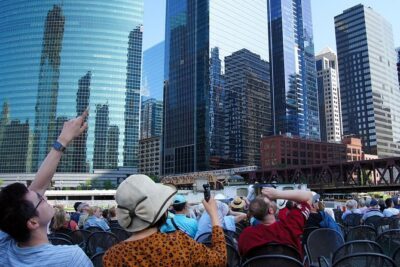
Chicago Architecture Center River Cruise aboard First Lady
Read our review →
Architecture River Cruise Skip-the-Ticket Line
Read our review →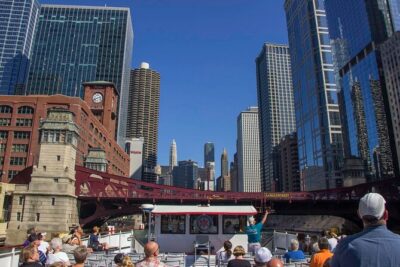
Chicago River 45-Minute Architecture Tour from Magnificent Mile
Read our review →