REVIEW · ARCHITECTURE TOURS
An Architect’s Tour of Downtown Santiago
Look up, and Santiago tells its story. This three-hour walk with Chilean architect Diego Inzunza links major buildings, neighborhoods, and public spaces while explaining how architecture reflects Chile’s political and social changes. It is a smart way to get oriented in central Santiago without needing any previous architectural training.
I like the small group limit of eight, which gives you room to ask questions and pause for photographs. I also like the route’s range, from Plaza Baquedano and Barrio Lastarria to Cerro Santa Lucia, Iglesia San Francisco, Barrio Paris-Londres, and La Moneda. The main consideration is simple: this is a walking tour, so comfortable shoes matter, and three hours may feel long if you prefer a quick introduction.
Diego brings useful personal experience to the walk. He graduated in architecture in 2016, has worked as an architect and guide for more than six years, and speaks fluent English after living in the United States for 10 years. His explanations have earned strong praise for passion, clear historical context, and the ability to connect design with Chile’s periods of political and social change.
Key points to know before booking
- A route from Plaza Baquedano to La Moneda: You begin near Teatro Universidad de Chile and finish at Chile’s presidential palace in the Civic Center.
- Architecture explained in plain language: Diego covers styles, design choices, urban development, and historical events without expecting you to know architectural terms.
- A small group of up to eight: The format allows questions, extra time for photographs, and a more personal conversation.
- Several of Santiago’s most important districts: Barrio Lastarria, Barrio Paris-Londres, Cerro Santa Lucia, Iglesia San Francisco, and central institutions all fit into one walk.
- English or Spanish guiding: You can choose the language that lets you follow the discussion most easily.
- A flexible route in practical ways: Coffee, restroom, bank, or money exchange stops may be added when needed.
Why architecture makes Santiago easier to understand
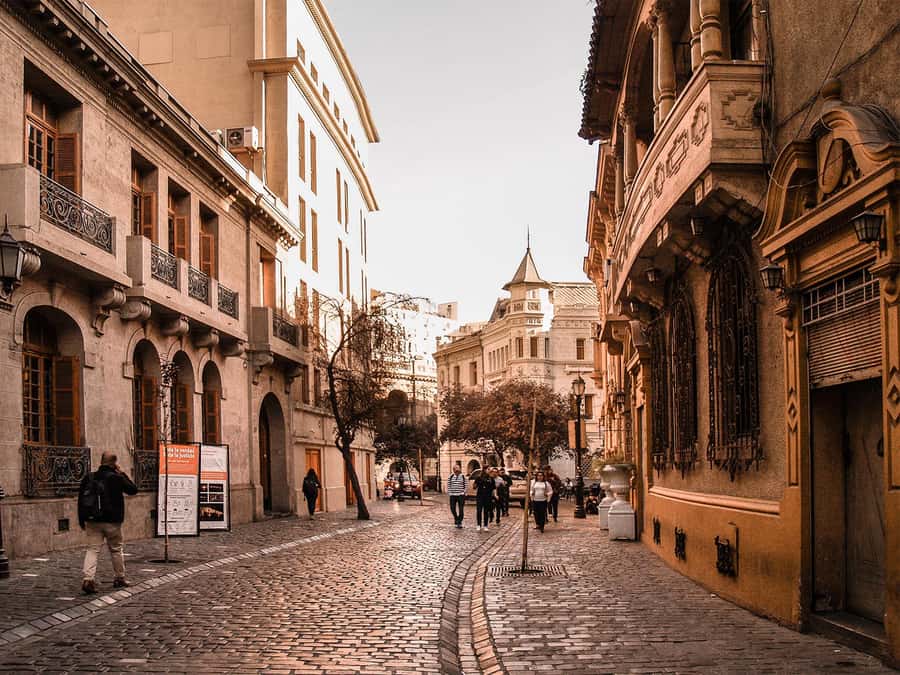
Santiago can seem like a collection of attractive buildings until you know what to look for. This tour gives you a framework. Instead of simply pointing out a church, university, hill, or palace, Diego explains why it looks the way it does and how it fits into the city’s development.
That approach is useful because Chilean history is closely tied to public buildings and urban design. Political change, social shifts, institutional power, and cultural identity all appear in the form of the city. A facade, street layout, or civic space can tell you something about the era in which it was built.
You do not need to recognize architectural styles in advance. Diego explains the ideas behind the buildings, then gives you space to ask about details that catch your eye. That makes the walk suitable for someone who enjoys history, politics, design, or simply learning how a city works.
I especially like that the tour is built around conversation rather than a fixed speech. You can spend more time photographing a place or ask for a clearer explanation if one topic interests you. The group size helps here. With no more than eight people, the experience should feel more like a guided discussion than a large procession.
A few more architecture tours in the world worth a look
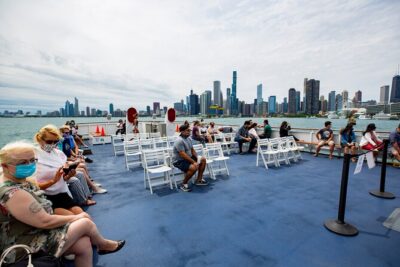
- Chicago Architecture River Cruise
★ 5.0 · 15,756 reviews - Chicago River 90-Minute Architecture Tour
★ 4.5 · 9,629 reviews - Chicago River: 1.5-Hour Guided Architecture Cruise
★ 4.8 · 8,046 reviews
Starting at Plaza Baquedano and Teatro Universidad de Chile
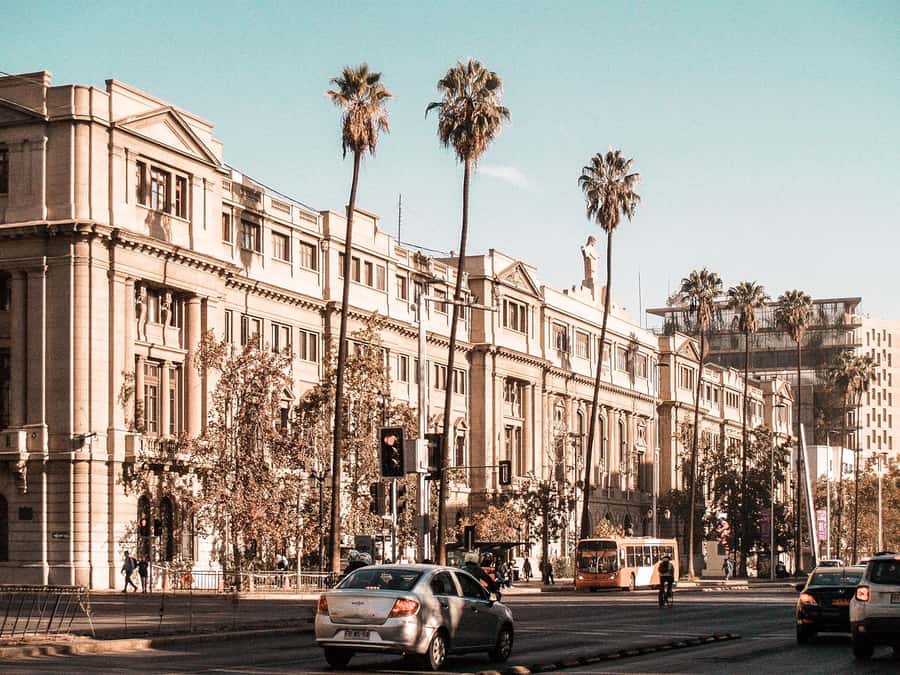
The meeting point is Plaza Baquedano, next to Teatro Universidad de Chile, with the starting address given as Av. Providencia 43. This is an important place to begin because it connects several parts of Santiago and provides an immediate sense of the city’s scale and movement.
From here, Diego starts placing downtown Santiago in context. You are not just heading from one attraction to the next. You are beginning with a central urban junction, then moving into districts where architecture, public life, and history overlap.
This opening also gives you a useful orientation for the rest of your time in Santiago. The tour moves toward the historic center and finishes near La Moneda, so you can use the route to understand how the eastern and central parts of the city relate to one another.
The area may feel active and exposed compared with the quieter streets later in the walk. That is part of its value. You begin with the city as a working urban center, then gradually move through neighborhoods and landmarks where the architectural details become easier to study.
Barrio Lastarria, where old and new meet
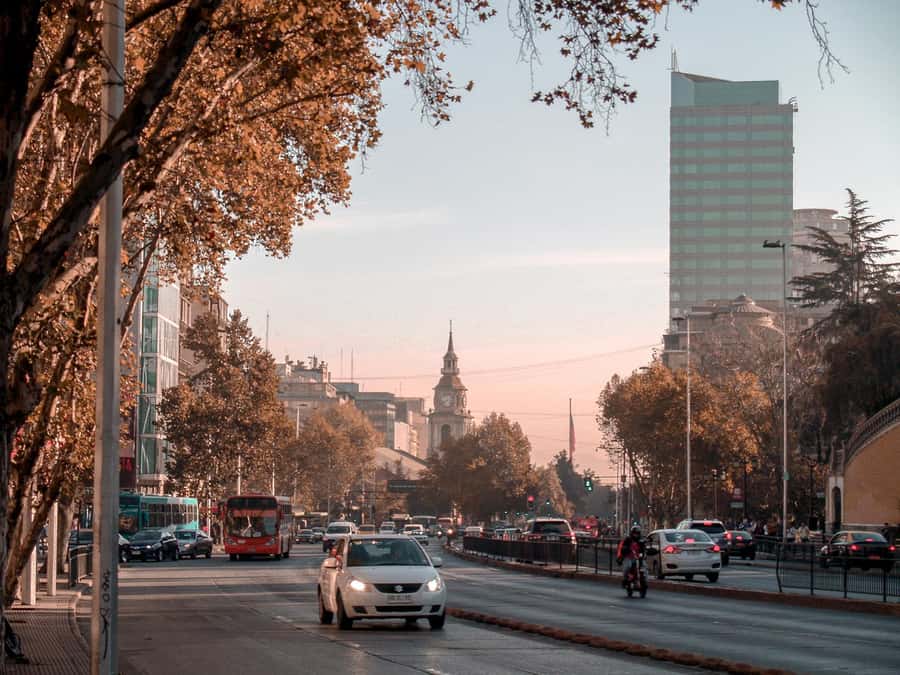
Barrio Lastarria is one of the most appealing sections of the walk for anyone who likes urban character. It offers a change of pace from the broad central intersection and gives Diego a chance to explain how a neighborhood’s buildings and street pattern shape its identity.
Here, pay attention to the relationship between the buildings and the public spaces around them. The point is not only to photograph attractive facades. Diego explains the design choices and historical setting, helping you see why the neighborhood feels distinct from other parts of central Santiago.
This is also a good place to ask practical questions about how Santiago’s districts have changed over time. The tour connects architectural form with social and political developments, so you may come away with a better sense of why certain areas became cultural or civic centers.
Allow yourself to slow down here. The route is not designed as a race between landmarks. If you like photography, Barrio Lastarria may be one of the places where a short pause adds real value. Just remember that extra time at one stop could mean less time elsewhere, depending on the group’s interests.
Universidad Catolica de Chile and the role of institutions
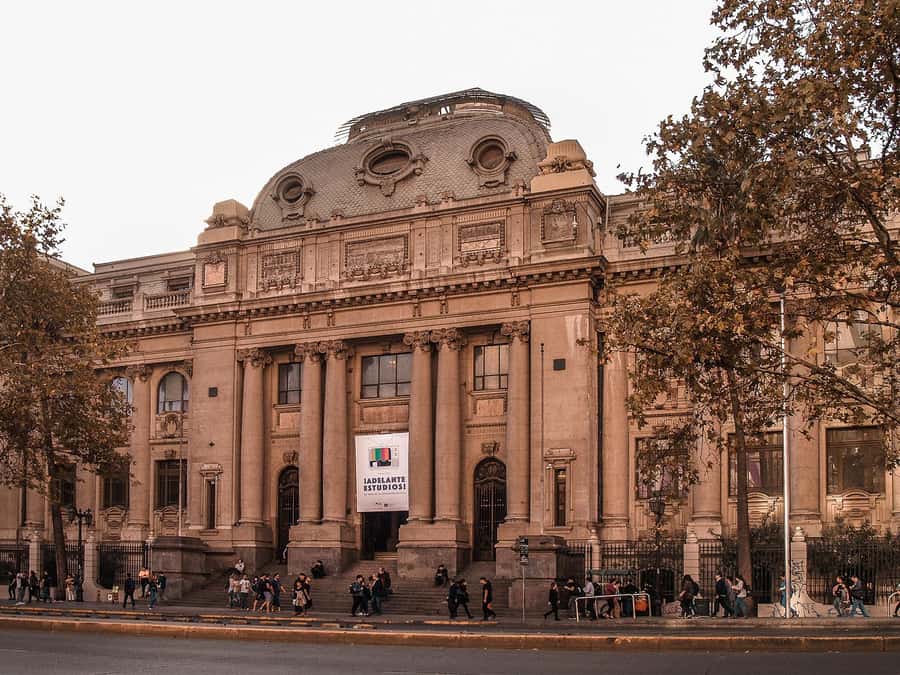
The Universidad Catolica de Chile adds an institutional side to the walk. Universities are not only places for classes and research. Their buildings can express ideas about education, religion, social influence, and national identity.
Diego uses the architecture to explain those wider connections. You can ask about the building’s style, its purpose, and the reasons behind its visual design. This is the kind of stop that benefits from having an architect as your guide because the discussion can move beyond dates and names.
The stop also helps balance the route. Santiago’s story is not told only through palaces and churches. Universities and other civic institutions show how the city has developed through education, public service, and organized social life.
If you usually skip institutional buildings, this portion may surprise you. It is less about a single dramatic view and more about learning how architecture gives authority and meaning to a place.
Same city, a different building to stand in front of:
- Chicago Architecture Center River Cruise aboard First Lady
★ 5.0 · 5,536 reviews - Chicago: Architecture River Cruise Skip-the-Ticket Line
★ 4.8 · 4,325 reviews - Chicago River 45-Minute Architecture Tour from Magnificent Mile
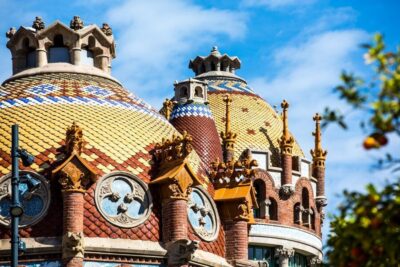
★ 4.5 · 2,924 reviews - Barcelona: Sant Pau Recinte Modernista Entry Ticket
★ 4.6 · 2,567 reviews
Cerro Santa Lucia and a change in viewpoint
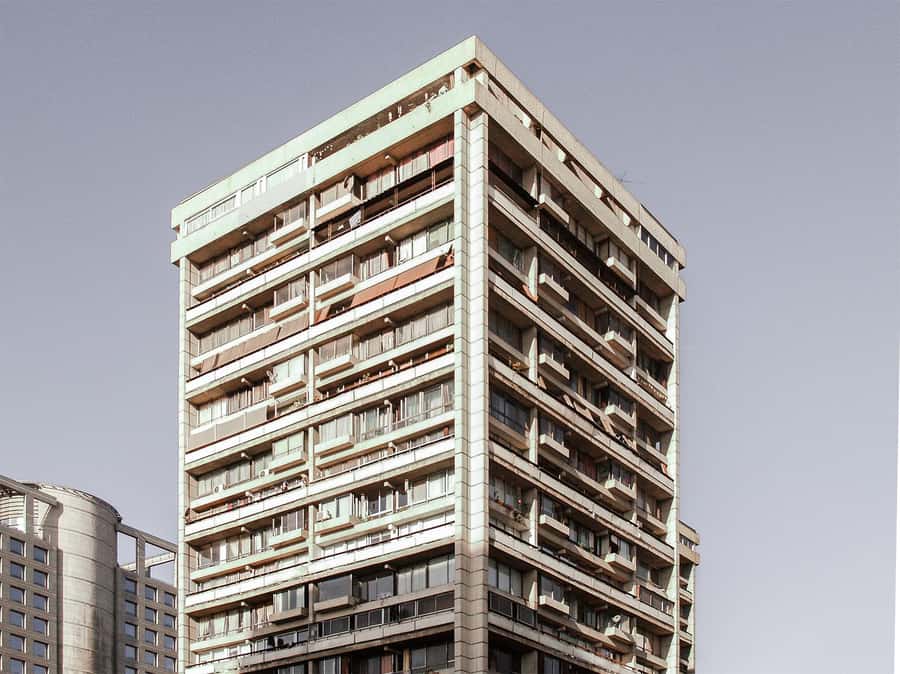
Cerro Santa Lucia offers a different experience from the street-level neighborhoods. The hill introduces a change in height and gives the tour a chance to consider Santiago from a broader urban perspective.
The information provided does not promise a specific viewpoint or a long climb, so you should not book this expecting a dedicated hiking outing. Instead, think of Cerro Santa Lucia as part of an architectural and city-history walk, where the setting helps explain how the center is organized.
This is one point where comfortable shoes are especially useful. You will be walking for three hours, and the tour includes several distinct areas. Anyone with mobility concerns should confirm how the route is handled, even though the activity is marked as wheelchair accessible.
A hill also creates a natural pause in the rhythm of the walk. After looking closely at facades and streets, you can step back and consider the city as a whole. Diego’s explanations about urban development become easier to connect when you can relate individual landmarks to the wider center.
Iglesia San Francisco and the city’s religious architecture
Iglesia San Francisco brings religious architecture into the conversation. Churches often preserve older building traditions and reveal how faith, construction, materials, and public life have shaped a city.
Diego explains the reasons behind the church’s design rather than treating it as a quick photo stop. You can ask about architectural style and how the building fits into Santiago’s historical development. The value here is in learning to read a building’s purpose through its structure and appearance.
For many people, this will be one of the most rewarding parts of the walk. A church can look impressive on its own, but the experience becomes more meaningful when you understand how it relates to the city around it.
The tour does not require special equipment, and you are not expected to bring architectural drawings or prior study. A phone or camera is useful if you want photographs, but the essential item is a pair of shoes that can handle several hours on foot.
Barrio Paris-Londres and the pleasure of smaller streets
Barrio Paris-Londres gives the route a more intimate urban setting. Its name alone hints at a deliberate European influence, and the neighborhood provides a chance to study how street scale, facades, and layout create a different mood from the larger civic areas.
This stop is valuable because it shows that Santiago’s character is not limited to famous monuments. Smaller streets can reveal just as much about design and social history as a presidential palace or major church.
Diego can point out the details that are easy to miss when you walk alone. You might notice the shape of a doorway, the rhythm of windows, or the way one building meets the street. Those details may not mean much at first, but they become clues once you understand the larger architectural idea.
If you enjoy finding places that are less obvious than the city’s headline sights, this portion should suit you. It also gives you a natural chance to take photographs without the pressure of a formal museum visit.
Ending at La Moneda, Chile’s presidential palace
The walk ends at La Moneda, Chile’s presidential palace, in the Civic Center. This is a strong finish because the route moves from a major city intersection through neighborhoods, religious buildings, academic institutions, and historic streets before reaching the country’s central seat of government.
By this point, you have seen architecture in several roles. Buildings have appeared as homes, cultural spaces, religious places, educational institutions, and symbols of political power. That progression gives the final stop more meaning than it would have at the beginning of the tour.
The tour does not include transportation back to your hotel or next destination. That is not a serious problem for most people, since public and private transportation are available just steps from La Moneda, but you should plan your next move before the walk ends.
Finishing here also makes the tour easy to combine with later sightseeing in central Santiago. You can continue exploring independently, use nearby transportation, or simply treat La Moneda as the final landmark of your afternoon.
What the $59 price buys you
At $59 per person, this is not the cheapest way to walk around Santiago. You are paying for a three-hour guided conversation led by an architect, not simply for access to a route or a list of landmarks.
The value depends on how much explanation you want. If you only need directions and a few quick facts, a self-guided walk will cost less. If you want to understand why buildings look the way they do and how design reflects Chilean history, the professional background of the guide makes the price easier to justify.
The small group limit adds to that value. A group of up to eight is large enough to create conversation but small enough for personal questions. Diego’s English fluency is another practical advantage for English-speaking visitors who want detailed explanations rather than basic translation.
The inclusion of coffee, restroom, bank, or money exchange stops can also make the three-hour format more comfortable. These are not major attractions, but they show that the route has been tested as a real walking experience rather than planned only on a map.
Who should book this walk
I would recommend this tour most strongly to adults and older children who enjoy history, design, politics, or city photography. It is also a good first activity in Santiago because the route gives you a useful map of central neighborhoods and ends at a major civic landmark.
You should be comfortable walking for three hours and willing to listen closely. The tour is not designed for children under 10, and younger visitors may find the architectural discussion demanding even if they enjoy the sights.
It suits solo visitors, couples, and small groups who prefer questions and conversation. The guide’s accommodating style is useful if you need a little extra time at a stop or want to focus on a detail that interests you.
Pack comfortable shoes and keep jewelry to a minimum, since jewelry is not allowed on the activity. Bring a phone or camera if you like taking pictures, but no special equipment or previous study is required.
Practical details that affect your choice
The tour is available in English and Spanish, with a live guide. That matters because the experience depends on understanding connections between architecture and politics, not just identifying buildings.
It is marked as wheelchair accessible, though you may still want to confirm the exact route and any hill sections before booking. The activity lasts three hours, and starting times vary, so check the available schedule when you choose your date.
You can cancel up to 24 hours in advance for a full refund, and you can reserve now and pay later. Those policies make it easier to fit the walk into a changing Santiago schedule.
The experience has a perfect 5 rating from seven verified bookings, with praise focused on Diego’s passion, clear explanations, friendly manner, and ability to connect Santiago’s buildings with wider political and social change. The strongest pattern is not simply that people liked the sights. They valued the way Diego made the city easier to understand.
Should you book An Architect’s Tour of Downtown Santiago?
Book it if you want more than a checklist of central Santiago attractions. Diego’s architectural training and fluent English give the walk substance, while the small group keeps it personal. The route covers a useful mix of neighborhoods, institutions, churches, and civic landmarks.
Skip it if you dislike extended walking or prefer to explore silently at your own pace. The $59 price is fair for a three-hour specialist-led discussion, but it makes the most sense for you if history, architecture, and Chilean public life are part of what you want from Santiago.
For the right visitor, this is a strong introduction to the city. You leave at La Moneda with more than photographs. You have a better idea of how Santiago’s buildings record the country’s changing identity.
FAQ
Where does the tour begin?
The meeting point is Plaza Baquedano, next to Teatro Universidad de Chile. The starting address is listed as Av. Providencia 43.
Where does the tour end?
The walk ends at La Moneda, Chile’s presidential palace, in Santiago’s Civic Center.
How long does the tour last?
The guided walk lasts three hours.
What languages are available?
The tour is available in English and Spanish, with a live guide.
Is the tour suitable for children?
The activity is not suitable for children under 10 years old.
Is the tour wheelchair accessible?
Yes, the activity is marked as wheelchair accessible. You may wish to confirm the route details before booking because the walk includes several areas and Cerro Santa Lucia.
What should I bring?
Bring comfortable shoes. No special architectural equipment or previous knowledge is required.
Is transportation back to my accommodation included?
No. The tour ends at La Moneda, and transportation is not included. Public and private transportation are available just steps from the ending point.
Just added in the world
- Wilmington History and Architecture Tour★ 4.8 · 18 reviews
- New Orleans : Garden District Architecture Walking tour★ 4.8 · 5 reviews
- Washington DC: Dupont Circle & Embassy Row Architecture Tour★ 5.0 · 6 reviews
- Washington, DC: Georgetown Architecture Walking Tour★ 5.0 · 8 reviews
- Vicenza: Palladian Architecture Private Walking Tour★ 3.3 · 3 reviews
- Walk & Discover KL’s Architectural and Heritage Gems★ 5.0 · 7 reviews
- Private Colonial Williamsburg Architectural Tour★ 5.0 · 5 reviews
- Unveiling Brno: History, Culture & Architectural Delights★ 5.0 · 2 reviews
Architecture Tours, compared.
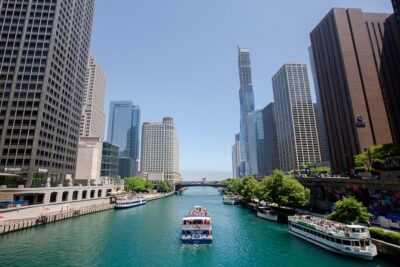
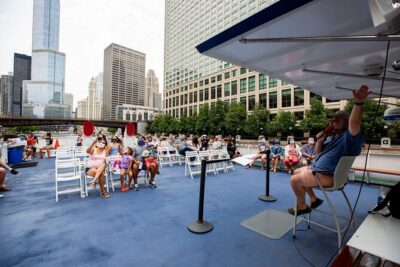

Chicago River: 1.5-Hour Guided Architecture Cruise
Read our review →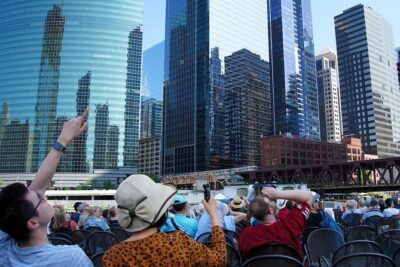
Chicago Architecture Center River Cruise aboard First Lady
Read our review →
Architecture River Cruise Skip-the-Ticket Line
Read our review →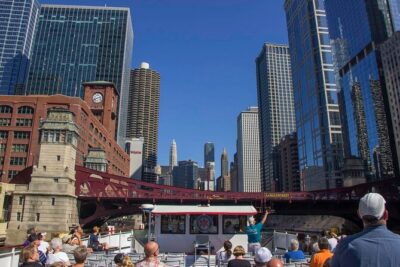
Chicago River 45-Minute Architecture Tour from Magnificent Mile
Read our review →