REVIEW · ARCHITECTURE TOURS
Architecture Tour of Melbourne
Melbourne’s buildings tell the city’s story. This two-hour walking tour links architecture with local history, taking you from St Paul’s Cathedral through the central city to places such as Federation Square, Flinders Street Station, the ANZ Bank Museum, and Scots Church. With groups capped at 10 people, the experience feels more like a guided conversation than a large procession.
I like the small group size, which gives you a better chance to ask questions and keep up with the guide. I also like the way the tour covers both famous landmarks and less obvious details, including buildings and interiors you might otherwise pass without noticing. The main drawback is simple: this is a walking tour on city streets, and it is not wheelchair accessible.
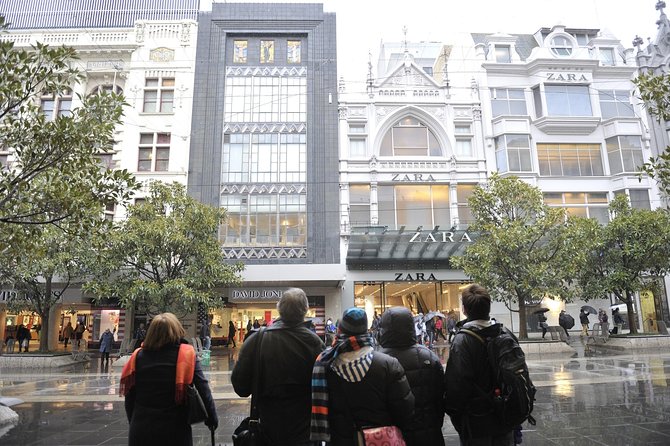
Guides including San, John, Sam, and Kathy have been praised for making the subject lively rather than delivering a stiff speech. You should wear comfortable shoes, allow for changing Melbourne weather, and remember that the tour ends roughly near Bourke Street Mall rather than at a fixed final address.
Key points to know before booking
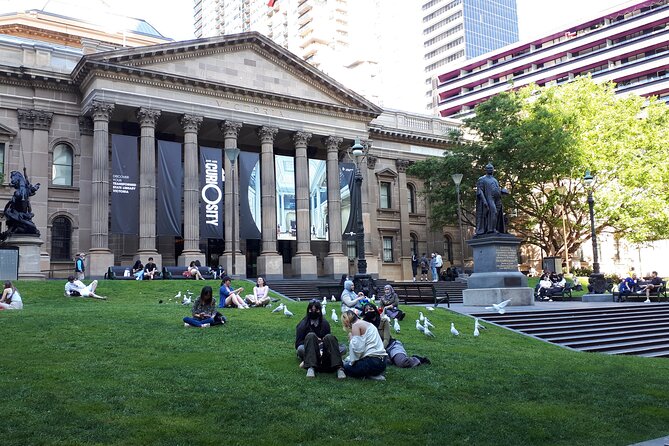
- Melbourne’s architecture reaches back to the 1850s, giving the walk a useful time frame for understanding how the city developed.
- The route includes Federation Square, Flinders Street Station, the ANZ Bank Museum, and Scots Church, with additional stops depending on the group.
- Groups are limited to 10 people, so the guide can adjust the pace and answer individual questions.
- The walk takes about two hours, with no fixed end point. You finish roughly near Bourke Street Mall.
- Guides focus on overlooked details, including buildings and spaces that are easy to miss from the street.
- Poor weather can change the plan, with a new date or full refund offered if the tour is canceled.
Starting at St Paul’s Cathedral on Flinders Street
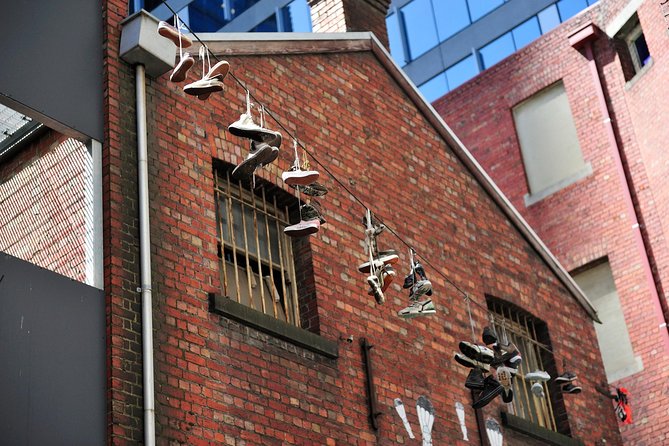
The tour begins at St Paul’s Cathedral, at 198 to 206 Flinders Street. This is a handy meeting point in central Melbourne, close to public transport and easy to identify. Starting here places you immediately among several important city buildings, so the setting fits the subject from the first minute.
You receive a mobile ticket, and confirmation arrives when you book. Since the tour takes place outdoors and moves through the central business district, I would arrive a little early rather than trying to find the meeting point at the last moment.
The opening part of the walk introduces Melbourne’s architectural story from the 1850s onward. That date matters because it gives the tour a clear starting point. You are not simply looking at attractive facades. You are learning how different periods, building purposes, and design choices left their mark on the city.
The guide may tailor the discussion to the interests of the group. If you want more detail about a particular building, ask. The small group format makes that easier than it would be on a large coach tour or a crowded city walk.
A few more architecture tours in the world worth a look
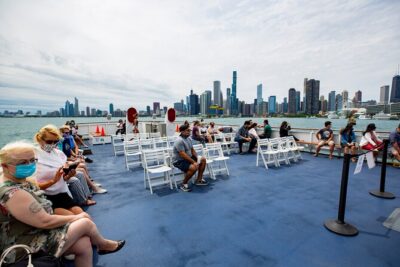
- Chicago Architecture River Cruise
★ 5.0 · 15,756 reviews - Chicago River 90-Minute Architecture Tour
★ 4.5 · 9,629 reviews - Chicago River: 1.5-Hour Guided Architecture Cruise
★ 4.8 · 8,046 reviews
Federation Square and the city’s changing identity
Federation Square is one of the named stops, and it offers a useful contrast with Melbourne’s older buildings. The value here is not just seeing a well-known public space. It is comparing a newer architectural idea with the 19th-century structures encountered elsewhere on the route.
The tour helps you look at Federation Square as part of a longer architectural conversation. Melbourne is not presented as a city frozen in one period. Instead, you see how different design approaches sit close together in the center.
I like this kind of comparison because it gives your walk a shape. You move between old and new, familiar and less obvious, rather than hearing a string of unrelated building facts. The guide can also explain why a place matters, not only what it is called.
Still, the exact amount of time spent at each stop depends on the group’s pace and interests. If one subject sparks a lot of questions, another stop may receive less attention. That flexibility is useful if you enjoy discussion, but less ideal if you want a rigid checklist of every building.
Flinders Street Station and Melbourne’s familiar landmark
Flinders Street Station is another central stop. Many people recognize it before they know anything about its architectural setting, and the tour gives you a reason to look more closely.
A guided explanation can change the way you see a building you might otherwise treat as a meeting place or transport hub. The walk is designed to connect the building with Melbourne’s development and architectural character, rather than leaving you with a quick photograph and a name.
This is one of the tour’s strengths. Several descriptions of the experience praise the guides for pointing out features that are easy to miss without help. You may already know the main landmarks, but you are less likely to know which details matter or which buildings you can enter.
The station is also practical for your day. Since the tour begins near major central-city transport and finishes around Bourke Street Mall, you can continue shopping, sightseeing, or finding lunch after the walk without crossing the whole city.
The ANZ Bank Museum and overlooked interiors
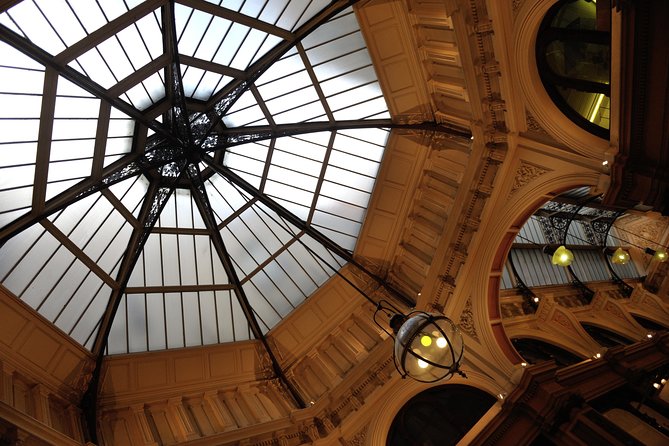
The ANZ Bank Museum adds a different kind of stop to the route. Rather than focusing only on buildings seen from the pavement, the tour includes a place where the guide can explain the relationship between architecture, interiors, and the city’s commercial past.
This is especially useful if you enjoy details that are not obvious from a quick stroll. A guide can show you why a building matters and help you notice rooms, entrances, or design features that you might not recognize on your own.
The experience does not promise a long museum visit, and the supplied details do not give a full list of rooms or displays. Think of this stop as part of a walking story, not a separate museum tour. The guide’s explanation is the main attraction.
That approach suits curious visitors who want context. If you prefer to spend a lot of time independently examining exhibits, you may find the stop brief. The two-hour limit means the tour keeps moving.
Same city, a different building to stand in front of:
- Chicago Architecture Center River Cruise aboard First Lady
★ 5.0 · 5,536 reviews - Chicago: Architecture River Cruise Skip-the-Ticket Line
★ 4.8 · 4,325 reviews - Chicago River 45-Minute Architecture Tour from Magnificent Mile
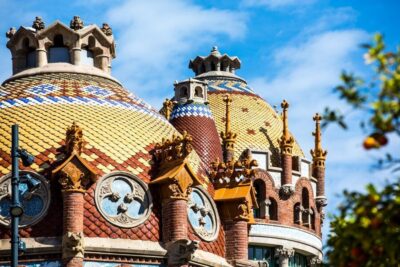
★ 4.5 · 2,924 reviews - Barcelona: Sant Pau Recinte Modernista Entry Ticket
★ 4.6 · 2,567 reviews
Scots Church and Melbourne’s religious architecture
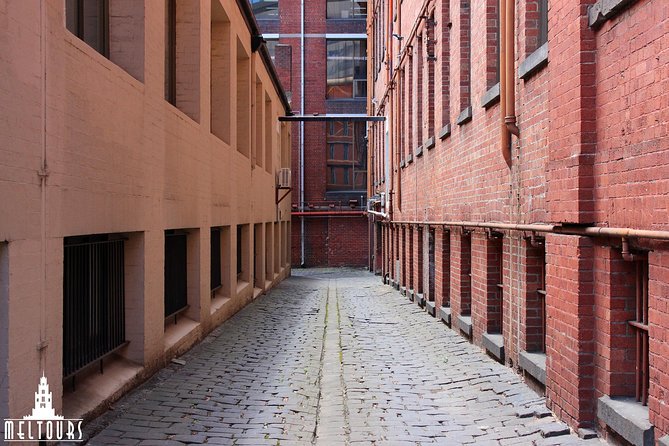
Scots Church brings religious architecture into the route. Along with the cathedral meeting point, it gives you a chance to compare different sacred buildings and their place in the city.
The tour’s wider value comes from this range. You are not shown only one style of building. Churches, public spaces, transport buildings, financial sites, and other central-city structures all contribute to the story.
A guide such as San or John can add the human side, explaining how a building fits into Melbourne’s past and answering questions as they arise. The feedback provided about these guides repeatedly highlights clear explanations, humor, kindness, and the ability to handle varied questions. Those qualities matter on an architecture walk, since the subject can become dry if it is treated as a list of dates and styles.
The exact interior access may vary. The information confirms that the tour includes buildings that are easy to miss and places you might not know you could enter, but it does not promise access to every site on every departure. I would treat any interior visit as a welcome part of the route rather than the central guarantee.
How the guides shape the experience
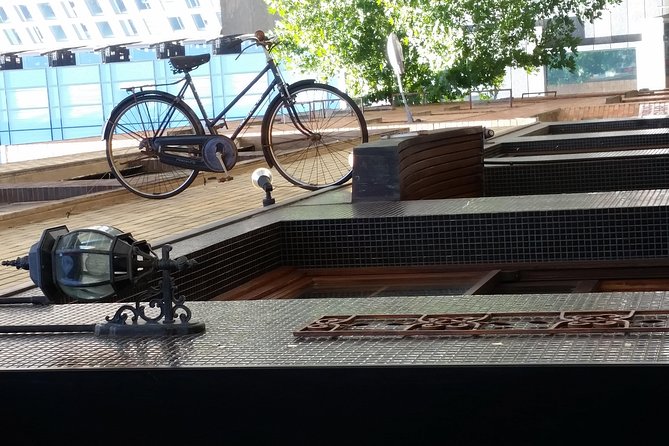
The guide is the key reason to book this tour instead of walking through the CBD with a guidebook. San, John, Sam, and Kathy are named in the supplied material, and the descriptions of their work are consistently positive.
The strongest praise centers on their ability to explain architecture in an interesting, natural way. One small departure had only two people, allowing Kathy to answer a wide range of questions. That example shows the benefit of the maximum 10-person group, although you should not assume every departure will be that small.
I especially like the emphasis on conversation. Architecture can be intimidating when every building is described with specialist terms. A guide who can explain the subject plainly helps you notice more without making you feel as if you need prior knowledge.
The group format also lets the guide adjust the route as much as possible to shared interests. If your group is keen on architectural detail, you may spend more time examining buildings. If the group moves quickly, the walk may cover more ground. The final route and timing are not presented as completely fixed.
Two hours on foot, with a flexible finish
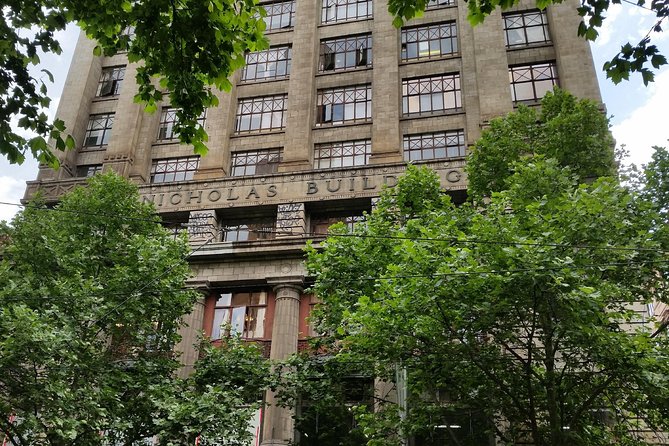
Plan for about two hours of walking. Comfortable shoes are essential, even if you normally manage city sightseeing in casual footwear. The tour moves between stops, and the central-city setting means you will be on your feet for most of the experience.
The finish is roughly near Bourke Street Mall. There is no fixed end point because the guide adjusts the route to the size and speed of the group. That is convenient if you want to continue exploring the city center, but it means you should not arrange a pickup at an exact final address.
This flexible finish is also useful for planning. Bourke Street Mall puts you near shops and other central attractions, so the tour can work well early in your visit as a way to get your bearings. It can also fit into a later sightseeing day if you want a focused activity rather than a full-day excursion.
The walk is near public transport at the start, and central Melbourne makes the general area straightforward to reach. The booking information does not provide a detailed transport plan, so check your route to St Paul’s Cathedral before setting out.
Is the $64.55 price good value?
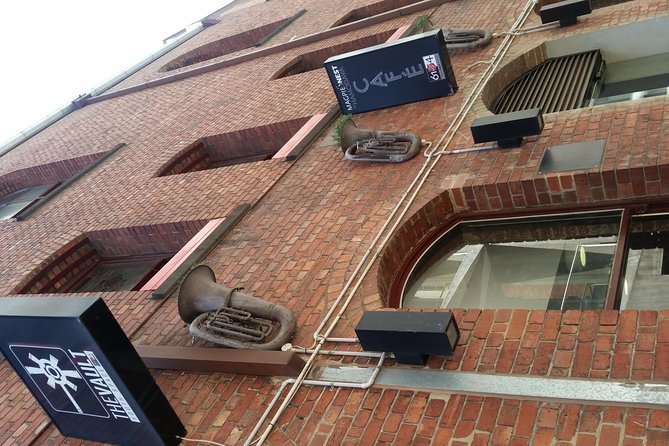
At $64.55 per person, this is not the cheapest way to walk around Melbourne. You are paying for a specialist guide, a small group, and two hours of interpretation rather than admission to a major attraction.
The value is strongest if you would otherwise pass the buildings without understanding them. The guides can explain why a structure matters, point out details beyond the obvious street view, and connect separate sites into one story. That can save you time and make the rest of your Melbourne sightseeing more rewarding.
The price also looks more reasonable for a small group capped at 10 people. You have a better chance of hearing the guide and asking questions than you would on a large group walk.
It is less compelling if you only want quick photographs of the major landmarks or if you dislike walking tours. The experience does not advertise food, transport, or a long museum visit, so its value depends on how much you want architectural and historical explanation.
With more than 10 bookings recorded in the last month and a 4.9 rating from 29 reviews, the tour has a strong record. The sample includes one four-star rating, which is a useful reminder that a walking tour’s appeal depends on personal interest, pace, and weather.
Weather, accessibility, and practical limits
The tour requires good weather. If poor conditions cause cancellation, you can choose another date or receive a full refund. That policy removes much of the risk, but you should still avoid placing the experience on the one day you need to catch a flight or make a tight connection.
You can cancel for a full refund up to 24 hours before the start time. Changes or cancellations made less than 24 hours ahead are not accepted for a refund. Cutoff times use Melbourne local time.
The tour is not wheelchair accessible. The information also says most people can participate, but the route is a walking experience through the city, so anyone with limited mobility should assess the two-hour duration and street conditions carefully before booking.
A minimum number of participants is required. If that minimum is not met, the operator offers another date or experience, or a full refund. That is worth knowing if your schedule is fixed.
Who will enjoy this Melbourne architecture walk?
I would recommend the tour most strongly to you if you enjoy cities through their buildings. It suits first-time visitors who want a useful introduction to Melbourne, as well as returning visitors who feel they have already seen the main sights but want more explanation.
It is also a good early-visit activity. The route begins in the central city and finishes near Bourke Street Mall, while the guide links architecture with local development. That gives you a better sense of the center before you explore on your own.
The tour works well for couples, solo visitors, and small groups who like asking questions. The group limit of 10 keeps the experience personal without requiring a private tour.
I would think twice if you need step-free access, dislike walking for two hours, or want a fixed route with a guaranteed amount of time inside each building. You should also be comfortable with some flexibility, since the pace and final stopping point depend partly on the group.
Should you book the Architecture Tour of Melbourne?
Book it if you want Melbourne’s buildings explained rather than simply photographed. The strongest reasons are the small group, the range of stops, and guides such as San, John, Sam, and Kathy, who bring the subject down to earth with stories, questions, and details you might miss.
Wear comfortable shoes, check the forecast, and leave your schedule open after the walk because the endpoint is approximate. At $64.55, it is a fair choice for a focused two-hour introduction to Melbourne’s built past, especially if you value a good guide more than a packed list of attractions.
FAQ
Where does the Architecture Tour of Melbourne begin?
It begins at St Paul’s Cathedral, at 198 to 206 Flinders Street, Melbourne VIC 3004, Australia.
Where does the tour finish?
There is no fixed end point. The walk finishes roughly near Bourke Street Mall, depending on the group’s size and walking speed.
How long does the tour last?
The tour lasts approximately two hours.
How many people can join the tour?
The maximum group size is 10 people.
Is the tour wheelchair accessible?
No. The tour is not wheelchair accessible.
What happens if the weather is poor?
If poor weather causes the tour to be canceled, you can choose a different date or receive a full refund.
Can I cancel for a full refund?
Yes. You must cancel at least 24 hours before the experience start time for a full refund. Cancellations or changes made less than 24 hours before the start time are not accepted.
Just added in the world
- Wilmington History and Architecture Tour★ 4.8 · 18 reviews
- New Orleans : Garden District Architecture Walking tour★ 4.8 · 5 reviews
- Washington DC: Dupont Circle & Embassy Row Architecture Tour★ 5.0 · 6 reviews
- Washington, DC: Georgetown Architecture Walking Tour★ 5.0 · 8 reviews
- Walk & Discover KL’s Architectural and Heritage Gems★ 5.0 · 7 reviews
- Vicenza: Palladian Architecture Private Walking Tour★ 3.3 · 3 reviews
- Private Colonial Williamsburg Architectural Tour★ 5.0 · 5 reviews
- Unveiling Brno: History, Culture & Architectural Delights★ 5.0 · 2 reviews
Architecture Tours, compared.
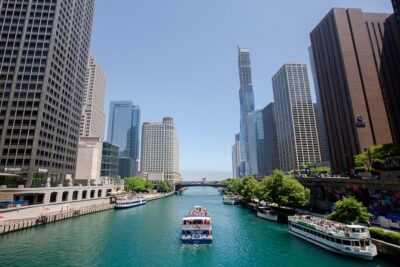
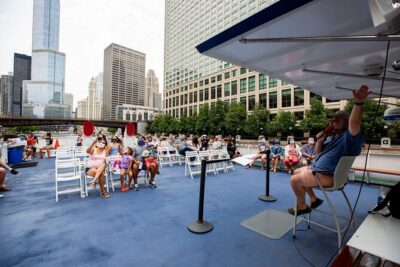

Chicago River: 1.5-Hour Guided Architecture Cruise
Read our review →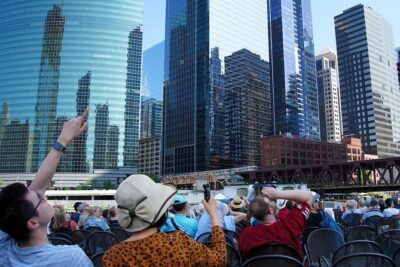
Chicago Architecture Center River Cruise aboard First Lady
Read our review →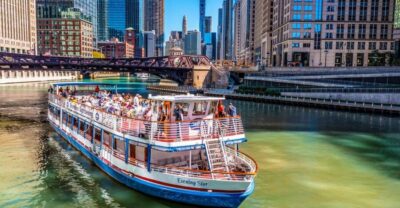
Architecture River Cruise Skip-the-Ticket Line
Read our review →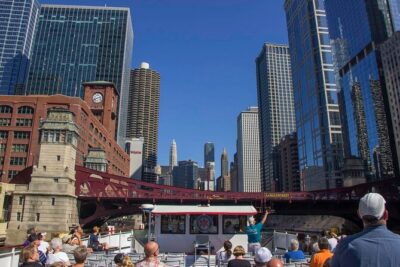
Chicago River 45-Minute Architecture Tour from Magnificent Mile
Read our review →