
REVIEW · HIDDEN GEMS ARCHITECTURE TOURS
Chicago’s Secret Interiors Architectural Walking Tour
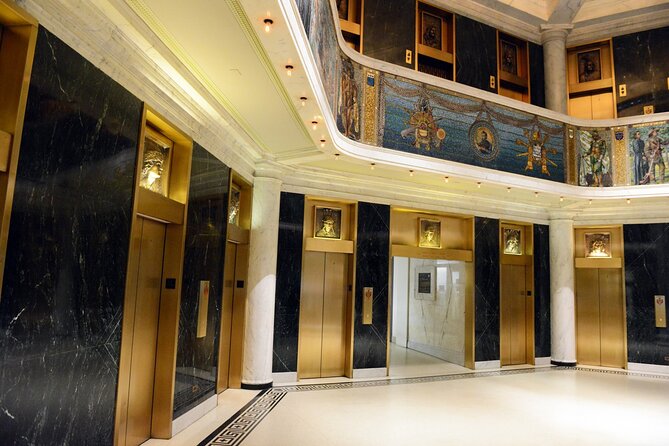
Chicago’s best architecture often sits behind ordinary doors. This $35 walking tour brings you into grand lobbies, mosaic-filled halls, historic hotels, and landmark buildings across the Loop. I especially like the mix of famous sights, such as Willis Tower and the Chicago Board of Trade, with interiors you could easily pass without noticing. The stories about Gilded Age magnates, architects, engineers, and Chicago’s early commercial growth add real purpose to the walk.
I also like the practical length. The experience takes about two hours, though several accounts put the actual walking time closer to 90 minutes, with a short break. The main drawback is that some buildings may not be available every day. The Rookery is closed on Sundays, and the exact interior stops can change, with the Chicago Cultural Center or Monadnock Building offered as alternatives.
Key points at a glance
- Grand interiors for $35: See decorated lobbies, mosaics, domes, frescoes, and historic hotel spaces without paying separate admission at each stop.
- A strong Loop route: Start at Union Station and finish near Macy’s at the former Marshall Field and Company Building.
- The Rookery is a star stop: Burnham and Root created the building, while Frank Lloyd Wright later redesigned its lobby.
- Excellent guide presence: Ethan, Grant, Ty, Avery, and Matthew have been praised for clear explanations, humor, energy, and good group control.
- Mostly indoors: You walk between buildings, but much of the architectural viewing happens inside, which helps on cold or rainy days.
- Check the Sunday route: The Rookery is closed Sundays, and another building may replace the Chicago Cultural Center.
Why this Chicago walking tour is worth your time
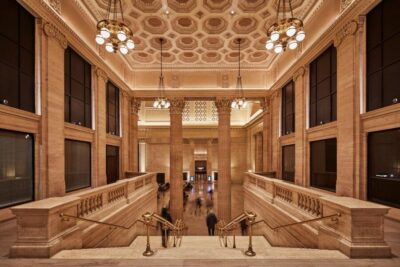
Chicago is famous for its skyline, but the best details are often at eye level or just inside a doorway. A river cruise gives you the big picture. This tour gives you carved stone, ironwork, stained glass, mosaics, frescoes, and polished public spaces.
I like that the route is not only about looking up. You hear how architects dealt with height, weight, light, commerce, and fire. Chicago’s Loop becomes a story about invention and ambition, not just a collection of impressive facades.
The tour costs $35, which is a fair price for a small-group experience led by an expert guide. You are not paying for entry tickets to a single attraction. You are paying for access to several important interiors and for the explanation that ties them together.
That distinction matters. You could walk past many of these buildings on your own, but you might not know which doors to enter or what to look for once inside. The guide gives the buildings a clear place in the city’s story.
More hidden-gem architecture tours in Chicago:
- Chicago: Secret Interiors Architecture Walking Tour
★ 4.9 · 498 reviews - Tokyo: Shibuya Highlights Walking Tour & Secret View Spot
★ 5.0 · 287 reviews - Delhi Hidden Gems: Mehrauli, Lodhi Art & Sunder Nursery
★ 5.0 · 108 reviews
Starting at Union Station and entering the Loop
The meeting point is outside Chicago Union Station at 225 South Canal Street. This is a useful starting point because Union Station is one of the city’s major historic buildings and gives the tour an immediate sense of scale.
Daniel Burnham designed the station, which was completed in 1925. Its Beaux-Arts character is easy to recognize in the grand exterior and formal details. Inside, the Great Hall is the main attraction, with a large skylight and the kind of ceremony that made early 20th-century railway stations feel like civic monuments.
Union Station still serves as a transportation hub, so you will see it as both a historic building and a working place. That combination is one of the tour’s strengths. These are not empty museum pieces. Several remain offices, hotels, stores, and transport centers.
The tour then moves toward the Loop and La Salle Street. The walking is manageable for most people, but you should still wear comfortable shoes. The route includes city sidewalks, building entrances, and time spent standing while the guide explains architectural features.
La Salle Street and Chicago’s Financial Canyon
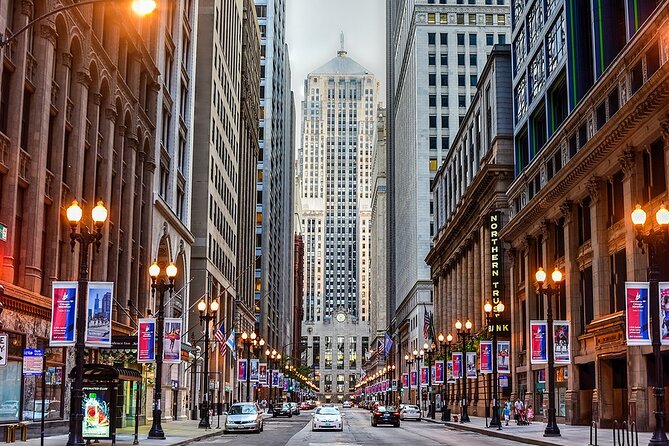
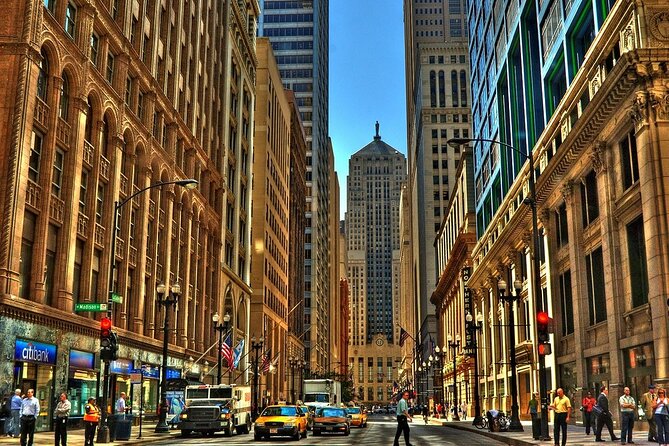
La Salle Street gives you one of the clearest views of Chicago’s commercial identity. Tall buildings crowd the street, creating the canyon effect that makes the Loop feel more dramatic from ground level than it does on a skyline postcard.
The Chicago Board of Trade is one of the major exterior landmarks here. Its Art Deco design reflects the confidence of the financial world in the early 20th century. Willis Tower adds a different note, with its great height and modern engineering.
The useful part of this stop is the connection between architecture and business. Chicago did not grow upward simply for visual effect. Companies needed office space, traders needed central locations, and architects had to find ways to put more people and activity into limited urban space.
Your guide may point out how these pressures shaped the streets around you. That context makes the facades easier to read. Instead of seeing only stone, glass, and decorative figures, you begin to see the economic forces that pushed Chicago into the modern age.
The Rookery’s light court and Frank Lloyd Wright lobby
The Rookery is likely to be one of the most memorable stops. Burnham and Root designed the building in 1888, combining Romanesque and Moorish influences with practical innovations for a growing office city.
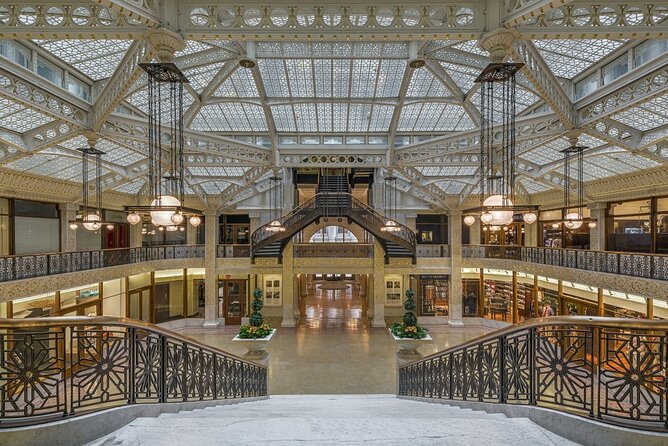
Its famous light court helped bring daylight into the interior. That was a major concern in an era before modern office lighting could solve every problem. The building also includes intricate ironwork and a distinctive oriel staircase.
Frank Lloyd Wright later reworked the lobby, giving the entrance a cleaner, more refined appearance. This makes the Rookery especially useful for understanding how Chicago architecture developed over time. You see the original building’s late 19th-century energy alongside Wright’s more controlled design approach.
I would plan your expectations carefully. The Rookery is not included on Sundays because it is closed that day. If this interior is high on your list, book another day or confirm the route before you go.
More walking tours in Chicago:
- Chicago in a Day: Food, History & Architecture Walking Tour
★ 5.0 · 1,153 reviews - Chicago Walking Tour: Art Deco Skyscrapers Loop
★ 5.0 · 138 reviews - Chicago Architecture Walking Tour: Incredible Art Deco Interiors
★ 5.0 · 85 reviews - Chicago Architecture Walking Tour: What’s New
★ 5.0 · 64 reviews
The Field Building and Art Deco confidence
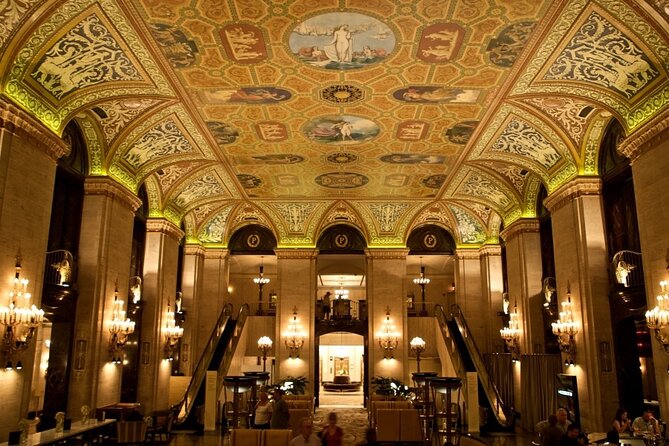
The historic Field Building brings the tour into the Art Deco period. Its design reflects a later Chicago, one shaped by larger corporations, faster technology, and a taste for bold geometric decoration.
The building is presented as an example of the city’s architectural heritage, with attention to the details that make Art Deco different from the earlier styles you see at the Rookery and Union Station. You get a useful contrast between the ornamental approach of the late 1800s and the sharper lines of the early 20th century.
This is the sort of stop that benefits from a guide. Art Deco can look simple from the sidewalk, but decorative patterns, materials, and proportion tell you a great deal about the period. The explanation helps you notice more than the building’s overall shape.
The Marquette Building’s mosaic story
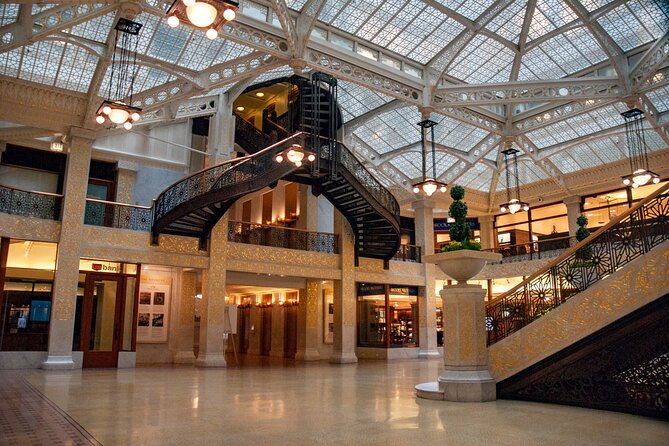
The Marquette Building is another strong interior stop. It is linked to the Chicago School of Architecture and is known for its use of the Chicago window, a design that places a large fixed pane between narrower opening windows.
The terra cotta facade shows how Chicago architects used new construction methods while still giving buildings a decorative public face. Inside, the lobby’s mosaics relate the story of Jacques Marquette and his exploration of Illinois.
This is a good example of how the tour moves beyond engineering. You are not only studying windows, facades, and structural systems. You are also looking at how buildings used art to tell stories about place, exploration, commerce, and civic identity.
The Marquette can be easy to miss if you are walking quickly through the Loop. That is exactly why this stop earns its place on the route.
Palmer House and the luxury of the Gilded Age
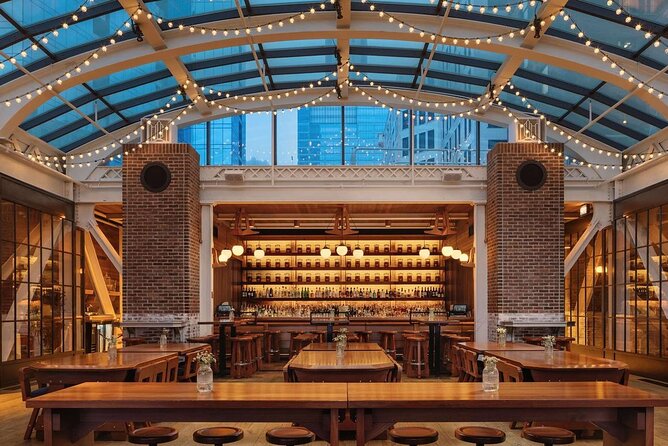
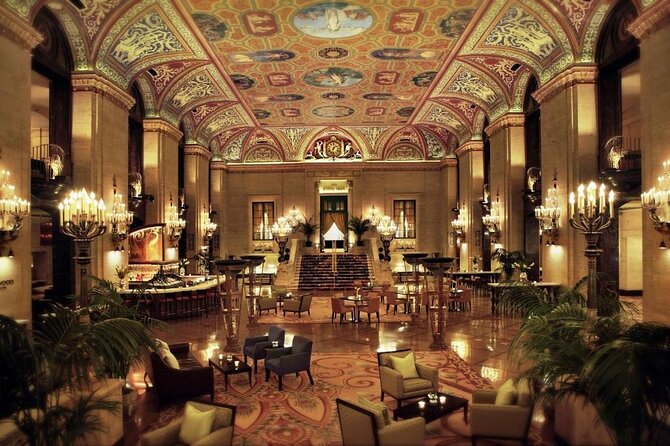
The Palmer House gives you a change of mood. This grand hotel represents the lavish side of Chicago’s Gilded Age, when hotels became public stages for business leaders, celebrities, and important visitors.
The building was rebuilt after the Great Chicago Fire of 1871. Its interior includes a frescoed ceiling, mosaic floors, and bronze peacock doors. These details were meant to impress from the moment someone entered.
The Palmer House also brings the social history of the city into view. The tour’s stories about famous guests, wealthy business figures, and the Roaring Twenties help explain why a hotel like this mattered. It was not simply a place to sleep. It was a place to see and be seen.
You may find this stop especially appealing if you enjoy decorative interiors more than technical engineering. The hotel gives the walk a sense of glamour after the more business-focused buildings on La Salle Street.
The Cultural Center or Monadnock Building
One part of the route can vary. The group may visit the Chicago Cultural Center or the Monadnock Building.
The Chicago Cultural Center is known for its architectural beauty and civic role. It fits the tour’s focus on public interiors, historic design, and Chicago’s cultural identity.
The Monadnock Building offers a different lesson. It is associated with the commercial style of the late 19th century and helps show how office buildings developed before the city’s later skyscrapers changed the skyline.
This substitution is worth keeping in mind when you book. If you have your heart set on one specific building, the route may not deliver both. Still, either option supports the main theme: Chicago’s architecture is best understood through a sequence of buildings rather than one isolated sight.
Finishing at Marshall Field and Company
The final stop is the former Marshall Field and Company Building at 111 North State Street, now home to Macy’s. This gives the tour a fitting finish because the building connects shopping, architecture, and Chicago’s commercial culture.
Inside, look for the famous Tiffany glass mosaic dome. The walnut-paneled Tea Room adds another layer of luxury and shows how department stores once made shopping feel like a full social outing.
The building is still part of everyday city life. You may be looking at a historic interior while shoppers move around you. That mix of past and present is one of the most enjoyable parts of the route.
The tour ends here, near public transportation and central Loop sights. It is a convenient place to continue exploring, find lunch, or return to your hotel.
What the guides add to the experience
The guide makes or breaks a walking tour, and this one receives especially strong praise for presentation. Guides named Ethan, Grant, Ty, Avery, and Matthew have been singled out for clear explanations, humor, enthusiasm, and careful group management.
Ethan is described as animated and passionate, with a talent for making architectural details easy to follow. Grant is praised for being warm, organized, and attentive to the group’s pace. Ty is noted for his humor and sharp observations, while Avery keeps the walk moving without rushing the explanations.
Matthew is remembered as a good mix of professional and funny. That balance matters. Architecture tours can become a list of dates and names, but a lively guide helps the information stick.
One account describes a group of about 40 people, even though the stated group limit is 15. Most of the tour information gives a maximum of 15 participants, so I would confirm the group size at booking if a small group is important to you.
Weather, walking, and practical comfort
The tour requires good weather and can be canceled if conditions are poor. If that happens, you are offered another date or a full refund.
You should dress for outdoor walking even though many stops are indoors. The route moves between buildings, and the guide may pause on busy streets before entering the next location. Cold weather has been manageable because of the indoor stops, but rain can still make the sidewalks and waiting periods less pleasant.
The tour is about two hours, although one account describes roughly an hour and a half with a 15-minute break. The scheduled stops are short, often about 10 minutes each, so do not expect a long sit-down visit at every building.
Most people can participate, and service animals are allowed. The meeting point is close to public transportation. Your mobile ticket is accepted, and confirmation arrives at booking.
You can cancel for a full refund up to 24 hours before the start time. Cancellations within 24 hours are not refunded, and changes during that period are not accepted.
Who should book this walk?
I would choose this tour if you like architecture, city history, old hotels, public interiors, or the practical story of how Chicago grew. It is also a good choice if you have already taken an architecture boat tour and want a different view of the city.
The walk works well for a first visit because it introduces several major Loop buildings in one compact route. It also suits Chicago residents who want to notice familiar streets in a new way.
You may want something else if you prefer a slow, deeply detailed visit to only one building. The pace is designed to cover a lot of ground, and access can vary by day. It is also not a good fit if you want a completely indoor activity, since the group walks between each stop.
Should you book Chicago’s Secret Interiors tour?
Yes, if you want a well-priced introduction to Chicago’s architecture that includes interiors you might not discover alone. The strongest reasons to book are the Rookery, Marquette Building, Palmer House, and Marshall Field interior, along with guides who bring energy and clear explanations to the route.
Book for a weekday if the Rookery is important to you, and allow a little flexibility about the Cultural Center or Monadnock Building. At $35, the tour offers good value, especially for first-time visitors and anyone who wants more than skyline photographs.
FAQ
How much does Chicago’s Secret Interiors Architectural Walking Tour cost?
The tour costs $35 per person.
How long does the tour last?
The advertised duration is approximately two hours. Some accounts describe the walking portion as about 90 minutes, with a 15-minute break.
Where does the tour start?
The tour starts at Chicago Union Station, 225 South Canal Street, Chicago, Illinois 60606.
Where does the tour finish?
The tour ends at the Marshall Field and Company Building, 111 North State Street, Chicago, Illinois 60602. The building now houses Macy’s.
Is the Rookery included every day?
No. The Rookery is closed on Sundays, so it is not included on the Sunday route.
What building may replace the Chicago Cultural Center?
The group may visit the Monadnock Building instead of the Chicago Cultural Center.
Can I cancel for a full refund?
Yes. You must cancel at least 24 hours before the experience begins for a full refund. Cancellations or changes made within 24 hours are not accepted for a refund.
Just added in Chicago
- Private Frank Lloyd Wright Architectural Tour by Luxury Vehicle★ 3.5 · 7 reviews
- Private Chicago Architecture Tour★ 5.0 · 5 reviews
- Private Chicago Architecture Walking Tour★ 5.0 · 6 reviews
- Chicago Luxury Minibus City Tour and Architecture River Cruise★ 4.5 · 8 reviews
- Chicago History and Architecture Walking Tour with Boat Cruise★ 4.5 · 10 reviews
- Small Group History And Architecture Walking Tour of Chicago★ 4.5 · 8 reviews
- Chicago: Private Architecture Tour – 3 or 6 Hours★ 4.0 · 6 reviews
- Chicago Walking Tour: See Inside Art Deco Masterpieces★ 4.9 · 8 reviews
Hidden Gems Architecture Tours, compared.
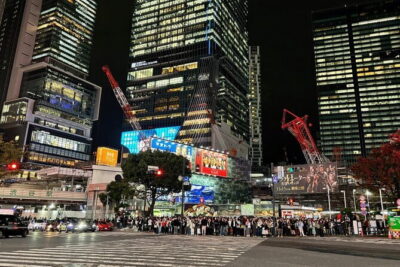
Shibuya Highlights Walking Tour & Secret View Spot
Read our review →
Delhi Hidden Gems: Mehrauli, Lodhi Art & Sunder Nursery
Read our review →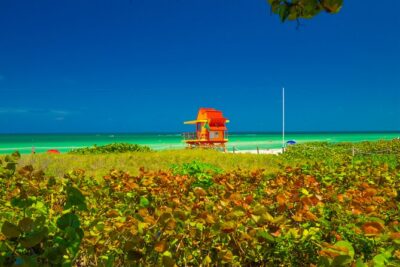
Miami Beach Art Deco & Hidden Gems Bike Tour with Local Historian
Read our review →
Detroit: Architectural Beauty and Hidden Gems Walking Tour
Read our review →
Secret Split: Socialist Architecture & brutalism – Urban Utopia
Read our review →
Barcelona Beyond Gaudí: Modernism, Rooftops, and Hidden Gems
Read our review →Browse the lists this tour appears in