REVIEW · ARCHITECTURE TOURS
Explore Ancient Chinese Architecture & Meet its People
Old Beijing still speaks through its courtyards. This private Dongsi Hutong walk offers access to a traditional courtyard house and a close look at the architectural details that ordinary sightseeing often misses. I especially like the hands-on Dougong assembly and the chance to meet Beijingers working to protect their old homes. The main drawback is the $95.20 price for roughly three hours, which may feel high if you want only a quick hutong stroll.
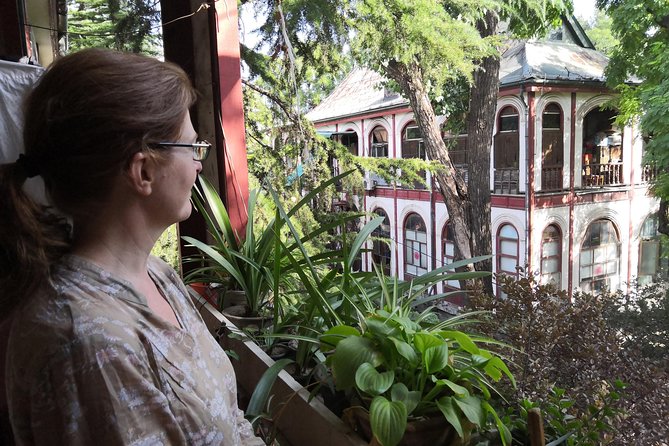
Yuhua’s personal connection gives the experience a warm focus. She grew up in a former Prince Mansion and treats these buildings as part of her family story, not just museum pieces. You should also know that the tour requires moderate physical fitness, depends on good weather, and has only a small published review base, so the day-to-day experience may depend strongly on your guide and group.
Key points at a glance
- Dongsi Hutong setting: Explore one of Beijing’s more authentic hutong areas, beginning in Dongsi Subdistrict.
- Traditional courtyard access: Enter a courtyard house that most independent visitors would not normally see.
- Architecture lesson: Learn the key features of ancient Chinese architecture before looking at the buildings around you.
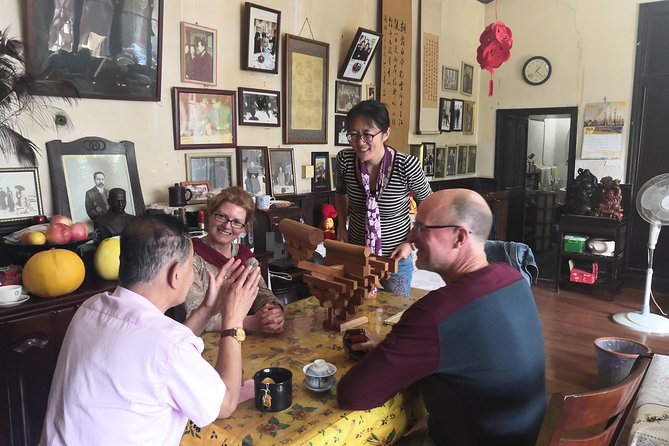
- Dougong hands-on activity: Try assembling and taking apart a Dougong structure, a notable traditional wooden architectural system.
- Personal introductions: Meet Yuhua’s friends, ordinary Beijingers who make serious efforts to preserve their homes and neighborhood.
- Small private format: Only your own group takes part, making this more personal than a large walking tour.
Why Dongsi Hutong is the right place to start
Beijing’s hutongs are not simply narrow lanes lined with old buildings. They are residential neighborhoods shaped by courtyards, entrances, walls, rooflines, and daily routines. Dongsi Hutong gives this experience a useful setting because it lets you look at architecture in a living part of the city rather than in a detached museum display.
You begin at 9:00 a.m. in Dongsi Subdistrict, in Dongcheng District. The meeting point is in the Dongsi area, and the tour ends near Zhangzizhong Road, also called Zhang Zi Zhong Lu. The closest stated subway access is Zhangzizhonglu Station on Line 5, Exit A. You should check the exact meeting instructions after booking and allow enough time to reach Dongsi in the morning.
The experience lasts about three hours, though the general duration is given as three to four hours. That is long enough for a real conversation and a proper look at the buildings, but short enough to fit beside a larger Beijing sightseeing plan. I would place it on a morning when you want to understand the city, not race between major monuments.
A few more architecture tours in the world worth a look
- Chicago Architecture River Cruise
★ 5.0 · 15,756 reviews - Chicago River 90-Minute Architecture Tour
★ 4.5 · 9,629 reviews - Chicago River: 1.5-Hour Guided Architecture Cruise
★ 4.8 · 8,046 reviews
Entering a traditional courtyard house
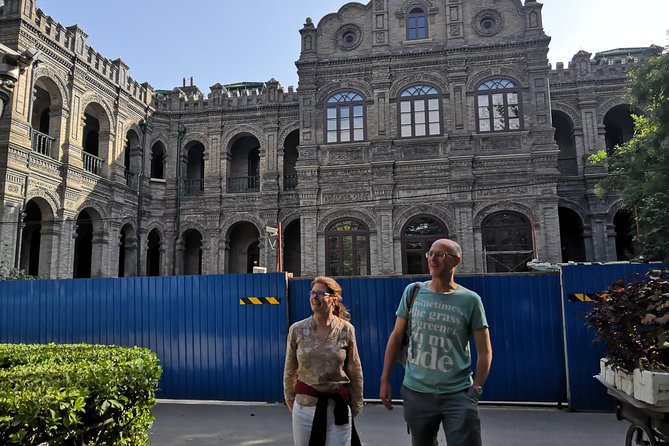
The most unusual part is privileged access to a traditional courtyard house in the hutong area. From the street, you may notice gates, brick walls, roof edges, and the tight relationship between private homes and narrow lanes. Inside a courtyard house, those separate details make more sense as parts of one plan.
The value here is not only seeing an old building. It is learning how Chinese architecture organizes space and movement. A courtyard can shape where people enter, gather, work, and live, while the surrounding lanes connect private family life with the wider neighborhood.
The available information does not promise a particular mansion, room, or interior decoration, so you should not book this expecting a grand palace visit. The attraction is the chance to see a real traditional house and discuss its design with someone who has a strong personal attachment to this kind of building.
Yuhua describes herself as having grown up in a former Prince Mansion, while also making clear that she is not a princess. That small joke tells you something useful about the tone. This is intended to feel personal and informal, with architecture explained through memories and relationships rather than only dates and technical terms.
Learning to read Beijing’s old buildings
Many visitors see a courtyard, a tiled roof, or a wooden bracket and simply register it as old Chinese style. Yuhua’s primer is meant to give you a better set of questions. You can begin looking at how a building is put together, which parts carry meaning, and why certain forms appear again and again.
That preparation matters because the hutongs are easy to pass through without noticing their finer points. Once you understand a few architectural features, an ordinary gate or roofline can become far more interesting. You are not just walking through a picturesque neighborhood. You are learning how to look at it.
The experience also makes a useful connection between buildings and people. Many old houses and hutongs in Beijing are disappearing, and the tour presents preservation as a local concern rather than an abstract government topic. Yuhua’s friends are ordinary Beijingers who are making unusual efforts to protect architectural heritage and preserve their homes.
That human side received some of the strongest praise in the available comments. One detailed account singled out visits with Grandpa Li and Uncle Zhu as especially memorable. Those names suggest that the people you meet are not simply performers placed along a route. They are part of Yuhua’s personal circle, and their connection to the neighborhood is a major reason to choose this experience.
Trying the Dougong assembly
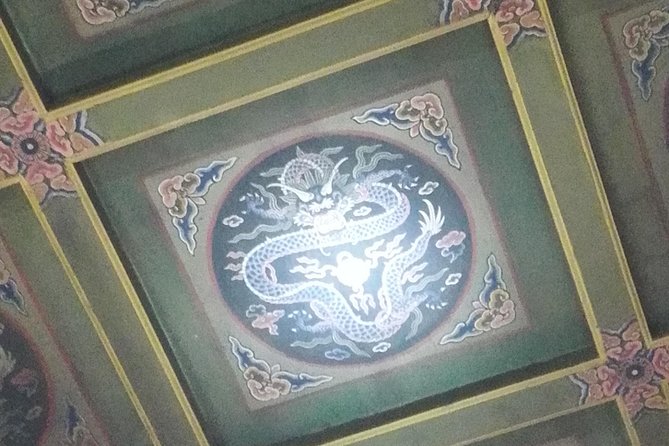
The Dougong activity gives the tour a practical edge. Dougong is a traditional Chinese wooden bracket system used to support and connect parts of a building. Instead of hearing a short explanation and moving on, you get to try taking a model apart and putting it back together.
This is a smart teaching method. Ancient construction can seem distant when it is explained only with diagrams or photographs. Handling the pieces gives you a clearer sense of how interlocking wooden parts can create strength without relying on modern-looking metal fasteners.
Do not expect a full carpentry workshop. The stated activity is an introduction, not a professional building course. Still, it should suit you if you like to understand how things work, and it offers a welcome change from a walk based only on listening.
It is also a good reason to bring children or teenagers if they have an interest in design and building, though the experience is not specifically described as child-focused. The private format may make it easier for your group to ask questions and spend a little more time on the activity.
Same city, a different building to stand in front of:
- Chicago Architecture Center River Cruise aboard First Lady
★ 5.0 · 5,536 reviews - Chicago: Architecture River Cruise Skip-the-Ticket Line
★ 4.8 · 4,325 reviews - Chicago River 45-Minute Architecture Tour from Magnificent Mile
★ 4.5 · 2,924 reviews - Barcelona: Sant Pau Recinte Modernista Entry Ticket
★ 4.6 · 2,567 reviews
Meeting the people who protect the hutongs
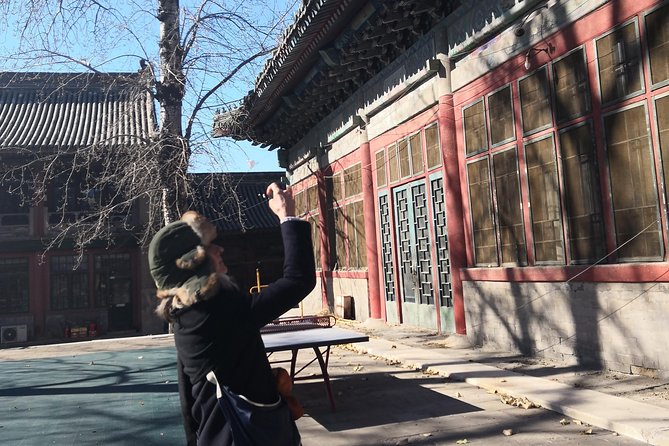
The human encounters give the tour its emotional center. Yuhua wants you to meet friends who are trying to preserve Chinese architecture in the hutongs, and the experience connects their work with the everyday life of Beijing residents.
That distinction matters. Many city tours show you old districts as scenery, with little attention to the people who still live there. Here, the goal is to understand the neighborhood as someone’s home. You may come away thinking less about taking photographs and more about what is lost when old houses disappear.
The available details do not guarantee a fixed list of people for every departure, so I would treat Grandpa Li and Uncle Zhu as possible personal connections within Yuhua’s world, not as guaranteed stops. If meeting particular people is important to you, ask about that before booking.
The tour’s preservation message is backed by a small financial contribution. One percent of the payment goes to the Beijing Cultural Heritage Protection Center, a nonprofit organization that helps residents preserve their cultural heritage. That will not transform the economics of conservation, but it gives your booking a modest connection to the issue the tour discusses.
What the three-hour format means for your day
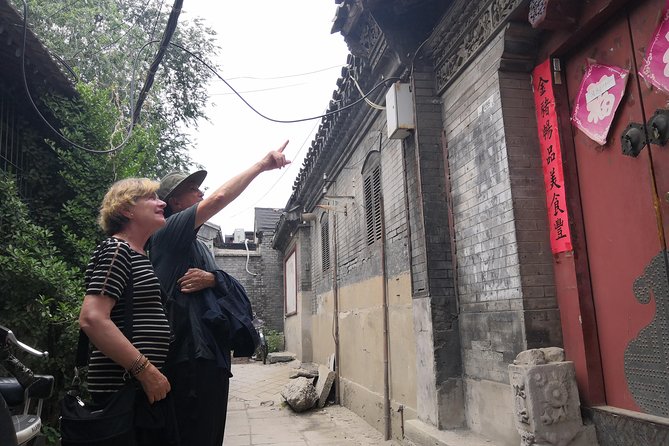
A three-hour private outing is a useful middle ground. You get more time for questions than on a large group walk, but you do not give up an entire day of sightseeing. Starting at 9:00 a.m. also leaves your afternoon open for another part of Beijing.
The private format means only your group participates. That is valuable here because the experience depends on conversation, careful observation, and personal introductions. A large group could make a courtyard visit feel crowded or turn the architecture lesson into a one-way speech.
The tradeoff is cost. At $95.20 per person, this is not a budget hutong walk. You are paying for a private experience, access to a traditional home, a guided architecture lesson, a hands-on activity, and introductions to people connected with preservation work. If you are traveling alone, the per-person price may be harder to justify. For a small group that cares about architecture and local life, the value is stronger.
The typical booking lead time is about 58 days. That suggests you should reserve well ahead if this experience is central to your Beijing plans. Confirmation is normally provided at booking, although reservations made within one day of the start time are confirmed as soon as possible and depend on availability.
Getting there and keeping the morning comfortable
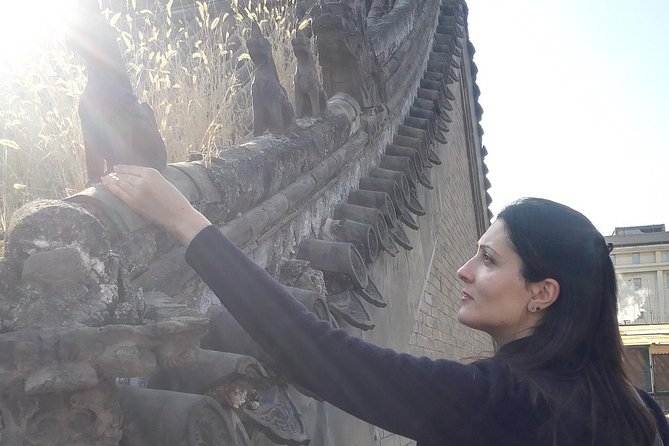
The stated starting area is Dongsi Subdistrict, and the end point is near Zhangzizhong Road. Zhangzizhonglu Station on Subway Line 5, Exit A, is the clearest transport reference provided. Since the start and end are different, the route is designed as a walk rather than a round trip back to the meeting point.
You should wear comfortable shoes and be ready to walk and stand for several hours. The activity calls for moderate physical fitness, but no special athletic ability is stated. Hutong routes can involve uneven pavement and compact lanes, so comfortable footwear is a sensible choice even though the precise surface is not specified.
The tour allows service animals. It is also dependent on good weather. If poor weather causes cancellation, you are offered another date or a full refund. For your own planning, avoid placing an important timed attraction immediately afterward, since the duration can run closer to four hours.
Free cancellation is available if you cancel at least 24 hours before the start time. Changes or cancellations inside that window are not accepted for a refund. The cut-off follows Beijing local time, a detail worth remembering if you are arranging the booking from another country.
Who will get the most from this experience
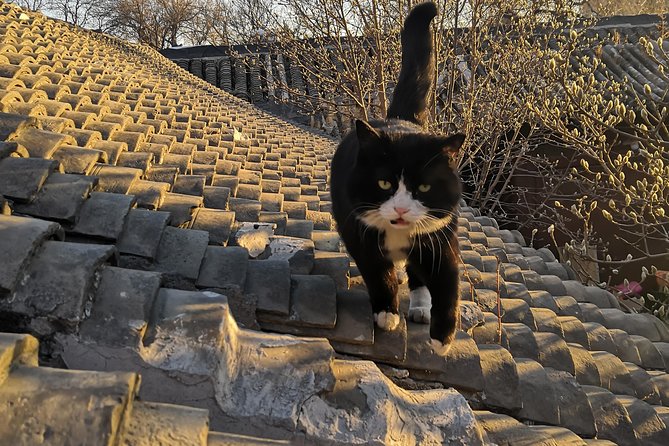
I would choose this tour if you want to understand Beijing beyond its major imperial sights. It is especially well suited to you if you enjoy architecture, neighborhood walks, conservation, or meeting people who care about their city.
It also fits repeat visitors. Someone who has already seen Beijing’s better-known monuments may find more freshness in a discussion about courtyard houses and disappearing hutongs than in another standard sightseeing route. One particularly enthusiastic account came from a person who had lived in China for a year and had visited Beijing many times, which suggests this experience can add something even after several trips.
The tour may be less suitable if you want a fast, photograph-heavy walk with a long list of famous landmarks. The focus is narrow and thoughtful. It asks you to pay attention to construction, family homes, and preservation rather than collecting attractions.
You should also consider the price and the limited length. If your main goal is simply to walk through hutong lanes, you can find less expensive ways to do that. If you want access, interpretation, a private group, and personal introductions, the higher fee has a clearer purpose.
Should you book it?
Book this experience if you want a personal look at Beijing’s old residential architecture and are willing to pay for access and conversation. The traditional courtyard visit, Dougong activity, and meetings with people connected to preservation make it more substantial than a routine neighborhood walk.
I would be cautious only if your schedule is tight, your budget is limited, or you need a guaranteed list of named hosts. For everyone else, this is a strong choice for a morning in Beijing, especially on a repeat visit. It gives you useful architectural context, a direct connection to local residents, and a reminder that the city’s old houses are homes first and sightseeing objects second.
FAQ
Where does the experience start?
It starts in Dongsi Subdistrict, Dongcheng District, Beijing, at 9:00 a.m.
Where does the experience end?
It ends at Zhangzizhong Road, also written Zhang Zi Zhong Lu, in Dongcheng District. Zhangzizhonglu Station on Subway Line 5, Exit A, is the stated subway reference.
How long does the experience last?
The experience lasts approximately three hours, with the general duration described as three to four hours.
Is this a private tour?
Yes. Only your own group participates.
Is admission included?
Yes. Admission to the included activity is covered.
What happens if bad weather cancels the experience?
You will be offered a different date or a full refund if poor weather causes cancellation.
Just added in the world
- Wilmington History and Architecture Tour★ 4.8 · 18 reviews
- New Orleans : Garden District Architecture Walking tour★ 4.8 · 5 reviews
- Washington DC: Dupont Circle & Embassy Row Architecture Tour★ 5.0 · 6 reviews
- Washington, DC: Georgetown Architecture Walking Tour★ 5.0 · 8 reviews
- Vicenza: Palladian Architecture Private Walking Tour★ 3.3 · 3 reviews
- Walk & Discover KL’s Architectural and Heritage Gems★ 5.0 · 7 reviews
- Private Colonial Williamsburg Architectural Tour★ 5.0 · 5 reviews
- Unveiling Brno: History, Culture & Architectural Delights★ 5.0 · 2 reviews
Architecture Tours, compared.
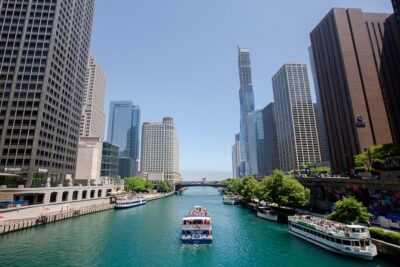
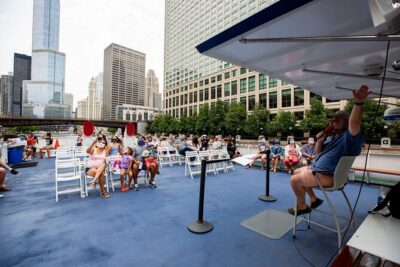

Chicago River: 1.5-Hour Guided Architecture Cruise
Read our review →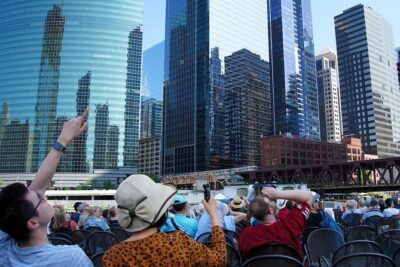
Chicago Architecture Center River Cruise aboard First Lady
Read our review →
Architecture River Cruise Skip-the-Ticket Line
Read our review →
Chicago River 45-Minute Architecture Tour from Magnificent Mile
Read our review →