
REVIEW · ART DECO TOURS
Chicago: Art Deco Skyscrapers Walking Tour
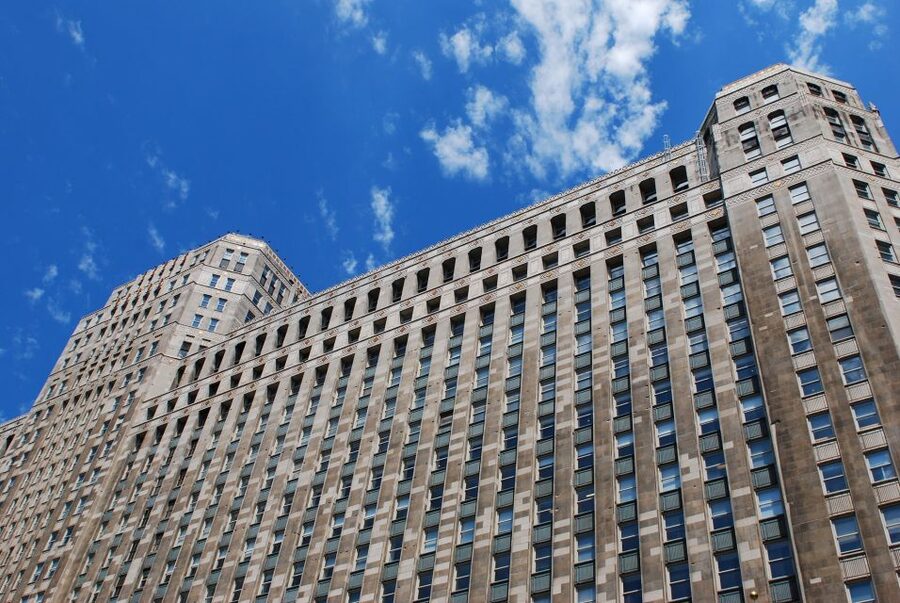
Art Deco turns a walk into a treasure hunt. This 90-minute Chicago Architecture Center tour takes you inside five grand skyscrapers near the Chicago River, where zigzags, sunbursts, octagons, flowers, and polished materials tell the story of the Roaring ’20s. I especially like the five interior visits and the small group size, which give the tour more substance than a quick look at downtown facades.
The trained volunteer docents are another strong point. They receive hundreds of hours of training, and the best guides bring humor, clear explanations, and a good sense of pace. The main consideration is that the tour runs rain or shine, and you cannot bring luggage or large bags. Plan this as a sightseeing outing, not a stop between the airport and hotel.
Key things to know before you book
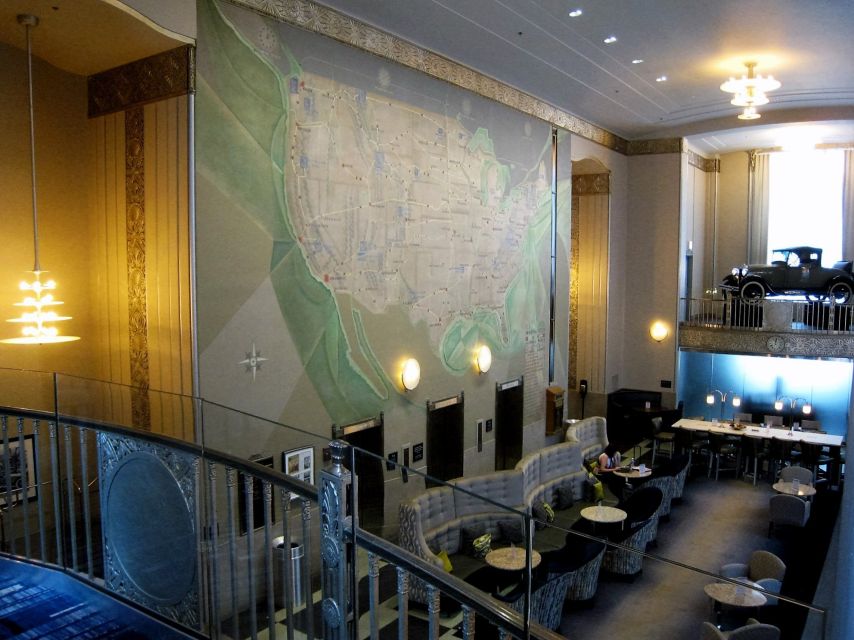
- Five historic interiors: See the lobbies of five opulent Art Deco skyscrapers, including several official Chicago landmarks.
- A close look at Art Deco design: Learn to spot zigzags, octagons, sunbursts, flowers, geometric ornament, and lavish materials.
- Well-trained local docents: Guides are certified by the Chicago Architecture Center and trained in Chicago architecture and history.
- Small-group format: The tour is limited to 10 participants, making it easier to hear the guide and ask questions.
- Merchandise Mart finish: The walk ends at one of Chicago’s best-known architectural landmarks.
- Education with your ticket: Chicago Architecture Center ticket income supports programs such as Girls Build!, Teen Fellows, and Open House Chicago.
Why Art Deco works so well in Chicago
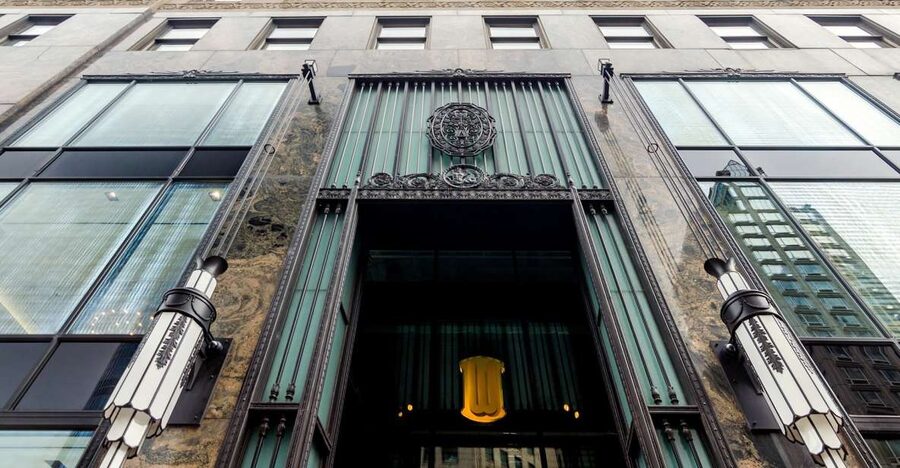
Chicago is often praised for its early skyscrapers, steel-frame construction, and modern architecture. Art Deco adds a different mood. It is more decorative, more theatrical, and more willing to show off.
The style arrived in Chicago during the 1920s after its presentation at an international art exposition in Paris. It also appeared widely at Chicago’s 1933 and 1934 Century of Progress Exposition. That timing matters. Art Deco was made for an era of business growth, new machines, big ambitions, and public optimism.
You will learn how artists and architects drew from Cubism and ancient Middle Eastern art. The result is easy to recognize once your guide points it out. Look for sharp angles, repeated geometric shapes, radiating lines, stylized flowers, and ornament arranged with strict balance.
I like that the tour does not treat Art Deco as wallpaper pasted onto old buildings. You see how the style gives skyscraper entrances a sense of height and importance. A lobby may use a patterned floor, carved metalwork, colored stone, and a glowing ceiling to make a short walk from the street feel like a royal procession.
That detail is especially useful for first-time architecture visitors. You do not need a design degree to follow the tour. After 90 minutes, you should have a practical visual checklist for spotting Art Deco around Chicago on your own.
More Art Deco tours in Chicago:
- Chicago Walking Tour: Art Deco Skyscrapers Loop
★ 5.0 · 138 reviews - Chicago Architecture Walking Tour: Incredible Art Deco Interiors
★ 5.0 · 85 reviews - Chicago Walking Tour: Art Deco Skyscrapers Riverfront
★ 5.0 · 53 reviews
Starting at 30 North LaSalle Street
Your meeting point is at 30 N LaSalle Street. Arrive 10 minutes early with your confirmation ready. The docent checks your name against the attendance list, so there is no complicated ticket exchange or check-in routine.
The group is limited to 10 people. That is a meaningful advantage in busy downtown buildings. You are more likely to hear the guide, keep up with the group, and get a useful answer if you have a question about a building or design feature.
There is no hotel pickup or drop-off. You need to reach the starting point yourself, and you should arrive ready to walk and stand for the full 90 minutes. Since the tour visits working buildings, the pace and access can depend on the buildings’ normal operations, but the planned focus is their lobbies and interior spaces.
Leave suitcases, large bags, and strollers elsewhere. The Chicago Architecture Center cannot provide secure storage, and coat check is not included. Service animals are welcome, but pets are not.
The Carbide and Carbon Building, now the St. Jane Hotel
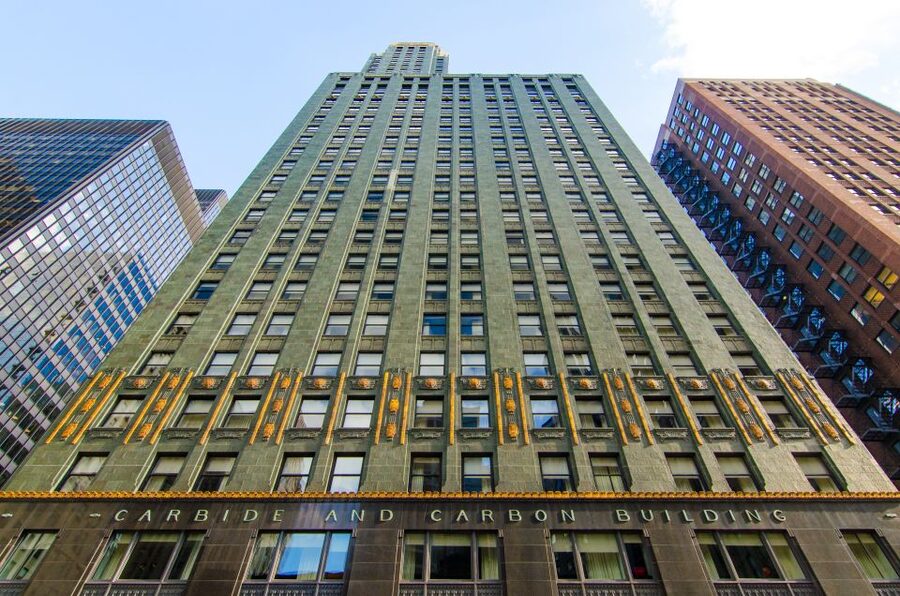
The Carbide and Carbon Building is one of the tour’s headline stops. It is now the St. Jane Hotel, but its original identity remains central to the visit.
This building shows how Art Deco could make a commercial tower feel almost glamorous. Your guide can help you read the exterior and lobby as one design. Instead of treating the entrance as a practical doorway, the architects used decoration to announce wealth, ambition, and modern business.
The building is also a designated Chicago landmark. That designation adds weight to the stop, but the real pleasure is closer to eye level. Look at the shapes, materials, and repeated patterns your guide highlights. Art Deco often rewards a slow glance more than a quick photograph.
For me, this is the kind of stop that justifies choosing an architecture tour over a general downtown walk. You are not merely told that a building is attractive. You learn how its design language works.
The Chicago Motor Club Building, now a Hampton Inn
The Chicago Motor Club Building offers another useful lesson in how old commercial buildings can find new uses. It now operates as a Hampton Inn, yet the Art Deco character remains part of the building’s appeal.
The name points to an earlier age of road travel and automobile culture. Art Deco fit that world well. Its clean geometry and machine-age feel could suggest speed, progress, and modern transport without relying on realistic scenes.
Inside, the lobby visit lets you compare the building with the Carbide and Carbon Building. You can look for the same broad style while noticing different choices in ornament, scale, and materials. This comparison is one of the tour’s strengths. Art Deco is not one fixed recipe, and the guide can show how architects adapted it from building to building.
A practical note: this is an active hotel, not a museum. You should be prepared to behave like a respectful visitor in a functioning property. The tour’s small size helps, but the building still serves guests and staff.
More skyscraper tours in Chicago:
- Chicago Premium Driving Tour with River Boat Cruise and Sky Deck
★ 4.5 · 165 reviews - The Story Behind NY’s Evolving Skyline An Architectural Journey Through History
★ 5.0 · 18 reviews - Rotterdam: Wilhelminapier, High-rise & floating architecture
★ 4.0 · 3 reviews
The overlooked Trustees System Service Building
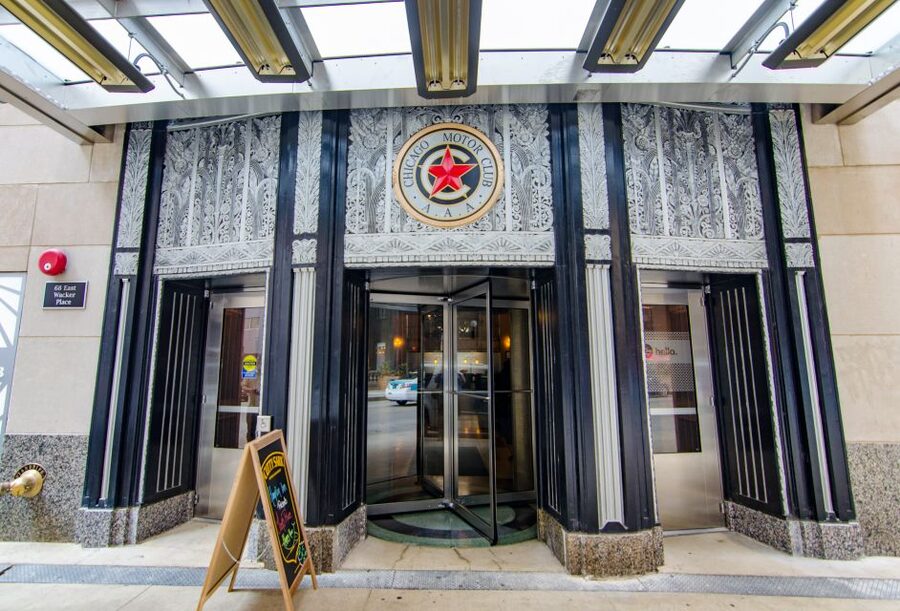
The Trustees System Service Building, now called Century Tower, may be the most rewarding stop for anyone who enjoys finding a building that receives less attention.
The description of this building as colorful and often overlooked is important. Chicago has no shortage of famous towers, so it is easy to spend your whole day looking upward at the biggest names. Art Deco rewards a different habit: check the details on buildings you might otherwise pass by.
Century Tower is also a designated Chicago landmark. Inside, color and geometric ornament help show that Art Deco was not limited to black, silver, and severe lines. The style could be bright, playful, and decorative while still keeping its strong order.
I would pay close attention here to the guide’s explanation of motifs. Once you know how to recognize octagons, sunbursts, flowers, and zigzag patterns, the building becomes easier to read. You start seeing choices instead of just decoration.
This stop may appeal most to visitors who want more than famous postcard views. It offers a reminder that Chicago’s architectural character is spread across many buildings, not concentrated in one or two landmarks.
The Engineering Building and the final skyscraper lobby
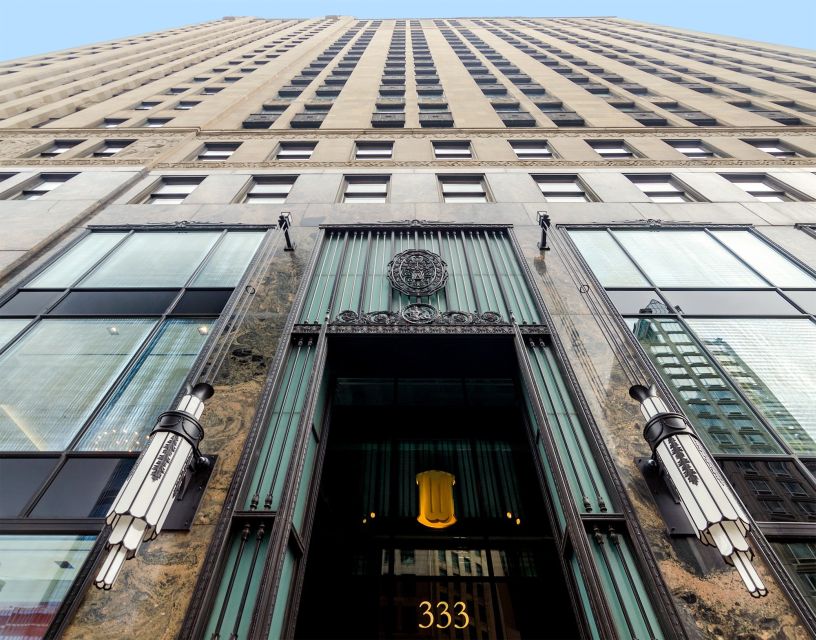
The Engineering Building is another Chicago landmark on the route. Its place on a tour of 1920s skyscrapers makes sense: Art Deco was closely tied to engineering, industry, and confidence in modern construction.
The guide connects the style to the business boom of the Roaring ’20s. That context helps explain why these interiors can feel so bold. The ornament is not random decoration. It reflects a period when companies wanted their buildings to express order, progress, and financial strength.
The route also includes a fifth Art Deco skyscraper lobby. The supplied details identify the full visit as five buildings but name four of them individually, so you should treat the fifth as part of the guided route rather than expect a particular building name from the basic tour description.
That fifth stop adds variety to the walk. Instead of spending the entire time at one signature building, you get several chances to compare patterns, finishes, entrances, and interior scale. For a 90-minute tour, that is a good balance between seeing enough and avoiding an exhausting architecture lecture.
Finishing at the Merchandise Mart
The tour ends at the Merchandise Mart. This is a sensible finish because the building gives you a final large-scale example of Chicago’s commercial architecture and places you near the Chicago River.
Ending here also gives you a natural point to continue exploring downtown. The tour does not include transportation afterward, but you are not left at an obscure location. You can plan the walk as part of a wider architecture day, perhaps pairing it with other Chicago Architecture Center activities or time along the river.
The end point is also useful for pacing. You get the focused detail of five lobbies first, then finish with a building that feels broad and monumental. Your guide’s final comments can tie together the motifs and historical forces discussed during the walk.
What the guides add to the experience
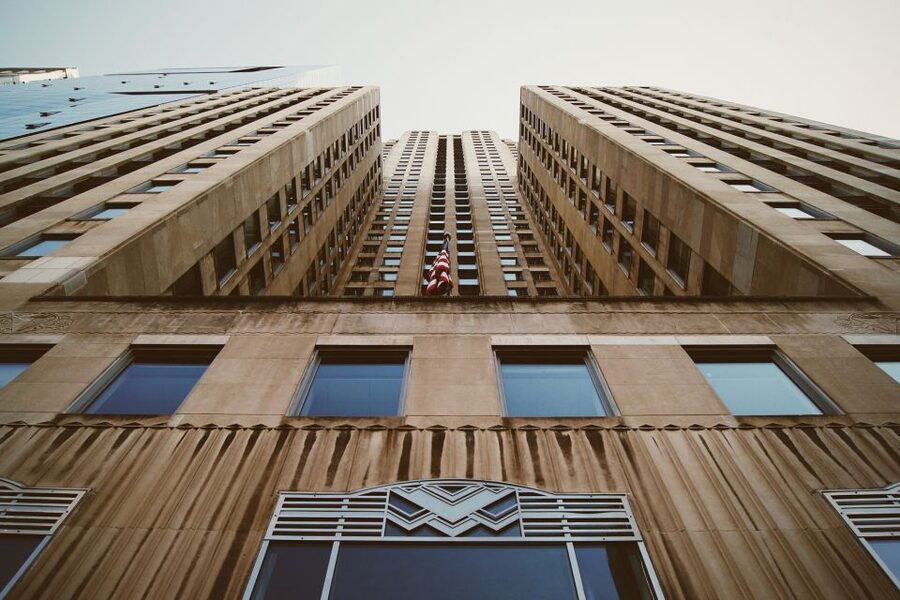
The guides are Chicago Architecture Center certified volunteer docents. They receive hundreds of hours of training in architecture and Chicago history, then bring that preparation to the street.
The strongest praise for this experience centers on the guides’ humor, detail, and pace. One guide was described as funny and well prepared, while other comments praised the clear explanations and informative rhythm of the walk. That combination matters. A guide can know a great deal and still make a poor tour if the information comes too quickly or feels like a classroom lecture.
Here, you can expect the guide to explain both what you are seeing and why it matters. The stories connect Art Deco to Paris, the Century of Progress Exposition, Cubism, ancient Middle Eastern influence, and Chicago’s 1920s business boom.
English is the tour language. If you enjoy asking questions, a 10-person maximum gives you a better chance to participate than a large city tour would.
Is $35 good value?
The price is listed as $35 per group up to one participant. In practical terms, confirm the exact booking setup before paying, since that wording suggests the rate is intended for a single attendee or one-person booking.
The value is strongest if you care about interiors. Many Chicago architecture walks focus mainly on what you can see from the sidewalk. This one adds entry to five iconic Art Deco buildings, a certified docent, and admission to the Chicago Architecture Center exhibits.
That last inclusion makes the price more useful if you can also visit the Center. The exhibits can give you a broader foundation in Chicago architecture, while the walking tour shows you real buildings at close range.
Your ticket also supports the nonprofit Center’s education and community work. Funds help programs such as Girls Build!, Teen Fellows, the Newhouse Architecture + Design Competition, and Open House Chicago. That does not replace the need for a good tour, but it adds value for visitors who like their sightseeing dollars to support local learning programs.
I would not choose this tour for a cheap way to cover lots of downtown ground. It is a focused architecture experience. For someone who wants guided access to five ornate interiors, the cost is reasonable. For someone who only wants exterior photos or a general city orientation, a broader free walk may suit better.
Who should book this walking tour?
I recommend it for first-time Chicago visitors who want to understand the city’s buildings instead of simply photograph them. It also suits repeat visitors who have already seen the major riverfront views and want to pay attention to interiors.
Architecture students, design fans, photographers, and anyone curious about the 1920s should get plenty from it. The tour is also a good choice for people who prefer a short, focused activity. Ninety minutes is enough time to learn a clear theme without giving up an entire day.
It may be less suitable if you have limited mobility that makes standing and walking difficult, although the experience is listed as wheelchair accessible. You should also skip it if you need to carry luggage or a stroller, since storage is not available.
Bring a confirmation, arrive early, and wear clothing suited to the weather. Tours leave rain or shine, and there are no weather refunds. If you have a tight schedule, allow extra time around the 90-minute duration for getting to the meeting point and continuing from the Merchandise Mart.
Should you book it?
Book this tour if you want Chicago architecture with real interior access, a small group, and a guide who can explain the details without burying you in jargon. The Carbide and Carbon Building, Chicago Motor Club Building, Century Tower, Engineering Building, and final Merchandise Mart setting provide a strong chain of examples.
I would pass only if you want a broad overview of the whole city, dislike walking in poor weather, or need to bring large bags. For everyone else, this is a smart, focused way to see the playful side of Chicago’s skyscrapers and learn why Art Deco still feels so confident nearly a century later.
FAQ
How long is the Art Deco skyscrapers tour?
The walking tour lasts 90 minutes.
Where does the tour meet?
The meeting point is 30 N LaSalle Street. You should arrive 10 minutes before departure with your confirmation ready.
Where does the tour end?
The tour ends at the Merchandise Mart.
How many buildings do you visit?
The tour includes entry into the lobbies of five iconic Art Deco buildings near the Chicago River.
Is the tour wheelchair accessible?
Yes, the activity is listed as wheelchair accessible.
What language is the tour given in?
The live tour guide conducts the experience in English.
Can I bring luggage, a stroller, or a pet?
Large bags, luggage, and strollers cannot be stored during the tour. Pets are not allowed, but service animals are welcome.
More walking tours in Chicago
- Chicago in a Day: Food, History & Architecture Walking Tour
★ 5.0 · 1,153 reviews - Chicago’s Secret Interiors Architectural Walking Tour
★ 5.0 · 635 reviews - Chicago: Secret Interiors Architecture Walking Tour
★ 4.9 · 498 reviews - Chicago Architecture Walking Tour: What’s New
★ 5.0 · 64 reviews
Just added in Chicago
- Private Frank Lloyd Wright Architectural Tour by Luxury Vehicle★ 3.5 · 7 reviews
- Private Chicago Architecture Tour★ 5.0 · 5 reviews
- Private Chicago Architecture Walking Tour★ 5.0 · 6 reviews
- Chicago Luxury Minibus City Tour and Architecture River Cruise★ 4.5 · 8 reviews
- Chicago History and Architecture Walking Tour with Boat Cruise★ 4.5 · 10 reviews
- Small Group History And Architecture Walking Tour of Chicago★ 4.5 · 8 reviews
- Chicago: Private Architecture Tour – 3 or 6 Hours★ 4.0 · 6 reviews
- Chicago Walking Tour: See Inside Art Deco Masterpieces★ 4.9 · 8 reviews
Art Deco Tours, compared.

The Official Art Deco Walking Tour by The Miami Design Preservation League
Read our review →

Guided 10am Morning Art Deco Walk From Napier Art Deco Trust
Read our review →

Award-winning Art Deco & Neon Lights Walking Tour in Miami Beach
Read our review →
Browse the lists this tour appears in